Hillstream Loach (Homaloptera sp.) - Live tropical fish for sale UK

Homaloptera sp.

Hillstream Loach (Homaloptera sp.) - UK

Moderate Care
Peaceful
£15.99In Stock

A fascinating Hillstream Loach with unique body shape, ideal for well-oxygenated river-style aquariums. Order now with live arrival guarantee and UK delivery.

Algae GrazerBottom DwellerFreshwater FishLoachModerate CareOddball FishPeaceful

Care at a Glance

Scientific Name
Homaloptera sp.
Adult Size
10 cm
Lifespan
5 years
Care Level
Moderate
Temperament
Peaceful
Temperature
20–25°C
pH Range
6–7.5
Hardness
3–12 dGH
Minimum Tank
80L
Diet
Algae, biofilm, blanched vegetables, sinking pellets

Premium Quality

Healthy, vibrant fish from trusted suppliers

Expert Care

Detailed care guides and support

Live Arrival Guarantee

Your fish arrives healthy or we'll replace it

Acclimated

Properly quarantined and ready for your tank

Quick Care Guide

Temperature
20–25°C
pH Range
6–7.5
Minimum Tank
80L
Adult Size
10 cm
Lifespan
5 years
Care Level
Moderate
Temperament
Peaceful
Diet
Algae, biofilm, blanched vegetables, sinking pellets
Water Hardness
3–12 dGH
Tank Region
Bottom

Water Parameters

Maintain these water conditions for optimal health and vibrant colors

Temperature
20–25°C
20°CIdeal Range25°C
pH Level
6–7.5
6Ideal Range7.5
Water Hardness
3–12 dGH
3 dGHIdeal Range12 dGH

Why Choose This Fish?

A fascinating Hillstream Loach with unique body shape, ideal for well-oxygenated river-style aquariums. Order now with live arrival guarantee and UK delivery.

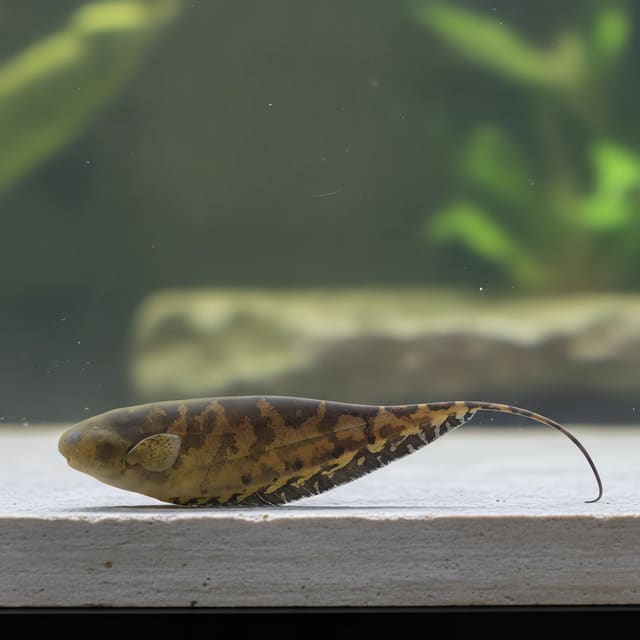
The HILLSTREAM LOACH, usually sold in the hobby as Homaloptera sp., is one of the most interesting oddball fish you can add to a cool, fast-moving community aquarium. Unlike typical bottom dwellers, this fascinating flathead loach is built for life in current, with a streamlined body and strong fins that help it cling to rocks while grazing algae and biofilm. Native to Southeast Asia, especially stream systems linked to the Malay Peninsula, this unique bottom dweller UK hobbyists love stays manageable in size, with a typical hillstream loach size of around 8-10 cm and a hillstream loach lifespan of roughly 4-5 years when kept correctly. It is peaceful, active in its own understated way, and ideal for aquarists who want something different from the usual pleco or cory setup.

If you have been searching for a hillstream loach care guide, wondering about hillstream loach tank mates, or comparing hillstream loach for sale UK options, this species stands out because it combines unusual appearance with useful algae-grazing behaviour. See our detailed photos showing the body shape, subtle patterning, and natural resting posture on stone surfaces in a proper river-style aquarium. For keepers planning a hillstream loach tank setup, this fish rewards careful preparation with excellent behaviour, strong health, and constant grazing activity. In the right tank, it becomes one of the best loach for river biotope displays and a brilliant hillstream loach for algae control choice.

🔹 Quick Facts

  • Scientific Name: Homaloptera sp.
  • Care Level: Moderate
  • Min Tank Size: 80 litres (around 18 gallons)
  • Temperature: 20-25°C (68-77°F)
  • pH Range: 6.0-7.5
  • Lifespan: Up to 5 years
  • Temperament: Peaceful
  • Diet: Herbivorous grazer with algae, biofilm, vegetables and sinking foods

Classification

  • Order: Cypriniformes
  • Family: Balitoridae
  • Genus: Homaloptera

Homaloptera species are part of a wider group of stream-adapted loaches prized for their flattened profile and ability to thrive in flowing water. In the aquarium trade, they are often compared with beaufortia kweichowensis, gastromyzon, and sewellia lineolata, but Homaloptera have a more elongated body and a classic “stream loach” look. Their place in the hobby has grown as more aquarists build river-style tanks and seek peaceful algae grazers with real character.

Where Do Hillstream Loaches Come From? Natural Habitat Explained

A proper hillstream loach care sheet starts with habitat. In the wild, Homaloptera sp. comes from clear, shallow, fast-flowing streams in Southeast Asia, including areas associated with the Malay Peninsula. These waters are typically cool to mildly warm, highly oxygenated, and full of smooth stones, pebbles, submerged roots, and patches of algae-covered surfaces. This natural homaloptera habitat is very different from the still, warm, soft-bottom tanks used for many tropical fish.

Because of that, good hillstream loach care depends less on “tropical community” rules and more on stream simulation. In nature, these fish spend much of the day attached to hard surfaces, grazing microscopic food from rocks and wood. Their body shape is an adaptation to current, and their hillstream loach oxygen needs are higher than many beginner fish. That is why poor circulation is one of the main reasons hillstream species fail in home aquariums.

Many hobbyists compare Homaloptera with sewellia, beaufortia kweichowensis aquarium fish, or pseudogastromyzon cheni. Those are all stream specialists, but Homaloptera often prefer a little more open bottom area and a mix of current zones. If you have seen terms like steenkruiper or steenkruipers in European searches, they are often used loosely for stone-loving stream fish, which helps explain why these loaches are so popular in river manifold systems.

Wild water chemistry is usually soft to moderately soft, with a hillstream loach ph range from slightly acidic to neutral. Their natural diet includes algae films, diatoms, microorganisms, and tiny edible particles caught in current. This is why a mature tank with established surfaces is much better than a sterile new setup. If you want the most natural hillstream loach behaviour, think stones, current, oxygen, and grazing surfaces first.

💡 Expert Tip

Mimicking a shallow stream with rounded stones, directional flow, and bright enough light to grow natural algae improves feeding response, reduces stress, and brings out the calm, purposeful grazing behaviour these fish are known for.

How to Set Up the Perfect Tank for Hillstream Loach

The biggest mistake people make with this species is assuming any community tank will do. A proper hillstream loach setup should be built around flow, oxygen, and mature surfaces. While the stated hillstream loach minimum tank size is 80 litres, that is best treated as the minimum for a carefully maintained tank with one or two specimens. For long-term success, a 90-120 litre aquarium gives you more stable water quality and more room to create current gradients.

Tank Size Requirements

The basic hillstream loach tank size for this species is 80 litres, but many keepers prefer larger. If you are asking about 1 hillstream loach tank size, 80 litres is workable if the tank is mature and strongly filtered. For 3 hillstream loach tank size, aim for at least 100-120 litres so each fish can establish feeding spots without constant competition. Similar searches like reticulated hillstream loach tank size, reticulated hillstream loach minimum tank size, tiger hillstream loach tank size, and zebra hillstream loach tank size all point to the same principle: stream loaches need floor area and flow more than depth.

A common search is hillstream loach 10 gallon reddit, usually from people wondering if a nano tank is enough. In practice, a 10 gallon tank is too limiting for stable oxygen levels, current, and grazing area. Even if the fish physically fits, the environment does not. This species is far better in a dedicated river-style aquarium than in a small mixed tank.

Water Parameters

The ideal hillstream loach temperature is 20-25°C. That means the normal hillstream loach temperature celsius target should sit around 22-24°C for most homes. The broader hillstream loach temperature range allows some flexibility, but cooler, oxygen-rich water is usually better than warm, stagnant water. If you are asking what temp do hillstream loaches like or what temperature do hillstream loaches need, the answer is cool-to-mild tropical water with strong aeration.

The hillstream loach ideal temperature for mixed community setups is often 22-23°C. The hillstream loach lowest temperature should not be pushed too low without experience, and the hillstream loach tank temperature should remain stable rather than swinging day to night. Comparable searches like reticulated hillstream loach temperature, reticulated hillstream loach temperature range, and tiger hillstream loach temperature show how often keepers underestimate the importance of cooler water for this group.

Keep pH between 6.0 and 7.5, with soft to moderately hard water around 3-12 dGH. Stability matters more than chasing an exact number. Good oxygenation and low nitrate are often more important than tiny pH adjustments.

20-25°C
Temperature
6.0-7.5
pH Range
3-12 dGH
Hardness
80L+
Minimum Tank

Filtration and Flow

The defining hillstream loach water flow requirement is strong, continuous movement with excellent gas exchange. Use an external canister filter or a powerful internal filter aimed along the length of the tank. A spray bar, powerhead, or even a river tank manifold can create the kind of laminar flow these fish enjoy. This is what makes the species such a strong hillstream loach for high-flow tank choice.

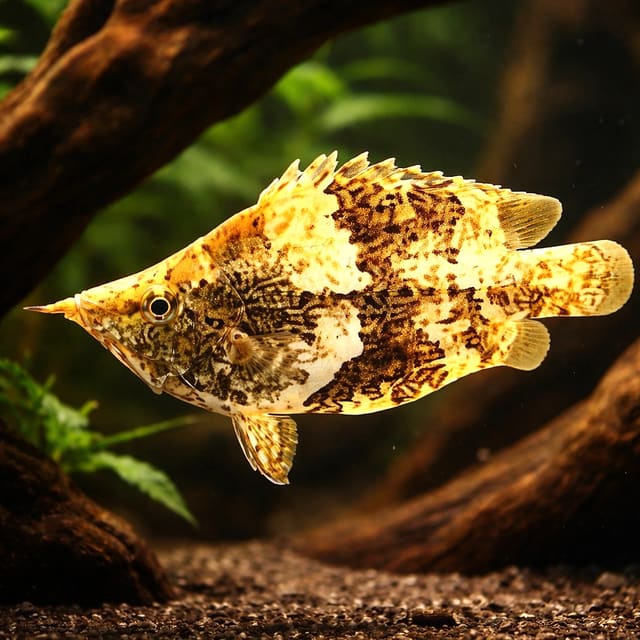
If you want a proven stream companion setup, pairing them with another rock-loving species such as Vinciguerra’s Stone Loach can work well in larger aquariums designed around current. For hobbyists comparing shapes and grazing styles, the Marbled Hillstream Loach is another excellent reference species.

Substrate, Plants and Decor

Use smooth sand or fine rounded gravel with lots of water-worn stones. Avoid sharp gravel that can damage the underside. Flat slate, rounded cobbles, and driftwood all help create feeding stations. A hillstream loach planted tank can work very well if planting is done sensibly. Choose hardy plants that tolerate current, such as Anubias, Java fern, Bolbitis, and mosses attached to wood or stone. A hillstream loach for planted stream aquarium is entirely possible as long as open grazing surfaces remain available.

Bright lighting helps grow algae and biofilm, which supports natural feeding. Leave some stones in the light to “green up.” If you like unusual colour contrasts, compare this species with the Discover Red Hillstream Loach for a different visual effect in a stream aquascape.

Quick Setup Checklist

  • Tank of 80 litres minimum, 100 litres+ preferred for groups
  • Strong filter plus extra flow or powerhead
  • Rounded stones and smooth substrate
  • Mature surfaces with algae and biofilm
  • Stable temperature of 20-25°C
  • High dissolved oxygen and low nitrate

💡 Pro Tip

Always cycle the aquarium for 4-6 weeks before adding hillstream loaches. A mature tank with visible biofilm is far safer than a spotless new setup, especially for newly imported specimens that need to graze almost constantly.

What Do Hillstream Loaches Eat? Complete Feeding Guide

The natural hillstream loach diet is based on algae, biofilm, microorganisms, and fine plant matter scraped from hard surfaces. In the aquarium, that means they should never be treated as a fish that lives on “leftovers.” If you are asking what do hillstream loach eat, what do hillstream loaches eat, or simply what hillstream loaches eat, the answer is a varied grazing diet with both natural growth and prepared foods.

A good staple plan includes algae wafers, spirulina-based sinking foods, soft gel foods, and blanched vegetables such as courgette, spinach, or cucumber. Many keepers ask what to feed hillstream loach or what to feed hillstream loaches when the tank looks clean. In that case, supplement daily with sinking herbivore foods and leave some stones exposed to light so algae can regrow.

For hobbyists comparing species, the reticulated hillstream loach diet, tiger hillstream loach diet, and searches like what do reticulated hillstream loach eat, what do reticulated hillstream loaches eat, what do tiger hillstream loaches eat, and what reticulated hillstream loaches eat all point to the same approach: natural grazing plus targeted supplementation. If you are wondering what algae do hillstream loaches eat, they readily graze soft green algae, diatoms, and biofilm. They are less reliable on tougher problem algae; for example, do hillstream loaches eat black beard algae is a common question, but the answer is usually no, not in a meaningful way.

One of the best ways to judge success is to learn how to know if hillstream loach is eating. Look for a rounded belly, regular grazing on rocks and glass, and active movement at feeding time. If a new fish refuses food, searches like why reticulated hillstream loaches not eating usually reflect stress, weak current, poor oxygen, or a tank that is too new. Some keepers also ask odd timing-based questions such as what time reticulated hillstream loaches eat or what day reticulated hillstream loach eat; in reality, they graze throughout the day and should have access to food sources at all times.

Time Food Amount
Morning Algae wafer or spirulina pellet Small portion eaten within 2-3 hours
Evening Blanched veg or soft gel herbivore food Remove leftovers after 12 hours
Hillstream Loach

If you are planning a species-focused stream tank, keeping a small group encourages natural grazing and reduces shyness at feeding time.

Vinciguerra’s Stone Loach

A compatible stream-loving companion in larger river aquariums, with similar appreciation for oxygen-rich water and bottom structure.

⚠️ Feeding Warning

Overfeeding causes ammonia spikes and poor oxygen levels, which are especially dangerous for stream loaches. Offer small portions, keep flow high, and remove uneaten vegetables before they foul the tank.

Hillstream Loach Appearance: Colors, Patterns & Varieties

The classic hillstream loach adult size is around 8-10 cm, though growth depends on diet, current, and overall tank maturity. This elongated body shape sets Homaloptera sp. apart from rounder “sucker” types like sewellia lineolata or beaufortia kweichowensis. The body is flattened underneath, with broad paired fins used for stability on rocks and in current.

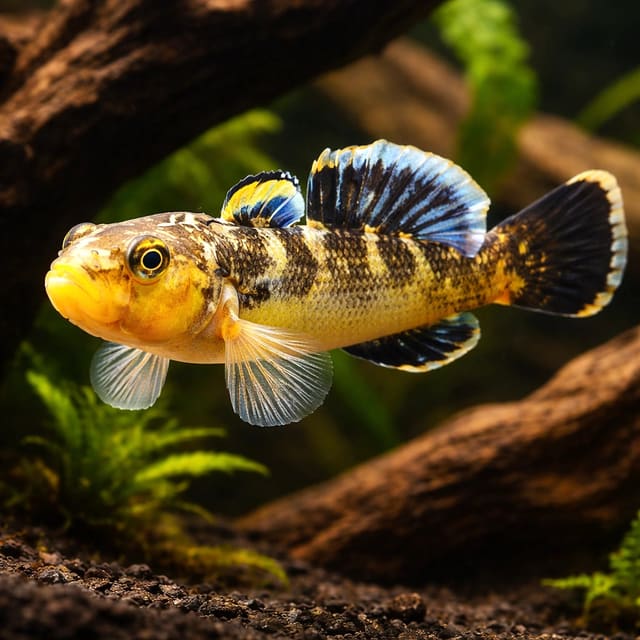
Most specimens show earthy tones: tan, brown, olive, and darker reticulated or barred markings that help them blend into stone surfaces. Natural hillstream loach color variations can include warmer brown fish, cooler grey fish, and occasional contrast in the fins. Some keepers search for terms like yellowfin hillstream loach or hillstream loach blue tail; these are usually trade descriptions or lighting effects rather than fixed colour morphs in this species.

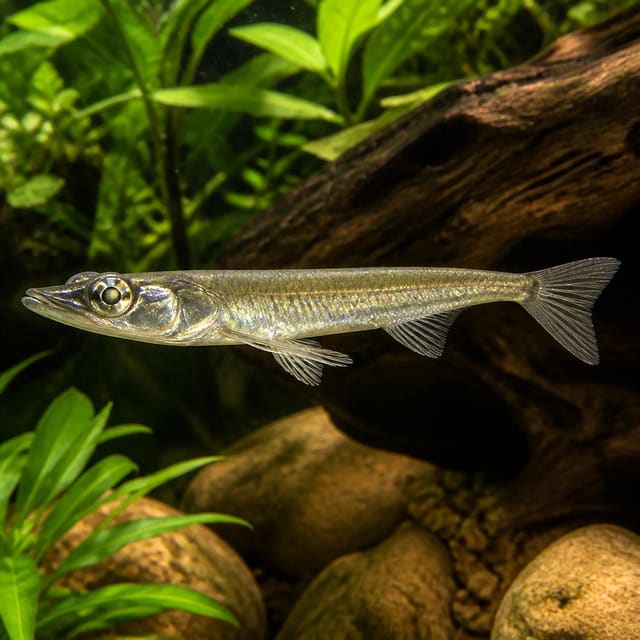
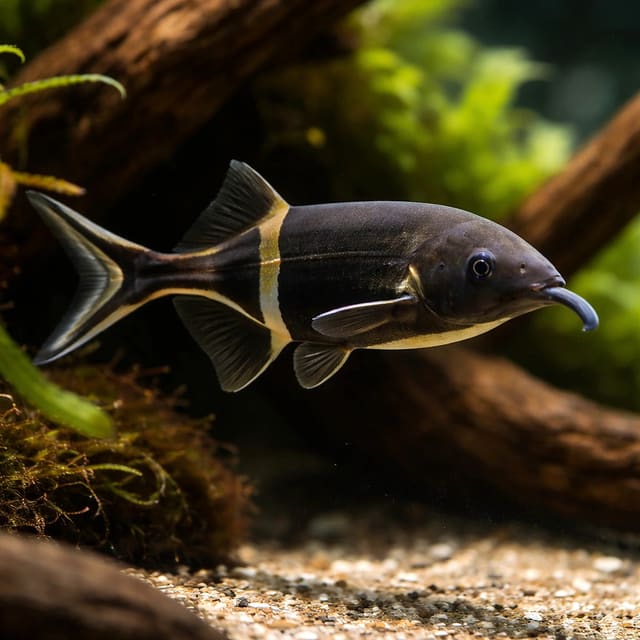
A healthy fish may subtly hillstream loach change colour depending on mood, substrate, lighting, and stress. If you are asking why is my hillstream loach turning white, the most common causes are stress, poor oxygen, bullying, or sudden water quality issues. Pale colour can also appear briefly during acclimation. Our photos show the natural patterning and camouflage effect these fish display when settled over smooth stone in a high-flow aquarium.

Sexing is not always easy, but mature females are often broader through the body, especially when viewed from above. Males may appear slimmer and slightly more angular. If you are researching how to tell if hillstream loach is male or female, body width and behaviour during feeding disputes are more useful than colour alone.

What Fish Can Live With Hillstream Loach? Compatibility Guide

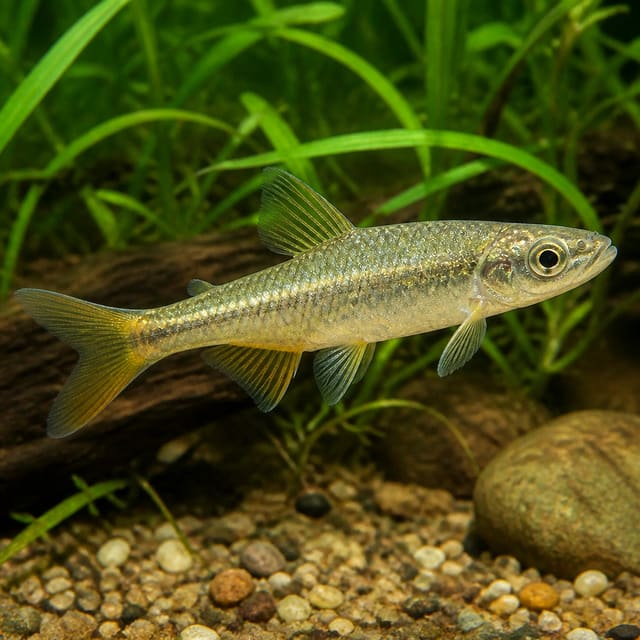
One of the most common customer questions is what fish can live with hillstream loach. The short answer is peaceful, current-tolerant species that enjoy cooler water and do not outcompete them at feeding time. Good hillstream loach tank mates include danios, White Cloud Mountain Minnows, other stream loaches, and similarly peaceful bottom fish in larger setups.

People often ask are hillstream loaches schooling fish. Not exactly. They are better described as loosely social. Are hillstream loaches social? Yes, they often do well in groups if the tank has enough feeding stations and floor space. Are hillstream loaches aggressive? Usually no, but mild sparring over resting spots is normal. A search like hillstream loach aggressive or are reticulated hillstream loaches aggressive usually refers to this harmless pushing behaviour rather than true fighting.

If you notice chasing, the question why is my hillstream loach chasing other fish usually comes down to territory over a favourite rock, cramped conditions, or poor layout. Add more stones, spread out food, and increase line-of-sight breaks. In a well-designed river tank, this species is one of the best examples of a peaceful stream-dwelling fish UK aquarists can keep.

Ideal Tank Mates

Excellent companions include danios, White Clouds, and other stream specialists. If you want a loach-led display, the Hillstream Loach and Marbled Hillstream Loach make a visually interesting pairing in a larger tank with many grazing surfaces. The Vinciguerra’s Stone Loach is another suitable option for experienced keepers building a dedicated flow-based setup. For hobbyists exploring unusual stream species, the Discover Red Hillstream Loach adds a different look while keeping the same general care theme.

Species to Avoid

Warm-water fish such as discus, many gouramis, and slow long-finned species are poor choices. Searches like can hillstream loaches live with betta usually end in compromise on temperature and flow, so it is not recommended. Can hillstream loaches live with pea puffers? Usually not a good idea because puffers may nip and the feeding style is very different. Reticulated hillstream loach with cichlids is also generally a bad plan unless the cichlids are extremely peaceful and the tank is large, which is rare.

Can hillstream loaches live with corydoras? Sometimes, but only if temperature and flow suit both species and the tank is spacious. Can hillstream loaches live with guppies? Not ideal, since guppies prefer warmer, calmer water. Can hillstream loaches live with bristlenose plecos or can hillstream loaches live with plecos? In larger tanks, yes with caution, but make sure food reaches everyone and that the pleco does not dominate the best surfaces.

Compatibility with Invertebrates

Can hillstream loaches live with shrimp? Usually yes with adult shrimp, especially in mature planted stream tanks. Searches like reticulated hillstream loach and cherry shrimp reflect a common and often successful combination. However, will hillstream loach eat baby shrimp is a fair question. Tiny shrimplets may be at some risk if they blunder into the loach’s feeding zone, though this species is not an active shrimp hunter. They generally ignore snails, but do hillstream loaches eat snail eggs or will hillstream loach eat snail eggs can happen opportunistically.

Many hobbyists ask about hillstream loach with goldfish, can hillstream loach live with goldfish, can hillstream loaches live with goldfish, or hillstream loach live with goldfish. This can work in some specialist cool-water setups with excellent filtration, but it is not a simple beginner pairing. Goldfish produce heavy waste and can outcompete loaches. If attempted, the tank must be large, highly oxygenated, and designed for both species.

Species Compatible? Notes
Vinciguerra’s Stone Loach ✅ Yes Works in larger high-flow stream aquariums with plenty of bottom space.
Marbled Hillstream Loach ✅ Yes Similar water needs and behaviour; provide multiple feeding surfaces.
Betta splendens ❌ Avoid Flow and temperature needs are too different for long-term success.

💡 Compatibility Tip

Always quarantine new arrivals for 2-4 weeks before adding them to a stream tank. Hillstream loaches dislike sudden changes, and a calm introduction reduces stress-related colour loss and feeding refusal.

How to Breed Hillstream Loach: Complete Breeding Guide

Hillstream loach breeding is considered difficult, especially with wild-type Homaloptera. If you are asking are hillstream loaches easy to breed, the honest answer is no. They can be conditioned well in aquaria, but consistent spawning and fry survival are advanced projects. That said, understanding hillstream loach mating behavior helps you keep adults in peak condition.

Breeding Setup

A dedicated hillstream loach breeding tank should be mature, highly oxygenated, and rich in biofilm. Use cool, clean water in the usual range of 20-25°C, with strong current and plenty of stone structure. Fine sand and piles of rounded pebbles may provide more secure spawning zones. If you are researching hillstream loach how to breed or how to breed reticulated hillstream loach, the first step is always conditioning adults on a rich varied diet and maintaining excellent water quality.

Spawning Behaviour

Do hillstream loaches lay eggs? Yes, they are egg layers. Courtship is subtle and may involve increased chasing, body positioning, and close contact around stones or current breaks. Searches like reticulated hillstream loach breeding and tiger hillstream loach breeding show how much interest there is in this topic, but reports remain inconsistent across species. Questions such as what day reticulated hillstream loaches lay eggs or what time reticulated hillstream loaches lay eggs do not have a simple answer; spawning is usually triggered by condition, seasonality cues, and water changes rather than a fixed timetable.

Egg and Fry Care

If eggs are produced, adults may or may not ignore them. Will hillstream loaches eat fish eggs? They can consume eggs opportunistically, so removing eggs or using a heavily structured breeding setup improves odds. Fry need microscopic foods, mature surfaces, and very stable water. Newly hatched fish are vulnerable to starvation in sterile tanks, which is why many breeding attempts fail even when spawning occurs.

Because these fish graze continuously, fry do best in tanks with established algae and biofilm rather than bare-bottom rearing containers. Gentle but constant flow is useful, but avoid blasting tiny fry into filter intakes.

Advanced Breeding Tip

Condition adults for several weeks on algae-rich stones, spirulina foods, and soft gel diets, then perform slightly cooler, oxygen-rich water changes to mimic seasonal stream refreshes. This often improves activity and may trigger spawning interest in mature groups.

Hillstream Loach vs Similar Species: Which Should You Choose?

Many buyers compare Homaloptera with other stream loaches before deciding which fish best suits their aquarium. The most common alternatives are beaufortia kweichowensis, sewellia, gastromyzon, and sewellia lineolata. Each has its appeal, but Homaloptera sp. is often the better choice if you want an elongated, active grazer that looks more like a true stream fish than a miniature ray.

Feature Hillstream Loach Sewellia lineolata
Max Size 10 cm 6-7 cm
Care Level Moderate Moderate
Temperature 20-25°C 20-24°C
Price £15.00 £18.00-£25.00
Best For River biotope and larger stream tanks Smaller specialist hillstream displays
Feature Hillstream Loach Beaufortia kweichowensis
Body Shape Elongated flathead loach Rounder “butterfly” profile
Flow Preference Strong current Strong current
Feeding Style Grazer with roaming behaviour Surface clinger and grazer
Visual Style Natural stream camouflage Bold spotted pattern
Best For Naturalistic stream scenes Showpiece oddball tanks

If you are asking which reticulated hillstream loach is best or which reticulated hillstream loach for sale, the real answer depends on your tank. Choose Homaloptera if you want a larger, more elongated fish for a current-driven layout. Choose sewellia lineolata if you prefer a smaller, more patterned species. Choose beaufortia kweichowensis aquarium fish if you like the rounded “butterfly loach” look. For UK keepers building a proper river tank, Homaloptera remains one of the most natural-looking and rewarding options.

Common Health Problems in Hillstream Loach & How to Prevent Them

Most hillstream loach diseases are not caused by the species being delicate; they are caused by unsuitable conditions. Warm, stale water, low oxygen, poor acclimation, and a lack of mature grazing surfaces are the main triggers. A healthy fish should rest firmly on surfaces, graze regularly, show clear eyes, and maintain a full belly.

One common question is can hillstream loaches get ich. Yes, they can, especially after transport stress or sudden temperature swings. Because loaches can be sensitive to medication, treatment should be cautious, with increased aeration and careful dosing. Another common search is hillstream loach died, often after being added to a new tank that looked clean but lacked biofilm and oxygen. This species often suffers in tanks that are technically cycled but biologically immature for grazing fish.

Reticulated hillstream loach disease concerns usually involve wasting, bacterial infection after injury, or stress-linked fading. If you are searching which reticulated hillstream loach care, the answer is still the same core method: cool clean water, high flow, mature surfaces, and careful feeding. Questions like could reticulated hillstream loach care, has reticulated hillstream loach care, how big reticulated hillstream loach care, how long reticulated hillstream loach care, how many reticulated hillstream loach care, and how much reticulated hillstream loach care all come back to one truth: this is a specialist environment fish, not a generic clean-up crew.

Many keepers ask which repashy for hillstream loach. Soft algae-based gel foods can be very useful, especially for newly settled fish or tanks with limited natural growth. Use them as supplements, not replacements for a mature environment. If a fish goes pale, review oxygen, flow, and bullying first before assuming disease.

⚠️ Health Warning

Never rely on copper-heavy medications without checking compatibility. Stream loaches are sensitive to poor dosing, and copper is lethal to shrimp and many invertebrates often kept in river-style aquariums.

Quarantine Protocol

  • Use a separate mature tank for 2-4 weeks
  • Provide strong aeration and smooth hiding surfaces
  • Watch for weight loss, flashing, and pale colour
  • Offer algae wafers, gel foods, and blanched veg
  • Only medicate when symptoms clearly justify it

Understanding Hillstream Loach Behavior in the Aquarium

The typical hillstream loach behaviour is calm, purposeful, and centred around grazing. They are not flashy open-water fish, but they are constantly doing something: resting in current, moving from stone to stone, or scraping food from surfaces. In a mature tank, they are active during the day and often become bolder once they learn the feeding routine.

They are not true shoaling fish, but group keeping often helps confidence. Mild sparring is normal, especially around favourite rocks. This is why people sometimes think hillstream loach aggressive behaviour is a problem when it is really low-level social sorting. Give them enough room and multiple current zones, and the behaviour settles quickly.

One of the most enjoyable things about this species is how strongly setup affects behaviour. In a weakly filtered tank they may hide and fade. In a proper current-based setup, they display natural station-holding, active grazing, and subtle interactions that make them far more interesting than a simple “algae eater.” For aquarists who enjoy observing fish rather than just collecting them, Homaloptera is a standout choice.

Why Buy from Tropical Fish Co?

When customers search hillstream loach for sale, hillstream loaches for sale, or hillstream loach for sale UK, they are often looking for more than price alone. With stream loaches, condition on arrival matters enormously. We select active specimens with good body weight, clear fins, and a strong grip response, because weak, recently stressed fish do poorly in home aquariums. This species is not just packed and posted like a generic community fish.

Before dispatch, each HILLSTREAM LOACH is observed for feeding response and general stability. We favour fish that are already taking prepared foods, which makes acclimation easier for UK hobbyists. If you are comparing buy hillstream loach UK, buy hillstream loach online UK, hillstream loach for sale near me, or checking hillstream loach price UK, remember that a well-settled fish with a proper feeding history is worth far more than a cheap but weakened import.

Orders are packed with insulated materials, secure fish bags, and seasonal heat packs in winter when needed. Delivery is tracked, and packing is designed to protect oxygen levels and temperature stability during transit. We also provide practical acclimation guidance specific to stream species, not a generic one-size-fits-all leaflet. That matters for fish sold under searches such as Homaloptera buy online UK, Homaloptera for sale UK, Homaloptera loach for sale online UK, buy flathead loach UK, and lizard loach buy UK.

If you are browsing hillstream loach uk options and want a fish suited to a genuine river-style aquarium, order with confidence. This is an unusual species that rewards careful keepers, and we make sure buyers get realistic care information as well as healthy stock.

Why Choose Tropical Fish Co for Hillstream Loach

  • Specimens selected for strong body condition and active grazing behaviour
  • Held and assessed for feeding response before dispatch where possible
  • Packed specifically for oxygen-sensitive stream fish with insulated, tracked delivery

You Might Also Like

Building a stream aquarium is easier when you choose species and layouts with matching needs. For a similar oddball grazer, see our Marbled Hillstream Loach. If you want a contrasting colour form for a specialist display, explore the Discover Red Hillstream Loach. For another current-loving bottom species, consider Vinciguerra’s Stone Loach. If you are still comparing options, our main Hillstream Loach listing is a useful reference point for stream loach care and compatibility. Together, these choices help you build a natural, oxygen-rich river aquarium with fish that genuinely suit each other rather than just sharing the same tank.