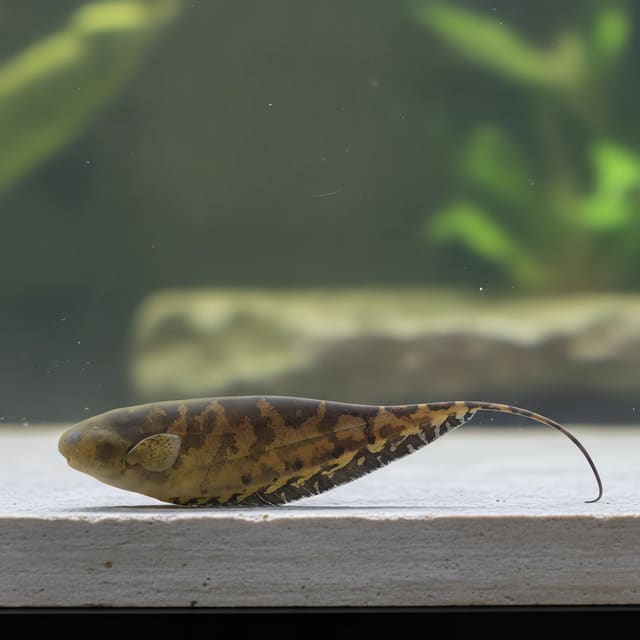
Steatogenys duidae
£85.99

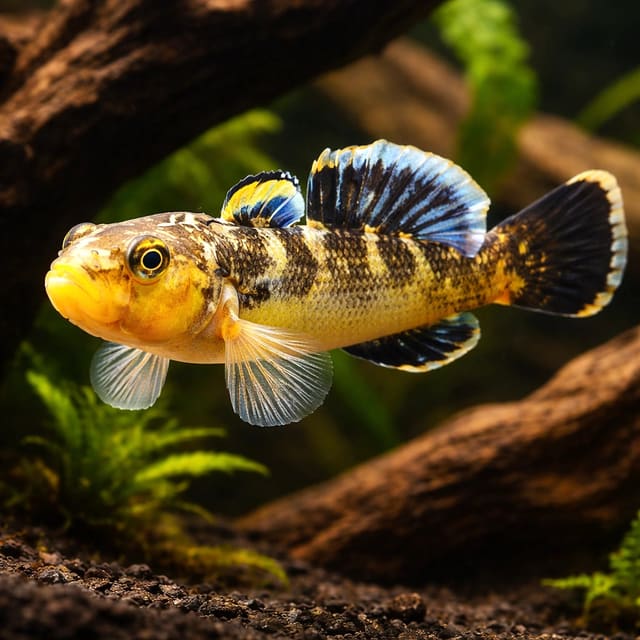
Badis badis, the chameleon fish, is a small, secretive predator from slow waters, ponds and ditches of northern India, Pakistan, Bangladesh, Bhutan and Nepal, including the Ganges, Brahmaputra, Mahanadi and Indus basins.
Adult size is the maximum length this species reaches at full maturity (scientific sources). The livestock you receive will be younger and smaller — pick a size above for the actual shipping size. Product-photo provenance and any image-specific limitations are stated on the listing.
Badis badis
Save when buying multiple fish. Each quantity is one fish; sex and pair formation are not guaranteed unless the selected variant explicitly states them.
Confirm your email, then we’ll send an availability message for this exact item if it returns within 180 days.
This request is only for this product—no newsletter or other promotions. A mail-provider retry may very rarely duplicate the same availability message. Unconfirmed addresses are removed after 48 hours. See our privacy policy.
Badis badis, the chameleon fish, is a small, secretive predator from slow waters, ponds and ditches of northern India, Pakistan, Bangladesh, Bhutan and Nepal, including the Ganges, Brahmaputra, Mahanadi and Indus basins.
Adult size is the maximum length this species reaches at full maturity (scientific sources). The livestock you receive will be younger and smaller — pick a size above for the actual shipping size. Product-photo provenance and any image-specific limitations are stated on the listing.
Maintain these water conditions for optimal health and vibrant colors
Badis badis, the chameleon fish, is a small, secretive predator from slow waters, ponds and ditches of northern India, Pakistan, Bangladesh, Bhutan and Nepal, including the Ganges, Brahmaputra, Mahanadi and Indus basins. Its name comes from the way it changes colour quickly with mood, breeding condition and surroundings, so the pattern of blue spots and warm body colour can look very different from one moment to the next. FishBase records a maximum length of 7.1 cm total length.
Each purchase supplies one unsexed fish in the size chosen in the selector. The size you select is the size supplied, not the adult size.
| pH | 6.0–8.0 |
| Hardness | 5–19 °dH |
| Layout | Densely planted, with caves, wood and leaf litter; subdued light |
| Tank mates | Only small, calm fish; not boisterous or fast competitors at feeding time |
Keep the temperature stable in the tropical range and change water regularly. Males hold small territories around caves, so give each male its own cave and break up sightlines with plants and wood.
A micropredator that prefers live and frozen foods such as bloodworm, daphnia and brine shrimp. Many specimens refuse dry food, so plan to feed frozen or live food.
No reviews for this item yet. Bought one? Honest reviews only, good or bad.
What customers say about ordering from us
I have a small group of long finned mountain minnows. So was delighted to be able to order ten of this variety to increase the genetics in my tank . The ones I recieved are healthy but it’s to early to give a verdict on wether they are of a long finned type since they are small currently.
Gordon Walker · 23 Sept 2026
100% success travel and "installation". Pleased with quality of purchase. The Siamese fighter a bit "shy" so have not yet seen him at his best yet but looking good. Happy customer. GG
George E Garratt · 21 Sept 2026
Reviews of our shop, collected by Judge.me, an independent third-party review collector. Newest first.