Bronze Cory (Corydoras aeneus) - Buy Online UK | Tropical Fish Co

Corydoras aeneus

Catfish UK: Corydoras aeneus Long Fin

Beginner Friendly
Peaceful
£10.99In Stock

Add graceful Corydoras aeneus Long Fin to your community tank. Peaceful, active bottom-dwellers with UK delivery available. Buy today for your aquarium.

Bottom DwellerCatfishCommunity FishCorydorasFreshwater FishLive FishModerate CareSchooling Fish

Care at a Glance

Scientific Name
Corydoras aeneus
Adult Size
7 cm
Lifespan
5 years
Care Level
Easy
Temperament
Peaceful
Temperature
22–26°C
pH Range
6–7.5
Hardness
2–15 dGH
Minimum Tank
60L
Diet
Omnivore; sinking pellets, frozen bloodworms, brine shrimp, algae wafers

Premium Quality

Healthy, vibrant fish from trusted suppliers

Expert Care

Detailed care guides and support

Live Arrival Guarantee

Your fish arrives healthy or we'll replace it

Acclimated

Properly quarantined and ready for your tank

Quick Care Guide

Temperature
22–26°C
pH Range
6–7.5
Minimum Tank
60L
Adult Size
7 cm
Lifespan
5 years
Care Level
Easy
Temperament
Peaceful
Diet
Omnivore; sinking pellets, frozen bloodworms, brine shrimp, algae wafers
Water Hardness
2–15 dGH
Tank Region
Bottom

Water Parameters

Maintain these water conditions for optimal health and vibrant colors

Temperature
22–26°C
22°CIdeal Range26°C
pH Level
6–7.5
6Ideal Range7.5
Water Hardness
2–15 dGH
2 dGHIdeal Range15 dGH

Why Choose This Fish?

Add graceful Corydoras aeneus Long Fin to your community tank. Peaceful, active bottom-dwellers with UK delivery available. Buy today for your aquarium.

The x Corydoras aeneus Long Fin, also known as the Long Fin Bronze Cory Catfish, is one of the easiest ways to add movement, character, and useful bottom-level activity to a peaceful aquarium. In the catfish UK hobby, Corydoras aeneus has long been valued as a reliable freshwater catfish UK favourite because it stays manageable at around 7 cm, thrives in groups, and suits both newer keepers and experienced aquarists. This Corydoras aeneus Long Fin Fish combines the hardiness of the classic Bronze Cory with elegant extended finnage, making it a stunning long fin bronze cory catfish for display tanks. Native to South America, it is a peaceful bottom dweller UK aquarists often choose for planted community aquariums, especially when they want a schooling catfish for community tank setups that remain calm and active throughout the day.

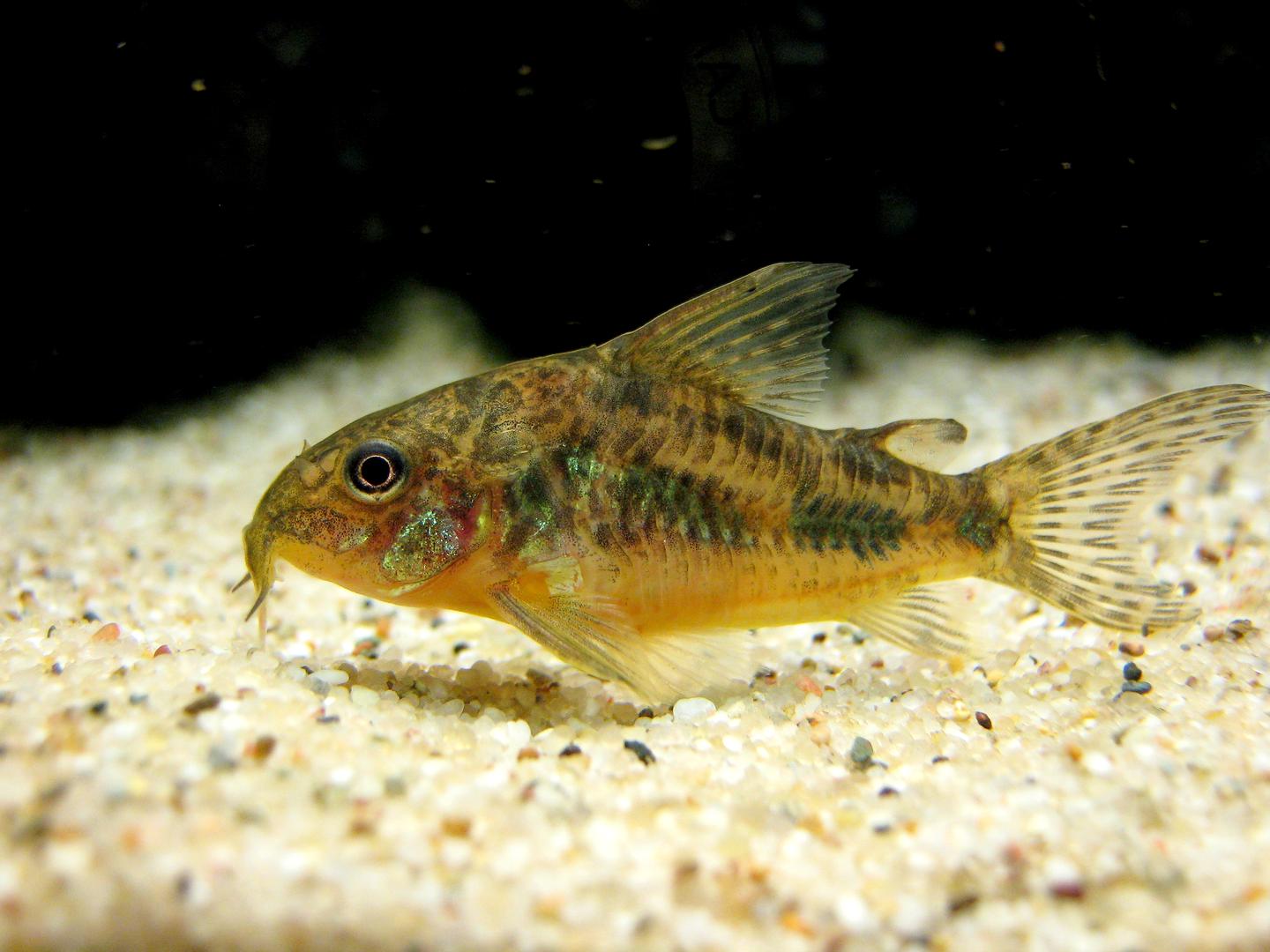
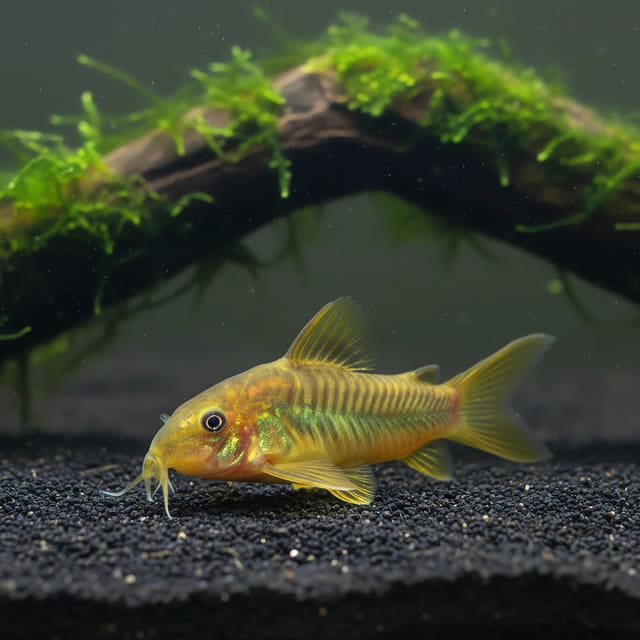
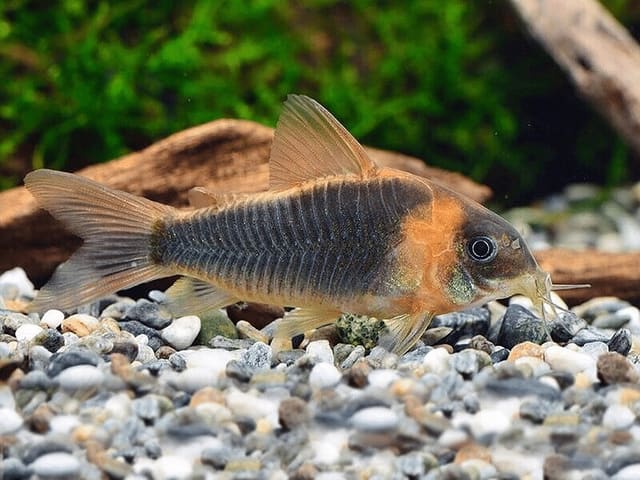
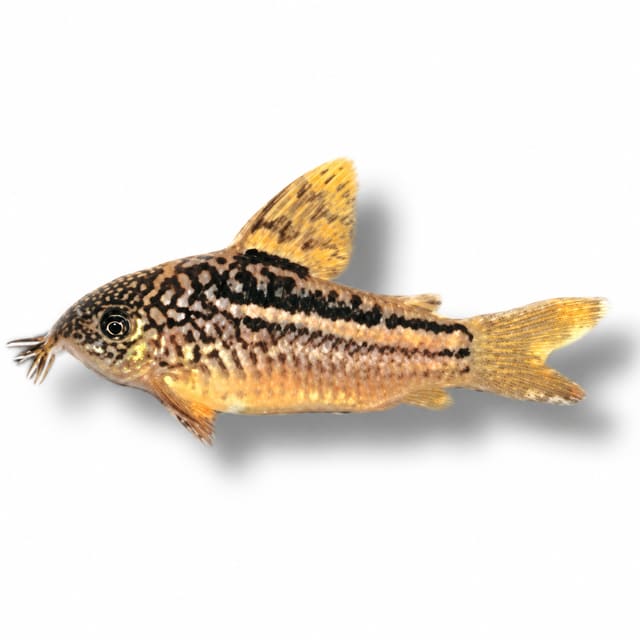
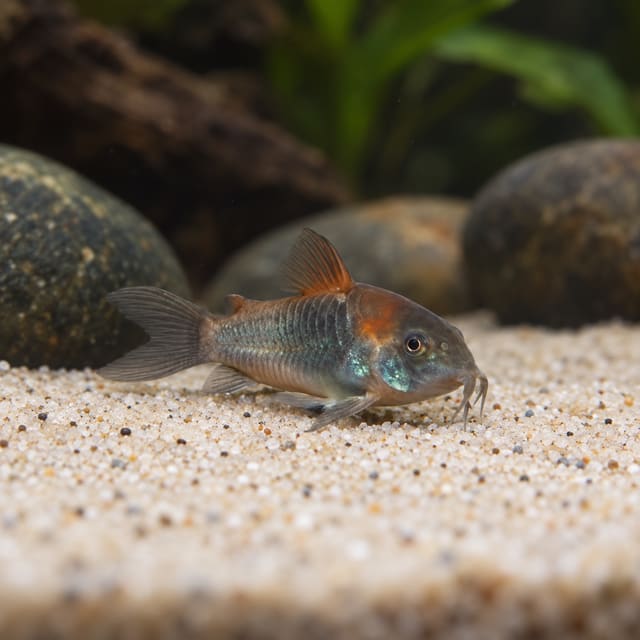
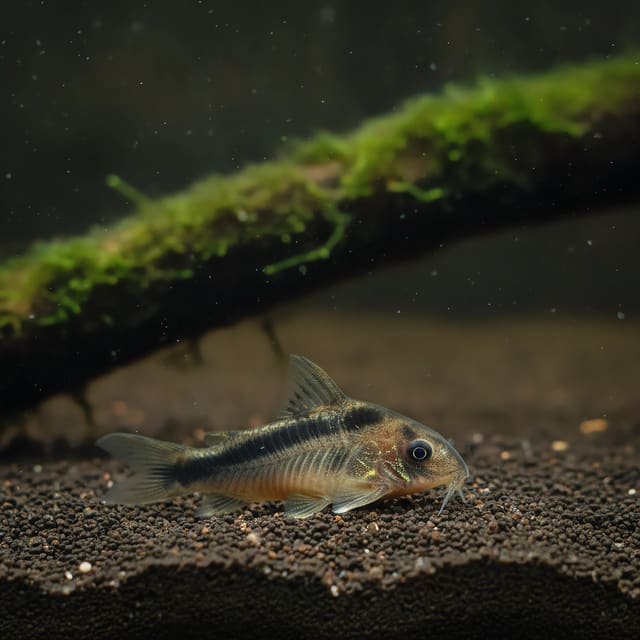
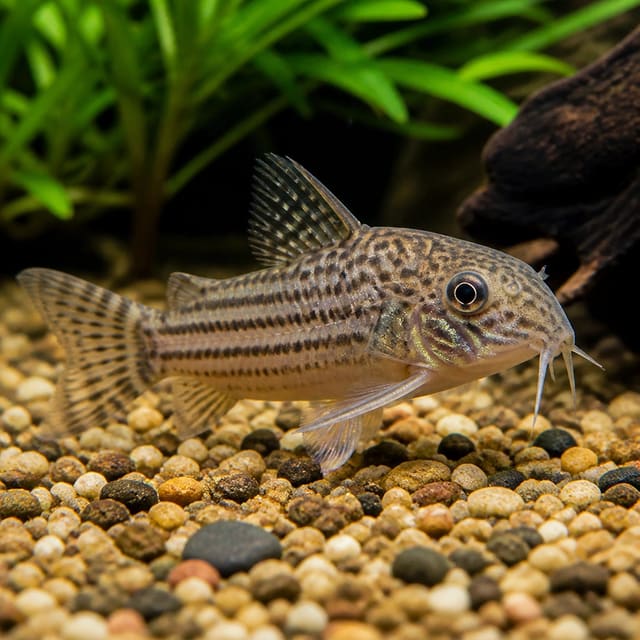
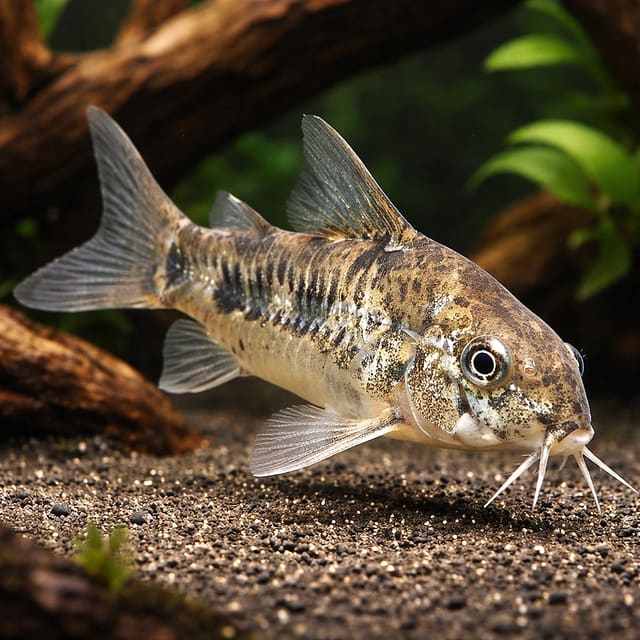
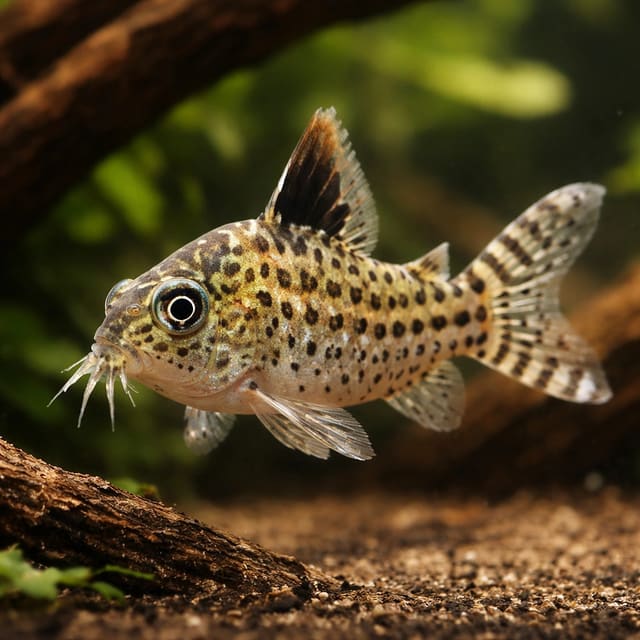
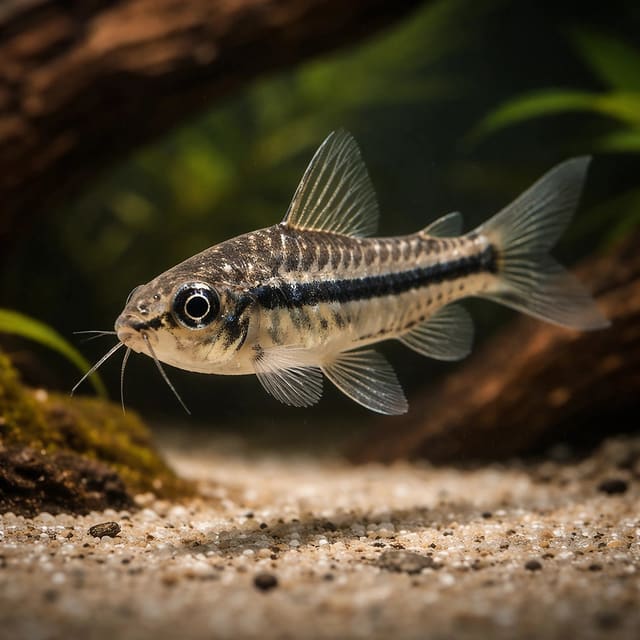
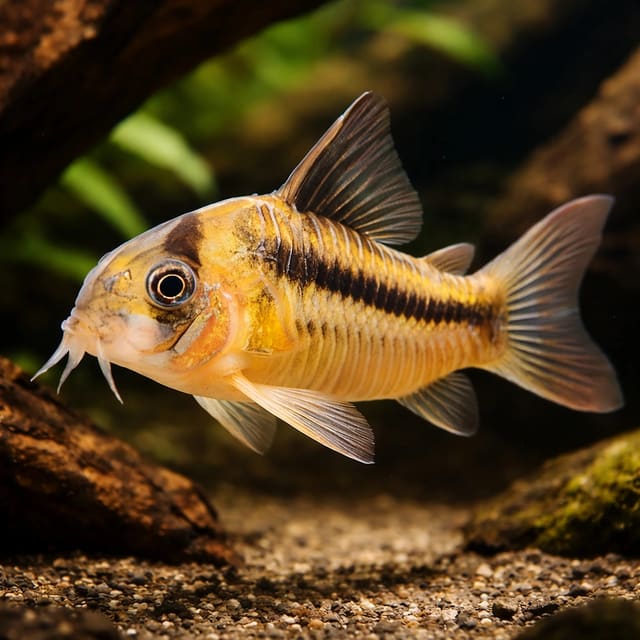
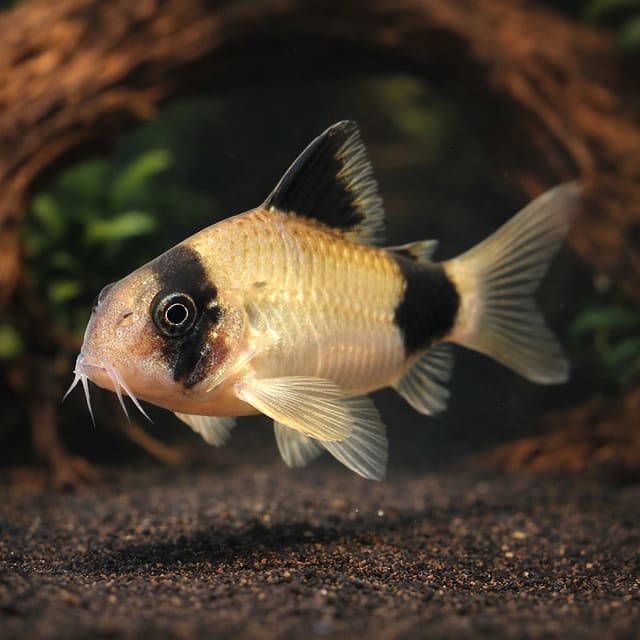
If you are searching for corydoras UK stock that is practical as well as attractive, this variety stands out. It works well in a community fish UK aquarium, adapts to a sensible corydoras aeneus long fin tank setup, and is widely considered among the best corydoras species for aquarium keepers who want easy care with a more decorative look. See our detailed photos showing the flowing dorsal and tail fins, bronze-green body sheen, and compact body shape that make this tropical catfish UK option so popular. With the right group size, soft substrate, and stable water, the Corydoras aeneus Long Fin becomes a lively, useful, and genuinely charming addition to almost any peaceful tropical setup.

🔹 Quick Facts

  • Scientific Name: Corydoras aeneus
  • Care Level: Easy to moderate
  • Min Tank Size: 60 litres (13+ gallons)
  • Temperature: 22-26°C (72-79°F)
  • pH Range: 6.0-7.5
  • Lifespan: Up to 5 years
  • Temperament: Peaceful
  • Diet: Omnivore

Classification

  • Order: Siluriformes
  • Family: Callichthyidae
  • Genus: Corydoras

Corydoras aeneus is one of the classic armoured catfish kept in aquariums worldwide. The long-fin form is a selectively developed aquarium strain of the Bronze Cory, prized for its extended finnage and graceful movement. Within the hobby, it sits alongside other popular Corydoras such as Corydoras sterbai Albino, Corydoras venezuelanus, and x Corydoras paleatus Albino Long Fin as a dependable choice for peaceful community aquariums.

Where Do Corydoras aeneus Long Fin Come From? Natural Habitat Explained

The wild form of Corydoras aeneus comes from a broad Corydoras aeneus habitat across northern and central parts of South America, including slow-moving streams, floodplain margins, shallow tributaries, and seasonally inundated areas. In nature, these fish are found over fine sand, silt, leaf litter, and submerged roots where they sift constantly for tiny invertebrates, organic matter, and edible scraps. That natural feeding style is why Corydoras aeneus for sandy substrate is such an important consideration in captivity.

The long-fin form is not a separate wild species but an ornamental strain bred for the aquarium trade. Even so, the best care still comes from understanding the original environment. Wild Bronze Corys often experience warm but not extreme tropical conditions, making the ideal corydoras aeneus long fin temperature steady rather than hot. Their preferred corydoras aeneus pH range and Corydoras aeneus water hardness are also fairly forgiving, which explains why they are often recommended as a first bottom dweller UK keepers can succeed with.

In these habitats, they live socially in loose groups and show classic Corydoras aeneus behaviour: active foraging, quick dashes to the surface for air, and close contact with their own kind. That social instinct is why a single fish rarely looks settled, while a group of six or more behaves naturally and confidently. For many aquarists searching uk catfish options, this species offers a great balance of hardiness, charm, and visible group behaviour.

Because they come from calm margins rather than torrents, they appreciate moderate filtration and gentle flow. Their native waters are often shaded by vegetation, so Corydoras aeneus for planted aquarium setups make excellent sense. Dense planting, driftwood, and open sandy areas recreate the contrast between shelter and feeding ground that they use in the wild. If you are looking at Corydoras aeneus buy online UK or Corydoras aeneus for sale UK listings, choosing a seller that understands this habitat background makes a real difference to long-term success.

💡 Expert Tip

Mimicking the natural habitat of Bronze Corys improves confidence, feeding response, and fin condition. A dimmer lower level, fine sand, and scattered cover often bring out much better daytime activity than a bright, bare-bottom aquarium.

How to Set Up the Perfect Tank for Corydoras aeneus Long Fin

A good corydoras aeneus long fin care guide always starts with the floor of the aquarium, not the top. These fish live at the bottom and spend much of the day searching through the substrate with sensitive barbels. That means the right corydoras aeneus long fin tank setup should prioritise floor space, soft substrate, stable water, and peaceful tank mates over tall décor or excessive current.

Tank Size Requirements

The minimum practical Corydoras aeneus tank size is 60 litres for a small group, but a larger footprint is always better. Because this is a shoaling species, one pair is not enough for natural behaviour. Aim for at least six fish, with eight or more preferred if space allows. In a 60-90 litre aquarium, a group can settle well alongside small midwater fish. In larger tanks, they become even more active and visible. Their adult Corydoras aeneus size of around 7 cm means they are not tiny nano fish, so avoid underestimating their space needs.

Water Parameters

The ideal corydoras aeneus long fin water parameters are straightforward: temperature 22-26°C, pH 6.0-7.5, and hardness 2-15 dGH. This corydoras aeneus long fin temperature range suits most tropical community aquariums and avoids the stress associated with prolonged overheating. Keep the Corydoras aeneus water hardness moderate and stable rather than chasing exact numbers. Sudden swings are far more harmful than being slightly outside the middle of the range. For most homes, a reliable heater and regular weekly maintenance are enough to keep this catfish UK favourite thriving.

22-26°C
Temperature
6.0-7.5
pH
2-15 dGH
Hardness
60L+
Minimum Tank

Filtration

Use efficient but not overpowering filtration. Sponge filters, internal filters with spray bars, or well-adjusted external filters all work well. Corydoras appreciate oxygen-rich water, but they do not enjoy being blasted across the substrate. If you run stronger filtration, break up the current with wood, plants, or outlet positioning. Fine mechanical filtration helps keep the substrate cleaner, which matters for barbels and overall health.

Substrate

Corydoras aeneus sand substrate requirement is one of the most important points in long-term care. The best option is smooth, fine sand. A proper Corydoras aeneus sand substrate lets them sift naturally without wearing down barbels or damaging the underside of the body. Sharp gravel can lead to stress, reduced feeding, and infections. If you want to keep Corydoras aeneus for sandy substrate the way they are meant to be kept, provide at least a few open feeding zones even in heavily planted tanks.

Plants & Decor

Corydoras aeneus for planted aquarium setups are excellent because plants soften light, improve water quality, and create secure resting areas. Use easy species such as Anubias, Java fern, Cryptocoryne, and floating plants. Leave open bottom areas at the front for feeding and group movement. Smooth driftwood, rounded stones, and leaf litter accents work well. If you enjoy Corydoras variety tanks, species like Corydoras Aeneus “Peru Gold Strip”, Corydoras duplicareus, and x Corydoras Mixed Selection can inspire similar layouts.

Lighting Requirements

Moderate lighting is ideal. Bright light is acceptable if broken up by planting or floating cover. A daily photoperiod of 7-9 hours suits most community tanks. Long-fin strains often look best under natural-looking white light that highlights the bronze body sheen without making the fish feel exposed.

Quick Setup Checklist

  • Choose a 60 litre or larger aquarium with a good floor area
  • Keep a group of at least 6 fish
  • Use fine sand, not sharp gravel
  • Maintain 22-26°C and pH 6.0-7.5
  • Add plants, wood, and shaded areas
  • Provide gentle to moderate filtration with good oxygenation

💡 Pro Tip

Always cycle the aquarium for 4-6 weeks before adding Corydoras. They are hardy, but they are still sensitive to ammonia and nitrite spikes, especially in newly set up tanks.

What Do Corydoras aeneus Long Fin Eat? Complete Feeding Guide

A common mistake in the catfish UK hobby is assuming Corydoras can live on leftovers. They cannot. The correct corydoras aeneus long fin diet is varied, deliberate, and based on sinking foods that reach the bottom before faster tank mates take everything. In nature they eat small worms, insect larvae, crustaceans, plant matter, and detritus. In captivity, they do best on a mixed omnivore plan.

Staple Foods

The core of a good corydoras aeneus long fin feeding guide is a quality sinking pellet or sinking granule formulated for bottom feeders. Feed once or twice daily in portions the group can finish within a few minutes. Look for foods with fish meal, insect protein, spirulina, and stabilised vitamins. This supports growth, colour, and fin condition in the Peaceful Long Fin Bronze Cory.

Supplemental Foods

Supplement the staple diet with frozen bloodworm, brine shrimp, daphnia, and finely chopped tubifex or blackworm from safe sources. These foods improve body condition and are especially useful when conditioning adults for Corydoras aeneus breeding. Algae wafers can be offered occasionally, but they should not replace a balanced omnivore diet.

Treats & Special Foods

For extra conditioning, offer protein-rich foods 2-3 times per week. This is particularly helpful if you are comparing corydoras aeneus long fin vs otocinclus, because unlike Otocinclus, Bronze Corys are not specialised algae grazers and need more substantial prepared feeding. If you keep them with very active top feeders, feed after lights dim slightly so the Corys get their share.

Feeding Frequency & Portion Control

Most established groups do well with two small feeds per day. Juveniles can take three lighter feeds. Avoid huge single meals. In mixed tanks, target feeding with a pipette or dropping food into several spots helps reduce competition. If you have ever searched unrelated phrases like catfish uk watch online, catfish uk full episode, catfish uk episodes, catfish uk episode 1, or catfish uk where to watch, note that aquarium catfish care is very different from TV search intent: these fish need real nutrition, not scavenger myths.

Foods to Avoid

Avoid floating-only foods, oversized pellets, stale foods, and overuse of fatty live foods. Do not rely on scraps from other fish. Any medication-laced food should be used only when necessary and according to diagnosis. Keep uneaten food from collecting in dead spots, as this quickly damages water quality.

Time Food Amount
Morning Sinking omnivore pellet Small portion, finished in 2-3 minutes
Evening Frozen bloodworm or brine shrimp Light supplemental feed for the group
Sinking foods for Corydoras groups

Choose a quality bottom-feeder pellet as the daily staple so every fish in the shoal gets a balanced meal.

Frozen bloodworm and brine shrimp options

Excellent for conditioning adults, improving feeding response, and supporting spawning attempts.

⚠️ Feeding Warning

Overfeeding causes ammonia spikes, dirty substrate, and bacterial problems around the barbels. Corydoras should look rounded but not bloated, and the sand should stay clean between maintenance sessions.

Corydoras aeneus Long Fin Appearance: Colors, Patterns & Varieties

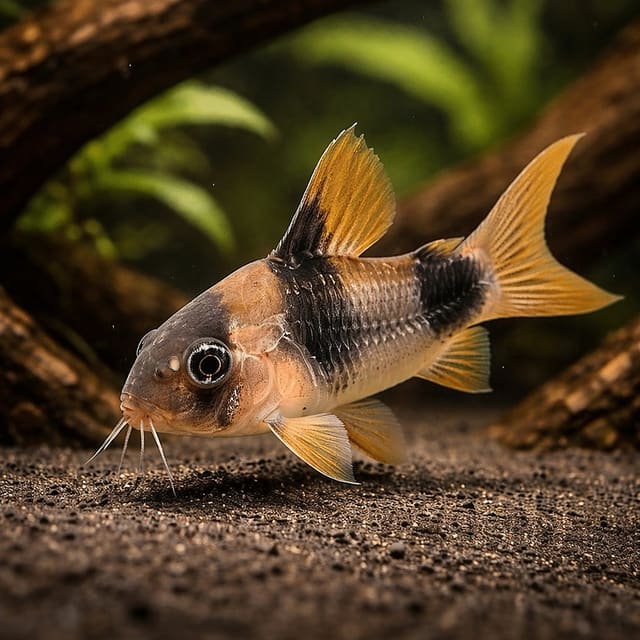
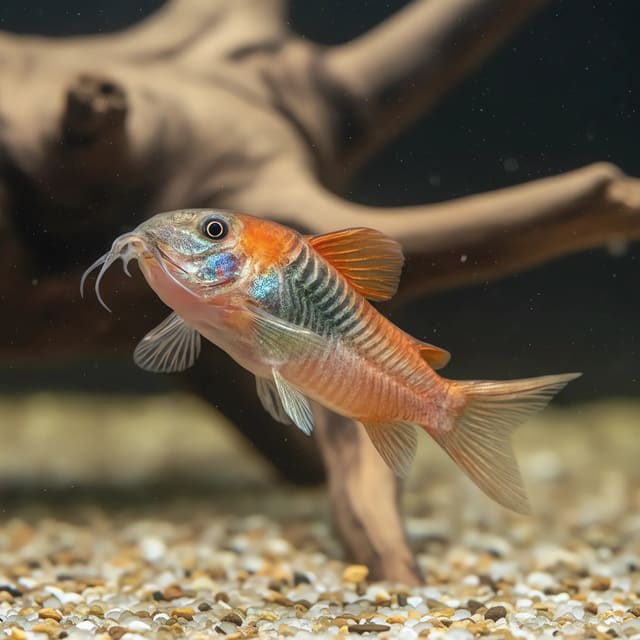
The Long Fin Bronze Cory has the familiar sturdy, armoured Corydoras body but with noticeably extended fins that give it a softer, more flowing look than the standard form. Adult Corydoras aeneus size is usually around 6-7 cm, with females often appearing broader and slightly larger when mature. The body colour ranges from warm bronze to olive-brown with metallic green or copper highlights depending on light angle, mood, and substrate contrast.

The long-fin trait is most obvious in the dorsal, caudal, and paired fins, which trail more elegantly as the fish moves over the bottom. In a calm aquarium with dark sand and planting, this creates the look many aquarists want when they search buy long fin bronze cory UK or buy corydoras aeneus long fin UK. The fins should look full and even, not clamped or frayed. Our photos show the sheen and finnage best when the fish are settled, well fed, and kept in groups.

Sexing is possible in adults. Females are usually deeper-bodied and wider when viewed from above, while males are slimmer and sometimes slightly more streamlined. If you are comparing Corydoras aeneus vs Corydoras sterbai, the Bronze Cory has a plainer metallic body rather than a spotted pattern, but the long-fin form adds extra visual appeal. For those browsing buy corydoras aeneus UK, corydoras aeneus long fin buy online UK, or corydoras aeneus long fin for sale UK, the key signs of quality are intact barbels, smooth belly, symmetrical fins, and active group behaviour.

This is also a strong choice for newcomers because corydoras aeneus long fin for beginners is a fair description when basic group and substrate needs are met. The fish is decorative without being fragile, which is why it remains a standout in the catfish UK category.

What Fish Can Live With Corydoras aeneus Long Fin? Compatibility Guide

Corydoras aeneus tank mates should be chosen around one core fact: this is a gentle shoaling catfish that wants to forage in peace. A corydoras aeneus long fin for community tank setup works best with calm, similarly sized fish that do not bully the bottom level or outcompete them aggressively at feeding time. This makes them one of the best Corydoras species for community tank layouts and a classic schooling catfish for community tank option.

Ideal Tank Mates

Small tetras, rasboras, peaceful livebearers, dwarf cichlids with mild temperaments, and many shrimp or snails can all work. If you want to build a Cory-focused display, consider related species such as Corydoras venezuelanus, Corydoras duplicareus, x Corydoras egues, and Corydoras Aeneus “Peru Gold Strip” as inspiration for similar water conditions. For a more unusual bottom companion in larger peaceful tanks, Farlowella acus can also suit the same calm style of aquarium.

Species to Avoid

Avoid aggressive bottom dwellers, large predatory fish, fin nippers, and territorial cichlids that claim the floor space. Fast, boisterous species can stress long-fin strains and damage delicate finnage. Very large plecs in small tanks can also outcompete them for food and resting areas. If you see search phrases like catfish in uk, catfish in the uk, or even unrelated entertainment terms such as catfish uk presenters, catfish uk online, catfish uk wikipedia, catfish uk wiki, and catfish tv show uk, remember that aquarium compatibility is about behaviour, not name overlap.

Community Tank Stocking Examples

In a 60 litre tank, a sensible plan is 6 x Long Fin Bronze Corys with a small school of peaceful tetras. In a 90 litre tank, you can keep 8 Corys with rasboras and a pair of peaceful dwarf cichlids. In a 120 litre planted aquarium, a group of 10 can form the bottom-level anchor beneath a mixed midwater shoal. This is why many aquarists describe them as a peaceful bottom dweller UK staple.

Compatibility with Invertebrates

Adult shrimp and snails are usually safe, though tiny shrimplets may occasionally be eaten if encountered. Corydoras are not specialised shrimp hunters, and in well-fed planted tanks they are generally excellent neighbours. Their calm nature makes the Peaceful Long Fin Bronze Cory a good addition to mixed peaceful communities.

Species Compatible? Notes
Corydoras venezuelanus ✅ Yes Similar temperament and water needs in peaceful community tanks
Farlowella acus ⚠️ Caution Works in calm mature tanks, but both species need gentle companions and stable water
Large aggressive cichlids ❌ Avoid Can harass Corydoras and dominate the bottom zone

💡 Compatibility Tip

Always quarantine new arrivals for 2-4 weeks before adding them to a community aquarium. This protects Corydoras from parasites and bacterial infections that often spread quickly in bottom-dwelling groups.

How to Breed Corydoras aeneus Long Fin: Complete Breeding Guide

Corydoras aeneus breeding is usually rated as moderate rather than difficult. Mature fish often spawn once settled, well fed, and kept in clean water, but raising eggs and fry successfully requires preparation. The long-fin form breeds much like the standard Bronze Cory.

Breeding Setup

Use a separate 40-60 litre breeding tank with sponge filtration, fine sand or a bare bottom, broad-leaved plants, and stable clean water. Condition the adults with a rich corydoras aeneus long fin diet including frozen foods. Slightly cooler water changes often trigger spawning, mimicking rainfall. If you keep notes the way some people track unrelated searches like catfish uk series or catfish uk season 1, you will quickly notice patterns in conditioning and spawning response.

Spawning Behaviour

Females become fuller with eggs, males become more active, and the group may show rapid chasing. Typical spawning includes the well-known Corydoras “T-position,” after which eggs are placed on glass, leaves, or filter equipment. A healthy group can lay dozens of eggs in a single event.

Egg Care & Hatching

Remove eggs or adults after spawning to prevent predation. Keep water very clean and gently aerated. Many breeders add almond leaf or a mild antifungal approach to reduce fungus on infertile eggs. At normal tropical temperatures, eggs usually hatch in around 3-5 days.

Fry Care & Growth

Once yolk sacs are absorbed, feed microworms, powdered fry food, and newly hatched brine shrimp. Frequent small water changes are essential. Fry grow steadily if kept clean and fed often. Fine sand helps them forage naturally as they develop.

Common Breeding Challenges

The main problems are infertile eggs, fungus, poor fry survival from dirty water, and underfeeding. Long-fin juveniles can also be slower to look fully developed than standard-fin fish, so patience matters. Ignore unrelated search terms such as catfish bait uk, uk catfish bait, catfish baits uk, wels catfish uk, big catfish uk, biggest catfish uk, uk record catfish, uk catfish record, and biggest catfish in uk; these refer to angling, not aquarium breeding.

Advanced Breeding Tip

For better hatch rates, move eggs to a shallow rearing tray with gentle air-driven circulation and remove any opaque white eggs daily. This reduces fungal spread and makes it easier to monitor development.

Corydoras aeneus Long Fin vs Similar Species: Which Should You Choose?

Comparing Corydoras helps you choose the right fish for your tank style, temperature, and visual preference. The Long Fin Bronze Cory is often selected by aquarists who want the forgiving nature of a Bronze Cory with extra elegance. It is especially appealing if you are deciding between classic community species.

Feature Corydoras aeneus Long Fin Corydoras paleatus Albino Long Fin
Max Size 7 cm 6-7 cm
Care Level Easy to moderate Easy to moderate
Temperature 22-26°C 20-25°C
Price Varies by pair/group Varies by strain
Best For Warm peaceful planted community tanks Slightly cooler community setups
Feature Corydoras aeneus Long Fin Corydoras sterbai
Pattern Bronze metallic body, flowing fins Spotted body with striped head
Temperature 22-26°C 24-28°C
Best For Balanced all-round community use Warmer tanks and stronger pattern contrast

If you are weighing corydoras aeneus long fin vs Corydoras paleatus, choose the Long Fin Bronze Cory for slightly warmer tropical community aquariums and a classic metallic look. Choose Paleatus if your setup runs a little cooler. If you are comparing Corydoras aeneus vs Corydoras sterbai, the aeneus long-fin form is usually the better all-rounder for mixed beginner-friendly tanks, while Sterbai is ideal if you want a more patterned fish for warmer conditions. You can also explore alternatives such as x Corydoras paleatus Albino Long Fin, Corydoras sterbai Albino, and x Corydoras Mixed Selection if you enjoy comparing forms and colour types.

For most keepers seeking a durable, decorative, and social corydoras aeneus long fin for beginners option, this fish remains one of the safest choices in the catfish UK category.

Common Health Problems in Corydoras aeneus Long Fin & How to Prevent Them

The best indicator of health in this species is behaviour. Healthy fish forage actively, rest calmly in groups, keep their barbels intact, and show smooth breathing with occasional normal trips to the surface. The expected corydoras aeneus long fin lifespan is around 5 years, sometimes longer with excellent care.

Signs of a Healthy Fish

Look for clear eyes, full fins, a rounded but not swollen body, and good social behaviour. A settled group should move together, feed eagerly, and spend time exploring open sand. Long fins should be even and undamaged.

Common Diseases & Symptoms

Common issues include barbel erosion from dirty or rough substrate, bacterial fin damage, stress from poor water quality, and external parasites introduced by new fish. Corydoras can also be sensitive to abrupt medication use. If you are browsing corydoras aeneus long fin for sale online UK or comparing corydoras aeneus long fin price UK and long fin bronze cory price UK, remember that healthy stock is worth more than the cheapest listing.

Treatment Options

First improve water quality with partial water changes, substrate cleaning, and parameter checks. Move affected fish to quarantine if needed. Use medications carefully and according to diagnosis. Corydoras can be sensitive to overdosing, especially with harsh treatments. Always research whether a product is safe for catfish and invertebrates.

Prevention Tips

Use fine sand, avoid overcrowding, feed a varied diet, and maintain weekly water changes. Quarantine new arrivals for at least 2 weeks, ideally 4. Stable temperature matters too; avoid swings outside the recommended corydoras aeneus long fin temperature range. Many problems blamed on species sensitivity are really caused by immature tanks or rough gravel.

Quarantine Procedures

A simple bare-bottom or sand-bottom quarantine tank with sponge filter, heater, and hiding places is enough. Observe feeding, respiration, and waste. This is especially important before adding fish to a display with shrimp or valuable Cory groups.

⚠️ Medication Warning

NEVER use copper-based medications in mixed tanks with shrimp or other sensitive invertebrates. Copper can be lethal, and overdosing any medication is especially risky with Corydoras.

Quarantine Protocol

  • Keep new fish in a separate tank for 2-4 weeks
  • Observe feeding response and breathing daily
  • Test ammonia and nitrite regularly
  • Use only proven catfish-safe treatments if needed
  • Transfer to the main tank only when active and symptom-free

Understanding Corydoras aeneus Long Fin Behavior in the Aquarium

Corydoras aeneus behaviour is one of the main reasons people fall in love with them. They are social, curious, and often active in daylight, especially once settled. In a proper group they move together across the substrate, investigate every corner, and occasionally dash to the surface for a gulp of air, which is normal for Corydoras.

This is not a solitary fish. A group of six is the minimum, and larger groups usually look far more confident. Kept alone or in pairs, they can become shy and less active. In contrast, a settled shoal in a planted tank shows exactly why this species is valued as a schooling catfish for community tank displays. Their peaceful nature also makes them a dependable corydoras aeneus long fin for community tank choice.

To encourage natural behaviour, provide open sand, shaded cover, and calm companions. A well-designed lower level will produce more visible foraging, social resting, and playful group movement. For aquarists wanting a peaceful bottom dweller UK option with personality rather than just utility, this species is hard to beat.

Why Buy from Tropical Fish Co?

When buying long-fin Corydoras, the details matter. Extended fins make condition and handling quality more obvious than on standard forms, so careful selection is essential. Our x Corydoras aeneus Long Fin are chosen for active group behaviour, intact barbels, balanced body shape, and clean finnage rather than simply size alone. That matters whether you are searching corydoras UK, buy corydoras aeneus UK, buy corydoras aeneus long fin UK, or corydoras aeneus long fin for sale UK.

Before dispatch, fish are observed for feeding response, swimming behaviour, and general condition. They are acclimated to common UK aquarium conditions so they transition more smoothly into home setups. Orders are packed in insulated boxes with appropriate bagging, oxygen where needed, and heat packs in colder weather. Tracked delivery helps reduce transit time, and live fish are packed to minimise stress and protect delicate fins.

We also support customers after purchase with practical care guidance. If you are unsure about Corydoras aeneus tank size, corydoras aeneus long fin water parameters, or suitable Corydoras aeneus tank mates, the goal is to help you build the right setup from day one. For hobbyists comparing Corydoras aeneus buy online UK options, that species-specific support is often the difference between fish that merely survive and fish that thrive. Order your Corydoras aeneus Long Fin today with confidence and build a peaceful, active bottom-level shoal that will reward you for years.

Why Choose Tropical Fish Co for Corydoras aeneus Long Fin

  • Selected for intact barbels, strong feeding response, and well-formed long fins
  • Prepared for typical UK tropical community conditions before dispatch
  • Packed with insulation and seasonal heat protection to reduce transit stress

You Might Also Like

If you enjoy this elegant Bronze Cory form, you may also like x Corydoras paleatus Albino Long Fin for a lighter long-fin alternative, Corydoras sterbai Albino for stronger patterning, or Corydoras venezuelanus for another warm-water community favourite. For broader Cory collections, x Corydoras Mixed Selection is a useful place to compare forms. If you want a more unusual peaceful bottom companion, consider Farlowella acus. You can also browse the wider catfish UK collection to build a complete lower-level community around compatible species and suitable feeding options.