Advanced
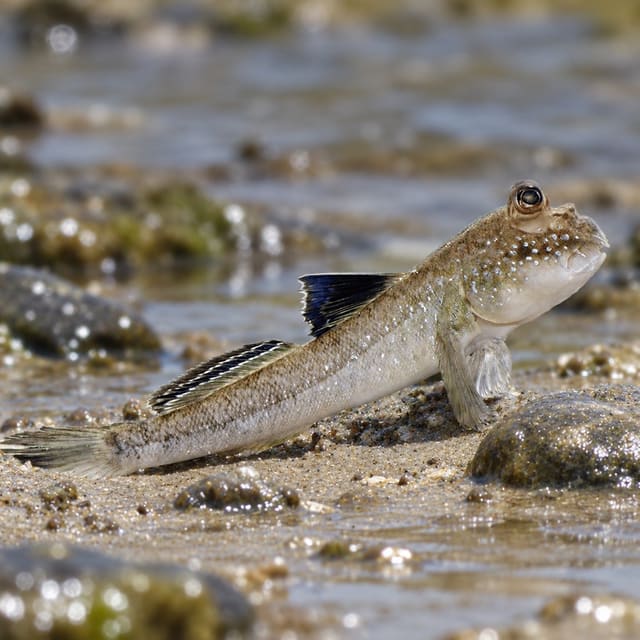
Atlantic Mudskipper (Periophthalmus barbarus)
25–30°C · pH 7–8.5 · 110L
£22.99
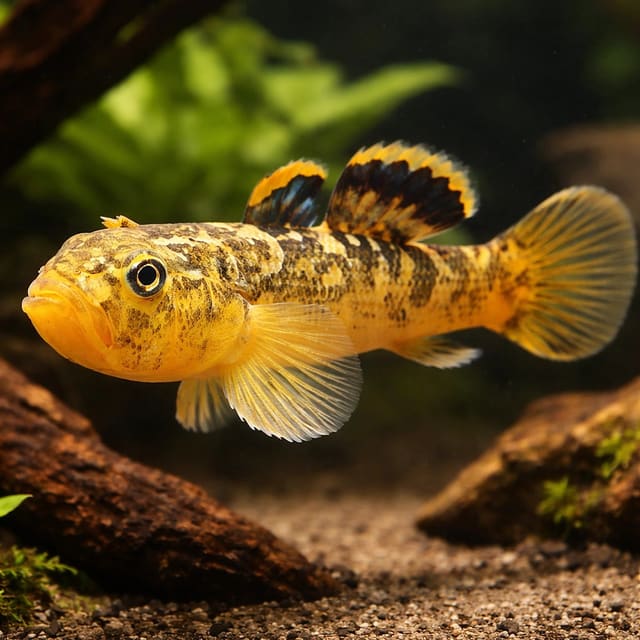
The Purple spotted gudgeon (Mogurnda adspersa) is a freshwater bully sleeper from Australia’s Murray–Darling system and eastern coastal drainages that reaches 14 cm. It suits keepers able to provide a covered aquarium with a 120 × 30 cm base, using the FishBase and Seriously Fish overlap of 16–20°C and 10–20 dGH, with pH 7.0–7.5 from Seriously Fish. Sold individually as one live fish.
Adult size is the maximum length this species reaches at full maturity (scientific sources). The livestock you receive will be younger and smaller. Product-photo provenance and any image-specific limitations are stated on the listing.
Mogurnda adspersa
The Purple spotted gudgeon (Mogurnda adspersa) is a freshwater bully sleeper from Australia’s Murray–Darling system and eastern coastal drainages that reaches 14 cm. It suits keepers able to provide a covered aquarium with a 120 × 30 cm base, using the FishBase and Seriously Fish overlap of 16–20°C and 10–20 dGH, with pH 7.0–7.5 from Seriously Fish. Sold individually as one live fish.
Adult size is the maximum length this species reaches at full maturity (scientific sources). The livestock you receive will be younger and smaller. Product-photo provenance and any image-specific limitations are stated on the listing.
Maintain these water conditions for optimal health and vibrant colors
The Purple spotted gudgeon (Mogurnda adspersa) is a freshwater fish in the bully sleeper family, Eleotridae. It comes from Australia’s Murray–Darling system and eastern coastal drainages north of the Clarence River, where it inhabits slow-flowing or still rivers, creeks and billabongs. FishBase records a maximum of 14 cm total length. It suits a keeper who can plan around that adult size, provide quiet cover and screen every companion for size and temperament.
This is a benthopelagic fish associated with rocks, weed and other vegetation in the wild. Its aquarium should therefore offer usable lower-level space as well as hiding places. The fish is territorial but not particularly boisterous, and it will probably eat any tank mate it can fit in its mouth. Those traits make floor space, cover and companion size more important than simply counting litres.
Expect a shy fish to use shelter, especially while settling in. Sand, rocks, bogwood and plants can create multiple retreats. Keep water movement gentle and fit a tight cover because this species is described as a strong jumper. A quiet layout does not mean an unfiltered aquarium: filtration remains essential, but the return should not create a forceful current across the fish’s resting areas.
| Suits | Not suited to |
|---|---|
| Freshwater aquariums with a broad base, cover and gentle water movement | Open-topped aquariums or layouts without hiding places |
| Robust, peaceable companions too large to swallow | Tank mates small enough to fit in its mouth |
| Keepers prepared to use the FishBase and Seriously Fish overlap of 16–20°C and 10–20 dGH, plus Seriously Fish’s pH range of 7.0–7.5 | Aquariums with strong current or unsuitable water chemistry |
| Carefully planned small-group arrangements in suitably sized aquariums | Crowded layouts that leave territorial fish without separate retreats |
Keep the Purple spotted gudgeon at 16–20°C, pH 7.0–7.5 and 10–20 dGH. The temperature target lies within both FishBase’s recorded wild environmental range of 16–20°C and the Seriously Fish aquarium range of 16–24°C. Seriously Fish gives pH 7.0–7.5, and its hardness range agrees with FishBase at 10–20 dGH.
Plan around an aquarium base of 120 × 30 cm and a volume of about 108 litres for this species. The footprint is a key part of that benchmark because a territorial bottom-associated fish needs room for cover and separate resting areas. Decorations and plants take up water volume, so compare both the aquarium’s dimensions and its practical filled volume rather than relying only on the nominal litre figure.
A small group can be kept only in a suitably sized aquarium. The 120 × 30 cm benchmark should not be treated as an automatic allowance for any group size. More fish create more territorial interactions, more demand on the biological filter and a greater need for separate hiding places. Choose the final stocking plan only after accounting for the aquarium’s footprint, existing residents and number of distinct retreats.
One purchase supplies one Purple spotted gudgeon. The dispatch size is approximately 4 cm, while 14 cm is the recorded adult maximum used for long-term planning. A 4 cm fish still needs an aquarium chosen for its future size, territorial behaviour and eventual mouth size; the dispatch measurement is not an adult-size estimate.
Sex is guaranteed only when the selected option explicitly states male or female. This Purple spotted gudgeon listing has no sex-guaranteed option.
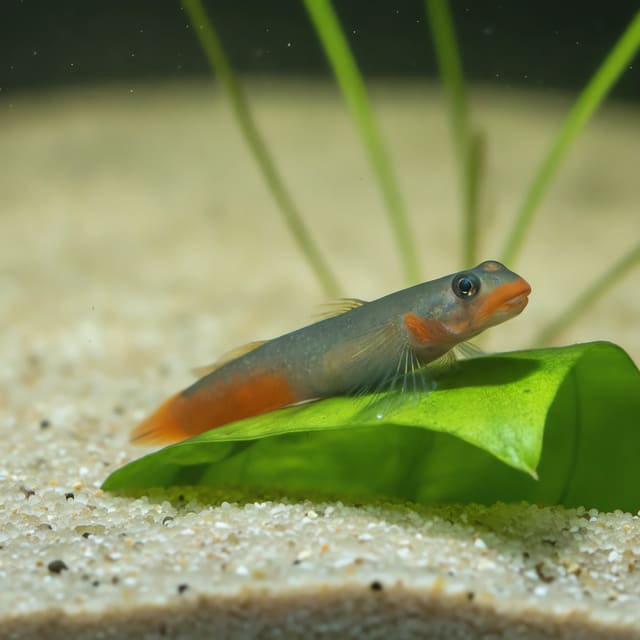
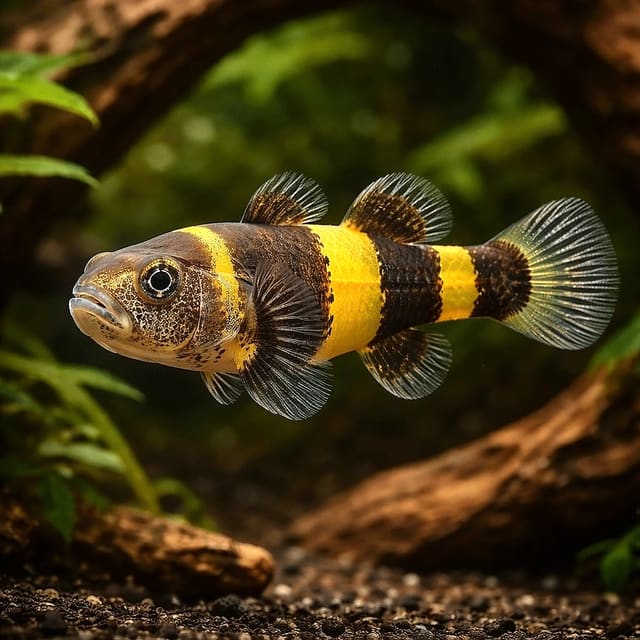
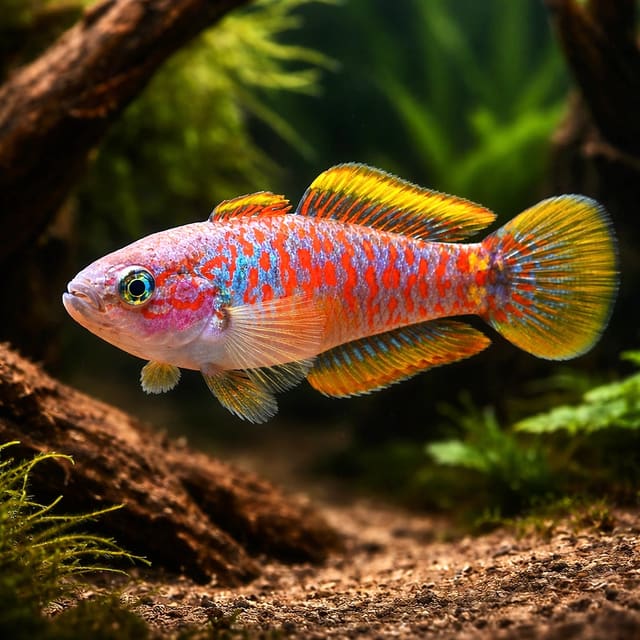
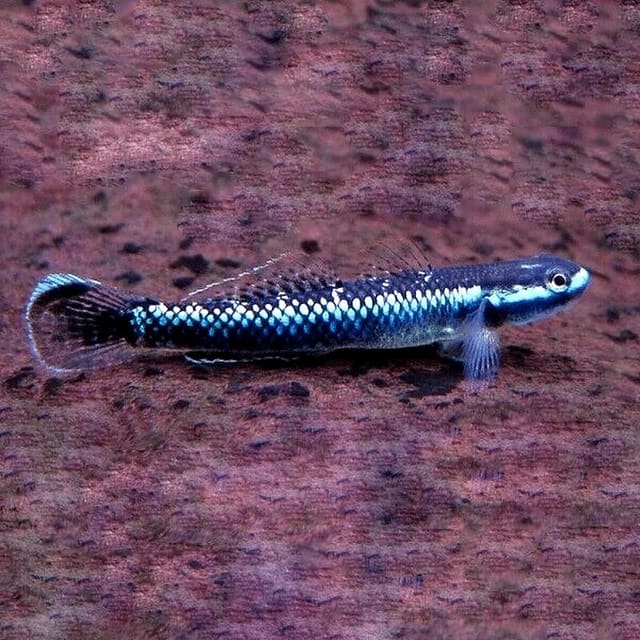
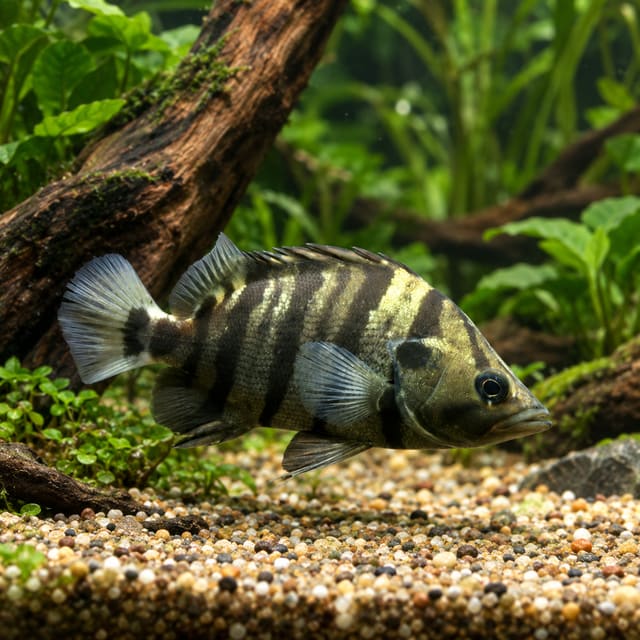
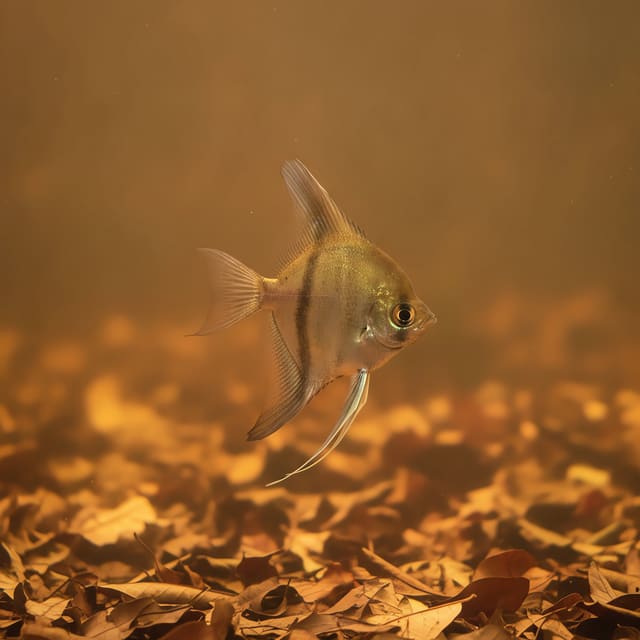
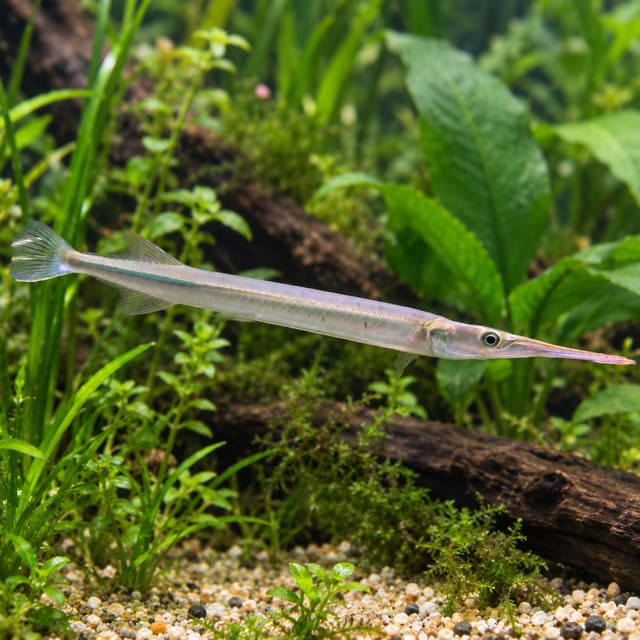
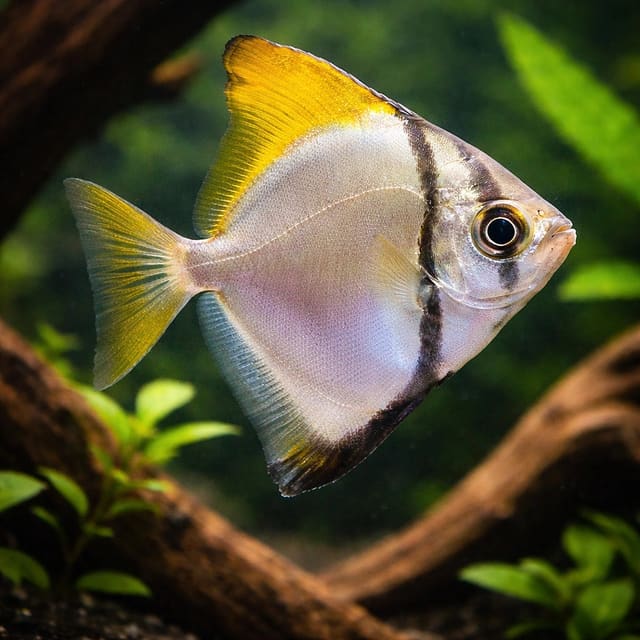
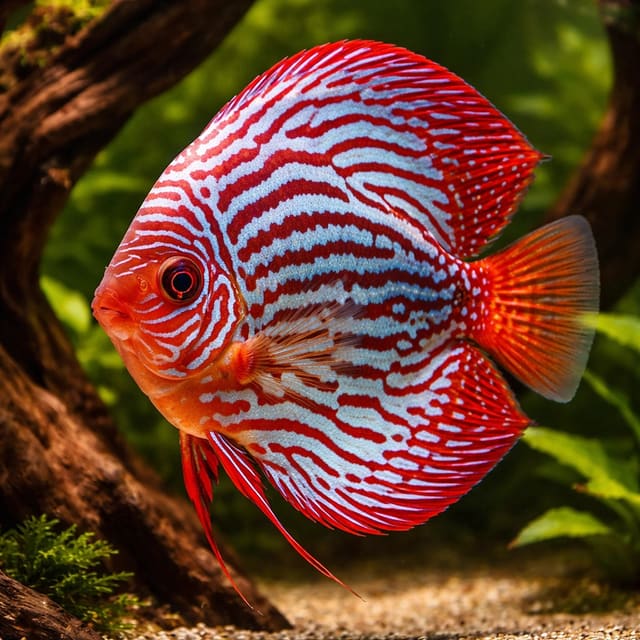
The gallery images are representative of this type of animal rather than photographs of the exact animal supplied, so colours can look slightly different from the live animal.
Natural colour and pattern can vary between individuals, and FishBase describes the species as sexually dimorphic. Do not use colour alone to plan for a particular sex. Seriously Fish describes anatomical differences around the genital papilla and ovipositor, but this offer makes no sex commitment.
This is an unusual territorial freshwater fish rather than a general-purpose companion for every community. If you are comparing similarly distinctive aquarium choices, browse the loaches and oddballs collection, then assess each animal independently for adult size, water requirements and behaviour.
Use a broad aquarium with a base of 120 × 30 cm and a volume of about 108 litres as the planning benchmark. FishBase records 14 cm total length, while Seriously Fish uses 14 cm standard length in its aquarium profile. Both point to a substantial adult gudgeon, and the distinction between total and standard length reinforces the need to plan generously rather than treating the dispatch measurement as a guide to permanent housing.
Arrange the base so the fish can move between open feeding areas and sheltered resting places. Seriously Fish recommends plenty of potential hiding places for this shy species and describes sand with rocks and bogwood as a workable arrangement. Plants can also be included because salt does not need to be added for this fish.
A useful layout has more than one route through the aquarium. Place rocks, wood and planting so they create several sheltered areas without enclosing the fish in narrow dead ends. This allows a gudgeon to retreat when it wants cover and gives multiple fish a better chance of occupying different areas. Every object reduces free space, so avoid filling the entire 120 × 30 cm footprint with decoration.
Keep water movement to a minimum while preserving effective filtration. Position the return so it does not blast the substrate or force the fish to hold position against a strong current. Look for calm areas behind wood or rocks, then confirm that debris is not accumulating unchecked in those same places.
Fit the aquarium with a tight cover and inspect gaps around cables, pipework and filter fittings. This species is described as a great jumper, so a narrow opening is a husbandry risk rather than a cosmetic issue. Recheck the cover whenever equipment is moved.
Seriously Fish notes that dim lighting encourages this shy fish to be out more. Plants and darker sheltered areas can help the fish choose its preferred exposure. Keep observation areas clear enough to check its breathing, body condition and appetite without stripping away the cover that gives it confidence.
Keep the aquarium at 16–20°C, pH 7.0–7.5 and 10–20 dGH. Temperature and hardness use the overlap of FishBase’s wild environmental values and the aquarium ranges from Seriously Fish; the pH range of 7.0–7.5 comes from Seriously Fish. Use stable readings within these ranges instead of chasing a particular point through repeated chemical adjustments.
| Reading | Action |
|---|---|
| Temperature: 16–20°C | Check regularly and keep the aquarium away from heat, direct sun and draughts. |
| pH: 7.0–7.5 | Test the aquarium and source water before deciding whether this fish fits. |
| Hardness: 10–20 dGH | Confirm the measured general hardness rather than assuming local tap water is suitable. |
| Ammonia and nitrite: 0 mg/l | Do not add the fish until the biological filter can maintain both at zero. |
Test temperature, pH and general hardness in the established aquarium. The water chemistry guide explains what the main measurements mean, while the water matcher helps compare your readings with the 16–20°C, pH 7.0–7.5 and 10–20 dGH targets.
A reading inside one range does not cancel a mismatch in another. For example, water at 18°C and pH 7.2 still needs a hardness check. Likewise, 15°C falls below the target even if pH and hardness are suitable. Make the stocking decision from the complete set of readings.
Position the aquarium out of direct sunlight and away from sources of heat or draughts. Use a flat, level support capable of carrying the filled aquarium indefinitely. Larger water volumes are generally less susceptible to rapid swings, but their stability still depends on regular checks and maintenance.
Record results so gradual movement is visible before it becomes a sharp change. If a measurement moves outside the target, check the source water, recent maintenance and equipment operation before making further alterations. Correct the cause steadily while continuing to monitor the fish.
Use a well-established biological filter and keep ammonia and nitrite at 0 mg/l. The RSPCA explains that fish waste produces toxic ammonia; filter bacteria convert it to nitrite, which is also toxic, and then to safer nitrate. A running filter is not automatically mature, so confirm performance with water tests before livestock enters the aquarium.
OATA’s general freshwater guidance recommends regular testing for ammonia, nitrite, nitrate and pH. It also advises adding fish gradually because the population of beneficial bacteria must increase as stocking and feeding increase. Our first aquarium guide can help organise the preparation and maturation steps before the gudgeon arrives.
For an aquarium of about 108 litres, Seriously Fish uses a turnover of four to five times the aquarium volume each hour and gives a filter rating of approximately 430–540 litres per hour.
Treat that rating as a filtration benchmark, then manage the return to suit a fish that dislikes strong current. A spray bar, return direction or hardscape can spread flow, but the result should still circulate water through the filter. Check both sides of the decision: the gudgeon should have calm resting areas, and waste should not remain trapped behind decorations.
Plants and ornaments provide enrichment and retreats, but they also occupy volume and create hidden collection points. Inspect beneath and behind them during maintenance. Increase stocking slowly so the filter has time to respond to the extra waste load.
Base the diet around animal foods that reflect the species’ recorded feeding biology. In the wild, Purple spotted gudgeons eat worms, dragonfly larvae, midge and mosquito larvae, crustaceans and mosquito fishes. Seriously Fish describes the aquarium fish as an unfussy eater that accepts most foods and recommends including frozen and live foods for good condition and colour.
The 4 cm dispatch measurement matters when choosing the physical size of food, but not when deciding the adult aquarium. Food should be manageable for the fish in front of you. As it grows, reassess food size while maintaining the same emphasis on varied animal-based items.
Uneaten food contributes to the ammonia load that the biological filter must process. Check open sand, gaps beneath wood and calm areas behind rocks after feeding because a low-flow layout can collect leftovers. If food repeatedly remains, reduce the amount offered at the next feed and continue checking ammonia and nitrite.
A fish that stops showing interest in food needs a wider check rather than an immediate change of brand or food type. Test water quality, confirm temperature, observe breathing and look for increased hiding, colour change, erratic swimming, white spots, fluffy growths, fin damage or loss of body condition. Appetite is one part of the fish’s overall condition.
Territorial behaviour can also affect access to food in a group. Use the established retreats and observe whether every fish reaches a feeding area. If one individual is consistently displaced, reassess the layout, group arrangement and usable floor space instead of simply adding more food to the aquarium.
Prepare the established aquarium before the parcel arrives. OATA’s general freshwater guidance says ammonia and nitrite should be 0 mg/l before adding fish. Keep temperature and hardness within the FishBase and Seriously Fish overlap of 16–20°C and 10–20 dGH, with pH at the Seriously Fish range of 7.0–7.5. Check the cover, filter operation and intended retreat so the fish can enter a stable environment.
If anything has gone wrong, contact us the same day your fish arrive, with your order number and the unboxing video.
The fish travels hand-bagged in pure oxygen inside an insulated poly box, with a heat pack used when the weather calls for it. Transport is handled by a courier licensed to carry live animals. Read the current delivery and Live Arrival Guarantee policy before the delivery window so the receiving and claim requirements are clear.
A newly introduced gudgeon may seek the rocks, wood or planting chosen as cover. Judge settling by a combination of signs rather than whether it immediately occupies open water. Confirm that it can maintain balance, breathe without an obvious change in gill movement, and move into or out of shelter normally.
Do not respond to hiding by dismantling the layout that gives this shy species security. Observe from outside the aquarium and verify water readings. If existing residents repeatedly enter the new fish’s retreat, chase it or block access to feeding areas, reassess compatibility and territorial spacing promptly.
Continue checking the tight cover after acclimatisation. Opening a lid for transfer, feeding or maintenance can leave gaps around equipment, and this species is a capable jumper. Restore every cover panel before stepping away from the aquarium.
Observe the fish every day while keeping the established testing and maintenance routine unchanged. Look at swimming, breathing, colour, temperament, body condition and feeding response. These signs are most useful when compared with the individual’s recent normal behaviour rather than with another gudgeon’s colour or activity.
Test more frequently after adding the fish because stocking increases the load on filter bacteria. If ammonia or nitrite rises above zero, treat that reading as a water-quality problem requiring immediate attention. Pause further stocking, check filter operation and continue testing while correcting the cause.
Watch how the fish’s territory develops. A retreat that worked on the first day may become a defended area once the gudgeon settles. In a group or community, check whether all residents can reach food and move through the aquarium without repeated confrontation. Add or reposition cover only when the change creates clearer separation and preserves swimming space.
Track body condition as well as appetite. Reduced intake, weight loss, darker or paler colour, unusual bottom sitting, surface hanging, erratic swimming, faster or slower gill movement, white spots, fluffy growths, or loss of fins or scales all justify a prompt water test and closer assessment.
If a health change persists, contact us after recording the water readings and visible signs. Those details help separate a water-quality issue from a feeding, injury or compatibility problem. Do not add a treatment merely because one sign appears; protect stable water while the cause is assessed.
By the end of the month, the aquarium should still meet the same adult plan: a covered 120 × 30 cm base, about 108 litres, gentle current, effective filtration, the FishBase and Seriously Fish overlap of 16–20°C and 10–20 dGH, and the Seriously Fish pH range of 7.0–7.5.
Avoid tank mates small enough to fit in the Purple spotted gudgeon’s mouth. Seriously Fish says this territorial but not particularly boisterous species will probably eat anything it can swallow. Make the comparison against the gudgeon’s eventual 14 cm size and future mouth size, not only the approximately 4 cm fish at dispatch.
Rainbowfish, Corydoras catfish and other robust but peaceable species are the named companion types in the species profile. These names are a starting point, not an automatic approval for every species in those groups. The chosen fish must also fit the FishBase and Seriously Fish overlap of 16–20°C and 10–20 dGH, the Seriously Fish pH range of 7.0–7.5, the gentle-flow layout and practical space.
| Check | Decision |
|---|---|
| Adult body size | Exclude a fish that may fit in the gudgeon’s mouth now or as body shapes change. |
| Temperament | Prefer robust, peaceable fish that will not overwhelm a shy territorial resident. |
| Water and flow | Keep only animals that suit 16–20°C, pH 7.0–7.5, 10–20 dGH and gentle movement. |
| Usable space | Confirm each resident retains feeding access, a retreat and a route through the aquarium. |
Do not judge swallowing risk from length alone. A slim fish and a deep-bodied fish of equal length present different risks, while a young companion can become either safer or less suitable as proportions change. Use adult dimensions and body shape when planning the community.
Territoriality is a separate issue from predation. A companion may be too large to swallow yet still compete for the same cave, shaded resting area or feeding zone. Provide rocks, wood and plants as cover, then watch whether the fish repeatedly blocks access or drives another resident into an exposed corner.
Ask us for stocking and compatibility advice, giving the aquarium dimensions, measured water values, filter flow and full resident list. The honest decision depends on the exact species, sizes and layout rather than a universal community label.
Seriously Fish says Purple spotted gudgeons can be kept in small groups in suitably sized aquariums. Build that plan around territorial separation rather than a fixed headcount. The base aquarium benchmark is 120 × 30 cm and about 108 litres, but a group increases pressure on floor space, retreats and the biological filter.
Retreats spread across the base are more useful than several caves clustered in one corner. If every retreat opens onto the same small patch of sand, one territorial fish may control the entire area. Spread cover across the footprint and leave passages wide enough for an adult that may reach 14 cm.
Add fish gradually so the biological filter can respond to increased waste. Observe whether each gudgeon can rest, feed and move without persistent displacement. Brief territorial displays and chronic exclusion are different practical outcomes: act when one fish is repeatedly chased, confined to an exposed area, blocked from food or forced into strong flow.
Start by checking water because declining quality can change behaviour and appetite. Then assess cover placement and usable footprint. More decoration is not always the answer; an overcrowded base can create narrow routes that are easy to defend. Repositioning one piece of wood may create a better retreat while restoring movement space.
Do not use spawning behaviour to promise a stable pair or sex ratio. The offer has no sex guarantee, and colour does not establish the sex sent. FishBase describes direct pair spawning and male egg guarding in the wild, while Seriously Fish describes aquarium courtship and anatomical sex differences. Those reproductive traits do not remove the need to monitor territorial interactions in ordinary housing.
When combining a small gudgeon group with other fish, apply both layers of screening: provide territorial space for the gudgeons and exclude companions small enough to be swallowed. Every resident must also share the FishBase and Seriously Fish overlap of 16–20°C and 10–20 dGH, the Seriously Fish pH range of 7.0–7.5, and the same gentle-flow requirements.
FishBase records a maximum of 14 cm total length. Plan its permanent aquarium around that adult figure rather than the approximately 4 cm dispatch measurement.
Use an aquarium with a 120 × 30 cm base and around 108 litres, the species benchmark given by Seriously Fish. Provide hiding places, gentle water movement and a tight cover.
Seriously Fish says they can be kept in small groups in suitably sized aquariums. Plan the number around separate retreats, hiding places, filter capacity and observed territorial behaviour.
It best suits a prepared keeper who can maintain the FishBase and Seriously Fish overlap of 16–20°C and 10–20 dGH, keep pH at the Seriously Fish range of 7.0–7.5, provide a covered 120 × 30 cm aquarium and manage territorial compatibility.
Its wild diet includes worms, insect larvae, crustaceans and mosquito fishes. Seriously Fish says it accepts most aquarium foods and recommends including frozen and live foods for condition and colour.
Keep it at the FishBase and Seriously Fish overlap of 16–20°C and 10–20 dGH, with pH at the Seriously Fish aquarium range of 7.0–7.5.
It is territorial but not particularly boisterous. The practical risks are swallowing smaller tank mates and defending space, so provide cover and monitor access to retreats and food.
Seriously Fish names rainbowfish, Corydoras catfish and other robust but peaceable species. Each companion must be too large to swallow and must suit the FishBase and Seriously Fish overlap of 16–20°C and 10–20 dGH, plus pH 7.0–7.5 from Seriously Fish.
It is hand-bagged in pure oxygen and placed in an insulated poly box, with a heat pack when weather calls for it. A licensed live-animal courier carries the parcel, and someone must receive it.
No reviews for this item yet. Bought one? Honest reviews only, good or bad.
What customers say about ordering from us
Easy website plenty of info on fish your buying great to pick a time slot
TRACEY DURRANT · 7 Oct 2026
Got some lovely fish thank you
Kevin Mackie · 7 Oct 2026
Reviews of our shop, collected by Judge.me, an independent third-party review collector. Newest first.