
Notropis lutipinnis
X Yellowfin Shiner (Notropis lutipinnis) - UK
Buy X Yellowfin Shiner, a rare temperate freshwater fish with vivid red fins and lively shoaling behaviour. Ideal for experienced aquarists. UK delivery available.
Care at a Glance
Premium Quality
Healthy, vibrant fish from trusted suppliers
Expert Care
Detailed care guides and support
Live Arrival Guarantee
Your fish arrives healthy or we'll replace it
Acclimated
Properly quarantined and ready for your tank
Quick Care Guide
Water Parameters
Maintain these water conditions for optimal health and vibrant colors
Why Choose This Fish?
Buy X Yellowfin Shiner, a rare temperate freshwater fish with vivid red fins and lively shoaling behaviour. Ideal for experienced aquarists. UK delivery available.
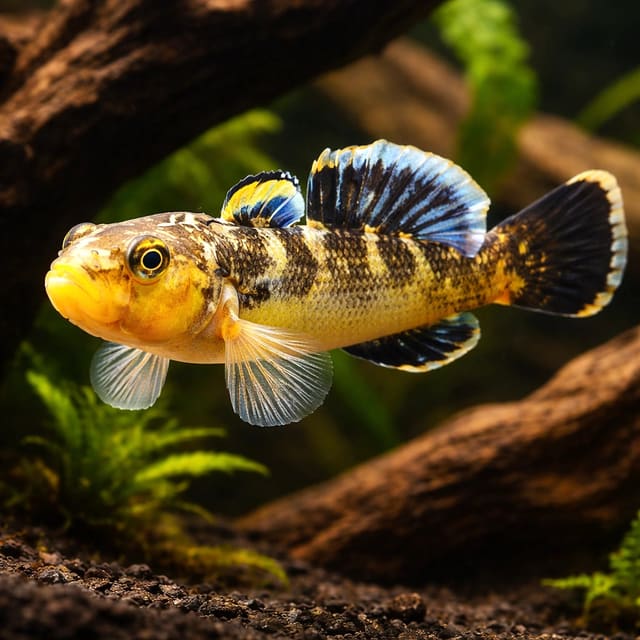
The X Yellowfin Shiner, Notropis lutipinnis, is one of the most eye-catching choices in the freshwater fish UK hobby if you want something active, elegant, and a little different from the usual tropical community species. Known for its metallic body sheen and glowing yellow to orange fins, this stunning yellowfin shiner stands out among temperate fish UK keepers who prefer cooler, well-oxygenated aquariums. In the right group, this species shows constant midwater movement, subtle social displays, and excellent contrast against dark substrate and green planting. Adult notropis lutipinnis size is typically 5-8 cm, lifespan is around 3-5 years, and care is best described as moderate rather than beginner-simple, making it ideal as a yellowfin shiner for experienced keepers or attentive aquarists ready to maintain stable, cooler conditions.
For aquarists searching for fresh water aquarium fish uk options beyond standard warm-water stock, the Yellowfin Shiner offers a refreshing alternative. It is a peaceful schooling fish UK species, works well in a carefully planned uk freshwater fish aquarium, and is often discussed as the best American minnow for aquarium displays thanks to its colour, movement, and group behaviour. See our detailed photos showing the reflective body, the bright fins that make it resemble freshwater fish with red fins under some lighting, and the streamlined profile that suits river-style aquascapes. If you want a lively, graceful, and unusual freshwater fish uk for tank display, this species delivers real character.
🔹 Quick Facts
- Scientific Name: Notropis lutipinnis
- Care Level: Intermediate
- Min Tank Size: 120 litres (26 gallons)
- Temperature: 15-24°C (59-75°F)
- pH Range: 6.5-7.5
- Lifespan: Up to 5 years
- Temperament: Peaceful
- Diet: Omnivore
Classification
- Order: Cypriniformes
- Family: Cyprinidae
- Genus: Notropis
The Yellowfin Shiner belongs to the huge minnow family, Cyprinidae, which includes barbs, danios, rasboras, and many riverine species valued in the hobby for their activity and schooling behaviour. Notropis lutipinnis is a North American shiner rather than a British native, but it has become increasingly appreciated by aquarists who want a more natural, river-style display with cooler water and strong oxygenation. Among hobbyists, it is often mentioned as the best North American shiner for aquarium setups because it combines manageable size, peaceful temperament, and striking fin colour.
Where Do Yellowfin Shiners Come From? Natural Habitat Explained
Notropis lutipinnis comes from the southeastern United States, especially clear streams, creeks, and smaller river systems with moderate current. In nature, these fish inhabit flowing waters with gravel, sand, scattered stones, submerged roots, and plenty of dissolved oxygen. That background matters because a successful yellowfin shiner tank setup works best when it copies a clean, moving-water environment rather than a stagnant pond layout.
Although some shoppers looking for native fish UK or native freshwater fish for sale uk are really searching for fish suited to local room temperatures, the Yellowfin Shiner is not one of the fish that are what fish are native to uk. Instead, it is a colourful North American native fish UK keepers can maintain successfully in a temperate indoor aquarium. That makes it a smart option for aquarists who enjoy the look of small river fish species and want something different from standard tropical stock.
In the wild, Yellowfin Shiners feed on tiny aquatic invertebrates, insect larvae, algae films, and drifting organic matter. This explains why yellowfin shiner diet should be varied in captivity and why they appreciate current that keeps food moving through the water column. Their natural habitats are usually clear to lightly stained, with seasonal temperature shifts rather than permanently warm tropical conditions. That is why they are excellent yellowfin shiner for temperate aquarium fish and a better fit for a cool river display than many common community species.
People researching freshwater fish in rivers uk, freshwater fish uk rivers, fresh water river fish uk, or even a uk river fish chart often compare local river fish with aquarium minnows. While the Yellowfin Shiner is not part of uk freshwater fish origins, it fills a similar ecological niche to active, shoaling open-water fish. It is also far more colourful than many fish seen in a freshwater lake fish uk or freshwater pond fish uk setting. For aquarists asking what are freshwater fish uk species suited to a cooler setup, this fish is one of the most attractive non-native answers.
💡 Expert Tip
Mimicking the natural habitat of Yellowfin Shiners improves colour, feeding response, and group confidence. Use a long tank, directional flow, rounded gravel, and open swimming space. In our experience, fish kept in river-style layouts show tighter schooling and brighter fins than those kept in still, overstocked community tanks.
How to Set Up the Perfect Tank for Yellowfin Shiners
A proper x yellowfin shiner setup starts with space, flow, and oxygen. These are not fish for tiny desktop aquariums. The minimum yellowfin shiner tank size is 120 litres, but the more realistic x yellowfin shiner tank size for a settled group is 200 litres, especially if you want a yellowfin shiner school of 5 or more. A longer footprint is more useful than extra height because these fish are constant midwater swimmers.
Tank Size Requirements
For a small group, 120 litres is the entry point, but a 200-litre setup gives far better results. In larger groups, Yellowfin Shiners spread social pressure, school more naturally, and display more confidently. If you are building a uk freshwater fish guide style temperate community, think of them as active open-water fish that need room to turn, chase, and feed in current. Aquarists wondering what are the best freshwater fish for beginners should note that while peaceful, this species is better for keepers who can manage filtration and seasonal-style cooler water.
Water Parameters
The ideal yellowfin shiner temperature is around 20°C, with a safe yellowfin shiner temperature range of 15-24°C. This cooler profile is exactly why the species appeals to temperate fish UK keepers. Stable pH between 6.5 and 7.5 works well, and Notropis lutipinnis water hardness of 5-15 dGH is suitable. These yellowfin shiner water parameters are forgiving enough for many UK homes, but sudden swings are a problem. Keep nitrate low, oxygen high, and avoid warm tropical conditions.
Filtration and Flow
Strong biological filtration and noticeable water movement are important. A quality external canister filter or oversized internal filter works well, especially if it creates a directional current. Spray bars, powerheads, and surface agitation all help. This species comes from moving water, so sluggish filtration often leads to dull colour and nervous behaviour. If you are browsing other freshwater fish uk species, remember that Yellowfin Shiners need more flow than many rasboras or tetras.
Substrate
Use smooth gravel, fine rounded pebbles, or a sand-and-gravel mix. Darker substrate improves contrast and makes the yellow and orange fins stand out. A thin to medium depth is enough. Avoid sharp materials that trap debris or create unstable pockets in high-flow areas.
Plants and Decor
These fish appreciate open swimming lanes with planted margins. Use hardy plants attached to wood or stone, plus stream-safe species rooted in sheltered zones. Decor should include rounded stones, branch wood, and sparse cover rather than dense jungle planting. For aquarists who want contrast species in a temperate-themed display, options like Brown Kuhli Loach are better in warmer, softer setups, so they are not ideal companions here. By contrast, if you enjoy active midwater fish displays, species such as X Rhombo Barb or X Strawberry Rasbora show how important it is to match temperature needs before mixing fish.
Lighting
Moderate lighting works best. Too much light in a bare tank can make them skittish, while soft to medium lighting over dark substrate and green planting brings out the metallic body sheen. Aim for 7-9 hours daily. If your room runs cool, a heater may still be useful to prevent winter drops below the safe range, even in a uk freshwater fish aquarium.
Quick Setup Checklist
- Choose a long tank of at least 120 litres, ideally 200 litres
- Keep a group of 5 or more for proper schooling behaviour
- Maintain 15-24°C, ideally around 20°C
- Use strong filtration with visible flow and good surface movement
- Add rounded gravel, stones, wood, and open swimming space
- Keep pH 6.5-7.5 and hardness 5-15 dGH
💡 Pro Tip
Always cycle the tank for 4-6 weeks before adding Yellowfin Shiners. Because they are active, oxygen-loving fish, they react quickly to immature filtration, ammonia, and nitrite. A mature filter and stable current make a dramatic difference to how fast they settle.
What Do Yellowfin Shiners Eat? Complete Feeding Guide
The correct yellowfin shiner feeding plan is varied, light, and frequent enough to match their active metabolism. In nature, this species picks at insect larvae, micro-crustaceans, soft plant matter, and suspended food items. In captivity, the best yellowfin shiner diet combines a high-quality micro pellet or fine flake with regular frozen and live foods. If customers ask what x yellowfin shiners eat, the short answer is: they are omnivores that do best on mixed foods rather than one staple alone.
Staple Foods
Use a fine omnivore pellet, small granule, or quality flake as the base diet. Foods should be small enough for quick midwater feeding. Because these fish are fast and social, spread food across the current so the whole group can feed naturally.
Supplemental Foods
Frozen daphnia, cyclops, bloodworm, and brine shrimp are excellent 2-4 times a week. Live foods are especially useful for conditioning and colour. Aquarists often ask do x yellowfin shiners eat shrimp; yes, they will take very small shrimp-based foods and tiny crustaceans, though very small shrimplets may be at risk in mixed tanks.
Treats and Conditioning Foods
For breeding condition and stronger fin colour, offer live daphnia, mosquito larvae, or enriched brine shrimp. This is often the difference between fish that merely survive and fish that display. In our experience, a mixed diet produces more intense yellow fin edges and better group activity.
Feeding Frequency and Portions
Feed small amounts once or twice daily. Give only what the group can finish in under a minute or two. Because they are active, they seem hungry often, but overfeeding quickly harms water quality in a temperate setup. People searching odd queries like freshwater fish to eat list, can you eat freshwater fish, can you eat freshwater fish uk, is freshwater fish safe to eat, what uk freshwater fish can you eat, what uk river fish can you eat, uk river fish you can eat, uk freshwater fish to eat, freshwater fish uk to eat, best uk freshwater fish to eat, best uk river fish to eat, british fish to eat, or fresh water fish to eat uk are usually asking about angling species, not aquarium fish. Yellowfin Shiners are kept as ornamental fish, not food fish.
| Time | Food | Amount |
|---|---|---|
| Morning | Fine omnivore pellet or flake | Small pinch, eaten in 1 minute |
| Evening | Frozen daphnia, cyclops, or brine shrimp | Small portion, no leftovers |
Use the same approach you would for small active micro-predators: tiny foods, frequent variety, and careful portion control.
Another species that benefits from mixed live and frozen foods, useful as a feeding comparison for aquarists building a diverse fish room.
⚠️ Feeding Warning
Overfeeding causes ammonia spikes, cloudy water, and reduced oxygen levels. Yellowfin Shiners are active enough to beg constantly, but excess food in a cool, high-flow aquarium still breaks down fast and can destabilise the system.
Yellowfin Shiner Appearance: Colors, Patterns & Varieties
The Yellowfin Shiner has a slim, streamlined body built for life in current. Adult fish usually reach 5-8 cm, with a silvery to bluish body sheen and fins washed in yellow, gold, or orange tones. Under strong condition and breeding readiness, the fins can look almost coppery, which is why some keepers describe them as freshwater fish with orange fins uk or even freshwater fish with red fins depending on lighting.
This species is not a black freshwater fish uk type, but it does show darker lateral shading and reflective scales that flash as the school turns. Males are usually slimmer and more intensely coloured, especially in the breeding season, while females are slightly fuller-bodied. A mature x yellowfin shiner male often has brighter fin colour and more obvious display behaviour. If customers ask has x yellowfin shiner fish strong sexual dimorphism or have x yellowfin shiner fish obvious male traits, the answer is yes, but the differences are subtle outside breeding condition.
They are sometimes compared with british freshwater fish with red fins, though this species is North American rather than British. It also appeals to keepers who like unusual fish but do not want the risk or heat demands of rare tropical fish UK species. See our product images for the clean body line, reflective scales, and fin colour that make this fish so effective in a dark-bottomed river tank. Good diet, cooler water, and moderate lighting all improve colour.
What Fish Can Live With Yellowfin Shiners? Compatibility Guide
Yellowfin Shiners are a peaceful community fish UK option when kept in the right temperature range. They are active, social, and best maintained in groups, so a single fish or pair is not appropriate. If you are wondering are x yellowfin shiners aggressive, the answer is no in the usual sense. They may chase lightly within the group, especially when feeding or displaying, but this is normal schooling behaviour rather than harmful aggression.
Ideal Tank Mates
The best Notropis lutipinnis tank mates are other peaceful, cooler-water or subtropical species that enjoy similar flow and oxygen levels. This makes them excellent yellowfin shiner for community tank fish in a specialist temperate setup. Suitable companions include other shiners, small temperate minnows, and some stream-associated bottom dwellers. Among our available stock, fish such as Protomyzon pachychilus appeal to river-tank keepers, though temperature matching must be checked carefully. Four-Spotted Copeina - Pyrrhulina Spilota - offers a schooling contrast in different conditions, while Chalceus erythrurus and Myleus schomburgki are far too large or mismatched for a true Yellowfin Shiner setup.
Species to Avoid
Avoid warm-water tropical fish, large cichlids, fin-nippers, and heavy-bodied fish that prefer still water. A query like x yellowfin shiner cichlid usually points to a poor mix; most cichlids need warmer water, different behaviour space, or both. Also avoid very large predatory fish. If you are trying an x yellowfin shiner mix, always match temperature first, then behaviour, then feeding speed.
Community Stocking Examples
In a 120-litre tank, keep a group of 5-7 Yellowfin Shiners as the main midwater school. In a 200-litre tank, 8-12 fish can work well with a few compatible bottom dwellers. As subtropical schooling fish UK choices go, they are among the best for a flowing stream layout. They are also one of the more elegant answers to shoppers searching freshwater fish UK for a cooler community rather than a heated tropical setup.
Compatibility with Shrimp and Snails
Adult snails are usually fine. Large shrimp may coexist in a heavily structured tank, but tiny shrimplets can be eaten. So if someone asks do x yellowfin shiners eat shrimp, the practical answer is yes, they may take very small shrimp or fry-sized invertebrates. This species is best with robust invertebrates, not delicate breeding shrimp colonies.
| Species | Compatible? | Notes |
|---|---|---|
| Protomyzon pachychilus | ⚠️ Caution | Can suit river-style tanks, but check exact temperature and feeding compatibility first. |
| X Rhombo Barb | ⚠️ Caution | Only if water temperature overlap is maintained and tank is large enough. |
| Hybrid Blue Neon / Tiger Parrot Fish | ❌ Avoid | Too aggressive, too warm-water oriented, and unsuitable for a peaceful shiner group. |
Some search terms such as what time will the fish bite today, what time x yellowfin shiner fish, what x yellowfin shiner fish, when x yellowfin shiner fish, why x yellowfin shiner fish, when does the uk river fishing season start, when does the uk river fishing season end, when is the uk river fishing season, and when is uk river fishing season relate to angling rather than aquarium care. For aquarium keepers, the key compatibility question is simpler: keep Yellowfin Shiners with peaceful, cool-water fish that enjoy current and group life.
💡 Compatibility Tip
Always quarantine new arrivals for 2-4 weeks before adding them to a Yellowfin Shiner group. Fast, schooling fish can spread parasites quickly through a display tank, especially if they are stressed by transport or temperature mismatch.
How to Breed Yellowfin Shiners: Complete Breeding Guide
Yellowfin shiner breeding is moderate in difficulty. They are egg depositors and can spawn in a mature, well-conditioned setup, but success usually improves in a dedicated breeding tank. If you are looking for an x yellowfin shiner care guide that goes beyond basic keeping, breeding is where careful preparation matters most.
Breeding Setup
Use a separate tank of 60-90 litres with mature filtration, clean water, and fine-leaved plants, spawning mops, or a mesh/pebble base that protects eggs from adults. Keep temperature near the upper-middle of the safe range, around 20-22°C, with strong oxygenation. Condition the group heavily on live and frozen foods. A ratio of several females to one or two bright males often works well.
Spawning Behaviour
A conditioned x yellowfin shiner male becomes brighter and more active, displaying to females and chasing through plants or over spawning sites. Aquarists asking how often x yellowfin shiners spawn should expect repeated small spawning events rather than one huge batch if conditions remain good. Queries like when x yellowfin shiners, what time x yellowfin shiners, what time x yellowfin shiners come out, what day x yellowfin shiners, and what day x yellowfin shiners come out are not standard aquarium terms, but in practice many cyprinids spawn most actively in the morning after a cool water change or heavy conditioning.
Egg Care and Hatching
Adults should be removed after spawning because they may eat eggs. Keep the tank clean, dimly lit, and well aerated. Depending on temperature, eggs usually hatch within a few days. Fungus is the main risk, so excellent water quality matters.
Fry Care and Growth
New fry need infusoria, liquid fry food, or very fine powdered foods at first, followed by newly hatched brine shrimp and microworms. Growth is steady if water changes are frequent and food is small enough. This is where a proper x yellowfin shiner care routine pays off.
Common Breeding Challenges
The main problems are adults eating eggs, weak conditioning, and poor fry food size. If you are comparing what x yellowfin shiner is best or which x yellowfin shiners for breeding, choose well-coloured, active, undamaged adults with strong feeding response. Odd search phrases like what x yellowfin shiners, why x yellowfin shiners, x yellowfin shiner guide, x yellowfin shiner guide service, and x yellowfin shiner whatabeer do not reflect standard husbandry, but the real breeding essentials are stable water, conditioning foods, and egg protection.
Advanced Breeding Tip
For better hatch rates, use a shallow breeding tank with a gentle air-driven sponge filter and a layer of marbles or coarse rounded gravel that lets eggs fall out of reach. Feed the adults heavily for 7-10 days before spawning, then perform a slightly cooler water change to simulate fresh stream conditions.
Yellowfin Shiner vs Similar Species: Which Should You Choose?
Comparison matters because many shoppers looking for freshwater fish uk for sale want colour and schooling behaviour, but not every species suits a temperate tank. The Yellowfin Shiner is often compared with Rainbow Shiners and small barbs. If you want a cooler-water fish with graceful movement and less intense temperature demand than many tropical species, the Yellowfin Shiner is a strong choice.
| Feature | Yellowfin Shiner | X Rhombo Barb |
|---|---|---|
| Max Size | 8 cm | Varies, generally similar small community size |
| Care Level | Intermediate | Moderate |
| Temperature | 15-24°C | Usually warmer tropical range |
| Price | £100.00 | £100.00 |
| Best For | Temperate river-style aquariums | Tropical planted community tanks |
| Feature | Yellowfin Shiner | X Strawberry Rasbora |
|---|---|---|
| Body Style | Streamlined active minnow | Tiny, delicate micro-schooler |
| Water Type | Cooler, flowing, oxygen-rich | Warmer, calmer, planted |
| Schooling Style | Fast open-water shoal | Tighter, gentler micro-school |
| Best For | River tanks and temperate displays | Nano tropical aquascapes |
| Choose If... | You want the best American minnow for aquarium style movement | You want tiny tropical colour in a planted tank |
If you have seen searches like rainbow shiner for sale uk, this species is often considered in the same conversation because both are colourful North American minnows. The Yellowfin Shiner is usually the better choice if you want subtler elegance, easier group management, and a fish that still looks striking without needing extremely bright breeding colour. It also suits aquarists interested in freshwater fish representative species for a stream biotope and those building a freshwater fish list uk wish list that includes unusual cooler-water fish. Compared with unrelated searches such as rare corydoras for sale uk, rare apistogramma for sale uk, or snakehead for sale uk, Yellowfin Shiners are far more suitable for peaceful group displays.
Common Health Problems in Yellowfin Shiners & How to Prevent Them
Healthy Yellowfin Shiners are alert, tightly schooled, quick to feed, and clean-finned. Their body should look streamlined rather than pinched, and the fins should be open rather than clamped. Good colour, steady swimming in current, and active midwater behaviour are the best signs that your yellowfin shiner care routine is working.
Common Diseases and Symptoms
Like many active minnows, they can be prone to stress-related issues after transport, including ich, bacterial fin damage, and general wasting if kept too warm or in poor water. Warm, stale tanks are a common trigger. If you are comparing which x yellowfin shiner is best or which x yellowfin shiner is better, choose fish with full fins, no grey patches, no flashing, and strong group swimming.
Treatment Options
Start with water quality correction: large partial water changes, increased aeration, and temperature review. Quarantine affected fish when possible. Use medications appropriate for cyprinids and follow dose instructions carefully. Avoid mixing treatments casually in the display tank.
Prevention Tips
The best prevention is stable cool water, strong oxygenation, varied diet, and enough group size to reduce stress. A fish kept alone or in a hot tropical community often fades quickly. Search terms like barbel freshwater fish uk, gudgeon freshwater fish uk, common bream freshwater fish uk, and bream freshwater fish uk refer to very different fish, but they highlight a useful point: not all freshwater fish in uk or imported aquarium species need the same care. Yellowfin Shiners are river minnows, not pond fish and not warm tropical fish.
Quarantine Procedures
Quarantine all new fish for 2-4 weeks in a separate, cycled setup with gentle but effective filtration. Observe feeding, respiration, and waste. This matters especially if you keep mixed stock or buy unusual fish online. People also ask about invasive fish species uk, rarest uk freshwater fish, and even endangered freshwater fish uk; while those topics are broader than aquarium care, responsible fishkeeping always means preventing disease spread and never releasing aquarium fish into local waters.
⚠️ Health Warning
Never use medications blindly in a warm tank to “speed up treatment.” Yellowfin Shiners are a cooler-water species, and unnecessary heat can worsen stress and reduce oxygen. If shrimp or snails are present, always check medication safety first.
Quarantine Protocol
- Use a separate cycled tank for 2-4 weeks
- Match temperature to 18-22°C unless treatment requires otherwise
- Observe daily for flashing, clamped fins, spots, or poor feeding
- Perform regular partial water changes with dechlorinated water
- Do not share nets or equipment between quarantine and display tanks
Understanding Yellowfin Shiner Behavior in the Aquarium
Yellowfin Shiners are active, midwater, daylight fish that spend much of the day cruising in loose formation. They are not shy when kept correctly, but they do become nervous in undersized groups or bare tanks. A proper group creates confidence, and that confidence is what turns them into one of the best subtropical schooling fish UK options available.
The species is social rather than territorial. You will often see short chases, synchronized turns, and position changes within the school. These are normal social behaviours, not signs that are x yellowfin shiners aggressive. During feeding and breeding condition, males become more animated and may intensify in colour. This is one reason many aquarists consider them the best North American shiner for aquarium displays.
To encourage natural behaviour, keep at least five, provide current, and leave plenty of open swimming room. A long tank with visual structure at the edges works better than a cluttered cube. If you enjoy freshwater fish uk identification and species behaviour, Yellowfin Shiners are rewarding because they show clear differences in schooling, display, and confidence as conditions improve.
Why Buy from Tropical Fish Co?
When buying a specialist species like the Yellowfin Shiner, condition matters more than marketing. These fish travel best when packed cool, dark, and with strong oxygen reserves, and they settle best when they have already been stabilised onto prepared foods. Our Yellowfin Shiners are selected for clear eyes, intact fins, active schooling response, and visible feeding behaviour before sale. That matters with a species often searched as Notropis lutipinnis buy UK, Notropis lutipinnis for sale UK, and Notropis lutipinnis for sale online UK, because not every supplier handles temperate minnows correctly.
Each group is held under temperate conditions suited to the species rather than pushed into generic tropical systems. We monitor feeding, respiration, and social behaviour, and we do not list weak, isolated, or heat-stressed fish. For customers searching can you buy freshwater fish online, freshwater fish online uk, freshwater fish delivery uk, freshwater fish uk buy, live freshwater fish uk for sale, uk freshwater fish for sale, freshwater fish for sale uk, uk river fish for sale, or british freshwater fish for sale, careful packing is just as important as stock quality.
Fish are packed in insulated boxes, with seasonally appropriate heat protection in winter, and sent using tracked delivery methods suitable for live fish. On arrival, a slow acclimation to your tank temperature is essential because this species values stability. We also include practical care guidance so customers setting up a yellowfin shiner care guide routine at home know the key points from day one. Order your Yellowfin Shiner today with confidence if you want a genuine cooler-water schooling species with standout movement and colour.
Why Choose Tropical Fish Co for Yellowfin Shiner
- Held under species-appropriate temperate conditions rather than generic warm tropical systems
- Selected for active schooling behaviour, clean finnage, and reliable feeding response before dispatch
- Packed for cooler-water transport with insulated protection and clear acclimation guidance on arrival
You Might Also Like
If you enjoy unusual freshwater fish UK species, consider a few other interesting options while planning your setup. X Rhombo Barb is a good comparison if you are deciding between temperate movement and tropical barb energy. X Strawberry Rasbora suits planted nano-style displays for a very different look. Protomyzon pachychilus appeals to river-tank enthusiasts who enjoy current-loving fish. For contrast, Four-Spotted Copeina - Pyrrhulina Spilota - offers another elegant schooling profile. If you are browsing larger oddballs, Chalceus erythrurus and Myleus schomburgki show how different adult size and temperament can be from a peaceful shiner setup.
You Might Also Like


Aulonocara sp. 'Firefish' - Tropical Fish for Sale UK

Best Food for Tropical Fish - White Worms (90 ML) | UK

Orange Venezuelan Cory (Corydoras venezuelanus var. 'Orange') - UK

Yellow Lepturus Cichlid - UK

Apistogramma agassizii “Super Red” - UK

X Neon Green Rasbora - UK

Rasbora Heteromorpha (Trigonostigma heteromorpha) - UK
Popular Right Now

Endler Gold Guppy Breeding (Poecilia wingei) - UK

Chindongo saulosi 'Coral Red' - UK
10x Assorted Swordtails – Xiphophorus Hellerii

Glass Catfish (Kryptopterus vitreolus) - UK

Blood Red Dwarf Gourami - UK

Striped Kribensis Dehane - Tropical Fish for Sale UK