Freshwater Butterflyfish (Pantodon buchholzi)
23–30°C · pH 6–7.5 · 81L
£19.99

Desert Goby (Chlamydogobius eremius) is an Australian bottom-dweller best planned around caves, accessible feeding and territorial behaviour. A species-focused aquarium makes observation easier. One purchase supplies one live fish of the selected size.
Chlamydogobius eremius
Desert Goby (Chlamydogobius eremius) is an Australian bottom-dweller best planned around caves, accessible feeding and territorial behaviour. A species-focused aquarium makes observation easier. One purchase supplies one live fish of the selected size.
Maintain these water conditions for optimal health and vibrant colors
The Desert Goby (Chlamydogobius eremius) is an Australian bottom-dwelling fish for a keeper who enjoys watching the life around rocks, caves and feeding places. It brings an engaging presence to a carefully arranged aquarium, but its small size should not obscure its territorial behaviour. Plan the tank around shelter, food access and the possibility that fish may need separating, particularly when males begin defending a nesting place.
One purchase supplies one live fish of the size selected. There are two size choices: 4.5–5 cm and over 5.5 cm. The size you select is the size supplied, not the adult size. Sex is guaranteed only when the selected option explicitly states male or female. This Desert Goby listing has no sex-guaranteed option.
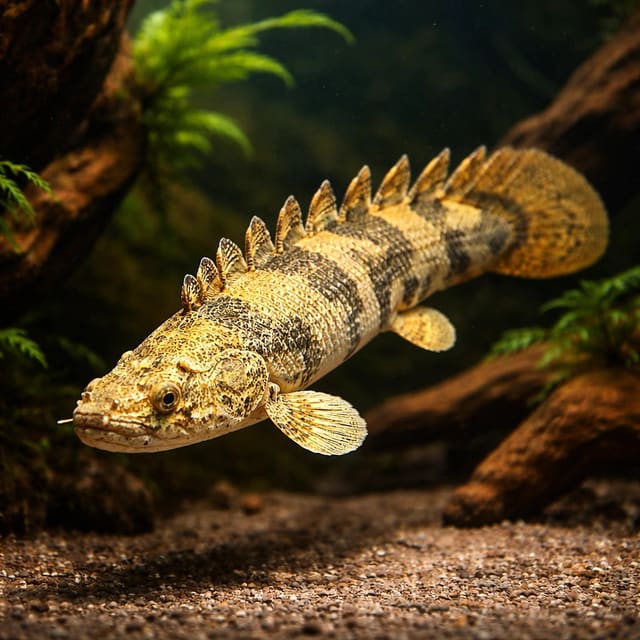
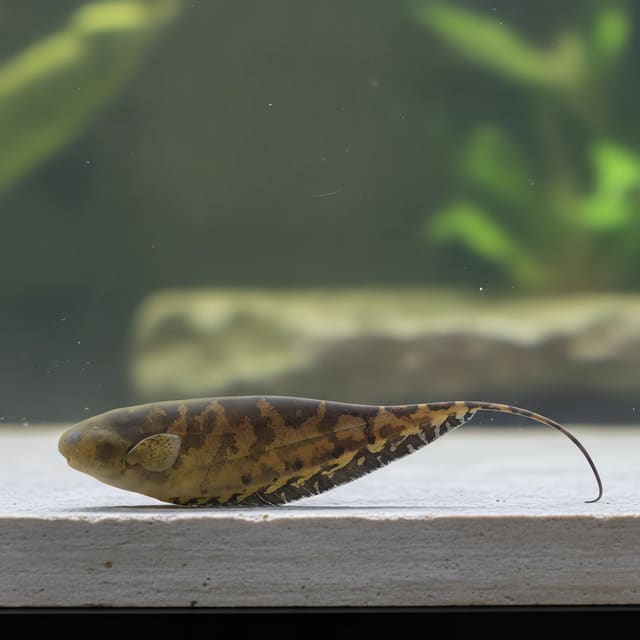
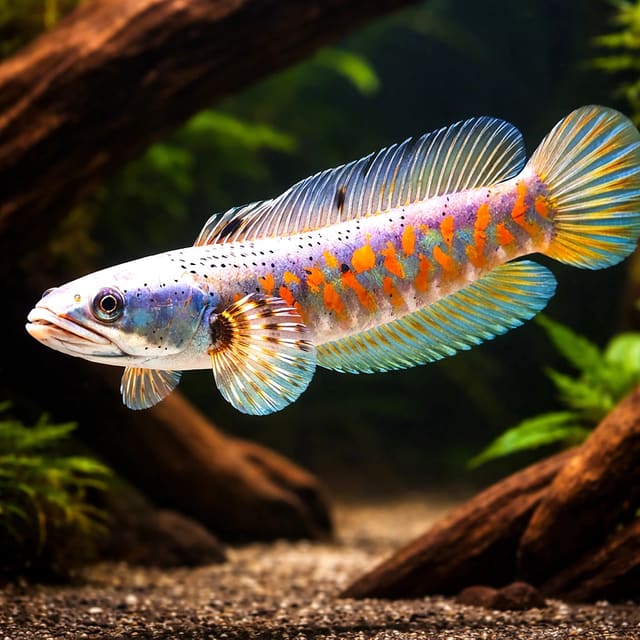
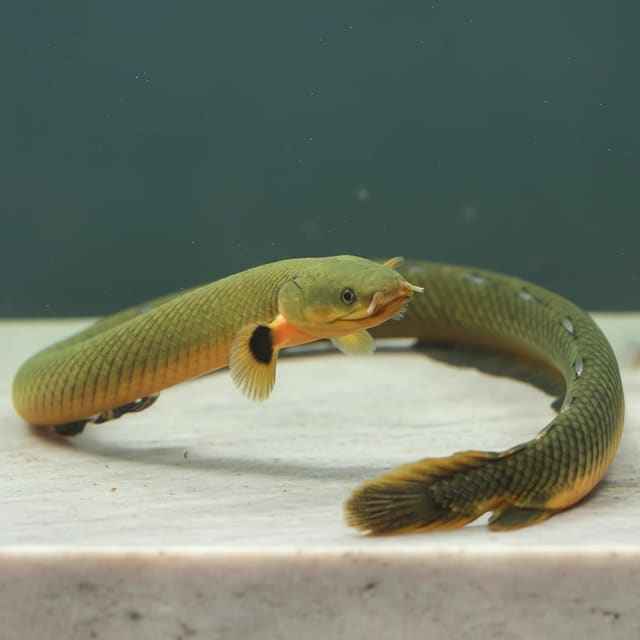
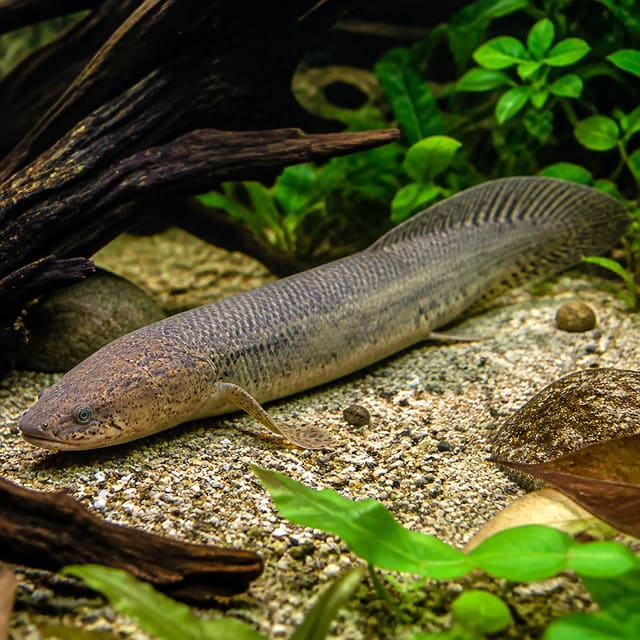
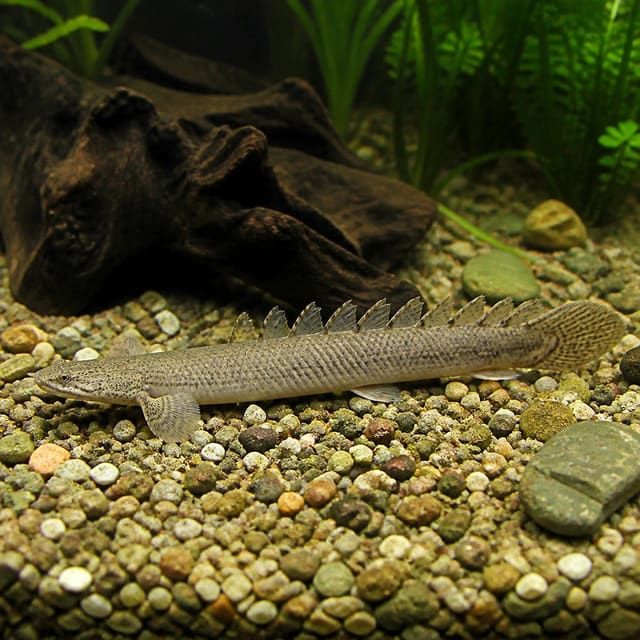
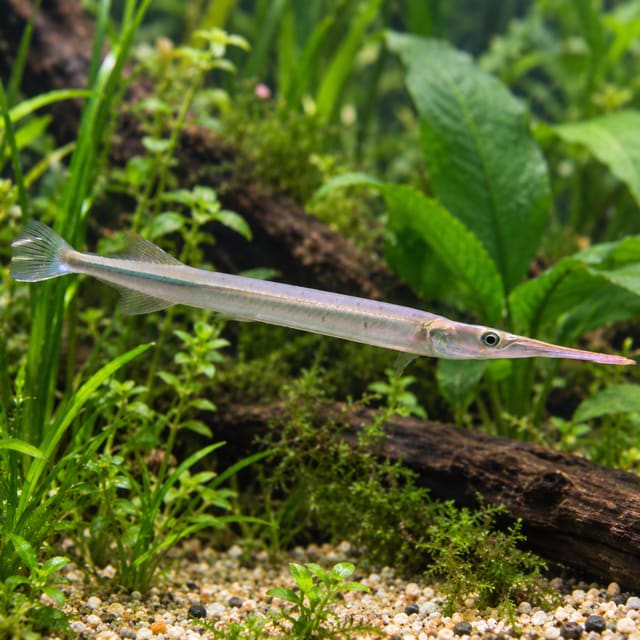
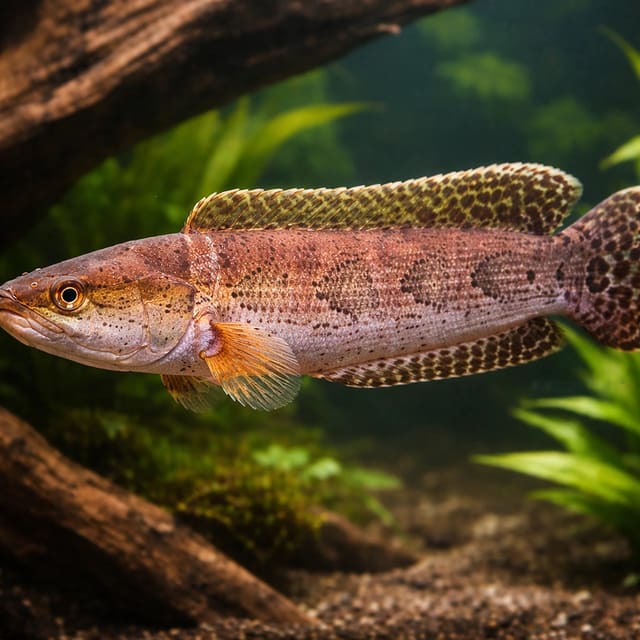
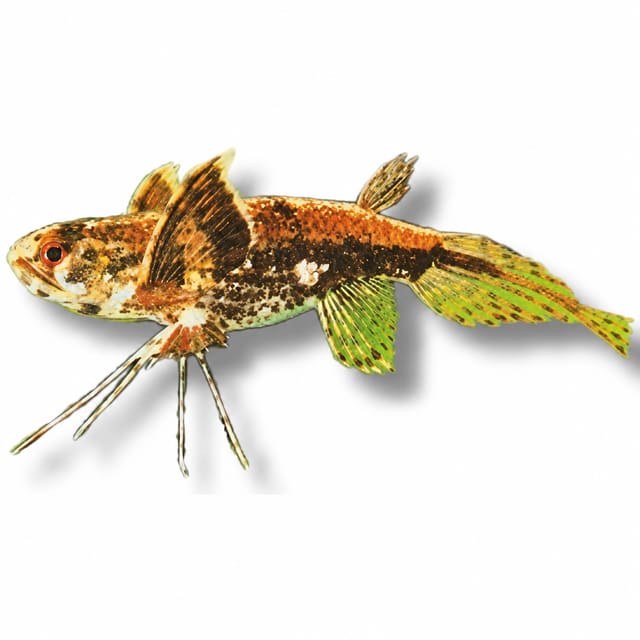
The gallery images are representative of this type of animal rather than photographs of the exact animal supplied, so colours can look slightly different from the live animal. A picture containing two fish does not describe the purchase as a pair or establish a pair bond. Choose the animal for its behaviour and care requirements as well as the appearance shown in the gallery.
A species-focused aquarium makes it easier to manage territories and ensure that food reaches the gobies. Use a sandy or fine-gravel base, secure shelter and open routes between hiding places. Think of the floor as a collection of usable spaces rather than one empty area beneath the swimming fish. A fish should be able to move away from a neighbour without immediately meeting another obstacle or dead end.
This is not an automatic addition to a standard community tank. A successful mix needs shared water requirements, an appropriate layout and close observation of the individuals. Even fish of the same species can come into conflict. If your main aim is an undemanding mixed display with no spare accommodation, weigh that against the work of managing a territorial bottom-dweller before ordering.
Fishes of Australia describes a size of around 6 cm standard length. Standard length excludes the tail, so it should not be read as a whole-fish maximum. Give the adult fish room to move, feed and retreat. The catalogue's dispatch grade is useful when choosing the supplied size, while the adult measurement and behaviour determine how you plan the aquarium.
The species comes from the western and southern Lake Eyre drainage in South Australia, including waters associated with artesian springs. Its ability to endure changing natural conditions is remarkable, but a home aquarium should provide dependable water quality and oxygenation. Keep the fish in conditions suited to daily life rather than testing how much fluctuation it can survive.
Much of the enjoyment comes from looking closely. Where does the fish choose to rest? Does it have access to food when another fish is nearby? Is a sheltered place being guarded? Those observations help you understand the aquarium as a lived-in space. They also provide an early opportunity to respond when one fish begins controlling more of the bottom than its neighbours can comfortably avoid.
Start with the practical decisions: suitable water, mature filtration, a generous arrangement of cover and a realistic stocking plan. The loaches and oddball fish collection offers other species to research if you enjoy unusual aquarium behaviour. Compare each animal's own care requirements before choosing; a shared place in a shop collection does not make two species interchangeable or suitable companions.
| Good preparation | A keeper ready to test water, observe individuals and maintain several usable retreats. |
|---|---|
| Think carefully | A crowded community, a single contested cave or no practical place to separate incompatible fish. |
| Daily attention | Confirm that each fish can feed and move away from its neighbours, as well as checking the equipment. |
The care details below help turn those checks into an aquarium you can manage. Bring the tank dimensions, water readings and proposed companions together when seeking advice. That makes the decision specific to your setup and gives you a clear plan before the fish arrives.
For routine aquarium care, the species profile recommends 20–28°C, pH 7.0–8.5 and general hardness of 5–20 dGH. Keep those figures together with the aquarium-care context. They are distinct from broad goby guidance and from extreme conditions reported in the wild. Choose a stable working point that also suits any carefully selected companions, rather than moving between opposite ends of a range.
Freshwater maintenance is possible when the water is not excessively soft or acidic. Do not add salt simply because some gobies live in brackish water. Establish the intended water conditions before purchase, and ask the store how the fish are being held if you need to plan a transition. The requirements of plants and other inhabitants must also be considered before changing salinity.
Test your tap water and the aquarium separately. General hardness and pH measure different aspects of water, and a reassuring pH result does not answer every question about mineral content. Use the water chemistry guide to organise those tests. Record the readings so that gradual change is easier to recognise.
If you prepare water with a remineralising product or other adjustment, work out a repeatable method before adding fish. Follow the product instructions and check the finished water. Repeated large corrections can make a tank less predictable, especially when replacement water is prepared differently each time. Having the correct equipment and a written routine is more useful than reacting to every small variation with another additive.
Check temperature with a thermometer in the aquarium, not just the number on the heater. Consider direct sunlight, warm rooms and draughts when positioning the tank. The equipment should support stable conditions through ordinary changes at home. See the species aquarium profile for the care ranges and further husbandry context.
The species profile gives a base of 45 × 30 cm, or similar, as sufficient for a small group with suitable provision. Use that footprint guideline alongside the behaviour of the actual individuals. The actual water volume also depends on height and the water displaced by substrate and decoration.
Where possible, give yourself more usable floor space, particularly when keeping several fish. Extra height cannot replace a retreat at the opposite end of the bottom. Consider how the aquarium will work once plants grow and the fish are adult. A layout that looks spacious when viewed from above may have only one desirable cave and one accessible feeding point.
Before deciding a number, consider the information you actually have about the fish. This offer does not guarantee a particular sex combination. Do not construct a stocking plan that only works if every fish arrives as the sex you hoped for. Ask for advice on the aquarium and keep practical spare accommodation available if individuals prove incompatible.
Leave room to use a net or another appropriate catching method without moving all the heavy decoration. Separating fish becomes much harder when a rocky layout cannot be accessed safely. Planning this before introduction is part of keeping territorial fish responsibly, even when separation ultimately proves unnecessary.
Make the setup easy to assess from the front. It should be possible to see that every fish is present, identify whether food reaches different areas and notice a fish confined to a corner. You do not need to keep every hiding place fully exposed, but there should be enough visibility to care for the animals without constant disturbance.
Use sand or fine-grade gravel and avoid sharp fragments where bottom-dwelling fish will rest. Arrange aquarium-safe rocks, wood or suitable cave structures securely. Shelter is useful when it creates different routes and retreats, not merely when the aquarium contains a large number of ornaments. Keep openings appropriate to the fish and avoid narrow traps.
Spread cover across the base. If all the shelter is piled into one corner, one dominant fish may control access to most of it. Broken sight lines give fish opportunities to move out of view. A planted margin, a secure piece of wood or a separate cave can make a practical difference to how the space is divided.
Keep some open substrate for feeding and observation. Food can be lost in a deep, inaccessible tangle of decoration, leaving you unsure whether it has been eaten. A clear area near shelter allows the fish to feed without being forced into the most exposed part of the aquarium. More than one accessible place is useful when several fish compete.
Choose plants for the planned water and lighting. They can provide cover and help soften the outline of hardscape, but they should not obstruct the filter or block every route along the bottom. If you use artificial cover, inspect it for sharp edges and make sure it remains securely placed after maintenance.
Review the layout after adding fish. An attractive arrangement on paper may work differently once an individual chooses its preferred territory. Watch whether a fish can leave cover, feed and return without repeated interception. If the arrangement concentrates conflict, address the actual problem with space or stocking rather than continually adding ornaments wherever a gap remains.
A mature biological filter is essential. Fish release waste into the water, and uneaten food adds to the load as it breaks down. Useful bacteria process ammonia through nitrite to nitrate, but they need an established system to do that reliably. A newly filled aquarium with clear water is not automatically ready for fish.
Check ammonia and nitrite before introduction; both should be zero mg per litre. Continue testing after adding livestock and increasing feeding. A filter that supported a lightly stocked tank must adapt when the load changes. Add fish gradually so you can observe the system's response instead of discovering a problem after the entire aquarium has been stocked.
The first tropical tank guide explains the preparation behind a dependable aquarium. Use measured readiness rather than a fixed waiting period as the basis for adding fish. Decoration, plants and a running pump are useful parts of the setup, but none replaces checking whether the water is suitable.
Provide water movement and dependable filtration without directing an excessive current through every resting place. Watch how water circulates around the actual hardscape. A sheltered corner should remain a refuge, while the aquarium as a whole still receives adequate circulation. Keep the intake and outlet where they can be inspected and maintained.
Check equipment after cleaning or a power interruption. Confirm that the filter has restarted, the heater is operating as intended and the water temperature is sensible. Those simple checks protect the fish more effectively than relying on the species' reputation for resilience. No aquarium should depend on an animal tolerating equipment that has stopped working.
The Desert Goby is an omnivore. Provide a varied diet of appropriately sized prepared foods and small live or frozen foods, with plant-based material included. Natural-history records include animal prey as well as algae and detritus. In the aquarium, that variety is a reason to plan meals, not a reason to expect the fish to live on whatever happens to fall from above.
Offer food where the fish can reach it. Sinking preparations and carefully placed small foods can be easier to monitor than a meal scattered through the whole tank. Watch the fish take food rather than judging success by whether the surface has cleared. Fast upper-water fish may remove much of a meal before it reaches the gobies.
Introduce unfamiliar foods patiently and confirm acceptance. OATA notes that some gobies may initially need live foods before adjusting to frozen or prepared options. Keep the food size manageable and change one part of the routine at a time so you can see what the animal accepts. A fish approaching a meal and then leaving it is different from one actually swallowing it.
Feed modestly. OATA's broad goby guidance is a daily amount consumed within a few minutes, with excess food avoided because it degrades water quality. Adjust the portion to the number and size of fish and the food used. A lively feeding response should not persuade you to keep adding food indefinitely.
In a group, check individuals rather than the aquarium's total appetite. A dominant fish may eat readily while another remains behind a stone. Distribute food to accessible places and observe whether the quieter fish can feed. If it is consistently prevented from doing so, treat that as a social problem rather than assuming it will become hungry enough to compete.
Remove accessible leftovers and keep food properly stored according to its packaging. A predictable feeding routine gives you a useful daily opportunity to assess condition and behaviour. Knowing who normally appears for a meal helps you notice when a fish is absent, reluctant to feed or unable to approach its usual place.
OATA recommends a weekly partial water change of 25% for freshwater gobies and blennies, together with regular testing. Use that as a routine starting point and respond to the aquarium's actual condition. A heavily fed or crowded setup may need a different maintenance plan, and recurring poor results need investigation rather than repeated reassurance from a calendar.
Condition replacement tap water for chlorine or chloramine using the product instructions, and check its temperature and intended chemistry before adding it. Keep a consistent preparation method. Changing water should remove accumulated waste without subjecting the fish to a large, avoidable difference in their surroundings.
Siphon waste from accessible areas, particularly around feeding places. Work carefully near occupied caves and secure rocks, and avoid shifting a structure onto a fish. Keeping the layout accessible makes this job much easier. You should be able to clean the parts that collect food without rebuilding the territories every week.
Inspect the filter for blockage. If media needs cleaning, rinse it gently in water removed from the aquarium rather than under the tap, which can harm its useful bacteria. Follow the manufacturer's instructions and keep the biological part of the filter functioning. Replacing all the media because it looks dirty can remove the system you have spent time establishing.
Record the results of ammonia, nitrite, nitrate, pH and hardness tests, alongside temperature. OATA's general goby sheet gives a nitrate ceiling of 50 mg per litre; use regular maintenance to control accumulation rather than treating that ceiling as a target. The water parameter matcher can help compare readings with guidance, while observation covers things a test kit cannot show.
Male Desert Gobies defend nesting places and can become strongly aggressive, especially around spawning. The species aquarium account warns that conspecifics may be seriously injured or killed. Take repeated chasing and exclusion from cover seriously. Small fish can still inflict harm when another individual has no workable escape.
Look at what happens after a brief display. If the other fish can move away, feed elsewhere and use its own shelter, the interaction is different from relentless pursuit across the entire base. Watch the quieter fish as closely as the displaying one. A fish that remains hidden because it cannot safely emerge is not necessarily content simply because it is out of sight.
Have a workable separation plan before adding a group. A spare setup must provide suitable water and filtration; a container fetched in a hurry is not a dependable long-term answer. If an individual is persistently harassed, injured or excluded from meals, respond promptly and seek advice on the stocking arrangement.
The best number depends on usable space, shelter and the actual fish. Do not assume that adding more animals will distribute aggression harmlessly, or that a particular ratio can be achieved from an unsexed purchase. Introducing additional fish also increases the demands on feeding and filtration, so it should be a considered stocking decision.
Breeding interest is part of the appeal, but egg guarding changes the social situation. Keeping the adults comfortable and preventing injury come first. Do not encourage spawning simply to see a display when the aquarium has no way to protect the other fish. A display tank can be rewarding without being managed as a breeding project.
A species-focused aquarium is the clearest starting point. If you do choose other fish, the species guidance favours robust but peaceful animals that mainly use the upper water and share the required conditions. That is a conditional description, not a list of universally safe tankmates. Research the adult behaviour and needs of each proposed species.
Compare more than the overlap in temperature. Water chemistry, feeding speed, the area occupied and the ability to avoid each other all matter. A fish that spends most of its time at the surface may still descend to take every sinking food. Another may share the water range but disturb the gobies' resting places.
Avoid crowding the bottom with animals competing for the same limited shelter. Observe whether each resident has a usable retreat rather than counting the total ornaments. Open floor space, cave entrances and feeding areas are the resources being shared. A tank can contain plenty of water while still offering only one attractive territory.
Take particular care when considering small invertebrates. An omnivorous fish's diet and an invertebrate's vulnerability must be considered separately; assess shrimp safety separately from a general peaceful-fish label. Obtain advice for the exact combination instead of treating all invertebrates as equivalent. Do not add animals as an experiment without a practical way to separate them.
Review compatibility over time. Growth, changes in cover and breeding condition can alter interactions after a settled introduction. Check the arrangement again after a major replant or a change in stocking. If success depends on one fish remaining hidden or missing meals, the combination needs to change.
A bottom-dwelling fish will naturally spend time near the substrate, so location alone does not diagnose a problem. Compare its behaviour with its own usual pattern. A fish that normally comes out for food but stops doing so deserves closer attention, especially if its condition or breathing also changes.
Observe the eyes, fins, body surface and overall condition through the glass. Look for new damage, unusual growths, a change in breathing effort or difficulty moving normally. Colour can change with situation, so use the whole picture rather than colour alone. A clear photograph or short video can help an experienced retailer understand what you are seeing.
When something changes, test the water promptly and check the equipment. Note whether only one fish is affected or several inhabitants are behaving differently. Review recent additions, treatment use, feeding changes and any work on the filter. Provide the actual readings when asking for advice instead of saying that the water has been tested and is fine.
Do not medicate purely because a symptom resembles a photograph online. Similar appearances can have different causes, including environmental and social problems. Seek advice for the individual situation and check a treatment's suitability for all inhabitants. Keep packaging and dosing instructions available and avoid combining products without clear guidance.
Maintain good habits around the aquarium: use appropriate dedicated cleaning tools, rinse soap residues from hands before working in the water and wash afterwards. Do not siphon by mouth. These simple routines protect both the aquarium and the keeper without turning every ordinary maintenance session into a complicated procedure.
Prepare the aquarium and check the water before the confirmed delivery date. Arrange for someone to receive the parcel and have suitable equipment ready beside the tank. Read the current delivery and Live Arrival Guarantee policy in advance so you know what to expect and what to do if there is a problem.
Tropical Fish Co uses a licensed live-animal courier, with the confirmed Thursday or Friday delivery date and tracking sent by email. The store describes hand-packing with oxygen, an insulated box and a heat pack when appropriate to the weather. Follow the confirmation for your order rather than assuming a date from when you placed it.
For a Live Arrival Guarantee claim, keep a continuous unboxing video showing the sealed parcel, the opening and the fish still inside the sealed bag. Someone must receive the parcel, and it must be opened and inspected on the day it arrives. Contact the store that day with your order number if anything has gone wrong. That video provides evidence for the claim.
Unpack calmly with the aquarium lights reduced and avoid abrupt temperature changes. Follow the supplied acclimatisation guidance; the store advises floating the bag for 20–30 minutes before release. If there is a substantial difference in water chemistry or salinity, obtain advice for the transition rather than improvising. Transfer the fish without pouring transport water into the aquarium.
After release, keep shelter available and observe from a distance. Confirm food acceptance and watch how established residents react. Avoid an immediate sequence of rearrangements, new companions and unfamiliar foods that makes settling harder to assess. Continue checking the water while the aquarium adjusts to the additional animal and feeding.
Keep a simple record of stocking, maintenance and changes in behaviour. This need not be elaborate: a note of when a fish was added, when cover changed and which animal is guarding a cave can reveal a pattern you would otherwise miss. It is especially useful when a problem develops gradually rather than after one obvious event.
When you are away, leave clear feeding and equipment instructions for the person checking the tank. Show them the normal portions and where each fish usually appears. Ask them to report a blocked filter, an absent fish or repeated chasing rather than trying to solve the problem by adding more food.
Review shelter as the planting grows. A cave entrance can become obscured, a feeding route can narrow and a once-useful gap can be blocked by roots. Make thoughtful adjustments while keeping the fish's established surroundings as predictable as possible. Large changes are easier to evaluate when you can spend time observing afterwards.
If you cannot continue caring for the fish, arrange responsible rehoming with someone who understands its territorial habits and water needs. Keep aquarium animals and plants out of outdoor waterways. A considered home for an unusual fish includes the ability to look after it through changes in your own circumstances as well as the initial excitement of setting up the display.
Fishes of Australia records around 6 cm standard length. Standard length excludes the tail, so this is not an unqualified whole-fish maximum. Plan the aquarium around the adult fish's room and territorial behaviour as well as its length.
The species aquarium profile gives a base of 45 × 30 cm or similar for a small group. Shelter and the ability to retreat are essential, and extra floor space is useful. Check the actual water volume separately and observe whether the particular group coexists.
There is no compulsory numerical shoal recommendation here. Plan around usable space and the actual individuals, and be ready to separate incompatible fish. Territorial males can cause serious injury, particularly around spawning, so a larger group should not be used as a quick solution to aggression.
It needs a prepared keeper who can maintain stable water, observe feeding and manage territorial behaviour. A mature species-focused setup is easier to assess than a crowded community. Have suitable spare accommodation available if individuals need separating.
Provide varied small prepared, live or frozen foods, including plant-based material as part of the diet. Make sure food reaches the bottom and that each fish eats. Give modest portions and remove surplus food rather than feeding continuously in response to enthusiasm.
Species aquarium guidance recommends 20–28°C, pH 7.0–8.5 and general hardness of 5–20 dGH. Keep the environment stable and maintain ammonia and nitrite at zero mg per litre. Wild survival extremes should not be used as routine aquarium targets.
Males can become strongly territorial around nesting places and may injure or kill other gobies. Watch whether each fish can retreat and feed without repeated pursuit. Persistent harassment requires action, even when the fish involved are small.
A species-focused aquarium is the starting preference. Other fish should be robust but peaceful upper-water species with matching water requirements, assessed individually for feeding competition and behaviour. Also check feeding behaviour, adult size and the space each animal uses.
Tropical Fish Co uses a licensed live-animal courier and emails the confirmed Thursday or Friday delivery date and tracking. Arrange for someone to receive and inspect the parcel that day. For a Live Arrival Guarantee claim, contact the store the same day with your order number and a continuous video showing the sealed parcel being opened and the fish still in its sealed bag.
Fishes of Australia: Desert Goby provides natural history and the explicitly labelled standard-length record. The Australian Museum species account gives identification and distribution. OATA's goby and blenny care sheet covers general preparation, testing, maintenance and feeding. The species aquarium profile is linked beside the water guidance above.
No reviews for this item yet. Bought one? Honest reviews only, good or bad.
What customers say about ordering from us
I have a small group of long finned mountain minnows. So was delighted to be able to order ten of this variety to increase the genetics in my tank . The ones I recieved are healthy but it’s to early to give a verdict on wether they are of a long finned type since they are small currently.
Gordon Walker · 23 Sept 2026
100% success travel and "installation". Pleased with quality of purchase. The Siamese fighter a bit "shy" so have not yet seen him at his best yet but looking good. Happy customer. GG
George E Garratt · 21 Sept 2026
Reviews of our shop, collected by Judge.me, an independent third-party review collector. Newest first.