−13%
Moderate
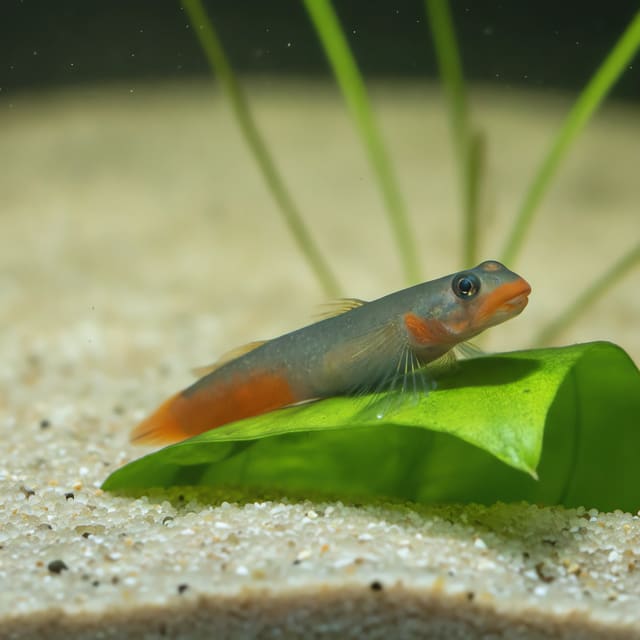
Red Lipstick Goby (Sicyopus jonklaasi)
£17.39£19.99

A small Schistura brook loach for mature, oxygen-rich river-style aquariums. Currently unavailable while we wait for suitable stock.
Adult size is the maximum length this species reaches at full maturity (scientific sources). The livestock you receive will be younger and smaller. Product-photo provenance and any image-specific limitations are stated on the listing.
Schistura corica
Shoaling fish: kept in a group they feel safer, stay calmer and show their best colour.
Confirm your email, then we’ll send an availability message for this exact item if it returns within 180 days.
This request is only for this product—no newsletter or other promotions. A mail-provider retry may very rarely duplicate the same availability message. Unconfirmed addresses are removed after 48 hours. See our privacy policy.
A small Schistura brook loach for mature, oxygen-rich river-style aquariums. Currently unavailable while we wait for suitable stock.
Adult size is the maximum length this species reaches at full maturity (scientific sources). The livestock you receive will be younger and smaller. Product-photo provenance and any image-specific limitations are stated on the listing.
Maintain these water conditions for optimal health and vibrant colors
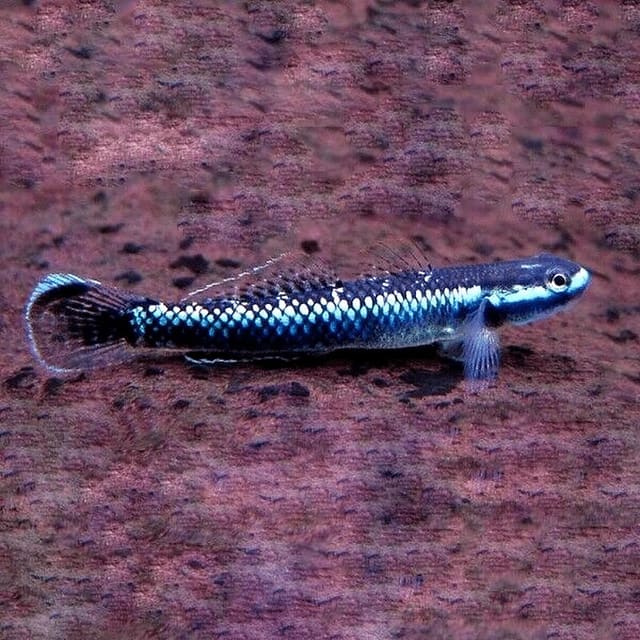
Polka Dotted Loach (Schistura corica) is a small Asian brook loach for aquarists who enjoy active bottom-dwelling fish and natural river-style aquariums. Our supplier lists this stock as Schistura / corica, supplied at around 3-4 cm. Note that the trade name "Polka Dot Loach" is also used for the unrelated Botia kubotai, a much larger Burmese loach that needs a different aquarium; this listing is the smaller Schistura brook loach.
This listing is currently out of stock. The care notes below are kept here so you can plan the right aquarium before new stock becomes available.
| Scientific name | Schistura corica; also found in references as Nemacheilus corica |
|---|---|
| Common name | Polka Dotted Loach |
| Sale size | About 3-4 cm when supplied on this SKU |
| Adult size | Small; around 4-6 cm depending on the reference and stock |
| Water | Cool to warm freshwater, around 18-25C, pH about 6.0-7.5, soft to medium hardness |
| Temperament | Bottom-dwelling and territorial with its own kind; plan territories carefully |
| Diet | Sinking micro-pellets, small frozen foods, live foods and other meaty bottom foods |
Schistura corica is associated with South Asian river and stream habitats, including India, Pakistan, Nepal and Bangladesh in published references. FishBase describes adults from clear hill streams with sandy bottoms and also from larger river habitat with mixed sand, mud, gravel, pebble, cobble and boulder substrate. That natural history is the clue for aquarium care: clean water, high oxygen, smooth stones, sand and sheltered crevices matter more than bright decoration.
Like many nemacheilid loaches, it spends most of its time close to the substrate, inspecting gaps between stones and resting in cover. The spotted and broken-band pattern gives the fish camouflage over gravel and cobbles. Its value is as a specialist small loach for a mature freshwater aquarium with stable conditions and enough structure at the bottom.
Build the aquarium around flow, oxygen and secure bottom cover. Use fine sand or smooth rounded gravel, then add rounded stones, small caves, driftwood roots and shaded gaps. A mature filter with good biological capacity is important, and a powerhead or carefully directed filter return can help create steady movement without blasting the fish around the tank.
For a single specimen, we recommend at least 60 litres with a strong footprint and mature filtration. If you keep more than one, use a larger aquarium with several separate rock piles and visual breaks. Loaches Online notes that this species can be territorial with other Schistura corica, so cramped groups can lead to chasing and fin damage. A group is only sensible when the tank is large enough for each fish to claim cover.
Feed this loach as a small omnivorous micropredator. Offer quality sinking micro-pellets or wafers as a base, then vary the diet with frozen bloodworm, brine shrimp, daphnia, mosquito larvae and other small foods that reach the bottom. Feed modest portions and watch that faster midwater fish do not intercept everything before it reaches the loach.
Because this is a small bottom fish from flowing water, uneaten food should not be allowed to collect in the substrate. Strong oxygenation and clean water are part of feeding success, especially with richer frozen foods.
Choose peaceful, stream-suitable companions that enjoy clean, well-oxygenated water and will not bully a small loach. Small danios, peaceful barbs, rasboras and other active but non-aggressive fish can work when their temperature needs match. Avoid large cichlids, predatory fish, fin nippers, slow delicate bottom dwellers and any fish likely to occupy the same shelter aggressively.
If you want to compare similar bottom-dwelling choices, see Mahnert's Loach, Vinciguerra's Stone Loach, Sumo Loach, Hillstream Loach and Zebra Loach. These are related-style aquarium choices, not direct substitutes, so check each species' temperature, adult size and temperament before mixing.
Aquarium breeding is not commonly documented for this species. References for related nemacheilid loaches suggest seasonal cues and clean gravel spaces may matter, but this should be treated as an advanced project rather than an expected outcome. For normal keeping, focus on stability: avoid sudden changes, keep oxygen high, and maintain a clean substrate.
New loaches should be acclimated slowly, then allowed to settle with lights subdued and cover available. Watch feeding response, breathing rate and interactions with tank mates during the first week. A healthy Polka Dotted Loach should rest in cover, forage actively and hold position comfortably in gentle current.
This SKU is unavailable at the moment. We keep the full care guide on the page so you can prepare the right aquarium before this SKU is back in stock. When suitable stock returns, the product page will show live availability and checkout options.
No reviews for this item yet. Bought one? Honest reviews only, good or bad.
What customers say about ordering from us
I have a small group of long finned mountain minnows. So was delighted to be able to order ten of this variety to increase the genetics in my tank . The ones I recieved are healthy but it’s to early to give a verdict on wether they are of a long finned type since they are small currently.
Gordon Walker · 23 Sept 2026
100% success travel and "installation". Pleased with quality of purchase. The Siamese fighter a bit "shy" so have not yet seen him at his best yet but looking good. Happy customer. GG
George E Garratt · 21 Sept 2026
Reviews of our shop, collected by Judge.me, an independent third-party review collector. Newest first.