Zebra Loach (Mesonoemacheilus triangularis) - Live tropical fish for sale UK

Mesonoemacheilus triangularis

Zebra Loach (Nemacheilus triangularis) - UK

Beginner Friendly
Peaceful
£9.99In Stock

Add the striking Zebra Loach to your community tank for active personality and natural algae grazing. Buy online today with fast UK delivery.

Algae GrazerBottom DwellerCommunity TankFishFreshwaterLoachModerate CareTropical Fish

Care at a Glance

Scientific Name
Mesonoemacheilus triangularis
Adult Size
8 cm
Lifespan
8 years
Care Level
Easy
Temperament
Peaceful
Temperature
21–25°C
pH Range
6.5–7.5
Hardness
5–15 dGH
Minimum Tank
80L
Diet
Sinking pellets, frozen bloodworm, brine shrimp, algae wafers

Premium Quality

Healthy, vibrant fish from trusted suppliers

Expert Care

Detailed care guides and support

Live Arrival Guarantee

Your fish arrives healthy or we'll replace it

Acclimated

Properly quarantined and ready for your tank

Quick Care Guide

Temperature
21–25°C
pH Range
6.5–7.5
Minimum Tank
80L
Adult Size
8 cm
Lifespan
8 years
Care Level
Easy
Temperament
Peaceful
Diet
Sinking pellets, frozen bloodworm, brine shrimp, algae wafers
Water Hardness
5–15 dGH
Tank Region
Bottom

Water Parameters

Maintain these water conditions for optimal health and vibrant colors

Temperature
21–25°C
21°CIdeal Range25°C
pH Level
6.5–7.5
6.5Ideal Range7.5
Water Hardness
5–15 dGH
5 dGHIdeal Range15 dGH

Why Choose This Fish?

Add the striking Zebra Loach to your community tank for active personality and natural algae grazing. Buy online today with fast UK delivery.

Zebra Loach is one of those aquarium fish UK keepers remember long after the first week in the tank. With bold black-and-cream bars, a lively bottom-dwelling personality, and a love of clean, oxygen-rich water, Mesonoemacheilus triangularis brings movement and character to the lower levels of a freshwater fish aquarium UK. This species is often searched as a colourful freshwater fish UK option, and for good reason: it looks dramatic without needing specialist care, making it a smart choice for hobbyists who want a fish that is both striking and practical. In the right fish tank ecosystem, Zebra Loaches become active, playful, and surprisingly bold, especially when kept in a group of four or more. They are a classic fit for a community aquarium fish UK setup, especially alongside peaceful mid-water species that appreciate similar tropical fish aquarium temperature ranges. Adult fish reach around 8 cm, live up to 8 years, and are classed as easy care fish with a few important details to get right: a cool-to-moderate flow, a soft substrate, and stable water quality. See our detailed photos showing the striped pattern, body shape, and natural bottom-feeding posture so you can judge how this species will look in your own tank. If you want a fish that adds activity, helps keep the substrate lively, and suits a thoughtfully stocked community, Zebra Loach is a standout option.

🔹 Quick Facts

  • Scientific Name: Mesonoemacheilus triangularis
  • Common Name: Zebra Loach
  • Care Level: Easy to moderate
  • Min Tank Size: 80 litres (about 18 gallons)
  • Temperature: 21-25°C (70-77°F)
  • pH Range: 6.5-7.5
  • Hardness: 5-15 dGH
  • Lifespan: Up to 8 years
  • Temperament: Peaceful, active, social
  • Diet: Omnivore; sinking pellets, frozen foods, algae wafers

Classification

  • Order: Cypriniformes
  • Family: Nemacheilidae
  • Genus: Mesonoemacheilus

Zebra Loaches belong to the hillstream and stream-loach group of small river fish species from India’s Western Ghats. In the aquarium hobby, they are valued as a lively peaceful community fish that stays active near the substrate, unlike many shy bottom dwellers. Their striped body pattern makes them especially popular in planted tanks, where contrast against dark gravel or sand creates a strong visual effect. Hobbyists looking for tropical fish for beginners often consider them after learning the basics of filtration and temperature stability.

Where Do Zebra Loaches Come From? Natural Habitat Explained

In the wild, Zebra Loaches come from fast-flowing streams and tributaries in India’s Western Ghats, a region known for clear water, rocky channels, leaf litter, and seasonal rainfall. This is not a stagnant pond fish; it is a stream specialist that thrives in oxygen-rich water with a gentle current and plenty of hiding places. That background explains why many keepers see the best results when they recreate a tropical fish tank complete setup with smooth stones, driftwood, and open swimming space near the bottom. The species is commonly associated with a subtropical climate rather than extreme heat, which is why the tropical fish tank ideal temperature is lower than many people expect. For many homes in the UK, the sweet spot is the middle of the tropical fish temperature range, not the upper end. In other words, this is a fish that prefers a stable tropical fish tank water temperature rather than a very warm display tank.

In nature, these loaches forage among rocks for insect larvae, small crustaceans, worms, and biofilm. That natural feeding style helps explain why they do best with sinking foods and a varied diet rather than floating flakes alone. Their habitat also gives clues to water movement: a good filter, clean substrate, and regular maintenance matter more here than with many hardier fish. If you have ever wondered what fish tank filter is best for a loach setup, the answer is usually a reliable unit that provides steady circulation without blasting the fish around the tank. The species is not known for being delicate, but it is sensitive to poor water quality and sudden changes in fish tank temperature. For that reason, many aquarists compare the tropical fish aquarium temperature to a stream rather than a still tropical pool. The result is a fish that rewards good husbandry with constant activity and natural behavior.

💡 Expert Tip

Mimicking the natural habitat improves health and brings out natural behaviours. Use rounded river stones, a soft sand or smooth gravel base, and a filter that creates gentle current. This helps Zebra Loaches settle faster, feed more confidently, and show their best colour.

How Do You Set Up the Perfect Tank for Zebra Loach?

Tank Size Requirements

The zebra loach: a striking bottom-dweller for the aquarium scientific name: nemacheilus triangularis (also known as mesonoemacheilus triangularis) tank size should be planned around group behaviour, not just adult length. Although each fish reaches only about 8 cm, they are active and social, so the zebra loach: a striking bottom-dweller for the aquarium scientific name: nemacheilus triangularis (also known as mesonoemacheilus triangularis) minimum tank size is 80 litres for a small group. A longer tank is better than a tall one because these fish patrol the bottom and need room to explore. If you are choosing between fish tank sizes, a 90 cm or 100 cm aquarium is usually more practical than a compact cube. A tank around 80-120 litres gives enough floor space for 4-6 fish, while larger groups appreciate 125 litres or more. Many keepers ask what size tank for tropical fish or what size tropical fish tank is best, and for this species the answer is simple: choose a tank with generous footprint, stable filtration, and enough room for territories.

Water Parameters

For the best long-term health, keep the tropical fish tank temperature between 21-25°C, with 23-24°C often the most comfortable compromise in a mixed community. That range is also a strong fit for the tropical fish tank best temperature in many UK homes because it avoids the stress of overheating. The species tolerates a pH of 6.5-7.5 and moderate hardness from 5-15 dGH. If you are checking the temperature of tropical fish tank settings on your heater, aim for consistency rather than chasing a higher number. A stable tropical fish tank temperature range matters more than a warm one. People often ask what fish tank temperature is ideal, and for Zebra Loach the answer is a cool tropical or subtropical setup, not a hot display tank. If your aquarium runs too warm, you may notice reduced appetite and less activity, which is a sign the tropical fish tank temperature too hot threshold has been crossed.

21-25°C
Water temperature
6.5-7.5
pH range
5-15 dGH
Hardness
80L+
Minimum tank size

Filtration, Substrate, Plants & Decor

A strong but not violent filter is ideal. A canister or high-quality internal unit works well if it provides steady turnover and plenty of biological media. If you are researching what fish tank heater do i need, choose a reliable adjustable heater with a thermostat that keeps the tank within the target range. In cooler rooms, the question what fish tank heater should you buy comes down to tank volume and room temperature, but for Zebra Loach, stability is the priority. Many aquarists also ask are fish tank heaters safe and can fish tank heaters be fully submerged; the answer depends on the model, so always follow the manufacturer’s instructions. Never let a heater run dry, and avoid placing it where a curious loach can rest directly against it. If you are unsure can fish tank heater burn fish, the risk is low with correct installation, but poor placement or a broken thermostat can cause injury.

Use fine sand or very smooth rounded gravel because Zebra Loaches like to sift the bottom. Sharp gravel can damage their barbels and belly. Darker substrate also makes the stripes stand out and helps create the contrast that hobbyists love. For planting, choose hardy species such as Java fern, Anubias, Cryptocoryne, and Vallisneria. These plants tolerate moderate movement and create shaded edges where loaches feel secure. A planted aquarium with driftwood and leaf litter gives a natural look and supports the microfauna these fish enjoy. If you have ever wondered why tropical fish are colorful, contrast, stress level, and lighting all play a role; with Zebra Loaches, a darker base often makes the bars appear sharper and richer.

Lighting should be moderate rather than intense. Too much light can make bottom dwellers hide more often, while a balanced daylight spectrum helps plants grow and keeps the tank visually clean. A timer set for 7-9 hours is usually enough. If algae starts to bloom and you find yourself asking why fish tank water turn green or why is my tropical fish tank going green, reduce light duration, review feeding, and check nutrient load. Yellow water can happen too, especially with driftwood, which is why people sometimes ask why fish tank water turns yellow. That tint is usually harmless tannin staining, but it should still be managed if you want a crisp display. For a healthy tropical fish tank requirements list, think: oxygen, current, soft substrate, hiding places, and stable temperature.

🔹 Quick Setup Checklist

  • 80 litres or larger, with a long footprint
  • Fine sand or smooth gravel
  • Stable heater set to 21-25°C
  • Filter with gentle current and strong biological media
  • Plants, rocks, and shaded areas
  • Cycle the tank for 4-6 weeks before adding fish

💡 Pro Tip

Always cycle your tank for 4-6 weeks before adding Zebra Loaches. A mature filter reduces ammonia spikes, supports beneficial bacteria, and gives these bottom-dwellers the clean water they need to settle and feed confidently.

For a full build, pair your setup with a dependable community aquarium fish collection, a suitable aquarium heater for tropical fish, and a quality canister filter for freshwater tanks. If you are planning a planted layout, a dark aquarium substrate for loaches will also help the bars pop.

What Do Zebra Loaches Eat? Complete Feeding Guide

Zebra Loaches are omnivores with a strong preference for sinking foods and meaty snacks. In the wild, they pick at insect larvae, tiny worms, and other small foods hidden around rocks. In the aquarium, that translates into a varied diet made up of quality pellets, frozen foods, and occasional plant-based items. When hobbyists ask what do small tropical fish eat, the answer for this species is simple: they need a mix of protein, fibre, and bottom-accessible foods. They are not surface feeders, so floating flakes alone are not enough. Use tropical fish flakes only as a small supplement if they sink quickly, and rely more heavily on foods designed for bottom dwellers.

Good staple foods include sinking pellets, algae wafers, and small granules. For variety, offer frozen bloodworm, brine shrimp, daphnia, and chopped blackworm. These foods support colour, energy, and breeding condition. Many keepers ask when to feed tropical fish, and for Zebra Loaches the best approach is one or two small meals per day, with extra attention in the evening when they become more active. If you are wondering what tropical fish eat snails, some loaches do, but Zebra Loaches are better thought of as opportunistic omnivores rather than dedicated snail hunters. They may nibble small snails or eggs, yet they should not be bought solely as a pest-control fish.

It is also worth noting that people sometimes search can tropical fish eat goldfish flakes. While a small accidental feeding is unlikely to harm them, goldfish food is not ideal because it is usually too low in protein and too high in filler for a loach. The same goes for asking what tropical fish eat plants; Zebra Loaches may graze on soft matter or algae wafers, but they are not true plant eaters. If you are stocking a mixed tank and want to know what small aquarium fish eat snails or what tropical aquarium fish eat snails, remember that snail control is best handled through good feeding, quarantine, and manual removal rather than relying on fish alone. In general, what tropical fish can you eat is a separate food-safety question and not relevant to aquarium husbandry, so it should not guide care decisions.

Time Food Amount
Morning Sinking pellets or micro granules Small pinch, enough to finish in 1-2 minutes
Evening Frozen bloodworm, brine shrimp, or daphnia One small portion for the group

⚠️ Overfeeding Warning

Overfeeding causes ammonia spikes, dirty substrate, and water quality issues. Because Zebra Loaches feed near the bottom, uneaten food can disappear into the gravel and rot before you notice it. Feed sparingly, remove leftovers, and keep up with regular maintenance.

For a balanced diet, consider tropical fish food flakes as a light supplement, sinking loach pellets for the daily staple, and frozen bloodworm food for conditioning. If you are shopping for the broader range of what do small tropical fish eat options, choose foods with clear protein sources and minimal fillers.

What Does Zebra Loach Look Like? Colors, Patterns & Size

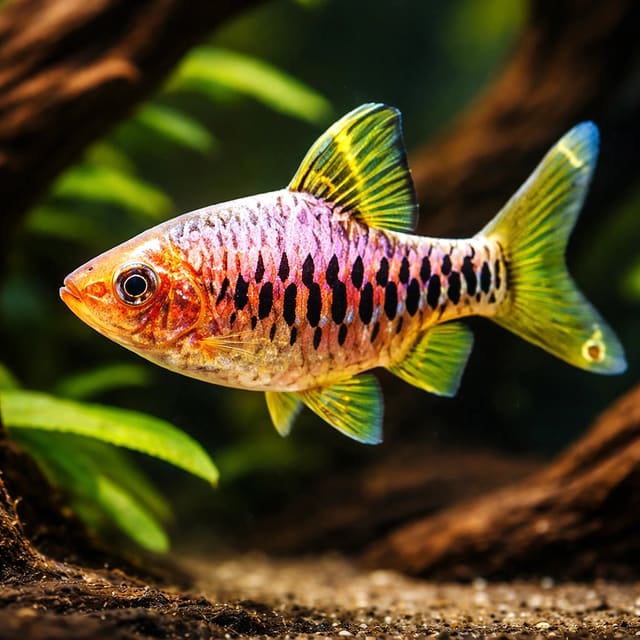
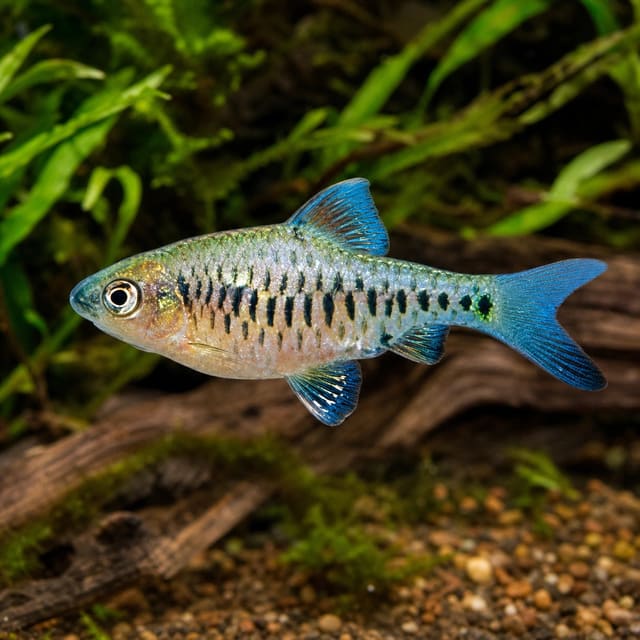
Zebra Loaches are compact, torpedo-shaped fish with a slightly flattened belly and a streamlined profile built for life on the substrate. Adults usually reach around 8 cm, which is a comfortable size for a community tank but still large enough to show off their pattern. Their body is marked with bold dark bars over a pale cream to golden base, creating the classic zebra effect that gives the fish its name. In some lighting, the body can look more bronze or chocolate, especially when the fish is settled and feeding well. This is one reason they are often listed among colourful freshwater fish UK keepers enjoy, even though they are not neon-bright in the way tetras or livebearers can be.

The fins are short and practical, with a low dorsal profile and a tail suited to quick bursts of movement. Males and females can be hard to tell apart, but mature females are often a little rounder through the belly, while males may look slimmer and slightly more intense in pattern during breeding condition. There are not many colour morphs in the hobby, so the main visual variation comes from age, stress level, and diet. Good water quality, a dark substrate, and a calm tank often make the stripes look sharper. If you are comparing what fish tanks are 36 inches long or asking what size tropical fish tank suits a loach display, remember that a longer tank lets the fish show off their natural darting movement. Our photos show the intense contrast achieved through dark gravel, low-stress lighting, and a planted background.

For aquarists who enjoy freshwater fish with red fins or other high-contrast species, Zebra Loaches make an excellent visual anchor because they draw the eye downward and balance brighter mid-water fish. They are also a strong match for anyone wanting a tank that looks natural rather than overstocked. If you have ever wondered why fish tank water turn green or how lighting affects colour, remember that clear water and controlled algae make the stripes more visible. A clean, well-planned aquarium helps this fish look its best.

What Fish Can Live With Zebra Loach? Compatibility Guide

Zebra Loaches are peaceful, active, and usually easy to mix with other community species that like similar water conditions. They are best described as peaceful tropical fish UK hobbyists can keep in groups, provided tank mates are not slow, long-finned, or overly aggressive. They do not usually bother healthy fish, but they may outcompete very shy bottom dwellers for food if the tank is underfed. This is why many aquarists search what small tropical fish can live together, what tropical fish can live together, and what tropical fish that can live together before stocking a community tank. The answer depends on size, temperament, and water range, but Zebra Loaches fit well with active mid-water fish and other bottom species that do not mind a bit of movement.

Ideal tank mates include tetras, rasboras, corydoras, and other loaches. Good examples of tropical fish tank mates are Harlequin Rasboras, Ember Tetras, Cherry Barbs, and Bronze Corydoras. If you are building a tropical fish tank mates chart, keep species that prefer 21-25°C and a neutral to slightly acidic pH together. This species is not suitable for goldfish systems, which is why questions like what tropical fish can live with goldfish and can tropical fish and goldfish live together almost always end with the same answer: no, because the temperature and husbandry needs are too different. Likewise, which tropical fish can live with goldfish is not a useful pairing question for this loach.

For a mixed community, think in terms of movement zones. Zebra Loaches occupy the bottom; tetras and rasboras use the middle; peaceful gouramis or small livebearers use the top. This is the logic behind a healthy tropical fish compatibility chart and why the best community tanks look balanced rather than crowded. If you are asking what tropical fish are aggressive, avoid large cichlids, fin-nippers, and territorial species that may stress the loaches. They are also not ideal with very slow fish such as fancy bettas with long fins, unless the setup is spacious and carefully monitored. For many keepers, the best answer to which tropical fish can live together is to choose fish with similar speed, temperament, and temperature needs.

Species Compatible? Notes
Harlequin Rasbora ✅ Yes Peaceful, similar water range, and uses the middle of the tank.
Corydoras ✅ Yes Great for a larger community tank if the substrate is smooth.
Angelfish ⚠️ Caution Possible in larger tanks, but watch for size differences and temperament.
Large cichlids ❌ Avoid Too territorial and likely to bully or eat smaller loaches.

For stocking inspiration, pair Zebra Loaches with Fireline Devario, X Siamese Algae Eaters Crossocheilus Oblongus, Striped Silver Dollar, Red Devil Angel Fish, and Stunning Supper Delta Dumbo Ear Big only if the tank size and temperament match. For a more natural community, many aquarists prefer smaller peaceful species and a group of at least four loaches.

💡 Always Quarantine New Arrivals

Quarantine new fish for 2-4 weeks in a separate tank before adding them to your main display. This reduces the risk of parasites and gives you time to observe feeding, breathing, and fin condition before the fish meet the rest of the community.

How Do You Breed Zebra Loach? Complete Breeding Guide

Breeding Zebra Loaches is moderate in difficulty. They are not impossible, but they do require patience, strong conditioning, and stable water. This makes the zebra loach: a striking bottom-dweller for the aquarium scientific name: nemacheilus triangularis (also known as mesonoemacheilus triangularis) breeding process more rewarding for experienced keepers than for absolute beginners. Mature fish can be sexed roughly by body shape, with females being fuller and males slightly slimmer. The best breeding setups usually use a separate tank with soft substrate, sponge filtration, and plenty of hiding places. A group of adults is often conditioned on frozen bloodworm, brine shrimp, and high-quality sinking foods for several weeks before any spawning attempt.

Spawning is often triggered by a slight temperature drop, increased water movement, and very clean water. In the hobby, people sometimes ask when do tropical fish spawn or even search odd gaming-related terms like tropical fish breeding minecraft and do tropical fish breed in minecraft. For real Zebra Loaches, the answer is simpler: breeding usually follows seasonal cues, fresh water changes, and strong conditioning. Eggs may be scattered among plants, stones, or fine substrate. If you are curious what tropical fish lay eggs on the glass, Zebra Loaches are not known for that behaviour; they prefer hidden spawning sites rather than exposed surfaces. After spawning, remove adults if possible because they may eat eggs.

Eggs typically hatch in a few days, depending on temperature. Fry are tiny and need infusoria, liquid fry food, or very fine live foods at first. As they grow, transition to microworms and crushed sinking foods. The main challenge is keeping the fry fed without fouling the water. This is where a mature sponge filter and careful water changes matter most. Some hobbyists also ask can fish tank snails have babies during breeding setups because snail populations often increase when food is abundant. That can be a useful warning sign that the tank is being overfed. Keep the breeding tank clean, stable, and lightly stocked for the best chance of success.

Advanced Breeding Tip

Condition adults with cool, well-oxygenated water and a high-protein diet for 2-3 weeks before attempting spawning. A large water change with slightly cooler water can mimic seasonal rain and often encourages natural breeding behaviour.

Zebra Loach vs Similar Species: Which Should You Choose?

Comparing loaches helps you choose the right fish for your tank size, layout, and experience level. If you want a patterned fish with strong personality but manageable care, Zebra Loach is a great fit. If you prefer a larger, more boisterous species, clown loaches may be more familiar, but they need much bigger tanks and are not as practical for smaller UK aquariums. This comparison is especially useful for shoppers browsing freshwater fish uk for sale or deciding between community options and more specialised bottom dwellers.

Feature Zebra Loach Clown Loach
Max Size 8 cm 30 cm+
Care Level Easy to moderate Moderate
Temperature 21-25°C 24-30°C
Price £9.68 Varies
Best For Smaller community tanks Large, warm community tanks

Choose Zebra Loach if you want a smaller fish that still adds energy, pattern, and bottom-level movement. Choose a clown loach only if you have the space and long-term tank plan for a much larger species. For many UK aquarists searching best zebra loach: a striking bottom-dweller for the aquarium scientific name: nemacheilus triangularis (also known as mesonoemacheilus triangularis) for community tank, the answer is clear: this species gives you the look of a specialist loach without the huge tank demands. If you are comparing zebra loach: a striking bottom-dweller for the aquarium scientific name: nemacheilus triangularis (also known as mesonoemacheilus triangularis) for community tank comparison options, it usually wins on practicality and compatibility.

What Health Problems Can Zebra Loaches Get, and How Do You Prevent Them?

Healthy Zebra Loaches are active, alert, and eager to feed. Their bars should be clear, their fins intact, and their breathing steady. They should spend time exploring the bottom rather than hiding constantly. Common issues include stress from poor water quality, barbel damage from sharp substrate, and parasite problems introduced by unquarantined fish. Like many tropical species, they can also suffer if the tank is too warm or overcrowded. People often search tropical fish diseases, tropical fish diseases pictures, and tropical fish tank diseases when they notice clamped fins, white spots, or rapid breathing. Early action matters: test the water, correct temperature, and isolate sick fish if needed.

Prevention starts with stable maintenance. Regular water changes, good filtration, and a sensible feeding routine reduce stress and help immune function. If you need tropical fish tank water treatment, use a product that detoxifies chlorine and supports safe acclimation, especially after water changes. If algae becomes excessive, a targeted tropical fish tank algae treatment may help, but it should never replace proper cleaning and light control. Some keepers ask can fish aquarium make you sick or can fish tanks make you sick; the answer is that routine aquarium care is safe for healthy people, but good hygiene matters. Wash hands after maintenance, avoid splashes to the eyes or mouth, and keep food prep separate from tank work. If you have respiratory sensitivities, you may also wonder can fish tanks cause breathing problems; in a normal home aquarium, this is uncommon, but poor ventilation around mouldy stands or chemical misuse can be an issue.

⚠️ Medication Warning

NEVER use copper-based medications with invertebrates - lethal to shrimp! If you keep shrimp or snails with Zebra Loaches, move them to a separate system before treating the tank, and always read medication labels carefully.

🔹 Quarantine Protocol

  • Use a separate quarantine tank for 2-4 weeks
  • Keep the setup simple: heater, sponge filter, and hiding tube
  • Observe for parasites, frayed fins, and abnormal breathing
  • Feed lightly and monitor appetite daily

How Do Zebra Loaches Behave in the Aquarium?

Zebra Loaches are active, curious, and often most visible when kept in a proper group. They are not true schooling fish, but they do best in a shoal of four or more because social interaction reduces stress and encourages natural foraging. They spend much of the day exploring the substrate, darting between rocks, and investigating food that sinks to the bottom. This makes them a great choice for keepers who enjoy watching fish that use the whole tank rather than hovering in one spot. In a well-planned setup, they can become surprisingly bold and may even feed in the open once settled.

Because they are lively bottom dwellers, they can sometimes be mistaken for aggressive fish, but that is usually just energetic feeding behaviour. They are far better described as peaceful with a strong personality. If you are comparing what small tropical fish can live together or which tropical fish can live together, think about motion and feeding style as much as size. Zebra Loaches also show subtle colour changes depending on mood, lighting, and substrate. A secure tank with caves, driftwood, and dimmer areas encourages more confident behaviour. If you keep them in a group and avoid overcrowding, you will often see them resting together, foraging in pairs, and exploring the same routes each day.

Why Buy Zebra Loach from Tropical Fish Co?

Our Zebra Loaches are selected for strong body shape, clear stripe definition, and confident feeding behaviour before they ever reach your aquarium. Each fish is held under observation so we can watch for parasites, fin damage, and appetite issues before packing. That matters because loaches do best when they arrive healthy, settled, and ready to adapt to UK water conditions. We also provide practical advice for acclimation, including how to match temperature slowly and how to keep the fish calm during the first 24 hours. If you are searching buy fish online, buy aquarium fish online, or buy aquarium fish online uk, live arrival quality should be the first thing you look for, not just the listing photo.

We pack live fish in insulated materials with oxygen where appropriate, use heat packs in winter, and send tracked deliveries so you know when your fish are on the way. That makes us a strong option for customers looking for tropical fish for sale UK, live tropical fish delivery UK, or live fish for sale uk. If you have been comparing tropical fish for sale near me with online ordering, buying from a specialist store often gives you better selection and better matching advice. We also include a care sheet so you know how to manage feeding, group size, and temperature from day one. For shoppers asking best place to buy tropical fish online uk or buy live fish online uk cheap, the real value is healthy stock and careful packing, not just the lowest price.

Why Choose Tropical Fish Co for Zebra Loach

  • Carefully selected for bold striping and strong body condition
  • Held under observation before dispatch to support healthy arrival
  • Packed for UK transit with insulated protection and tracked delivery
  • Includes practical guidance for group stocking, feeding, and acclimation

Order your Zebra Loach today with confidence if you want a hardy, attractive bottom-dweller for a balanced community aquarium. If you are browsing tropical fish for sale, freshwater fish uk for sale, or even comparing fish for sale pets at home style options, this species offers a more specialist, long-term community fit.

To complete your setup, consider peaceful mid-water companions and practical care products that support a clean, stable aquarium. Good choices include Fireline Devario for movement, X Siamese Algae Eaters Crossocheilus Oblongus for algae control, and Banded Leporinus if you are building a larger community. For equipment, pair the tank with a reliable aquarium heater, a gentle freshwater filter, and a nutritious sinking tropical fish food. If you are planning a broader collection, browse our aquarium fish UK collection for more compatible species and setup ideas.