Easy
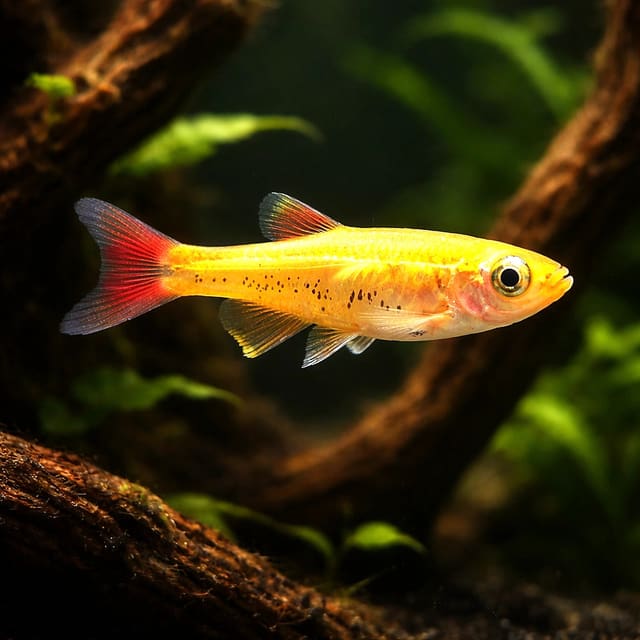
Gold White Cloud Mountain Minnow (Tanichthys albonubes) – 2–3cm Sizes
14–22°C · pH 6–8.5 · 54L
£2.99

Tiny, peaceful schooling danionid for a mature planted aquarium. Keep at least 10 over a 60 × 30 cm base, provide stable 20–27°C water and choose only calm, comparable-sized companions.
Adult size is the maximum length this species reaches at full maturity (scientific sources). The livestock you receive will be younger and smaller — pick a size variant above for the actual shipping size. Product-photo provenance and any image-specific limitations are stated on the listing.
Neon Green Rasbora are a shoaling species — they need 6+ to feel safe and show their full colour.
Minimum of 2 per order.
Tiny, peaceful schooling danionid for a mature planted aquarium. Keep at least 10 over a 60 × 30 cm base, provide stable 20–27°C water and choose only calm, comparable-sized companions.
Adult size is the maximum length this species reaches at full maturity (scientific sources). The livestock you receive will be younger and smaller — pick a size variant above for the actual shipping size. Product-photo provenance and any image-specific limitations are stated on the listing.
Maintain these water conditions for optimal health and vibrant colors
Neon Green Rasbora (Microdevario kubotai) is a tiny, very peaceful schooling danionid best displayed as a proper shoal in a mature planted aquarium. FishBase lists the accepted scientific name as Microdevario kubotai, places the species in Danionidae and records it as a tropical, benthopelagic freshwater fish from Thailand. It gives a maximum recorded length of 1.9 cm standard length, measured without the tail fin, and displays an IUCN assessment of Least Concern. Seriously Fish also lists the former scientific combination Microrasbora kubotai. Common trade names include Neon Green Rasbora, Green Neon Rasbora, Yellow Neon Rasbora, Kubotai Rasbora and Kubotai’s Microrasbora. Use Microdevario kubotai when comparing livestock, photographs or care information because trade names vary. Useful identification features include the very small adult size, clear dorsal and anal fins, no barbels and concave outer margins on those fins. Mature females tend to be larger and deeper-bodied, while mature males are usually more compact and intensely coloured; UK rasbora guidance also notes that rasboras can be difficult to sex unless they are in breeding condition.
Choose this fish for coordinated group movement rather than as a solitary splash of colour. Its reflective green-yellow appearance becomes more conspicuous against plants, wood and a darker substrate, while sparse, bright surroundings can leave it looking washed out. Retain a clear route through the middle of the aquarium so the shoal can move freely instead of filling every part of the footprint with décor.
A Neon Green Rasbora is small enough to be overlooked at feeding time and easily intimidated by a larger community. Its size does not reduce the need for a stable biological filter, a complete social group or enough space for normal swimming. If those foundations are in place, the shoal can use both planted shelter and open water confidently.
Browse the rasboras and danios collection when comparing the social and space requirements of related aquarium fish. Treat each species as a separate group with its own adult needs rather than combining several names into one token mixed shoal.
The species care profile gives a base of at least 60 × 30 cm, approximately 54 litres, with water at 20–27°C, pH 6.0–7.0 and 1–10 dGH. Keep at least 10 Neon Green Rasboras together. Maintain those conditions steadily rather than making abrupt temperature or chemistry changes, and introduce the group only to an established aquarium.
The selector has two recurring dispatch-size options: 1–2 cm and 2.5 cm. Together they span 1–2.5 cm, and one purchase supplies one animal of the selected option. The size you select is the size supplied, not the adult size. The scientific adult-size reference and the dispatch grades serve different buying decisions, so a larger dispatch measurement does not indicate a different species. Whichever size you choose, provide the same mature aquarium, complete shoal, suitably small food and peaceful companions.
Sex is guaranteed only when the selected option explicitly states male or female. This Neon Green Rasbora listing has no sex-guaranteed option.
The supplier photograph shows one representative Neon Green Rasbora rather than the exact individual supplied. It shows a right-facing fish with a green-gold lateral band and pale blue spots along the back, above dark gravel and grass-like plant stems. Some gallery photos were digitally enhanced to improve image quality, so colours can look slightly different from the live animal.
Postpone the purchase if the aquarium is immature, intended companions are forceful, feeding access is doubtful or there is insufficient room for the full social group. Review recent water results, consistent replacement-water preparation and normal equipment performance before adding livestock. Resolve unexpected instability first rather than trying to correct it around newly introduced fish.
Start with the aquarium’s base dimensions rather than relying on the litre figure printed on the box. A 60 × 30 cm base gives this active shoal a useful horizontal route while retaining room for planted shelter. A narrow, tall aquarium may hold a similar nominal volume but provide less useful midwater distance. Total stocking must also reflect filtration, maintenance and every other animal already present.
Before ordering, write down the intended number of Neon Green Rasboras and list the established livestock with their adult sizes and social requirements. This exposes conflicts that a simple fish count can miss. Several small species may each need their own group, and those groups still share the same swimming space and biological capacity. Confirm that the planned shoal has real room rather than space that exists only because other animals have been counted at their dispatch size.
Use live plants where possible. Fine-leaved and taller plants create shelter, while wood, rocks or gravel can form visual structure associated with the species’ running-water habitat. Suitable artificial plants and ornaments can provide cover when live planting is impractical. Keep the central or front midwater route open so the shoal can move between sheltered and exposed areas without repeatedly turning around hardscape.
A planted arrangement is useful because it gives the fish a choice between cover and open water. Packing the tank densely from front to back removes that choice and reduces the value of the horizontal footprint. Conversely, a bare aquarium offers little visual security and may leave the fish looking pale or reluctant to use exposed areas.
Place and manage the aquarium so temperature remains stable. Rapid environmental changes can move the tank outside its normal pattern even when a later spot reading appears acceptable. Assess the room, established equipment and maintenance access before livestock is added, then keep the physical arrangement practical enough for regular cleaning and observation.
If this is your first livestock setup, use our first tropical aquarium guide to prepare and mature the system before the shoal arrives. Completing that process first is more reliable than trying to establish biological stability while fish are already producing waste.
A mature aquarium has a biological filter that processes normal waste reliably and a care routine that produces stable results. Clear-looking water alone does not demonstrate maturity. Confirm through repeated tests that ammonia and nitrite remain undetectable during ordinary feeding, and understand how the aquarium behaves between water changes rather than judging it from one carefully timed result.
RSPCA aquarium-welfare guidance explains that established biological filtration supports beneficial bacteria which convert toxic ammonia to nitrite and then to safer nitrate. Add livestock gradually so that this bacterial population can adjust to increased waste. Stocking too quickly can allow ammonia or nitrite to accumulate before the system can process the extra load.
Fit a well-maintained filter that keeps the water clean and moving gently. The flow should not form one concentrated current that prevents the fish from holding position, moving through the tank or reaching food. Watch how the complete shoal uses the aquarium after introduction: normal use of both sheltered and open areas is more informative than the output printed on a pump label.
For an aquarium around the stated minimum volume, the equipment guidance in the species profile equates four to five turnovers per hour with a filter rated at about 215–270 litres per hour. In a room around 20°C, the same aquarium generally needs roughly 50–75 watts of heating to hold the recommended temperature range. Treat these as equipment-selection references for that tank size, then confirm normal operation in the completed aquarium.
Do not add the shoal while ammonia or nitrite is detectable. If either appears after introduction, test promptly, review filtration and feeding, and restore safe water quality. Pause further stocking until the underlying cause has been corrected and the aquarium has returned to its established pattern.
Filter performance and fish behaviour should be considered together. A unit may continue running while its media or pipework is partly blocked, and reduced flow can signal that attention is needed. Check for blockages, clean only the parts that need attention and preserve established biological media. Confirm normal operation afterwards rather than assuming that noise or visible movement proves the complete filter is working properly.
Use the species-level range of 20–27°C, pH 6.0–7.0 and 1–10 dGH as the operating target for this aquarium. Stability within that range matters more than repeatedly moving the water towards a preferred-looking number. Measure the aquarium and replacement water, make changes deliberately and avoid abrupt shifts in temperature or chemistry.
OATA’s rasbora-group sheet gives 22–27°C, pH 6.5–8.0, 4–12°dH, 3–10°dKH, zero ammonia and nitrite, and nitrate no more than 20 mg/l above tap water. These are broad group-level guidance, not a species-specific optimum. For this fish, use the narrower species guidance while treating zero ammonia and nitrite as essential water-quality boundaries.
Our aquarium water chemistry guide explains which values to measure and why they matter. Enter actual test results into the water matcher to compare the aquarium with the stated species range. Use measured local water, the aquarium’s dimensions, established livestock and the fish’s observed condition when deciding whether the setup remains suitable.
The species maintenance recommendation calls for a 30–50% water change every week. Match replacement conditions closely, remove accessible organic waste and keep the biological system stable. The final percentage within that interval should reflect the aquarium’s stocking and measured condition rather than becoming an excuse to delay maintenance.
Test ammonia and nitrite at least once each week, increasing checks whenever behaviour or aquarium stability changes. A regular schedule provides a baseline, while extra testing helps distinguish a water-quality change from an isolated behavioural event. Record results when useful so gradual changes become visible before they turn into an emergency.
Keep maintenance access in mind when arranging plants and hardscape. You should be able to reach areas where food and solid waste collect without dismantling the whole aquarium. A layout that can be maintained consistently is more useful than one that looks natural on the first day but prevents routine siphoning or filter access.
Keep at least 10 Neon Green Rasboras together as their own same-species group. A full shoal makes these social fish less nervous, encourages natural movement and allows males to show stronger display colours. Other small rasboras do not replace companions of the same species, even when they occupy a similar part of the aquarium.
Write down the complete intended shoal before choosing the order quantity. One purchase supplies one fish, so the retail unit must not be mistaken for a recommendation to keep one alone. Confirm that the aquarium can accommodate the whole group alongside its existing animals, then choose the quantity around that social plan.
A comfortable group may spread out through open water, regroup around cover and respond quickly when food appears. It does not need to remain in one rigid formation. Judge the group by balanced swimming, use of the available space, appetite, breathing and body condition rather than expecting a fixed visual pattern.
Persistent hiding, isolation or failure to join feeding needs investigation. Compare individuals within the shoal because one fish can lose condition while the rest remain active. A member that consistently hangs back, becomes thinner or shows reduced interest in food may be losing access or developing a health problem even when the group display still looks lively.
Offer a quality dried food of suitable size, supported by small live or frozen Daphnia and Artemia. Fine prepared particles should be small enough to take easily. A high-quality food is of little use when every piece is too large for the fish to swallow.
Use suitable dried food for routine feeding and include small live or frozen fare regularly rather than relying on incidental scraps from tank mates. Variation gives the shoal access to different suitably sized foods while preserving the convenience of a reliable prepared staple. Select products according to their particle size and follow the manufacturer’s storage and preparation instructions.
Feed once daily and offer only what the fish can consume within a few minutes. Reduce the portion when food remains. Overfeeding leaves material to break down in the aquarium and increases the load on filtration, so portion control protects both water quality and body condition.
The fish should feed without progressive weight loss or persistent rapid breathing. A rounded breeding female may naturally be deeper-bodied than a male, but an individual that steadily loses condition requires attention. Use feeding time as a consistent observation point because appetite and position can change before a problem becomes obvious elsewhere.
Adjust food and care to the actual group. The number of fish, prepared-food density and presence of other feeders all affect the useful portion. Keep the once-daily, few-minute limit as the starting boundary, then reduce waste rather than adding food simply because some particles reach the substrate.
Before arrival, confirm that the aquarium is mature and stable, filtration is operating normally and no other livestock will be introduced at the same time. This keeps the first observations focused on one new group and avoids adding another waste increase before the biological filter has adjusted.
Read our delivery and Live Arrival Guarantee policy before dispatch. It explains the applicable dispatch schedule, delivery information and claim process. Check that policy directly rather than relying on a care paragraph for fulfilment details.
Avoid abrupt temperature or chemistry changes during introduction. Place the group into prepared cover, allow it to settle and offer only suitably small food when the fish respond. Check breathing, swimming and appetite rather than using immediate colour as the main measure of condition.
Colour can appear subdued while fish respond to transport, unfamiliar surroundings and a different background. The green-yellow sheen may become clearer against darker décor as the shoal begins using the tank. Balanced movement, normal breathing and willingness to feed provide more useful early information than colour intensity alone.
Pause further stocking if fish become isolated, water quality deteriorates or filtration changes. Correct the underlying problem before adding more livestock. A delay at this point protects both the new shoal and the established aquarium.
Watch for persistent hiding, isolation, abnormal swimming, surface distress, altered breathing, clamped or damaged fins, spots or fluffy growths, damaged scales, weight change and loss of appetite. A settled fish should swim normally, respond to its group and feed without progressive weight loss or persistent rapid breathing. Judge welfare from several signs together rather than colour alone.
If several fish change at once, test the water and inspect essential equipment promptly. If one fish is affected, water quality still needs checking, but compare that individual with the rest of the shoal and note when the change began. Record water results, appetite and unusual behaviour when useful; familiar trends make changes easier to recognise than isolated observations.
After maintenance, recheck filter flow and watch for abnormal swimming, breathing or hiding. This connects a behaviour change with its timing and helps identify whether equipment, water or tank-mate pressure changed during the work.
If you are concerned about livestock health, test the water quality and contact your OATA retailer for further guidance. Provide the measured results and the specific changes in swimming, breathing, appearance, appetite or body condition so the concern can be assessed clearly.
The natural-history and breeding account reports that this schooling species typically occurs in groups of 20–50 in nature. Its likely natural diet includes small invertebrates, algae and other zooplankton. In aquaria, Microdevario kubotai scatters eggs among aquatic vegetation and provides no parental care; occasional fry may appear without intervention in a mature planted aquarium. For a more controlled attempt, use smaller containers filled with aged water and abundant fine-leaved plants or spawning mops. An air-powered sponge filter is optional.
The natural group size explains why a token pair does not provide the intended social setting. The aquarium recommendation of at least 10 is a practical minimum for a home setup, while the natural figure shows the scale at which the fish commonly school. Plan the home shoal as a complete group and allow enough open water for it to change formation.
Its likely natural foods also explain the value of suitably small live and frozen fare alongside quality prepared food. The fish has a tiny mouth, so match the particle to the animal rather than selecting food by ingredient list alone. Aquarium feeding still needs a controlled daily portion because excess food increases waste.
Start with healthy adults maintained in the complete social group and stable conditions. A mature planted display may produce occasional survivors, but no parental care means eggs and very small young remain exposed. A separate controlled setup increases the keeper’s ability to provide fine vegetation or spawning material without turning the display aquarium into a breeding container.
Mature females tend to be larger and deeper-bodied, while males are generally more compact and intensely coloured. These biological tendencies do not create a sex guarantee for the retail offer. Build any breeding plan around fish that can be assessed in settled adult condition rather than treating dispatch size or a photograph as proof of sex.
Compatibility rule: keep Neon Green Rasboras only with very small, calm companions that share similar water conditions and do not intimidate, eat or overpower them at feeding time.
The species is very peaceful, but peaceful behaviour does not guarantee safety in every community. Its tiny body makes it vulnerable to fish that are larger, faster or more forceful without being routinely aggressive. Compare adult size, mouth size, movement, territorial behaviour and feeding pace before deciding that two peaceful labels belong together.
Other tiny danionids or rasboras may be considered only when water, footprint, temperament, separate social groups and food access all align. Similar common names or body sizes do not make them interchangeable. Each schooling species needs enough companions of its own kind, and the aquarium must carry the combined biological load.
Do not use one Neon Green Rasbora purchase as a test fish in a community. One purchase describes the retail unit, while the care requirement is a same-species shoal of at least 10. Plan the complete group first and assess every companion around the space that group needs.
A companion can be unsuitable without chasing or biting. Persistent hiding, loss of feeding position, isolation, reduced appetite or declining body condition can show that the combination is failing. Check water and equipment as well as tank-mate pressure because similar signs can have more than one cause.
Wait if the aquarium lacks room for separate social groups, if the proposed companion is forceful, or if feeding access cannot be maintained. Also pause further stocking when the established fish are already showing abnormal swimming, hiding, altered breathing or appetite loss. Correct the underlying issue before increasing the aquarium’s load.
Compatibility is an aquarium-level decision. Use the adult needs of every animal, the measured water, the actual footprint and observed behaviour together. This produces a more reliable choice than relying on the word “community” or combining fish simply because they are sold at a similar dispatch size.
It is Microdevario kubotai, a tiny, peaceful schooling freshwater fish in the danio family Danionidae.
One purchase supplies one animal of the selected option. Plan the order quantity around a same-species group of at least 10.
Neon Green Rasbora has 1–2 cm and 2.5 cm dispatch-size options. The selected size is the size supplied, while the long-term aquarium plan remains the same.
Use a mature planted aquarium with a base of at least 60 × 30 cm, approximately 54 litres, plus open midwater swimming room and gentle filtration.
No. Keep at least 10 together because this is a schooling species and other small rasboras do not replace its own social group.
Maintain 20–27°C, pH 6.0–7.0 and 1–10 dGH, with undetectable ammonia and nitrite. Keep conditions stable rather than making abrupt adjustments.
Offer suitably small quality dried food with small live or frozen Daphnia and Artemia. Feed once daily and only what the fish consume within a few minutes.
Introduce the group only to a mature aquarium with stable water. Avoid abrupt temperature or chemistry changes during introduction. Place it into prepared cover, let it settle, then offer small food when the fish respond; check breathing, swimming and appetite.
Consider only very small, calm fish with matching water and space needs. Avoid fish large enough to eat it and boisterous companions that can intimidate or outcompete the shoal.
Max adult size is the length this species reaches at full maturity (from scientific sources). The livestock you receive will be younger and smaller — pick a size variant on the buy box for the actual shipping size. Product-photo provenance and any image-specific limitations are stated on the listing.
Always research specific species before adding them to your tank. Consider:
Independently collected by Judge.me from customers who bought this item. All reviews are shown.
these fish have grown quickly and coloured up very well now being a bright medium green and are very active
Reply from Tropical Fish Co
<p>Great to hear George. Kubotai rasboras ship as fairly plain little things and only green up properly once they're settled and shoaling confidently, so what you're describing is exactly the way they should go. They'll keep improving for a few months yet. - Tropical Fish Co</p>
14–22°C · pH 6–8.5 · 54L

22–28°C · pH 5–7.5 · 40L
20–26°C · pH 6.5–7.5 · 41L
23–28°C · pH 5–7.5 · 54L
21–28°C · pH 5–7.5 · 54L
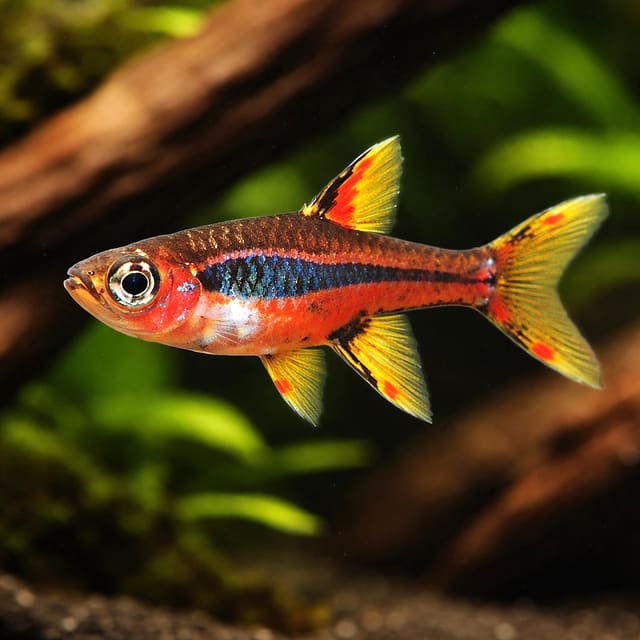
24–28°C · pH 4–7 · 20L
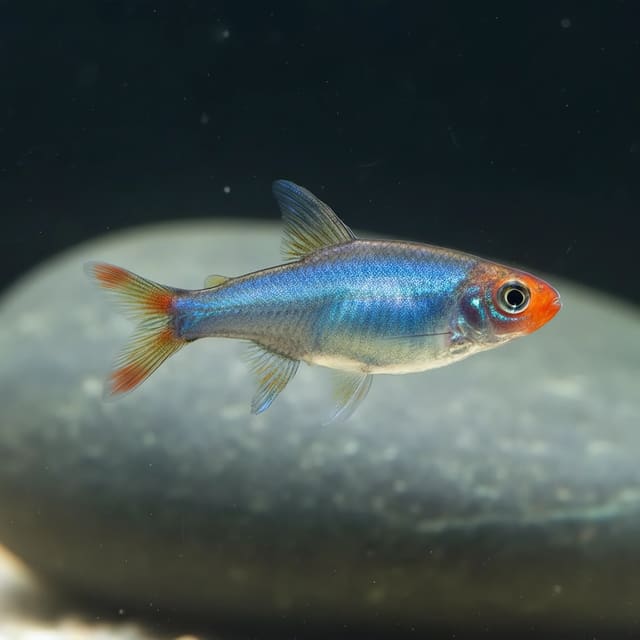
18–22°C · pH 6–8 · 54L

23–28°C · pH 6–7.5 · 200L
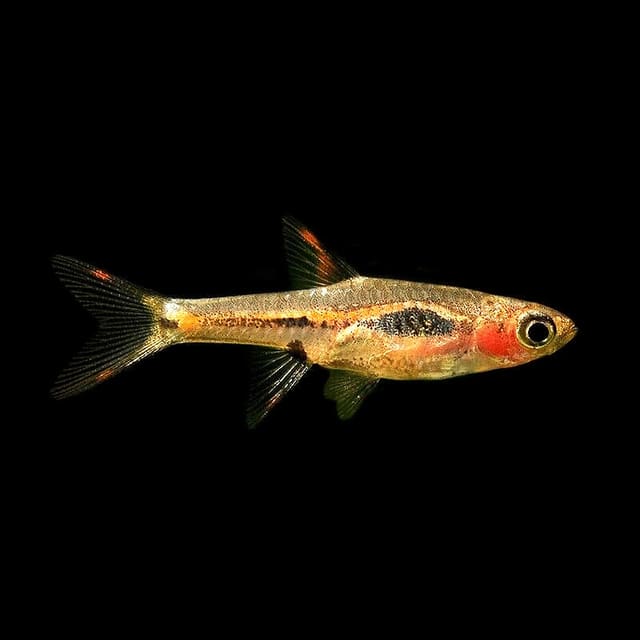
25–28°C · pH 5–7
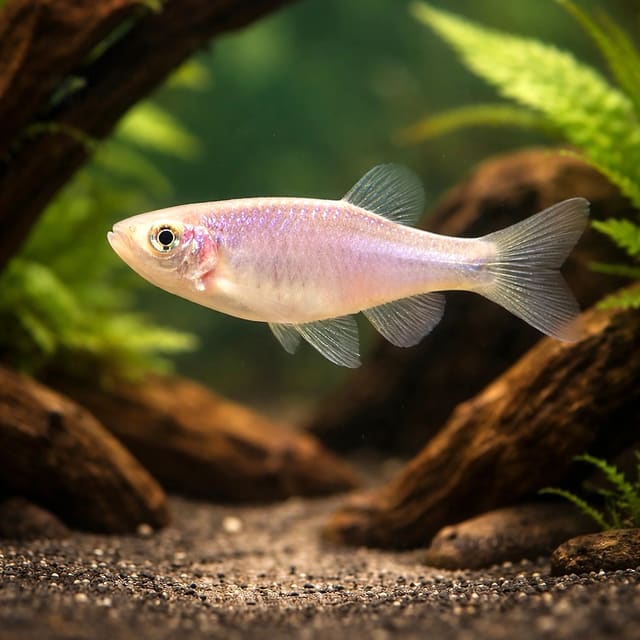
18–25°C · pH 6–7.5 · 81L
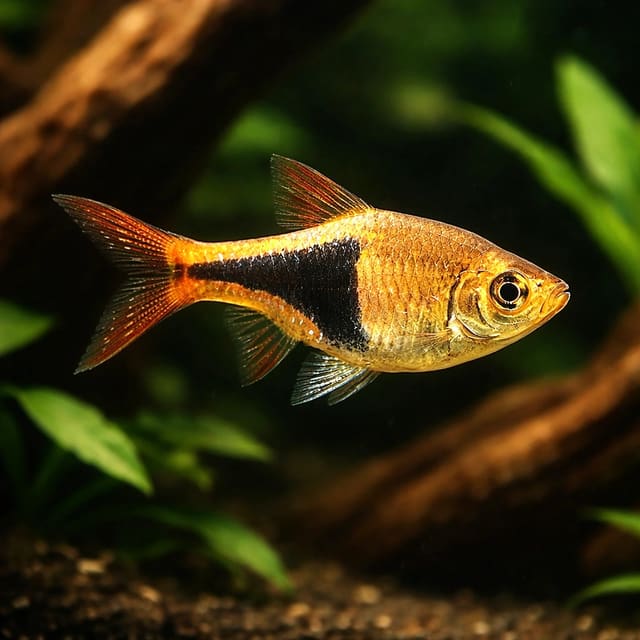
22–25°C · pH 5–7
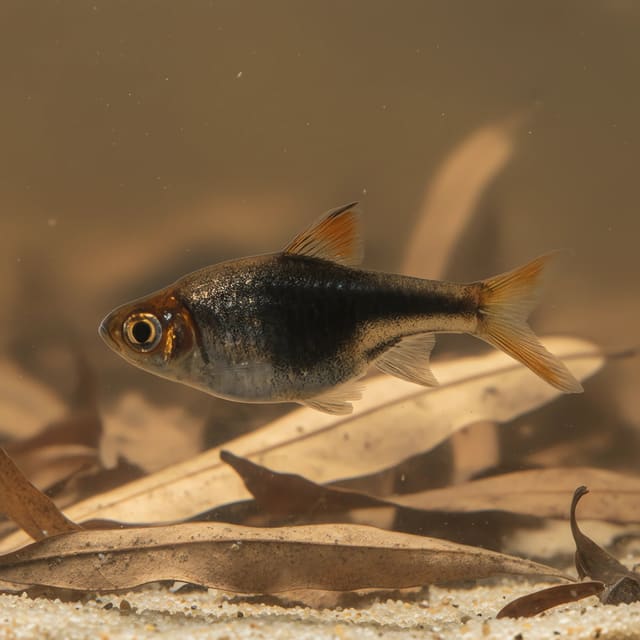
22–25°C · pH 5–7 · 60L

24–26°C · pH 5–6
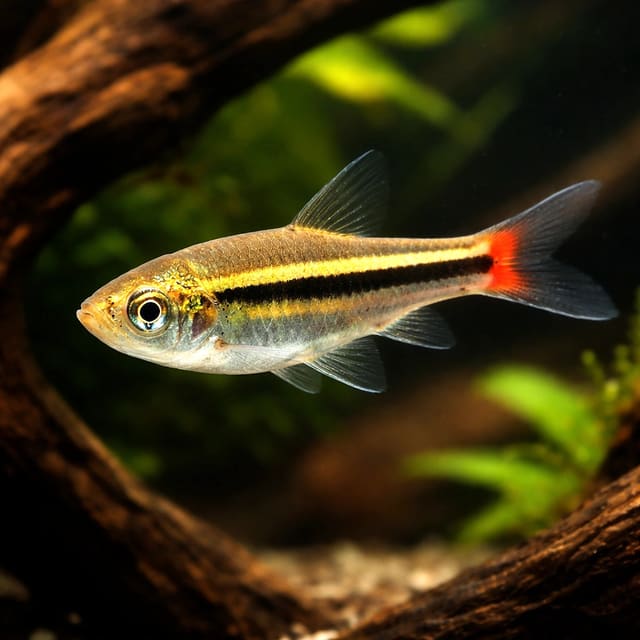
22–26°C · pH 6–7.5 · 68L
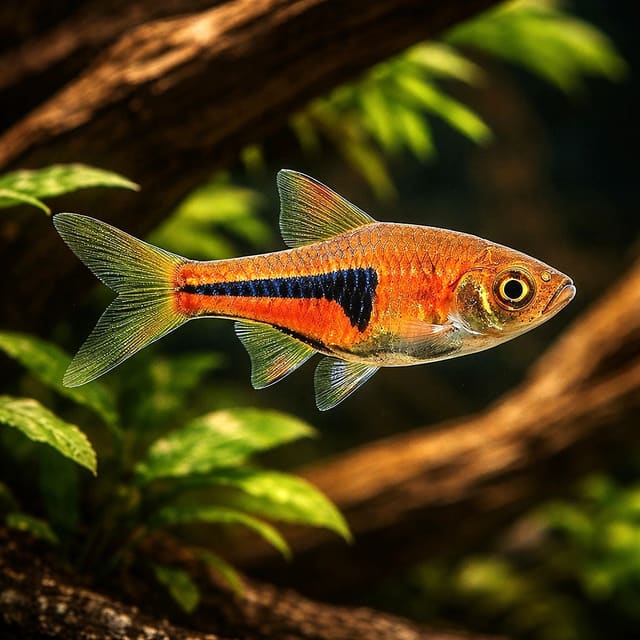
23–28°C · pH 5.5–7.5 · 60L
16–25°C · pH 6–8

22–28°C · pH 7–8 · 41L

21–25°C · pH 5–7
24–29°C

24–27°C · pH 6.5–6.5

22–27°C · pH 6–8 · 72L
24–27°C · pH 6.5–8 · 200L

23–27°C · pH 5.5–7 · 60L

22–27°C · pH 6–8