
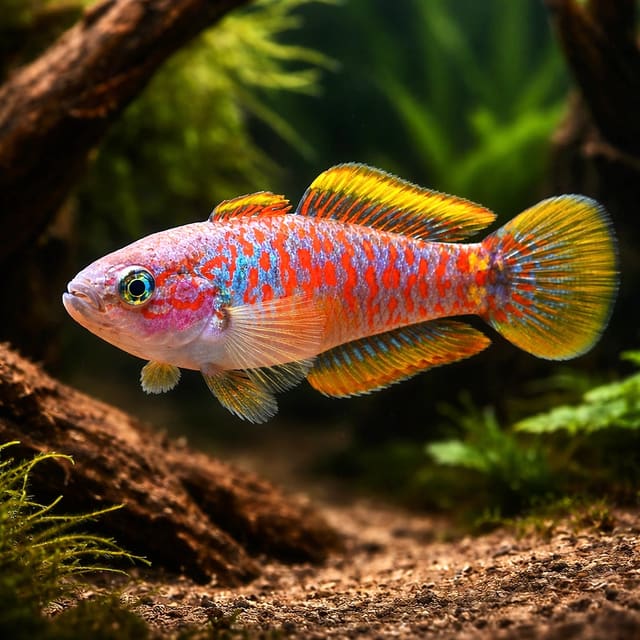
Peacock Gudgeon (Tateurndina ocellicauda)
22–26°C · pH 6.5–7 · 41L
£7.29
17 products
Explore gobies, gudgeons and Schistura loaches alongside mudskippers. This established group includes freshwater and brackish choices, so match the named fish to its water type and enclosure before buying.
17 products
22–26°C · pH 6.5–7 · 41L
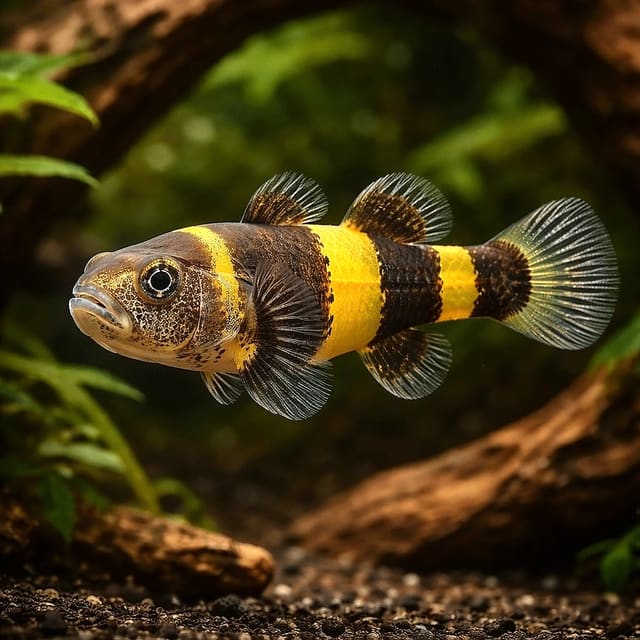
24–27°C · pH 7.5–8.5
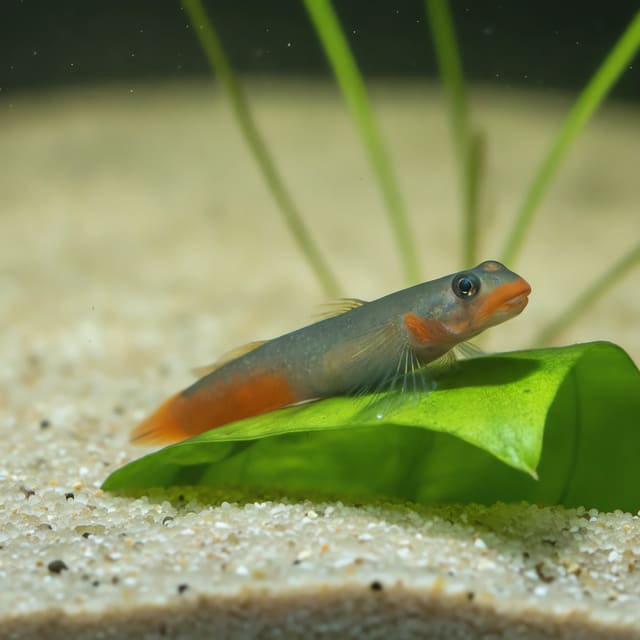
22–26°C · pH 6.5–7.5 · 54L
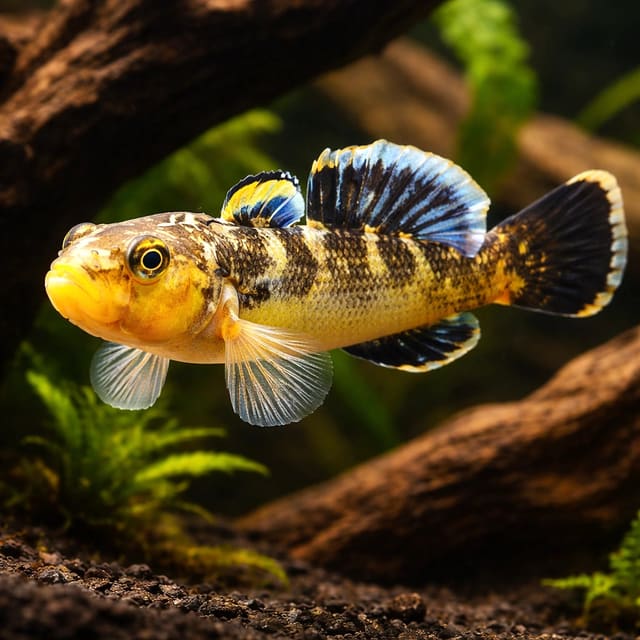
20–28°C · pH 7–8.5
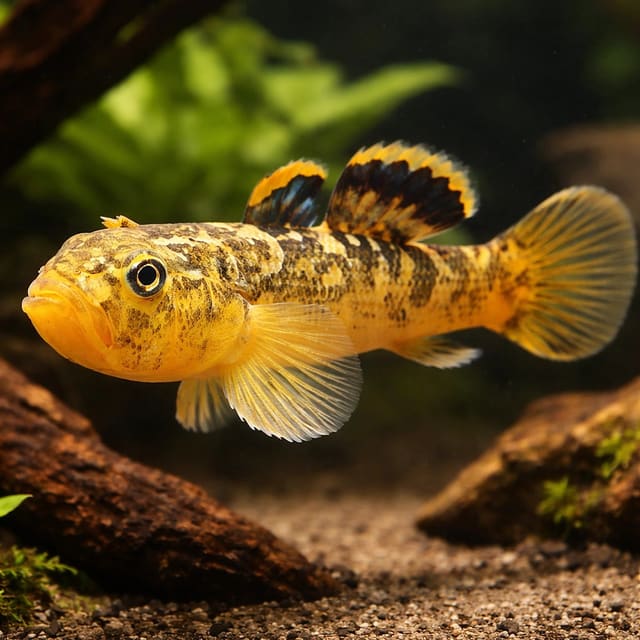
24–27°C · pH 7.5–8 · 41L
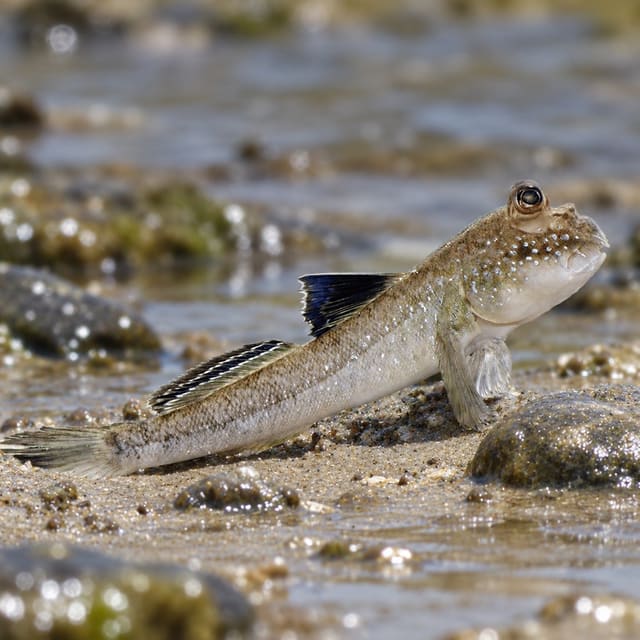
25–30°C · pH 7–8.5 · 110L
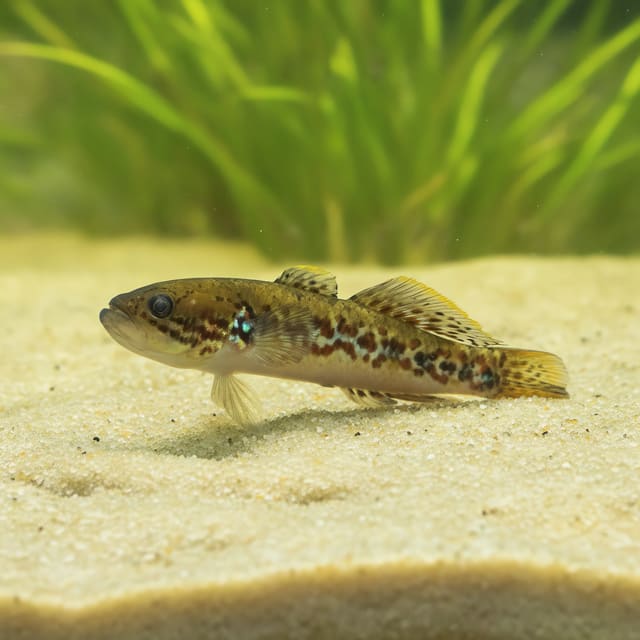
16–20°C · pH 7–7.5 · 108L

23–26°C · pH 6–7
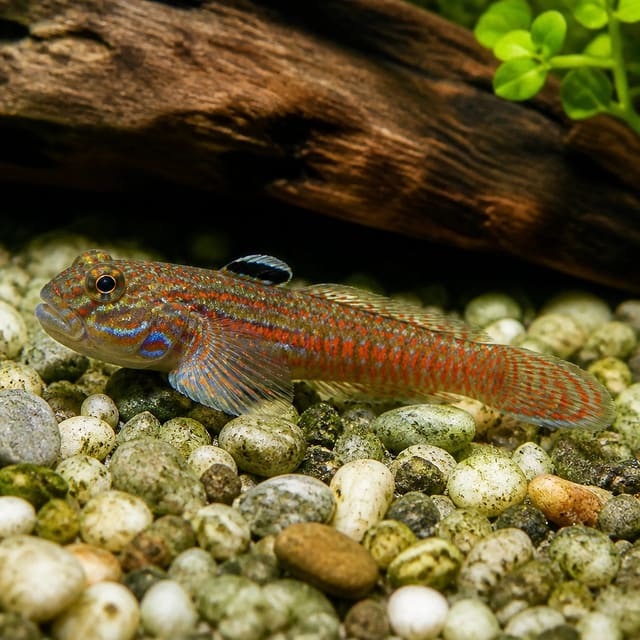
22–26°C · pH 6.5–7.8 · 90L
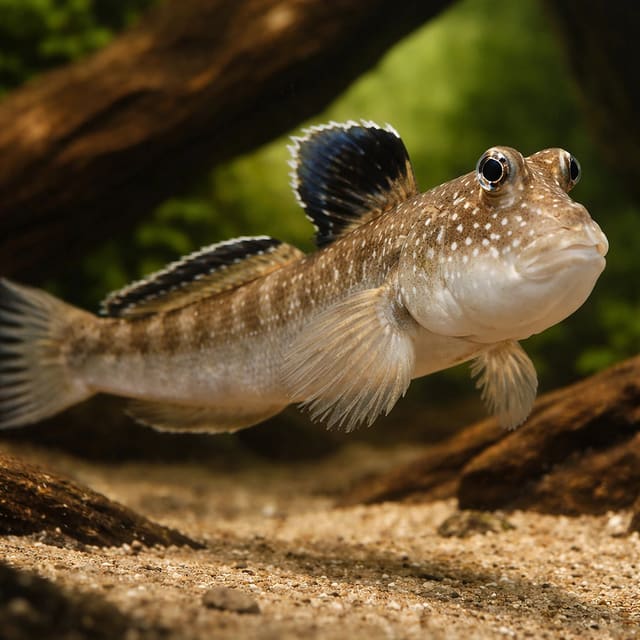
24–28°C · pH 7–8.5 · 150L
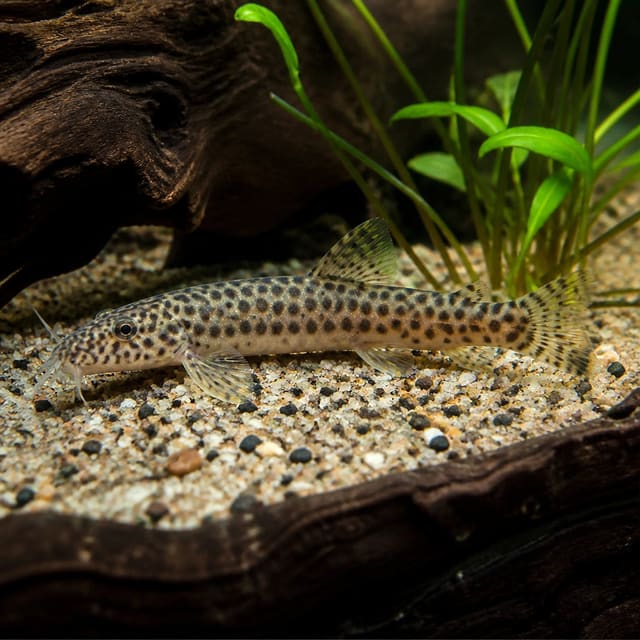
18–25°C · pH 6–7.5 · 60L
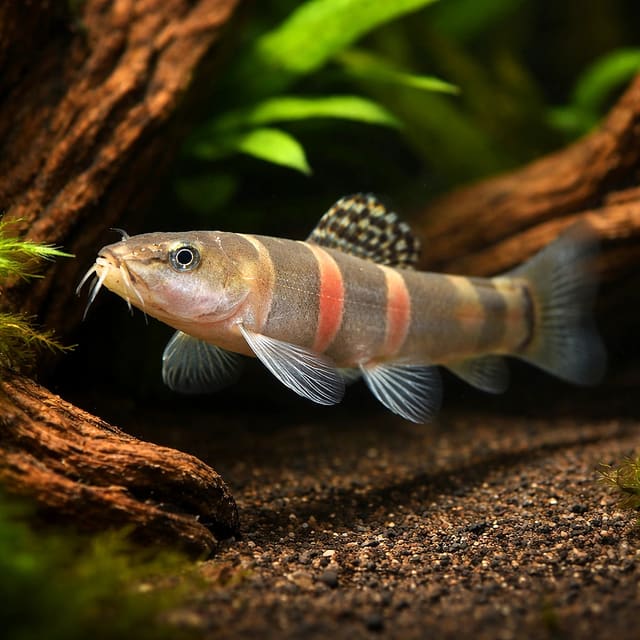
20–26°C · pH 6.5–7.5 · 120L

22–28°C · pH 6.5–7.8 · 100L
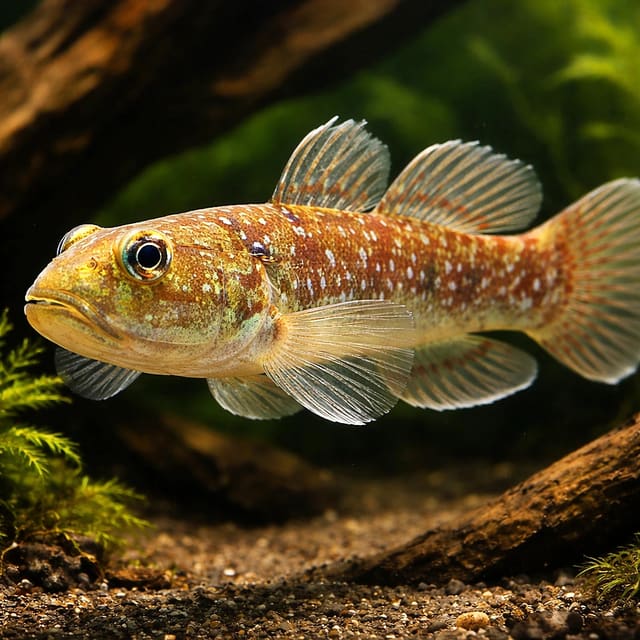
24–28°C · pH 7.5–9 · 60L

22–28°C · pH 6.5–8 · 100L
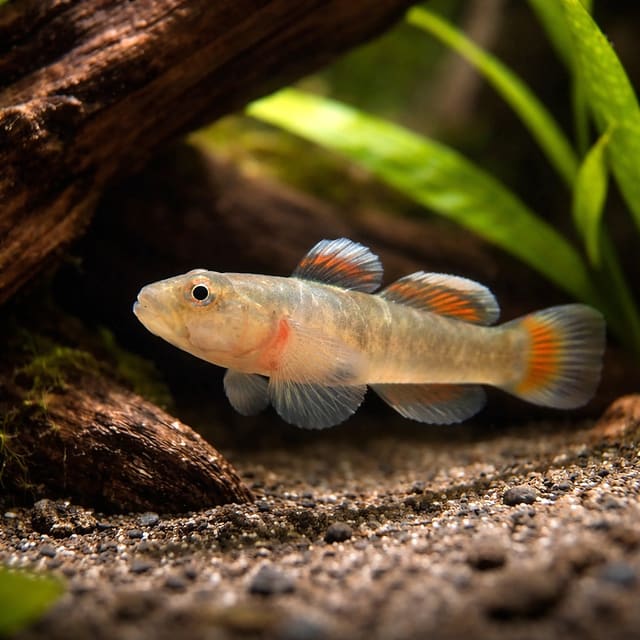
18–24°C · pH 6.5–7.5 · 60L
Mudskippers need access to land and a secure enclosure designed for an amphibious fish. Check the exact offer for its brackish-water requirements and eventual size before planning the layout. A fully filled freshwater aquarium is not an equivalent setup.
Discuss a mudskipper setupPeacock and Mogurnda gudgeons, Schistura stream loaches and several gobies also appear here. They are different kinds of bottom-dweller: Gobiidae does not describe every fish in this established collection. Stiphodon grazing advice is not a feeding plan for Sicyopus or a predatory gudgeon. Look at how each fish feeds and uses territory before choosing companions.
Compare these bottom-dwellers