Chinese algae eater gold (Gyrinocheilus aymonieri gold)
22–28°C · pH 6–8 · 200L

Gold Chinese Algae Eater (Gyrinocheilus aymonieri), a bold riverine grazer for larger mature aquariums with strong filtration and robust tank mates.
Adult size is the maximum length this species reaches at full maturity (scientific sources). The livestock you receive will be younger and smaller — pick a size variant above for the actual shipping size. Photos are AI-enhanced, so the animal may show subtle colour or marking differences.
Gyrinocheilus aymonieri
Gold Chinese Algae Eater are a shoaling species — they need 6+ to feel safe and show their full colour.
Gold Chinese Algae Eater (Gyrinocheilus aymonieri), a bold riverine grazer for larger mature aquariums with strong filtration and robust tank mates.
Adult size is the maximum length this species reaches at full maturity (scientific sources). The livestock you receive will be younger and smaller — pick a size variant above for the actual shipping size. Photos are AI-enhanced, so the animal may show subtle colour or marking differences.
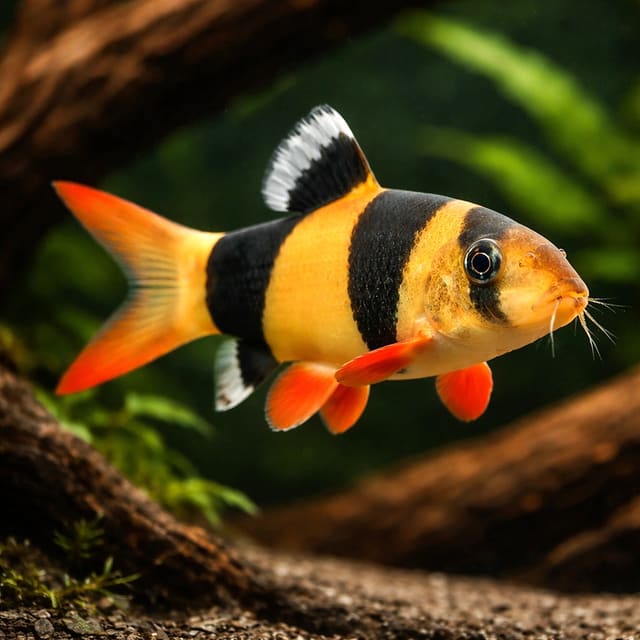
The Gold Chinese Algae Eater is the gold colour form of Gyrinocheilus aymonieri, a Southeast Asian river fish also known in the hobby as the Chinese Algae Eater or Sucking Loach. It is a striking, active grazer with a specialised sucker-style mouth, but it should not be sold or kept as a simple cleaner fish for every aquarium. Young fish graze algae and biofilm eagerly; adults become large, confident and often territorial, so this listing keeps the important care warnings clear before you order.
This product covers the 4-5 cm and 6-7 cm size options on the same Shopify listing. The gold form brings a bright yellow to warm golden body colour, cream fins and the long, streamlined shape of the wild type. It is best for mature, well-filtered aquariums where the keeper wants an unusual bottom and lower-level fish with real presence, not a delicate community grazer. Your order is covered by our Live Arrival Guarantee, and first-time customers can use WELCOME10 at checkout.
Petra lists this fish as Gyrinocheilus aymonieri with 24-28°C water, pH 6.0-7.8, 5-20 dGH hardness and a maximum size around 30 cm. FishBase describes the species from the Mekong, Chao Phraya, Mae Klong and northern Malay Peninsula region, living on solid surfaces in flowing water and feeding mainly on algae, periphyton and phytoplankton with some small animal foods. That river background is why oxygen, current and clean surfaces matter more than a decorative label saying “algae eater”.
The gold morph is a cultivated colour form, not a separate species. It should still be planned as the full-size river fish underneath the colour. Fishkeeper / Maidenhead and specialist care sources also warn that adults can become territorial and may harass unsuitable tank mates. This is useful honesty for buyers: a well-kept Gold Chinese Algae Eater can be hardy and full of character, but it is not the right choice for nano tanks, betta tanks, discus tanks or slow flat-bodied fish.
Start with a mature aquarium of at least 200 litres, with 300 litres or more preferred if the fish will share space with other robust species. Footprint and water movement matter. Use smooth sand or rounded gravel, pieces of wood, smooth stones, caves and shaded retreats so the fish can graze and claim resting places without constantly confronting tank mates. Strong biological filtration is essential because adults are active and produce more waste than their small juvenile size suggests.
A river-style layout suits the species well: open swimming lanes, hardscape surfaces for biofilm, moderate to strong flow and high oxygen. Hardy plants such as Anubias, Java fern, Bolbitis and floating cover can work, especially when attached to wood or stone. Avoid sharp decor that could damage the belly or sucker mouth. Keep the temperature stable in the 24-28°C range and avoid sudden pH swings even though the species tolerates a fairly broad pH window.
Juveniles are useful algae and biofilm grazers, but no aquarium fish should be expected to live on leftover algae alone. Offer a varied diet built around algae wafers, spirulina tablets, sinking herbivore foods and blanched vegetables such as courgette, cucumber, spinach or shelled pea. Add small protein-rich feeds once or twice a week, such as daphnia, brine shrimp, bloodworm or a quality sinking omnivore pellet, especially for growing fish and settled adults.
If the tank becomes too clean, supplement feeding is even more important. A hungry adult Chinese Algae Eater is more likely to chase other fish or rasp at slime coats. Feed in the evening or near lower light when the fish is confident, and remove uneaten vegetable pieces after a few hours. Clean water, steady feeding and enough territory do more for long-term behaviour than trying to use the fish as a permanent algae-control tool.
This is the main buyer-fit decision. Keep one Gold Chinese Algae Eater in most home aquariums. Adults can be assertive with similar bottom fish and may attach to slow, flat-bodied or long-finned tank mates. Avoid discus, angelfish, fancy goldfish, bettas, slow gouramis, delicate catfish and small nano species. These fish are too vulnerable to chasing or slime-coat grazing.
Better choices are active, robust fish that use the middle or upper water column and are not easily intimidated: larger danios, sturdy barbs, rainbowfish and other confident community fish in a suitably large aquarium. If your goal is a gentler community grazer, compare this fish with our Siamese Algae Eater. If you like the gold form but want to compare colour variants, see Chinese Algae Eater Gold and Black Gold Chinese Algae Eater.
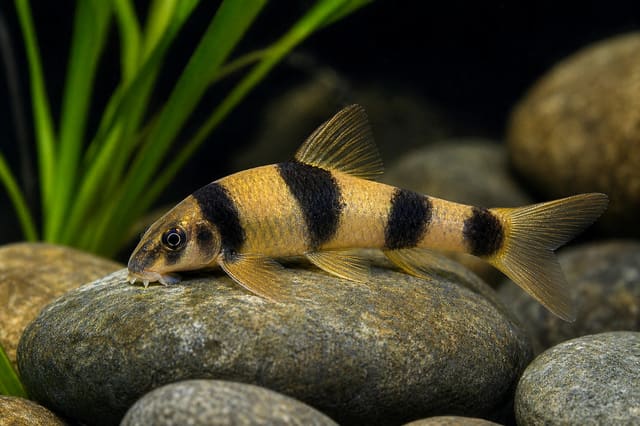
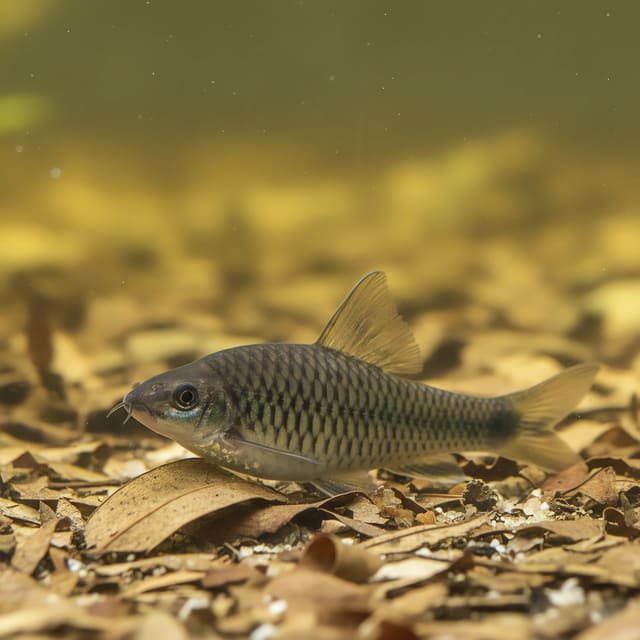
The Gold Chinese Algae Eater has a long body, broad head and inferior sucker mouth adapted for holding position on rocks and other surfaces. At small sizes it often appears constantly busy, moving between glass, wood and stones. As it grows, it usually becomes bolder and more territorial. A settled adult may patrol a chosen cave or section of hardscape and chase fish that enter its preferred area.
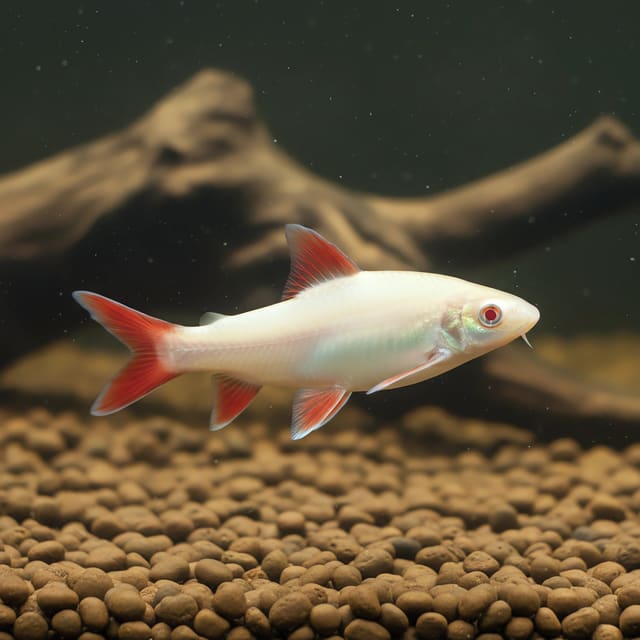
Colour varies from pale lemon to stronger golden yellow. Darker decor, good vegetable foods and stable water help the colour look richer. Sexing is difficult in normal retail sizes, and this listing should not be treated as a male/female pair listing. Choose the size option based on your aquarium plan rather than breeding ambitions.
Choose a specimen with clear eyes, intact fins, a rounded but not bloated belly, steady breathing and confident attachment to surfaces. Quarantine for 2-4 weeks when possible, especially before adding the fish to a community with valuable or delicate stock. During acclimation, keep lights low and provide cover immediately. Test ammonia and nitrite any time behaviour changes, because poor water quality quickly increases stress and aggression.
Do not medicate blindly. White spots, fin damage, clamped fins, rapid breathing or refusal to feed can come from parasites, bacterial infection, rough decor, harassment or unstable water. Correct water quality and compatibility problems as part of any treatment plan. This species is hardy when settled, but its size and behaviour mean prevention is much easier than rescue.
We list this fish with realistic adult-size and temperament guidance because that is the best way to protect the animal and the customer. Gold Chinese Algae Eaters are attractive and useful in the right aquarium, but they are not disposable cleaner fish. Before dispatch, livestock is checked for external condition and packed for live-animal courier delivery with insulation and seasonal heat protection when required.
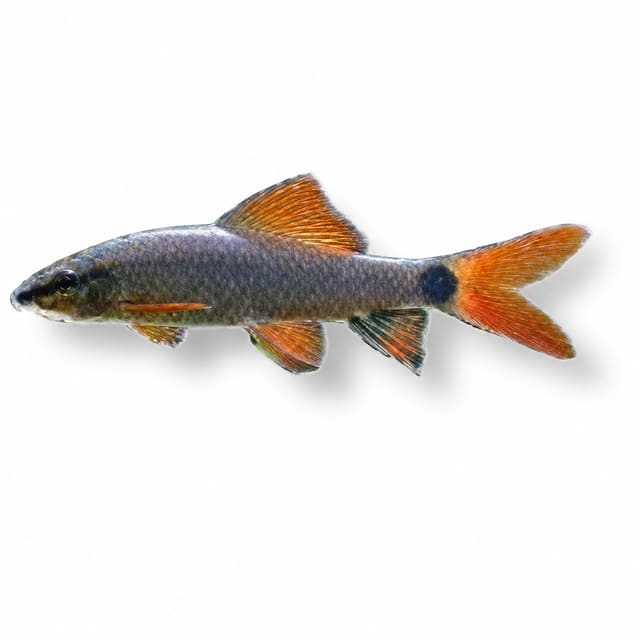
Use the exact Petra source photo and the AI gallery together: the source photo confirms the real supplier fish, while the gallery helps show the gold morph in aquarium-style settings. No existing images have been removed. If this fish suits your tank size and stocking plan, order with confidence under our Live Arrival Guarantee, and use WELCOME10 if this is your first Tropical Fish Co order.
It can be manageable when young, but adults often become territorial. Keep it with robust, active tank mates in a larger aquarium and avoid slow or flat-bodied fish.
Plan for up to 28-30 cm. Retail fish are much smaller, but the adult size is the reason a 200 litre minimum and larger adult planning tank are recommended.
No. Juveniles graze algae and biofilm, but adults need prepared foods and may graze less. Good lighting, feeding control and maintenance are still needed for algae management.
No, those are poor matches. Slow, flat-bodied or long-finned fish can be harassed or rasped by an adult Chinese Algae Eater.
No. It is a gold colour form of Gyrinocheilus aymonieri, so care should be planned around the same adult size and riverine behaviour.
For similar or related choices, compare Chinese Algae Eater Gold, Black Gold Chinese Algae Eater, Siamese Algae Eater, Albino Rainbow Shark, Kuhli Loach and Clown Loach. These links help you compare algae grazers, loaches and robust bottom-zone fish before choosing the best fit for your aquarium.
Petra Aqua source row/image 845, FishBase species summary for Gyrinocheilus aymonieri, Fishkeeper / Maidenhead Sucking Loach care notes, and Google Search Central title/snippet guidance.

22–28°C · pH 6–8 · 200L

22–28°C · pH 6–8 · 200L

22–26°C · pH 6–7.5 · 200L

22–28°C · pH 6.5–7.5 · 200L

22–28°C · pH 5.5–7 · 60L

25–30°C · pH 6–7.5 · 450L

18–26°C · pH 6.5–8 · 30L

23–27°C · pH 7.4–8.4 · 500L

20–27°C · pH 6–7 · 54L

23–27°C · pH 7.4–8.4 · 150L

24–28°C · pH 6.5–7.8 · 300L

20–24°C · pH 7–8 · 45L

24–28°C · pH 6.5–7.5 · 2000L

24–28°C · pH 7.5–8.5 · 200L

24–28°C · pH 5.5–7 · 60L

18–25°C · pH 6–8 · 100L

24–28°C · pH 7–8 · 120L

18–28°C · pH 6.5–8 · 20L

24–27°C · pH 7.5–8.8 · 150L

22–26°C · pH 6–7.5 · 60L

24–28°C · pH 7.5–8.5 · 40L

24–28°C · pH 7.5–8.5 · 500L