

Moderate
Neon Tetra (Paracheirodon innesi)
21–25°C · pH 5–7
£2.99

Yellow Phantom Tetra (Hyphessobrycon roseus) is a very small, peaceful South American shoaling fish for a mature, well-researched community. Keep 8–10 together in a planted 60 × 30 cm aquarium with gentle flow, small foods and similarly sized non-predatory companions.
Adult size is the maximum length this species reaches at full maturity (scientific sources). The livestock you receive will be younger and smaller — pick a size variant above for the actual shipping size. Product-photo provenance and any image-specific limitations are stated on the listing.
Hyphessobrycon roseus
Yellow Phantom Tetra are a shoaling species — they need 6+ to feel safe and show their full colour.
Minimum of 2 per order.
Yellow Phantom Tetra (Hyphessobrycon roseus) is a very small, peaceful South American shoaling fish for a mature, well-researched community. Keep 8–10 together in a planted 60 × 30 cm aquarium with gentle flow, small foods and similarly sized non-predatory companions.
Adult size is the maximum length this species reaches at full maturity (scientific sources). The livestock you receive will be younger and smaller — pick a size variant above for the actual shipping size. Product-photo provenance and any image-specific limitations are stated on the listing.
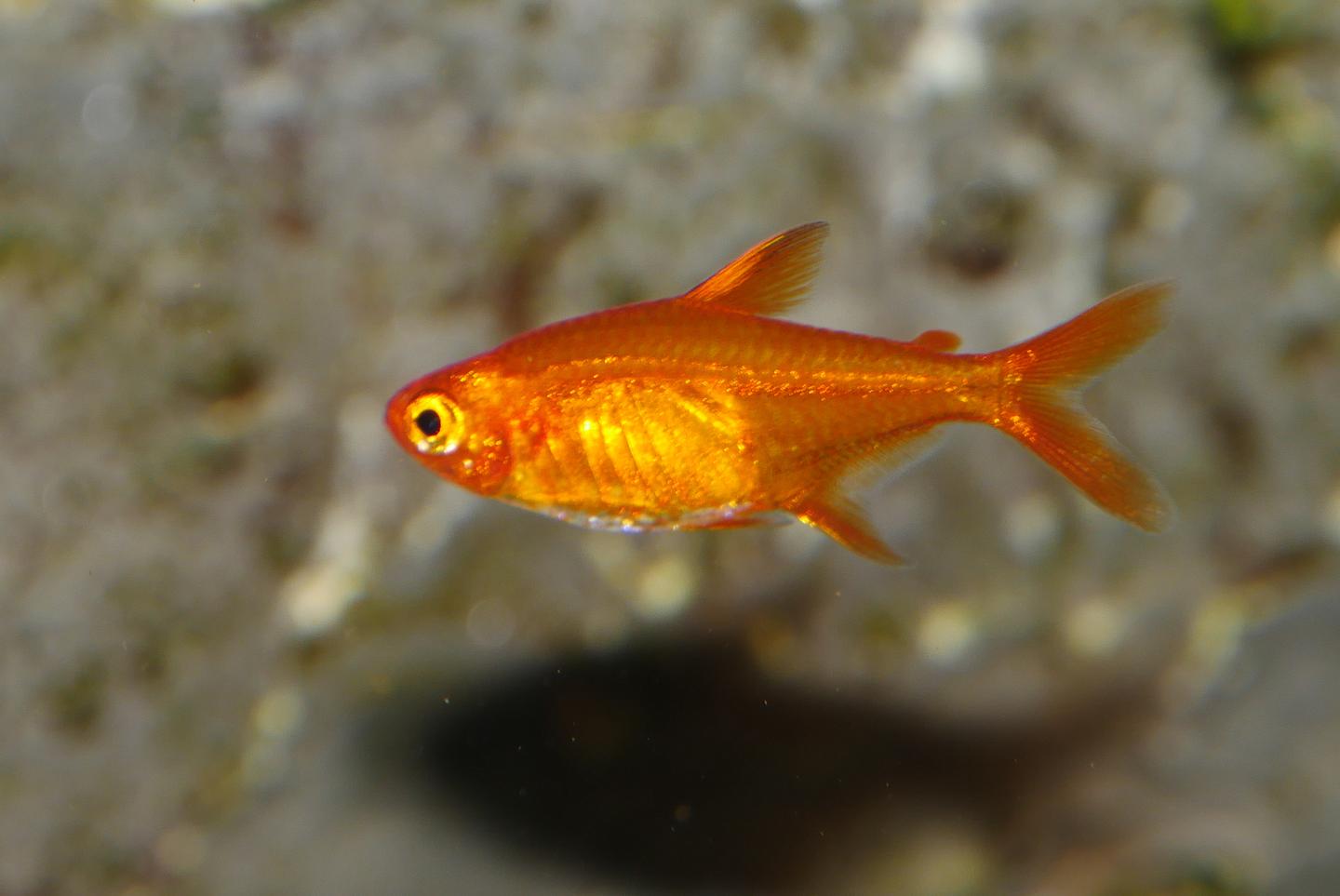
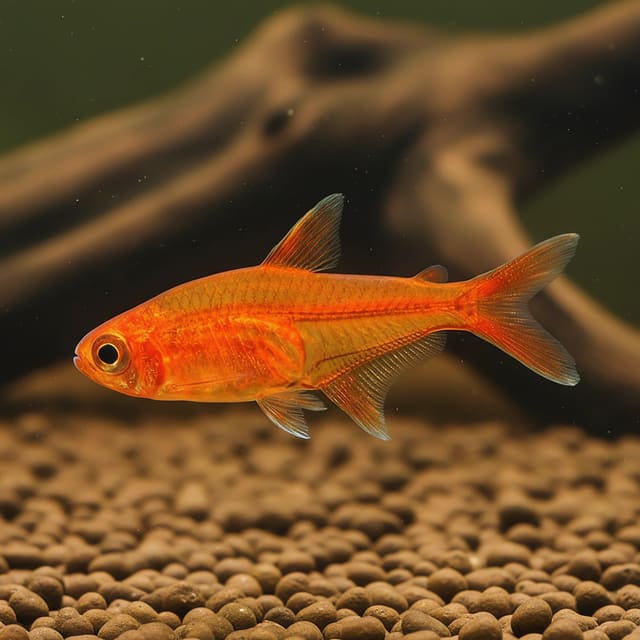
Ember tetras are very small Brazilian social fish, with a maximum recorded length of 2.0 cm excluding the tail. Keep them only in a fully cycled, stable aquarium. We recommend a group of at least 10 and about 45 litres with a 45 × 30 cm footprint rather than using a litres-per-fish formula.
Maintain these water conditions for optimal health and vibrant colors
The Yellow Phantom Tetra (Hyphessobrycon roseus) is a very small South American tetra from the Maroni and Oyapock river basins. The supplier still uses the combination Megalamphodus roseus and the trade name Rosy Phantom, while the approved customer title uses Yellow Phantom Tetra and the accepted name Hyphessobrycon roseus. These labels refer to the same supplied species. They should not be confused with similarly named rosy tetras belonging to other species.
FishBase records 1.9 cm standard length, and the species aquarium profile gives 2 cm standard length. That makes this an exceptionally small community fish, but not a fish for a cramped container. Its welfare depends on a real shoal, stable mature filtration, suitable small food and enough horizontal swimming room for the group to spread and reform. The species profile recommends a minimum base of 60 × 30 cm, associated with about 54 litres, and a group of at least 8–10 fish.
The product retains 1.5–2 cm and greater-than-2.5 cm grades. The size you select is the size supplied, not the adult size. One purchase supplies one live fish in the chosen grade, so the purchase quantity must match the planned shoal. A greater-than label is an open grade, not a promise of an exact maximum. Neither size grade guarantees sex.
| Suits | A keeper with a mature planted aquarium, room for 8–10 or more, gentle-to-moderate filtration and peaceful animals of comparable scale. |
|---|---|
| Less suitable for | An uncycled tank, a single-fish purchase, a community of large predators or boisterous feeders, or a system with unstable chemistry. |
| Adult record | 1.9 cm standard length in FishBase; the species aquarium profile rounds this to 2 cm standard length. |
| Routine aquarium range | 20–28 °C, pH 5.0–7.0 and 1–10 dGH from the species profile. |
| Social plan | At least 8–10 together, with open mid-water space and nearby cover. |
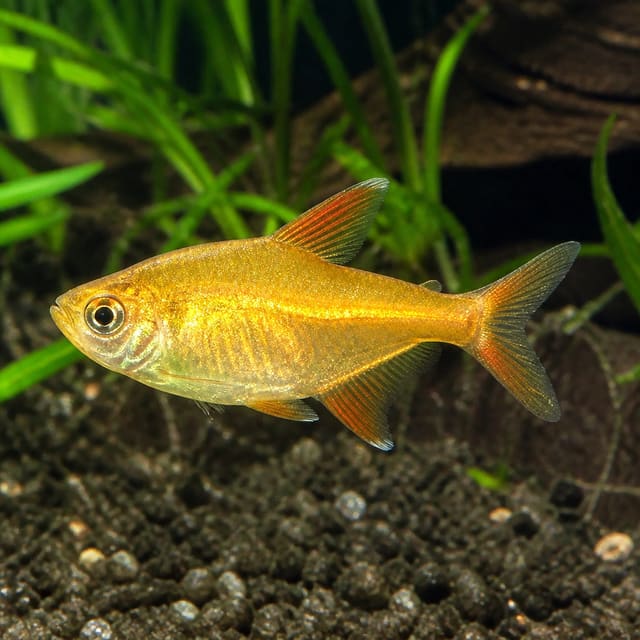
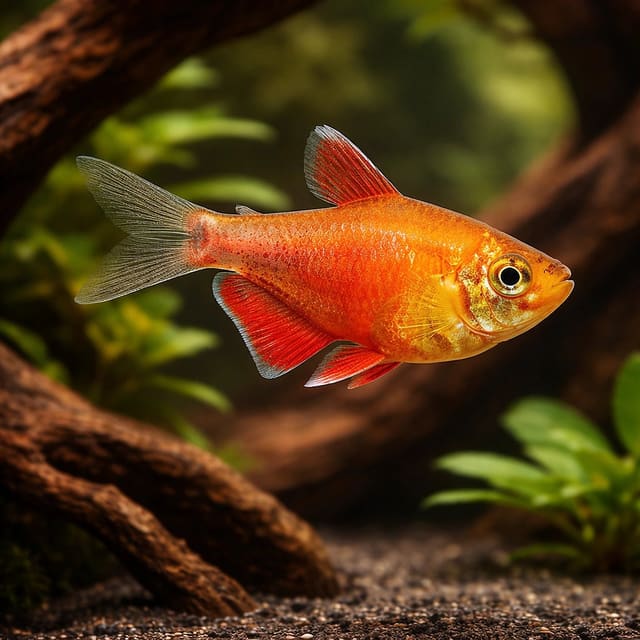
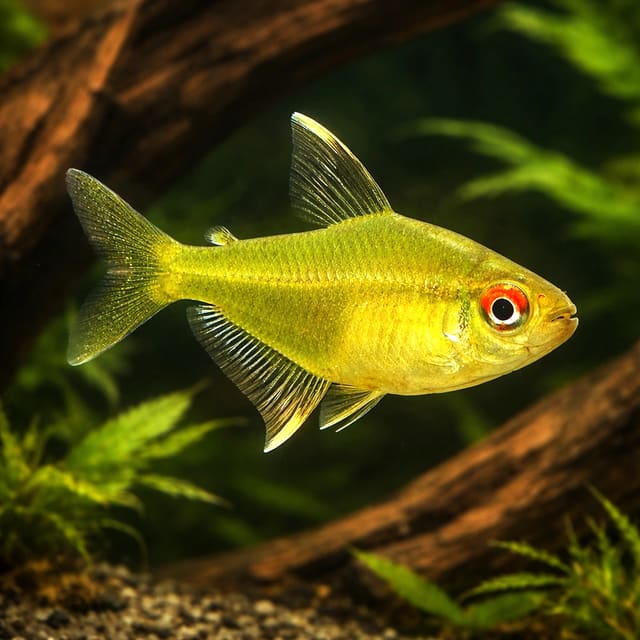
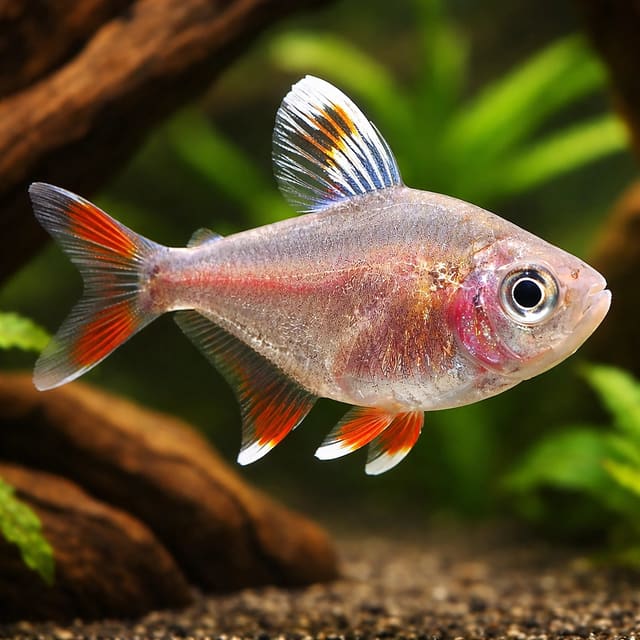
The body can show gold, rose or yellow tones, with red in the fins and a conspicuous humeral mark behind the gill area. Light, background, stress, maturity and individual condition change how strongly those features appear. Sexually mature females are described as deeper-bodied and a little larger than males, but this is biological context rather than a sales guarantee. Sex is guaranteed only when the selected option explicitly states male or female. This Rosy / Yellow Phantom Tetra listing has no sex-guaranteed option.
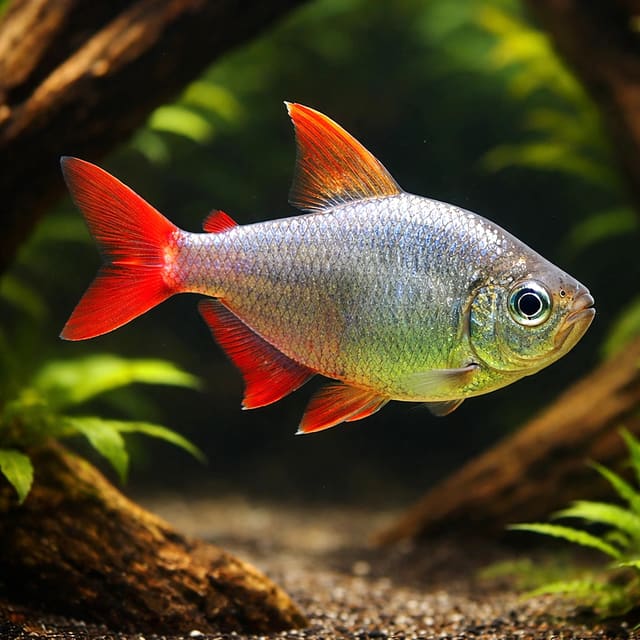
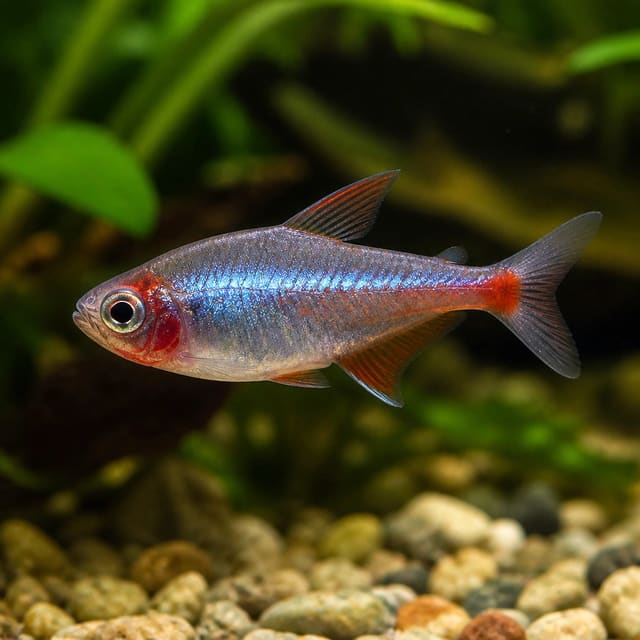
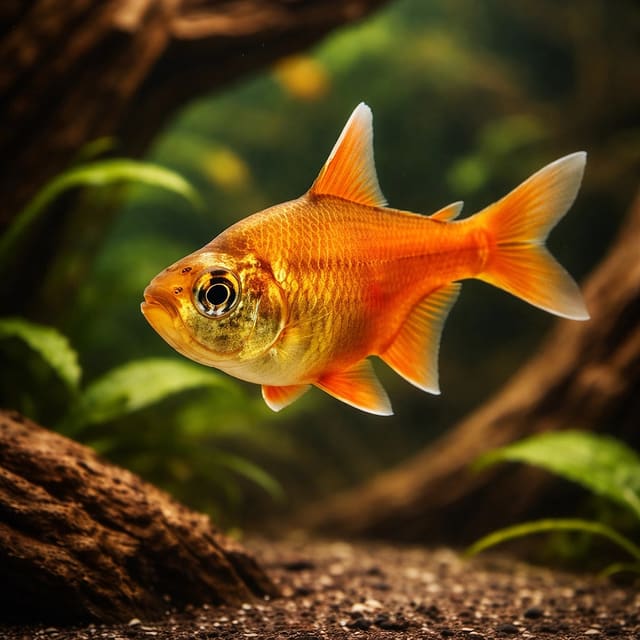
Choose the species for its peaceful shoaling behaviour and tiny scale rather than expecting one fixed shade. Gallery images have been digitally enhanced to improve image quality. Natural colour, pattern, size and maturity can vary between live animals. The gallery cannot establish the sex or exact appearance of the animal supplied.
Explore the current tetra collection if you are comparing alternatives. Related-product suggestions help with shopping, but they are not permission to combine species without checking adult size, temperature, water chemistry, activity and feeding competition.
This species rewards planning at shoal scale. Eight to ten tiny fish still need a mature filter, a horizontal swimming lane and a feeding method that reaches every individual. Buying a single animal because its body is small misses the defining social requirement. Equally, filling the minimum aquarium with several different shoals can remove the open water that made it suitable in the first place. Decide how the Yellow Phantom group will use the aquarium before adding secondary inhabitants.
The 60 × 30 cm minimum base from the species aquarium profile gives a group room to occupy mid-water, move together and withdraw towards cover. Its approximate 54-litre example is useful only when the aquarium has an equivalent footprint and sensible layout. A tall narrow vessel with the same volume does not offer the same swimming length. Plan the complete adult stock before buying, including the recommended 8–10 Yellow Phantom Tetras and every other inhabitant.
Arrange plants, wood and shaded edges around a clear swimming lane. A sandy substrate and driftwood suit a natural-looking display, while dried leaf litter can add cover and support small microbial food sources as it decomposes. A planted aquarium also works well. Keep the design serviceable: densely packed décor should not prevent debris removal, flow checks or observation of the smallest fish.
Cover should feel close enough for the shoal to retreat without filling all of the open water. Floating plants can soften bright light, but leave gas exchange and feeding access. Darker background and substrate often make the warm body colour easier to see. Appearance is secondary to stable filtration, safe water and an unobstructed place for the group to feed.
Tiny fish are not protected from ammonia by their size. Establish biological filtration before purchase so beneficial bacteria already convert ammonia to nitrite and then nitrate. The RSPCA’s general aquarium guidance explains the function of a working biological filter. Clear water alone does not demonstrate that the cycle can process the waste from a new shoal.
Use the first aquarium guide to prepare the system, then test rather than guess. Ammonia and nitrite should remain at zero. Increase stock gradually, particularly in a small aquarium where the margin for error is limited, and watch the filter after feeding routines change.
Carry out regular partial water changes with conditioned replacement water. Match temperature closely and avoid sudden chemical swings. When filter media needs cleaning, rinse it lightly in removed aquarium water rather than under the tap. Inspect the outlet for reduced flow and protect intakes so a very small fish cannot be trapped.
The species profile gives 20–28 °C, pH 5.0–7.0 and hardness 1–10 dGH for aquarium maintenance. FishBase records environmental values of 23–27 °C, pH 6.0–7.8 and hardness extending to 30 dH. The ranges overlap, but they do not mean rapid movement across every value is harmless. Choose a stable point supported by the source water and shared by all inhabitants.
For a general community, the overlap around 23–27 °C and pH 6.0–7.0 is a practical place to begin evaluating compatibility, while hardness still needs an actual test. That is a planning interpretation of the overlapping records, not a new biological limit. Do not force the aquarium towards the most acidic, alkaline, soft or hard number simply because it appears in one record.
The water chemistry guide explains pH, hardness and nitrogen tests, and the water matcher helps compare measured values with care ranges. Recheck after substantial water changes, a new substrate, buffering material or any unexplained change in behaviour.
The species profile’s 54-litre example uses four to five turnovers per hour, corresponding to a nominal filter rating of about 215–270 litres per hour. Filter labels are only a starting point because media, lift height and maintenance change real output. Aim for dependable circulation and surface movement while retaining calmer zones where the tiny fish can hold position without constant effort.
Spread the return rather than pointing a concentrated jet through the only open swimming lane. Observe the shoal: confident movement through several areas is different from every fish sheltering behind the same object to escape flow. Maintain oxygenation, especially towards the warm end of the temperature range, and remove dead spots where uneaten food collects.
A lid is sensible for a small active tetra, while cable openings and filter gaps should be checked carefully. Leave safe surface space for gas exchange. If the fish begin breathing rapidly, clamping fins or abandoning normal mid-water activity, test the water and inspect flow before assuming a behavioural cause.
The species is likely omnivorous, taking small invertebrates, crustaceans, filamentous algae, fallen fruit and related material in nature. In the aquarium, use fine quality dried food as the reliable staple and supplement it with small live or frozen foods such as chironomid larvae, mosquito larvae, Daphnia or Moina. Break or select food so every piece is genuinely manageable.
Distribute modest portions across the shoal and watch who eats. Large flakes floating at the surface may never reach shy individuals, while big frozen items can be mouthed and rejected. Smaller portions in more than one spot reduce competition and make uneaten food easier to recognise. A varied menu is valuable only when the food reaches the fish without degrading the water.
Do not use the group’s tiny adult size as a reason to underfeed, and do not compensate with a cloud of excess powder. Condition is assessed across the whole shoal: look for steady appetite, level swimming, intact fins and bodies that are neither hollow nor bloated. Adjust particle size, placement and competition before simply increasing total food.
Seriously Fish describes H. roseus as very peaceful and recommends at least 8–10 specimens. A proper group supports more natural interaction and makes the fish less dependent on hiding. Other schooling fish may also provide security, but they must not overwhelm this tetra’s space or meals.
Expect individuals to change position rather than remain in one rigid formation. A shoal that repeatedly compresses into cover may be responding to bright light, a threatening companion, exposed layout or poor water. Investigate the environment instead of assuming that constant hiding is the species’ normal character.
Sexually mature females may become deeper-bodied and a little larger than males. That distinction does not guarantee the sex of young dispatched fish. If breeding behaviour occurs in a mature aquarium, remember that the species is an egg scatterer with no parental care; adults may consume eggs and fry. This page does not provide a treatment or breeding protocol.
Be present at the delivery address and prepare the mature aquarium before the parcel arrives. For a Live Arrival Guarantee claim, the store policy requires one continuous unboxing video starting with the sealed parcel, then showing it opened and the fish still in the sealed bag. Inspect the fish on the day of arrival and keep the order number available.
Once the unboxing evidence is secured, float the sealed bag for 20–30 minutes according to the store policy and release the fish without adding transport water to the aquarium. Avoid a large first meal. Follow the complete current terms on the delivery and Live Arrival Guarantee page, and contact Tropical Fish Co the same day if there is a problem.
Over the next few days, check that every small fish can join the shoal and reach food. Maintain the planned temperature, keep ammonia and nitrite at zero and resist changing décor, chemistry and companions all at once. Quiet observation makes it easier to distinguish transport recovery from an environmental problem.
Look at the shoal before feeding, during feeding and after the aquarium has settled again. Normal individuals should hold themselves level, respond to suitable food and move between open water and cover without being continually driven away. Compare the group rather than focusing only on the brightest fish. One animal repeatedly isolated from the shoal deserves closer attention even when the rest appear normal.
Changes in colour can reflect lighting, background, stress or condition, so use several signs together. Rapid breathing, clamped fins, loss of appetite, erratic swimming or a group pressed into one corner should trigger water tests and an equipment check. Confirm heater accuracy, filter output and recent maintenance. Avoid using colour alone to diagnose a problem or infer sex.
Small bodies can lose condition quickly when food particles are too large or competition is overlooked. Watch for each fish taking food rather than counting only what was added. If one area always attracts the faster companions, divide the ration among several points. If powder drifts into the filter uneaten, reduce the amount and use a more manageable particle size.
Test the replacement water as well as the aquarium when the tap supply is variable. A routine water change should reduce waste without producing a sudden change in temperature, pH or hardness. Condition tap water before use and add it at a pace that does not scatter the shoal or disturb the entire substrate.
Use a siphon to remove visible debris from accessible areas, especially beneath regular feeding points. Rotate deeper cleaning rather than stripping every area at once. Plants, wood and leaf litter can all contribute useful structure, but decaying material still needs observation. Remove anything fouling the water while retaining the stable biological surfaces that support the system.
Clean filter media only when flow or accumulated debris shows it is needed, and use removed aquarium water rather than tap water. Check that a fine intake guard is not so clogged that circulation collapses, and ensure the return still creates adequate surface movement at the chosen temperature.
The 60 × 30 cm footprint is the smallest considered for this species, not a target for maximising the number of fish. A larger base gives the shoal a longer movement path and provides more flexibility for planting, companions and feeding points. When the community grows, reassess swimming room as well as filter capacity.
Calculate stocking from adult size and behaviour. The dispatch grades describe what is supplied, while FishBase’s 1.9 cm standard-length record and the species profile’s rounded 2 cm value describe the species’ measured adult scale. This distinction should improve planning, not be used to inflate the fish’s size.
Leave reserve capacity. A heater fault, missed maintenance session or overgenerous meal has a larger impact in a heavily stocked small tank. Fewer compatible animals in a well-structured aquarium give the Yellow Phantom shoal more room to show the calm mid-water behaviour for which it is chosen.
Plants can provide shade, visual security and a rich-looking background for the fish’s warm colour. Choose a mixture that leaves an open lane rather than planting every centimetre of mid-water. Attach epiphytes to wood, root suitable plants around the edges and trim growth before it blocks circulation or makes individuals impossible to count.
Leaf litter can create a natural feel and support microbial growth, but add it deliberately and monitor decomposition. Replace or remove material when it begins to foul the aquarium. Botanical décor can influence water chemistry, so measure the result instead of assuming that a natural-looking tank automatically sits within the required range.
Keep access for a siphon, net and visual inspection. Dense cover is useful only when the keeper can still find a missing fish, remove debris and verify that food is reaching the shoal. A balanced layout combines shelter, clean water, open movement and practical maintenance.
Lighting should support the plants without leaving the fish permanently exposed. Use the layout to create gradients rather than switching between dazzling open water and a completely dark refuge. A regular day-night schedule helps the keeper compare behaviour at consistent times. If the group only emerges when the room is empty, review cover, companions, flow and feeding placement before trying to force visibility with brighter lighting.
Hyphessobrycon roseus is very peaceful and remains tiny, so predation risk matters even in communities that look calm. Avoid any animal capable of swallowing it, as well as persistent chasers or forceful feeders that keep the shoal hidden. Similar temperature and pH are necessary but not sufficient when body size and behaviour do not match.
The species profile names similarly sized characids, hatchetfishes, pencilfishes, smaller callichthyid or loricariid catfishes and non-predatory small-to-medium cichlids as possible companions. Each still needs an individual check. “Non-predatory” does not automatically mean gentle, and a bottom-dwelling catfish may still add more waste or require different flow.
| Potentially suitable | Similarly sized peaceful characids, hatchetfishes, pencilfishes and small catfishes with overlapping conditions. |
|---|---|
| Use caution | Non-predatory small-to-medium cichlids, very fast feeders and communities already crowded in mid-water. |
| Avoid | Fish large enough to eat this tetra, aggressive species and persistent fin-nippers. |
Add companion fish only after allowing for 8–10 Yellow Phantoms as the core group. A nominally peaceful aquarium can still become stressful when too many shoals compete for the same 60 cm swimming lane. Use a larger footprint when adding several active groups, and confirm that filtration capacity does not become an excuse for crowding.
Watch feeding from several angles. Surface-oriented companions may leave food for the tetra, while faster mid-water fish can take nearly everything before it is divided among the shoal. Use appropriately small food and multiple feeding points. Do not solve competition by overfeeding the entire aquarium.
Small peaceful fish may coexist with adult invertebrates under suitable conditions, but the natural diet includes tiny invertebrates and crustaceans. Eggs and very small young can therefore be at risk. If shrimp breeding is the priority, use a dedicated plan rather than treating community coexistence as guaranteed safety.
Related Neon and Black Neon Tetras are useful alternatives for comparison, not automatic companions. Their adult size, shoal needs and water range must be considered separately. The cleanest rule is to combine only animals whose adult requirements overlap and whose behaviour leaves this very small shoal able to swim and feed confidently.
After the Yellow Phantom shoal has settled, add no new species until appetite, water tests and normal movement are consistent. A later addition changes waste production, feeding competition and perceived safety at once. Leaving time between changes makes cause and effect easier to recognise.
When a proposed companion sits at the edge of the temperature or pH overlap, choose the stable value that serves both species rather than alternating between their extremes. If no sensible overlap exists, use separate aquariums. Compatibility is not created by gradual acclimation to unsuitable long-term conditions.
Keep the shoal intact when planning moves. Splitting eight fish between two tanks can turn one appropriate social group into two undersized groups. If an aquarium must be changed, prepare the destination fully and move the group according to a plan that preserves mature filtration and stable water.
Write down the aquarium dimensions, measured water values, current adult stock and intended Yellow Phantom group. Confirm that at least eight to ten fish fit without sacrificing the 60 cm swimming length or overloading mid-water. Then compare every existing animal with the tetra’s tiny adult scale and peaceful behaviour. This short exercise catches more incompatibilities than choosing from a list of familiar community names.
Plan where small food will enter, where the group can retreat and how the substrate will be cleaned. If any answer depends on squeezing past a large predator, changing pH at every water change or hoping one fish will live alone, revise the setup before ordering. A suitable aquarium makes the species straightforward; a mismatched community does not become safe because the tetra is labelled easy.
Hyphessobrycon roseus reaches 1.9 cm standard length in the FishBase record, and the species aquarium profile rounds the figure to 2 cm standard length.
Use a base of at least 60 × 30 cm or equivalent; the species profile associates that footprint with about 54 litres. Retain open mid-water room as well as planted or woody cover.
Keep at least 8–10 together. The species profile recommends that range and notes that other schooling fish can help the group feel secure and display more naturally.
It can suit a careful beginner who has a fully cycled aquarium, tests the water and plans a proper shoal. Its tiny size makes stable conditions, appropriately small food and peaceful companions especially important.
Offer fine quality dried food and add small live or frozen foods such as bloodworm, mosquito larvae, Daphnia or Moina for variety. Choose particles every fish can swallow and prevent faster companions taking the whole meal.
The species aquarium profile gives 20–28 °C, pH 5.0–7.0 and hardness 1–10 dGH. FishBase records 23–27 °C and pH 6.0–7.8 in its environmental data, so use a stable overlap rather than chasing an extreme.
The species is described as very peaceful. Keep a proper shoal and choose similarly sized, calm companions; do not combine this tiny tetra with predators or boisterous fish that intimidate it or take every meal.
The species profile names similarly sized characids, hatchetfishes, pencilfishes, smaller callichthyid or loricariid catfishes and non-predatory small-to-medium cichlids, provided their temperature, water and feeding needs overlap.
Tropical Fish Co hand-packs live fish in oxygen with insulation and a heat pack when conditions call for it, then uses a licensed live-animal courier. Be present, record one continuous unboxing video from the sealed parcel, inspect the fish the same day and contact the shop promptly with the order number if a Live Arrival Guarantee claim is needed.
Species-level values lead the routine care plan. Broader group and wild records are identified by scope rather than presented as interchangeable optima.
Max adult size is the length this species reaches at full maturity (from scientific sources). The livestock you receive will be younger and smaller — pick a size variant on the buy box for the actual shipping size. Product-photo provenance and any image-specific limitations are stated on the listing.
Always research specific species before adding them to your tank. Consider:
No reviews for this item yet. Bought one? Honest reviews only, good or bad.
What customers say about ordering from us
I have a small group of long finned mountain minnows. So was delighted to be able to order ten of this variety to increase the genetics in my tank . The ones I recieved are healthy but it’s to early to give a verdict on wether they are of a long finned type since they are small currently.
Gordon Walker · 23 Sept 2026
100% success travel and "installation". Pleased with quality of purchase. The Siamese fighter a bit "shy" so have not yet seen him at his best yet but looking good. Happy customer. GG
George E Garratt · 21 Sept 2026
Reviews of our shop, collected by Judge.me, an independent third-party review collector. Newest first.
21–25°C · pH 5–7
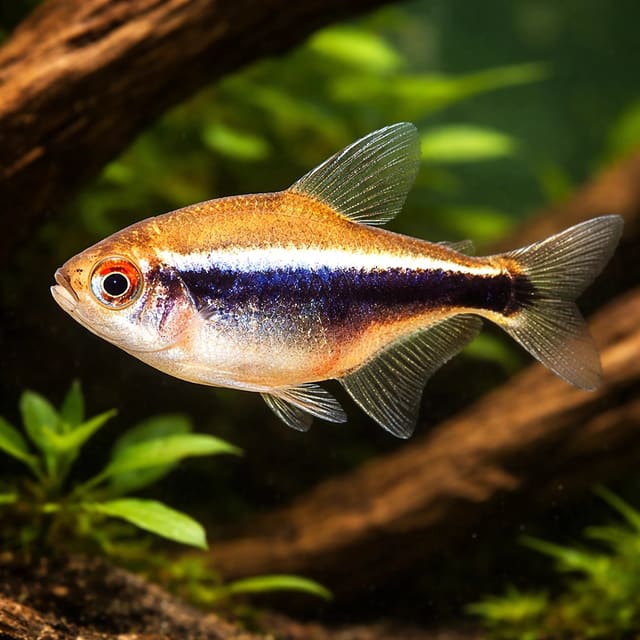
23–27°C · pH 5.5–7.5 · 40L
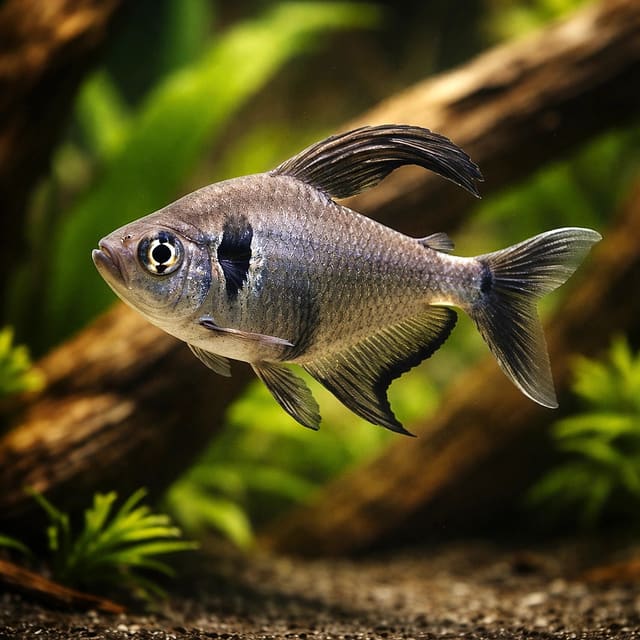
23–28°C · pH 6–7.5 · 80L
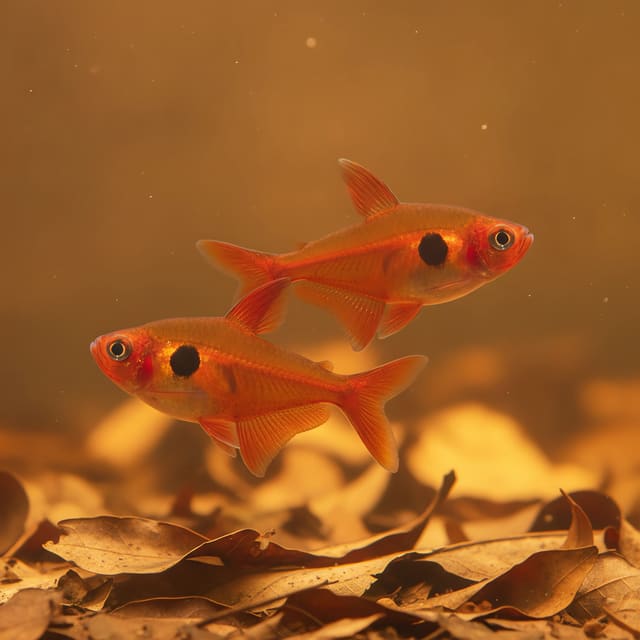
20–28°C · pH 4.5–7.5 · 70L

23–28°C · pH 5–7 · 54L
24–27°C · pH 6.5–7.5
20–28°C · pH 5–7.5 · 81L
22–27°C · pH 6.5–8
22–26°C · pH 6.5–7.5 · 54L
22–26°C · pH 6.5–7.5 · 60L
22–27°C · pH 6.5–7.5 · 72L
23–28°C · pH 5.5–7.5 · 60L
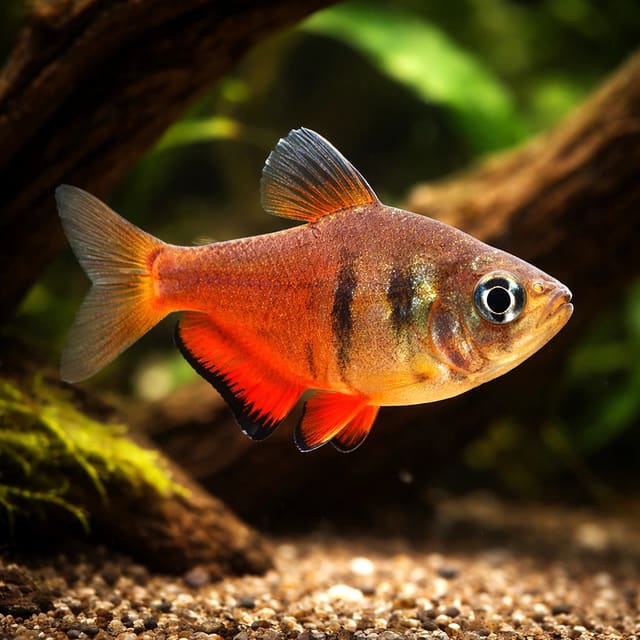
22–26°C · pH 6.5–7.5 · 54L
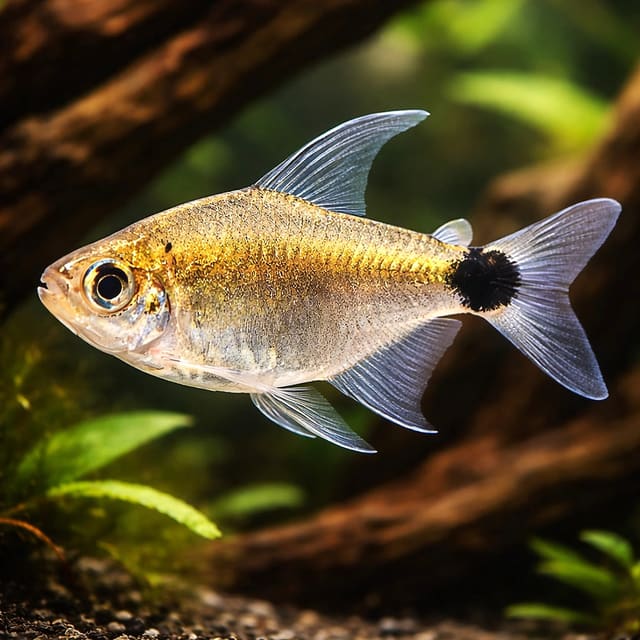
24–27°C · pH 6.5–7.2
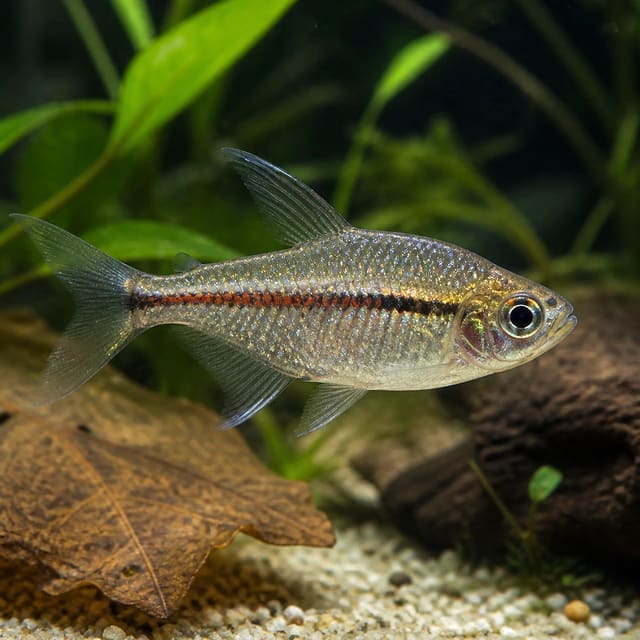
22–27°C · pH 6.5–8

22–28°C · pH 7–8 · 41L
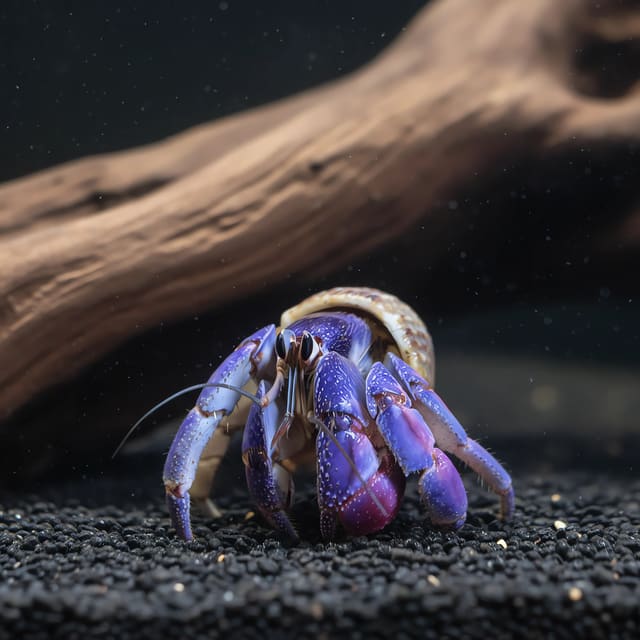
24–29°C

24–27°C · pH 6.5–6.5

22–27°C · pH 6–8 · 72L
24–27°C · pH 6.5–8 · 200L

23–27°C · pH 5.5–7 · 60L

22–27°C · pH 6–8

22–26°C · pH 6–7.8 · 75L