Moderate
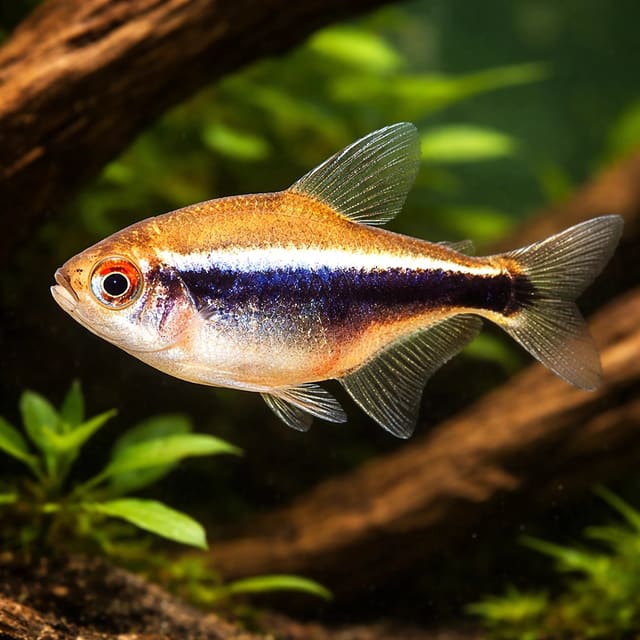
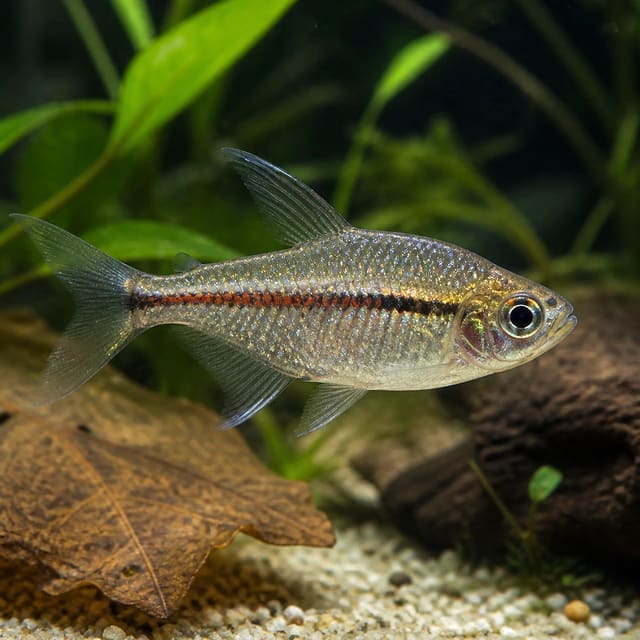
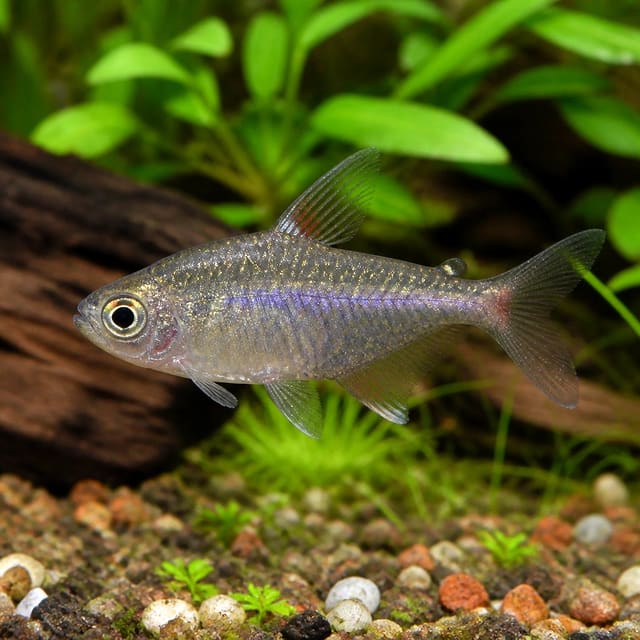
Neon Tetra (Paracheirodon innesi)
21–25°C · pH 5–7
£2.99

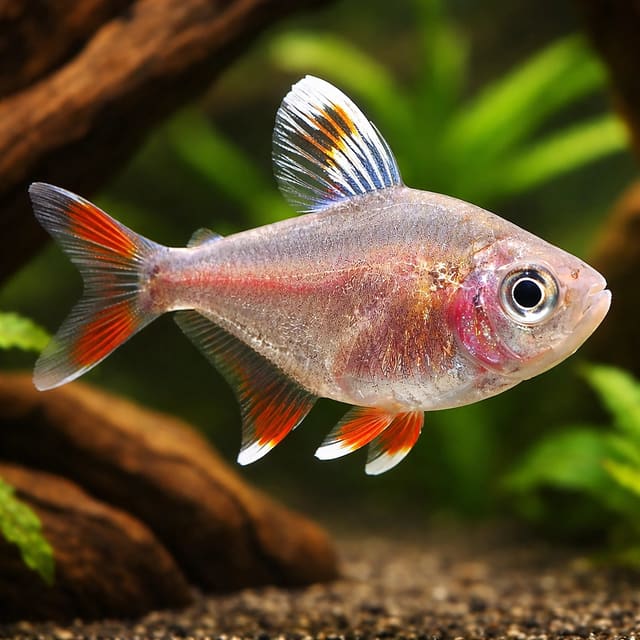
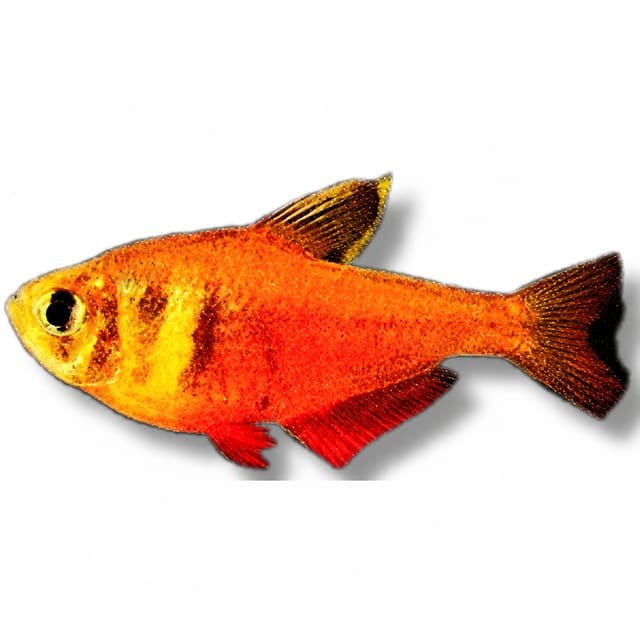
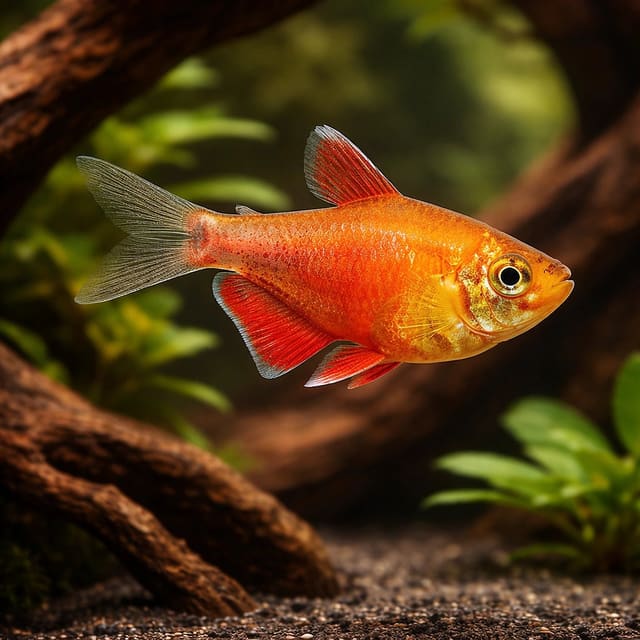
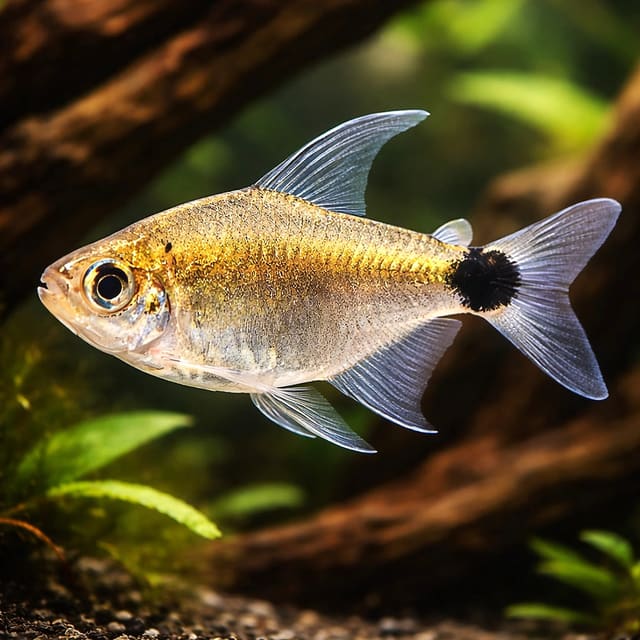
Red Blue Peru Tetra (Hyphessobrycon sp.) is a small shoaling freshwater fish for settled aquariums, kept in groups of at least five under general tetra guidance.
Hyphessobrycon sp.
Shoaling fish: kept in a group they feel safer, stay calmer and show their best colour.
Red Blue Peru Tetra (Hyphessobrycon sp.) is a small shoaling freshwater fish for settled aquariums, kept in groups of at least five under general tetra guidance.
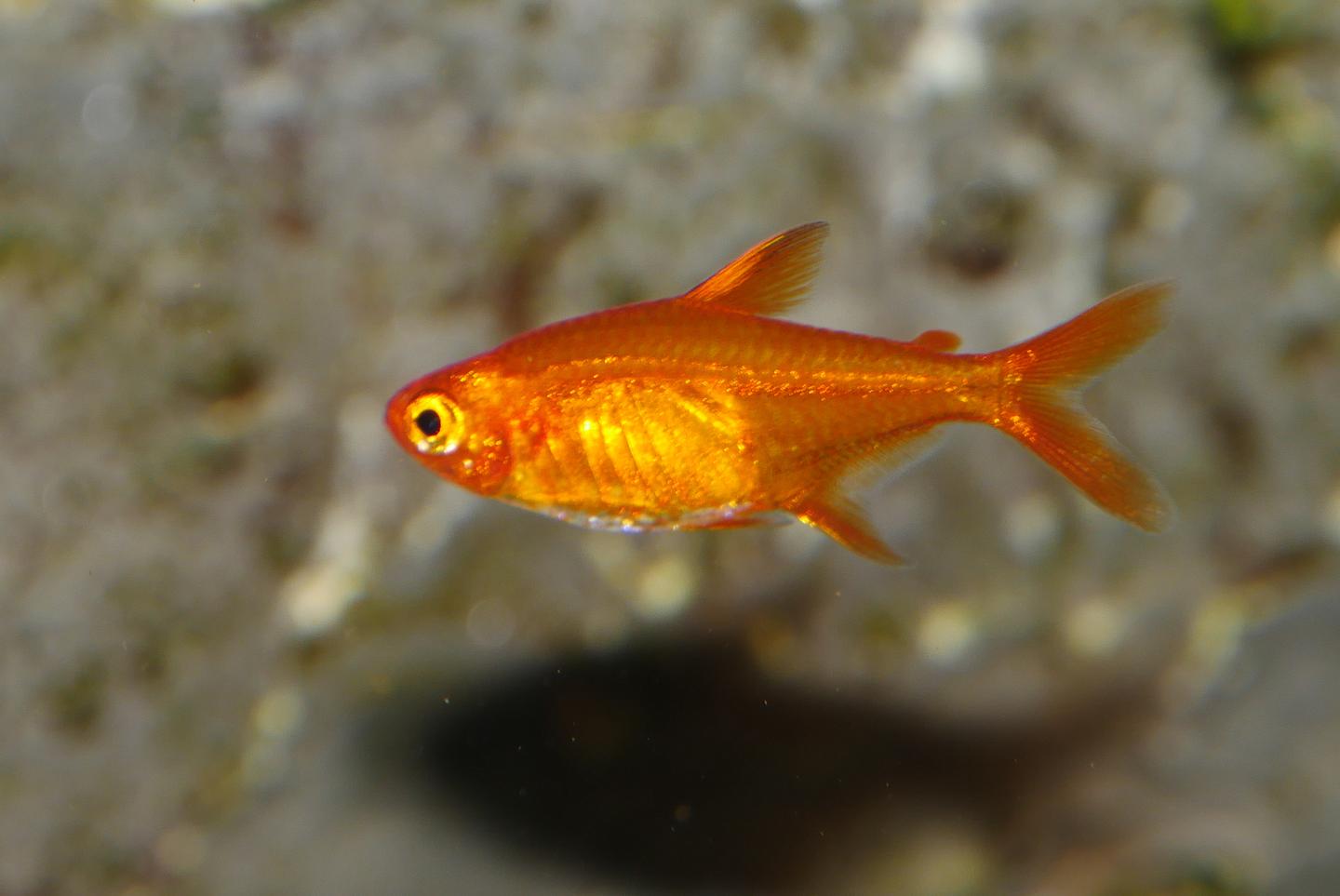
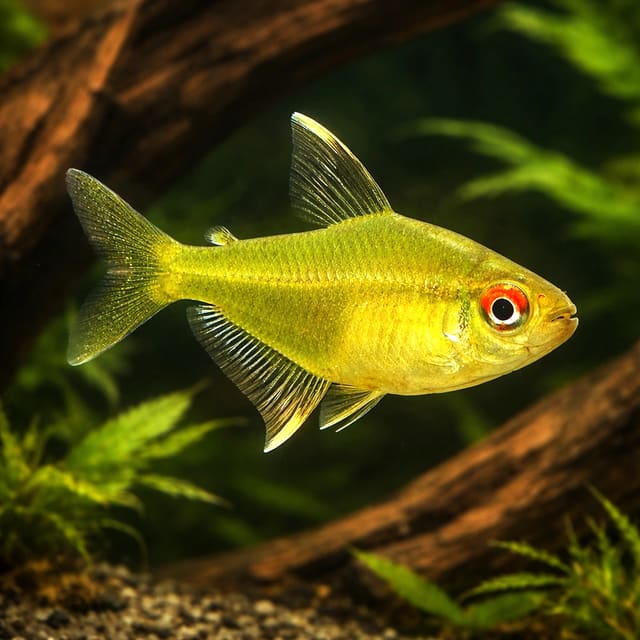
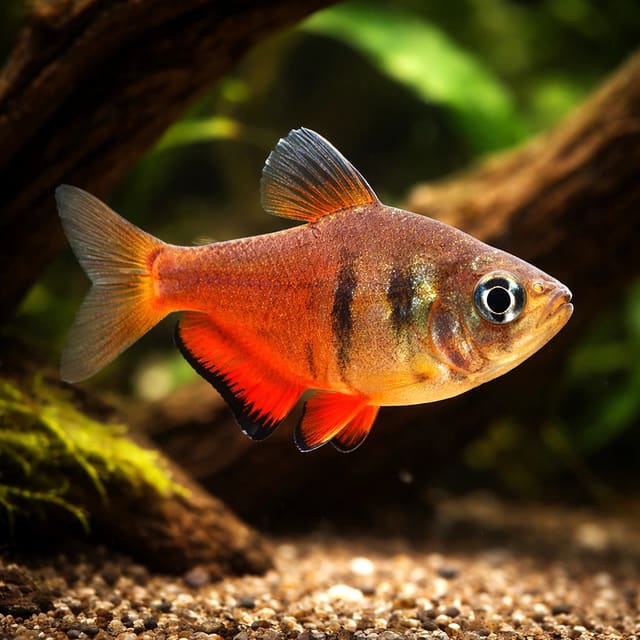
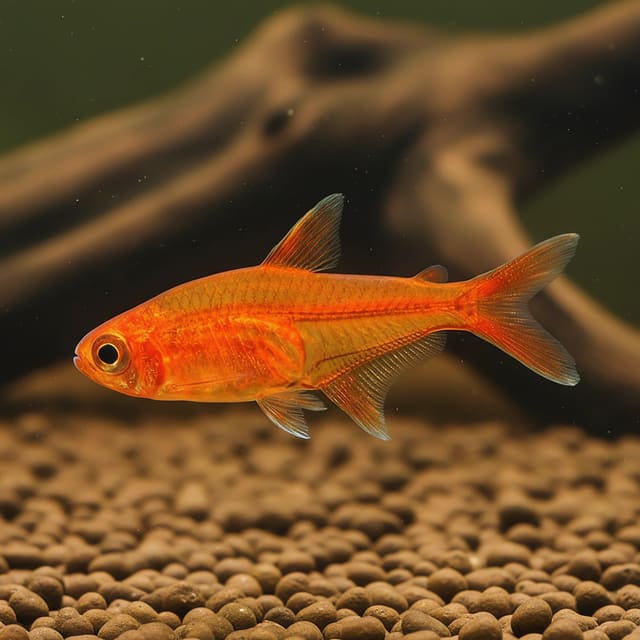
Ember tetras are very small Brazilian social fish, with a maximum recorded length of 2.0 cm excluding the tail. Keep them only in a fully cycled, stable aquarium. We recommend a group of at least 10 and about 45 litres with a 45 × 30 cm footprint rather than using a litres-per-fish formula.
Maintain these water conditions for optimal health and vibrant colors
Red Blue Peru Tetra is the trade name for this small Hyphessobrycon fish. It is sold as Hyphessobrycon sp. because a precise species name has not been confirmed for the offer. Adult size, behaviour and water preferences can differ across this large genus, so plan around cautious guidance for small tetras because those details have not been established for this fish at species level.
Hyphessobrycon belongs to the American tetra family Acestrorhamphidae and occurs across the Neotropical realm. The name Red Blue Peru identifies the fish in trade, but it does not by itself prove a precise wild locality or species. This does not prevent sensible care: provide a mature filter, a proper shoal, stable water, cover, open swimming room and calm companions of a similar scale. Further background is available from WoRMS and the Hyphessobrycon overview.
| Suits | Keepers with a mature, filtered freshwater aquarium who can maintain a proper shoal, steady water quality, cover and open swimming space. |
|---|---|
| Not suited to | Uncycled aquariums, solitary keeping, or communities containing fish large enough to treat a small tetra as prey. |
| Scientific name | Hyphessobrycon sp.; no species epithet is guaranteed for this offer. |
| Sold unit | One live fish per purchase, in the size selected. |
| Social plan | At least five under OATA's general tetra guidance; a larger, well-planned shoal can give each fish more social company. |
| Care position | Intermediate store assessment because group keeping, mature filtration and careful use of broad tetra ranges are important. |
The practical appeal is a compact shoaling fish for a planted or furnished community aquarium. Success depends less on chasing a colour description and more on giving the group a stable biological filter, swimming room, shelter and companions of a similar scale and temperament. If you are comparing this fish with other small characins, the tetras collection is a useful browsing point; alternatives shown elsewhere on the page are alternatives to consider, not automatic tank mates.
One purchase supplies one Red Blue Peru Tetra. The live offer contains 2.5–3 cm and 3–4 cm size choices, and those are dispatch sizes rather than an adult-size statement. The size you select is the size supplied, not the adult size. Availability belongs to the live product controls and can change, so this guide describes both genuine choices without promising that either will always be available.
Sex is guaranteed only when the selected option explicitly states male or female. This Red Blue Peru Tetra listing has no sex-guaranteed option. Colour, body fullness and fin development cannot replace a sexed offer. A photograph also cannot establish the sex or identity of the particular fish that will be packed.
Plan the purchase as part of a shoal rather than as an isolated decorative fish. Check how many suitable fish the aquarium can support, whether the filter is mature and whether every resident shares a workable water range. If this is the first addition to a new setup, wait until cycling and testing are complete. If it joins an established community, leave room for the whole group's waste and swimming needs.
Gallery images have been digitally enhanced to improve image quality. Natural colour, pattern, size and maturity can vary between live animals.
OATA's guidance for tetras and pencilfish as a group gives 22–27°C, pH 6.5–8.0, general hardness 4–12°dH and carbonate hardness 3–10°dKH. These are broad group-level values, not a species-specific optimum for Red Blue Peru Tetra. The useful way to apply them is to choose a stable point that also suits the aquarium's established residents, then avoid abrupt movement within or beyond the range. You can read the OATA tetra and pencilfish care sheet alongside this guide.
Temperature is only one part of stability. Test ammonia and nitrite and keep both at zero. OATA advises that nitrate should not rise more than 20 mg per litre above the normal level in the replacement water. That wording is more useful than treating one universal nitrate number as a promise, because source water differs. Record the aquarium's normal results, investigate a change and make corrections gradually.
A biological filter is essential. Fish produce ammonia, and the filter's bacterial community converts ammonia to nitrite and then to the safer end product nitrate. The RSPCA aquarium environment guidance explains that basic welfare function. A filter is not simply a device that makes water look clear: it carries much of the living system that makes a stocked aquarium safe.
Before adding the group, confirm that the aquarium is mature and that ammonia and nitrite read zero. Add livestock gradually so the bacterial population can respond to the extra waste and feeding load. A newly filled tank, or one whose filter has not matured, can look clear while still being chemically unsafe. The first tropical tank guide gives a practical route through setup and maturation.
Test at a consistent time and write down results. A single pH, hardness or nitrate reading becomes more useful when compared with the previous week. If behaviour changes, test the water before reaching for a treatment: rapid breathing, hanging at the surface, unusual hiding or loss of appetite can accompany a water-quality problem. Check temperature with a dependable thermometer and verify the heater after maintenance or a power interruption.
Use dechlorinator for replacement tap water so chlorine or chloramine does not harm fish or filter bacteria. Match replacement water sensibly for temperature and chemistry, and avoid a sudden correction merely to hit the middle of a printed range. The water chemistry guide explains what common measurements mean, while the water matcher helps compare measured water with the broad values shown here.
OATA recommends at least 45 litres for a small shoal of a smaller tetra species and at least 80 litres for larger species of 5 cm or more. For this unresolved Hyphessobrycon, treat 45 litres as group-level starting guidance rather than a species minimum. Shape, stocking and swimming length matter alongside the nominal volume. A longer aquarium can provide a clearer open route for a shoal than a tall tank with the same capacity.
Keep at least five under the same general tetra guidance, and plan the filtration and final stocking around the whole group rather than one fish. More can be beneficial where space, water quality and the rest of the community allow, because a shoaling fish kept alone or in too small a group may be stressed. Do not respond to nervous behaviour by crowding an unsuitable tank; first check cover, companion behaviour, light, water quality and available swimming space.
Use aquarium sand or gravel with planted or artificial cover and suitable ornaments. Leave a deliberate open-water lane rather than filling every part of the tank. Smaller tetras are given gentle current in the OATA sheet, so distribute flow without forcing the fish to work continuously against a strong jet. The filter must still move enough water to maintain oxygenation and biological processing.
Cover and openness serve different purposes. Shelter lets a fish move out of view when unsettled, while open midwater space allows the shoal to travel together. Plants can soften the edges of the aquarium and help the group feel secure, but dense planting should not eliminate swimming room. Check that ornaments have no sharp points and that all materials are intended for aquarium use.
A secure lid is sensible for a small active fish during handling and introduction, but routine care should focus on the practical essentials: mature filtration, stable water, shelter, group keeping and suitable companions. Place equipment so dead areas do not collect uneaten food, and make sure every part of the tank remains observable during health checks.
Calculate the effect of the full shoal and every existing resident. Small fish still add waste, and a group introduced too quickly can overwhelm a young filter. If the aquarium is close to its comfortable stocking level, increasing the group may require a larger system rather than heavier feeding, more chemicals or a stronger current. Leave a margin for maintenance days and warm weather, when dissolved oxygen can fall.
OATA describes tetras and pencilfish as omnivorous and recommends a good-quality flake or granule, with small live or frozen foods such as daphnia, small bloodworm or tubifex as useful variety. Match particle size to a small tetra's mouth. Spread food so timid fish can reach it, but keep the total portion small enough to disappear within a few minutes.
The group sheet advises feeding once a day and avoiding overfeeding. Uneaten food does not become a harmless reserve: it breaks down and adds waste, increasing the load on the filter. If food reaches the substrate untouched, reduce the next portion and remove residue during maintenance. A varied diet is useful, but variety does not mean opening several foods at every meal or adding rich frozen food without adjusting quantity.
Use feeding time as a daily headcount. Look for fish that hang back, spit food repeatedly, breathe more rapidly, clamp their fins or lose condition. Compare behaviour across the group rather than assuming every individual must occupy the same place. A change in appetite can be an early warning, so test water and inspect the aquarium before deciding what has caused it.
Healthy appearance is assessed as a pattern: clear eyes, intact scales, undamaged fins, appropriate swimming and steady body condition. OATA also advises watching for white spots, fluffy growth, ulcers, unusual bumps, darker or paler colour, erratic swimming and changes in aggression or hiding. Those signs do not diagnose a particular disease by themselves. They tell you to check water, review recent changes and seek suitable help.
Because the exact species is unresolved, avoid making a breeding recipe, a lifespan or a colour-based sexing rule part of routine care. The offer does not promise a sex, and the general tetra sheet notes that many fish are difficult to sex outside breeding condition. Good daily husbandry is more valuable than speculative identification.
A tetra that behaves differently is giving useful information, even when the cause is not immediately obvious. Pause, watch the whole group and note what has changed: swimming height, breathing rate, appetite, colour, fin position, use of cover and interaction with companions. Compare several fish. One individual avoiding food suggests a different problem from an entire shoal breathing rapidly at the surface.
Test temperature, ammonia, nitrite, nitrate and pH before making a broad intervention. Confirm that the filter is running and that its flow has not fallen. Look for a heater problem, a blocked intake, uneaten food or a recent addition that increased waste. If ammonia or nitrite is present, water quality and filtration demand immediate attention. Do not mask a husbandry problem by adding medication without a diagnosis.
Review the previous few days. A large clean, rapid temperature shift, new ornament, aggressive companion, overfeeding event or interruption to power can explain a sudden change. This does not mean every cause is visible, but it helps you give a retailer or aquatic professional a clear history if further guidance is needed. Keep any sick fish under close observation and prevent further stocking until the aquarium is stable.
OATA lists hanging at the surface, sitting on the bottom, erratic swimming, darker or paler colour, increased hiding, changes in aggression, unusual breathing, white spots, fluffy growth, loss of fins or scales, body-condition change and reduced feeding as signs worth investigating. None of these observations alone names a disease. Their value lies in showing that normal behaviour has changed.
Check whether every fish can reach food and whether a companion controls the only open feeding area. Inspect fins for repeated damage and watch long enough to identify the aggressor rather than assuming the injured fish caused the problem. If the shoal repeatedly bolts when a particular resident passes, reconsider that combination. If several fish gather near the filter return, check oxygenation, temperature and water quality.
Make one measured change at a time where welfare allows, then observe the response. Multiple simultaneous adjustments make it difficult to know what helped and may create more instability. Keep the biological filter running, avoid sudden chemistry swings and seek help promptly when breathing, balance or condition continues to deteriorate. A short written record of test results and recent maintenance is far more useful than memory during a stressful event.
Most routine work is simple: feed controlled portions, count the fish, observe their swimming, remove waste, change 25% of the water at least weekly, protect filter bacteria and keep ammonia and nitrite at zero. Those habits create a dependable baseline. When the fish look different, the keeper then has something real to compare rather than guessing what normal used to be.
OATA strongly recommends a partial water change of 25% at least once every week. Use a siphon to remove solid waste from accessible areas of the substrate. Treat replacement tap water with conditioner before it enters the aquarium, and avoid sudden changes in temperature or chemistry. Regular modest maintenance is easier on fish and filter than waiting for visible dirt and making a very large correction.
Check the filter for reduced flow or blockage. If media needs cleaning, rinse it lightly in water removed from the aquarium rather than under the tap, because chlorine or chloramine can damage the beneficial bacteria. The aim is to restore flow without stripping away the biological community. Inspect the heater, thermometer and lid at the same time so equipment problems are found before they become emergencies.
Test ammonia, nitrite and nitrate at least weekly, and test again after an unexplained behavioural change, missed maintenance, filter interruption or accidental overfeeding. Look at the fish before putting hands into the tank; their normal distribution and breathing give a useful baseline. Keep notes brief but consistent so gradual drift is easier to see.
Complete setup and water checks before delivery day. Make sure someone is present to receive live fish. Have the aquarium lights, lid and equipment arranged so the bag can be handled calmly, and do not begin rearranging the entire aquarium while the fish is waiting.
The delivery and Live Arrival Guarantee page carries the current policy. It explains packing, licensed live-animal courier handling, the need for someone to receive the parcel and the evidence needed for a claim. Arrival guidance protects the fish and the customer; it is not a substitute for having a mature aquarium ready.
General tetra guidance says smaller species should not share an aquarium with fish large enough to eat them. It also says tetras and pencilfish mix best with species of a similar size and temperament. Apply both rules before considering a named companion: compare adult size, mouth size, swimming speed, feeding style, water requirements and the amount of cover available.
Avoid predators and boisterous fish that keep the shoal hiding or prevent it reaching food. Be cautious with known fin nippers and with long-finned or timid residents when another species in the community may harass them. This genus-level identity does not provide a species-specific aggression profile, so the word tetra is not an absolute promise of peaceful behaviour. Observe the actual group and intervene if chasing becomes persistent or fins are damaged.
Compatibility is conditional on adequate space. Fish that coexist in a roomy, structured aquarium may compete in a cramped one. Provide more than one sheltered area, maintain an open route for the shoal and distribute food so one resident cannot monopolise it. If adding several fish, increase the population gradually so both the filter and the established residents can adjust.
Related products on this page are shopping alternatives rather than approved companions. Neon Tetra and Black Neon Tetra may be useful comparisons for a buyer who wants a species-resolved small tetra, but choosing one instead of another is different from mixing them. Any combined community still needs matching water, adult scale and temperament.
| Suitable with | Fish of a similar size and temperament, where water needs and aquarium capacity agree. |
|---|---|
| Avoid | Fish large enough to swallow small tetras. |
| Use caution | Boisterous or fin-nipping species, very timid residents and crowded feeding situations. |
| Best first check | Adult size, mouth size, group needs, water range and available swimming space. |
Check whether the new group uses the full aquarium, feeds without panic and maintains normal colour and breathing. A fish that hides briefly after transport may simply be settling, but a whole shoal that remains compressed into one corner deserves investigation. Test water, observe the companions and verify that current is not forcing the fish out of its preferred area.
If chasing is concentrated around one shelter or feeding point, improve distribution of resources rather than assuming the behaviour will disappear. Where a companion repeatedly attacks or excludes the group, separation may be the safest answer. Good compatibility is an observed outcome supported by appropriate planning, not a permanent guarantee printed on a species list.
Because this fish is sold as Hyphessobrycon sp., there is no species-specific adult maximum to quote. The 2.5–3 cm and 3–4 cm figures are dispatch sizes, not adult-size claims.
OATA's general guidance starts a small shoal of smaller tetras at 45 litres. Treat that as a group-level planning point, then allow extra swimming length and filtration capacity for the full community.
Keep at least five under OATA's general tetra guidance, with more only where aquarium space, filtration and the rest of the stocking plan comfortably allow.
Red Blue Peru Tetra is best treated as an intermediate choice: the aquarium must be mature and stable, and the absence of a confirmed species name means the numerical care values remain broad tetra guidance.
General tetra guidance recommends a quality flake or small granule, with small live or frozen foods such as daphnia, small bloodworm or tubifex for variety. Feed only what the group finishes within a few minutes once a day.
OATA's broad guidance for tetras as a group is 22–27°C and pH 6.5–8.0, with 4–12°dH general hardness. Choose a stable point that also suits the established community.
Individual behaviour still needs observation because the fish is sold at genus level. Avoid boisterous fin nippers and watch the group for persistent chasing or damaged fins.
General tetra guidance favours fish of a similar size and temperament. Avoid any fish large enough to eat a small tetra, and check water needs, feeding access and aquarium capacity before mixing species.
Tropical Fish Co hand-packs live fish for a licensed live-animal courier. Be present to receive the parcel, record a continuous unboxing video from the sealed box, inspect the fish the same day and follow the 20–30 minute floating guidance before release.
Use the broad tetra values as a planning range rather than a precise species optimum. This fish remains sold as Hyphessobrycon sp., while the live product controls show the current size choices.
No reviews for this item yet. Bought one? Honest reviews only, good or bad.
What customers say about ordering from us
I have a small group of long finned mountain minnows. So was delighted to be able to order ten of this variety to increase the genetics in my tank . The ones I recieved are healthy but it’s to early to give a verdict on wether they are of a long finned type since they are small currently.
Gordon Walker · 23 Sept 2026
100% success travel and "installation". Pleased with quality of purchase. The Siamese fighter a bit "shy" so have not yet seen him at his best yet but looking good. Happy customer. GG
George E Garratt · 21 Sept 2026
Reviews of our shop, collected by Judge.me, an independent third-party review collector. Newest first.