
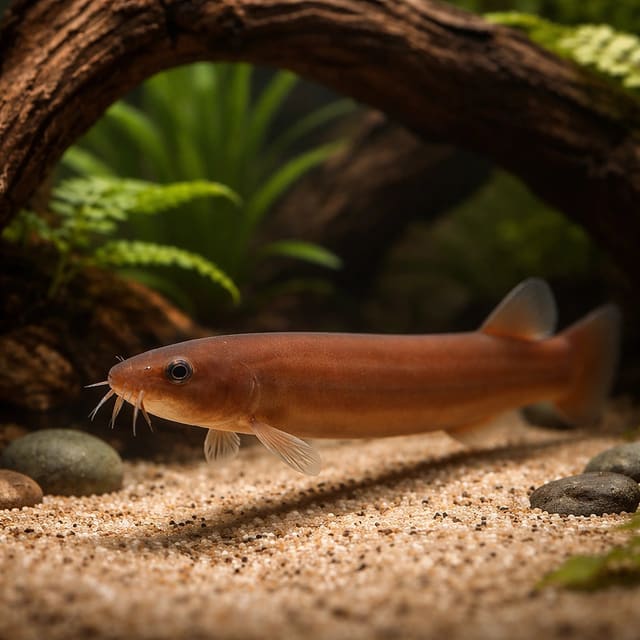
Easy to moderate
Brown Kuhli Loach (Pangio cf. kuhlii)
24–28°C · pH 5.5–7.5 · 60L
£5.99

Peaceful Amapa Red-Line Tetra for planted community aquariums, best in a proper shoal with stable warm soft-to-neutral water.
Adult size is the maximum length this species reaches at full maturity (scientific sources). The livestock you receive will be younger and smaller — pick a size variant above for the actual shipping size. Product-photo provenance and any image-specific limitations are stated on the listing.
Hyphessobrycon amapaensis
Red-Line Tetra are a shoaling species — they need 6+ to feel safe and show their full colour.
Confirm your email, then we’ll send an availability message for this exact item if it returns within 180 days.
This request is only for this product—no newsletter or other promotions. A mail-provider retry may very rarely duplicate the same availability message. Unconfirmed addresses are removed after 48 hours. See our privacy policy.
Peaceful Amapa Red-Line Tetra for planted community aquariums, best in a proper shoal with stable warm soft-to-neutral water.
Adult size is the maximum length this species reaches at full maturity (scientific sources). The livestock you receive will be younger and smaller — pick a size variant above for the actual shipping size. Product-photo provenance and any image-specific limitations are stated on the listing.
24–28°C · pH 5.5–7.5 · 60L
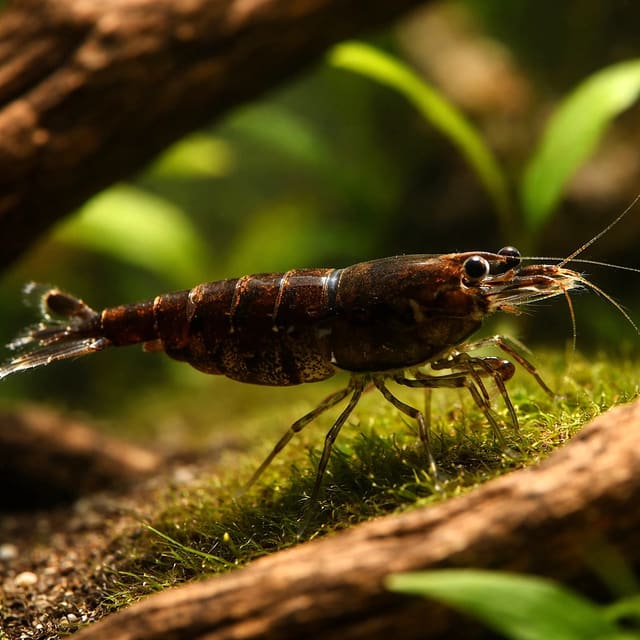
18–26°C · pH 6.5–8 · 30L
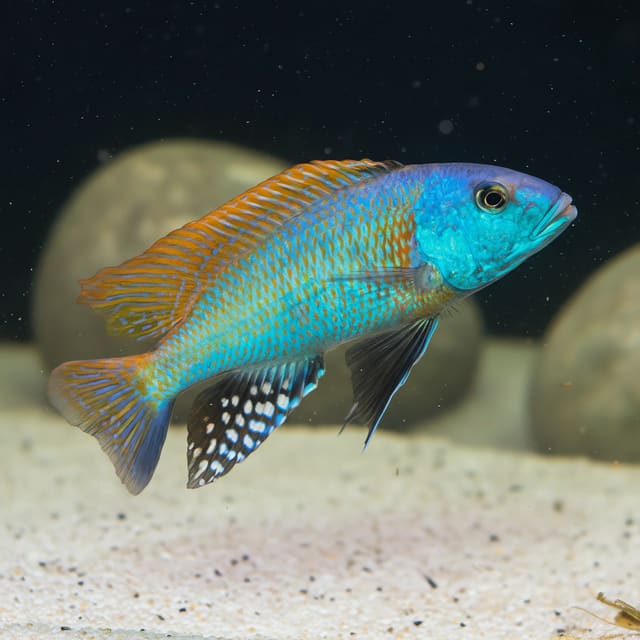
23–27°C · pH 7.4–8.4 · 1000L
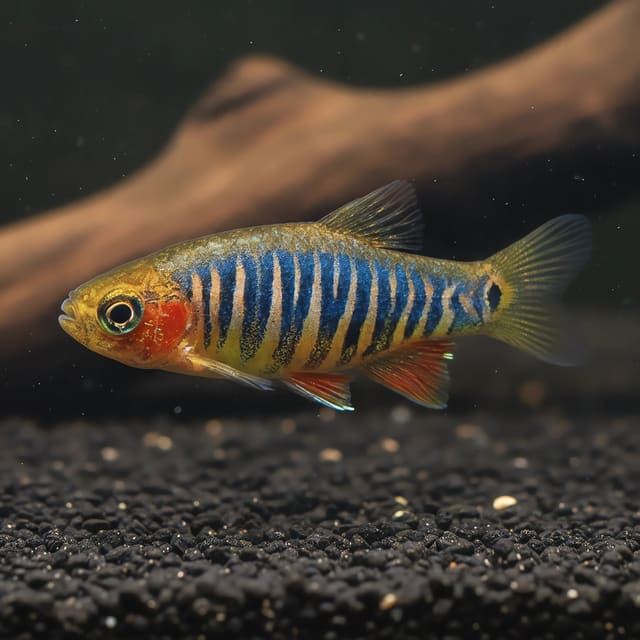
20–24°C · pH 7–8 · 45L
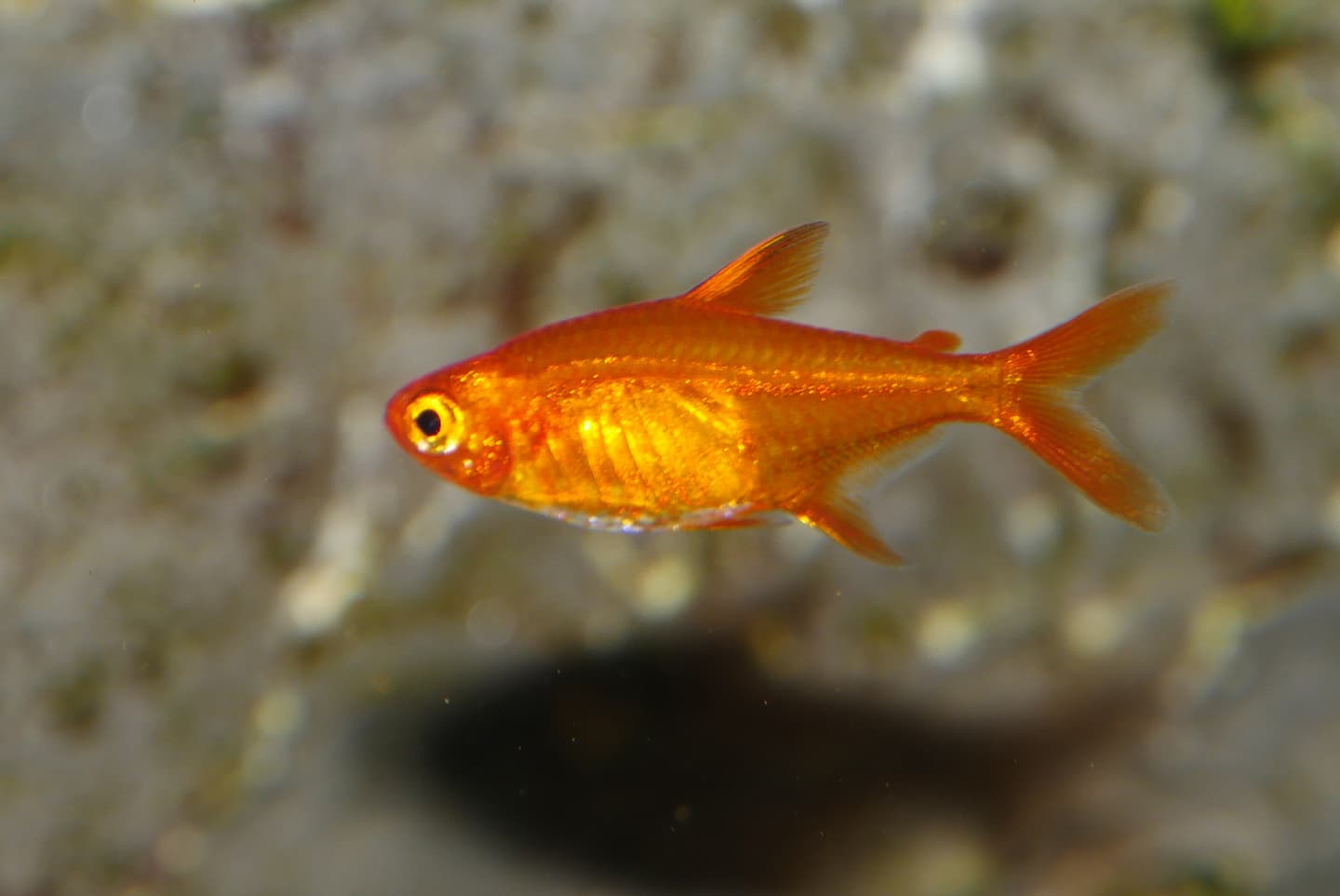
Ember tetras are very small Brazilian social fish, with a maximum recorded length of 2.0 cm excluding the tail. Keep them only in a fully cycled, stable aquarium. We recommend a group of at least 10 and about 45 litres with a 45 × 30 cm footprint rather than using a litres-per-fish formula.
Maintain these water conditions for optimal health and vibrant colors
Red-Line Tetra (Hyphessobrycon amapaensis), also called the Amapa Tetra, is a small peaceful shoaling fish with a clean red lateral stripe over yellow and dark markings. It is a lovely choice for planted aquariums where you want fine movement, colour and calm community behaviour without choosing a large or boisterous tetra.
FishBase records this species from Amapa, Brazil, and gives a maximum length around 3 cm standard length. Seriously Fish places it in the rio Preto and rio Maraca drainage area in Amapa state. In the aquarium that means it should be treated as a small, group-living South American tetra that looks best with plants, subdued areas and stable water.
| Scientific name | Hyphessobrycon amapaensis |
|---|---|
| Common names | Red-Line Tetra, Amapa Tetra |
| Adult size | Usually around 3-4 cm in aquarium conditions |
| Minimum aquarium | 60 litres or larger for a proper shoal |
| Temperature | 23-27 C, stable and warm |
| pH | Soft to neutral water is ideal; avoid sudden swings |
| Temperament | Peaceful shoaling tetra |
| Diet | Fine flakes, micro pellets and small frozen foods |
Use a mature planted aquarium with open swimming space at the front and plant cover toward the back or sides. Darker substrate, wood and floating shade can make the red line stand out, but the tank should still have enough clear water movement for the group to swim together. A calm aquascape also helps newly arrived fish settle without constantly dashing for cover.
| Layout | Planted edges with open mid-water swimming space |
|---|---|
| Lighting | Moderate; floating shade helps colour and confidence |
| Flow | Gentle to moderate, not a high-current setup |
| Water quality | Fully cycled, stable and low in waste |
| Best look | A group moving through green plants and darker background tones |
Do not chase exact pH numbers with sudden chemical changes. Red-Line Tetras generally do best in clean, stable, soft-to-neutral water, so steady maintenance matters more than constant adjustment. If your tap water is much harder than ideal, make any changes slowly and consistently rather than swinging the aquarium between water-change days.
| Priority | Stable mature water |
|---|---|
| Water changes | Small regular changes are better than rare large swings |
| Nitrate | Keep low with plants, filtration and sensible feeding |
| Acclimation | Slow and calm, especially if your water differs from transport water |
Red-Line Tetras should be bought as a group rather than as one or two fish. A shoal spreads attention, improves confidence and gives the stripe pattern its proper visual effect. In small numbers they can look nervous or washed out, while a settled group is far more active and natural.
| Minimum group | 6 fish as an absolute minimum |
|---|---|
| Better group | 8-12+ where the aquarium size allows |
| Swim level | Mostly middle water |
| Best signs | Tight but relaxed schooling, bright stripe colour, steady feeding |
| Stress signs | Hiding, faded colour, clamped fins or one fish being singled out |
Offer varied small foods. Fine flakes and micro pellets work as staples, while frozen daphnia, cyclops, baby brine shrimp and small bloodworm portions help condition the group. Feed lightly enough that food is eaten quickly; small tetras do better with clean water than with heavy feeding.
| Daily foods | Fine flake, micro pellets and crushed granules |
|---|---|
| Conditioning foods | Daphnia, cyclops, baby brine shrimp and small frozen foods |
| Feeding style | Small portions once or twice daily |
| Avoid | Large pellets, dirty overfeeding and aggressive surface competition |
Watch the whole group at feeding time. Everyone should get food, not just the boldest fish at the front glass. If smaller fish hang back, spread the food over a wider area or use a mix of floating and slow-sinking particles.
Choose peaceful fish that enjoy similar warm planted conditions. Good companions include small Corydoras, peaceful rasboras, pencilfish, dwarf cichlids with calm temperaments and other non-nippy small tetras. Avoid large predators, tiger-barb style fin nippers and very boisterous fish that will panic the shoal.
Useful comparison links include Cardinal Tetra, Black Neon Tetra, Pygmy Corydoras, Zebra Otocinclus and Brown Kuhli Loach.
| Good choice if | Your tank is mature, planted and ready for a shoal of small peaceful tetras |
|---|---|
| Wait if | The aquarium is newly cycled, unstable or stocked with large/nippy fish |
| Order planning | Choose enough fish for a visible group, not a lonely pair |
| Trust cues | WELCOME10 can help first orders, and the Live Arrival Guarantee applies when delivery steps are followed |
Keep lights low when the fish arrive and release them into a calm aquarium. They may stay close to cover at first, especially after transport. Offer a small meal once they have settled, then watch for steady shoaling and brightening colour across the first few days.
The first week is mostly about reducing stress. Avoid major rescapes, avoid adding pushy fish at the same time, and let the shoal learn where food appears. A group that eats confidently, swims together and colours up gradually is settling in properly.
| Mistake | Why it matters | Better approach |
|---|---|---|
| Buying too few | Small groups look nervous and lose impact | Plan 6 minimum, preferably more |
| Mixing with nippy fish | Stress can dull colour and split the shoal | Use peaceful community companions |
| Overfeeding | Small tetras need clean water | Feed small portions and remove excess |
| Bright bare tanks | They show better with cover and contrast | Add plants, wood and shaded areas |
