Zebra Oto (Otocinclus cocama) - Live tropical fish for sale UK

Otocinclus cocama

Otocinclus cocama - Moderate Care | UK

Moderate Care
Peaceful
£25.99In Stock

Otocinclus cocama is a peaceful algae-eating catfish ideal for planted aquariums. Great for tidy community tanks. Order now with UK delivery.

Algae EaterBottom DwellerCatfishCommunity TankFreshwater FishModerate CarePeacefulPlanted Tank

Care at a Glance

Scientific Name
Otocinclus cocama
Adult Size
4.5 cm
Lifespan
3 years
Care Level
Moderate
Temperament
Peaceful
Temperature
22–26°C
pH Range
6–7.5
Hardness
2–15 dGH
Minimum Tank
40L
Diet
Algae, blanched vegetables, algae wafers, biofilm

Premium Quality

Healthy, vibrant fish from trusted suppliers

Expert Care

Detailed care guides and support

Live Arrival Guarantee

Your fish arrives healthy or we'll replace it

Acclimated

Properly quarantined and ready for your tank

Quick Care Guide

Temperature
22–26°C
pH Range
6–7.5
Minimum Tank
40L
Adult Size
4.5 cm
Lifespan
3 years
Care Level
Moderate
Temperament
Peaceful
Diet
Algae, blanched vegetables, algae wafers, biofilm
Water Hardness
2–15 dGH
Tank Region
Bottom

Water Parameters

Maintain these water conditions for optimal health and vibrant colors

Temperature
22–26°C
22°CIdeal Range26°C
pH Level
6–7.5
6Ideal Range7.5
Water Hardness
2–15 dGH
2 dGHIdeal Range15 dGH

Why Choose This Fish?

Otocinclus cocama is a peaceful algae-eating catfish ideal for planted aquariums. Great for tidy community tanks. Order now with UK delivery.

If you want a truly distinctive catfish UK hobbyists rarely forget, the Zebra Oto, Otocinclus cocama, deserves a close look. This small freshwater catfish UK favourite combines the algae-grazing habits people want from an oto with a striking zebra pattern that stands out in planted aquariums. Native to Peru, this peaceful Loricariid reaches around 4.5 cm, usually lives up to 3 years with stable care, and suits aquarists ready for moderate care rather than a first-week impulse purchase. For keepers researching aquarium catfish UK options, it sits in a sweet spot: small enough to be a catfish for small aquarium layouts, gentle enough to rank among the peaceful bottom dwellers for aquarium communities, and useful enough to be considered one of the best algae eating fish for mature planted tanks.

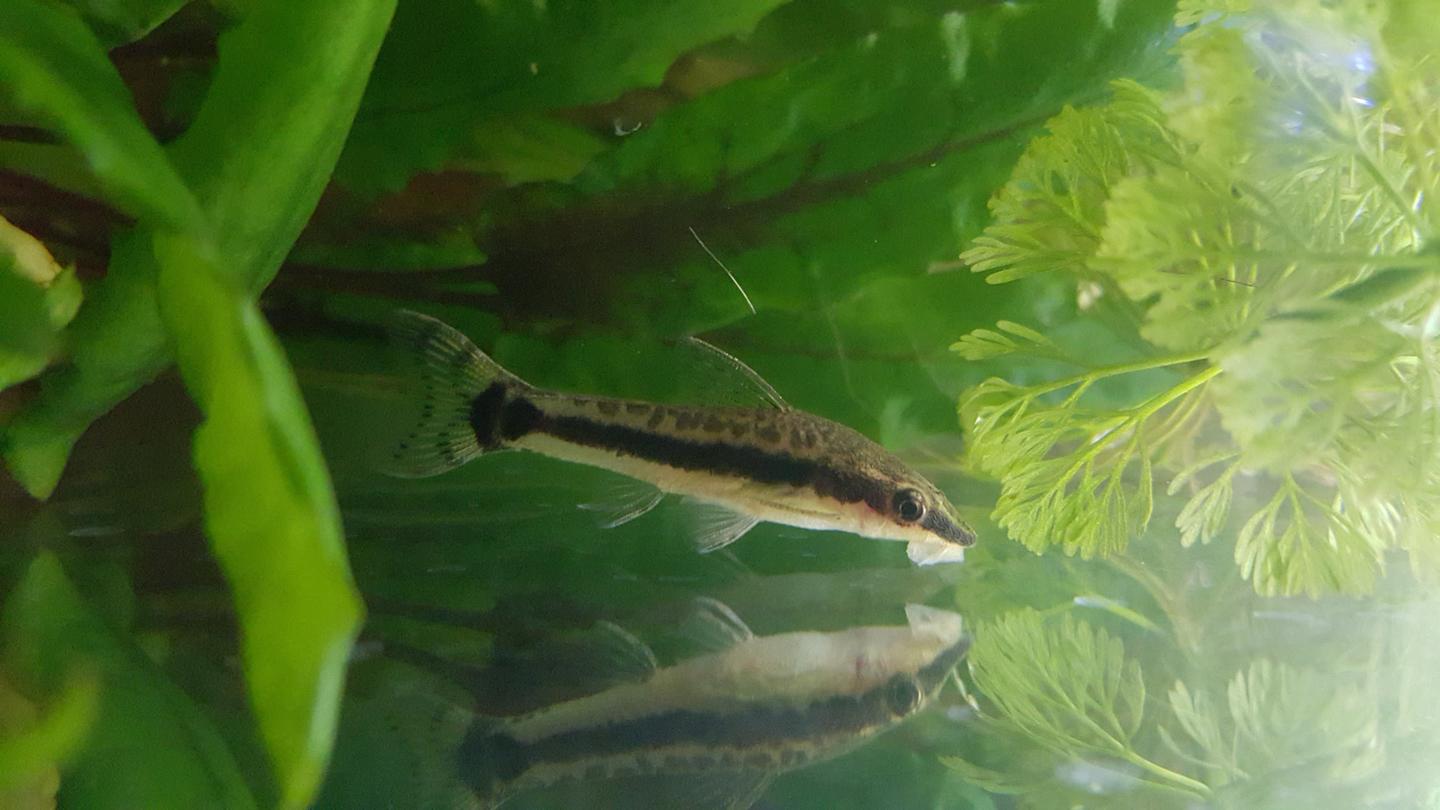
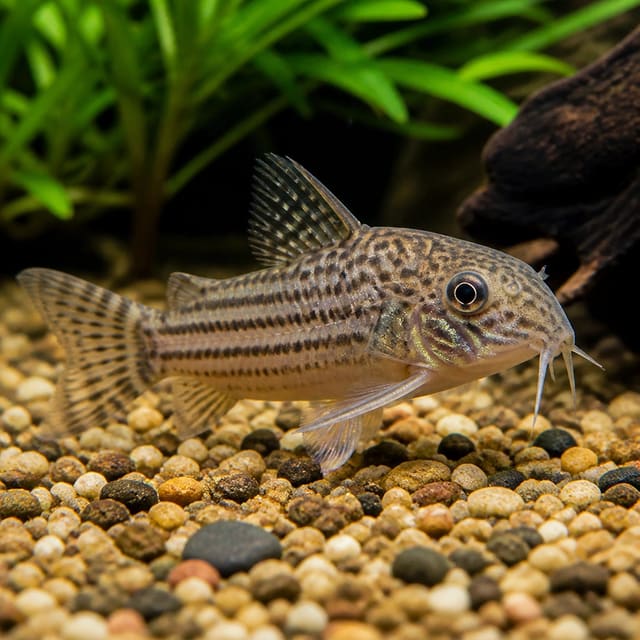
Unlike larger species sold under the broad term catfish for sale UK, Zebra Otos are best appreciated for finesse rather than size. Their Zebra Oto tank size needs are modest, but their water quality expectations are not. They thrive in a well-aged catfish for planted tank setup with biofilm, soft current, and clean, oxygen-rich water. See our detailed photos showing the bold banding on the product image catfish-uk.webp, where the body pattern, sucker mouth, and compact shape are easy to inspect before you buy catfish online UK. If you want a rare, elegant, hard-working grazer that adds movement and detail without disturbing tank mates, this is one of the best catfish for freshwater aquarium displays.

🔹 Quick Facts

  • Scientific Name: Otocinclus cocama
  • Care Level: Moderate
  • Min Tank Size: 40 litres (about 9 gallons)
  • Temperature: 22-26°C (72-79°F)
  • pH Range: 6.0-7.5
  • Lifespan: Up to 3 years
  • Temperament: Peaceful
  • Diet: Herbivore

Classification

  • Order: Siluriformes
  • Family: Loricariidae
  • Genus: Otocinclus

Otocinclus cocama is a small South American suckermouth catfish from the armored catfish family. In the hobby it is often called Zebra Oto, Tiger Oto, or Zebra Dwarf Sucker. It has been known in aquariums since the 1990s and remains one of the more desirable rare catfish species for planted community tanks because it combines attractive markings with genuine algae-grazing behaviour.

Where Do Zebra Otos Come From? Natural Habitat Explained

The Zebra Oto is a South American catfish UK keepers value for both beauty and function. In the wild, Otocinclus cocama comes from Peru, especially Amazon tributary systems where water is warm, soft to moderately hard, and rich in submerged wood, leaf litter, and surfaces coated with algae and biofilm. This natural catfish habitat matters because it explains nearly every part of successful care: these fish are not scavengers that can simply be dropped into any tank and expected to clean up leftovers.

In nature, they spend much of the day attached to smooth surfaces, grazing microscopic films, soft algae, and plant-associated growth. That is why many failed attempts with Zebra Otos happen in tanks that are too new, too sterile, or too brightly lit without enough edible film. If you are comparing them with fish found in catfish UK rivers, uk catfish lakes, or a catfish uk pond, remember this is a tropical species from equatorial South America, not a coldwater fish. Questions such as are catfish native to uk, does the uk have native catfish, and do catfish live in uk rivers often come up in search, but Zebra Otos are not uk native catfish and should never be treated like uk pond catfish.

Their native waters are usually shaded by overhanging vegetation, with good dissolved oxygen and gentle to moderate flow. Seasonal rain patterns may slightly alter chemistry and current, but stability is still key in the aquarium. A mature planted setup with driftwood, broad-leaved plants, and established microbial growth is the closest match. This is one reason they are not the same as larger tropical catfish UK species sold for dramatic display tanks. They are refined grazers that do best when their environment feels lived-in and biologically active.

💡 Expert Tip

Mimicking the natural habitat improves feeding confidence and long-term health. In practical terms, that means driftwood, smooth stones, real plants, gentle flow, and a tank that has been running long enough to grow visible biofilm before the fish arrive.

How to Set Up the Perfect Tank for Zebra Oto

A thoughtful catfish tank setup is the difference between Zebra Otos merely surviving and actively grazing all day. Although the official Zebra Oto minimum tank size is 40 litres, that is best treated as the bare minimum for a small group. Because this species should be kept in groups of 6 or more, a 54-60 litre aquarium is usually easier to manage. A larger footprint gives more grazing area, more stable water conditions, and less competition for food films. For anyone searching catfish aquarium requirements, this species needs maturity and stability more than sheer volume.

Tank Size Requirements

The recommended Zebra Oto tank size for a proper group is at least 40 litres, though 60 litres or more is preferable. They are often marketed as a catfish for small aquarium, which is true in terms of body size, but not in the sense of tolerating neglected nanos. Small tanks swing quickly in temperature and chemistry, and Zebra Otos react badly to that. If you want one of the best catfish for beginners, a hardier Corydoras may be easier. If you want one of the most elegant small algae grazers, Zebra Oto is worth the extra planning.

Water Parameters

The ideal Zebra Oto water parameters are 22-26°C, pH 6.0-7.5, and 2-15 dGH. Their Zebra Oto water temperature should stay steady, not bounce up and down between day and night. These catfish temperature requirements are moderate tropical, and a reliable heater is strongly recommended in UK homes. Zebra Oto ideal water conditions include low nitrate, high oxygen, and clean water without sudden chemistry shifts. In broader terms, suitable catfish water hardness is soft to medium, though captive-bred fish often adapt well if acclimated properly.

22-26°C
Temperature
6.0-7.5
pH
2-15 dGH
Hardness
40L+
Minimum Tank

Filtration and Flow

Use efficient but gentle filtration. A mature sponge filter, a small external filter with spray bar, or a well-baffled internal filter all work well. Zebra Otos appreciate oxygen-rich water, but they do not enjoy being blasted around the tank. Aim for circulation that keeps surfaces clean and oxygen levels high while still leaving calm resting areas on leaves and wood. If you already keep species like the Flat Head Dwarf Sucker - Hypoptopoma, the logic is similar: clean water, mature surfaces, and moderate flow beat raw filter power every time.

Substrate

The best catfish substrate preference for this species is fine sand or smooth, rounded gravel. They do not dig like some Corydoras, but a soft substrate helps create a more natural look and supports planted layouts. Darker substrate often makes the zebra pattern appear bolder. Avoid sharp gravel that can trap waste and make maintenance harder. The substrate is less important than the surfaces above it, because Zebra Otos spend much of their time on glass, wood, stones, and leaves.

Plants and Decor

This is an excellent catfish for planted tank aquascapes. Broad-leaved plants such as Anubias, Java fern, Amazon swords, and Cryptocoryne give them resting and grazing surfaces. Driftwood is especially useful because it hosts biofilm and soft algae. Smooth river stones and botanicals also help. In mixed communities, they pair well with peaceful bottom dwellers such as x Corydoras Mixed Selection, x Corydoras Aeneus Long Fin, and Corydoras venezuelanus provided the tank is not overcrowded.

Lighting

Moderate lighting is ideal. Very intense light can work in a planted aquarium if balanced with plant growth and algae management, but Zebra Otos usually feel more secure with shaded zones. A photoperiod of 6-8 hours is a good starting point. Too little light can limit the soft algae and biofilm they browse, while too much can create nuisance algae that is less useful nutritionally.

Quick Setup Checklist

  • Fully cycled tank running for at least 4-6 weeks
  • Group of 6 or more Zebra Otos
  • Temperature held at 22-26°C
  • pH between 6.0 and 7.5
  • Soft to medium hardness
  • Driftwood, plants, and smooth grazing surfaces
  • Gentle but oxygen-rich filtration
  • Visible biofilm or prepared algae foods ready before arrival

💡 Pro Tip

Always cycle the tank for 4-6 weeks before adding Zebra Otos. A tank can test “cycled” and still be too clean for them if there is no established biofilm. Mature surfaces are part of the setup, not an optional extra.

What Do Zebra Oto Eat? Complete Feeding Guide

The Zebra Oto diet is mainly herbivorous, built around algae, biofilm, and plant-associated microorganisms. Many buyers assume any oto can live on whatever algae appears in the tank, but that is one of the most common mistakes. If you are asking what do uk catfish eat or looking for the right catfish uk food, Zebra Otos need more than scraps. Their reputation as one of the best algae eating fish is deserved, yet their catfish algae eating ability should be seen as a supplement to feeding, not a replacement for it.

Staple Foods

A strong Zebra Oto feeding guide starts with natural algae and biofilm in the tank, then backs that up with quality algae wafers, spirulina wafers, and soft vegetable-based sinking foods. Blanched courgette, cucumber, spinach, and shelled peas can be offered in small portions. In mature aquariums, their Zebra Oto algae control can be excellent on soft green films and fresh growth, especially on glass and plant leaves.

Supplemental Foods

Offer variety 4-5 times per week. Repashy-style gel foods for herbivores, spirulina powders on feeding stones, and finely broken vegetable wafers are all useful. Though they are herbivores, tiny amounts of protein from natural biofilm are normal. Do not rely on high-protein catfish pellets designed for larger carnivorous species. That is not appropriate uk catfish food for Zebra Otos.

Feeding Frequency and Portion Control

Feed once or twice daily in small amounts, especially in newer tanks where natural grazing is limited. Remove uneaten vegetables after 12-24 hours. A good rule is to provide enough prepared food that the group is still actively grazing but not leaving piles of waste. This is very different from outdoor questions like do catfish feed in winter uk; tropical aquarium fish should be fed consistently year-round according to temperature and activity.

Time Food Amount
Morning Algae wafer or spirulina wafer Small portion for group to finish within 2-3 hours
Evening Blanched courgette or vegetable gel food 1 small slice or light smear, remove leftovers next day

People sometimes land on this page after searching odd phrases like what is catfish uk, what happened to catfish uk, what channel is catfish uk on, or how to watch catfish uk in the us. Here, “catfish” means the fish itself, and in this case a delicate tropical grazer rather than a TV title. So if your real question is catfish uk food, the answer is simple: algae-rich, plant-based, frequent, and clean.

⚠️ Feeding Warning

Overfeeding causes ammonia spikes and poor water quality, while underfeeding slowly starves Zebra Otos even when the tank looks clean. A rounded belly, active grazing, and steady body weight are better indicators than “there is some algae in the tank.”

Pictus Catfish - Pimelodus Pictus -

Not a food item, but a useful comparison species if you are choosing between algae grazers and active carnivorous catfish for a larger community tank.

Flat Head Dwarf Sucker - Hypoptopoma

A similarly gentle sucker-mouth catfish that helps illustrate how mature biofilm-based feeding differs from standard pellet feeding.

Zebra Oto Appearance: Colors, Patterns & Varieties

The Zebra Oto is small, streamlined, and instantly recognisable. Adult uk catfish size for this species is around 4.5 cm, making it one of the most compact and elegant freshwater catfish UK options in the hobby. Their body is pale cream to silver underneath with bold dark brown to black horizontal and broken banding along the flanks, creating the “zebra” effect. The sucker mouth is adapted for clinging to surfaces and scraping soft growth, while the fins are usually clear to lightly marked.

There are no major commercial morphs, which is part of the appeal. What you see is the natural pattern, and when kept well it is stunning. Our photos show the contrast between the light base colour and the dark striping, especially when the fish is settled and not stressed. In a darker aquascape with wood and green plants, this tropical catfish UK species looks far more dramatic than many plain otos. For aquarists comparing most colourful catfish, Zebra Oto may not have neon pigments, but its pattern is among the most refined.

Sexing is subtle. Females are usually a little broader and fuller-bodied when mature, especially when viewed from above. Males tend to stay slimmer. There is no meaningful size limit for catfish issue in home aquariums because they remain tiny, and the zebra oto growth rate is moderate rather than fast. If you are searching for live catfish delivery UK and want a small species that ships more sensibly than larger catfish, Zebra Oto is a practical choice provided the fish are packed carefully and acclimated slowly.

What Fish Can Live With Zebra Oto? Compatibility Guide

One reason Zebra Oto ranks highly among aquarium bottom dwellers UK keepers is temperament. This is a genuinely peaceful species that ignores midwater fish, does not bully other bottom dwellers, and works well in a calm community. The best Zebra Oto tank mates are small, non-aggressive species that enjoy similar water conditions and do not outcompete them at feeding time. If you want a Zebra Oto for community tank setup, think gentle rather than busy or boisterous.

Ideal Tank Mates

Small tetras, rasboras, peaceful Corydoras, pencilfish, and dwarf shrimp all make good companions. Within our own range, excellent choices include Corydoras duplicareus, Corydoras venezuelanus, x Corydoras Aeneus Long Fin, and x Corydoras Mixed Selection. If you want another unusual sucker-mouth species in a larger, carefully planned setup, the Flat Head Dwarf Sucker - Hypoptopoma can also work. These combinations suit keepers looking for Zebra Oto with other fish that share the same calm style.

Species to Avoid

Avoid large cichlids, aggressive barbs, fin-nipping fish, and robust bottom-feeders that rush food. The Pictus Catfish - Pimelodus Pictus - is beautiful but far too active and predatory for a Zebra Oto community in most tanks. Likewise, very large catfish such as the Spotted Hoplo - Megalechis Thoracata - can be too boisterous in smaller aquariums. Questions like why catfish is banned, why did catfish get cancelled, why did catfish uk end, or why is catfish uk so bad are unrelated search noise; in aquarium terms, the only “bad” match is a tank mate that stresses or starves this species.

Community Stocking Examples

In a 60-litre planted tank, a good plan is 6 Zebra Otos with 8-10 small rasboras and a shrimp colony. In an 80-litre aquarium, you might keep 8 Zebra Otos with 10 ember tetras and 6 small Corydoras. In a 100-litre planted community, 8-10 Zebra Otos can coexist with a larger shoal of peaceful tetras and a small group of Corydoras if filtration and maintenance are strong. They are among the best peaceful bottom dwellers for aquarium displays because they contribute activity without territorial drama.

Compatibility with Invertebrates

Zebra Otos are generally safe with shrimp and snails. They may compete for algae wafers, but they do not hunt healthy shrimp. This makes them especially useful in planted shrimp tanks that need light algae management without introducing a fish that will harass invertebrates.

Species Compatible? Notes
Corydoras duplicareus ✅ Yes Peaceful, similar water needs, uses different feeding style
Flat Head Dwarf Sucker - Hypoptopoma ⚠️ Caution Works in larger mature tanks with enough grazing surfaces for both species
Pictus Catfish - Pimelodus Pictus - ❌ Avoid Too active and predatory for a tiny, gentle Zebra Oto group

Search phrases like social catfish uk version, catfish uk couples still together, catfish uk angelica and jeroen still together, and catfish uk morgan and santino still together may appear in keyword tools, but for fishkeepers the real compatibility question is simple: can this species live peacefully in a planted community? Yes, absolutely, if the tank is mature and the companions are calm.

💡 Compatibility Tip

Always quarantine new arrivals for 2-4 weeks before adding them to an established Zebra Oto aquarium. This species handles stable mature tanks well, but sudden disease introduction can be far more damaging than with tougher community fish.

How to Breed Zebra Oto: Complete Breeding Guide

Zebra Oto breeding is considered difficult, though not impossible. Captive breeding has been achieved, and the species is bred commercially in Asia, but home success usually comes from experienced keepers with mature planted systems. If you are reading a Zebra Oto care guide and hoping to breed them quickly, patience is essential. This is not the easiest route for anyone wanting the best catfish for beginners, but it can be rewarding for dedicated aquarists interested in rare catfish species.

Breeding Setup

Use a separate mature breeding tank of 40-60 litres with sponge filtration, dense plants, driftwood, and abundant biofilm. Keep a group rather than pairs, as natural social behaviour seems to help. Condition adults with algae wafers, spirulina foods, and regular small vegetable offerings. Stable warm water around 24-25°C, soft to medium hardness, and frequent small water changes can help simulate seasonal improvement.

Spawning Behaviour

Females become noticeably fuller when carrying eggs. Spawning is thought to resemble other small loricariids and otos, with eggs placed on smooth surfaces such as glass, leaves, or decor. A slight increase in water change frequency with cooler fresh water may act as a trigger, though results vary. Search terms like when do catfish spawn uk are broad and often refer to pond or sport fish, but tropical Zebra Otos respond more to water quality, diet, and seasonal simulation than to UK outdoor seasons.

Egg Care and Fry

Eggs should be protected from hungry tank mates. Gentle aeration and pristine water are essential. Once hatched, fry need microscopic foods, biofilm, soft algae, and powdered herbivore foods. This is where many attempts fail: the fry are tiny, delicate, and need constant access to suitable grazing. The zebra oto growth rate is not fast, so do not rush them onto large prepared foods.

Common Challenges

The main problems are infertile eggs, fungal losses, and fry starvation in overly clean tanks. Keepers who succeed usually have very mature systems with a visible film layer on wood, leaves, and glass. For anyone comparing a best catfish species comparison, Zebra Oto is chosen for beauty and challenge, not easy breeding.

Advanced Breeding Tip

Set up “grazing panels” a week or two before expected spawning by placing smooth stones or small glass pieces in a sunny or well-lit mature tank. Move these biofilm-coated surfaces into the fry tank so newly hatched young have immediate access to edible microorganisms.

Zebra Oto vs Similar Species: Which Should You Choose?

Choosing between small catfish often comes down to your goals. Do you want a hardy generalist, a striking display fish, or a specialist algae grazer? Zebra Oto stands out in any best catfish species comparison because it offers pattern, small size, and utility, but it asks for a mature tank in return.

Feature Zebra Oto Flat Head Dwarf Sucker
Max Size 4.5 cm About 5-6 cm
Care Level Moderate Moderate
Temperature 22-26°C 22-27°C
Price £25.16 Varies
Best For Mature planted tanks needing small algae grazers Calm biofilm-rich tanks with horizontal resting surfaces
Feature Zebra Oto Corydoras duplicareus
Feeding Style Surface grazer and algae browser Bottom forager
Group Need 6+ 6+
Temperament Very peaceful Very peaceful
Best Tank Type Planted, mature, biofilm-rich Soft-bottom community tank
Best For Algae control and visual detail Active shoaling bottom interest

Choose Zebra Oto if you want one of the best catfish for freshwater aquarium displays where subtle movement and algae browsing matter more than bold bottom-foraging behaviour. Choose Corydoras if you want a more forgiving species for mixed feeding and beginner care. Choose the Flat Head Dwarf Sucker - Hypoptopoma if you enjoy unusual body shapes and already understand mature biofilm-based systems. If you are searching buy catfish UK, freshwater catfish for sale UK, or buy Zebra Oto UK, think about tank age first and appearance second.

Common Health Problems in Zebra Oto & How to Prevent Them

Good Zebra Oto health starts with stability. These fish are sensitive to poor acclimation, starvation, and sudden water quality changes. A healthy specimen has a gently rounded belly, clear eyes, strong grip on surfaces, regular grazing behaviour, and crisp contrast in the body pattern. A thin belly, rapid breathing, clamped fins, or constant hiding are early warning signs that something is wrong.

Common Problems

The biggest issue is not always disease but wasting from inadequate feeding. Newly imported or poorly settled fish may arrive already underweight. Secondary bacterial infections, external parasites, and stress-related decline can follow. Because Zebra Otos are small and delicate, problems escalate quickly. Search terms like catfish uk cancelled, catfish uk season, catfish season 7 uk, catfish uk episode 1, catfish uk full episode, and catfish uk watch online are irrelevant to treatment, but they show how often “catfish” searches mix fishkeeping with TV content. For this species, the real emergency is usually weight loss or poor acclimation.

Treatment and Prevention

Start with water changes, oxygenation, and food access. Test ammonia, nitrite, nitrate, pH, and temperature. If medication is needed, use it cautiously and in a separate hospital tank when possible. Avoid harsh treatments unless the diagnosis is clear. Zebra Otos cope poorly with heavy medication in display tanks, especially if shrimp are present. Prevention is far easier than cure: stable parameters, mature biofilm, group security, and careful acclimation all matter more than reactive dosing.

⚠️ Medication Warning

Never use strong medications casually with Zebra Otos, and NEVER use copper-based medications in tanks containing shrimp or other sensitive invertebrates. When in doubt, move the affected fish to a separate treatment tank and confirm the diagnosis first.

Quarantine Protocol

  • Use a separate 2-4 week quarantine tank
  • Provide mature sponge filtration and hiding places
  • Offer algae wafers and vegetables from day one
  • Watch belly fullness and grazing activity daily
  • Test water frequently and keep nitrate low
  • Only move fish to the display tank once feeding strongly and behaving normally

In practice, the healthiest Zebra Otos are the ones introduced to a mature tank with visible food sources, not a spotless new setup. That one decision prevents more losses than any medicine.

Understanding Zebra Oto Behavior in the Aquarium

Zebra Otos are calm, social, and quietly active throughout the day. They are not dramatic swimmers; instead, they move from leaf to leaf, wood to glass, grazing in short bursts and resting between sessions. In a proper group, they become much bolder. A lone fish often hides, while six or more show natural shoaling confidence and spend more time in the open. This is why Zebra Oto for community tank planning should always include group size, not just tank mates.

They are classic peaceful bottom dwellers for aquarium life, though they also use the lower glass, plant leaves, and mid-level decor. You will often see them line up on driftwood or broad leaves, especially after feeding. Their social behaviour is subtle rather than tight schooling, but they clearly feel safer in numbers. If you want to encourage natural behaviour, provide shade, mature surfaces, and a calm environment without aggressive feeders. In a well-balanced catfish tank setup, they quickly become one of the most satisfying species to observe.

Why Buy from Tropical Fish Co?

Zebra Oto is not a species that should be treated like a generic “clean-up crew” fish. The best specimens are active, full-bellied, and already feeding before they ever leave for a customer aquarium. That matters especially when people search can you buy catfish in the uk, catfish uk where to buy, where to buy catfish uk, catfish uk for sale, uk catfish for sale, or catfish uk buy. With this species, the source and handling matter as much as the fish itself.

Before dispatch, Zebra Otos should be assessed for body condition, feeding response, and stability. They benefit from careful acclimation to captive foods, not just reliance on whatever algae happens to be present. For delivery, insulated packaging, secure fish bags, and seasonal heat packs are important because small Loricariids can chill quickly in transit. Tracked delivery reduces time in the box, and a calm unpacking routine at home helps them settle faster.

Customers looking for Zebra Oto for sale UK, order Zebra Oto online UK, Zebra Oto price UK, or buy catfish online UK are usually not just buying a fish; they are buying confidence that the fish has been prepared for aquarium life. That is especially important for a moderate-care species with specific feeding needs. If your goal is to buy catfish UK for a mature planted aquarium, Zebra Oto is one of the most rewarding choices available when selected carefully and introduced correctly.

Why Choose Tropical Fish Co for Zebra Oto

  • Zebra Otos are selected for visible body condition and active grazing behaviour, not just pattern
  • This species is best suited to mature planted tanks, and the care guidance reflects that reality honestly
  • Care support focuses on acclimation, feeding, and long-term success with this delicate algae grazer

Order your Zebra Oto today with confidence if your aquarium is mature, planted, and ready for a group of these striking little grazers.

You Might Also Like

If you are building a calm South American-style community, consider adding Corydoras duplicareus for active shoaling bottom movement, or Corydoras venezuelanus for colourful contrast in a peaceful setup. For another unusual sucker-mouth species, the Flat Head Dwarf Sucker - Hypoptopoma suits mature planted aquariums with gentle flow. If you prefer a larger, more robust catfish for a different style of community, look at the Spotted Hoplo - Megalechis Thoracata - or the lively Pictus Catfish - Pimelodus Pictus -. You can also browse the wider catfish UK collection to compare small grazers, Corydoras, and larger statement species before finalising your stocking plan.