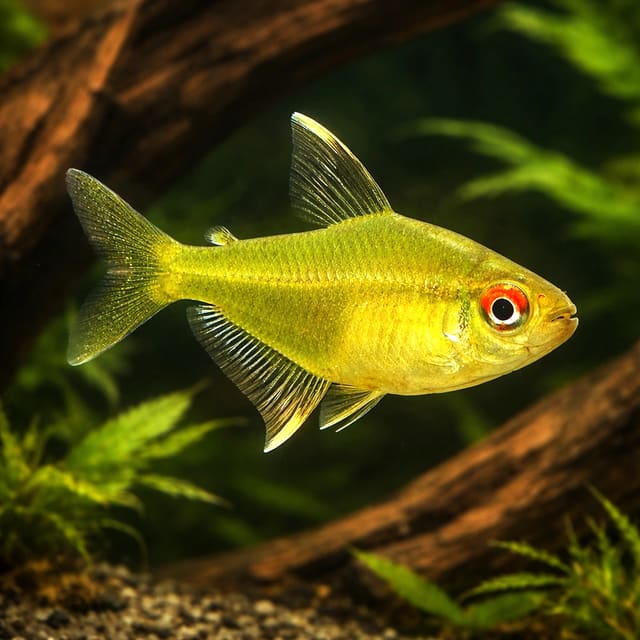
Ornate Tetra (Hyphessobrycon bentosi) - Live tropical fish for sale UK

Hyphessobrycon bentosi

Rosy Tetra - UK

Beginner Friendly
Peaceful
£15.99In Stock

Bright and active Rosy Tetra ideal for peaceful community aquariums. A striking tetra fish with lovely colouration. Order today with UK delivery.

Community FishFreshwater FishModerate CarePeacefulShoaling FishTetrasTropical Fish

Care at a Glance

Scientific Name
Hyphessobrycon bentosi
Adult Size
4 cm
Lifespan
5 years
Care Level
Easy
Temperament
Peaceful
Temperature
23–28°C
pH Range
5.5–7.5
Hardness
4–15 dGH
Minimum Tank
60L
Diet
Flakes, micro pellets, small live foods

Premium Quality

Healthy, vibrant fish from trusted suppliers

Expert Care

Detailed care guides and support

Live Arrival Guarantee

Your fish arrives healthy or we'll replace it

Acclimated

Properly quarantined and ready for your tank

Quick Care Guide

Temperature
23–28°C
pH Range
5.5–7.5
Minimum Tank
60L
Adult Size
4 cm
Lifespan
5 years
Care Level
Easy
Temperament
Peaceful
Diet
Flakes, micro pellets, small live foods
Water Hardness
4–15 dGH
Tank Region
Middle

Water Parameters

Maintain these water conditions for optimal health and vibrant colors

Temperature
23–28°C
23°CIdeal Range28°C
pH Level
5.5–7.5
5.5Ideal Range7.5
Water Hardness
4–15 dGH
4 dGHIdeal Range15 dGH

Why Choose This Fish?

Bright and active Rosy Tetra ideal for peaceful community aquariums. A striking tetra fish with lovely colouration. Order today with UK delivery.

The Rosy Tetra, often sold in the hobby as the Ornate Tetra or Bentosi Tetra, is one of those fish that looks delicate in photos but becomes truly striking in a settled aquarium. Known scientifically as Hyphessobrycon bentosi, this South American species combines a soft pink-red body, a dark shoulder mark, and elegant black-and-white finnage that stands out beautifully in planted aquariums. If you have been searching for a peaceful schooling fish for community tank setups, a small colourful tropical fish for a 60 litre aquarium, or a hardy tetra species for beginners, this fish deserves a closer look. Adult rosy tetra size is usually around 4 cm, lifespan can reach 5 years, and their calm nature makes them a favourite among keepers building a classic tetra fish aquarium setup.

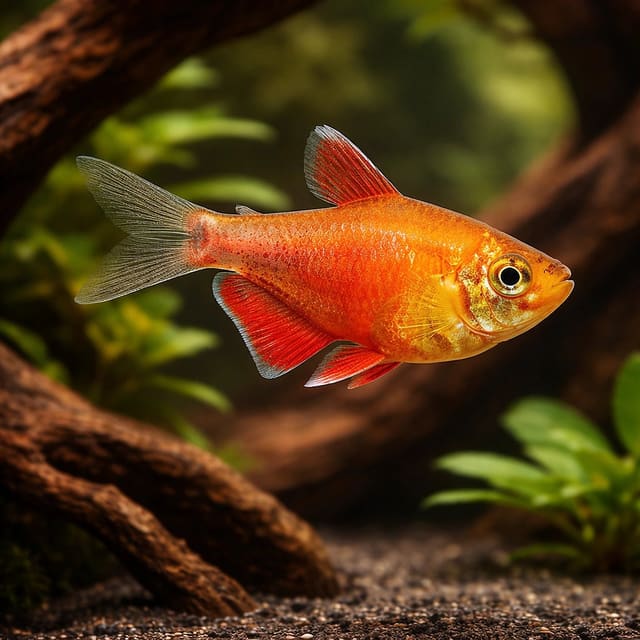
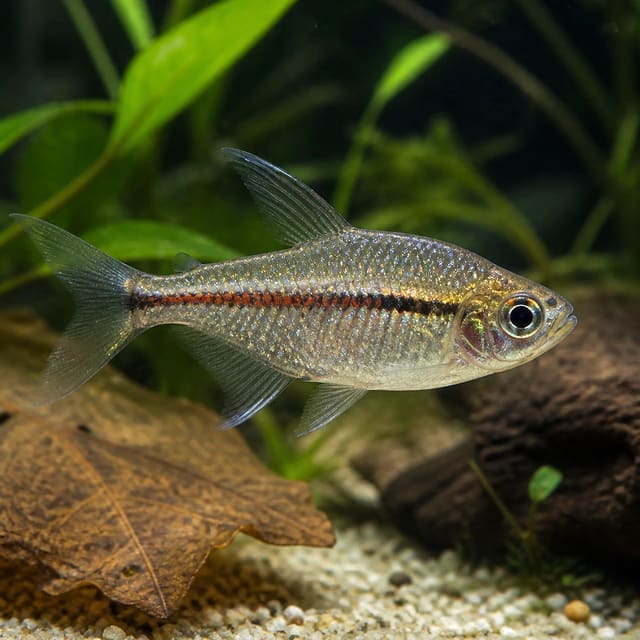
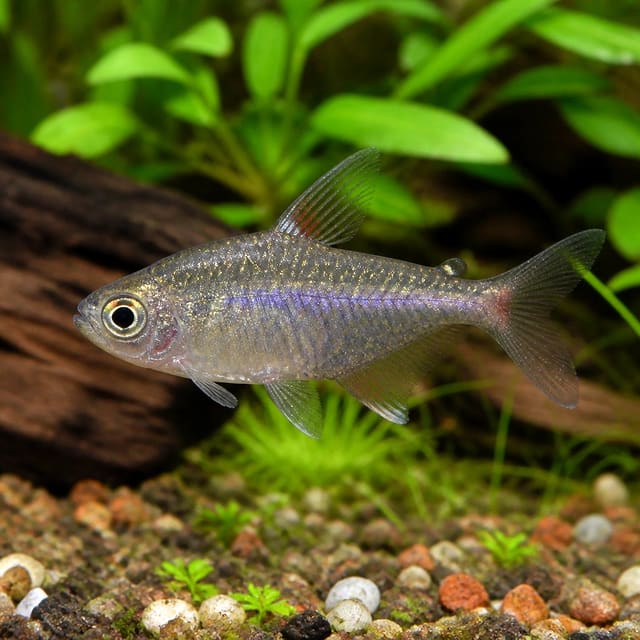
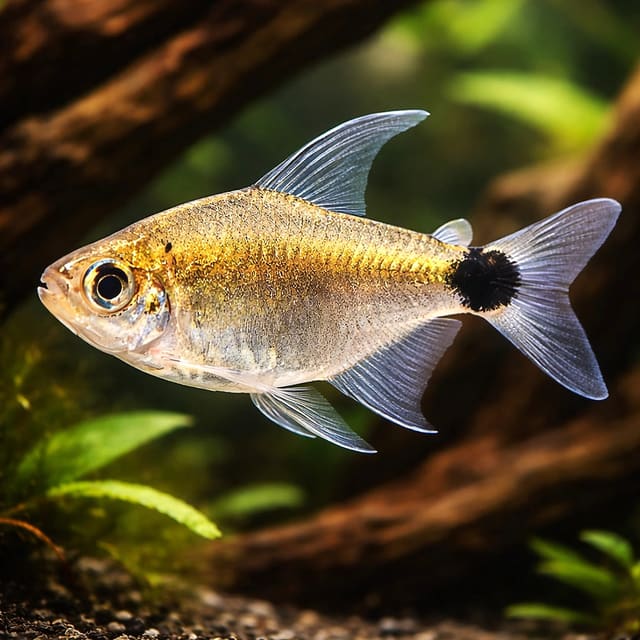
Although many aquarists search for this species under Rosy Tetra, there is frequent confusion between the true rosy tetra and the candy cane or ornate form. That is why hobbyists often compare rosy tetra vs candy cane tetra and ornate tetra vs phantom tetra before buying. In practice, these fish are valued for similar reasons: they are attractive, social, and ideal for a planted South American-style display. See our detailed photos showing the blush body colour, white-tipped dorsal fin, and the dark gill spot that helps identify hyphessobrycon bentosi. For aquarists wanting a lively but gentle shoal, this is one of the best schooling fish UK hobbyists can add to a peaceful tropical aquarium.

🔹 Quick Facts

  • Scientific Name: Hyphessobrycon bentosi
  • Care Level: Easy
  • Min Tank Size: 60 litres (about 13 gallons)
  • Temperature: 23-28°C (73-82°F)
  • pH Range: 5.5-7.5
  • Lifespan: Up to 5 years
  • Temperament: Peaceful
  • Diet: Omnivore

Classification

  • Order: Characiformes
  • Family: Characidae
  • Genus: Hyphessobrycon

Hyphessobrycon bentosi sits within the large tetra family tropical fish keepers know for active shoaling behaviour and bright colour. In the aquarium trade it may appear as Ornate Tetra, Bentosi Tetra, White Tip Tetra, or false rosy tetra. It has long been compared with the red phantom tetra, and many aquarists researching rosy tetra male vs female or rosy tetra vs serpae tetra are actually looking at this species. Its popularity comes from its manageable size, peaceful temperament, and strong performance in planted community aquariums.

Where Do Rosy Tetras Come From? Natural Habitat Explained

The fish sold here as Rosy Tetra are best understood through their wild roots. Hyphessobrycon bentosi comes from the Amazon Basin in South America, especially sluggish tributaries and floodplain waters in Brazil and Peru. This is a classic tetra fish habitat: warm, soft, slightly acidic water, leaf litter on the bottom, overhanging vegetation, and subdued light filtered through branches and floating plants.

In this kind of environment, the ember tetra habitat, ember tetra natural habitat, and many other small characins overlap in style even if they are different species. Aquarists often ask about an ember tetra biotope or ember tetra origin when trying to create a South American blackwater display; the same design principles work very well for ornate tetras too. Their natural waters are usually low in dissolved minerals, stained with tannins, and full of tiny insect larvae, crustaceans, and organic debris. That helps explain both the preferred ornate tetra diet and the species' love of planted, dimly lit tanks.

Like many tetras, they are not usually collected in large numbers for the modern hobby. Most stock offered today is farm-bred, which is good news for consistency and adaptation to aquarium life. Even so, understanding tetra fish in the wild helps you keep them better at home. In nature they spend much of their time in the middle water, loosely shoaling for security and moving among roots and stems. This is why an ornate tetra in planted tank layout tends to bring out the best colour and confidence.

Customers sometimes ask why these fish fade after transport or why a settled group colours up so strongly. The answer is simple: stress suppresses colour, while security restores it. If you have ever wondered why do tetras lose their color or why is my ember tetra white, the same basic rule applies here. Stable water, dark décor, and a proper group size make a major difference.

💡 Expert Tip

Mimicking the natural habitat of South American tetras improves health, colour, and behaviour. Use driftwood, leaf litter tones, patches of planting, and gentle flow. Fish kept this way usually school more tightly, feed more confidently, and show richer pink-red tones than fish kept in bright, bare tanks.

How to Set Up the Perfect Tank for Rosy Tetras

A well-planned setup is the difference between a washed-out group that hides and a confident shoal that becomes the centre of the aquarium. For anyone researching ornate tetra minimum tank size, ornate tetra tank size, or tetra fish minimum tank size, the practical answer is 60 litres for a starter group of 6. That also makes them one of the best schooling fish for 60 litre tank layouts when paired with other small, calm species. If you want a fuller display and stronger ornate tetra schooling behaviour, 75-90 litres is even better.

Tank Size Requirements

The minimum works because these fish stay small, but bigger tanks give better results. A longer footprint matters more than extra height because it allows the group to move naturally across the middle water. If you are planning a mixed ornate tetra community tank, aim for enough space to keep 8-12 fish rather than the bare minimum 6. A larger ornate tetra school size reduces shyness and spreads minor pecking between males.

Water Parameters

The recommended ornate tetra temperature is 23-28°C, with 24-26°C being a sweet spot for daily care. If you are searching for ornate tetra ideal temperature, that mid-range is where colour, appetite, and activity usually balance best. The broader tetra fish temperature range for community species varies, but for this fish a steady tropical setting is more important than chasing extremes. Keep pH between 5.5 and 7.5, and hardness around 4-15 dGH. This level of ornate tetra water hardness tolerance makes them adaptable to many UK home aquariums once acclimated carefully.

Many hobbyists compare these figures with searches like ember tetra ideal temperature, ember tetra temperature, ember tetra temperature range, ember tetra water temperature, tetra fish aquarium temperature, tetra fish ideal temperature, tetra fish tank temperature, tetra fish water requirements, and tetras fish temperature. While those terms relate to different tetra species, they point to the same principle: stable, clean, tropical water matters more than chasing a single exact number.

23-28°C
Temperature
5.5-7.5
pH
4-15 dGH
Hardness
60L+
Minimum Tank

Filtration

Use a gentle but efficient filter. A mature sponge filter works well in breeding or species tanks, while a compact internal or hang-on filter suits a community aquarium. Avoid blasting flow across the whole tank; these fish come from calmer waters and show better finnage when they are not fighting a current all day. Good filtration is essential in any tetra fish tank setup, but flow should be soft enough that the shoal can hover comfortably in open water.

Substrate

Dark sand or fine gravel is ideal. A darker base helps fish feel secure and makes their pink body colour appear richer. Pale gravel can wash them out visually, which is one reason people ask what color are tetra fish and why are tetra fish colored differently in shop tanks and home aquariums. Background contrast matters.

Plants & Decor

This species thrives in cover-rich aquascapes. Use clumps of stem plants, open swimming lanes, and some wood or root structure. In a mixed setup, they pair best with calm community fish rather than large cichlids such as the Blue Jack Dempsey, Yellow Elongatus Cichlid, Aulonocara Sp Neon Red Calico Peacock, or Red Head Severum Cichlid, all of which need very different social and environmental conditions. If you are browsing the wider tropical fish for sale UK collection, keep this species in the peaceful community category rather than the cichlid section.

Lighting Requirements

Moderate lighting is best. Bright light is fine if planting is dense, but heavily exposed tanks can make them nervous. Floating plants or shaded corners help. For aquarists building a classic tetra fish aquarium setup, think “broken light through leaves” rather than “spotlight on bare glass.”

Quick Setup Checklist

  • Cycle the aquarium fully before adding fish
  • Keep a group of at least 6, ideally 8-12
  • Use a 60 litre tank minimum with good horizontal swimming space
  • Maintain 23-28°C and stable tropical conditions
  • Add plants, wood, and shaded areas for security
  • Choose peaceful companions only

💡 Pro Tip

Always cycle the tank for 4-6 weeks before adding tetras. New keepers often focus on tetra fish tank size but forget biological maturity. A stable filter and low ammonia are far more important than décor on day one.

What Do Rosy Tetras Eat? Complete Feeding Guide

The ornate tetra diet is omnivorous. In nature they pick at tiny invertebrates, insect larvae, and fine organic matter, so in captivity they do best on varied, small foods rather than one large flake once a day. If you have been asking are tetra fish carnivores or are tetras omnivores, the answer for this species is clear: they are omnivores with a strong preference for small protein-rich foods.

A good tetra fish diet starts with quality micro pellets or crushed tetra fish flakes. These can be supplemented with frozen daphnia, cyclops, baby brine shrimp, and finely sized bloodworm. Many new keepers search what is tetra fish food, what tetra fish eat, what to feed tetra fish, or what should tetras eat; the simple answer is a varied menu of small prepared foods plus occasional live or frozen protein. That same logic appears in searches such as what do ember tetras eat, what does ember tetra eat, and what do ember tetras eat in the wild.

Staple Foods

Use fine tropical flakes, soft micro granules, or small slow-sinking pellets as the main ration. Look for foods with fish meal, krill, spirulina, and insect protein rather than filler-heavy formulas. Tetra fish food flakes are convenient, but crush them small enough for easy swallowing.

Supplemental Foods

Offer frozen foods 2-4 times a week to improve body condition and colour. This is especially useful before spawning. If you are considering ornate tetra feeding for conditioning, live baby brine shrimp and daphnia are excellent choices.

Treats & Special Foods

For breeding groups, increase variety and feed smaller portions more often. Hobbyists searching ember tetra diet or can ember tetras eat betta food are usually trying to improvise with what they already have. Betta food can be used occasionally in tiny amounts, but it is not ideal as a staple because pellet size and protein balance are often wrong for small shoaling fish.

Feeding Frequency & Portion Control

Feed once or twice daily, offering only what the shoal can finish in 30-60 seconds. If you are wondering when to feed tetra fish or when to feed tetras, morning and early evening works well. Small, consistent meals are better than one heavy feed.

Time Food Amount
Morning Crushed flake or micro pellet Very small pinch
Evening Frozen daphnia, baby brine shrimp, or micro pellet As much as they finish within 1 minute

Foods to Avoid

Avoid oversized pellets, stale flake, and random human food additives. Some shoppers even ask unusual questions like why is tetrasodium pyrophosphate in food; in fishkeeping, the real priority is choosing digestible aquarium food designed for tropical fish. Also avoid using goldfish diets as a staple. If you are asking can tetra fish eat goldfish flakes, they may nibble them, but the formulation is not ideal for long-term tropical care.

⚠️ Feeding Warning

Overfeeding causes ammonia spikes, cloudy water, and poor colour. Small tetras need tiny portions. Uneaten food trapped in plants is one of the most common causes of declining water quality in community tanks.

Browse suitable tropical fish foods and community aquarium essentials

Choose fine flakes, micro pellets, and frozen foods sized for small South American tetras. Variety supports stronger colour, better immunity, and improved breeding condition.

Rosy Tetra Appearance: Colors, Patterns & Varieties

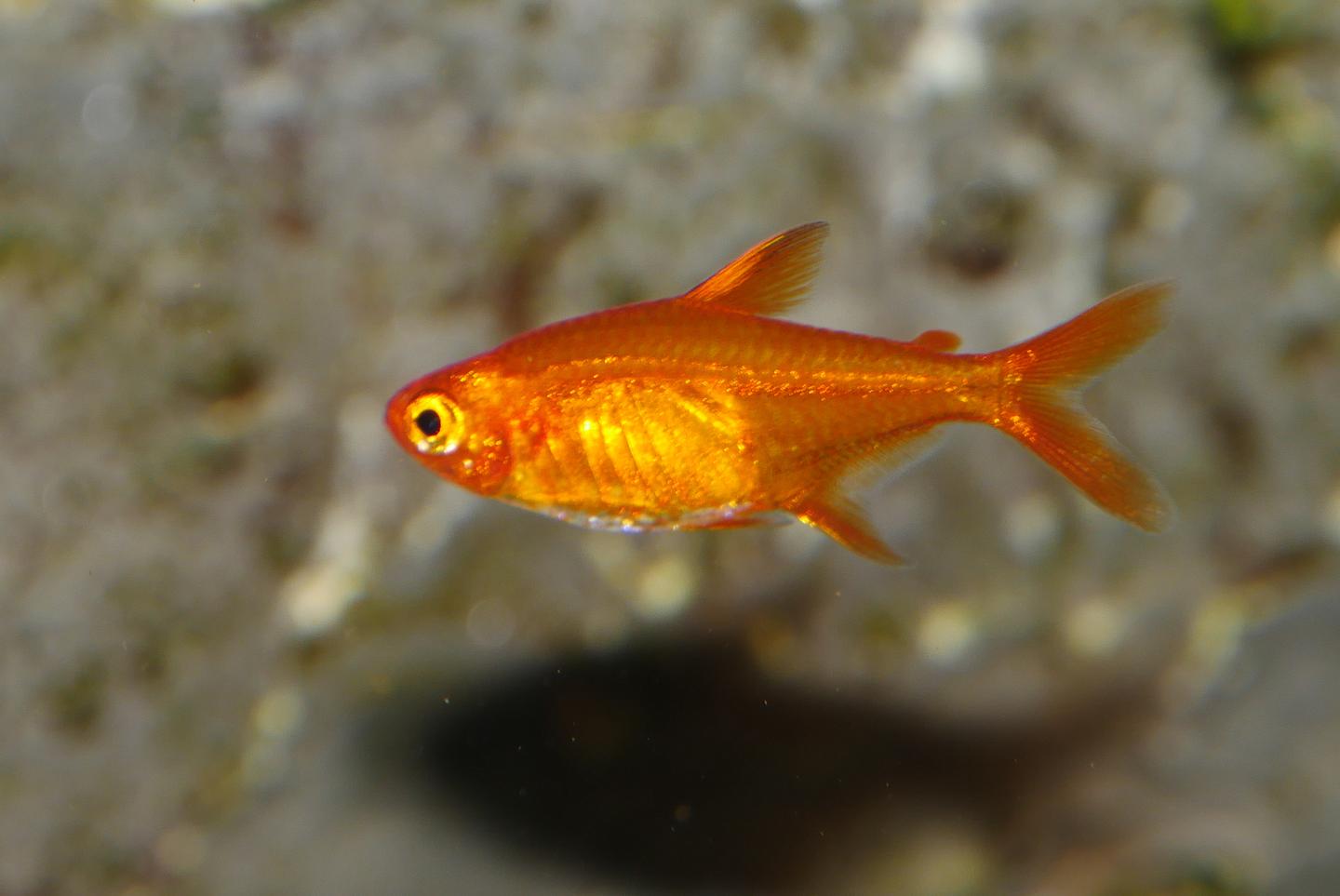
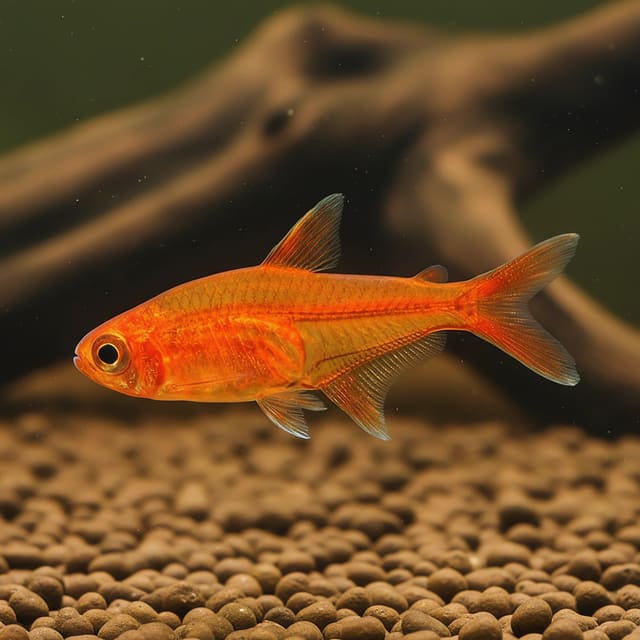
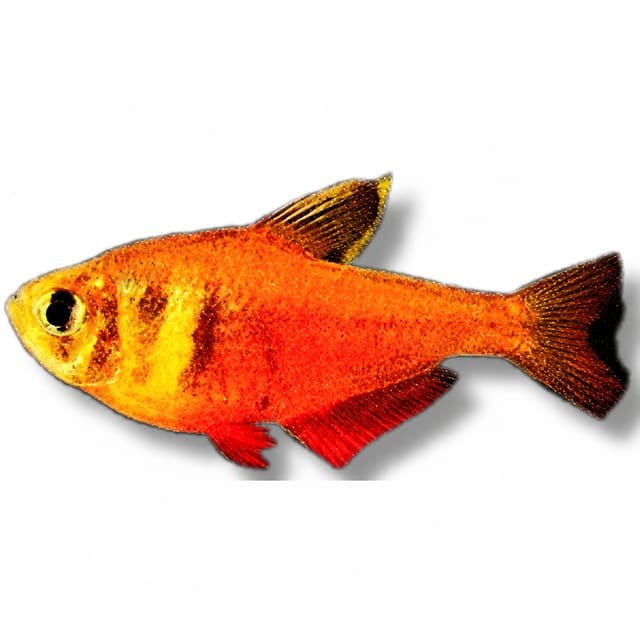
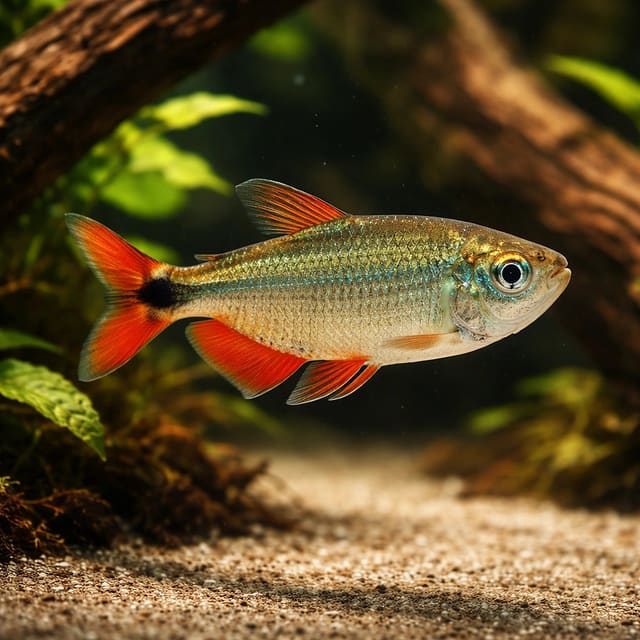
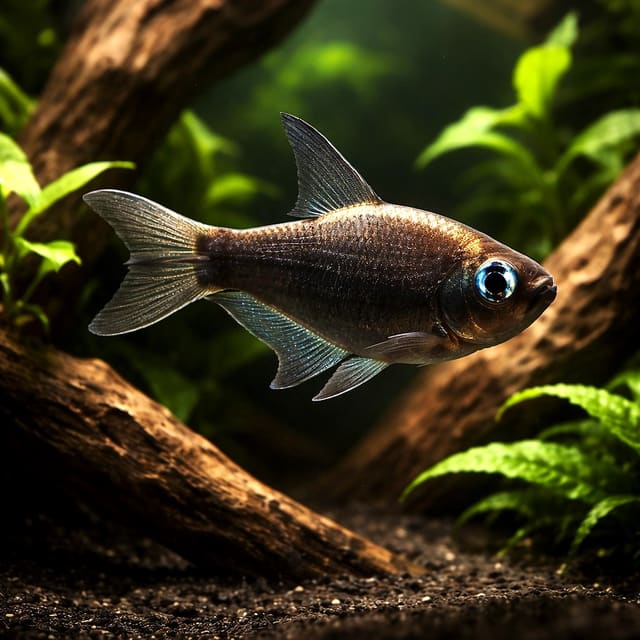
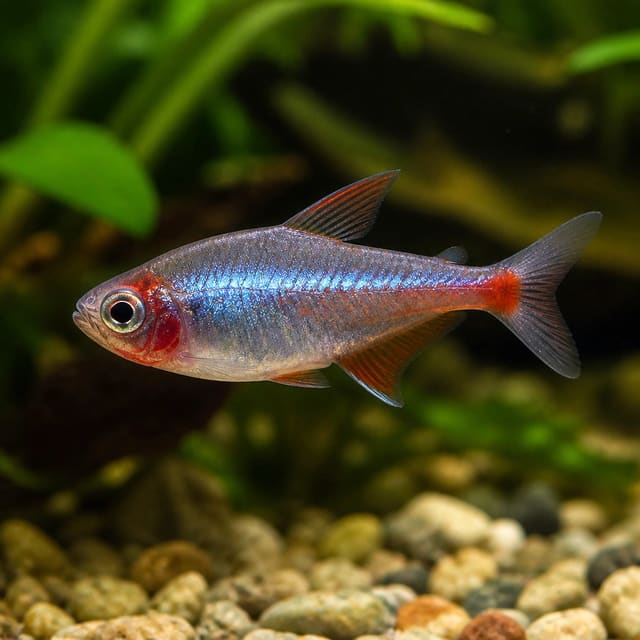
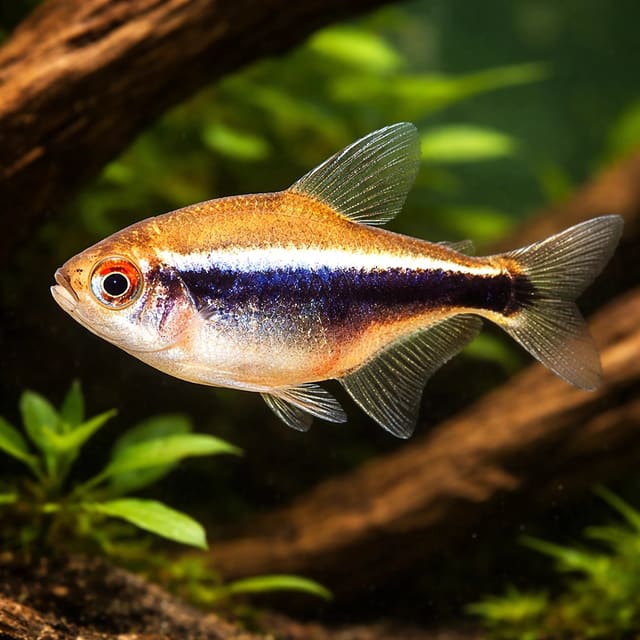
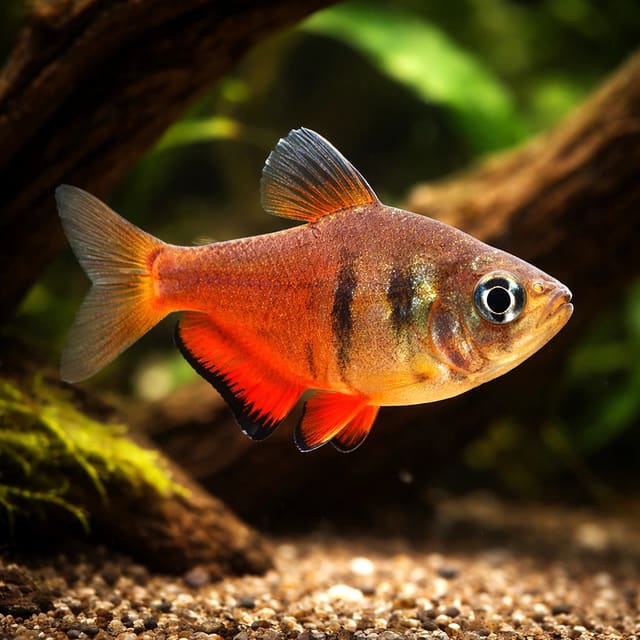
This species reaches about 4 cm and has the classic deep-bodied tetra shape, but with more elegant finnage than many common community species. The body is silvery pink to rosy red, especially in mature males kept in calm, planted conditions. A dark humeral spot behind the gill cover is a key marker and helps separate this fish from some true rosy tetra forms.

The dorsal fin is one of the main attractions: black with a pale or white tip, which is why some shops label it White Tip Tetra or describe it as a tetra with black and yellow fins even though the pale tip is usually white to cream rather than bright yellow. The anal fin often shows darker edging and red tones. This is part of the reason hobbyists comparing red phantom tetra and bentosi forms can get confused.

For keepers researching rosy tetra male vs female or tetra fish how to identify male and female, males are generally slimmer, more intensely coloured, and show longer dorsal and anal fins. Females are slightly rounder, especially when carrying eggs. In settled groups, males also posture more often, displaying to rivals and potential mates. If you have seen searches like red minor tetra male female or phantom tetra mating, the same principle applies: males tend to be flashier and more finned.

Customers often ask what tetras nip fins because ornate tetras look fancy enough to attract trouble. The good news is that they are not usually serious fin nippers themselves, though they should not be mixed with notorious nippy species. Our photos show the best colour and finnage achieved through stable warm water, dark décor, and a proper shoal size rather than isolated keeping.

What Fish Can Live With Rosy Tetras? Compatibility Guide

One of the biggest reasons this species stays popular is its flexible community potential. If you are asking rosy tetra aggressive or are tetra fish aggressive, the short answer is no in the right setup. They are peaceful, social, and best kept in groups. Minor sparring between males is normal display behaviour, not true fighting. This makes them excellent community fish UK aquarists can use in planted tropical tanks.

Ideal Tank Mates

The best rosy tetra tank mates are similarly sized, peaceful fish that enjoy warm, clean water. Good options include Corydoras, small rasboras, calm other tetras, pencilfish, and peaceful dwarf cichlids in larger aquariums. If you are wondering what tetras can live together, ornate tetras can be combined with other non-aggressive characins provided the tank is spacious and the species have similar temperature and pH needs. They can also work in mixed shoals visually, though what tetras will school together is a different question: most tetra species shoal near each other but still prefer their own kind for true schooling.

Because they are gentle, they are not suitable companions for robust African cichlids such as the Kiriza Yellow Cichlid or Orange I Blunthead Cichlid - Tropheus. Nor should they be housed with predatory or territorial fish like the Thorichthys Maculipinnis - Elliot's Cichlid. Even attractive but more assertive fish can overwhelm a small tetra shoal.

Species to Avoid

Avoid large cichlids, boisterous barbs, and confirmed fin nippers. If you are asking what tetras are aggressive, think of species with stronger reputations for chasing or nipping, especially in undersized groups. Also avoid mixing them with fish that need hard alkaline water. This is why they are not suitable with Malawi species, despite how striking a contrast they would make next to fish like the Yellow Elongatus Cichlid.

Community Tank Stocking Examples

In a 60 litre aquarium, a good starting plan is 8 Rosy/Ornate Tetras with a small group of pygmy Corydoras. In 90 litres, you could keep 10-12 ornate tetras with 8 Corydoras and a small top-dwelling species. For aquarists searching best schooling fish for 60 litre tank, this species is a strong choice because it stays small but still shows real shoaling behaviour.

Compatibility with Invertebrates

Many people ask what tetras can live with shrimp. Adult shrimp may be left alone in a dense planted tank, but shrimplets can be eaten. Snails are usually safe. Another common search is what tetras can live with bettas; while it can work in some larger planted tanks, it depends heavily on the betta's temperament and the tetra group's size. A confident shoal is less likely to be singled out, but I would still call it a cautious pairing rather than a guaranteed one. The question rosy tetra with angelfish comes up too; this may work only when angelfish are young and the tank is large, but adults can prey on small tetras.

Species Compatible? Notes
X Diamond Rosy Barbs - Pethia ⚠️ Caution Possible in larger peaceful tanks, but barbs are more active and may outcompete them.
Corydoras ✅ Yes Excellent bottom-dwelling companions with similar water needs.
Rocio octofasciata "Blue Jack Dempsey" ❌ Avoid Too large, too assertive, and likely to stress or eat small tetras.

If you ever wonder why are my ember tetras not schooling, the answer usually applies here too: the group is too small, the tank is too bright, or they do not feel secure. Keep at least 6, preferably more, and provide cover. That is also the key to strong ornate tetra schooling behaviour.

💡 Compatibility Tip

Always quarantine new arrivals for 2-4 weeks before adding them to a tetra community. Small characins can carry parasites without obvious symptoms, and introducing one stressed fish can unsettle a whole shoal.

How to Breed Rosy Tetras: Complete Breeding Guide

Rosy tetra breeding and ornate tetra breeding are both very achievable for aquarists willing to set up a separate spawning tank. This is not the absolute easiest tetra to breed, but it is far from impossible. In hobby terms, tetra fish breeding is moderate here: the adults will often condition readily, but egg protection and fry raising need attention.

Breeding Setup

Use a 20-30 litre breeding tank with soft, slightly acidic water, dim light, and either fine-leaved plants or a spawning mop. A sponge filter is ideal. If you are researching tetra fish how to breed or tetra fish how to identify male and female, start by selecting a well-coloured male with extended fins and a fuller female. Condition them heavily on live and frozen foods for 1-2 weeks. Searches like ember tetra breeding conditions, ember tetra how to breed, and ember tetra requirements point to the same core method used for many egg-scattering tetras.

Spawning Behaviour

The male will intensify in colour and display around the female, often flaring fins and circling through plants. This resembles the display people describe when discussing ember tetra breeding behavior or phantom tetra mating. Spawning usually happens at first light, with eggs scattered among leaves or moss. If you are asking when do tetra fish lay eggs, when do tetras lay eggs, or when do tetras breed, the answer is usually after conditioning, a water change, and stable warm conditions.

Egg Care & Hatching

Remove the adults after spawning because they may eat the eggs. Keep the tank dim; eggs and fry are light-sensitive. Depending on temperature, eggs usually hatch in about 24-36 hours, and fry become free-swimming a few days later. This timing is similar to many small characins, which is why searches like when do ember tetras lay eggs and when do ember tetras breed are so common.

Fry Care & Growth

Start with infusoria or liquid fry food, then move to newly hatched brine shrimp and powdered fry diets. Tiny water changes are essential. Once the fry are large enough, they can graduate to crushed flake and micro foods.

Common Breeding Challenges

The main problems are fungus on eggs, adults eating the spawn, and fry losses from overfeeding. If you are asking what tetras are easy to breed, this species is easier than some delicate blackwater tetras but not as effortless as livebearers. Keep the water clean, the light low, and the first foods tiny.

Advanced Breeding Tip

For stronger hatch rates, condition males and females separately for a week, then introduce them to the spawning tank in the evening. A slight temperature rise and a small cool water change in the morning can trigger spawning activity.

Rosy Tetra vs Similar Species: Which Should You Choose?

Confusion around this fish is common, so comparison matters. Many keepers search rosy tetra vs candy cane tetra, rosy tetra vs serpae tetra, and ornate tetra vs phantom tetra because shop labels are not always consistent. The fish offered here is the ornate or bentosi type, valued for its white-tipped dorsal fin, dark shoulder mark, and calmer community behaviour.

Feature Rosy/Ornate Tetra Serpae Tetra
Max Size 4 cm 4-5 cm
Care Level Easy Easy
Temperature 23-28°C 24-28°C
Price £15.48 Varies
Best For Peaceful planted community tanks More robust tetra groups in larger shoals
Feature Rosy/Ornate Tetra Red Phantom Tetra
Body Marking Dark shoulder spot, white-tipped dorsal Darker body patch, subtler fin contrast
Temperament Peaceful Peaceful
Visual Style Rosy body with ornate finnage More smoky red, phantom-like profile
Best Tank Style Planted display with open midwater Blackwater or shaded planted tank
Best For Keepers wanting a brighter, more decorative tetra Keepers wanting subtler colour and contrast

If you prefer a softer, more elegant fish for a peaceful community, choose this species over serpae tetras, which can be more nippy. If you like the phantom look but want a brighter pink-red body and stronger dorsal contrast, this fish is an excellent middle ground. People also searching for sky blue tetra, roberti tetra, columbian blue flame tetra, or hyphessobrycon roseus are often comparing colour style rather than care needs. For a classic South American planted tank, bentosi remains one of the most balanced choices.

Common Health Problems in Rosy Tetras & How to Prevent Them

Healthy Rosy Tetras are alert, evenly coloured, and active in the middle water. They should feed eagerly, hold fins open, and remain with the group. If fish isolate themselves, clamp fins, breathe rapidly, or lose colour, investigate quickly. Many common issues in this species are stress-related and start with poor water quality or sudden temperature swings.

Signs of a Healthy Fish

Look for clear eyes, smooth scales, intact fins, and a stable swimming posture. Searches such as bleeding heart tetra swimming sideways usually point to severe stress, swim bladder issues, or neurological damage in tetra species generally. A healthy ornate tetra should not list, roll, or struggle to maintain position.

Common Diseases & Symptoms

The most common problems are ich and secondary bacterial infections. If you are researching ember tetra ich, ember tetra white spot, neon tetras have white spots, tetra fish has white spots, or tetra fish white spots, the same warning signs apply here: small salt-like dots, flashing, clamped fins, and rubbing on décor. Other broad searches like ember tetra disease, bleeding heart tetra disease, and tetra fish diseases usually come back to quarantine failures, poor water quality, or stress after transport.

Treatment Options

Start with testing water, increasing aeration, and moving affected fish to a hospital tank if needed. Use an appropriate tetra fish medicine for the diagnosed problem, and always follow the manufacturer's dosage. Do not medicate blindly. White spot can often be treated effectively when caught early, but advanced cases in a stressed shoal spread quickly.

Prevention Tips

Prevention is far easier than cure. Keep the aquarium mature, avoid overstocking, feed a varied diet, and maintain stable heat. A lot of “mystery disease” in tetras is actually environmental decline. This is especially true in tanks where the filter is undersized or maintenance is irregular.

⚠️ Medication Warning

Never use copper-based medications in tanks containing shrimp or other sensitive invertebrates. Copper can be lethal to them even when it is tolerated by fish.

Quarantine Protocol

  • Use a separate bare-bottom tank for 2-4 weeks
  • Observe feeding response and swimming behaviour daily
  • Watch closely for white spot, fin damage, or rapid breathing
  • Test ammonia and nitrite regularly
  • Only add fish to the display tank once they are stable and symptom-free

Understanding Rosy Tetra Behavior in the Aquarium

Rosy Tetras are active but not frantic. They spend most of their time in the middle region, weaving in and out of plants, pausing under cover, and then moving together across open water. They are true social fish, and their confidence rises sharply with group size. A lone fish or pair will often hide and look washed out.

In a proper shoal, you will see gentle display behaviour between males, especially around feeding time or in the morning. This can include fin flaring, short chases, and side-on posturing. It looks dramatic but is usually harmless. If you are asking are ember tetras schooling fish or are ember tetras peaceful, the same broad answer applies here: small tetras are social, and they behave best in groups.

One of the most common behaviour questions is why are my ember tetras not schooling. With ornate tetras, the answer is usually one of four things: the group is too small, the tank is too bright, there is not enough cover, or the fish are already relaxed and loosely shoaling instead of tightly schooling. Tight schooling is often a response to uncertainty; relaxed fish spread out more.

Because they are calm, they are a strong choice for anyone seeking peaceful tropical fish UK displays with natural movement rather than aggression-driven activity.

Why Buy from Tropical Fish Co?

These Rosy Tetras are selected for active shoaling behaviour, clear finnage, and the distinctive bentosi pattern that makes this fish so attractive in planted aquariums. Because Hyphessobrycon bentosi is often confused in the trade, careful identification matters. This is especially important for hobbyists searching rosy tetra for sale UK, ornate tetra for sale UK, buy ornate tetra UK, or buy South American tetra UK who want the right fish rather than a vaguely similar tetra under a loose shop label.

Before dispatch, fish are observed for feeding response, body condition, and swimming stability. They are acclimated to aquarium life and checked for common transport-related stress issues so they arrive ready to settle into a mature tropical setup. For customers looking to buy fish online, buy tropical fish UK, or compare tropical fish for sale near me with specialist online stock, careful packing is just as important as the fish themselves. Orders are packed in insulated boxes, with heat packs in cold weather, and sent by tracked service to reduce transit stress.

If you have been comparing ornate tetra online UK, ornate tetra shop UK, ornate tetra price UK, buy bentos tetra UK, or rosy tetra for sale, this listing gives you a clearly identified group fish suited to planted community aquariums rather than a random mixed tetra selection. It is a smart choice for aquarists building a calm South American display and wanting a shoal that looks better with time, not worse.

Order your Rosy Tetras today with confidence if you want a peaceful, elegant tetra that rewards good care with stronger colour, tighter group behaviour, and excellent compatibility in the right community tank.

Why Choose Tropical Fish Co for Rosy Tetras

  • Correctly identified Hyphessobrycon bentosi-type fish, avoiding common trade confusion with other rosy and phantom tetras
  • Selected for active feeding response, intact fins, and suitability for planted community aquariums
  • Professionally packed for UK transit with insulated materials and seasonal heat protection

You Might Also Like

If you are building a peaceful tropical display, browse the wider tropical fish collection for compatible community species and contrasting centrepiece fish. For a more active barb companion in larger peaceful tanks, consider X Diamond Rosy Barbs - Pethia. If you are comparing very different stocking routes, the Aulonocara Sp Neon Red Calico Peacock and Red Head Severum Cichlid show how cichlid setups differ from tetra communities. For aquarists exploring bold show fish, the Blue Jack Dempsey is striking but not suitable with small tetras. You can also browse the main tropical fish for sale UK range for more community fish ideas and aquarium essentials.