
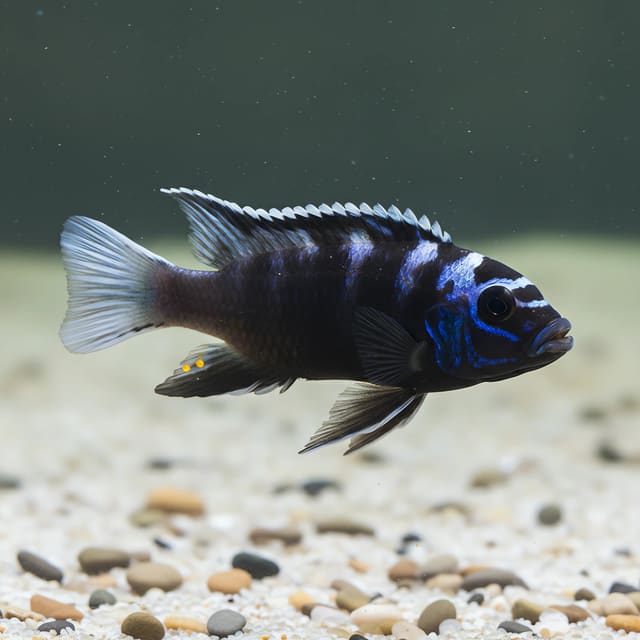
Moderate
Acei Cichlid (Pseudotropheus sp. “acei”)
24–26°C · pH 7.5–8.5 · 300L
£7.99

Red Fin Tropheops (Tropheops sp.) is a territorial Lake Malawi cichlid for experienced keepers who can provide hard, alkaline water, extensive rockwork, strong filtration and a carefully planned Malawi community.
Tropheops sp.
Save when buying multiple fish. Each quantity is one fish; sex and pair formation are not guaranteed unless the selected variant explicitly states them.
Red Fin Tropheops (Tropheops sp.) is a territorial Lake Malawi cichlid for experienced keepers who can provide hard, alkaline water, extensive rockwork, strong filtration and a carefully planned Malawi community.

Cichlids are a family of roughly 1,800 accepted species, not one care type. Before buying, identify the exact species and source, then compare adult measurement, usable tank dimensions, social system, territory, tested water, diet and an exit plan. No family-wide minimum tank, water range or tank-mate list is safe.
Maintain these water conditions for optimal health and vibrant colors
Red Fin Tropheops (Tropheops sp.) is a rock-oriented Lake Malawi cichlid sold as one live fish per purchase. Choose either the 4–5 cm or 6–7 cm dispatch grade when ordering. The size you select is the size supplied, not the adult size. Plan it for a purpose-built Malawi aquarium with stable hard alkaline water, abundant rockwork and companions chosen for a territorial environment.
The exact species has not been identified, so the care advice here follows the genus Tropheops and its care group. That distinction matters. A trade colour description and a genus name do not justify attaching the adult length, diet, locality or breeding behaviour of one particular species. The World Register of Marine Species recognises Tropheops as an accepted genus in the cichlid family Cichlidae; this page therefore uses the honest scientific label Tropheops sp.
| Identity | Red Fin Tropheops, Tropheops sp. |
|---|---|
| What one purchase supplies | One live fish in the chosen dispatch grade |
| Dispatch sizes | 4–5 cm or 6–7 cm |
| Suits | Experienced Lake Malawi keepers |
| Store care level | Advanced |
| Care basis | Genus identity plus broad OATA Malawi-cichlid guidance |
| Core planning issue | Territorial behaviour in a hard-water rockscape |
No adult-size number is assigned to this offer. The dispatch grades tell you the length of the animal sent, not how large every possible Tropheops species becomes. Aquarium capacity should therefore be chosen from conservative Malawi-community planning and the actual behaviour of the group, with room to adjust stocking as the fish mature.
The same restraint applies to sex. Colour, fin pattern and body size must not be turned into a male or female promise. Sex is guaranteed only when the selected option explicitly states male or female. This Red Fin Cichlid listing has no sex-guaranteed option. A buyer planning a female-biased Malawi group will need to manage uncertainty rather than assume the two size grades provide a particular sex ratio.
Lake Malawi cichlids need more than alkaline water. OATA describes the group as aggressive and recommends a sizeable community, strong filtration, active aeration and careful order of introduction. These requirements interact: a larger group can spread aggression, but it also increases waste and oxygen demand. Rockwork can divide territories, but unstable stone is hazardous and too little open route can trap a subordinate fish. Success comes from balancing the entire system.
The page therefore avoids a short list of supposedly safe companions. It gives decision rules: keep the water within broad Malawi guidance, use other Malawi cichlids or suitable Lake Malawi Synodontis, plan the whole group at once, monitor feeding and injuries, and maintain a realistic separation option.
Gallery images have been digitally enhanced to improve image quality. Natural colour, pattern, size and maturity can vary between live animals. Appearance alone cannot refine the genus-level identity. Browse the African cichlid collection to compare other offers, but treat each product as a separate care and compatibility decision.
Red Fin Tropheops belongs in a Lake Malawi plan, not a general tropical community. The OATA Malawi cichlid care sheet recommends at least 200 litres for a reasonable-sized community, while noting that specialist species may differ. Because this offer is identified to genus rather than species, 200 litres is broad community guidance rather than a product-specific minimum. Useful length, floor area, rock placement and filtration capacity matter alongside the nominal volume.
Start with a mature aquarium. If the system is new, use the store's first tropical tank guide to establish the nitrogen cycle before ordering livestock. A biological filter needs a stable colony of bacteria to turn ammonia into nitrite and then nitrate. Adding a large group quickly can overwhelm that capacity even if the water was clear beforehand.
OATA describes Malawi cichlids as fish that can be kept in groups of at least 15, with slight overstocking used to distribute aggression. Small groups often fight. This is group-level practice, not a fixed count for every aquarium or every Tropheops. Stocking must remain within the filter's ability, provide enough oxygen and allow every fish to feed. A numerical target is never a reason to crowd an immature or undersized system.
Use stable rock formations with caves, gaps and separate sheltered areas. Place heavy stone securely so digging cannot undermine it; do not balance pieces where one movement could cause a collapse. Leave clear routes between structures and enough open water for fish to turn. The aim is to create several defensible areas without allowing one fish to control every feeding point or trap another against glass.
OATA recommends coral sand or a similar substrate that helps buffer Malawi water. Cichlids in this group often dig and rearrange the substrate and will uproot plants. Any greenery should therefore be robust and attached or protected rather than relied on as the only shelter. Check beneath and around rocks during maintenance for trapped waste, while keeping the main structure safe and stable.
When a territory has formed, observe how it affects the whole layout. A cave that looks generous may have only one exit; a narrow route may become a point that a dominant fish can guard. Multiple routes and distributed feeding areas make behaviour easier to manage. Keep a separate mature enclosure available, because rockwork can lower risk but cannot guarantee harmony.
OATA's broad Malawi-cichlid guidance is 23–27°C, pH 8.0–8.6, general hardness 12–18 dGH and carbonate hardness 10–15 dKH. Ammonia and nitrite should be 0 mg/l, while nitrate should not exceed 20 mg/l above the normal tap-water level. These figures describe the care group and are not a species-specific optimum for the unidentified Red Fin Tropheops.
| Temperature | 23–27°C, broad Malawi group guidance |
|---|---|
| pH | 8.0–8.6, broad Malawi group guidance |
| General hardness | 12–18 dGH |
| Carbonate hardness | 10–15 dKH |
| Ammonia and nitrite | 0 mg/l |
| Nitrate | No more than 20 mg/l above the normal tap-water level |
Measure before adjusting. The store's aquarium water guide explains how pH, hardness and nitrogen readings relate to one another, while the water matcher helps compare actual readings with the scoped range. If the source water differs greatly, decide how to create a stable routine before the fish arrives; repeated abrupt correction is less useful than consistent preparation.
Carbonate hardness helps resist sudden pH movement, but buffering materials are not a substitute for testing. Check both tank and replacement water so maintenance does not create a sharp change. Use an accurate thermometer and keep the heater protected from rock movement. Record results over time, because a trend can reveal a problem before one isolated reading does.
OATA recommends an oversized filter and aggressive aeration for Malawi cichlid communities. The combination is important: higher stocking produces more waste, and active fish plus biological filtration consume oxygen. Arrange outlets to disturb the surface and circulate water around rockwork without turning the aquarium into one forceful jet.
The RSPCA fish-environment guidance explains why a working biological filter is essential. Fish release toxic ammonia; beneficial bacteria convert it first to toxic nitrite and then to safer nitrate. Protect that bacterial community. Never switch off filtration for long periods, allow media to dry or wash biological media under the tap.
Check inlets for leaves, sand and trapped debris. Flow that weakens unexpectedly can reduce both waste removal and oxygen exchange. Use pre-filter protection where it does not starve the pump, and inspect it frequently in a digging-fish aquarium. Ensure all electrical equipment is properly rated and arranged so maintenance can be performed safely.
OATA strongly recommends a partial water change of 25% at least once every week. Siphon accessible waste from the substrate and behind rockwork. Treat replacement water with conditioner to remove chlorine or chloramine before adding it. Keep its temperature and chemistry reasonably close to the aquarium to prevent an avoidable swing.
When filter media needs cleaning, rinse it lightly in water removed from the aquarium. Do not run it under the tap, because chlorine or chloramine may kill beneficial bacteria. Avoid cleaning every biological component on the same day. Recheck ammonia and nitrite after major maintenance, a power interruption or a noticeable change in flow.
Malawi-community advice can sound contradictory: use a sizeable group to spread aggression, yet avoid overloading the aquarium. Both points matter. Begin with the mature filter's capacity, oxygen exchange and usable swimming space. Then choose a group plan that distributes territorial attention without relying on poor water quality or constant stress. A head count cannot compensate for a filter that is still cycling, weak aeration or an aquarium whose rockwork leaves only one usable territory.
Observe whether every fish reaches food and whether waste accumulates faster than the maintenance routine can remove it. If nitrate rises rapidly, flow weakens or fish gather where oxygen is highest, review stocking and equipment instead of assuming those signs are normal for a busy Malawi tank. The right community is one the keeper can maintain consistently through weekly work, equipment servicing and temporary disruptions.
Plan resilience. A power interruption, blocked intake or heater failure affects a densely stocked aquarium quickly. Check equipment daily and keep the water surface moving. Know how fish will be housed if one becomes injured or exceptionally aggressive. A mature separate enclosure is more reliable than trying to improvise after the problem starts.
Consistency begins with the source water. Test tap water periodically, because its hardness and nitrate can change. Prepare replacement water in the same way each week, use the same reliable conditioner and measure temperature before it enters the aquarium. If buffering material is part of the plan, monitor its effect rather than adding an unmeasured amount whenever pH looks different.
Keep a written record of pH, general hardness, carbonate hardness, ammonia, nitrite and nitrate. Add notes about water changes, filter cleaning, new fish and unusual behaviour. Patterns become visible when chemistry and husbandry are recorded together. This is more useful than reacting to one number without checking what changed in the system.
When a correction is required, protect the fish from abrupt change. Confirm the reading, compare tank and source water, and adjust the routine in controlled steps. The objective is stable hard alkaline water inside the broad Malawi range, supported by a filter and maintenance schedule that can handle the real community.
For the first days, note where the new fish rests, whether it reaches more than one feeding point and how established residents respond. Repeat those observations at different times rather than judging the introduction from one chase. The important warning signs are persistent exclusion, fresh damage, rapid breathing, loss of appetite or a fish that never leaves one refuge.
Test ammonia and nitrite more frequently when the group changes. A mature filter must adjust to extra waste, and increased feeding can expose a capacity problem quickly. Keep portions controlled and remove leftovers. If a reading moves away from zero, act on water quality and filter function before treating altered behaviour as purely social.
Once a stable pattern is clear, keep notes with the water record. This gives the keeper a practical comparison point if colour, appetite or activity changes later. It also shows whether a layout adjustment genuinely improves access to food and shelter or simply moves the conflict elsewhere.
OATA stresses that Malawi-cichlid diets vary. Smaller mbuna are more herbivorous and appreciate specialist Malawi feeds with a high algae content and fresh vegetables, while other members of the wider group can be more predatory. For a Red Fin Tropheops, begin with a reputable Malawi or mbuna staple rich in algae, add suitable fresh vegetable matter, and judge the ration by body condition, waste and how completely the group eats.
Feed only what the fish consume within a few minutes, twice a day, following OATA's group routine. Remove leftovers rather than letting them decay in rock crevices. Overfeeding produces excess faeces and uneaten material, which increases the demand on the filter and can undermine water quality. Several small feeding points are more useful than one dense pile guarded by a dominant fish.
Watch the entire group. The boldest fish may eat both portions while a quieter animal receives little. Spread food across the surface or along the rockwork in a way that allows multiple fish to feed at once. Change foods gradually, and avoid treating colour enhancement as more important than digestive condition and clean water.
Look for clear eyes, intact scales and fins, controlled swimming and a consistent interest in food. OATA advises noticing unusual surface hanging, bottom sitting, erratic movement, altered colour, greater hiding, faster or slower gill movement, white spots, fluffy growths, loss of fins or scales, changes in body condition and reduced feeding. These signs do not diagnose one condition, but they do justify immediate water tests and closer inspection.
A Malawi aquarium also needs social observation. Repeated chasing, a fish pinned behind equipment, exclusion from food or fresh fin injury is more serious than occasional display. Move the targeted or dominant fish to prepared alternative housing when pressure persists. Do not add medication merely because aggression or poor water has made a fish look unwell; establish the cause and seek qualified aquatic-health advice.
Review the current delivery and Live Arrival Guarantee page before dispatch. Someone needs to be at the address for the live-fish parcel. The store hand-bags fish in oxygen, uses an insulated poly box and adds a heat pack when weather calls for it. Tracking and the confirmed delivery date are sent by email.
Observe breathing and balance immediately, then watch how established fish react. Feeding can wait until the newcomer has settled; the first priority is safe orientation and freedom from relentless attack. Avoid rearranging several systems or adding multiple unrelated fish at the same moment, because that makes water and behaviour problems harder to interpret.
OATA advises keeping Malawi cichlids with other Malawi cichlids or with some species of Synodontis catfish that also occur in Lake Malawi. That rule is narrower and safer than choosing fish merely because they look robust. Red Fin Tropheops needs companions that share hard alkaline water and can function in an assertive rock-dwelling community.
There is no promise that every Malawi cichlid will get along. Compare activity, adult planning needs, feeding strategy and likely territory before purchase. More peaceful species should be introduced before more aggressive ones. Adding a highly territorial fish last does not guarantee success, but it avoids asking a quiet newcomer to enter a fully defended aquarium.
| Potentially suitable | Carefully chosen Lake Malawi cichlids and some Lake Malawi Synodontis |
|---|---|
| Needs caution | Any animal that competes for the same cave, feeding point or defended rock face |
| Avoid | Peaceful general-community fish and soft-water livestock |
| Essential backup | A mature alternative enclosure for persistent aggression |
Broad OATA guidance uses groups of at least 15 and notes that slightly crowded Malawi communities can distribute aggression. The same care sheet also recommends more females than males where possible. This product does not sell a sexed ratio, so neither colour nor dispatch grade can fill that planning gap. Choose the overall community with enough flexibility to rehome or separate fish as their behaviour becomes clear.
A higher head count requires stronger filtration and aeration, more reliable maintenance and close feeding observation. If the aquarium cannot meet those demands, reducing the number is not solved by keeping a tiny fighting group. Reconsider the entire plan: aquarium size, species mix, territories and whether this fish belongs in that system.
Provide multiple caves, ledges and routes around the rockwork. Break up direct views from one end of the aquarium to the other. OATA notes that rearranging décor can reduce aggression as fish find new territories. Do this carefully, keeping heavy stone secure and checking that no fish is trapped while the layout changes.
Observe more than chasing. A subordinate fish may survive repeated pursuit yet lose feeding access and condition. Look for torn fins, clamped posture, unusually dark or pale colour, constant hiding and rapid breathing. Intervene before injury becomes severe. A dominant fish repeatedly reclaiming the entire aquarium is not a minor display problem.
Related products shown by the shop are alternatives for comparison. Their presence does not mean they are safe tank mates for this fish. Use each alternative's identity, water and temperament guidance before deciding whether it belongs in the same aquarium.
Tropheops is the accepted genus, while the exact species attached to this trade fish has not been resolved. The genus-level name keeps the offer honest and means care is framed from broad Malawi-cichlid guidance rather than borrowing a precise adult size or species claim.
Use a mature hard-water Malawi setup with extensive stable rockwork, caves, open routes, strong filtration and active aeration. OATA gives at least 200 litres for a reasonable Malawi-cichlid community as broad group planning, not an exact minimum for this unidentified Tropheops.
OATA's broad Malawi group guidance uses groups of at least 15 because small groups often fight, with more females than males where possible. Apply that only as community-level planning: this unsexed offer does not guarantee a male-to-female ratio, and the final count must fit the aquarium and filtration.
The store assessment is advanced. Hard alkaline water, territorial behaviour, high fish load, rockwork security and the need to monitor every introduction make it better for a keeper already confident with mature biological filtration and Malawi-community management.
OATA says the smaller mbuna are more herbivorous and benefit from specialist Malawi food with a high algae content plus fresh vegetables. Use modest portions eaten within a few minutes twice daily, remove leftovers and adjust the menu to body condition because Malawi-cichlid diets vary.
OATA's broad Malawi group guidance is 23–27°C, pH 8.0–8.6, 12–18 dGH and 10–15 dKH. Keep those values stable and test the source water before making changes; they are care-group values rather than a species-specific optimum for this Tropheops offer.
Malawi cichlids are territorial and OATA describes the group as aggressive, so chasing and fin damage are genuine risks. Rockwork and group planning can spread pressure, but persistent hiding, loss of food or injury means the fish need separation rather than more time to fight it out.
OATA advises Malawi cichlids with other Malawi cichlids or some Synodontis catfish that naturally occur in Lake Malawi. Choose robust animals sharing the same hard alkaline water, add more peaceful species first and avoid turning the related-products list into an automatic tank-mate list.
Tropical Fish Co packs live fish in oxygenated bags inside an insulated box, with a heat pack when conditions call for it, and sends them by a licensed live-animal courier. Record one continuous video from the sealed parcel to the fish still in its sealed bag, then float the bag for 20–30 minutes before release. Contact the team that day with the order number and video if a Live Arrival Guarantee claim is needed.
The care-group figures are deliberately labelled as broad. The page does not turn a similarly named species profile into proof about this genus-level offer, and the dispatch sizes are not presented as adult-length records.
Always research specific species before adding them to your tank. Consider:
No reviews for this item yet. Bought one? Honest reviews only, good or bad.
What customers say about ordering from us
I have a small group of long finned mountain minnows. So was delighted to be able to order ten of this variety to increase the genetics in my tank . The ones I recieved are healthy but it’s to early to give a verdict on wether they are of a long finned type since they are small currently.
Gordon Walker · 23 Sept 2026
100% success travel and "installation". Pleased with quality of purchase. The Siamese fighter a bit "shy" so have not yet seen him at his best yet but looking good. Happy customer. GG
George E Garratt · 21 Sept 2026
Reviews of our shop, collected by Judge.me, an independent third-party review collector. Newest first.
24–26°C · pH 7.5–8.5 · 300L
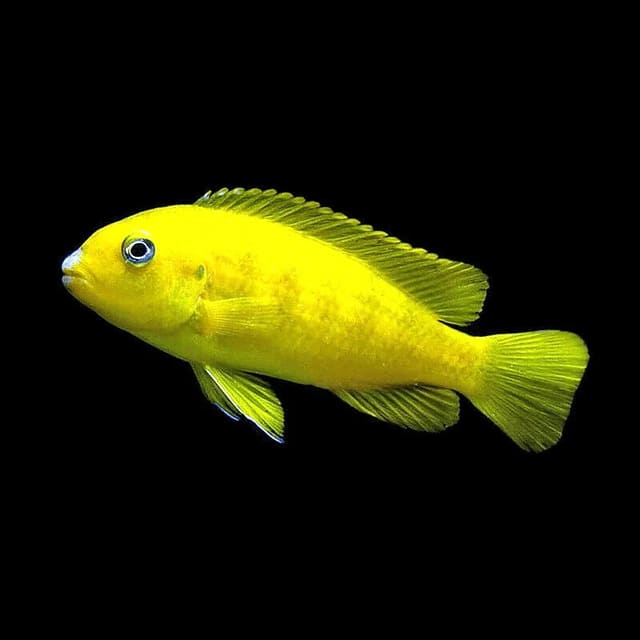
23–27°C · pH 8–8.4
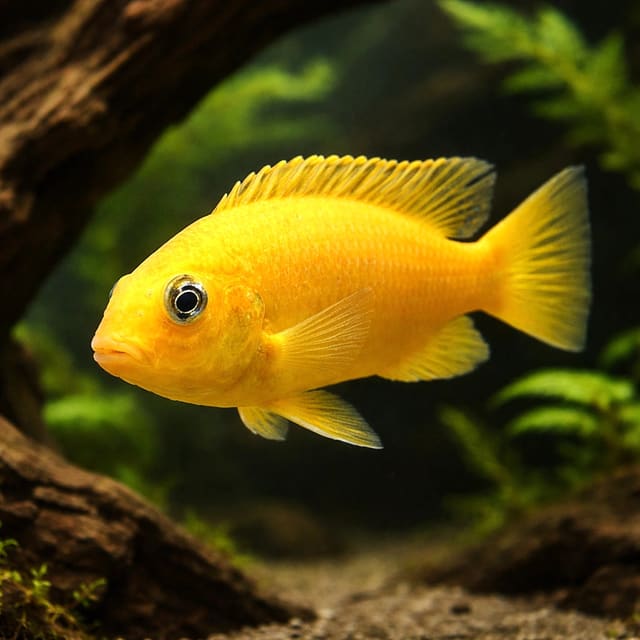
24–26°C · pH 7.5–8.5 · 400L
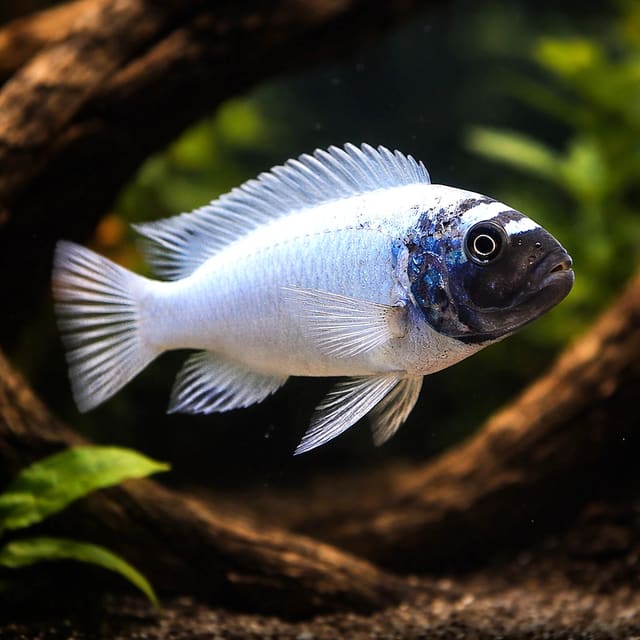
23–27°C · pH 8–8.6
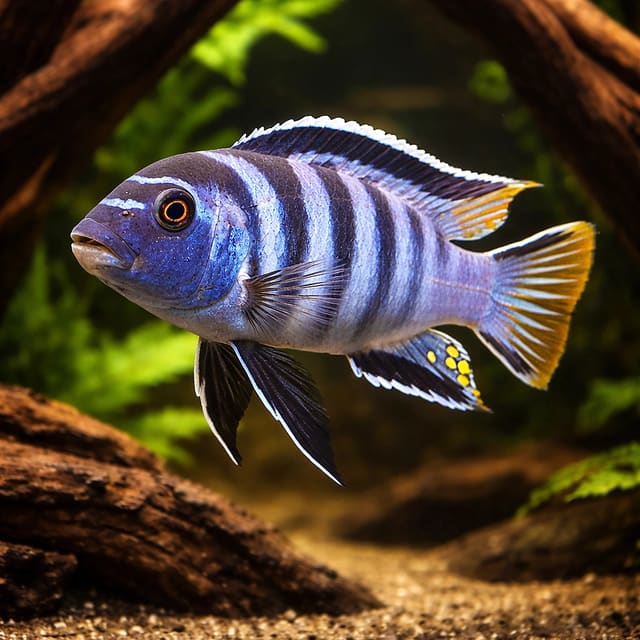
24–27°C · pH 8–8.6 · 137L
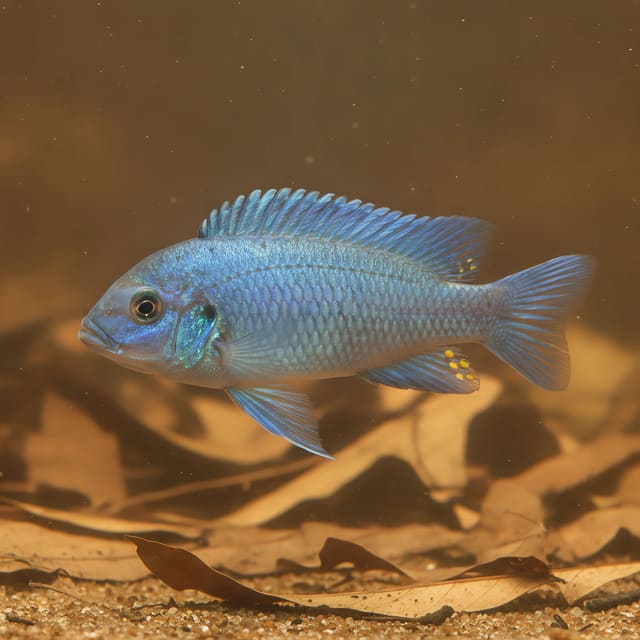
22–28°C · pH 7.6–8.6 · 205L
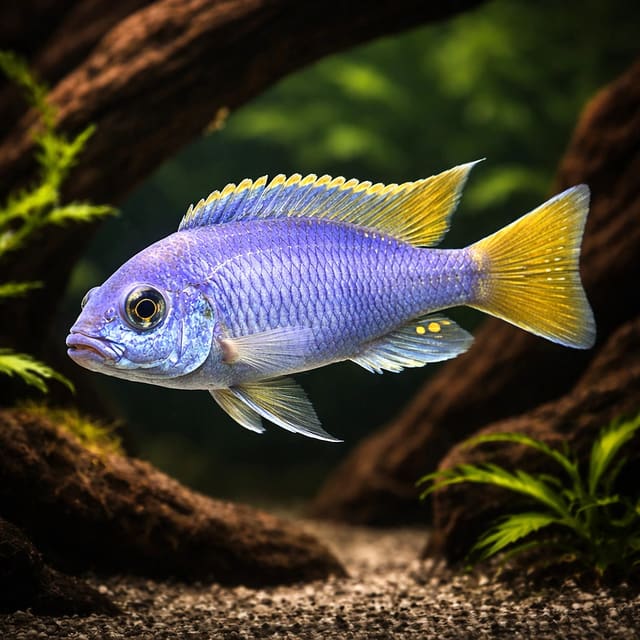
23–27°C · pH 8–8.6
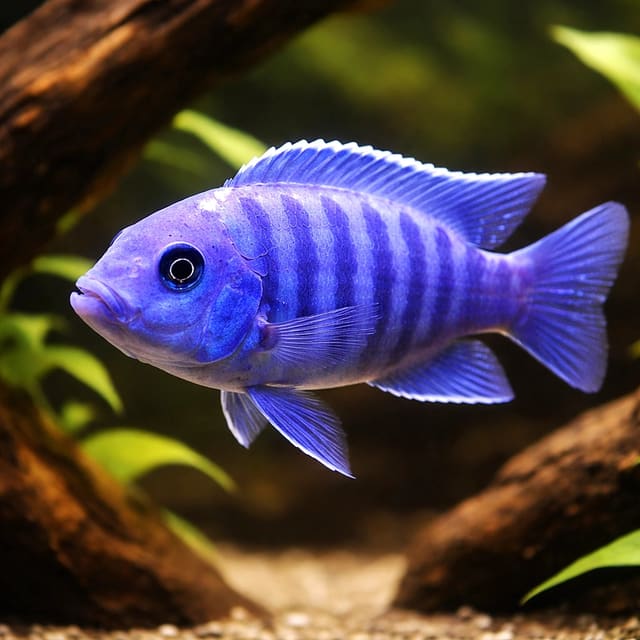
22–28°C · pH 7.5–8.5
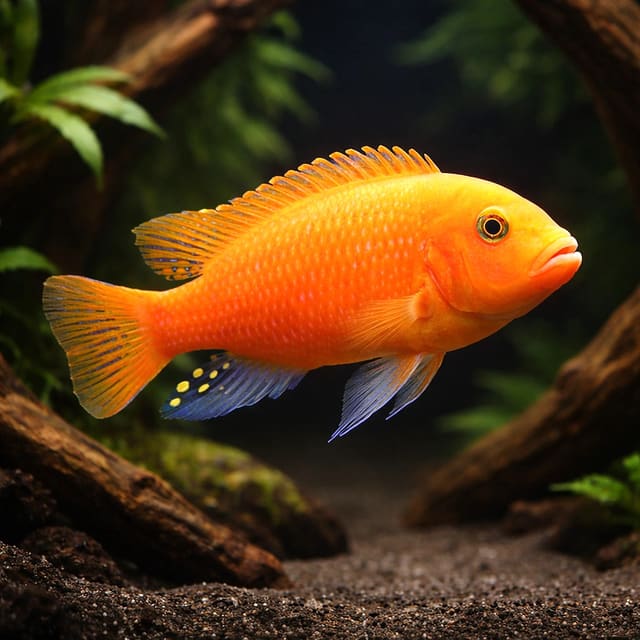
24–28°C · pH 7.5–8.5 · 200L
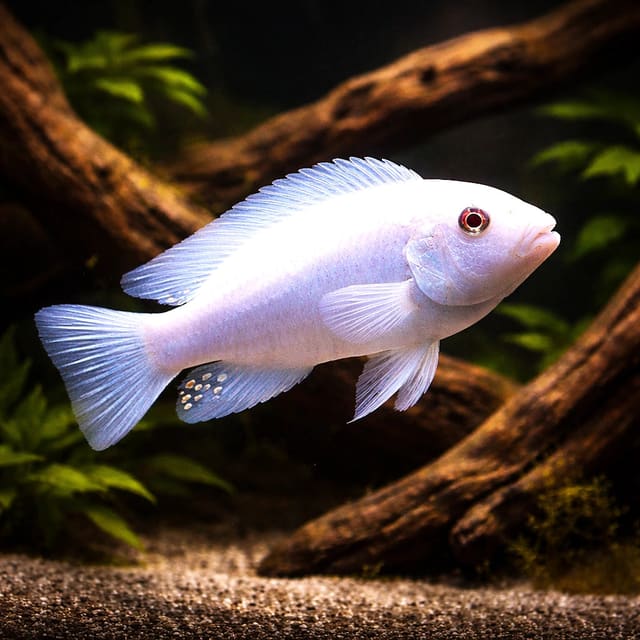
24–28°C · pH 7.6–8.8
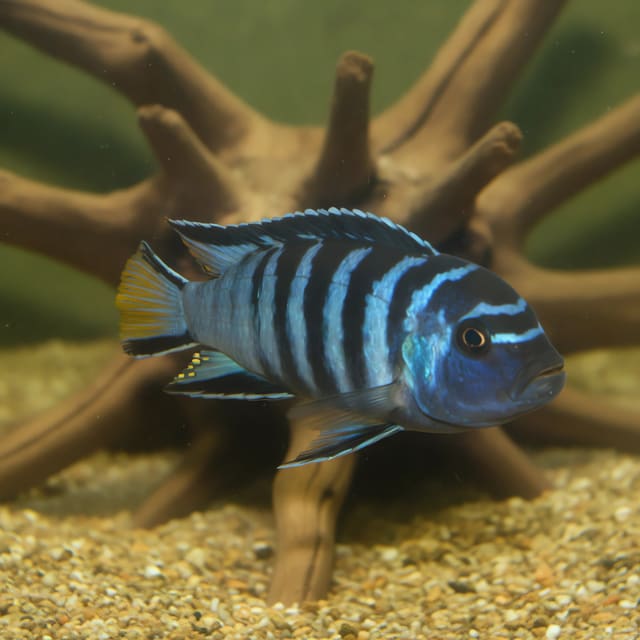
24–28°C · pH 7.6–8.8 · 137L
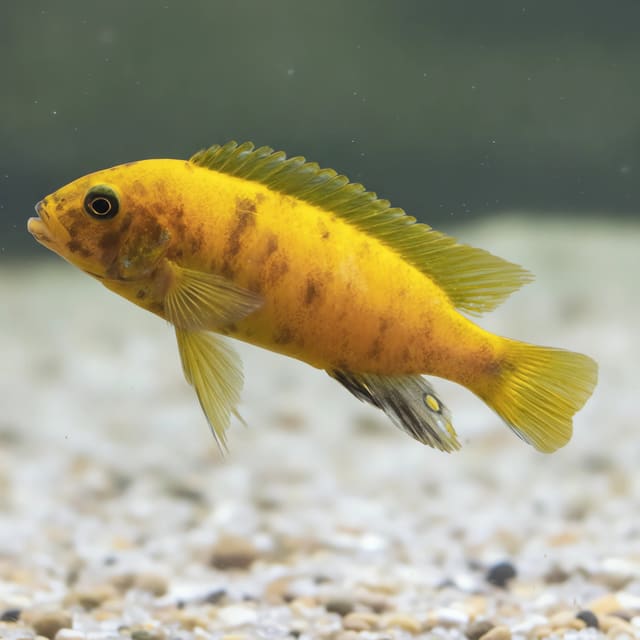
24–26°C · pH 7.6–8.6 · 400L
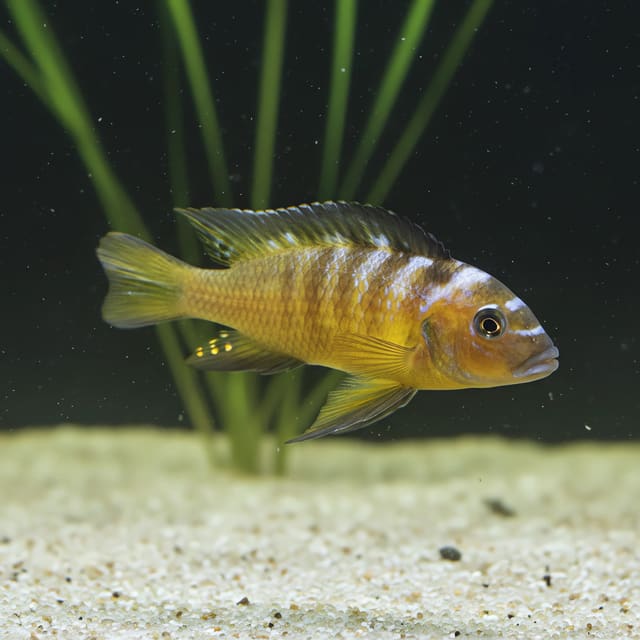
24–27°C · pH 8–8.6 · 137L
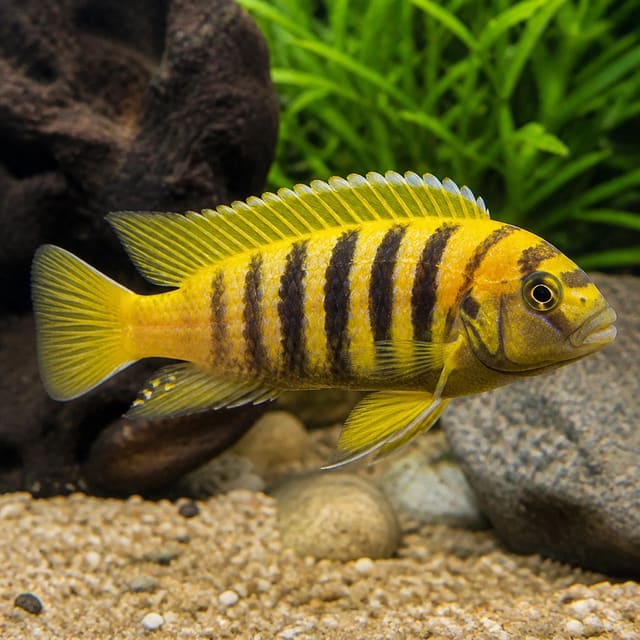
22–28°C · pH 7.6–8.6 · 205L
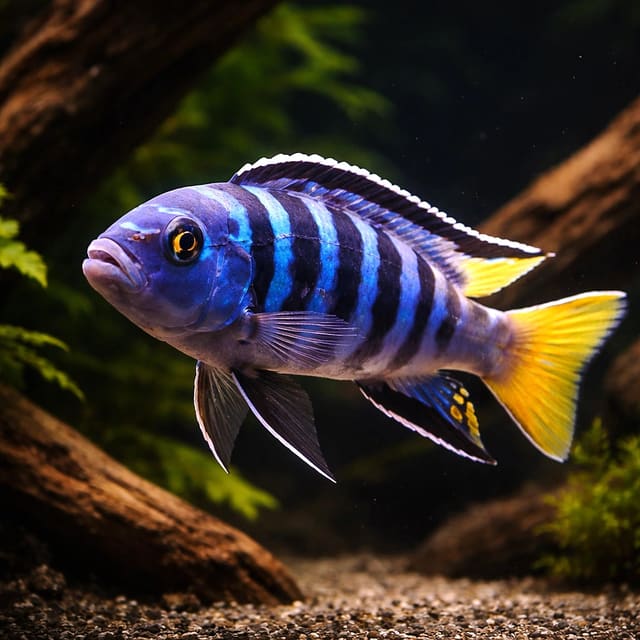
24–28°C · pH 7.6–8.8 · 137L
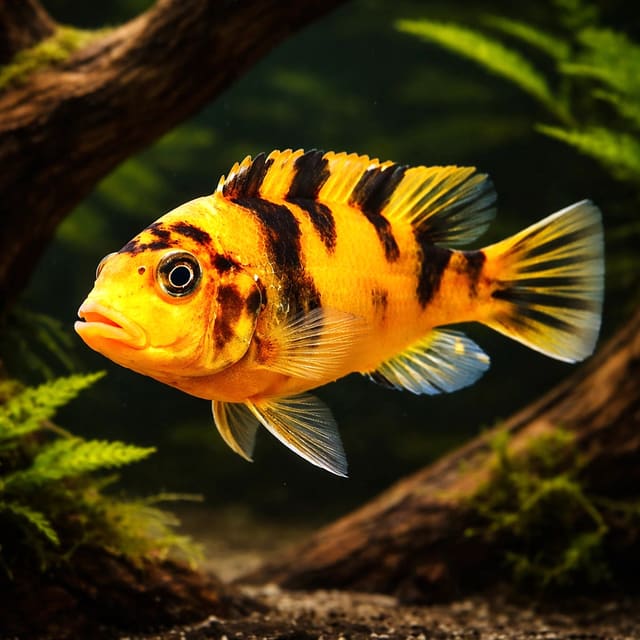
23–27°C · pH 8–8 · 205L

22–28°C · pH 7–8 · 41L

21–25°C · pH 5–7
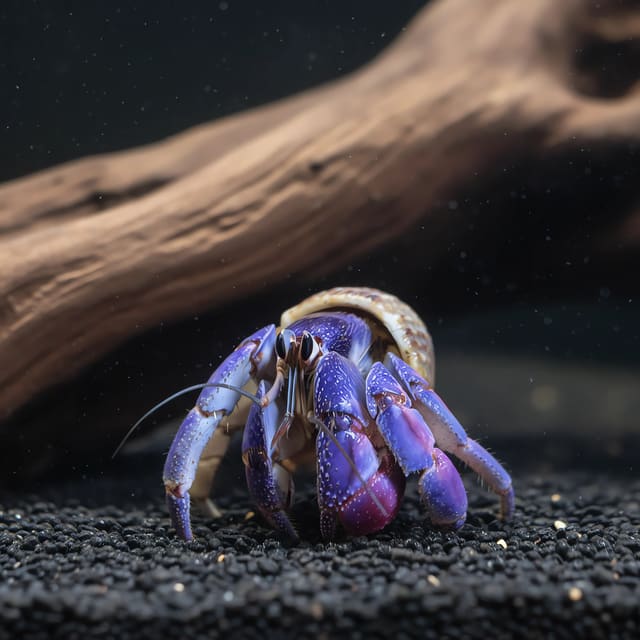
24–29°C

24–27°C · pH 6.5–6.5

22–27°C · pH 6–8 · 72L
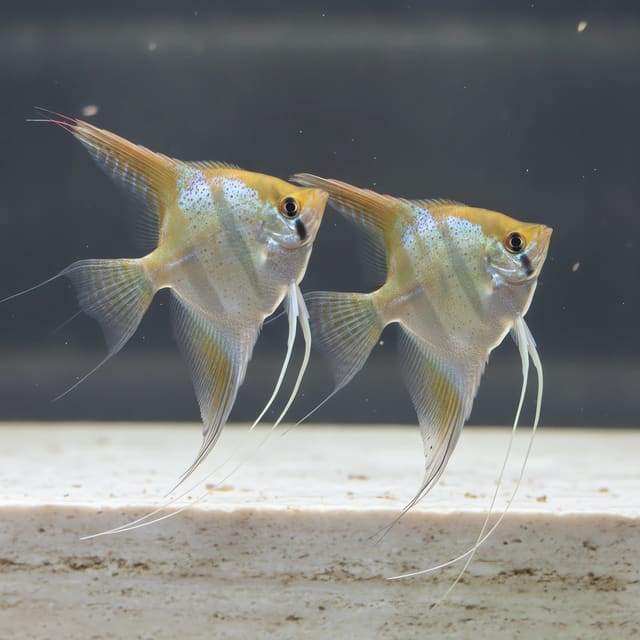
24–27°C · pH 6.5–8 · 200L

23–27°C · pH 5.5–7 · 60L

22–27°C · pH 6–8