
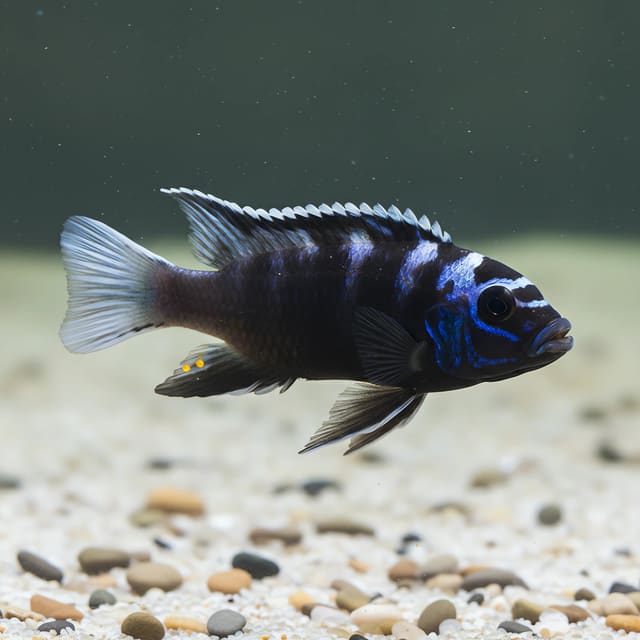
Moderate
Acei Cichlid (Pseudotropheus sp. “acei”)
24–26°C · pH 7.5–8.5 · 300L
£7.99

The Snow White Cichlid (Albino Pindani) is the albino aquarium form of Chindongo socolofi, a territorial Lake Malawi mbuna. One purchase supplies one fish in the selected dispatch grade; plan around a 90 × 45 cm aquarium base, 24–28°C hard alkaline water, rock caves and a vegetable-led diet.
Adult size is the maximum length this species reaches at full maturity (scientific sources). The livestock you receive will be younger and smaller — pick a size variant above for the actual shipping size. Product-photo provenance and any image-specific limitations are stated on the listing.
Chindongo socolofi
Save when buying multiple fish. Each quantity is one fish; sex and pair formation are not guaranteed unless the selected variant explicitly states them.
The Snow White Cichlid (Albino Pindani) is the albino aquarium form of Chindongo socolofi, a territorial Lake Malawi mbuna. One purchase supplies one fish in the selected dispatch grade; plan around a 90 × 45 cm aquarium base, 24–28°C hard alkaline water, rock caves and a vegetable-led diet.
Adult size is the maximum length this species reaches at full maturity (scientific sources). The livestock you receive will be younger and smaller — pick a size variant above for the actual shipping size. Product-photo provenance and any image-specific limitations are stated on the listing.
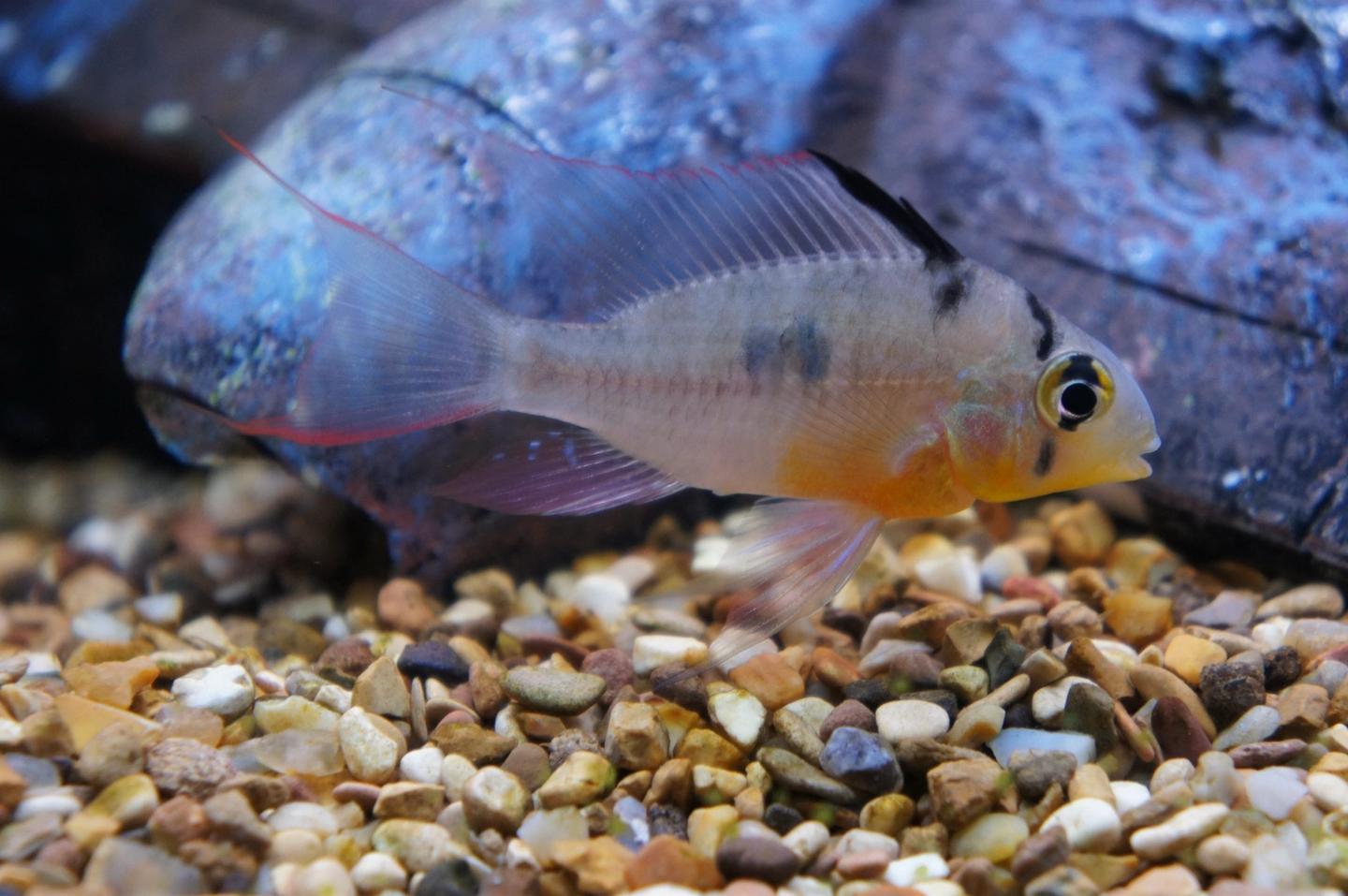
Cichlids are a family of roughly 1,800 accepted species, not one care type. Before buying, identify the exact species and source, then compare adult measurement, usable tank dimensions, social system, territory, tested water, diet and an exit plan. No family-wide minimum tank, water range or tank-mate list is safe.
Maintain these water conditions for optimal health and vibrant colors
Snow White Cichlid and Albino Pindani are trade names for the albino aquarium form of Chindongo socolofi. The older scientific name Pseudotropheus socolofi remains familiar in the hobby, while FishBase identifies the accepted name as Chindongo socolofi. Pindani and Eduard’s mbuna are other established common names for this Lake Malawi fish.
This is a rock-dwelling mbuna rather than a gentle community-fish centrepiece. It suits a keeper prepared to provide hard, alkaline water, a mature biological filter, substantial rockwork and a stocking plan built around territorial cichlid behaviour. The species is described as less aggressive than some mbuna, but it remains unsuitable for a general community aquarium.
You can compare it with other fish in our African cichlid collection, but shared collection placement is not a compatibility guarantee. Screen every proposed combination for water requirements, adult dimensions, temperament and the number of territories the aquarium can support.
Some gallery images have been digitally enhanced to improve image quality. They show the listed type of animal rather than guaranteeing the exact markings of the individual supplied, so natural colour and pattern can vary.
One purchase quantity supplies one animal of the option selected through the live size selector. The size selector grades are 4–5 cm, 6–7 cm, 7–9 cm and XL. Use the selector itself when making your choice rather than assuming that every grade has the same dispatch status.
The size you select is the size supplied, not the adult size. A dispatch measurement describes the fish at fulfilment; it does not reduce the space, filtration or territorial structure needed for long-term care. Build the aquarium around the planning dimensions in the next section before choosing between the selector grades.
| Selector grade | How to use it |
|---|---|
| 4–5 cm | Treat this as a dispatch measurement and provide the complete permanent setup from the start. |
| 6–7 cm | Assess the fish against the size and temperament of every established cichlid. |
| 7–9 cm | Check that rockwork creates several usable refuges and broken sight lines before introduction. |
| XL | Use the live selector for the grade description; XL has no fixed centimetre range here. |
Sex is guaranteed only when the selected option explicitly states male or female. This Snow White Cichlid listing has no sex-guaranteed option.
Do not build a male-to-female plan around colour, body size, egg spots or a gallery image. The species can be difficult to sex, and visual features are not a retail sex guarantee. If your aquarium plan depends on a precise ratio, account for that uncertainty before adding fish.
Review the delivery and Live Arrival Guarantee policy before checkout for the applicable dispatch timetable, packing information and claim terms. Keep delivery arrangements separate from the care decision: the aquarium should already be prepared and biologically mature before the fish travels.
Seriously Fish’s species guidance uses a planning length of 115 mm standard length and an aquarium base of at least 90 × 45 cm, associated with an approximate volume of 154 litres. FishBase records a maximum of 6.7 cm standard length for male or unsexed fish. Use the larger 11.5 cm figure as a conservative aquarium-planning reference rather than a guaranteed final measurement.
Footprint matters because rock piles, caves, open swimming areas and territorial boundaries all compete for floor space. A tall but narrow aquarium does not replace the stated 90 × 45 cm base. Mixed groups, more than one male or a broader Malawi community require a larger plan than the single-species base reference.
| Planning point | Working figure |
|---|---|
| Aquarium base | At least 90 × 45 cm |
| Associated volume | Approximately 154 litres |
| Conservative planning length | 11.5 cm standard length |
| FishBase maximum | 6.7 cm standard length |
| Temperature | 24–28°C |
| pH | 7.6–8.8 |
| General hardness | 10–25 dGH |
These numbers work together. The base provides room for territories, the rocks create refuge, and the filter must process waste while maintaining oxygenation. Choosing only the approximate volume and ignoring the base dimensions can leave too little usable territory once rockwork is installed.
Before committing, sketch a top-down plan of the 90 × 45 cm base. Mark several separate rock piles, caves facing different directions and an open swimming route. If every route passes the same dominant cave, revise the layout. If the proposed community needs more territories than the footprint can create, choose a larger aquarium or a less demanding stocking plan.
| Suits | Not suited to |
|---|---|
| Stable aquarium water maintained at 24–28°C and pH 7.6–8.8 | Water outside 24–28°C and pH 7.6–8.8 |
| Aulonocara after individual stocking assessment | General community aquariums |
Arrange piles of rock to form numerous caves and hiding places while leaving open areas for swimming. The goal is not one dramatic central pile controlled by a single fish. Use separated structures and broken sight lines so a subordinate animal can move between refuges without remaining visible across the full aquarium.
A sandy substrate is preferable in the species guidance. OATA also recommends coral sand or a similar substrate for Malawi aquariums because it can help buffer the water. Choose the substrate as part of the water and maintenance plan, then test the resulting aquarium values instead of assuming the material alone will create the required chemistry.
Plants are not a substitute for caves. Malawi cichlids will often dig and rearrange the substrate, which will uproot plants, so organise the aquarium around rock refuge first. Any planting decision must leave the territorial structure and open swimming route intact.
Look through the aquarium from each cave entrance. If you can see directly into most other caves, add a visual barrier or rotate the structures. Then inspect the open route: fish should be able to leave a refuge without entering a dead end. This simple line-of-sight test is more useful than counting rocks because it measures whether the arrangement creates genuinely separate spaces.
Leave enough access for weekly waste removal and filter maintenance. A cave that cannot be inspected or a rock gap that traps uneaten food will work against the feeding and water-quality routine described below.
Use 24–28°C, pH 7.6–8.8 and general hardness of 10–25 dGH as the routine aquarium range for this fish. Measure the established aquarium rather than relying on a description such as hard water. Our water chemistry guide explains what the main tests measure, while the water matcher helps compare your readings with the stated range.
OATA’s Malawi cichlid guidance gives 23–27°C, pH 8.0–8.6, general hardness of 12–18°dH and carbonate hardness of 10–15°dKH for the group. Its nitrogen targets are zero ammonia, zero nitrite and nitrate no more than 20 mg per litre above the normal tap-water level. Use the species range for routine temperature, pH and general hardness while applying those zero-ammonia and zero-nitrite limits without compromise.
| Test result | Decision |
|---|---|
| 24–28°C | Within the species aquarium range; continue checking for stability. |
| pH 7.6–8.8 | Within the stated range; compare replacement water before a change. |
| 10–25 dGH | Within the stated general-hardness range. |
| Ammonia above zero | Pause livestock additions and check filtration and maintenance immediately. |
| Nitrite above zero | Treat this as a water-quality problem rather than a normal reading. |
| Raised nitrate | Compare it with the tap-water baseline and restore the maintenance schedule. |
Record temperature, pH, hardness, ammonia, nitrite and nitrate together. A single satisfactory pH test cannot show that the biological filter is coping, and zero ammonia does not show whether hardness suits a Malawi cichlid. Reading the set as a whole prevents one reassuring number from hiding another problem.
Use conditioned replacement water during maintenance and avoid making livestock additions while ammonia or nitrite is detectable. The correct time to solve a water mismatch is before introduction, not while a newly added territorial fish is also negotiating the aquarium hierarchy.
A working biological filter is essential. The RSPCA explains that fish release toxic ammonia, which beneficial filter bacteria convert first to nitrite and then to the safer nitrate. That bacterial population must be established and maintained before the aquarium receives this fish.
For the approximate 154-litre species setup, the husbandry guidance calls for turnover of four to five times the aquarium volume each hour. That corresponds to a filter rating of roughly 615–770 litres per hour. Treat the rating as a planning calculation: rockwork, maintenance condition and the eventual stocking load still affect how the system performs.
| System decision | Working reference |
|---|---|
| Biological filter | Fully established before fish are introduced |
| Turnover | Four to five times aquarium volume per hour |
| 154-litre example | Approximately 615–770 litres per hour |
| Aeration | Strong aeration for a stocked Malawi aquarium |
| Heating example | Roughly 175–250 W for about 154 litres when the room is around 20°C |
The heating figure is a worked reference tied to an assumed room temperature of about 20°C. Select equipment that can hold the measured aquarium steadily within 24–28°C under the actual room conditions rather than choosing wattage in isolation.
Follow our guide to preparing and maturing an aquarium before livestock arrives. Beneficial bacteria increase in response to waste, so adding fish and increasing feeding both increase the load placed on the filter. OATA advises increasing fish numbers slowly because a rapid rise in waste can cause new tank syndrome, with unhealthy ammonia and nitrite levels.
Malawi communities may use relatively dense stocking to distribute aggression, but that social technique raises filtration and oxygen demands. OATA recommends an oversized filter and aggressive aeration for crowded Malawi setups. Do not use higher stocking as a substitute for territory planning, testing or maintenance; all four parts have to work together.
At least once every week, change 25% of the aquarium water and test ammonia, nitrite and the other working values. A siphon helps remove solid waste from the substrate, including food that has settled beside rock piles. Treat replacement tap water with conditioner to remove harmful chlorine or chloramine before it enters the aquarium.
| Aquarium example | 25% water change |
|---|---|
| Approximately 154 litres | Approximately 38.5 litres |
| 200 litres | 50 litres |
Use the aquarium’s actual working volume when preparing replacement water. The examples show how the percentage operates; they are not a reason to reduce a larger change that is needed as part of a considered response to measured water quality.
Tap water may contain chlorine or chloramine that harms the beneficial bacteria in filter media. Rinsing media in removed aquarium water reduces bacterial loss while allowing loose debris to be cleared. Avoid treating the filter as a disposable dirt trap: its living bacterial population is central to ammonia and nitrite control.
A weekly result above zero for ammonia or nitrite is an instruction to pause further fish additions and inspect the system. Check for a blocked filter, increased feeding, trapped waste or a recent increase in livestock demand, then restore safe water quality before placing more pressure on the aquarium.
Vegetable matter should form a large proportion of the Snow White Cichlid’s diet. Suitable examples include spirulina flakes, blanched spinach and nori, supported by a quality dried food and an algae-based food. Live and frozen varieties can supplement that foundation rather than replacing it.
Never feed beefheart or other red meat. The species guidance warns that red meat interferes with this fish’s digestive system. Keep the rule specific: provide a vegetable-led staple, use suitable supplementary foods and leave mammalian red meat out entirely.
| Food role | Practical choice |
|---|---|
| Main proportion | Vegetable matter and algae-based food |
| Dried staple | Quality dried food, including spirulina flakes |
| Fresh vegetable examples | Blanched spinach or nori |
| Supplement | Suitable live or frozen varieties |
| Avoid completely | Beefheart and other red meat |
Feed twice a day and offer only what the fish can eat within a few minutes. This OATA schedule gives a practical limit without relying on a fixed number of flakes or pellets, which would ignore food size and the number of fish sharing the aquarium.
Watch the whole group during each meal. A dominant fish clearing the food does not show that every individual has eaten. Use modest distribution across the swimming area so subordinate fish have a chance to feed, then stop once the few-minute window has passed.
Remove accessible uneaten food because decomposition adds waste to the biological filter. If food repeatedly remains, reduce the next portion rather than allowing leftovers to accumulate in caves. If one fish repeatedly fails to feed, assess its breathing, swimming and access to territory rather than simply adding more food for the entire aquarium.
Keep the feeding routine consistent enough to make changes noticeable. Reduced intake or loss of interest in food is one of the health warning signs identified for Malawi cichlids and should prompt a water test and closer observation.
Complete the aquarium, mature the biological filter and confirm zero ammonia and zero nitrite before introducing the fish. Temperature should be within 24–28°C, with pH 7.6–8.8 and general hardness 10–25 dGH. The rock layout, filter flow and aeration should already be functioning so the new arrival is not combined with a major rescape or an immature filter.
OATA recommends adding Malawi cichlids in planned groups so one isolated newcomer does not receive all the aggression as fish settle. It also advises adding more peaceful species before more aggressive ones and increasing the overall livestock load slowly enough for the filter bacteria to respond. Balance those two needs by planning each addition rather than repeatedly adding single fish without considering hierarchy or filtration.
Rearranging aquarium décor can reduce aggression by making established fish find new territories. Use that step when the layout is allowing one fish to dominate the whole footprint, while preserving stable rock structures and adequate open swimming space.
Learn the fish’s normal swimming, feeding and territorial pattern so a change is easy to recognise. Malawi cichlids vary as individuals, but altered behaviour or appearance can give an early warning that water quality, health or social pressure needs attention.
| If you see this | Do this |
|---|---|
| Hanging at the surface or sitting on the bottom | Test ammonia, nitrite and temperature, then check filter flow and aeration. |
| Erratic swimming | Test the full water set and observe whether another fish is pursuing it. |
| Faster or slower gill movement | Check water quality and oxygenation promptly. |
| More hiding or a change in aggression | Assess access to caves, sight lines and pressure from established fish. |
| White spots, fluffy growths or damaged fins | Record the change, test the water and seek health guidance. |
| Reduced feeding | Check water values, breathing and whether the fish can reach food. |
| Loss or gain of body condition | Review intake across the group and monitor the individual closely. |
Start with measured water because ammonia and nitrite are toxic even when the aquarium looks clear. Both should remain at zero. If either appears, pause livestock additions, inspect the filter for blockages, remove accumulated waste and carry out the appropriate conditioned-water maintenance.
Next assess social access. A fish may have several caves in the aquarium yet be unable to use them because another individual controls the routes between them. Watch the tank from a distance long enough to see who blocks food, open water or refuge entrances. Rearrange décor if the existing territory map concentrates pressure on one animal.
Do not select a treatment from appearance alone. Several problems can produce reduced feeding, altered colour, hiding or unusual swimming. If a health change persists or includes visible lesions, damaged tissue or abnormal breathing, test the water and contact us for further guidance.
The Snow White Cichlid is not especially aggressive for a mbuna, but it remains territorial and is unsuitable for a general community aquarium. Avoid large or aggressive mbuna, which can create excessive social pressure. OATA limits Malawi combinations to other Malawi cichlids or some species of Synodontis associated with Lake Malawi, while the species guidance names Aulonocara, Copadichromis and quieter mbuna such as Labidochromis caeruleus as possible tank mates.
Those names are candidates for assessment, not universal guarantees. Behaviour varies between individuals, and a combination that works in a large, structured aquarium may fail in a smaller footprint with fewer refuges.
| Screen | Pass condition |
|---|---|
| Water | Every fish must suit 24–28°C, pH 7.6–8.8 and hard water. |
| Temperament | The proposed fish must not be a large or aggressive mbuna. |
| Footprint | The aquarium must provide enough separate territories after rockwork is installed. |
| Adult planning | Use adult dimensions and behaviour rather than dispatch grades. |
| Feeding | The Snow White Cichlid must receive a vegetable-led diet without red meat. |
| Hierarchy | No individual should be trapped away from food, open water or refuge. |
For a stocking and compatibility assessment, contact us with the aquarium base dimensions, volume, measured water values, existing species, approximate fish sizes and sex information that is genuinely known. That information allows a more useful decision than a tank-mate name on its own.
Male Snow White Cichlids are territorial. The species guidance calls for several females per male and a large aquarium when keeping more than one male. Because the retail options do not guarantee sex, do not create a stocking plan that succeeds only if each selected fish turns out to be a particular sex.
For a reasonable Malawi community, OATA recommends an aquarium of at least 200 litres. It also describes communities of at least 15 Malawi cichlids with slight overstocking to spread aggression and advises keeping more females than males where possible. Those are community-planning figures, not an instruction to keep 15 Snow White Cichlids or to crowd fish into the 154-litre species reference.
| Proposed plan | Decision rule |
|---|---|
| One selected fish | Provide the complete 90 × 45 cm species setup; the sold unit is not a social recommendation. |
| One known male in a group | Plan several females, multiple refuges and enough space to escape pursuit. |
| More than one male | Use an aquarium larger than the base reference and create additional territories. |
| Malawi community | Plan at least 200 litres, at least 15 fish, oversized filtration and strong aeration. |
| Unknown sex mix | Allow for territorial outcomes without assuming colour or egg spots establish sex. |
A successful plan gives fish more than a numerical share of the water. Each individual needs a practical route to food, open swimming space and refuge. Observe which fish controls cave entrances and whether another animal remains at the surface, on the bottom or hidden more than normal.
If one fish receives concentrated aggression after an addition, rearrange the décor so established residents must find new territories. Keep the rockwork stable while changing sight lines and cave ownership. Adding Malawi cichlids as a planned group can also reduce the chance that one isolated newcomer receives all the attention.
Higher stocking increases waste and oxygen demand. Pair any deliberate Malawi-community stocking approach with an oversized biological filter, strong aeration, weekly testing and a 25% water change at least once a week. Do not increase numbers to manage aggression unless the aquarium can also support the resulting biological load.
It is the albino aquarium form of Chindongo socolofi, a territorial Lake Malawi mbuna also called Albino Pindani. Pseudotropheus socolofi is an older scientific synonym still encountered in the hobby.
One purchase quantity supplies one fish of the option selected through the live size selector. The purchase unit does not determine the recommended community size or guarantee the fish’s sex.
The selector grades are 4–5 cm, 6–7 cm, 7–9 cm and XL, and they describe dispatch size rather than final size. Choose only after checking the adult-space plan and the sizes and temperaments of established fish.
Plan at least a 90 × 45 cm base, associated with approximately 154 litres, and use stable rock piles with many caves, broken sight lines, open swimming areas and a sandy substrate.
One fish still needs the complete species setup. For a group, provide several females per known male and use a larger aquarium when keeping more than one male; do not rely on a precise ratio when sex is unknown.
Use 24–28°C, pH 7.6–8.8 and general hardness of 10–25 dGH. Keep ammonia and nitrite at zero and nitrate no more than 20 mg per litre above the normal tap-water level.
Make vegetable matter a large part of the diet, using foods such as spirulina flakes, algae-based food, blanched spinach or nori. Feed only what is eaten within a few minutes twice daily, and never offer beefheart or other red meat.
Prepare a mature filtered aquarium first, with zero ammonia and nitrite and water inside the stated range. Introduce fish through a planned Malawi stocking step, increase the biological load slowly and monitor swimming, breathing, feeding and territorial access.
Avoid a general community setup and large or aggressive mbuna. Aulonocara, Copadichromis, quieter mbuna such as Labidochromis caeruleus, and appropriate Lake Malawi-associated Synodontis are conditional candidates after water, space and temperament screening.
Max adult size is the length this species reaches at full maturity (from scientific sources). The livestock you receive will be younger and smaller — pick a size variant on the buy box for the actual shipping size. Product-photo provenance and any image-specific limitations are stated on the listing.
Always research specific species before adding them to your tank. Consider:
No reviews for this item yet. Bought one? Honest reviews only, good or bad.
What customers say about ordering from us
I have a small group of long finned mountain minnows. So was delighted to be able to order ten of this variety to increase the genetics in my tank . The ones I recieved are healthy but it’s to early to give a verdict on wether they are of a long finned type since they are small currently.
Gordon Walker · 23 Sept 2026
100% success travel and "installation". Pleased with quality of purchase. The Siamese fighter a bit "shy" so have not yet seen him at his best yet but looking good. Happy customer. GG
George E Garratt · 21 Sept 2026
Reviews of our shop, collected by Judge.me, an independent third-party review collector. Newest first.
24–26°C · pH 7.5–8.5 · 300L
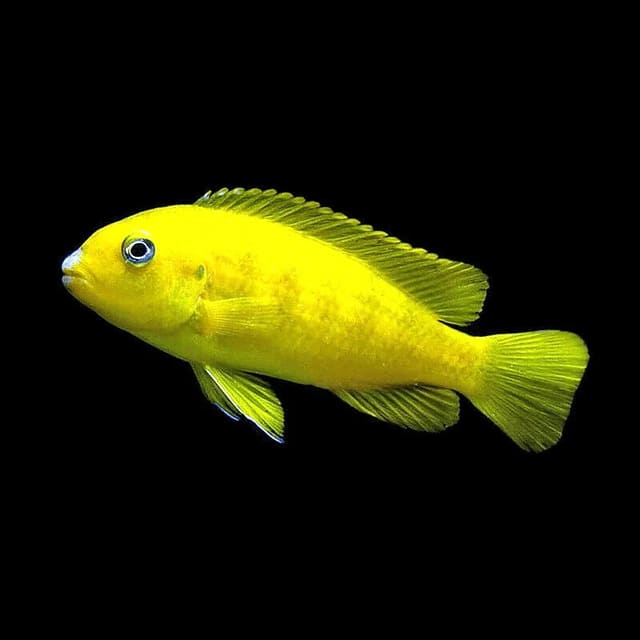
23–27°C · pH 8–8.4

24–26°C · pH 7.5–8.5
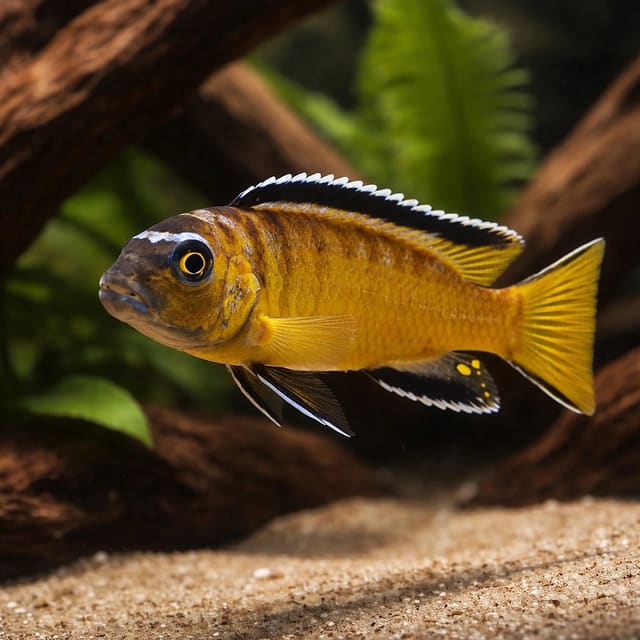
23–26°C · pH 7.5–8.5 · 200L
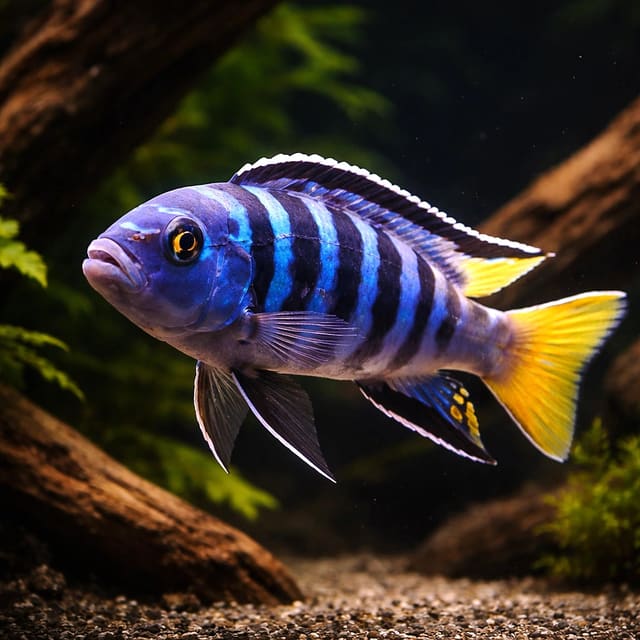
24–28°C · pH 7.6–8.8 · 137L
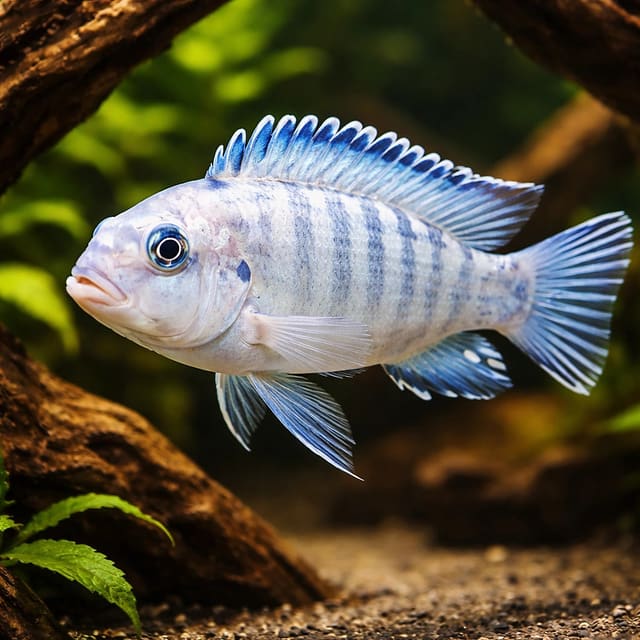
24–26°C · pH 8–8.6 · 154L
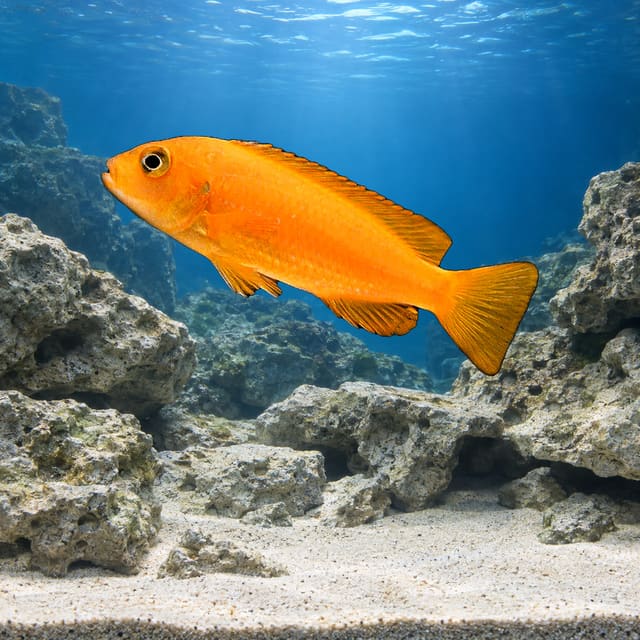
23–27°C · pH 7.4–8.4 · 150L
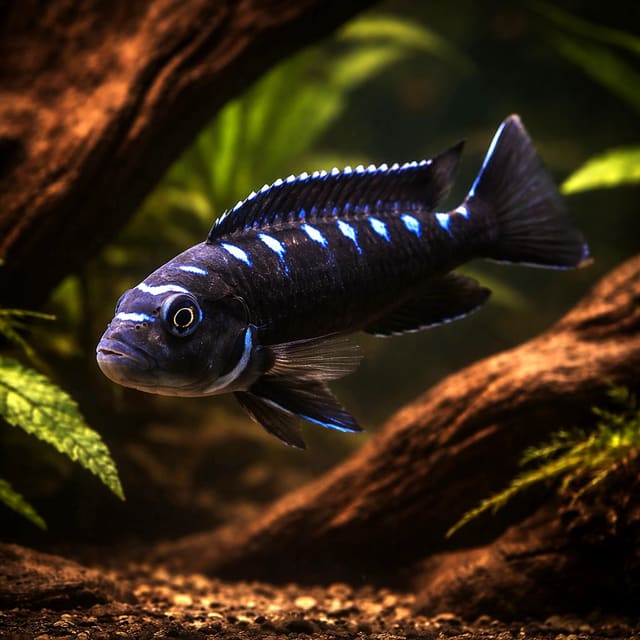
23–27°C · pH 8–8.6 · 250L
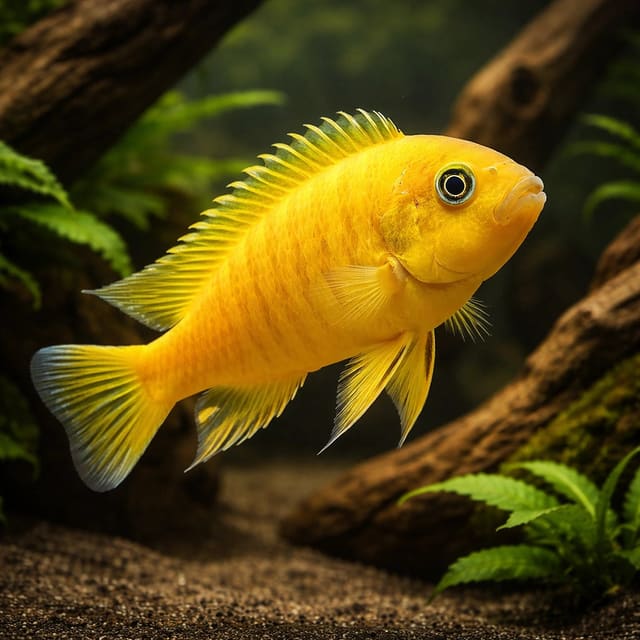
23–27°C · pH 8–8.6
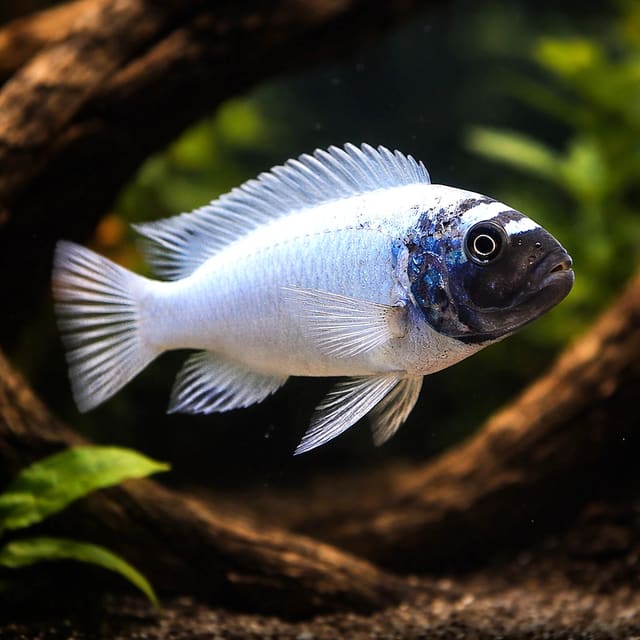
23–27°C · pH 8–8.6

23–27°C · pH 8–8.6
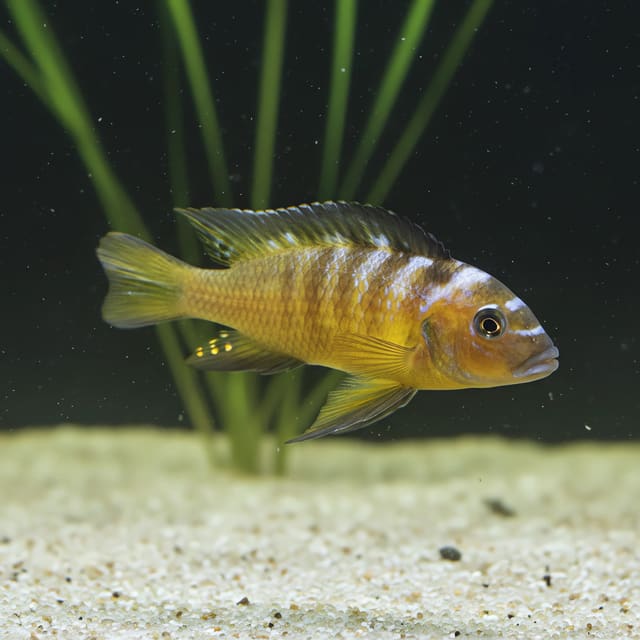
24–27°C · pH 8–8.6 · 137L

23–27°C · pH 8–8.6
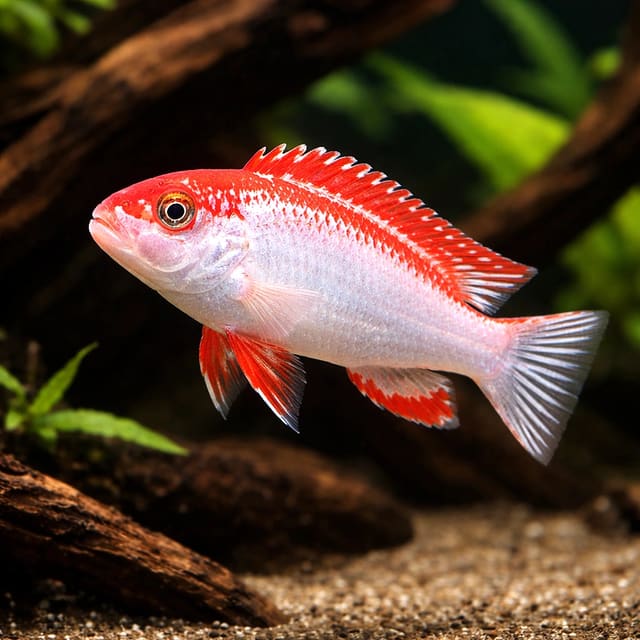
23–27°C · pH 8–8.6
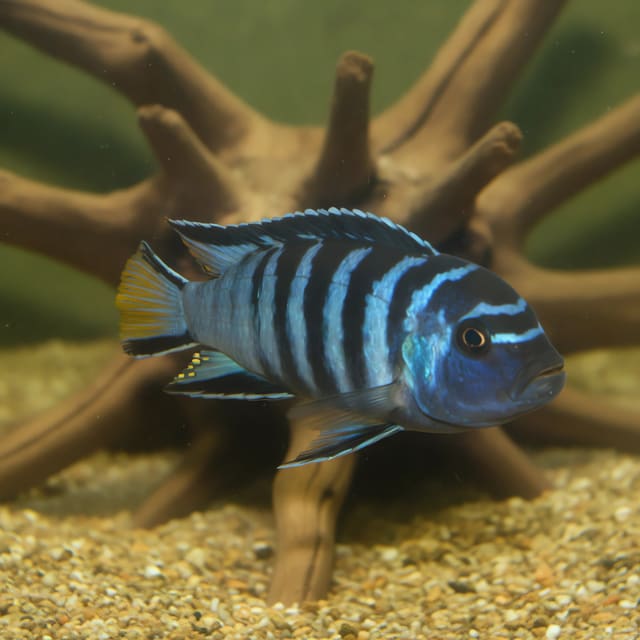
24–28°C · pH 7.6–8.8 · 137L
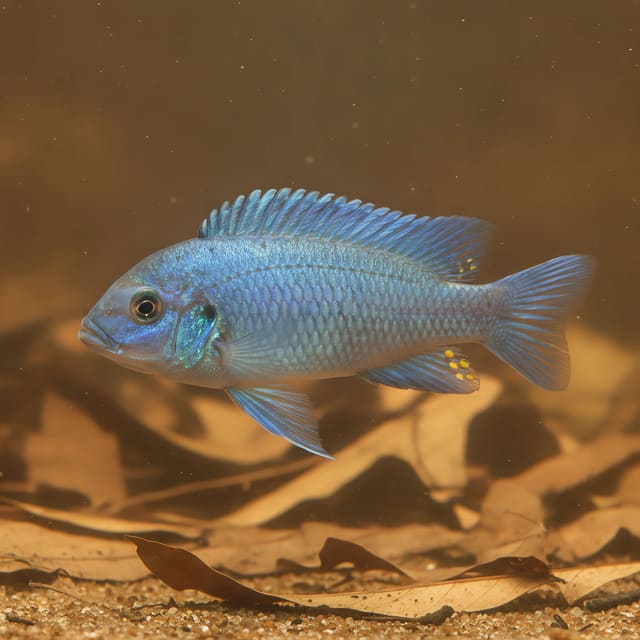
22–28°C · pH 7.6–8.6 · 205L

22–28°C · pH 7–8 · 41L

21–25°C · pH 5–7
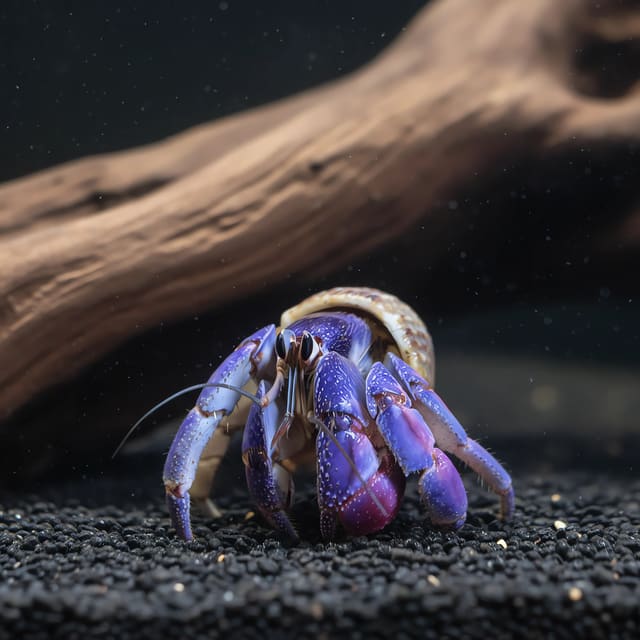
24–29°C

24–27°C · pH 6.5–6.5

22–27°C · pH 6–8 · 72L
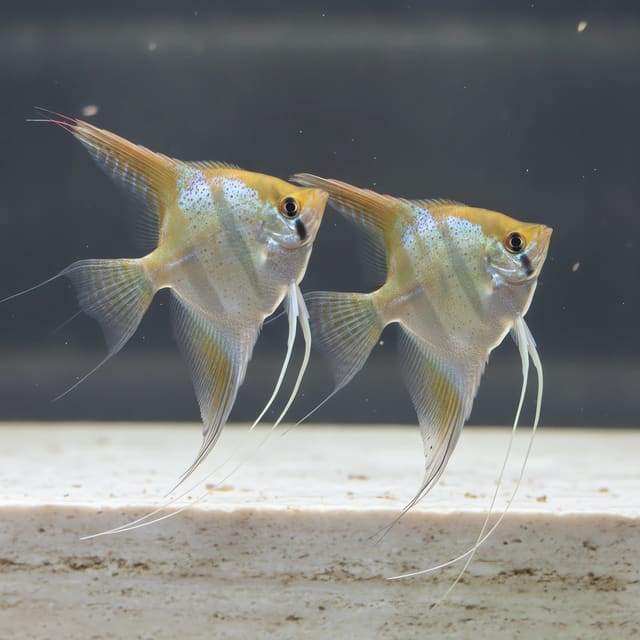
24–27°C · pH 6.5–8 · 200L

23–27°C · pH 5.5–7 · 60L

22–27°C · pH 6–8