
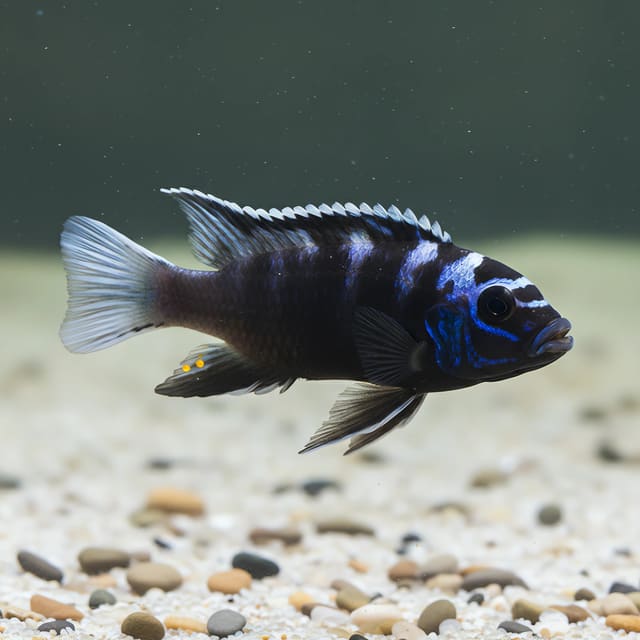
Moderate
Acei Cichlid (Pseudotropheus sp. 'Acei')
24–26°C · pH 7.5–8.5 · 300L
£7.99
59 products
Zebras, Elongatus forms, Demasoni, Acei and other mbuna make this a broad Pseudotropheus trade range. Read the full name before choosing colours or companions.
59 products
24–26°C · pH 7.5–8.5 · 300L
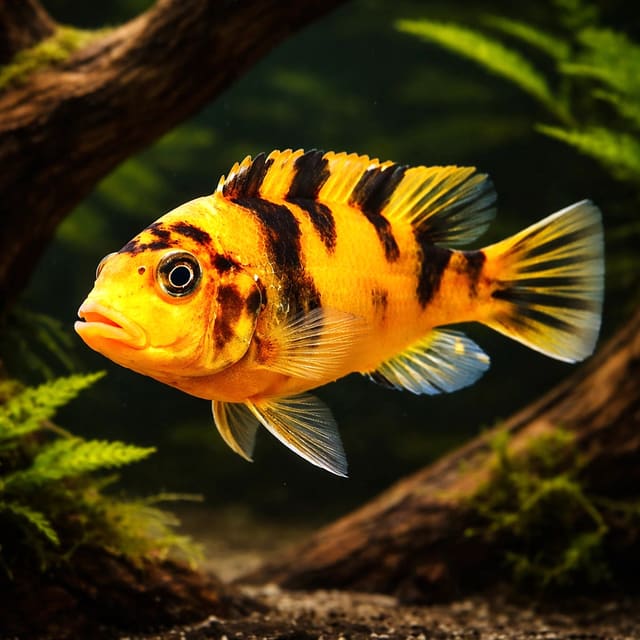
23–27°C · pH 8–8 · 205L
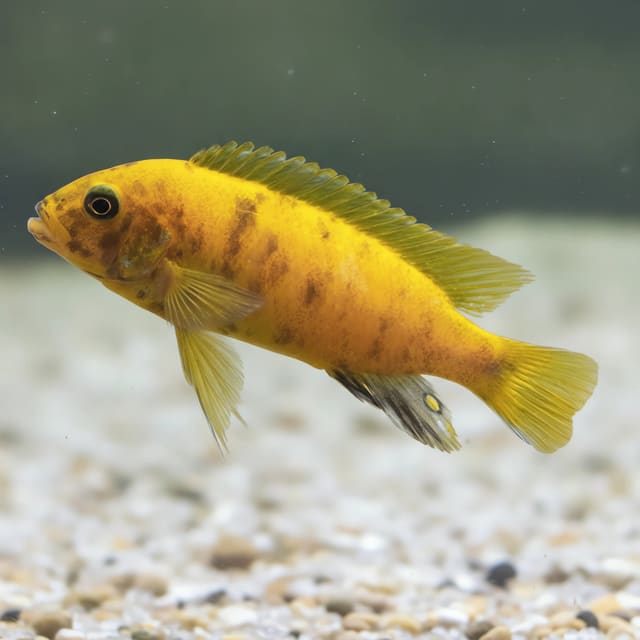
24–26°C · pH 7.6–8.6 · 400L
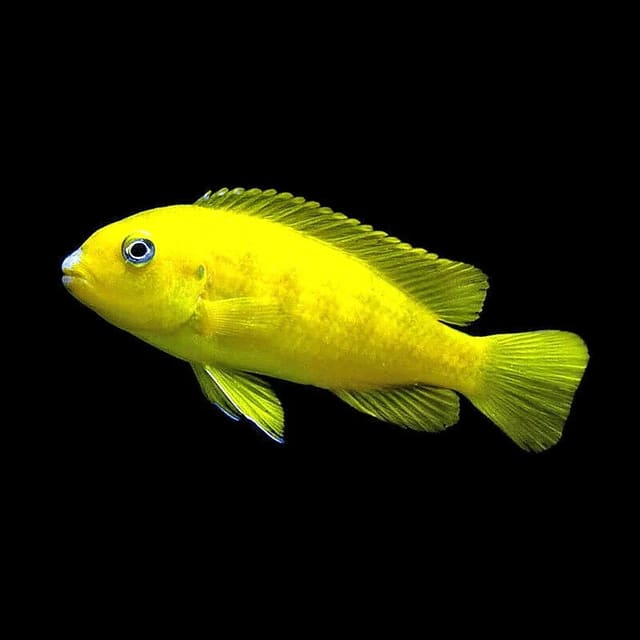
23–27°C · pH 8–8.4
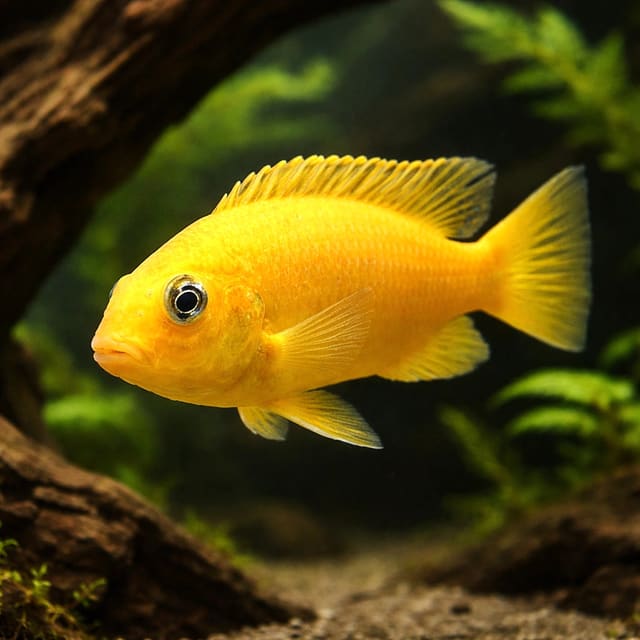
24–26°C · pH 7.5–8.5 · 400L
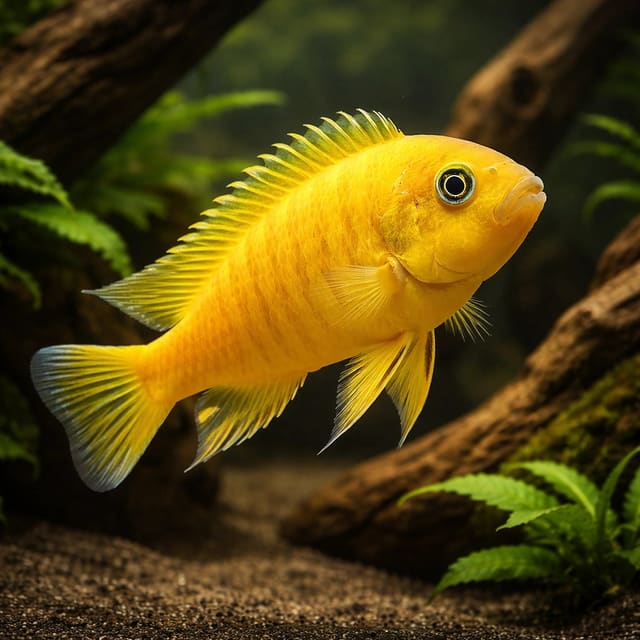
23–27°C · pH 8–8.6
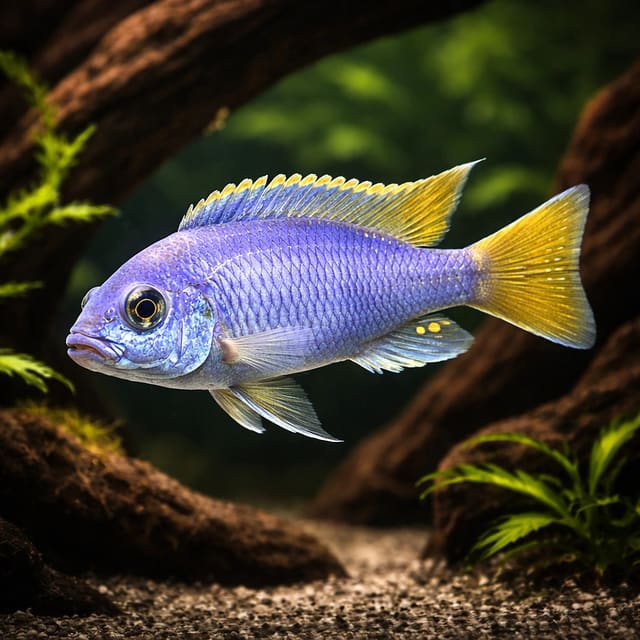
23–27°C · pH 8–8.6
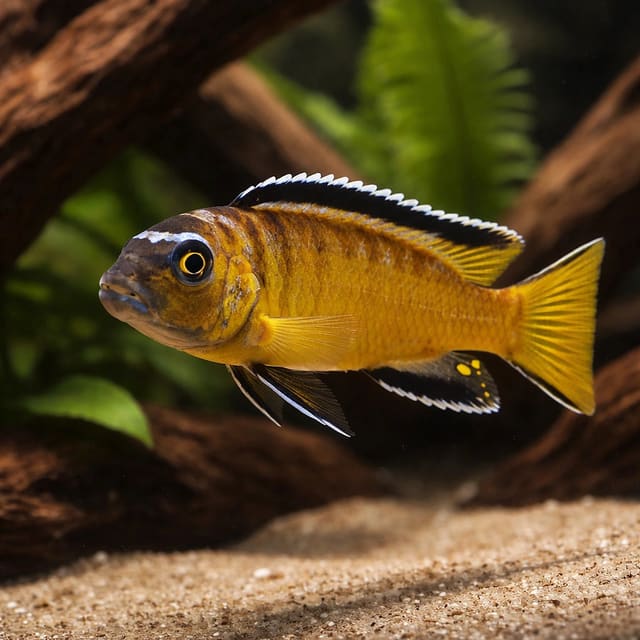
23–26°C · pH 7.5–8.5 · 200L
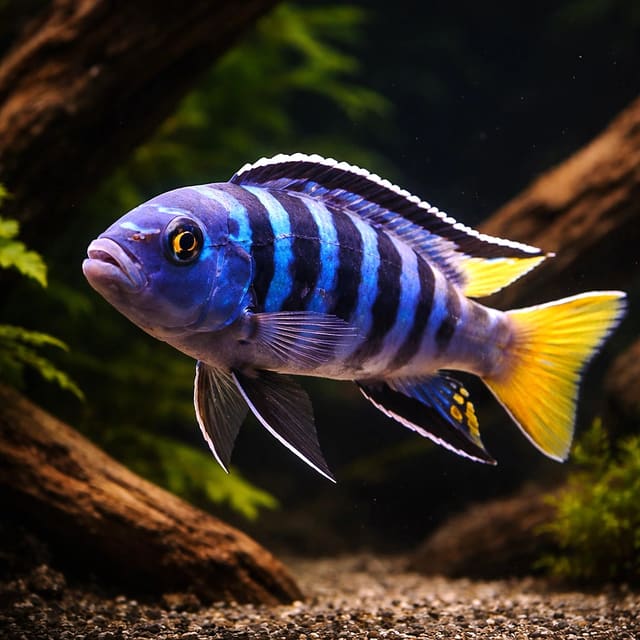
24–28°C · pH 7.6–8.8 · 137L
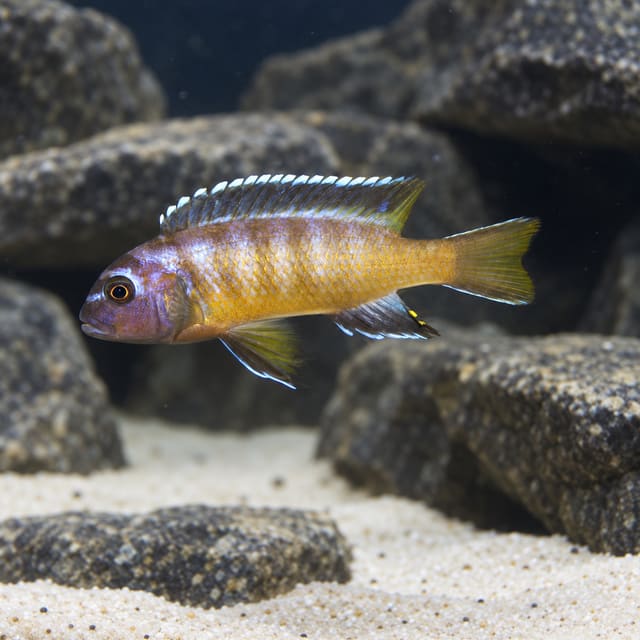
24–28°C · pH 7.6–8.8 · 135L

24–26°C · pH 7.5–8.2
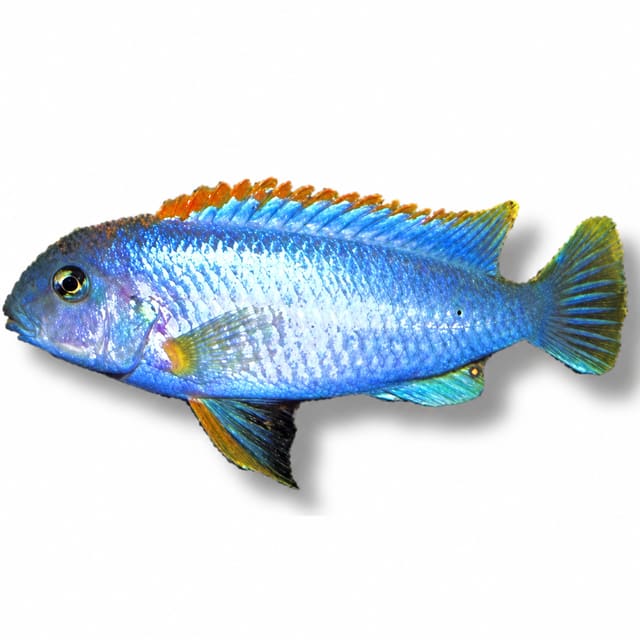
23–27°C · pH 8–8.6

24–26°C · pH 7.5–8.5
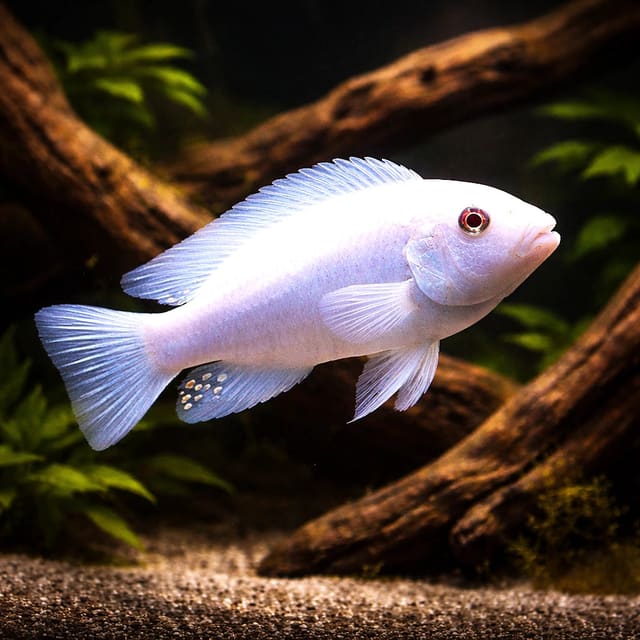
24–28°C · pH 7.6–8.8

24–28°C · pH 7.5–8.5 · 200L
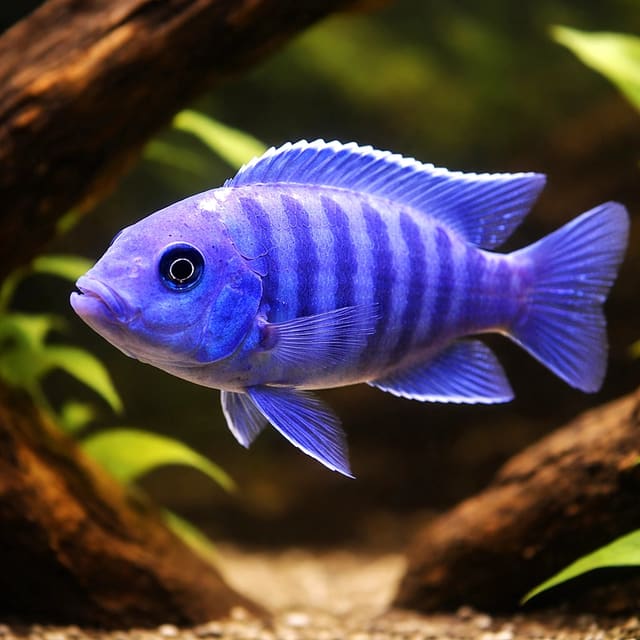
22–28°C · pH 7.6–8.6 · 205L
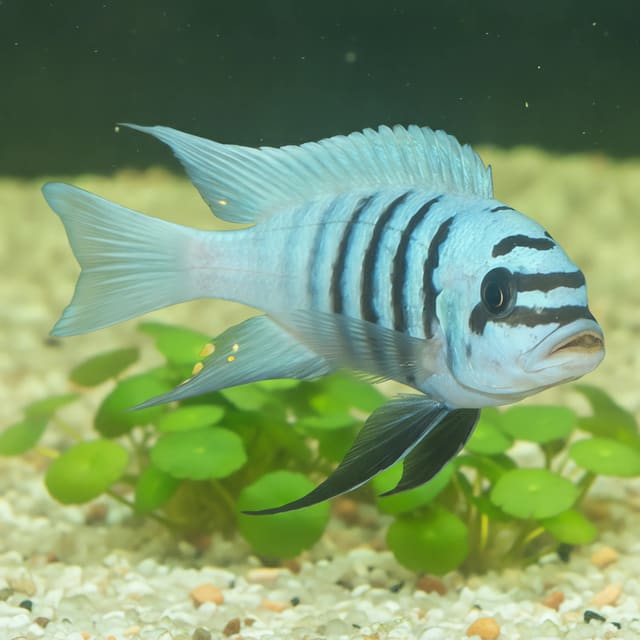
23–27°C · pH 8–8.6 · 205L
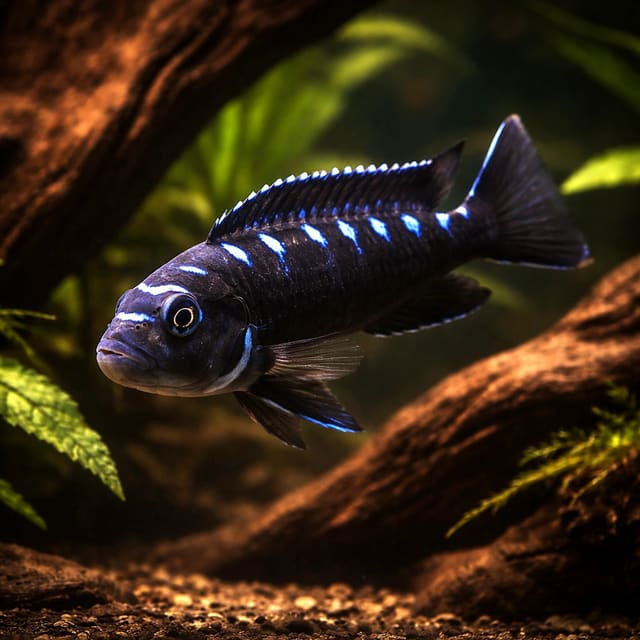
23–27°C · pH 8–8.6 · 250L

23–27°C · pH 8–8.6
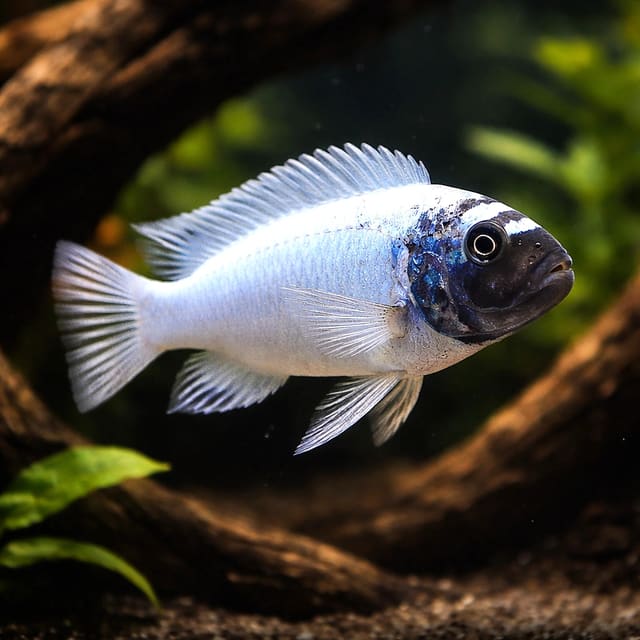
23–27°C · pH 8–8.6
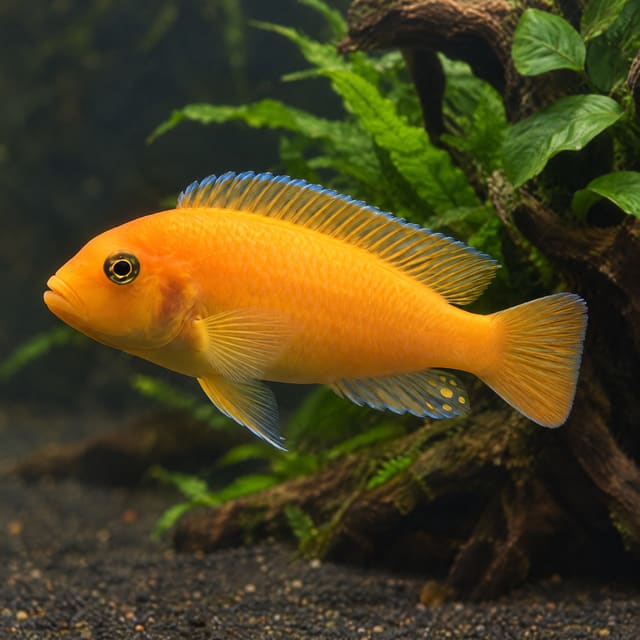
24–28°C · pH 7.5–8.5 · 200L

24–27°C · pH 8–8.4 · 154L
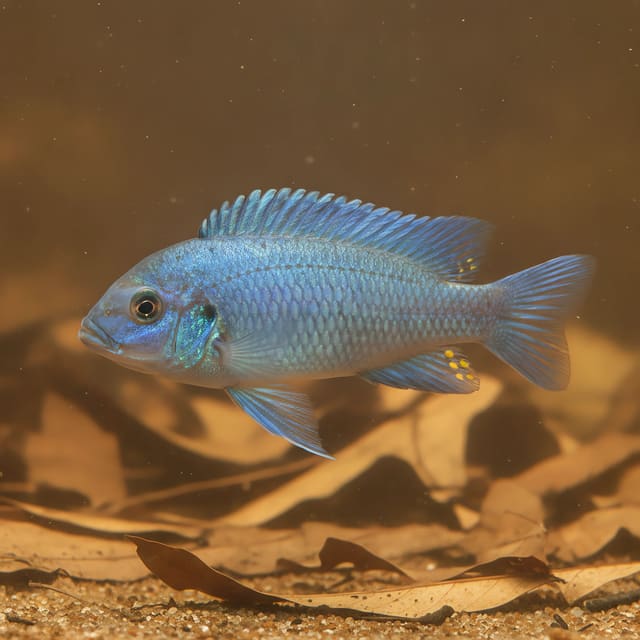
22–28°C · pH 7.6–8.6 · 205L
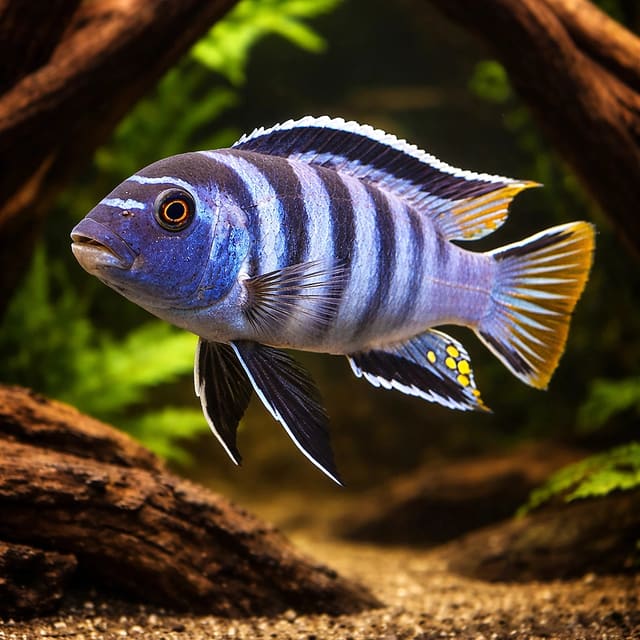
24–27°C · pH 8–8.6 · 137L
This range retains Pseudotropheus names alongside Chindongo, Maylandia and Tropheops offers. Locality labels such as Mpanga, Maison Reef and Metangula distinguish choices; they are not decoration to discard. Follow the complete name and sale option, and keep forms separate when preserving a breeding line. A white, blue or orange fish is not identified by colour alone.
Compare Johanni and Maingano offersRock territories, adult size and feeding habits vary across this range. Leave useful escape routes and feeding access rather than relying on dense rockwork or crowding to solve aggression. Check the selected fish’s food requirements instead of applying one strict herbivore diet to every mbuna. Have a way to separate a persistent aggressor.
Plan a mbuna group