Advanced
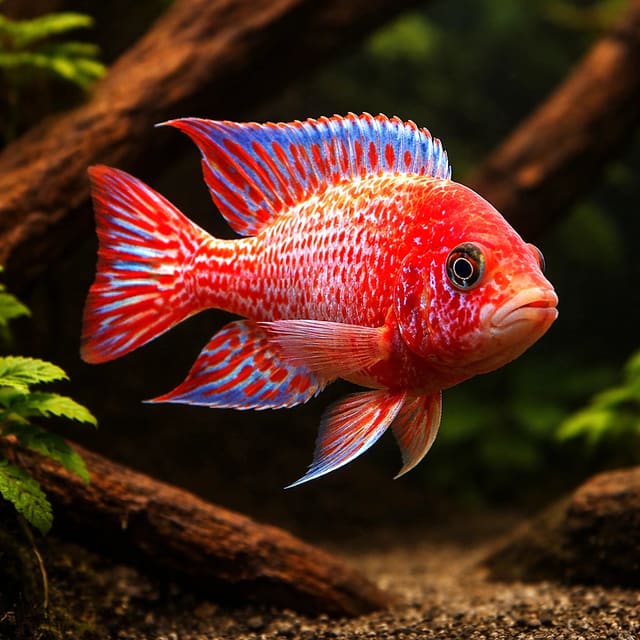
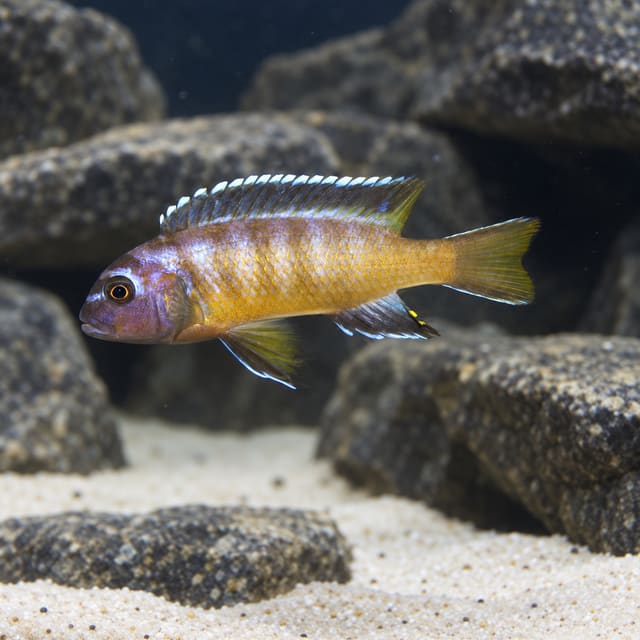
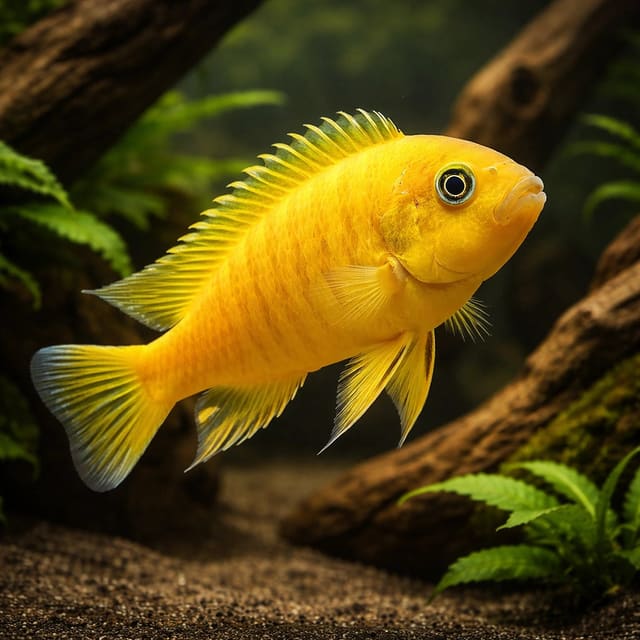
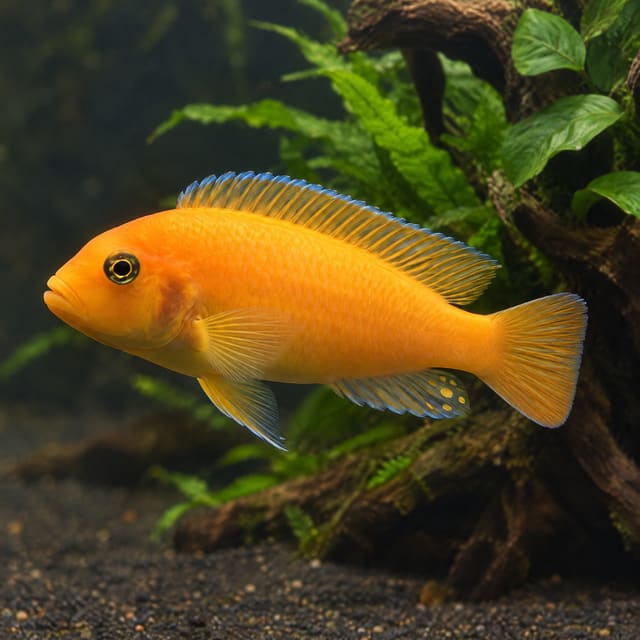
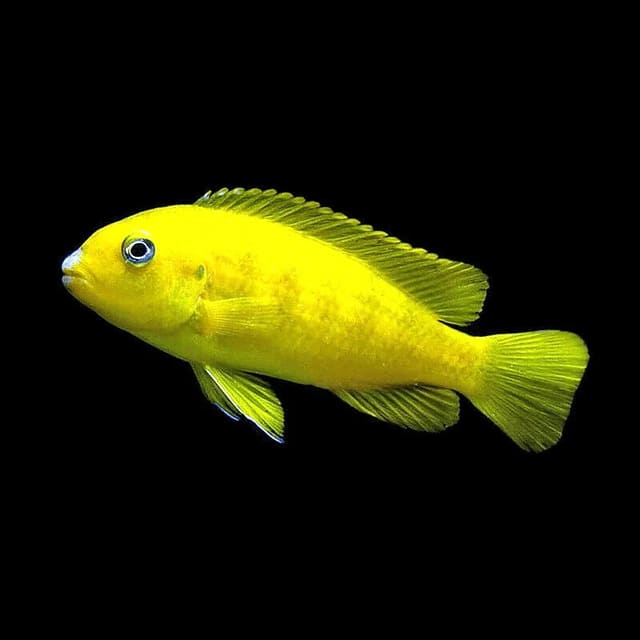
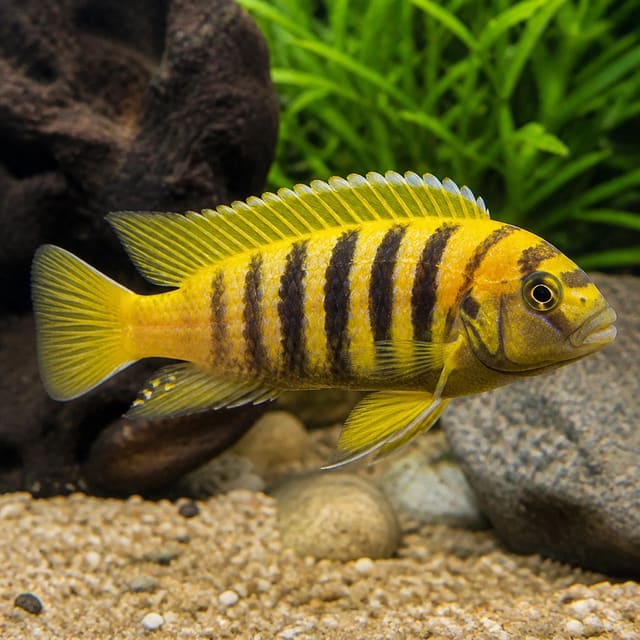
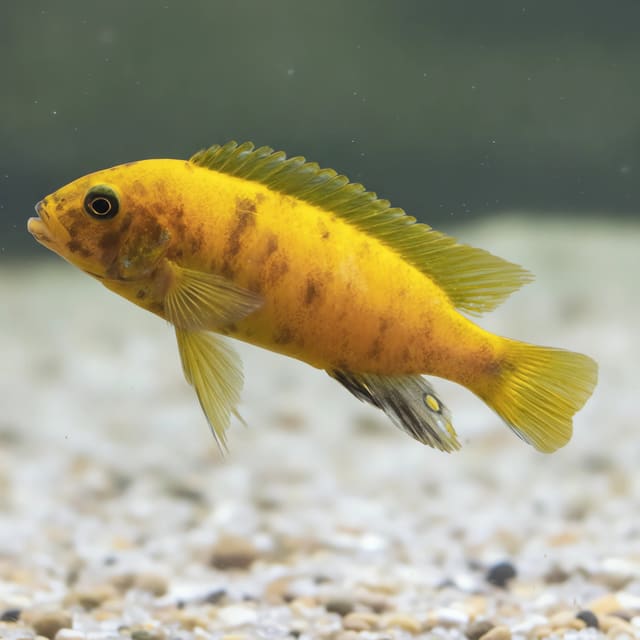
Gold Mundola Point Zebra Mbuna (Maylandia sp. 'zebra gold')
24–26°C · pH 7.6–8.6 · 400L
£26.99

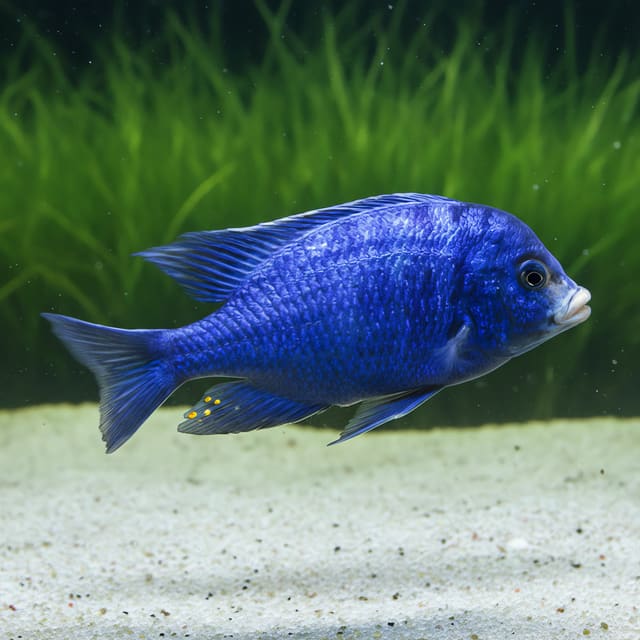
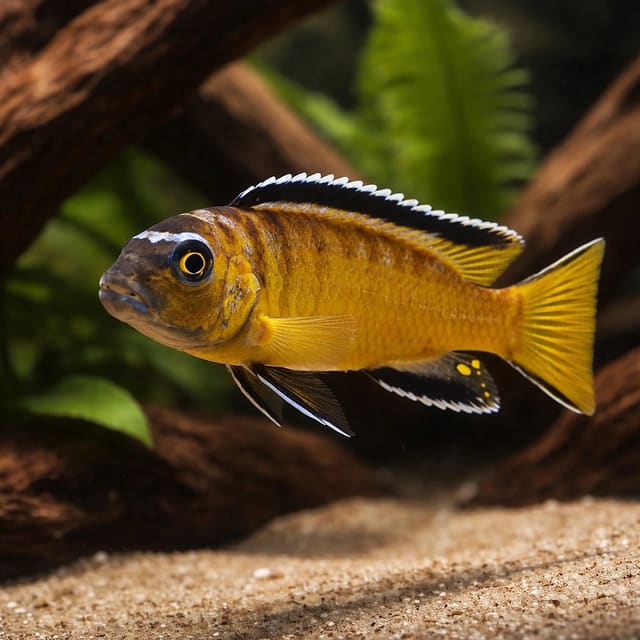
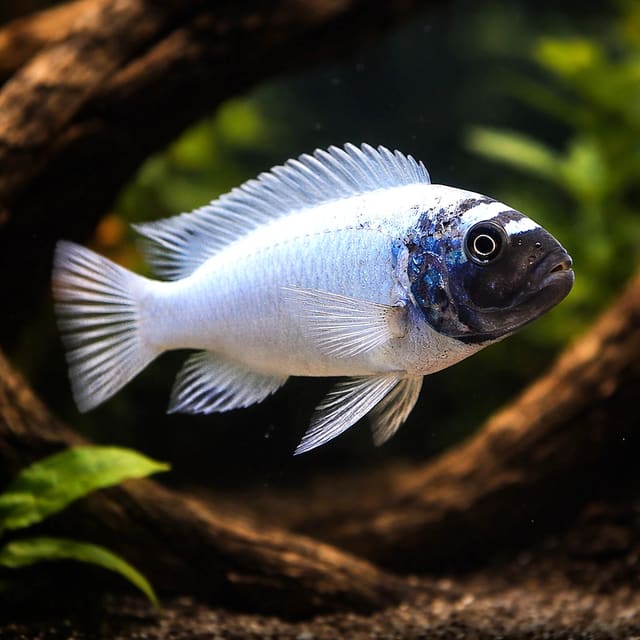
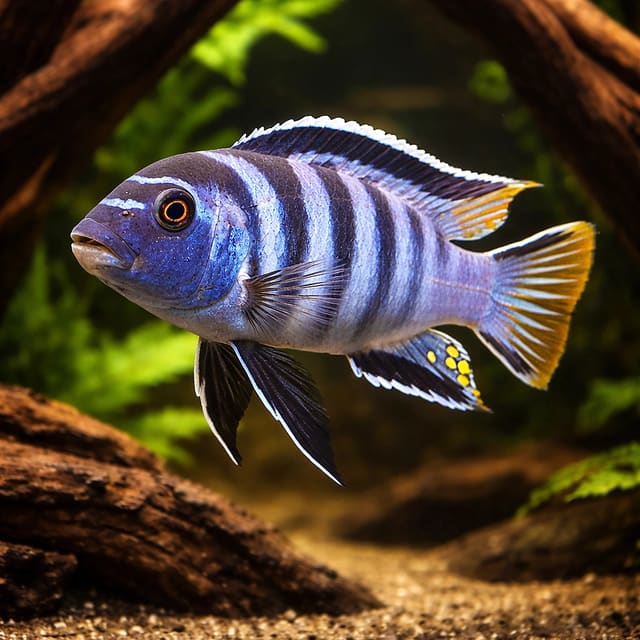
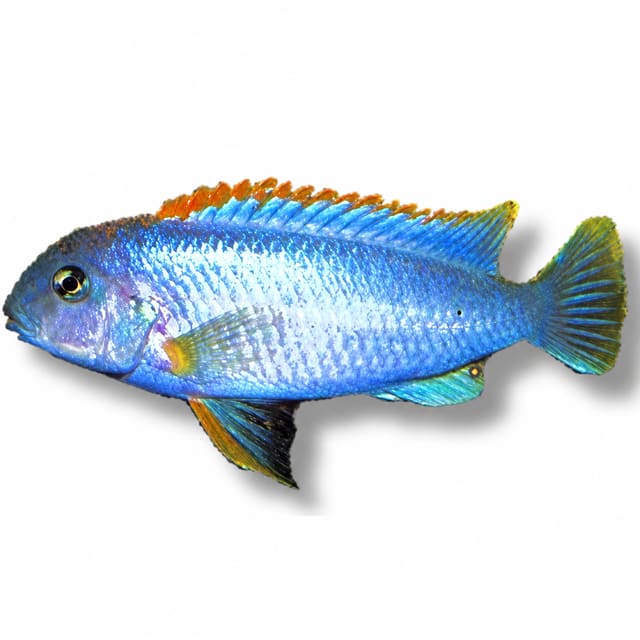
Blue + Blue Zebra Mbuna (Maylandia zebra): one unsexed fish in the selected size grade. For a mature, rock-led hard-water aquarium with room to manage territorial behaviour.
Maylandia zebra
Each quantity is one pair containing 2 fish. Discounts count pairs.
Blue + Blue Zebra Mbuna (Maylandia zebra): one unsexed fish in the selected size grade. For a mature, rock-led hard-water aquarium with room to manage territorial behaviour.
Cichlids are a family of roughly 1,800 accepted species, not one care type. Before buying, identify the exact species and source, then compare adult measurement, usable tank dimensions, social system, territory, tested water, diet and an exit plan. No family-wide minimum tank, water range or tank-mate list is safe.
Maintain these water conditions for optimal health and vibrant colors
Blue + Blue Zebra Mbuna (Maylandia zebra) is a territorial rock-dwelling cichlid for an established Lake Malawi aquarium. Each purchase supplies one live fish in the selected size grade. The size you select is the size supplied, not the adult size. The fish are not sold as a pair. Sex is guaranteed only when the selected option explicitly states male or female. This Blue + Blue Zebra Mbuna listing has no sex-guaranteed option. Plan for the adult fish and the aquarium it will need before choosing a smaller grade.
Choose from the listed 2–3 cm, 4–5 cm, 6–7 cm and 7–9 cm ranges, or the supplier's XL grade. XL has no verified centimetre range, so ask us before buying if a measured size is essential for introductions. A grade describes an approximate dispatch size. It cannot establish age, maturity, sex or final colour. Check the live size selector for current availability.
This mbuna needs hard, alkaline, well-oxygenated water, secure rock territories, a mature filter and close observation of aggression. It is a poor choice for a peaceful mixed tropical aquarium. Before ordering, make sure there is room for adult territorial behaviour and a mature separate aquarium if a fish is persistently harassed. Buying two or more unsexed fish does not create a bonded pair or a reliable male-to-female ratio.
| Suits | Does not suit |
|---|---|
| A mature, broad Lake Malawi aquarium with stable hard alkaline water and secure rock territories. | A peaceful soft-water community or a new uncycled aquarium. |
| A keeper who can observe each fish, manage aggression and separate a targeted individual. | Buying several unsexed fish as a guaranteed pair or fixed breeding ratio. |
| Choosing a grade with the adult aquarium already prepared. | Using juvenile size to delay adult space, filtration or social planning. |
The supplier uses the older Pseudotropheus zebra combination and calls the form Blue + Blue. FishBase identifies the species as Maylandia zebra; the aquarium literature also uses Metriaclima zebra. Blue + Blue is a trade description, not a certified collection locality, subspecies or wild lineage. Keep that distinction if you maintain breeding or provenance records.
Zebra mbuna colour varies with age, status, lighting and commercial strain. Do not use colour in an image to sex a juvenile or identify a Lake Malawi locality. The separately named Cobalt Blue Zebra, Maylandia callainos, should not be inferred from this trade label. If an exact lineage or sex is essential to your project, choose stock accompanied by explicit records.
Published adult maxima disagree. FishBase records 11.3 cm standard length (SL) for male or unsexed Maylandia zebra, while Seriously Fish gives 15.2 cm SL. Standard length excludes the tail fin; neither figure is a total-length (TL) promise for an individual fish. The larger published figure is the safer reminder to leave adult room, but aquarium suitability depends on territory and behaviour as well as length.
Seriously Fish gives a 120 × 38 cm base and about 205 litres for its species profile. Treat that as a species-specific starting point, with more usable floor space and rock territories for groups or a Malawi community. The OATA group care sheet recommends at least 200 litres for a reasonable Malawi community, but its group-level figure does not prove that any 200-litre tank suits this fish. Length, width, stocking, rock layout and a separation plan matter more than a rounded litre label.
Before ordering, look at the whole aquarium: is the filter mature, is the water reliably alkaline and mineralised, and can a chased fish reach more than one refuge? A tank meeting a published length and volume minimum can still be unsuitable if a single male controls every cave. If you already keep Malawi cichlids, compare their adult size, diet and social pressure with this mbuna before adding another fish.
The 2–3 cm grade needs guarded filter intakes, appropriately small food and protection from established larger fish. A 4–5 cm or 6–7 cm fish may be easier to observe in a prepared aquarium, but neither size makes sex or future temperament predictable. The 7–9 cm grade requires adult-style territory planning from the start. XL is an unmeasured commercial grade: it does not mean male, adult, breeding-ready or show quality.
Compare the new fish with the actual size and behaviour of residents, not only their species labels. A small arrival may struggle to reach food or escape a chase; a larger arrival can upset an established hierarchy. Introduce only after quarantine and keep a safe fallback aquarium ready. Never use a centimetre range to postpone preparing the adult setup.
A long, broad aquarium gives fish more escape routes than a tall display with the same volume. At least a 120 × 38 cm base and roughly 205 litres are the species profile's starting figures; substantially more space may be needed for more than one mbuna or mixed stock. Build several visually separate rock zones, with through-routes and retreats that do not end in traps. Ask whether a chased fish can leave the dominant fish's view and still reach food.
Secure heavy rocks before adding loose sand. Mbuna dig, and an unstable stack can shift when substrate is excavated beneath it. Leave room for swimming, observation and waste removal; do not pack the entire footprint into one impenetrable pile. Check each structure after maintenance and as fish grow. Plants are optional. Rock surfaces offer grazing opportunities, but algae and biofilm do not replace a complete diet.
Measure the actual aquarium base and water volume after substrate and rock displacement. If a second fish or another species is proposed, assess the adult fish together. A spare mature, heated aquarium is a practical welfare safeguard when a subordinate cannot feed or rest.
Maylandia zebra is associated with rocky Lake Malawi habitat. In an aquarium, rockwork should create usable structure: several caves, shaded retreats, broken sight lines, grazing surfaces and open routes between them. One attractive arch in the centre can become a single defendable fortress. Distributed structures are usually more helpful because no fish can monitor the whole aquarium from one point.
Support heavy rocks from the solid tank base or an appropriate protective layer before adding loose sand. Mbuna dig and move substrate. A stack resting only on sand can shift when a fish excavates beneath it. Test every stone from several directions; aquarium silicone or purpose-designed supports may be appropriate for structures that cannot be made mechanically secure.
Leave an open feeding and swimming lane. Filling every centimetre with stone can create waste traps and make observation difficult. The keeper should be able to see whether each fish is eating, breathing normally and carrying injuries. Flow should pass around and behind the rockwork so suspended waste reaches mechanical filtration instead of accumulating in inaccessible pockets.
Seriously Fish lists 22–28°C, pH 7.6–8.6 and 10–25 dGH for Maylandia zebra. The OATA Malawi group sheet gives a narrower general guide of 23–27°C, pH 8.0–8.6 and 12–18 dGH. These are guidance ranges, not a reason to swing water between their extremes. Aim for a stable value compatible with the prepared aquarium and measure source water before purchase. A shop fish should be introduced without a sudden chemistry change.
OATA says ammonia and nitrite should be zero and nitrate should not exceed 20 mg per litre above normal tap-water levels. Test regularly, especially after adding fish or increasing feeding. Its sheet strongly recommends a partial water change of 25% at least weekly. Use dechlorinated replacement water prepared to a similar temperature and mineral content, and adjust the routine to actual test trends without allowing waste to climb.
Hardness and buffering matter alongside pH. If local tap water is soft, establish a repeatable mineral preparation process before livestock arrives. Avoid sudden unmeasured additions to a stocked aquarium. Keep strong surface movement and oxygenation, especially as water warms or stocking increases. A reliable thermometer, mature biological filter and regular checks tell more than clear-looking water alone.
Our water chemistry guide explains the tests, and the water matcher helps compare measured aquarium values with the guidance. Neither tool replaces observing the fish or maintaining stable water.
If this is your first mature aquarium, work through the first tropical tank guide before arranging a live-fish delivery. The guide helps with cycling and daily observation; the species needs the additional hard-water and territory plan described here.
Zebra mbuna are active fish with an appetite, and a group can create a substantial solids and ammonia load. Use mature biological filtration with enough media and oxygenated flow for the actual stock. Mechanical stages should capture suspended waste and remain accessible enough to clean before trapped debris decomposes. Manufacturer flow figures are measured under favourable conditions and fall when media loads, pipework adds resistance or the impeller becomes dirty.
Direct outlets to circulate water around rock structures without pinning fish against the glass. Surface agitation is essential, but violent turbulence through every retreat can prevent a subordinate fish from resting. Observe detritus after feeding and adjust outlets or maintenance access where waste repeatedly settles.
Clean mechanical media as required and biological media gently in removed aquarium water when flow falls. Do not replace all mature media at once. If a filter stops for a prolonged period, treat its condition cautiously before restarting because oxygen depletion can change the contents. Keep spare air equipment and a plan for power interruption, especially in a heavily stocked warm-water system.
A clear aquarium is not automatically a safe aquarium. Dissolved ammonia and nitrite can be invisible, and clear water can still have low oxygen or unstable chemistry. Combine visual inspection with test results, behaviour and maintenance records. Persistent surface breathing, reduced feeding, clamped fins or unusual hiding should trigger an immediate water and equipment check.
FishBase describes M. zebra combing material from rocky biocover and also feeding on plankton in open water. Seriously Fish recommends vegetable matter as the basis of the aquarium diet, with a complete mbuna food and modest variety. Offer an appropriately sized, digestible plant-rich staple, such as a suitable spirulina flake or pellet, with occasional green foods. Small amounts of aquatic invertebrate food can provide variety, but repeated rich protein meals are a poor routine.
Watch each fish eat. A dominant mbuna can intercept food while a subordinate loses condition, so spread small portions where needed and remove uneaten food. Young grades need pieces they can swallow. Established rock growth supports foraging activity but does not supply a complete ration; do not purchase this cichlid as an algae-control animal.
Avoid mammal meat and large, frequent bloodworm portions. Seriously Fish warns against high-protein foods as a staple and against overfeeding. Judge quantity by body condition, access for every fish and the waste left after feeding. If one fish stops eating, check aggression and water quality promptly rather than simply adding more food.
A settled zebra mbuna should be alert, responsive and able to hold position without laboured breathing. Fins should be carried normally, the body should not be pinched or swollen, and every fish should have access to food. Colour changes alone are difficult to interpret because light, background, hierarchy and stress all affect appearance.
When a fish hides, clamps its fins, flashes, breathes rapidly or stops eating, first check temperature, ammonia, nitrite, pH trend, oxygenation, filter flow and aggression. This does not replace diagnosis, but it prevents environmental causes from being missed while medication is considered. Treating without identifying the problem can add stress and damage the biological filter.
Mbuna can suffer injury from chasing and collisions with unstable or sharp rock. Inspect fins, mouth and flanks daily in a new group. A wounded subordinate may need separation even when water quality is excellent. Waiting for visible severe damage can make recovery harder.
Quarantine is strongly recommended because it provides time to observe feeding, breathing, external condition and waste before the fish enters a complex rock display. The quarantine aquarium must itself be mature, heated, covered and matched to hard alkaline conditions. Bare simplicity can improve observation, but the fish still needs secure shelter and freedom from reflected or visual stress.
Use separate equipment where practical and avoid moving water, nets or wet hands from quarantine into the display without cleaning. Record daily observations rather than relying on a final glance. A fish that feeds confidently for several days and shows normal respiration provides better evidence than one that merely survives a fixed calendar period.
For final introduction, compare the newcomer with resident size and behaviour. Reduce lighting, ensure several exits are open and consider a controlled rearrangement that prevents one resident from defending every familiar landmark. Observe continuously at first and repeatedly over the following days. Night-time calm does not prove daytime compatibility.
Have the separation aquarium ready before the bag arrives. Catching and housing an injured fish after a crisis is much harder than acting at the first persistent exclusion. A transparent isolation box can assist short observation in some setups, but it is not long-term territory and may expose a fish to continuous visual threats.
Cycle and stabilise the aquarium before the fish is dispatched. On arrival, be present to receive the parcel, inspect it promptly and follow the current delivery and Live Arrival Guarantee guidance. The store advises floating the sealed bag for 20–30 minutes for temperature adjustment, then introducing the fish carefully without pouring shipping water into the tank. Keep lighting low and let the new fish find shelter.
For a claim about an arrival problem, the current policy asks for prompt contact, the order number and a continuous unboxing video beginning with the sealed parcel and showing the fish in the sealed bag. Read the policy for its full terms. Once transferred, watch breathing, orientation and resident reactions. Be ready to use the mature separate aquarium if the new fish is persistently targeted.
The first week is an observation period, not a reason for constant intervention. Check respiration, posture, fin condition, feeding access and social position at the same times each day. A new fish may use cover, but it should not remain permanently trapped, attacked or unable to eat.
Feed lightly at first and remove uneaten food. Test ammonia and nitrite after the new bioload enters the system, particularly in a quarantine tank or after multiple fish arrive. Check filter flow and temperature. If the aquarium was only just able to support its previous stock, the added load can expose that weakness quickly.
Distinguish exploration from displacement. A fish choosing several shelters and emerging to graze is different from a fish confined to one top corner by a dominant resident. Record which fish initiates chases, where they occur and whether the subordinate can recover. This makes a separation decision more objective.
Avoid adding more fish to "spread aggression" as an emergency response unless the entire system was deliberately designed and quarantined for that plan. More fish also mean more waste and more possible rivals. The fastest welfare improvement for a targeted individual is often safe separation.
Set the water-change schedule from measured waste production rather than a generic calendar alone. Many stocked Malawi aquariums need substantial regular changes, but the correct frequency and volume depend on source water, nitrate trend, feeding, filtration and stock. Match replacement temperature and prepared mineral content closely enough to avoid abrupt change.
Vacuum accessible waste without dismantling all territories at once. Clean mechanical filtration before flow collapses and service biological media in stages. Inspect pumps, air equipment and heater operation. A gradual reduction in circulation can be easy to miss until warm weather or an extra feeding increases oxygen demand.
Weigh or photograph fish periodically where practical, using the same angle and lighting. This can reveal slow loss of condition in a subordinate fish that still appears at feeding time. Keep notes on social changes as juveniles mature; a group that works at 4 cm may need a different plan at adult size.
Check the physical structure after maintenance. Digging can expose support points, and algae can hide cracks or sharp edges. Confirm the lid remains secure around cables and pipework. Cichlids can jump when chased or startled even if they normally remain near the rocks.
This is one of the more aggressive mbuna in the Seriously Fish profile, so a peaceful community tank is unsuitable. It is not a schooling fish with a fixed minimum purchase quantity. In a carefully planned Malawi setup, groups can distribute attention, but adding unsexed juveniles does not guarantee a workable sex ratio. Seriously Fish discusses one male with at least three females for a controlled species group; that advice assumes reliable sexing, enough territory and the ability to separate incompatible fish. No selected size grade supplies that ratio automatically.
Watch for persistent pursuit, a fish confined to a corner, damaged fins, rapid breathing or loss of feeding access. Brief displays differ from sustained exclusion. Rearranging rockwork may interrupt an established territory, but it cannot compensate for too little room or an incompatible individual. Move a targeted fish to mature suitable accommodation before chronic stress becomes injury.
No option on this listing guarantees male or female. Juvenile colour and size are not reliable certificates of sex, and a gallery photograph cannot establish the sex of the fish supplied. Even where adult populations show sex-linked or status-linked colour, commercial lines and social suppression can make visual assumptions unsafe. A dominant fish may display more strongly while a subordinate individual appears muted; this does not make colour a dependable ordering tool.
A commonly discussed mbuna arrangement is one confirmed male with several confirmed females. It can reduce pressure compared with a simple two-fish setup, but it is not a universal formula. It assumes reliable sexing, enough room, distributed retreats, suitable individual temperaments and a keeper ready to remove a fish. This product supplies unsexed individuals, so it cannot promise that ratio.
Two unsexed fish should not be ordered as a "pair." They may mature as two males, two females or an incompatible male and female. Cichlids do not become compatible because a seller places two fish in the same order. If breeding is not an objective, sex and colour still matter because similar-looking territorial fish may focus aggression on one another.
When adding to an existing group, compare size as well as species. A very small newcomer may be physically vulnerable, while a much larger newcomer can disrupt the hierarchy immediately. Quarantine and observation should come before the final introduction. Consider introducing after a controlled rockwork change with lights reduced, but retain a net, divider strategy and mature separate accommodation.
Match adult size, hard alkaline water, activity, diet and territorial behaviour together. Seriously Fish says zebra mbuna can be kept in selected Malawi communities but specifically cautions against gentle species such as Aulonocara peacocks. OATA treats Malawi cichlids as a specialised group and says any mixing needs care. Peaceful soft-water community fish and vulnerable small animals are unsuitable.
Another robust mbuna is a case-by-case possibility, not an automatic companion. Similar-looking blue or barred fish may compete for the same rock zones and complicate lineage records if breeding occurs. Plan the finished adult group, not simply the juvenile basket, and keep separation space available. A related product is useful to compare husbandry, but a shared Lake Malawi label alone is no compatibility test. Browse the African cichlid collection for alternatives after deciding which aquarium you are building.
Maylandia zebra is a maternal mouthbrooder. A receptive female takes fertilised eggs into her mouth and carries the developing brood. That species-level fact does not mean the fish offered here are mature, sexed, compatible or ready to breed. The five size grades are commercial dispatch grades, not reproductive certifications.
A male may intensify display and defend a site. A holding female may eat less and seek a quieter position, but appetite loss can also indicate stress or illness. Observe the full pattern rather than diagnosing mouthbrooding from one sign. Repeated harassment of a holding female is a welfare problem, and any move to separate accommodation must avoid abrupt differences in temperature and chemistry.
Breeding should not be used as proof of a claimed locality or pure line. Closely related mbuna can produce viable offspring, and appearance alone may not reveal mixed ancestry. Keep breeding groups deliberately, do not mix uncertain juveniles for convenience, and label offspring honestly.
Fry need mature filtration, safe intakes, stable hard alkaline water and food appropriate to their small mouths. A larger number of growing juveniles can increase waste rapidly. Plan rearing and responsible placement before spawning rather than after the brood is released.
Published maxima differ: FishBase records 11.3 cm standard length for male or unsexed Maylandia zebra, while Seriously Fish reports 15.2 cm standard length. Both exclude the tail fin. Plan for adult territory, not just length.
Seriously Fish gives a 120 × 38 cm base and about 205 litres as a species starting point. Groups or mixed Malawi stock may need much more usable space and a mature separation aquarium.
There is no schooling minimum. A planned species group can use one confirmed male with several confirmed females, but these fish are sold unsexed and no purchase quantity guarantees that ratio.
It suits a keeper prepared for stable hard alkaline water, secure rockwork, aggression management and a mature fallback aquarium. It is not an easy choice for a first peaceful community.
Offer a complete plant-rich mbuna staple with small portions and modest variety. It grazes rocky biocover in nature and also takes plankton; avoid a routine of rich animal protein or mammal meat.
Seriously Fish gives 22–28°C and pH 7.6–8.6 for the species. OATA's broad Malawi group guide is 23–27°C and pH 8.0–8.6. Keep hard alkaline water stable and test ammonia and nitrite regularly.
It is a territorial, potentially aggressive mbuna. Persistent chasing or fin damage needs action, especially when a fish is excluded from food or cover.
Carefully chosen robust Malawi mbuna may work in a larger planned aquarium, but no species is a universal match. Avoid peaceful soft-water fish and gentle peacocks such as Aulonocara.
Tropical Fish Co uses a licensed live-animal courier and insulated packing described in its delivery policy. Be present to receive and inspect the parcel, and follow the current acclimation and Live Arrival Guarantee instructions.
For species identity, wild size and habitat, see FishBase's Maylandia zebra profile. For species aquarium space, water, diet and behaviour, see Seriously Fish. The OATA African Malawi cichlid care sheet supplies broader UK group guidance. Group guidance and recorded wild values should be read in their own scope when planning an individual aquarium.
No reviews for this item yet. Bought one? Honest reviews only, good or bad.
What customers say about ordering from us
I have a small group of long finned mountain minnows. So was delighted to be able to order ten of this variety to increase the genetics in my tank . The ones I recieved are healthy but it’s to early to give a verdict on wether they are of a long finned type since they are small currently.
Gordon Walker · 23 Sept 2026
100% success travel and "installation". Pleased with quality of purchase. The Siamese fighter a bit "shy" so have not yet seen him at his best yet but looking good. Happy customer. GG
George E Garratt · 21 Sept 2026
Reviews of our shop, collected by Judge.me, an independent third-party review collector. Newest first.