
 By Priya Ramesh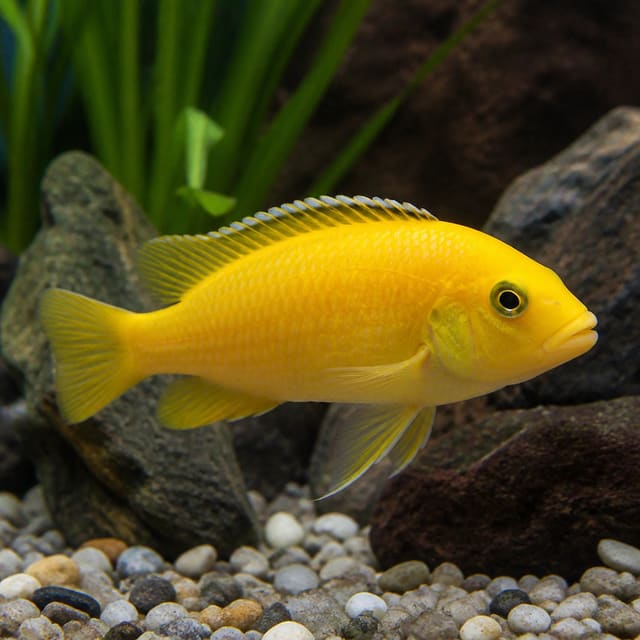
Easy
Electric Yellow Cichlid Kakusa (Labidochromis sp. Kakusa)
23–27°C · pH 8–8.6
From £16.14Some sizes on sale
African Cichlids · Buying Guide
The honest UK guide to Lake Malawi cichlids - mbuna vs peacocks, hard water, aggression and tank size, plus the live fish we stock. Shop the colours.
11 products in stock today
Live prices and stock. Every fish covered by our Live Arrival Guarantee.
23–27°C · pH 8–8.6
23–27°C · pH 8–8.4
23–27°C · pH 8–8.6
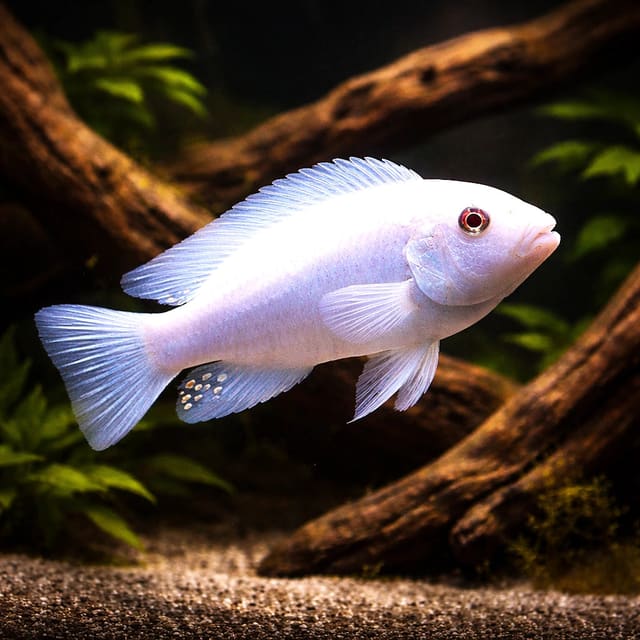
24–28°C · pH 7.6–8.8
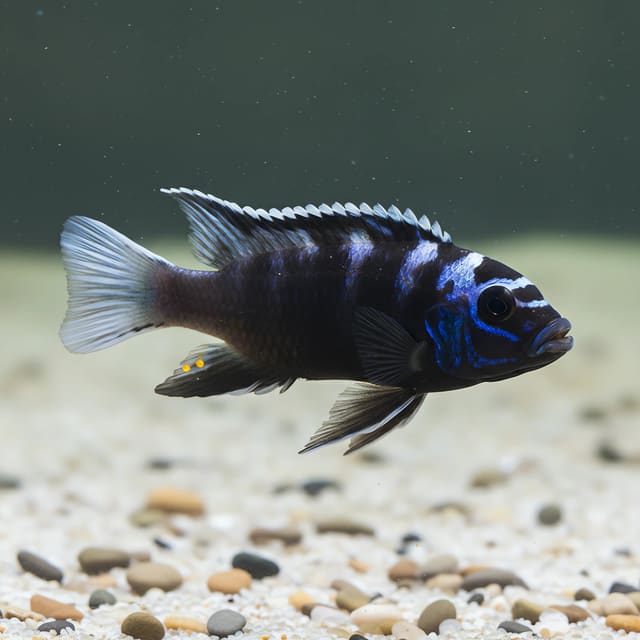
24–26°C · pH 7.5–8.5 · 300L
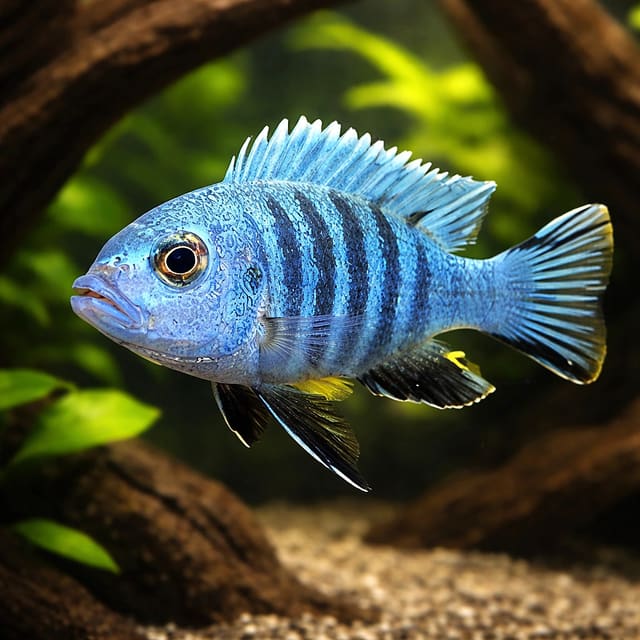
23–27°C · pH 8–8.6 · 205L
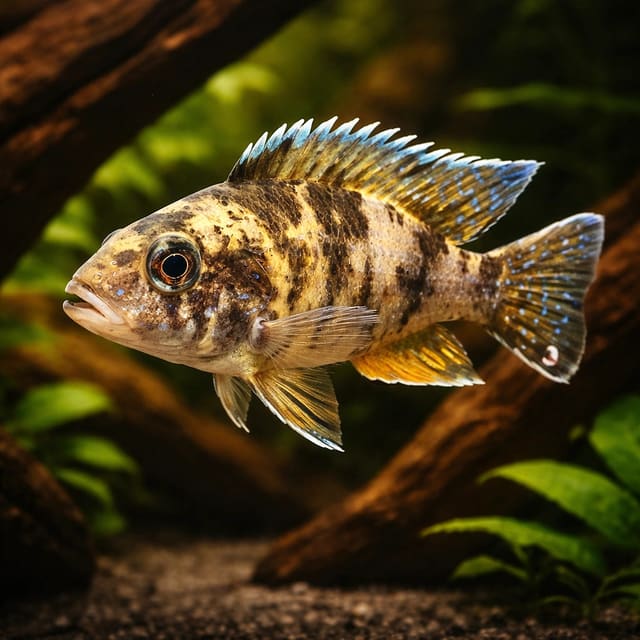
23–27°C · pH 8–8.6
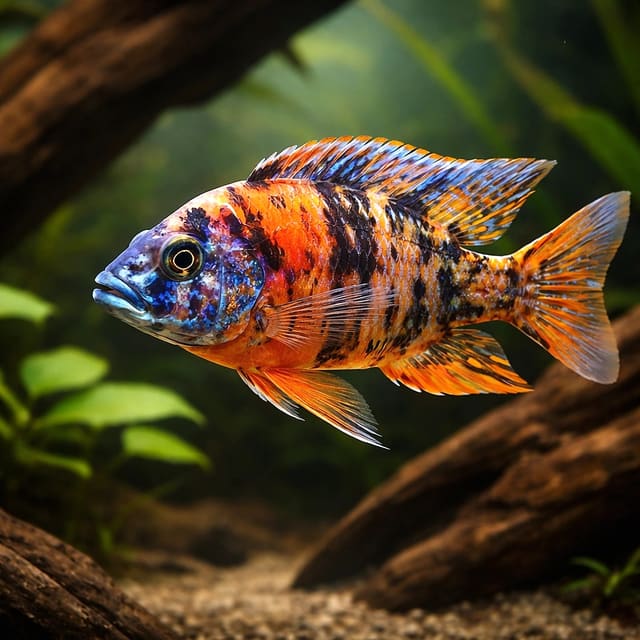
24–28°C · pH 7.5–8.5 · 200L
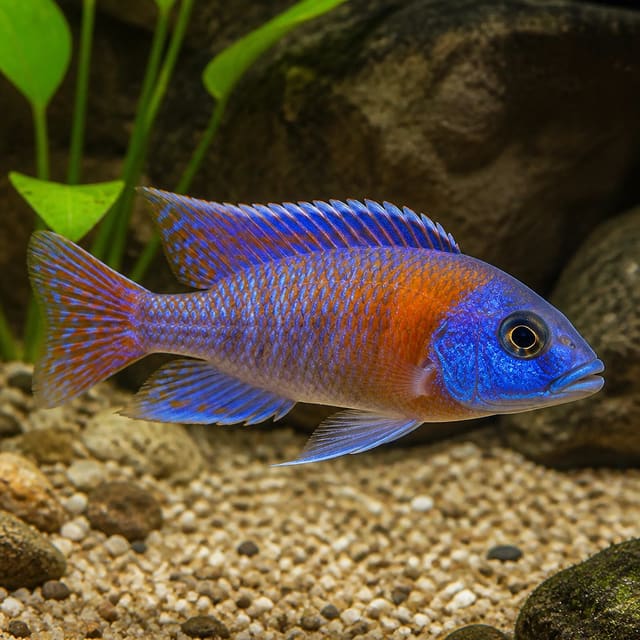
24–28°C · pH 7.5–8.5
23–27°C · pH 8–8.6
24–27°C · pH 8–8.5
Our trained assistant knows this lake malawi cichlids page inside out. Ask it anything — water parameters, tank mates, how many to buy — or have it read the guide aloud while you set up your tank.
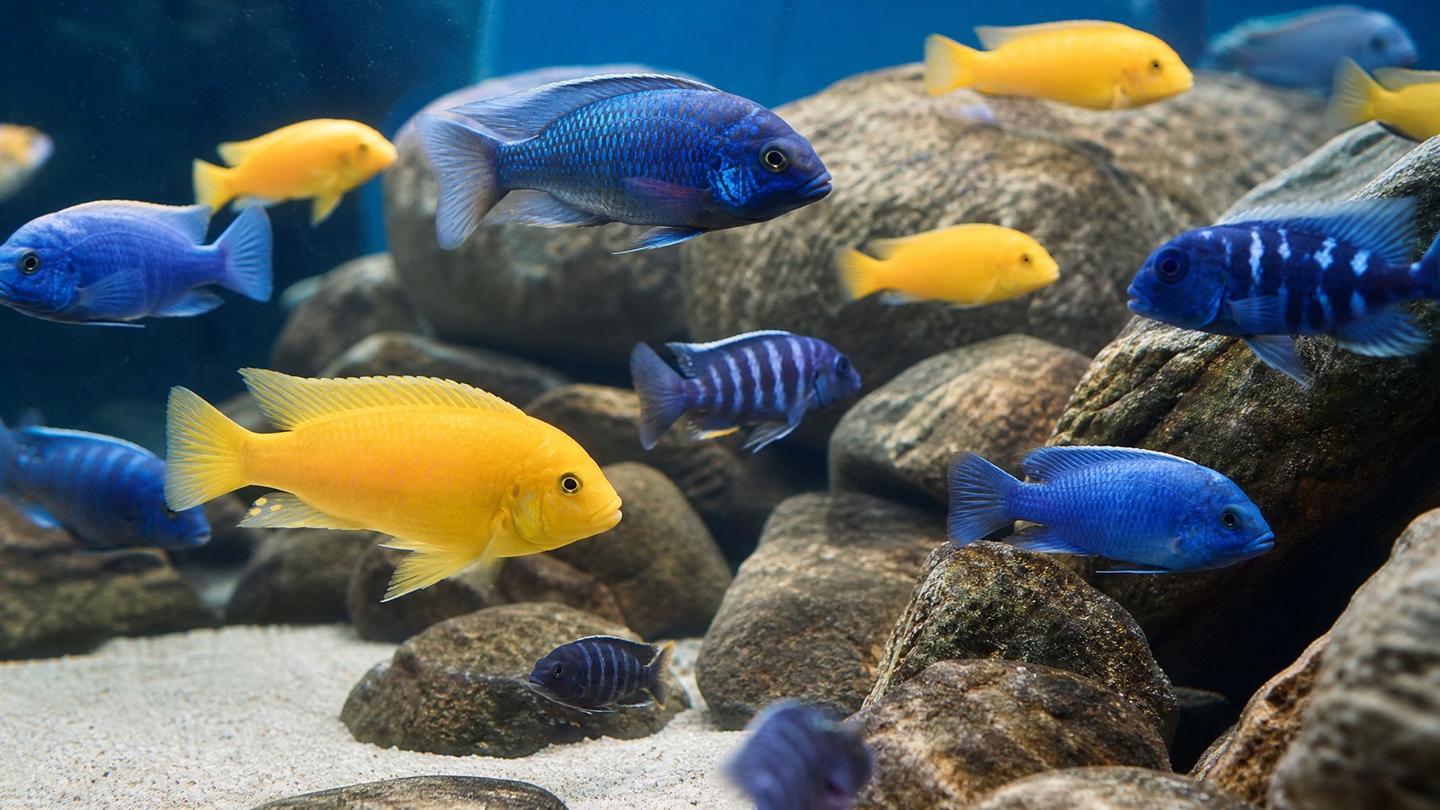
If you've seen a Lake Malawi cichlid tank in full colour, you don't forget it. Electric-yellow labs, cobalt-blue mbuna, orange and red peacocks - all glowing against pale rock like a coral reef that somehow ended up in freshwater. It's the look that pulls most people in, and it's the reason "lake malawi cichlids" is a search people make with a tank already half-imagined.
I'm Priya Ramesh, and cichlids are my specialism - I write our angelfish and discus guides too. But Malawi cichlids are a different animal from those soft-water South Americans, and this is the page where I'm going to be straight with you. These are the most spectacular freshwater fish you can buy, and they're a specialist setup, not a community tank you add to. Almost every problem people have with Malawi cichlids comes from treating them like ordinary tropical fish - putting them in soft water, in a small tank, with tetras, and feeding them the wrong food.
This guide is the answer we'd give a customer who walks in and says "I want those bright African cichlids." It covers the three groups you'll choose between - mbuna, peacocks and haps - the hard-water and aggression rules that make or break the tank, and the 12 species we currently have in stock. Get the setup right and they're hardy, long-lived, and unmatched for colour. Get it wrong and it's a stressful, aggressive tank that disappoints everyone.
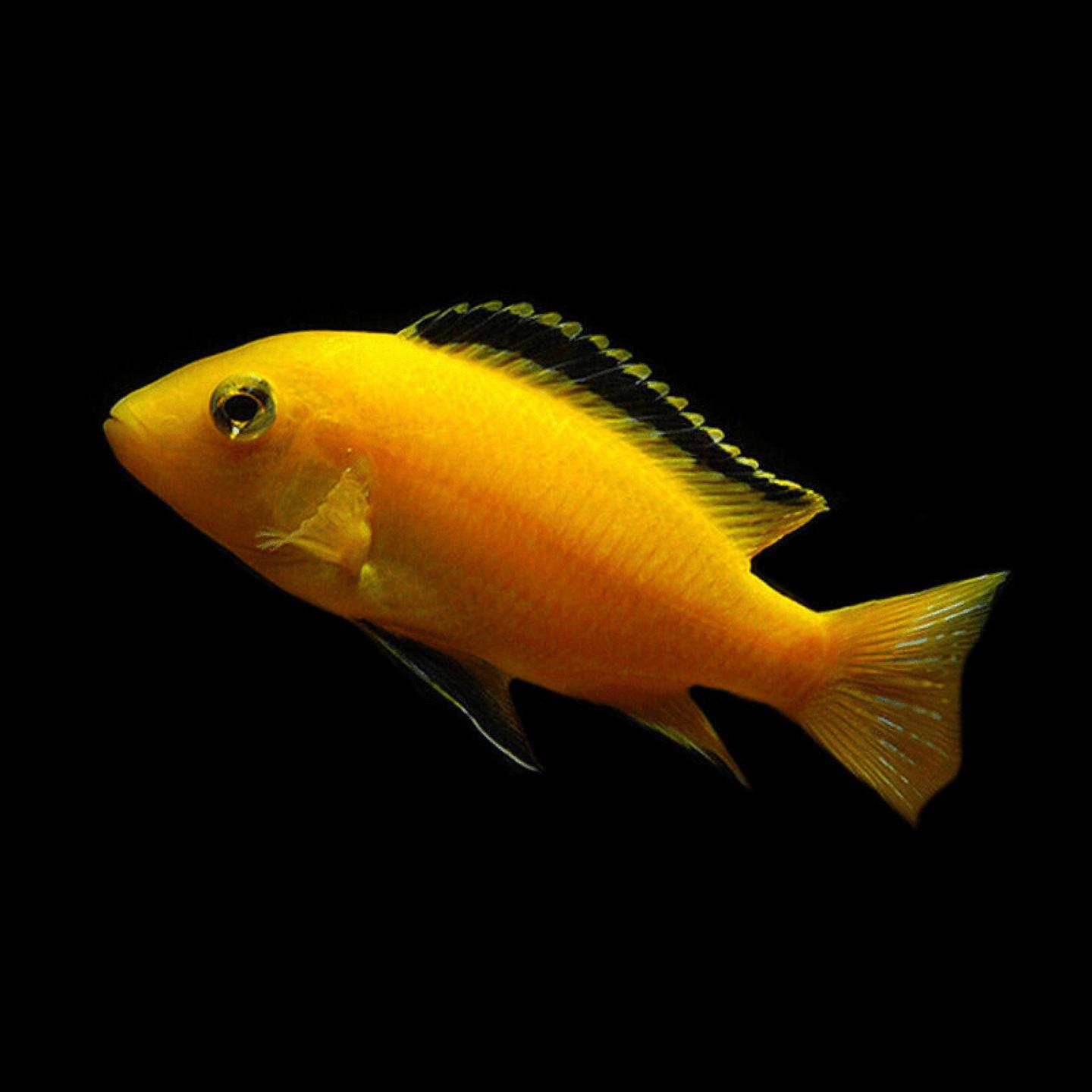
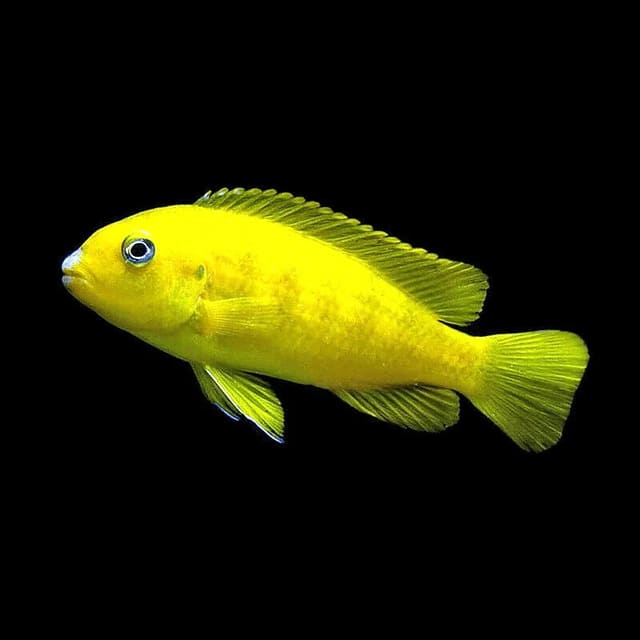
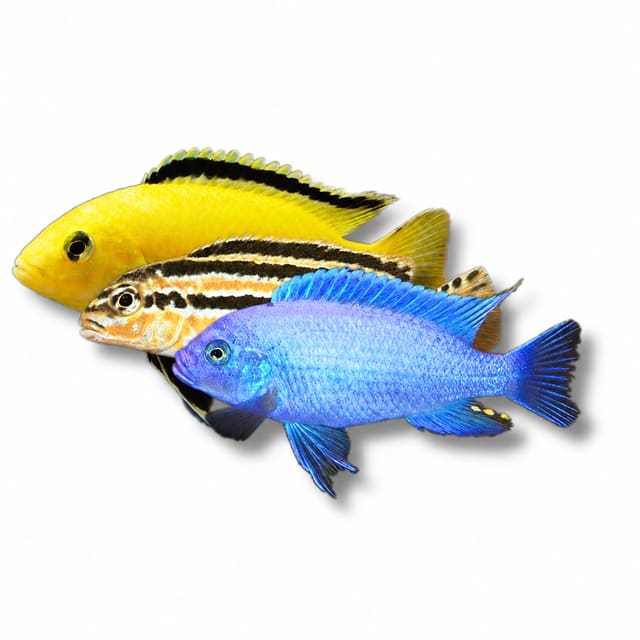
The electric yellow (Labidochromis yellow Kakusa) - the friendliest mbuna and the classic first Malawi cichlid. That intense yellow comes from the fish's own pigment cells, and it holds its colour better against dark substrate and pale rock. Credit: Tropical Fish Co.
Lake Malawi cichlids need hard, alkaline water (pH 7.8-8.6) and are aggressive and territorial. That makes them incompatible with soft-water community fish - tetras, rasboras, most barbs, gouramis. Don't plan a "Malawi cichlids plus a few tetras" tank. It's a dedicated single-biotope setup, full stop.
Lake Malawi cichlids split into three groups that keepers treat almost as different fish. You generally pick one group and build the tank around it - the table below is the decision. (Care basics like hard water, 24-28 °C and a big tank are the same across all three, so I've focused on what actually differs.)
| Mbuna | Peacocks (Aulonocara) | Haps (Haplochromines) | |
|---|---|---|---|
| Habitat in the lake | Rocky shallows | Sand at the rock-sand edge | Open water |
| Diet | Herbivore - graze algae; spirulina/veg-led [3] | Micro-predator - sifts sand for invertebrates | Predator - eats smaller fish & inverts |
| Temperament | Feisty, very territorial [4] | Calmer, but males defend a spot | Often calmer, but big |
| Colour | Both sexes usually colourful | Males vivid blue/orange/red; females drab | Males colourful; many large & impressive |
| Adult size | ~8-13 cm | ~13-15 cm | Often 15 cm+ |
| Tank / group strategy | Overstock heavily, lots of rock, harems [4] | Open sand + some rock; 1 male : 3-4 females | Biggest tanks; fewer, larger fish |
| Best for | Maximum colour & activity in a rock tank | A calmer, jewel-male display over sand | Experienced keepers with very large tanks |
The practical takeaway: don't mix mbuna with peacocks. The pushy, fast-feeding mbuna out-compete the slower peacocks at dinner and stress them. Build a mbuna rock tank, or a peacock/hap sand tank - not a blend. If you want maximum colour and movement and you have hard water, start with mbuna. If you want a calmer tank of glowing males over sand, go peacocks.
The Lake Malawi cichlids are one of evolution's fastest species explosions - hundreds of species from a recent common ancestor, with ongoing gene flow between the major groups [2]. That shared ancestry is exactly why a mbuna and a peacock can still interbreed in a tank, and why keeping look-alike species together risks muddy hybrids. Evolution hasn't finished separating them.
Everything that makes a Malawi tank succeed comes down to four decisions. Miss any one and the tank struggles.
1. Hard, alkaline water - and leave it that way. Aim for pH 7.8-8.6 and high mineral hardness [3]. In much of the UK south-east your tap water already gets you most of the way [5]. If your water is soft, buffer it up with calcareous decor and substrate - crushed coral or aragonite sand, limestone or ocean rock - which dissolves slowly to hold the minerals and pH high [4]. Crucially, do the opposite of a soft-water tank: no peat, no botanicals, no RO water chasing a low pH.
2. A big tank with serious rockwork. Practical Fishkeeping puts the sensible minimum at a 120 cm / ~240 L tank, and recommends a pile of large rounded stones up to 30 cm across [4]. The rock isn't decoration - it breaks sightlines, gives each fish a territory and a bolt-hole, and (for mbuna) provides the algae-grazing surface they're built for. Stack it securely from the base glass up.
3. Overstock - on purpose - to spread aggression. This is the part that feels wrong. Malawi cichlids are territorial, and in a lightly-stocked tank a dominant male will single out one or two fish and bully them relentlessly [4]. Keeping a larger group spreads that aggression so thinly that no single fish takes the beating, and the constant activity stops hard territories forming. Keep each species as a harem - one male to three or four females - so breeding aggression is shared too.
4. Over-rated filtration. Overstocking only works if the water stays clean, so the bio-load needs powerful, over-specified filtration and good aeration [4]. A crowded tank on a weak filter is just a polluted war zone. This is why the "big tank" rule and the "overstock" rule are inseparable - you can't safely do one without the other.
The most common way people kill Malawi cichlids is treating them like community fish: a 60-100 L tank, soft water, and a few tetras for company. Every part of that is wrong for them. They want a large, hard-water, rock-filled, cichlid-only tank. If a shop ever suggests adding Malawi cichlids to your soft-water community tank "to add colour", that's bad advice - the two setups are genuinely incompatible.
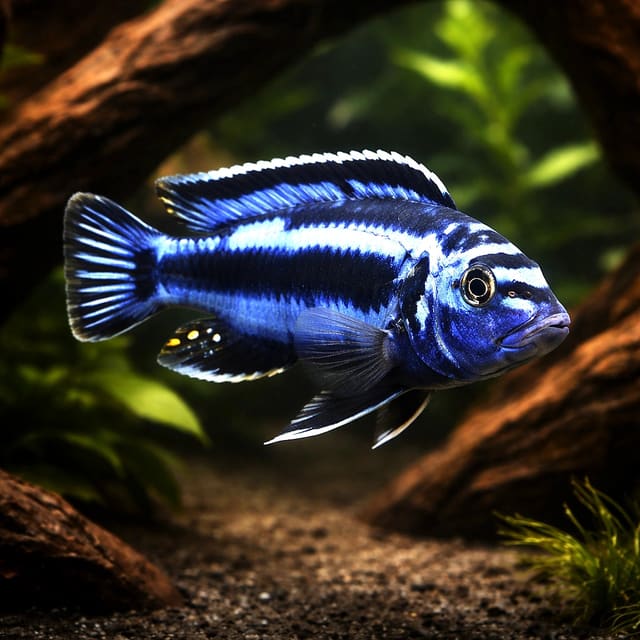
The rock-dwellers: bold, colourful, herbivorous and the engine room of a classic Malawi tank. Keep these in a big rock-filled tank, overstocked, as harems - and feed them green. The electric yellow is the gentlest place to start.
The open-sand jewels: Aulonocara peacocks, where the males blaze blue, orange and red and females stay plain. Calmer than mbuna, happiest over sand with some rock - and unlike mbuna they take a protein-richer diet. Don't mix them in with the mbuna above; build them their own tank.
Compatibility for Malawi cichlids is narrow and that's deliberate. The honest list of what belongs in the tank is short: other Lake Malawi cichlids of the same group, and Synodontis catfish - hard-water African catfish from the same lake system that occupy the bottom and stay out of the cichlids' way. That's essentially it.
What does not belong - and this is the rule the whole page hangs on:
For the husbandry that ties it together, lean on these:
Across much of the UK south-east, mains water is officially classified as hard [5], and that's a gift for a Malawi tank - it often means hard, alkaline water straight from the tap once dechlorinated [4]. If you're in a soft-water area (much of Scotland, Wales and the south-west), you'll buffer up with crushed coral or aragonite instead. Either way, test your tap water first so you know which camp you're in.
For a full Malawi mbuna build from an experienced UK aquascaper - hardscape, stocking and all - MD Fish Tanks' mbuna-tank tutorial is worth an evening [6]. It shows the scale of rockwork these fish really want, far more than most first-timers expect.
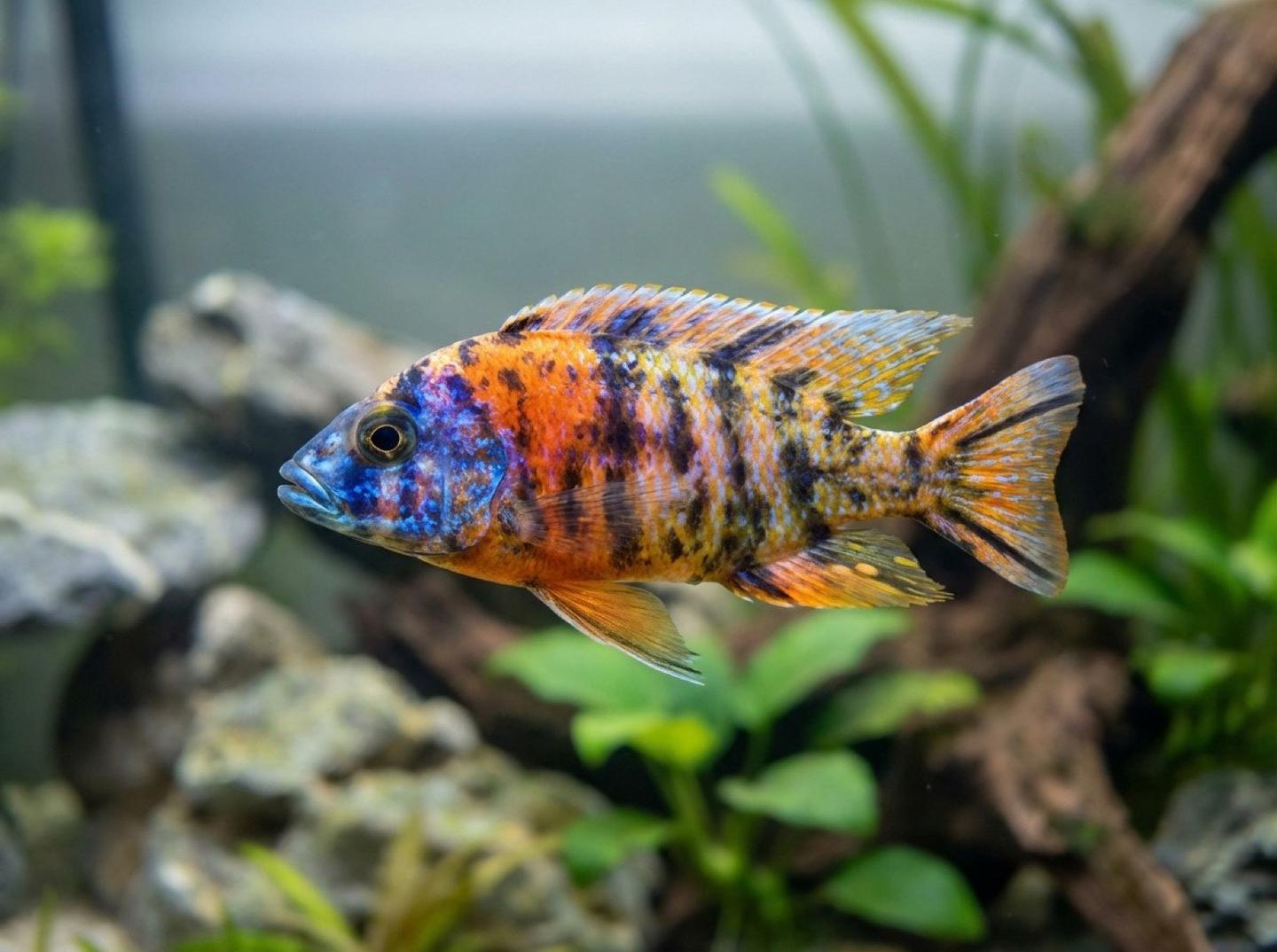
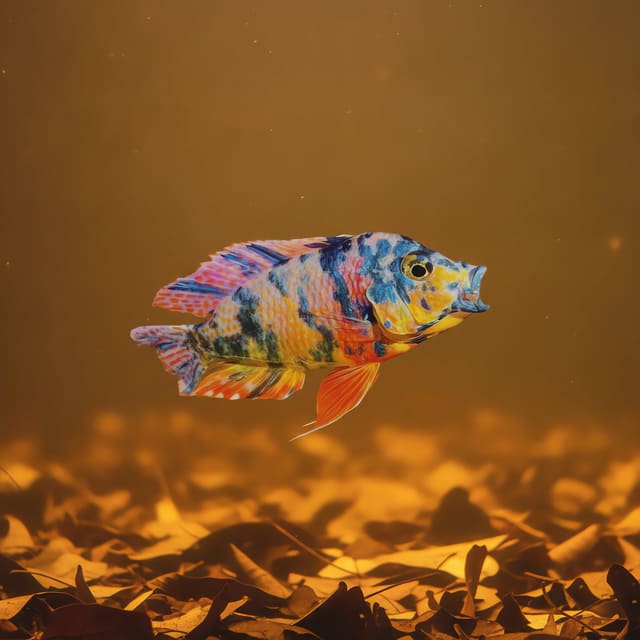
A Calico Peacock (Aulonocara sp. calico) - the calmer, open-sand side of Lake Malawi. Peacock males carry this jewel colour while females stay plain, and unlike the herbivorous mbuna they're micro-predators that take a protein-richer diet. Build peacocks their own tank rather than mixing them with pushy mbuna. Credit: Tropical Fish Co.
Peacocks are where a lot of keepers end up once they've run a mbuna tank - the colour is just as intense but the temperament is gentler, and a sand-floored Aulonocara display has a serenity a busy rock tank doesn't. The trade-off is that the females are unremarkable, so a peacock tank is really a tank of glowing males plus quieter females. It's also why look-alike Aulonocara shouldn't share a tank: the males will cross-breed if they can't tell each other's females apart.
Malawi cichlids are hardy travellers, but the move from our hard, buffered water to yours is the moment to be careful - a sudden swing in pH or hardness is the main risk for these fish, not the journey itself. Our licensed live-animal courier delivers in an insulated, oxygenated bag; your job is a calm, slow handover:
A Malawi-specific tip: where you can, add new fish to an established colony with the lights off and after rearranging the rockwork slightly. Resetting the territories at the same moment new fish go in stops the existing dominant male from treating the newcomers as invaders of land he already owns. Have the tank fully cycled, hard and stable before anyone arrives.
Lake Malawi cichlids reward you with colour no community tank can match - the catch is that you build the tank for them, not the other way round. Hard water, a big rock-filled aquarium, the right group, and a diet matched to mbuna or peacock. Get those right and you're set for the best part of a decade.
Every claim above is sourced - see the References block below. If you're not sure whether your water suits Malawi cichlids, or which species safely live together, ask us before you order. We'd far rather set you up with a tank that works than sell you a fish that won't thrive.
Visual route into the rest of our UK live-fish range.
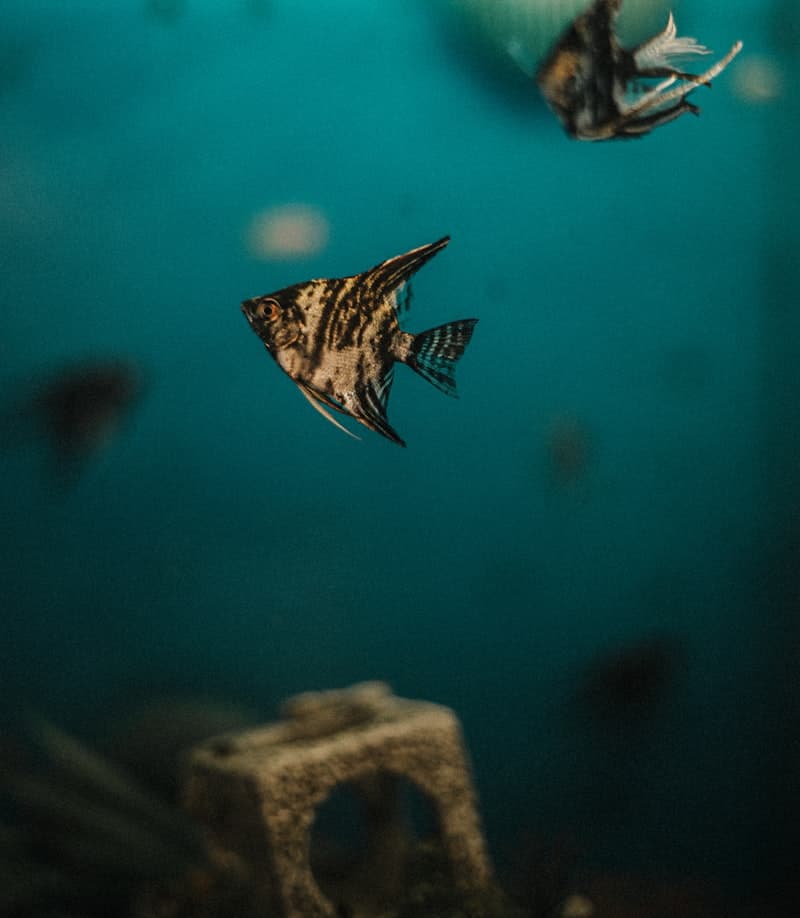
Malawi mbuna, peacocks and haps plus Tanganyika Tropheus and Frontosa — mostly juveniles, supplied size on every listing. Hard-water advice included.
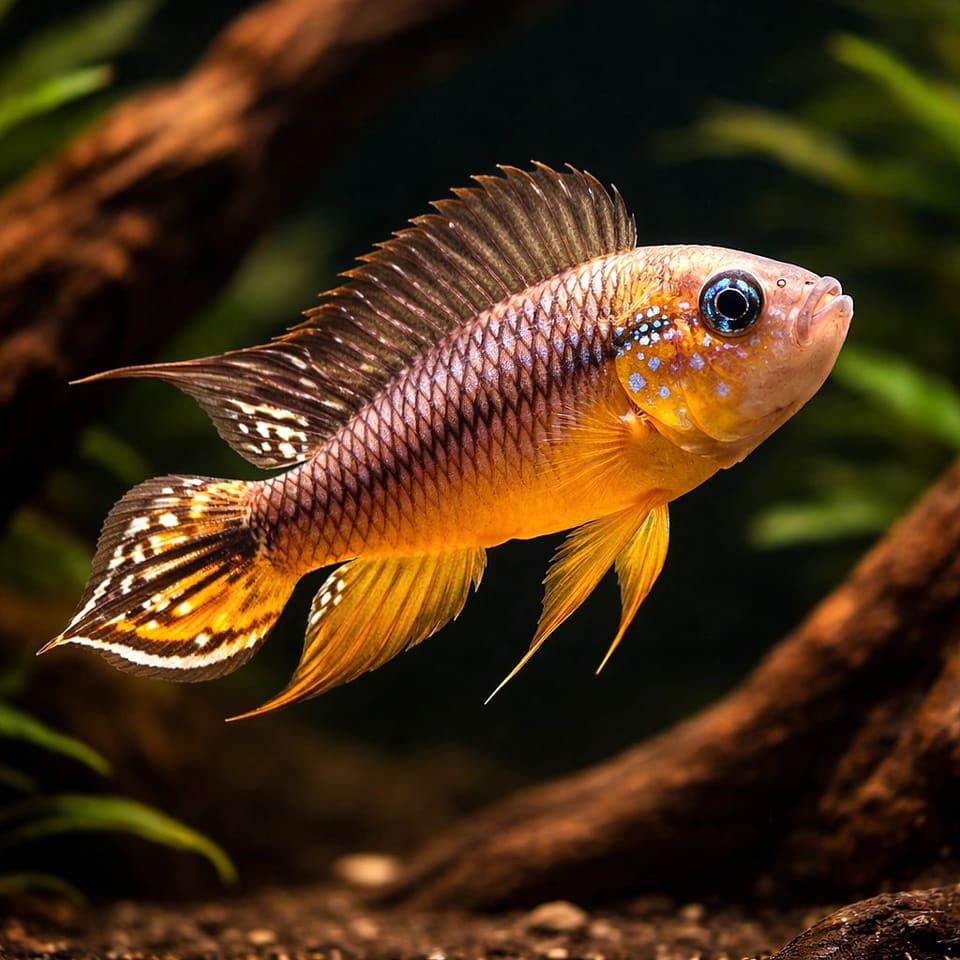
South American Cichlids for sale UK — Apistogramma, Rams, Oscars, Severums, Geophagus, Pikes, Discus and Angelfish.
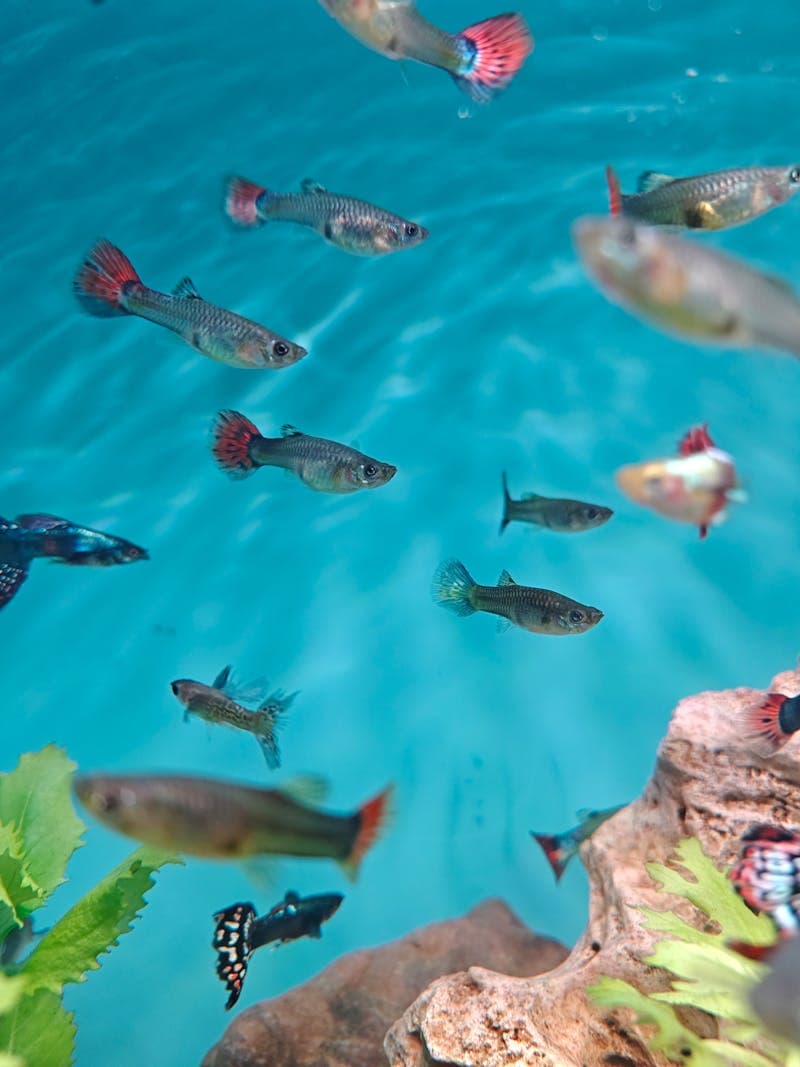
Tropical fish for sale UK — tetras, cichlids, bettas, guppies and corydoras. Specialist delivery backed by our Live Arrival Guarantee.
Material factual claims cite the sources below; store policy and cautious inference are labelled in the article. Sources are grouped by type so you can judge their weight at a glance.
Peer-reviewed genomic study of the Lake Malawi cichlid radiation - source for the scale of the species flock and gene flow between groups.
Representative Malawi species - source for endemism to Lake Malawi, max size ~8 cm SL, mouthbrooding and benthopelagic habit.
Independent husbandry cross-check - pH 7.7-8.6, hardness 10-25 dH, 'ideal beginner's mbuna', spirulina-led diet.
UK hobbyist reference - rockwork, overstocking to suppress aggression, hard alkaline water (pH 8.0-8.5), 120 cm minimum tank.
Species-specific UK reference for the electric yellow - the most peaceful, beginner-friendly mbuna.
Real UK aquascaper building a Lake Malawi mbuna tank - rockwork structure, hardscape and stocking demonstrated end to end.
UK authority source - confirms south-east England tap water is classified as hard, which suits Malawi cichlids.
Fishkeeping moves fast and we want every guide spot-on. If you think something here is wrong, out of date, or could be clearer, tell us — our team reads every message and updates the page.
Suggest an editMalawi mbuna, peacocks and haps plus Tanganyika Tropheus and Frontosa — mostly juveniles, supplied size on every listing. Hard-water advice included.
South American Cichlids for sale UK — Apistogramma, Rams, Oscars, Severums, Geophagus, Pikes, Discus and Angelfish.
Tropical fish for sale UK — tetras, cichlids, bettas, guppies and corydoras. Specialist delivery backed by our Live Arrival Guarantee.
Compare African lake, South American and Central American cichlids by adult size, water, social behaviour and aquarium footprint before choosing.
Learn which freshwater aquarium water parameters to test, how to read ammonia, nitrite, nitrate, pH, GH and KH, and when a result needs action.
Plan a discus aquarium with evidence-led guidance on group size, a 300-litre adult setup, 26–30°C water, feeding, tank mates, health and UK buying.
Discus & Cichlid Expert · 15+ years in the hobby
Priya has bred discus commercially in Leicester since 2016 — supplying Tropical Fish Co and two other UK retailers with F1 tank-bred juveniles. Before that she spent seven years on South American dwarf cichlids. Her discus and cichlid guides on this site are written from the perspective of someone who has actually hatched, grown out, and shipped the fish — not from library research alone.