Easy
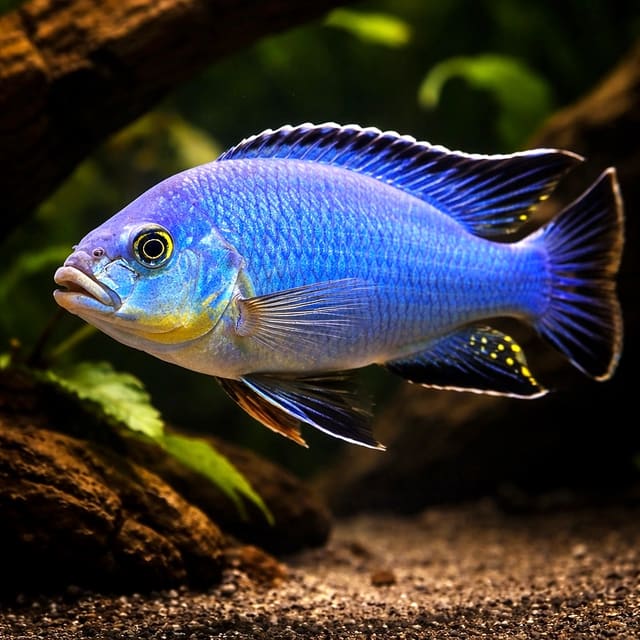
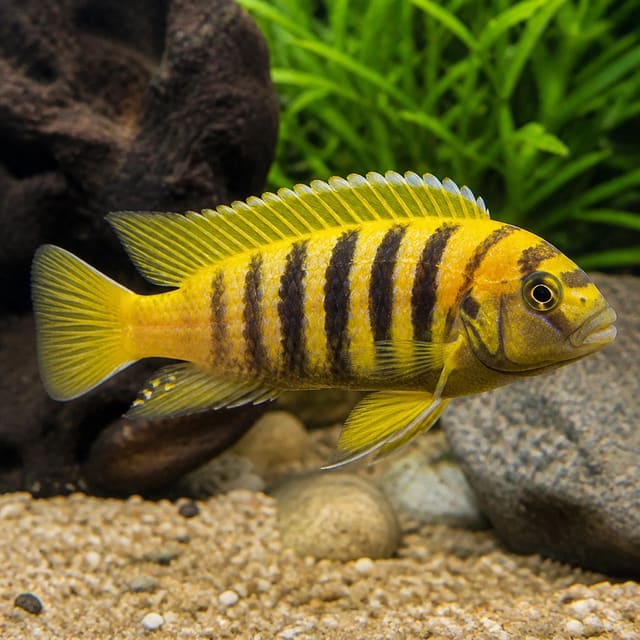
Dinghani Yellow Mbuna (Pseudotropheus flavus)
24–27°C · pH 8–8.4 · 154L
£13.99
A striking young Mbuna from Lake Malawi, ideal for hardwater cichlid tanks with rockwork and plenty of attitude.
Adult size is the maximum length this species reaches at full maturity (scientific sources). The livestock you receive will be younger and smaller — pick a size above for the actual shipping size. Product-photo provenance and any image-specific limitations are stated on the listing.
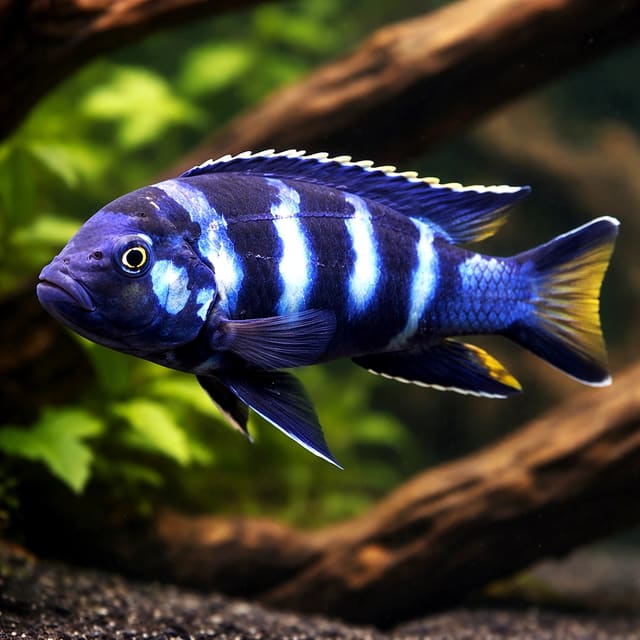
Pseudotropheus sp. 'Membe Deep'
Shoaling fish: kept in a group they feel safer, stay calmer and show their best colour.
Confirm your email, then we’ll send an availability message for this exact item if it returns within 180 days.
This request is only for this product—no newsletter or other promotions. A mail-provider retry may very rarely duplicate the same availability message. Unconfirmed addresses are removed after 48 hours. See our privacy policy.
A striking young Mbuna from Lake Malawi, ideal for hardwater cichlid tanks with rockwork and plenty of attitude.
Adult size is the maximum length this species reaches at full maturity (scientific sources). The livestock you receive will be younger and smaller — pick a size above for the actual shipping size. Product-photo provenance and any image-specific limitations are stated on the listing.
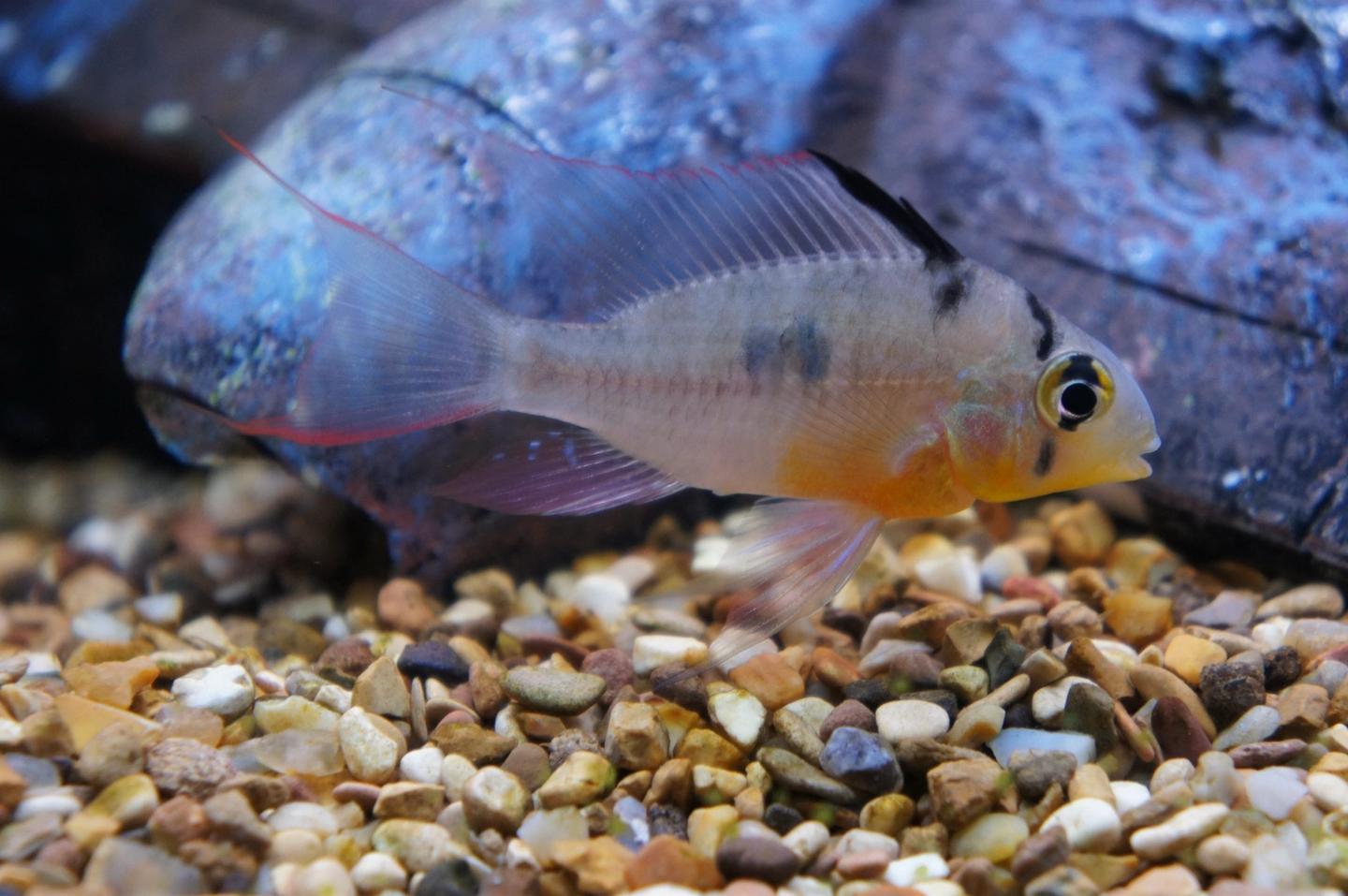
Cichlids are a family of roughly 1,800 accepted species, not one care type. Before buying, identify the exact species and source, then compare adult measurement, usable tank dimensions, social system, territory, tested water, diet and an exit plan. No family-wide minimum tank, water range or tank-mate list is safe.
Maintain these water conditions for optimal health and vibrant colors
Pseudotropheus Membe Deep is a colourful Mbuna cichlid from Lake Malawi, offered here at approximately 3-4 cm. As a juvenile, it is still developing its adult colouration and character, but it already shows the classic energy, confidence and territorial behaviour that make Mbuna so popular with African cichlid keepers.
This species is best suited to experienced or committed aquarists who can provide a properly set up Malawi tank with hard, alkaline water, strong filtration and lots of rockwork. In the right environment, Pseudotropheus Membe Deep becomes a lively centrepiece fish with constant activity and fascinating social behaviour. It is not a community fish in the usual sense, but in a carefully planned Mbuna aquarium it can thrive and display superb colour as it matures.
All fish are supplied with our live arrival guarantee and sent using fast UK delivery, helping your new cichlid arrive in the best possible condition.
| Attribute | Details |
|---|---|
| Scientific name | Pseudotropheus sp. “Membe Deep” |
| Common name | Membe Deep Mbuna |
| Adult size | Approx. 8-10 cm |
| Temperament | Semi-aggressive |
| Care level | Moderate |
| Minimum tank | 250 litres+ |
| Temperature | 24-27°C |
| pH | 7.8-8.6 |
| Water hardness | Hard, alkaline |
| Diet | Primarily herbivorous / omnivorous Mbuna diet |
| Tank region | Middle to bottom |
Pseudotropheus Membe Deep originates from the rocky shoreline habitats of Lake Malawi in East Africa. Mbuna cichlids are specialised rock-dwellers, spending their lives among boulders, crevices and algae-covered surfaces where they graze, defend territories and interact with other cichlids. The “Membe Deep” locality form is associated with the deep-water rocky zones of the lake, where the environment is bright, mineral-rich and highly structured.
In nature, these fish live in a challenging but stable habitat with very hard, alkaline water and constant access to shelter. Their behaviour reflects this environment: they are active, territorial and always aware of nearby rivals. Replicating this habitat in the aquarium is the key to long-term success.
A proper Mbuna aquarium should be built around rockwork. Use stacked slate, limestone, tufa rock or other aquarium-safe hardscape to create caves, tunnels and broken lines of sight. This helps reduce aggression by allowing fish to establish territories without constantly seeing one another. Open swimming space is still important, but the tank should feel like a rocky maze rather than a planted community aquarium.
Strong filtration is essential because Mbuna are active and produce a fair amount of waste. Aim for excellent water movement and high oxygenation, with regular maintenance and water changes to keep nitrate low. A sandy substrate is ideal, as it is natural for Malawi cichlids and allows for easy cleaning. Live plants are usually not recommended, as most Mbuna will dig, nibble or uproot them.
Recommended water conditions:
Because this species is sold at 3-4 cm, it is still juvenile and may appear less intense in colour than adults. With good feeding, stable water and a suitable social group, it will develop into a much more impressive fish over time. As with all cichlids, avoid sudden changes in water chemistry and always acclimate carefully.
Pseudotropheus Membe Deep should be fed a diet designed for Mbuna cichlids. In the wild, many Mbuna graze aufwuchs, algae and tiny invertebrates from rock surfaces. In captivity, offer a high-quality cichlid pellet or flake with a vegetable base, supplemented with spirulina, blanched spinach, courgette and other suitable greens.
Feed small amounts once or twice daily, only what the fish can consume in a few minutes. Overfeeding is a common mistake with Mbuna and can lead to poor water quality and digestive issues. Avoid heavy, fatty foods and be cautious with high-protein diets, which are not ideal for many Malawi cichlids. A varied but plant-focused diet will support colour, growth and long-term health.
Membe Deep is best kept with other Lake Malawi Mbuna of similar size and temperament. Suitable tank mates should be robust, able to hold their own, and preferably from the same water requirements. A good ratio of males to females, or a carefully planned all-male display, can help manage aggression depending on your setup and experience.
Good companions include other similarly sized Mbuna such as Labidochromis, Metriaclima, Iodotropheus and selected Pseudotropheus species, provided the tank is large enough and the rockwork is extensive. Avoid peaceful community fish, slow swimmers, long-finned species and any fish that require soft or acidic water. Mixing with overly aggressive Malawi species can also create unnecessary stress unless the aquarium is large and expertly arranged.
For best results, keep only one species with a similar body shape in smaller tanks, or stock a larger aquarium with a well-planned Mbuna group to spread aggression. Careful stocking is more important than simply adding more fish.
At Tropical Fish Co, we understand that live fish need more than just a box and a label. We prioritise careful packing, reliable dispatch and customer support that helps you succeed with your aquarium. Your fish are shipped with our fast UK delivery service and backed by our live arrival guarantee, giving you confidence when ordering online.
We aim to supply healthy, well-conditioned fish and provide accurate care information so you can set up the right environment from day one. Whether you are building a dedicated Malawi display or adding to an established Mbuna collection, Pseudotropheus Membe Deep is a rewarding choice for aquarists who enjoy active fish with real personality. With the right tank, diet and companions, this species can become a standout feature in your cichlid setup.
No reviews for this item yet. Bought one? Honest reviews only, good or bad.
What customers say about ordering from us
Easy website plenty of info on fish your buying great to pick a time slot
TRACEY DURRANT · 7 Oct 2026
Got some lovely fish thank you
Kevin Mackie · 7 Oct 2026
Reviews of our shop, collected by Judge.me, an independent third-party review collector. Newest first.