
Aquarium Algae Control: The UK Aquarist's Complete Guide
Quick answer
Algae appears when these four things go wrong simultaneously:
- Too much light (more than 8 hrs/day or direct sunlight)
- Too many nutrients (overfeeding, no water changes, accumulated waste)
- Not enough plants (no competition for those nutrients)
- No clean-up crew (no fish/inverts eating algae as it grows)
Fix all four and algae problems vanish. Pick just one fix and algae returns.
Light duration. Most beginners run their aquarium light 12-14 hours a day "so I can see the fish." Reduce to 6-8 hours with a £10 timer plug, and algae growth often halves within 2 weeks — with no other changes.
Identifying the type of algae
Different algae have different causes and treatments:
Brown algae (diatoms)
Looks like: Brown dust coating glass, decor, and substrate. Wipes off easily. Cause: Silicates in new tank water/substrate. Normal in tanks 2-8 weeks old. Treatment: Wait 4-6 weeks; add otocinclus (group of 4-6) — they devour diatoms.
Green spot algae
Looks like: Small dark green dots on glass and slow-growing plant leaves (anubias, Java fern). Hard to wipe off. Cause: Low phosphate or excess light on slow-growing surfaces. Treatment: Nerite snails (their teeth scrape it off) + ensure phosphate isn't too low.
Green dust algae
Looks like: Soft green coating on glass. Easy to wipe but returns within days. Cause: Excess light + immature tank. Treatment: Reduce light hours; let mature; wipe weekly.
Green hair / thread algae
Looks like: Long green strands like hair, attached to plants and decor. Cause: Excess nutrients (overfeeding, too few plants) + light. Treatment: Amano shrimp eat it; manual removal weekly; reduce nutrients.
Black beard algae (BBA)
Looks like: Dark grey/black tufts on plant edges, decor, filter outlets. Hard. Cause: Inconsistent CO2 or fluctuating parameters in planted tanks. Treatment: SAE (Siamese algae eater) actually eats BBA. Spot-treat with liquid carbon (Excel/Easy-Carbo) — squirt directly onto BBA with syringe.
Blue-green algae (cyanobacteria)
Looks like: Slimy dark green/blue sheets covering substrate or decor. Smells bad. Cause: Stagnant water + excess organic waste. Treatment: Increase flow + 3-day blackout (cover tank completely) + 50% water change. Erythromycin antibiotic kills it but use as last resort.
Green water (algae bloom)
Looks like: Water turns pea-green, can't see through tank. Cause: Massive nutrient + light excess (often after over-fertilising plants). Treatment: UV sterilizer (most reliable) + 3-day blackout + reduced feeding. Daphnia eat green water — add daphnia to water if you have any.
Best algae eaters for UK tropical tanks
| Algae eater | Eats | Tank size | Notes |
|---|---|---|---|
| Amano shrimp (Caridina multidentata) | Hair algae, soft green algae, leftovers | 30 L+ | The most effective algae eater. 5 per 60 L. Adults safe with most fish. |
| Cherry shrimp (Neocaridina davidi) | Soft algae, biofilm | 20 L+ | Not as effective as amano but breeds in tank — colony grows |
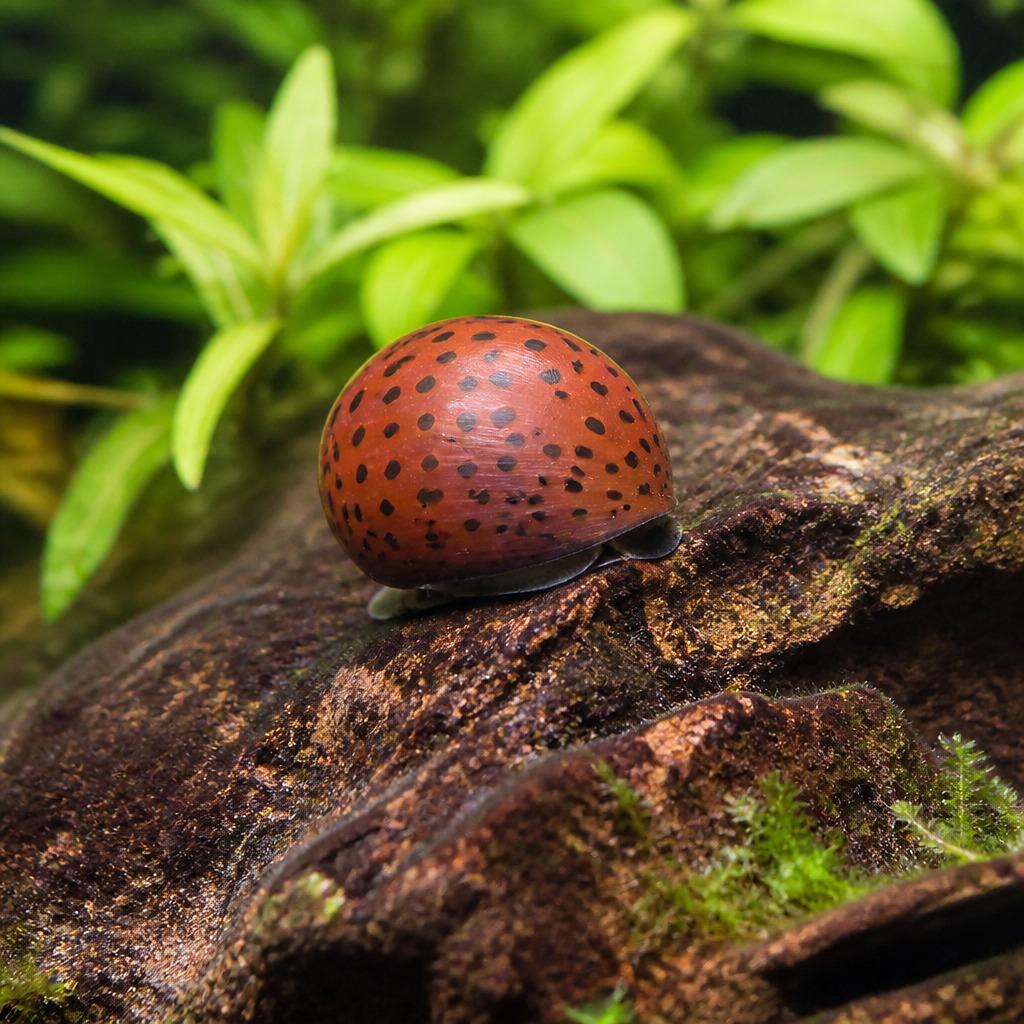
| Nerite snail | Green spot algae, biofilm | Any size | Best snail. Doesn't breed in fresh water. Lays cosmetic eggs. |
| Mystery snail | Soft algae | 60 L+ | Larger; produce more waste than nerites |
| Otocinclus | Brown diatoms, soft green algae | 60 L+ | Tiny peaceful catfish. Group of 4+. Sensitive — only mature tanks. |
| Bristlenose pleco | Brown algae, soft greens | 80 L+ | Adult 12-15 cm. One per 100 L tank. Very effective. |
| Siamese algae eater (SAE) | Black beard algae (rare!) | 100 L+ | Only fish that eats BBA reliably. Gets to 12 cm. |
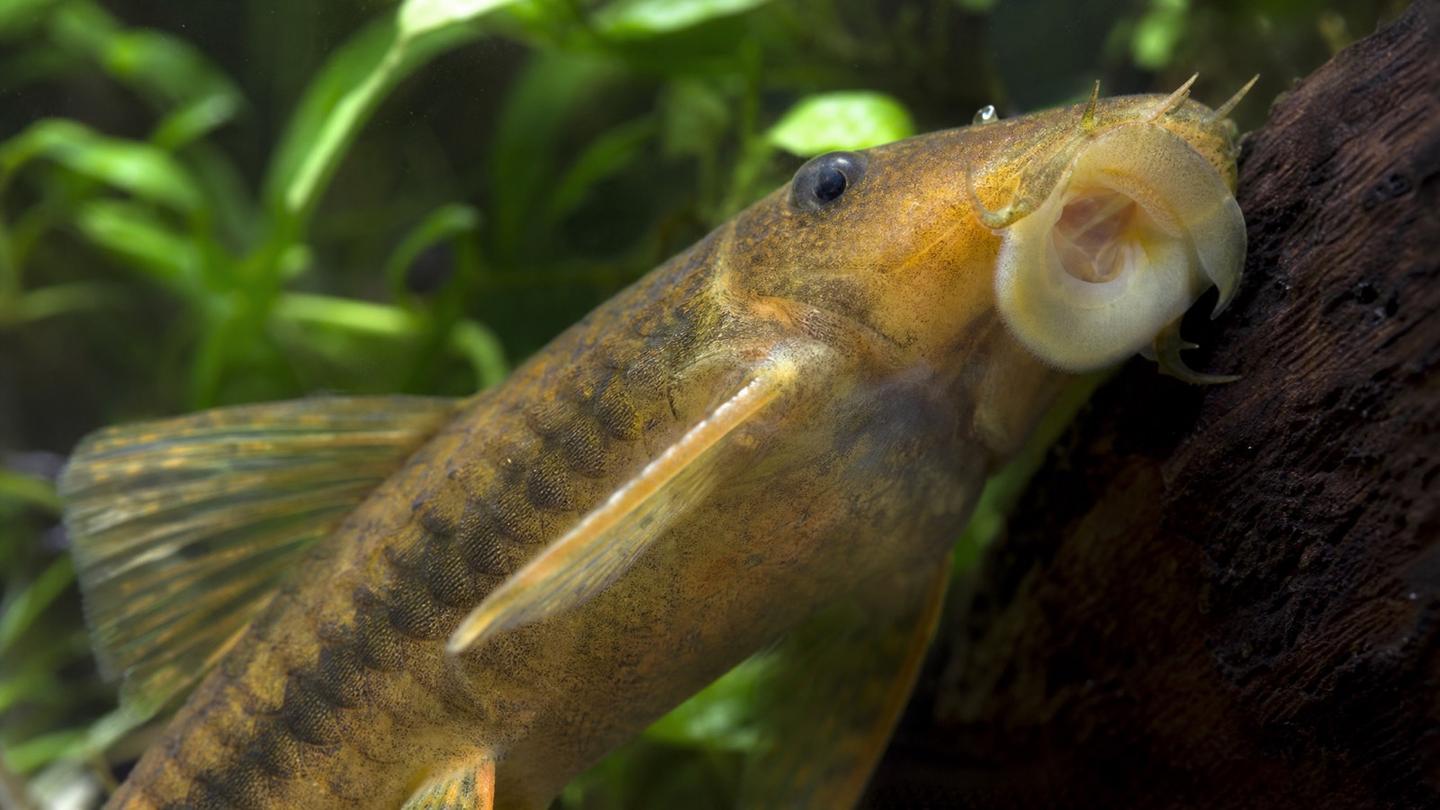
| Hillstream loach | Soft greens on rocks | 80 L+, cooler tank | River species, needs flow + 20-22 °C |
| Amano shrimp + nerite combo | Comprehensive | 60 L+ | Most flexible combo for community tanks |
Browse our algae eaters category — all UK-stocked.
Step-by-step algae elimination
Week 1: Diagnose + fix root causes
- Identify the type of algae (see chart above)
- Reduce light to 6-8 hours per day with a timer plug (£10 from any shop)
- Move tank away from windows if direct sunlight hits
- Skip a feeding day to reduce nutrient input
- Test water — high nitrate (>40 ppm) means overfeeding or no water changes
Week 2: Add clean-up crew
Based on tank size, add:
- 30-60 L: 5 amano shrimp + 2 nerite snails
- 60-100 L: 5 amano + 3 nerite + 4 otocinclus
- 100-200 L: Above + 1 bristlenose pleco
- 200 L+: Above + 1 SAE if BBA present
Week 3: Manual cleaning
- Scrape glass with magnetic algae scraper (£8)
- Trim affected plant leaves
- Vacuum substrate during weekly water change
- Clean filter media GENTLY in old tank water (don't kill bacteria)
Week 4: Add live plants
Plants compete with algae for the same nutrients. Add:
- Fast growers that absorb nutrients quickly: Hornwort, Limnophila, Vallisneria
- Floating plants that block excess light from below: Frogbit, Salvinia, Water lettuce
- Slow growers for steady aesthetic: Anubias, Java fern, Cryptocoryne
Week 5: Monitor + adjust
- Algae growth should have slowed dramatically
- If still spreading, light hours too high or feeding still excessive
- Take photos weekly to track progress
Common algae control mistakes
Mistake 1: "I'll just use algaecide chemical"
Why it fails: Kills algae fast → mass dieoff → ammonia spike → stressed fish → algae returns when chemical wears off.
Fix: Address root causes biologically.
Mistake 2: Adding plecos as "algae cleaners"
Why it fails: Common pleco grows to 30 cm and is messy. Bristlenose is what you want (12 cm). And once tank is clean, the pleco needs supplementary food (algae wafers).
Fix: Bristlenose pleco only (not common pleco). Plus shrimp + snails.
Mistake 3: Removing all algae overnight
Why it fails: Total algae removal triggers tank to regrow algae aggressively as nutrients have nothing to absorb them. Boom-bust cycle.
Fix: Gradual reduction over 4-6 weeks. Healthy tank has SOME algae always.
Mistake 4: Lighting tank 12+ hours a day
Why it fails: Algae grows exponentially with light. Plants benefit much less from extra hours beyond 8.
Fix: Timer plug, 6-8 hours daily.
Mistake 5: Only adding ONE algae eater
Why it fails: Each species eats DIFFERENT algae. One nerite won't eat hair algae; one shrimp won't eat green spot.
Fix: Combo: amano + nerite + otocinclus covers most algae types.
Prevention routine
Once tank is clean:
| Frequency | Task |
|---|---|
| Daily | Lights on/off (timer) |
| Daily | Light feeding (small amount) |
| Weekly | 25% water change |
| Weekly | Glass scrape (front pane only — back can stay clean from snails/shrimp) |
| Weekly | One feeding-skip day |
| Monthly | Trim dying plant leaves |
| Monthly | Clean filter media in tank water (don't kill bacteria) |
| Monthly | Test water (ammonia, nitrite, nitrate) |
Following this routine, algae stays minimal indefinitely.
Summary
Algae control = light + nutrients + plants + clean-up crew. Address all four together. Use amano shrimp + nerite snails + otocinclus as the clean-up trio for most community tanks. Don't use chemical algaecides — they don't fix the cause.
Related guides
Frequently asked questions
Browse our UK live-fish range
From this article straight into the catalogue.
Beginner Fish
The best tropical fish for beginners UK — hand-picked easy-care species that thrive with minimal fuss. Perfect starter community tank candidates.
Community Tank Fish
Peaceful tetras, rasboras, corydoras, platies and gouramis chosen to live together — temperament, adult size and water range per listing so the mix works.
Tetras
Premium Tetras for sale UK — Cardinal, Ember, Black Neon, Rummy Nose, Serpae, Diamond, Glowlight and more. Peaceful community schoolers.
Betta Fish
Halfmoon, plakat, koi, giant and wild-type Betta splendens, males and females, tail type and size stated per listing. Bagged singly, live arrival covered.
Guppy
Fancy guppies bred for colour — Moscow, Cobra, Dumbo ear and Endler lines as males, females or pairs. Hardy in UK tap water; arrive alive or replaced.
Cherry Shrimp
Red, blue, yellow, black and Rili cherry shrimp (Neocaridina) graded per listing, with mature-tank and water guidance so a new colony settles and breeds.
Corydoras
Shop current Corydoras catfish listings in the UK. Compare scientific identity, size and sale unit, with price and availability shown per product.
Freshwater Snails
Shop freshwater aquarium snails in the UK. Compare current species, adult size, water needs, diet, breeding risk, compatibility, prices and availability.
Spotted something that needs a fix?
Fishkeeping moves fast and we want every guide spot-on. If you think something here is wrong, out of date, or could be clearer, tell us — our team reads every message and updates the page.
Suggest an editRelated care guides
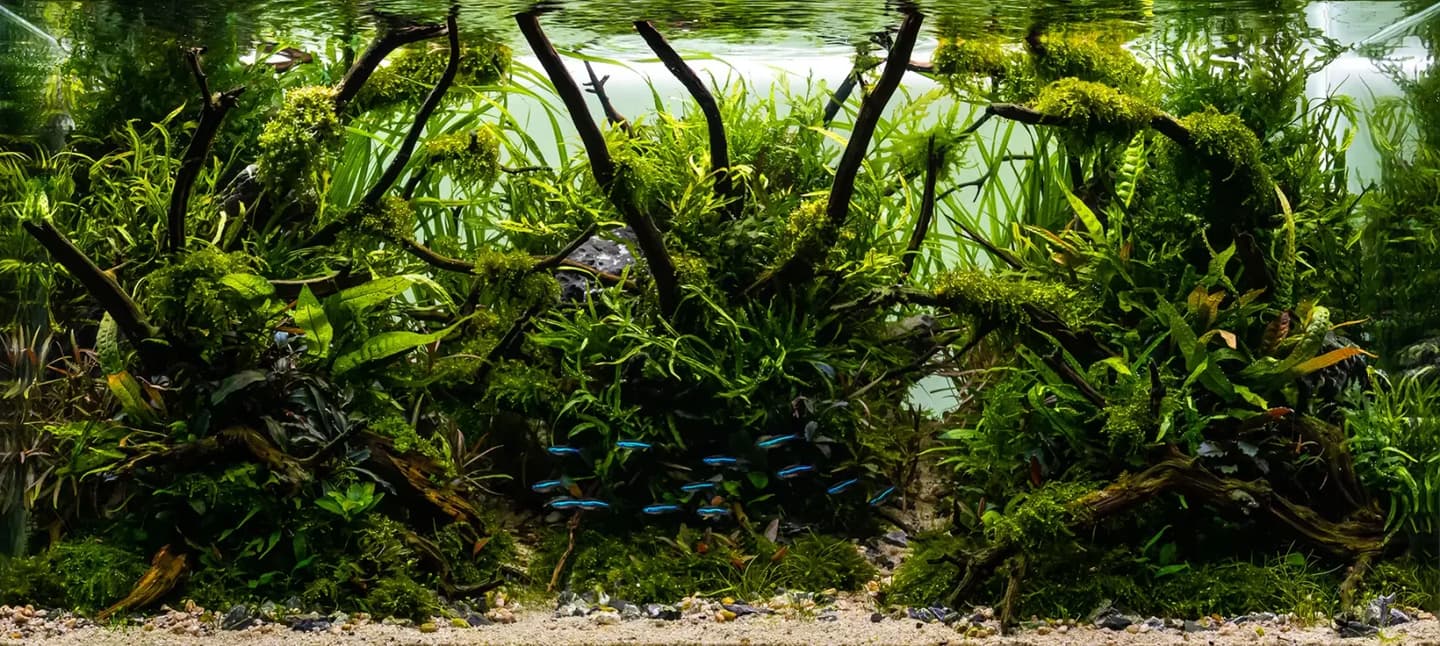
How to Set Up a Tropical Fish Tank: 10 Safe Steps
Choose the intended fish before the aquarium, place the tank on a suitable level support, install a filter and thermostatic heater, condition and test the water, then complete a fishless cycle. Add fish only after the chosen maturation process reaches its defined endpoint and repeated tests show zero ammonia and zero nitrite; elapsed days alone do not prove readiness.
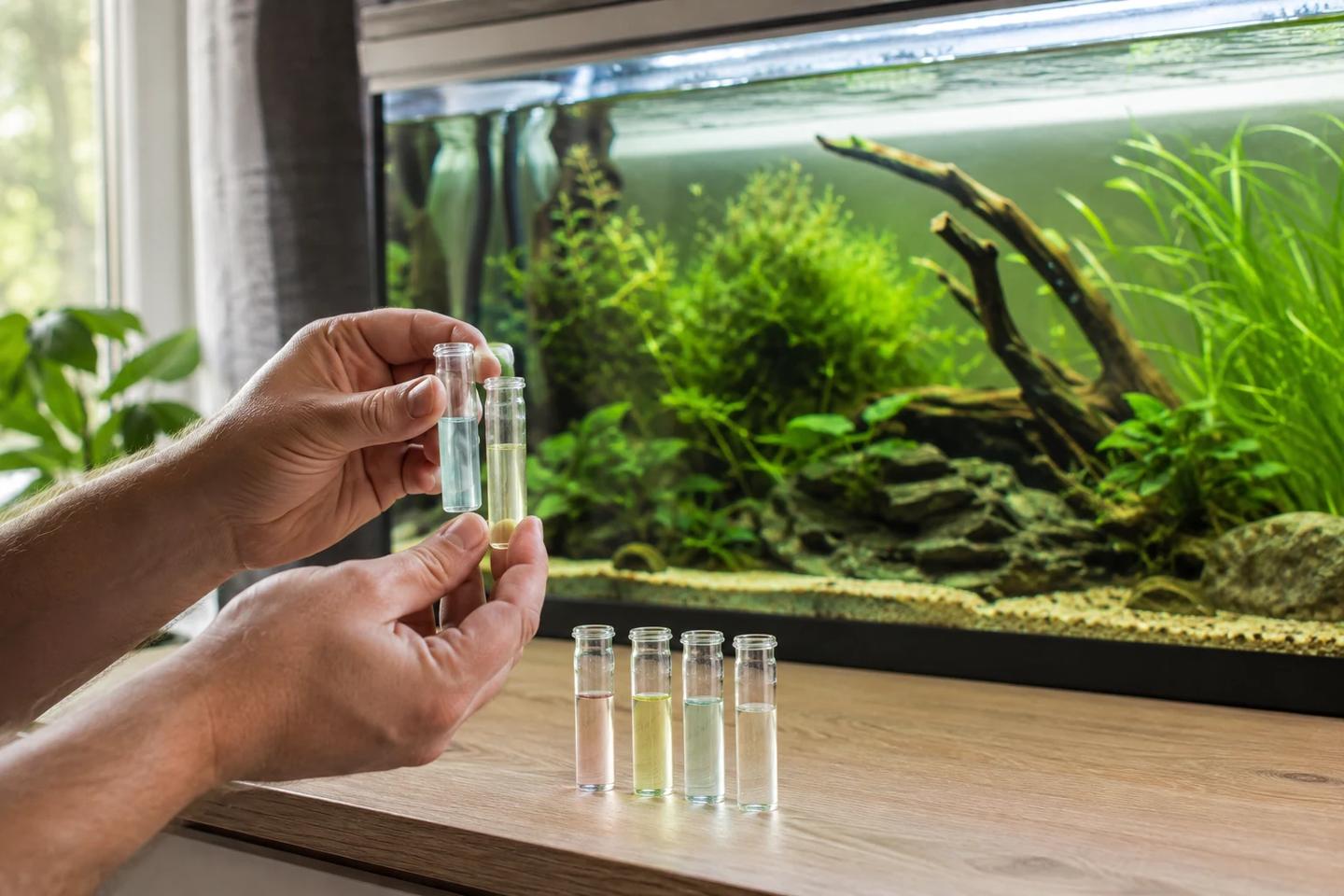
Aquarium Water Parameters: What to Test and Why
There is no universal set of perfect freshwater aquarium parameters. Identify the animals, learn what the test and unit actually report, establish your local source-water baseline, and compare repeat measurements. In an established aquarium, a confirmed ammonia or nitrite detection needs investigation; pH, GH, KH, temperature and nitrate decisions depend on the species, life stage and whole system.
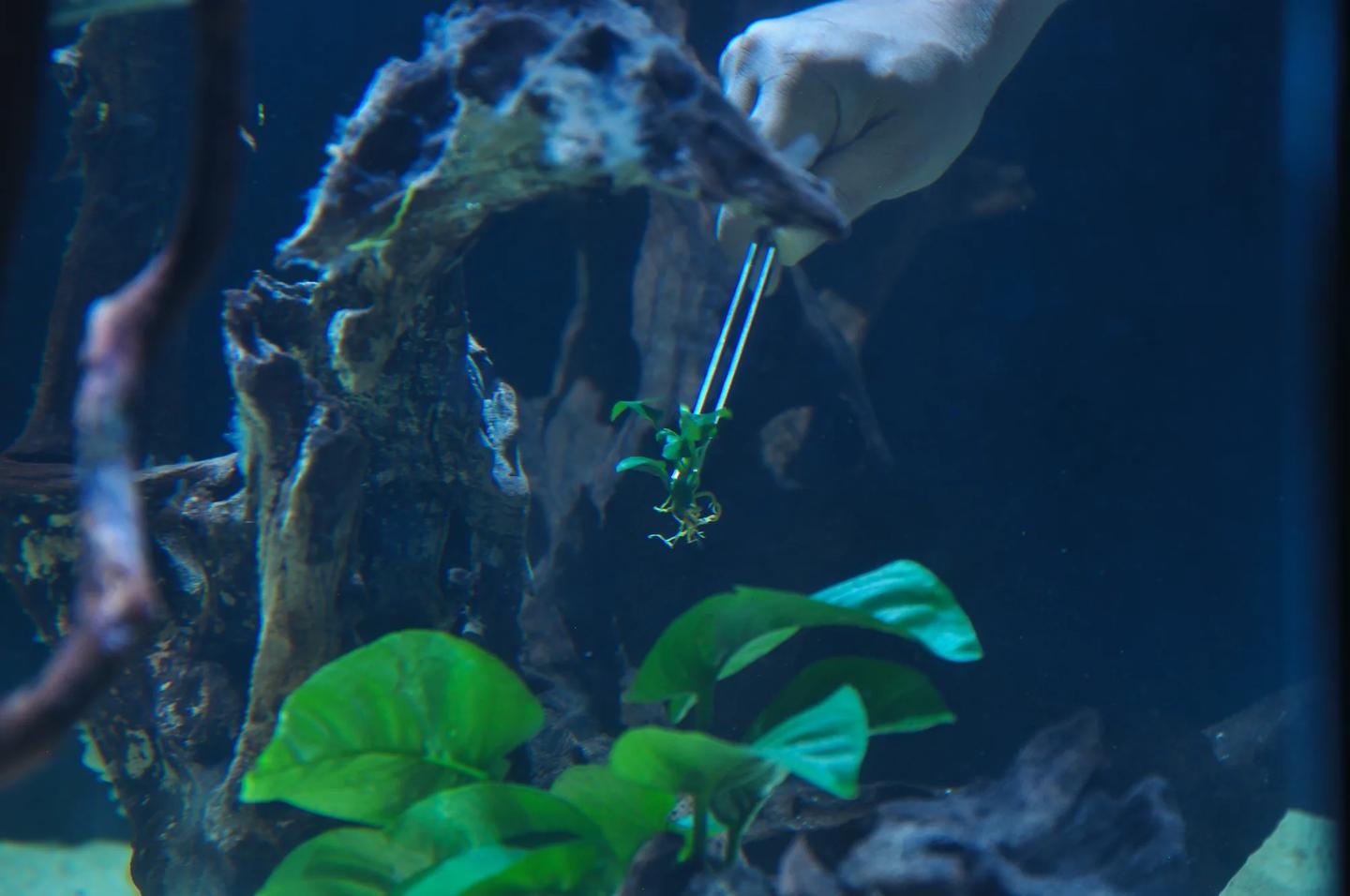
Live Aquarium Plants for Beginners: 7 Easy Picks
For a first low-tech planted aquarium, start with one or two correctly labelled lower-demand species, match their mature size to the tank, keep the rhizomes of Java fern and Anubias above the substrate, and change only one lighting or feeding variable at a time.