
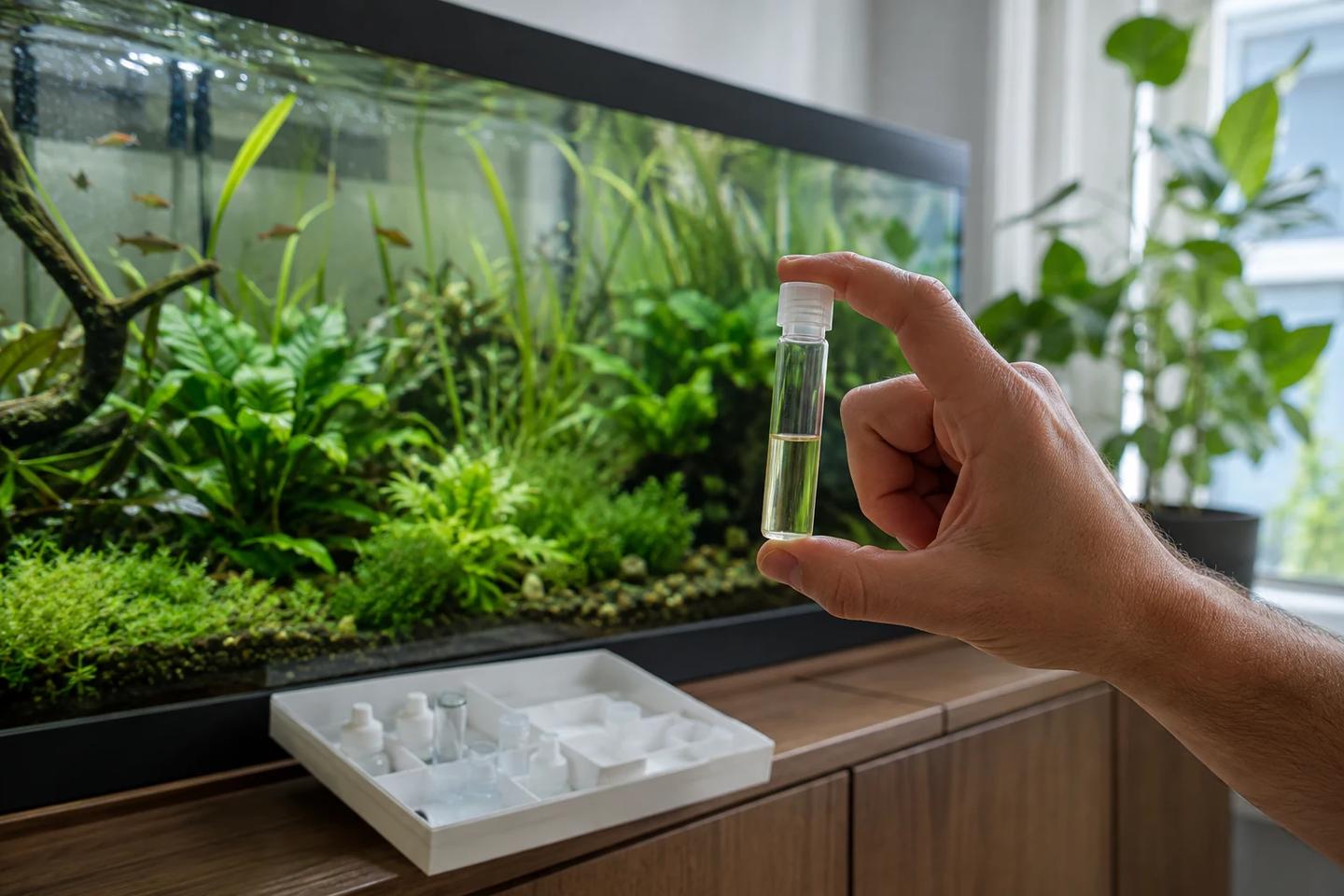
pH for Tropical Fish: How to Test and Interpret It

There is no single best pH for tropical fish. “Tropical fish” covers many freshwater species from different waters, and the appropriate range can change with life stage, breeding status and origin. Start with the exact animal—not a universal chart—then compare reliable species guidance with water measured at your property and in the aquarium.
- A pH of 7.6 or 8 is not automatically too high, and 6.5 is not automatically better. The answer depends on the exact fish and whole system.
- Confirm an unexpected reading before changing anything. Record the test method, time, temperature, source water and aquarium water.
- Read pH with KH or alkalinity, plus ammonia, carbon dioxide, recent changes and animal behaviour.
- Do not chase a number by repeatedly adding acid, alkali or an improvised recipe to a populated aquarium.
This is a freshwater home-aquarium testing guide. It does not diagnose illness, prescribe treatment or provide a universal chemical dose. If fish are gasping, collapsing, losing balance or several are affected, check water and equipment promptly and seek competent aquatic-veterinary or experienced specialist help.
What does aquarium pH measure?
pH describes hydrogen-ion activity and is expressed on a logarithmic scale. A change of one pH unit represents a tenfold change in hydrogen-ion activity; it is not a small linear step.[1]
pH does not tell you:
- how much calcium and magnesium are present—that is part of the question answered by GH;
- how much acid-neutralising capacity the water has—that is the role of alkalinity, often approximated in the hobby by KH;
- whether ammonia, nitrite, nitrate, chlorine or another substance is present;
- whether the water is suitable for every species; or
- whether clear-looking water is safe.
Freshwater fish regulate ions and acid-base balance through complex physiological mechanisms, including processes at the gills.[9] That biology is one reason a bare pH number cannot describe the animal's complete environment.
What pH should tropical fish have?
The truthful answer is species-specific. Use the accepted scientific identity where possible, because common names can cover more than one species. Check the life stage, whether the fish is captive-bred or wild-origin when that is known and relevant, and the evidence behind the recommended range.
Do not turn a river or collection-site value into an automatic aquarium target. Wild waters can change by place and season, and their dissolved ions, organic matter, temperature and flow matter alongside pH. Research on fish in naturally acidic Amazonian waters shows that dissolved organic carbon, ion regulation and metal toxicity form part of the environment; “blackwater” is not simply tap water pushed to a low pH.[10]
Use this decision table instead of a universal species chart:
| What you know | What it means | Next step |
|---|---|---|
| Exact species and credible care evidence match measured source water | The source may support a simple, repeatable preparation routine | Verify the aquarium trend and all other required parameters |
| Exact species is uncertain | A target range could belong to the wrong animal | Confirm identity before changing chemistry |
| Several fish have incompatible requirements | One compromise number may still be unsuitable | Reconsider stocking or obtain specialist advice |
| A seller's water differs from yours | Transfer may involve more than pH: temperature and dissolved ions can differ too | Plan species-appropriate quarantine and acclimation; do not alter the main tank blindly |
| The only evidence is a generic “community fish” chart | The target is not sufficiently specific | Use a taxon-specific guide or authoritative species source |
Our Betta, Guppy and Neon Tetra guides keep species evidence separate. The broader aquarium water-parameters guide explains GH, KH, ammonia, nitrite, nitrate, temperature and TDS in context.
UK tap-water pH: measure the actual property
There is no defensible UK-wide aquarium pH such as “all tap water is 7.2–8.0”. Water sources, treatment zones and property plumbing differ. The Drinking Water Inspectorate lets customers obtain local testing information, while Water UK provides a postcode route to the responsible supplier.[2][3]
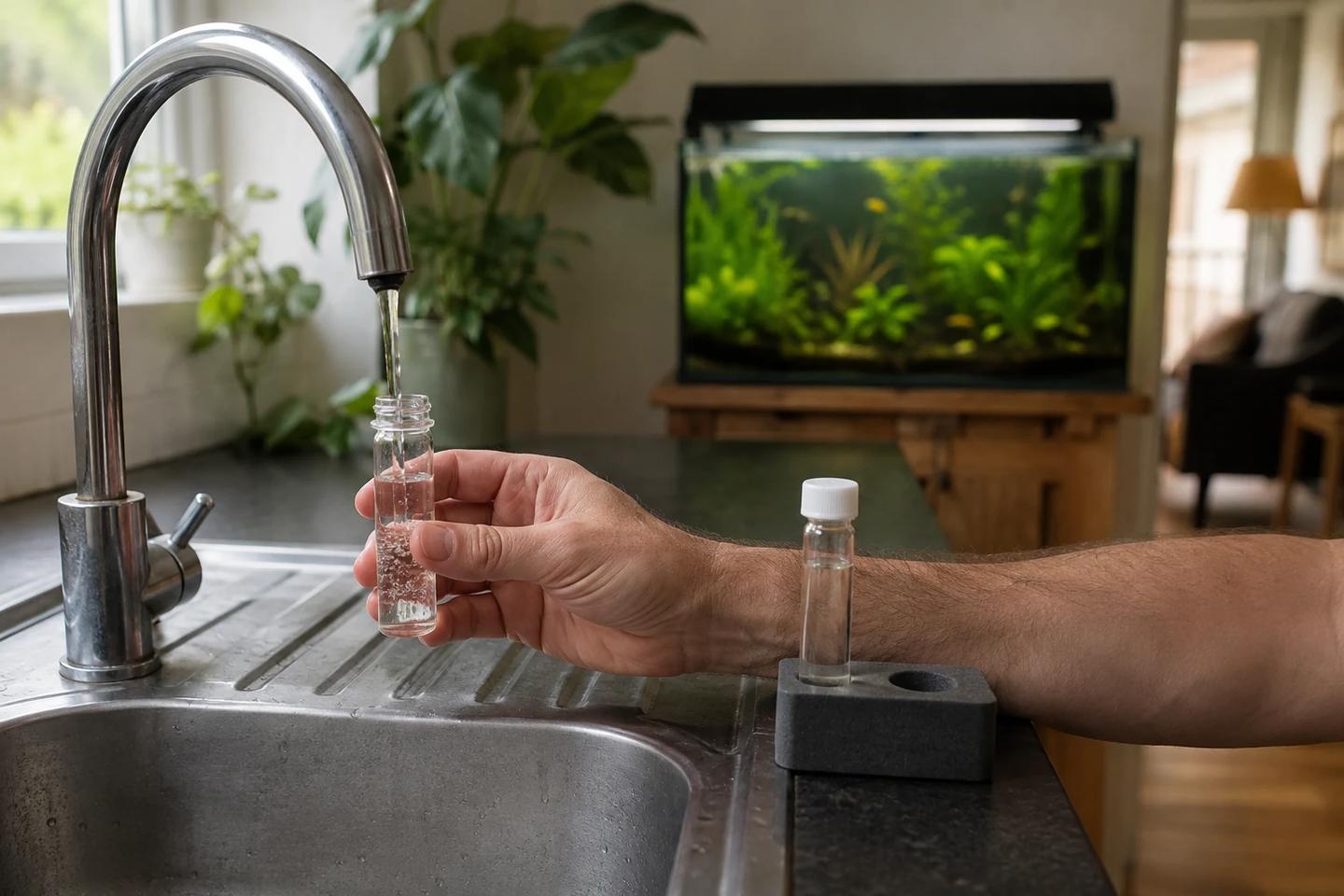
Use this source-to-tank workflow:
- Identify the current supplier for the property's postcode.
- Obtain its current local report and note the supply zone, sample date, analyte and unit.
- Collect a cold-tap sample at the actual property with clean equipment.
- Follow the pH method's required sample handling and timing.
- Test prepared replacement water and aquarium water separately.
- Record plumbing, household softener, water treatment, storage or source changes.
A drinking-water pH indicator range is for human water-supply regulation, not a tropical-fish compatibility range.[1] Source water must also be prepared appropriately for aquarium use; a pH result does not prove that disinfectant has been dealt with.[7]
How to test aquarium pH correctly
Liquid colour tests, strips and electronic meters can each fail when they are expired, stored badly, used outside their range or read incorrectly. Choose a method that covers the expected range and the consequence of the decision.
Using a liquid or strip test
- Read the current instructions rather than relying on memory.
- Check expiry, storage and whether the reagent or strip has been contaminated.
- Use a clean sample vessel and the exact sample volume.
- Follow the reagent order, mixing and wait time precisely.
- Read the colour in the stated light and against the correct chart at the stated time.
- Record the result to the precision the method supports; do not invent decimal places between colour blocks.
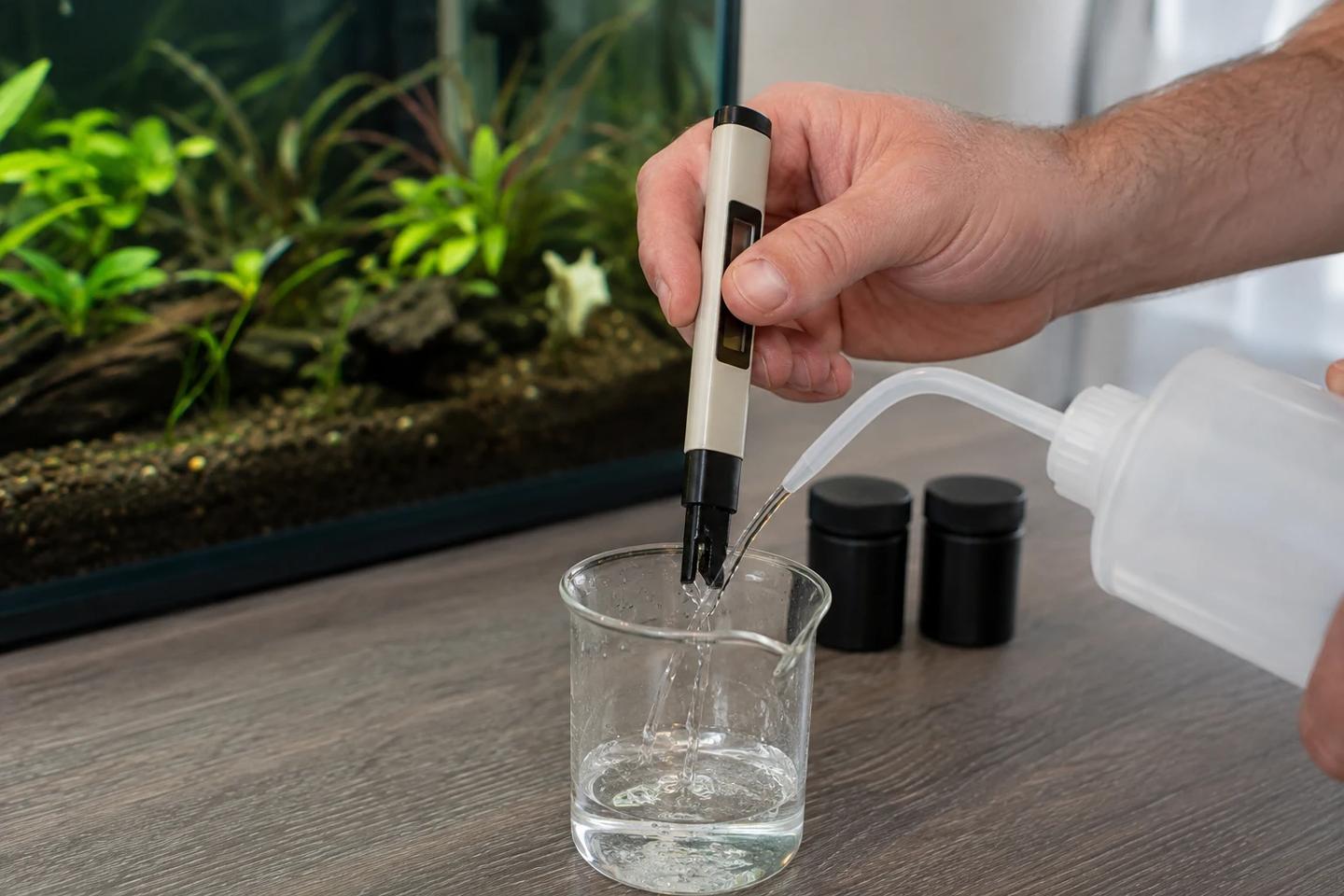
Using a digital pH meter
Follow the maker's calibration, electrode-storage, rinsing, temperature and stabilisation procedure. A dry, contaminated or uncalibrated probe can give a convincing number that is wrong. Scientific pH guidance also stresses prompt measurement and control of temperature and gas exchange because a sample can change after collection.[5]
For a surprising or high-consequence result, repeat the test correctly and use a suitable second method or competent laboratory or veterinary help. Agreement between two badly maintained methods is not proof, so keep calibration and expiry records.
Compare source and aquarium water without creating a false mismatch
Use the same method and comparable conditions where possible. Label every sample and record:
- source, prepared replacement or aquarium water;
- date and time;
- temperature;
- method, range, expiry and calibration;
- pH and KH or alkalinity;
- ammonia result with its exact analyte and unit;
- water change, top-up, filter, CO2, décor, substrate or livestock change; and
- animal behaviour.
Do not leave one sample open for hours and compare it with a freshly collected second sample. Carbon dioxide can move between water and air, changing the measured pH. The UK Home Office's fish guidance notes that acceptable pH depends on other water-quality factors and that carbon dioxide lowers pH; it also cautions that species and life stage matter.[4]
pH, KH and carbon dioxide: why the number moves
KH is hobby shorthand for carbonate hardness and is often used as a practical indicator of buffering. A laboratory may report alkalinity instead. These measures are related but not identical in every method, and neither is pH itself.
In a planted aquarium, respiration adds carbon dioxide while photosynthesis can remove it during the light period. That can produce a daily pH pattern. The size and safety of the movement depend on buffering, gas exchange, plant mass, CO2 injection, animals and other chemistry. A single morning reading and a single evening reading do not prove a “crash”.
Other possible causes of a changed result include:
- different source water or a supplier/process change;
- an exhausted, altered or inconsistently mixed prepared-water routine;
- rocks, substrate or filter media that affect chemistry;
- tannin-rich wood or botanical material;
- household softener or plumbing changes;
- addition of acid, alkali, conditioner, salt, medicine or fertiliser;
- evaporation and top-ups; and
- test or sampling error.
Investigate the cause before treating the display tank. The MSD Veterinary Manual places water history and a complete analysis at the centre of aquarium-fish assessment and cautions against abrupt environmental change.[8]
Is 7.6 or pH 8 too high for tropical fish?
Not from that number alone. It may fit one species and be unsuitable for another. Ask five questions:
- What is the exact species and life stage?
- Is the result confirmed with a suitable method?
- What are the source-water pH and KH or alkalinity?
- Is this a stable baseline or a recent rapid change?
- Are ammonia, nitrite, temperature, oxygen risk or illness signs also involved?
The same rule applies to a low result. A generic article cannot provide one pH at which every tropical fish becomes stressed or dies. Exposure duration, temperature, dissolved ions, organic matter and species physiology all affect outcome. Do not wait for a copied “lethal pH” when fish are distressed.
High- or low-pH symptoms are not specific
There is no visible symptom that diagnoses high pH or low pH by itself. Gasping, rapid gill movement, clamped fins, inactivity, darting, loss of balance, poor appetite or colour change can occur with several water, equipment, infectious or toxic problems.
If several fish change behaviour or the signs are severe:
- Check heater, filter, flow, aeration and power.
- Increase safe surface movement when oxygen may be limited.
- Verify temperature, pH, ammonia and nitrite with stated units and methods.
- Compare appropriately prepared source water.
- Stop mixing remedies or adding pH products while the cause is unclear.
- Seek prompt aquatic-veterinary or experienced specialist help.
pH also changes the balance between ionised ammonium and more toxic un-ionised ammonia. Scientific freshwater-ammonia criteria therefore use pH, temperature and organism context rather than one universal number.[6] The nitrogen-cycle guide explains why any confirmed ammonia or nitrite detection in an established aquarium needs investigation.
How to change pH more safely when a change is justified
First establish a real need: exact-species evidence, confirmed measurements and a reason the present conditions are unsuitable. Then build a repeatable prepared-water process outside the populated aquarium where possible.
A safer plan defines:
- the measured source-water baseline;
- the intended pH, GH, KH or alkalinity and conductivity range for the exact animals;
- the method and current manufacturer instructions;
- the batch volume and measurement points;
- how slowly animals will experience the change;
- how every future water-change batch will be reproduced; and
- what happens if the supply, equipment or preparation method fails.
Leaves, peat, wood, mineral media, reverse-osmosis water and commercial buffers do not cause one fixed change. Their effect depends on starting water, buffering, material, volume, contact time and replacement. Aquarium salt is not a general pH-raising method. Do not copy “one tablespoon per 50 litres”, “mix 50:50” or “drop by 0.5” without system-specific evidence.
Repeatedly dosing toward a test colour can create a sequence of overshoot and rebound while leaving the cause untouched. Confirm the need, prepare water consistently, measure each batch and introduce change gradually enough for the exact animals and system.
How often should you test pH?
Use risk, not a fixed “daily” or “weekly” slogan.
| Situation | Testing focus |
|---|---|
| New or unproven system | Track pH with the cycling measurements and temperature; do not expose fish to a test cycle |
| Stable established aquarium | Keep a periodic baseline and repeat when source, livestock, equipment or routine changes |
| CO2-managed planted tank | Measure at defined comparable points in the light/CO2 cycle and monitor animal behaviour |
| Specialist prepared water | Verify every batch before it reaches animals, including relevant GH, KH and conductivity |
| New source or property | Establish a fresh tap and prepared-water baseline rather than importing the old postcode's result |
| Abnormal behaviour or equipment failure | Prompt broader water and equipment checks; pH alone cannot diagnose the cause |
The purpose of the log is to detect a meaningful change while there is time to respond. More tests do not improve welfare if the method is poor or the numbers are never interpreted.
A pH decision checklist
Before changing aquarium pH, confirm all twelve:
- Exact species and life stage are known.
- The target comes from relevant evidence, not a generic chart.
- Source and aquarium samples are clearly labelled.
- The test is within range, date and instructions.
- An unexpected result has been repeated.
- Time and temperature are recorded.
- KH or alkalinity is known.
- Ammonia is identified by analyte and unit.
- CO2, aeration, substrate, rock, wood and recent additives are reviewed.
- The proposed change has a measured, repeatable preparation method.
- The rate of change is suitable for the animals and system.
- A competent person is involved when fish are distressed or the correction is large.
That process gives pH the right role: one important measurement inside a complete welfare decision, not a score that must be forced to a universal value.
Test the source, then verify the aquarium
Frequently asked questions
Browse our UK live-fish range
From this article straight into the catalogue.
Beginner Fish
The best tropical fish for beginners UK — hand-picked easy-care species that thrive with minimal fuss. Perfect starter community tank candidates.
Community Tank Fish
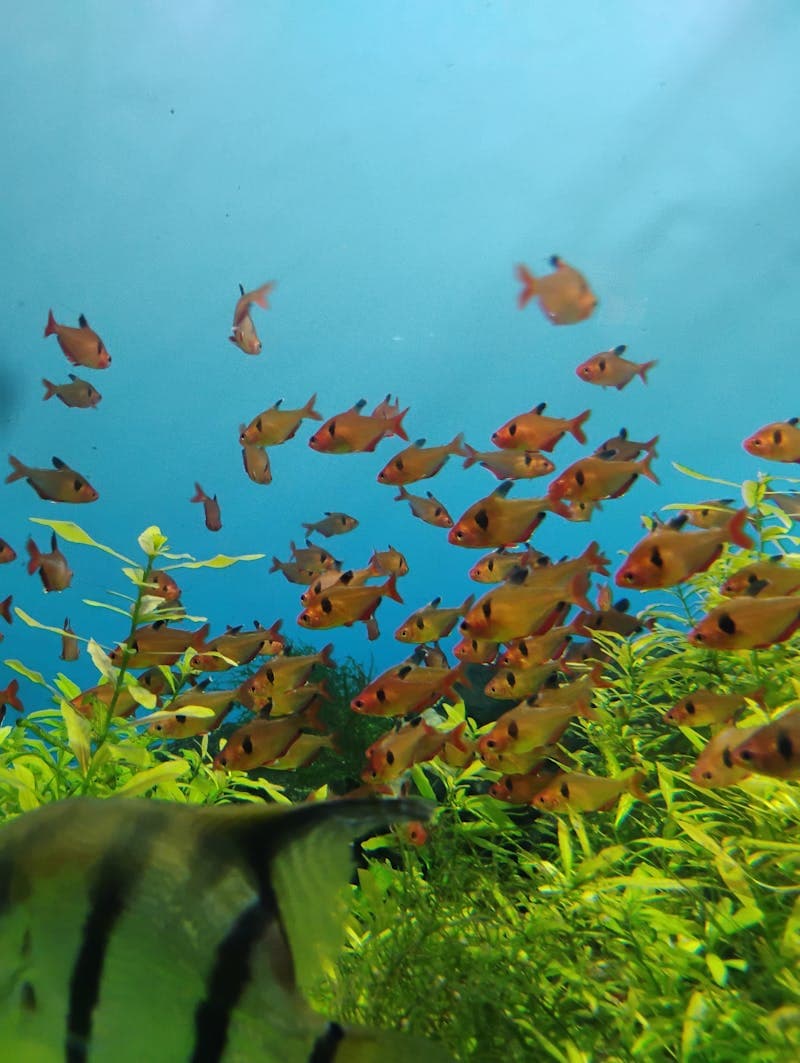
Peaceful tetras, rasboras, corydoras, platies and gouramis chosen to live together — temperament, adult size and water range per listing so the mix works.
Tetras
Premium Tetras for sale UK — Cardinal, Ember, Black Neon, Rummy Nose, Serpae, Diamond, Glowlight and more. Peaceful community schoolers.
Betta Fish
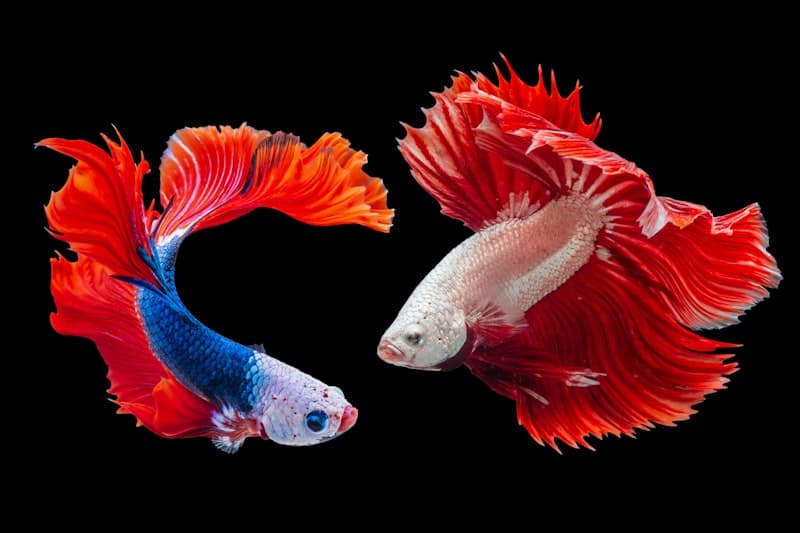
Halfmoon, plakat, koi, giant and wild-type Betta splendens, males and females, tail type and size stated per listing. Bagged singly, live arrival covered.
Guppy
Fancy guppies bred for colour — Moscow, Cobra, Dumbo ear and Endler lines as males, females or pairs. Hardy in UK tap water; arrive alive or replaced.
Cherry Shrimp
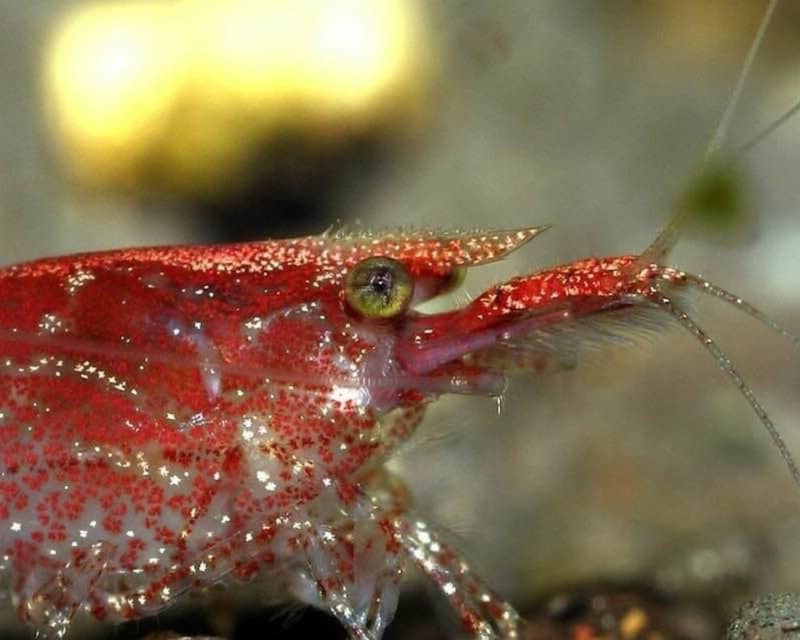
Red, blue, yellow, black and Rili cherry shrimp (Neocaridina) graded per listing, with mature-tank and water guidance so a new colony settles and breeds.
Corydoras
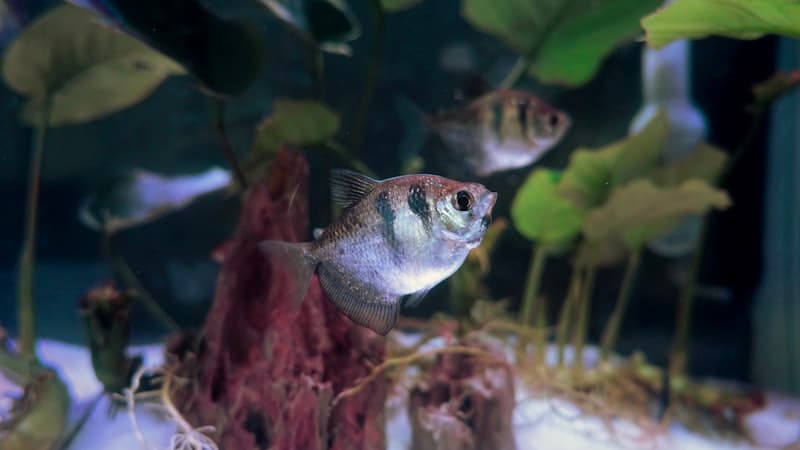
Shop current Corydoras catfish listings in the UK. Compare scientific identity, size and sale unit, with price and availability shown per product.
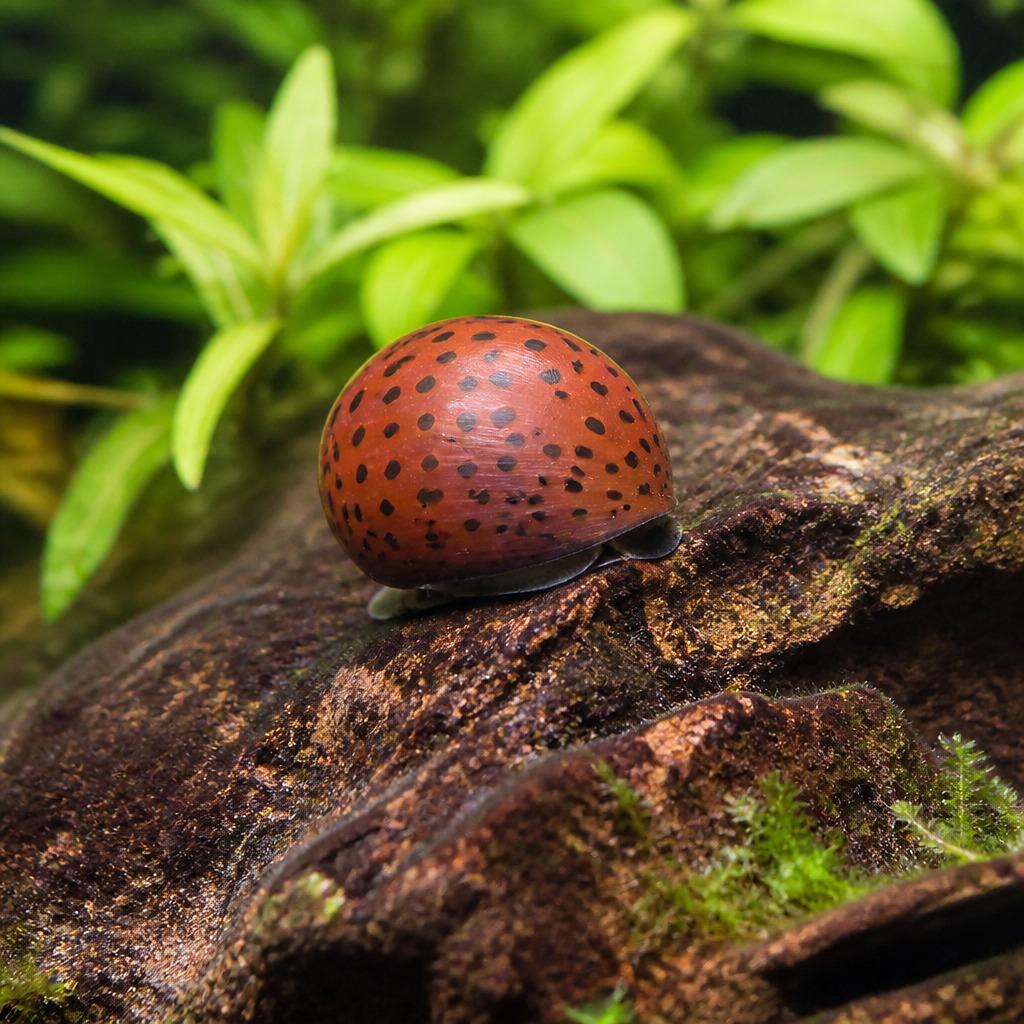
Freshwater Snails
Shop freshwater aquarium snails in the UK. Compare current species, adult size, water needs, diet, breeding risk, compatibility, prices and availability.
Sources & further reading
Material factual claims cite the sources below; store policy and cautious inference are labelled in the article. Sources are grouped by type so you can judge their weight at a glance.
Veterinary reference (1)
- [8]Petty, B. D., Francis-Floyd, R. & Yanong, R. P. E.. Management of Aquarium Fish. MSD Veterinary Manual. View source
Supports water-history assessment, complete analysis and avoiding abrupt environmental change. It is not remote diagnosis or a universal pH table.
Animal-welfare charity (1)
- [7]Royal Society for the Prevention of Cruelty to Animals. Choosing an aquarium for pet fish. RSPCA. View source
UK welfare guidance for testing, filtration, fishless cycling and prepared tap water. It does not provide one pH for all tropical fish.
Reference source (2)
- [1]Drinking Water Inspectorate. The physical and chemical properties of water. Drinking Water Inspectorate. View source
Defines pH, alkalinity and hardness and explains the logarithmic pH scale. Its drinking-water indicator range is not used as a fish-care target.
- [2]Drinking Water Inspectorate. Water testing. Drinking Water Inspectorate. View source
Supports obtaining local water-quality information from the responsible supplier. A supplier result does not describe the aquarium after plumbing, preparation and biological use.
Reference source (1)
- [3]Water UK. Find your supplier. Water UK. View source
Provides a postcode route to the responsible UK water company; it is not an aquarium pH source.
Reference source (1)
- [4]UK Home Office (2026). Advisory standards for the care and accommodation of animals: fish. GOV.UK. View source
Supports species- and life-stage-dependent water requirements, the influence of carbon dioxide and calcium, natural pH fluctuation and the importance of avoiding unsuitable instability. It is research-animal advisory guidance, not a domestic species chart.
Reference source (1)
- [5]United States Geological Survey (2021). Measurement of pH. USGS Techniques and Methods. View source
Supports careful pH sampling and measurement, including temperature, gas exchange, calibration and prompt field measurement. It is a scientific field method, not a home-kit endorsement.
Reference source (1)
- [6]United States Environmental Protection Agency (2013). Aquatic Life Ambient Water Quality Criteria for Ammonia—Freshwater. US EPA. View source
Supports the dependence of ammonia toxicity on pH, temperature and organism. Environmental criteria are not copied into a domestic-aquarium wait threshold or dose.
Reference source (2)
- [9]Goss, G. G., Perry, S. F., Wood, C. M. & Laurent, P. (1992). Mechanisms of ion and acid-base regulation at the gills of freshwater fish. Journal of Experimental Zoology 263(2), 143–159. DOI: 10.1002/jez.1402630205. View source
Reviews freshwater-fish gill mechanisms involved in ion and acid-base regulation. It supports biological complexity, not a domestic target or tolerance claim for every species.
- [10]Morris, C., Val, A. L., Brauner, C. J. & Wood, C. M. (2021). The physiology of fish in acidic waters rich in dissolved organic carbon, with specific reference to the Amazon basin. Journal of Experimental Zoology Part A 335(9–10), 843–863. DOI: 10.1002/jez.2468. View source
Shows that fish responses in naturally acidic, dissolved-organic-carbon-rich waters involve ion regulation, acid-base regulation and metal toxicity. Natural blackwater is not reduced to a bottle-made pH number.
Spotted something that needs a fix?
Fishkeeping moves fast and we want every guide spot-on. If you think something here is wrong, out of date, or could be clearer, tell us — our team reads every message and updates the page.
Suggest an editRelated care guides
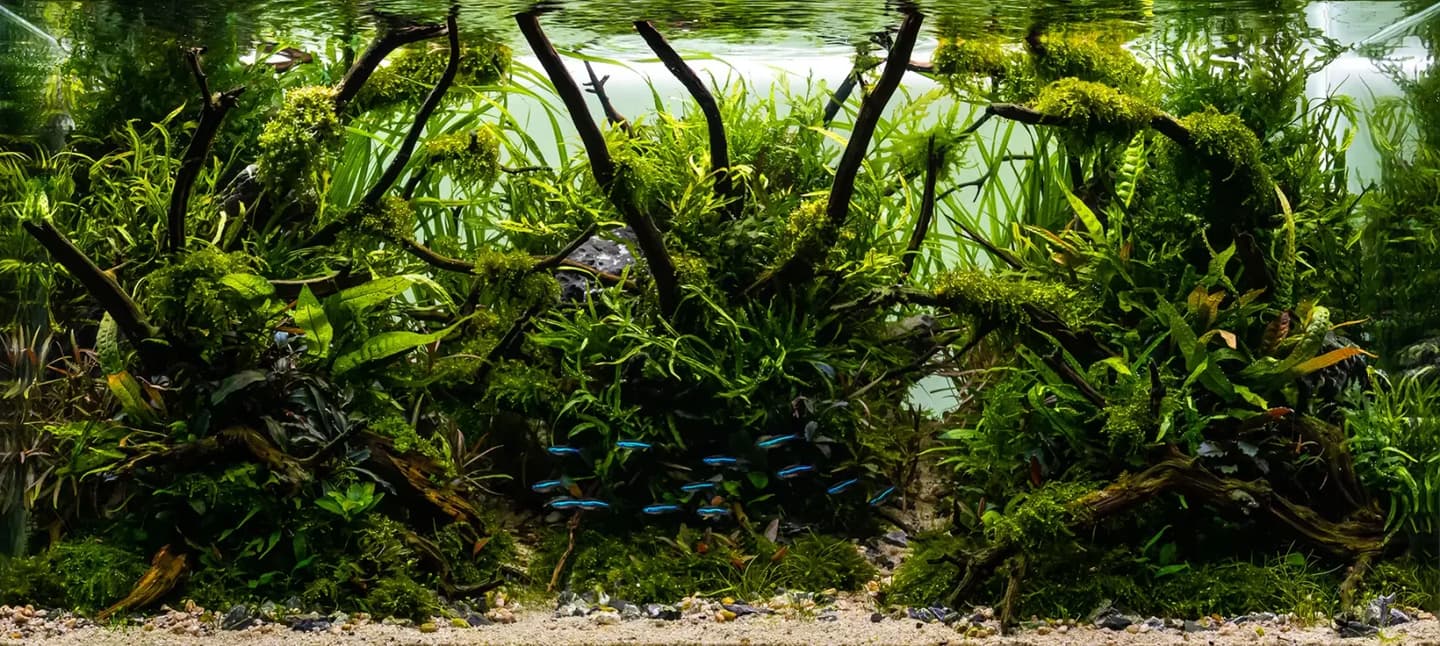
How to Set Up a Tropical Fish Tank: 10 Safe Steps
Choose the intended fish before the aquarium, place the tank on a suitable level support, install a filter and thermostatic heater, condition and test the water, then complete a fishless cycle. Add fish only after the chosen maturation process reaches its defined endpoint and repeated tests show zero ammonia and zero nitrite; elapsed days alone do not prove readiness.
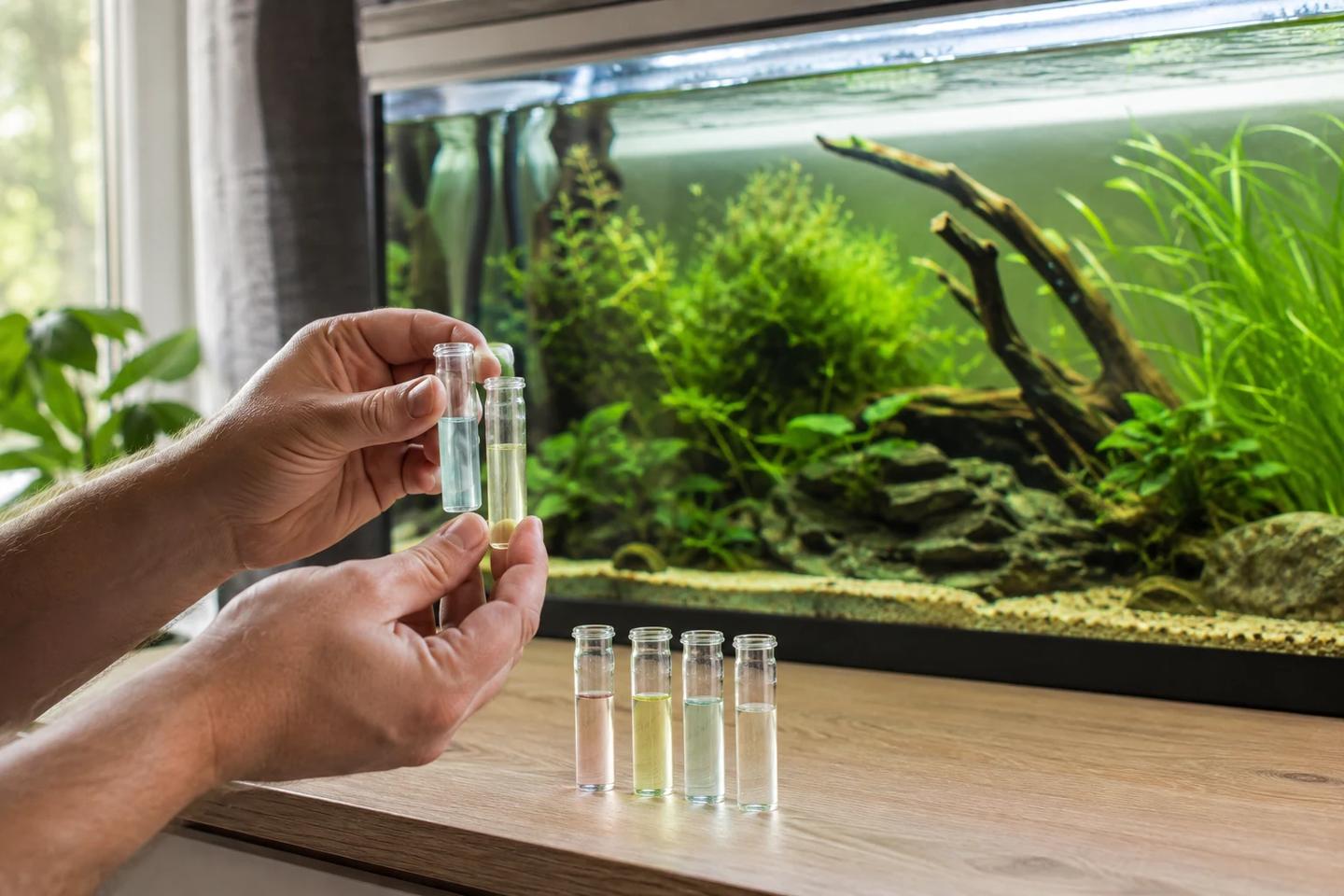
Aquarium Water Parameters: What to Test and Why
There is no universal set of perfect freshwater aquarium parameters. Identify the animals, learn what the test and unit actually report, establish your local source-water baseline, and compare repeat measurements. In an established aquarium, a confirmed ammonia or nitrite detection needs investigation; pH, GH, KH, temperature and nitrate decisions depend on the species, life stage and whole system.
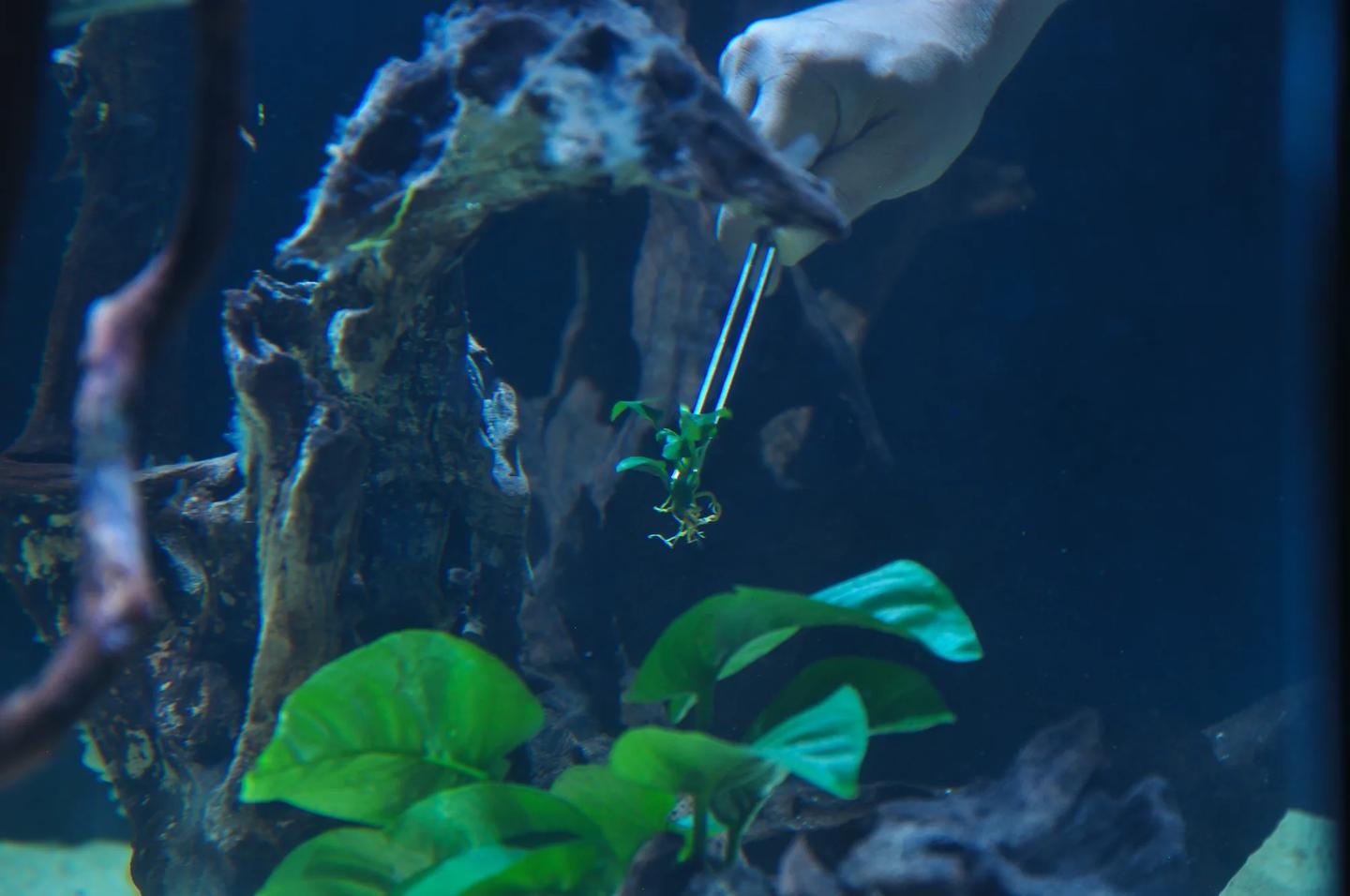
Live Aquarium Plants for Beginners: 7 Easy Picks
For a first low-tech planted aquarium, start with one or two correctly labelled lower-demand species, match their mature size to the tank, keep the rhizomes of Java fern and Anubias above the substrate, and change only one lighting or feeding variable at a time.