
How to Set Up a Tropical Fish Tank: 10 Safe Steps

Choose the intended fish before the aquarium, place the tank on a suitable level support, install a filter and thermostatic heater, condition and test the water, then complete a fishless cycle. Add fish only after the chosen maturation process reaches its defined endpoint and repeated tests show zero ammonia and zero nitrite; elapsed days alone do not prove readiness.
Live stock
Beginner Fish for sale — see live stock & today’s prices
Set up the fish's adult home before you buy the fish. Choose a compatible species plan, size the aquarium around the adults, install and test the equipment, condition the source water and complete a fishless cycle. Only then should fish be ordered and acclimated.
The waiting period is not a fixed number of days. The RSPCA says cycling takes at least two weeks, while veterinary guidance notes that a tropical biofilter may take up to eight weeks to establish[1][8]. Readiness comes from following the chosen maturation method's instructions and endpoint, then confirming with repeated water tests that ammonia and nitrite are both zero.
- Choose the adult fish community and its water needs.
- Select a suitably sized aquarium and level support.
- Place it away from sunlight, heat, draughts and disturbance.
- Install secure substrate, decor and plants.
- Fill, condition and test the actual source water.
- Install the filter, heater, thermometer and lighting.
- Run and verify every piece of equipment.
- Complete a fishless cycle, following the product instructions.
- Re-test, choose healthy compatible fish and prepare for arrival.
- Acclimate carefully, observe daily and maintain by results.
This is an information-first setup guide, not a product recipe. It deliberately avoids changing prices, named-brand endorsements, household-ammonia dosing, a universal heater wattage and the old “inch per gallon” stocking shortcut.
What you need before you begin
OATA's UK freshwater setup list includes the aquarium, filter, heater, lighting when plants require it, substrate, water conditioner, ammonia/nitrite/nitrate/pH tests, furnishings or live plants, a siphon and a dedicated bucket[2]. Add a separate thermometer, a net and a lid where the intended fish could jump.
| Essential decision | What to check before purchase | Avoid |
|---|---|---|
| Aquarium and support | Adult group, usable dimensions, filled weight and a level purpose-suitable stand | Choosing by juvenile sale size or the word “starter” |
| Filter | Aquarium rating, media capacity, adjustable flow and the species' oxygen/flow needs | One universal turnover formula or replacing all media together |
| Heater and thermometer | Manufacturer's volume, depth and room-difference guidance; species temperature range | Assuming the dial proves the water temperature |
| Water tests | Ammonia, nitrite, nitrate and pH; GH/KH where species choice needs them | Judging safety from clear-looking water |
| Conditioner and cycle product | Compatibility with the actual water supply and exact label instructions | Improvised doses of household chemicals |
| Layout | Stable decor, adult swimming room, cover, service access and no sharp traps | A beautiful design that leaves no usable space |
| Maintenance tools | Dedicated bucket, safe self-starting siphon and separate net | Detergent residue or starting a siphon by mouth |
Buy the tests with the aquarium, not after fish show distress. A filter is a life-support system, and clear water can still contain harmful ammonia or nitrite[1][4].
1. Choose the fish before the tank
Start with one written community plan. For every intended species, record adult size, social group, swimming level, temperature, pH and hardness range, flow preference, temperament, diet and expected waste load. The plan must work for the adults together—not just small fish at dispatch.
This prevents the most expensive setup mistake: building an aquarium first and discovering later that the desired fish need more length, a larger group, harder or softer water, stronger filtration or a different companion.
Use the beginner tropical fish comparison to create a shortlist, then open each species guide and check the actual overlap. “Peaceful” does not guarantee compatibility, and “community fish” is not a complete care plan.
Litres per fish and centimetres per gallon ignore adult body mass, group behaviour, territory, oxygen, floor space, filtration and maintenance. Use species needs and the complete adult community instead.
2. Size the aquarium and support
The RSPCA advises choosing an aquarium larger than 45 × 30 × 30 cm—about 40 litres—and explains that larger water volumes are more stable[1]. That is general welfare guidance, not a universal minimum for tropical fish. A planned shoal, bottom-dwelling group, territorial pair or large-bodied species may need substantially more capacity and a particular footprint.
The advertised litres are not always the usable litres after substrate, wood, rock and a lower water line. Measure the internal length, width and water height, then account for the layout.
Tank Volume Calculator
Enter length, width, and height to get your real water volume in litres.
Open tool →A litre of water weighs about a kilogram before the glass, cabinet, substrate and decor are added. Use a purpose-suitable, level support that can bear the complete filled load indefinitely. Follow the aquarium manufacturer's support and safety instructions; do not guess that a household unit is strong enough.
3. Pick a stable location
Place the aquarium away from direct sunlight, radiators, draughts, doors, speakers, vibration, aerosols and cigarette smoke. Leave enough clearance to open the lid, remove the filter, reach sockets and carry out water changes without moving the aquarium. The RSPCA and OATA both emphasise a stable position and support[1][2].
Check that cables can form drip loops below their sockets and that plugs remain accessible. Keep electrical equipment and wet hands apart, and follow each product's safety instructions. Do not place the filled aquarium where a leak would go unnoticed.
4. Build a safe, serviceable layout
Rinse the aquarium, substrate and suitable decor as their manufacturers direct, using no household detergent. Install the background, substrate, securely supported hardscape and plants before the final fill. Rocks and wood must not shift when fish dig, hide or brush past them.
Leave the adult swimming route and maintenance access visible. Dense planting can provide cover, while open areas may suit schooling or bottom-foraging fish; neither style is automatically correct. The intended species decides.
If you want live plants, the beginner live-plants guide covers light, substrate and plant-selection decisions. Plants add habitat and can use nitrogen compounds, but they do not make an untested filter or unsuitable stocking safe.
5. Condition and test your source water
UK tap water is not one uniform chemistry. The Drinking Water Inspectorate says hardness varies with local geology and advises asking the water company for the accurate local value[5]. Its chlorine guidance also records that supplies retain disinfectant as free or combined chlorine[6].
Use this sequence:
- Find the current water-quality report for your postcode.
- Test the water you will actually use for pH and, where relevant, GH and KH.
- Compare those results with the evidence-led range for the intended species.
- Use an aquarium conditioner that treats the disinfectant in that supply, exactly as labelled.
- Make any water-change plan repeatable; avoid chasing pH with repeated corrections.
Do not rely on a north/south hardness stereotype. Do not assume that standing water always removes every disinfectant, and do not use untreated tap water around fish or mature filter media. If a domestic softener supplies one tap, identify an unsoftened source and obtain competent advice before deciding what enters the aquarium.
Water Parameter Matcher
Enter your tap water readings to see if this species will thrive.
Open tool →6. Install the life-support equipment
Fit the filter, thermostatically controlled heater, separate thermometer and lighting according to their instructions. The RSPCA says tropical aquaria need a heater set for the species and recommends a thermometer because heaters and thermostats can fail[1].
There is no safe universal “one watt per litre” or “six turnovers per hour” answer. Heater capacity changes with aquarium volume, room temperature, lid and product design. Filter choice changes with media volume, head height, layout, species, flow tolerance and waste load. Use the manufacturers' real operating guidance, then verify the result in the filled aquarium.
Direct the outlet so the surface moves and oxygen exchange is visible without forcing fish to fight a current. Make sure the intake cannot trap the intended animals. Read the aquarium filtration guide for the difference between mechanical and biological filtration.
7. Run and verify the empty aquarium
Fill with conditioned water, start the filter and heater, and allow the system to reach a stable temperature. Check for leaks, unusual heat, trapped cables, unstable decor, blocked flow and a thermometer reading that matches the intended species range. OATA advises allowing 24–48 hours for temperature and equipment checks before filter maturation continues[2].
That equipment check is not the cycle. An aquarium can be warm, clear and mechanically perfect while lacking the nitrifying organisms needed to process fish waste.
Record the date, temperature, pH, ammonia, nitrite and nitrate. A simple log makes trends and testing errors easier to see than memory; OATA also recommends regular water-quality records[3].
8. Complete a fishless cycle
Fishless cycling matures the biological filter without deliberately exposing fish to rising ammonia or nitrite. The RSPCA strongly advises it for new owners, and OATA describes aquarium-specific maturation products plus test-led monitoring[1][2].
Use an aquarium-specific fishless-cycling or maturation product and follow its current instructions. Do not copy a household-ammonia “drops per litre” recipe: concentration and additives vary, dosing mistakes can stall the process, and product directions may require a different test schedule.
During cycling:
- keep the filter running continuously;
- keep temperature within the equipment/product plan;
- test ammonia, nitrite, nitrate and pH on the stated schedule;
- record every result and dose;
- avoid replacing or chlorinating the developing filter media; and
- investigate a stalled cycle using measured water and the product guidance, not extra chemicals by guesswork.
The broad pattern is ammonia rising and falling, followed by nitrite rising and falling while nitrate usually accumulates[4]. The RSPCA says only add fish after ammonia and nitrite have spiked and returned to zero; OATA adds that they should stay at zero continually[1][2].
Cycle Tracker
Log your daily ammonia, nitrite, and nitrate to track the nitrogen cycle.
Open tool →For the underlying biology and a more detailed troubleshooting framework, continue to the fish-tank nitrogen-cycle guide. This setup page intentionally does not duplicate its full scientific explanation.
9. Verify readiness and choose the first fish
Before ordering, confirm all of the following:
- repeated tests show zero ammonia and zero nitrite after the product's defined challenge;
- nitrate and pH are understood in the context of source water and intended species;
- temperature is stable and independently measured;
- the complete adult plan fits the usable aquarium;
- every species' group, water, temperature, flow and temperament overlap;
- the filter, heater and layout have operated reliably;
- a safe acclimation and separation plan is ready; and
- current delivery and arrival instructions have been read.
OATA advises increasing fish numbers slowly because the biological filter must respond to increased waste and feeding[2]. “Fully cycled” is not a promise that any number or combination can be added at once.
Current price, sale size and availability belong to live catalogue pages, not a permanent care article. Once the aquarium passes every readiness check, browse tropical fish currently available in the UK and re-check the exact listing against the plan. A catalogue image, “beginner” label or attractive colour does not replace species research.
10. Acclimate, observe and maintain
Prepare before the fish arrive: lights low or off, temperature stable, lid secure, net ready and the seller's current arrival instructions open. The safe acclimation method depends on journey time and differences between transport and aquarium water. Follow the live instructions for that shipment rather than one universal timed recipe.
The RSPCA describes temperature matching, netting fish into the aquarium and discarding transport water; current licensed-seller guidance also requires gradual acclimatisation and stable species-appropriate conditions[1][7]. The new-fish acclimation guide explains the decision points.
Where you already keep fish, a suitable mature quarantine system reduces—but cannot eliminate—disease risk. The Merck Veterinary Manual strongly recommends quarantine and separate nets, buckets and siphons for the quarantine aquarium[8]. A newly filled spare tank is not a safe quarantine system merely because it is separate.
During the first week, observe breathing, balance, appetite, hiding, aggression and injuries daily. Test ammonia and nitrite frequently enough to catch a change promptly. If either becomes detectable, reduce the immediate water-quality risk with appropriately conditioned, temperature-matched water and seek competent advice; do not wait for cloudy water or visible illness.
A practical maintenance rhythm
| When | Check | Act on |
|---|---|---|
| Daily | Fish behaviour, breathing, appetite, temperature, filter flow and leaks | Any change from the individual's normal pattern or equipment failure |
| At least weekly | Ammonia, nitrite, nitrate, pH and relevant hardness; water level and equipment | The species' limits, the trend and source-water comparison |
| During a water change | Replacement-water treatment and temperature; substrate debris; filter flow | Measured need rather than a cosmetic deep clean |
| As needed | Filter media and impeller | Reduced flow or accumulated solids; retain biological media |
| Before any new fish | Adult capacity, compatibility, current tests, quarantine/separation | The complete community, not remaining litres alone |
OATA gives partial changes of up to 25% weekly as a general home-aquarium starting routine, with frequency and volume adjusted for species, aquarium size and stocking[2]. Test results decide whether that routine is enough. Clean filter media gently in removed aquarium water only when needed; do not replace all biological media or rinse it under chlorinated tap water.
Beginner mistakes this setup avoids
- Buying fish first: the adult species plan must determine the aquarium.
- Using elapsed time as proof: two, four or six weeks is not a water test.
- Trusting clear water: ammonia and nitrite are invisible.
- Following one equipment formula: manufacturer limits and species needs differ.
- Copying a chemical dose: concentrations and product instructions differ.
- Adding an arbitrary “hardy” fish to cycle: fishless cycling avoids deliberate exposure.
- Filling the tank to a fish-count rule: capacity is biological, spatial and behavioural.
- Assuming all UK tap water is alike: use the current local report and your own tests.
- Replacing all filter media: that can remove much of the established biofilter.
- Treating cloudiness or algae before diagnosing it: first measure water and identify the cause.
- Buying a supposed cleaner: every animal adds needs and waste; none replaces maintenance.
- Adding incompatible groups slowly: gradual addition cannot make a bad combination safe.
How this guide was checked
The setup and welfare sequence is grounded in current RSPCA and OATA guidance. Royal Veterinary College and Merck veterinary material support the nitrogen-cycle, new-tank and quarantine boundaries. Drinking Water Inspectorate material supports only the local source-water statements; it is not stretched into a species recommendation. GOV.UK guidance supplies current licensed-seller context rather than a claim that one home method is legally mandatory.
Owned UK-mobile Search Console data showed the previous page receiving impressions but no current clicks, with exact setup phrases often outside strong positions. A narrow current UK-mobile SERP check returned a numbered how-to pattern, an AI Overview, an image block and questions about waiting time, equipment, chemicals and mistakes. These findings shaped the direct ten-step answer and FAQs; they do not guarantee a ranking or click.
The older /guides/beginner-aquarium-setup article overlaps this page and is queued for evidence-bound consolidation. The nitrogen-cycle article keeps the deeper cycle intent. This page keeps the complete practical journey from fish plan to first-week care.
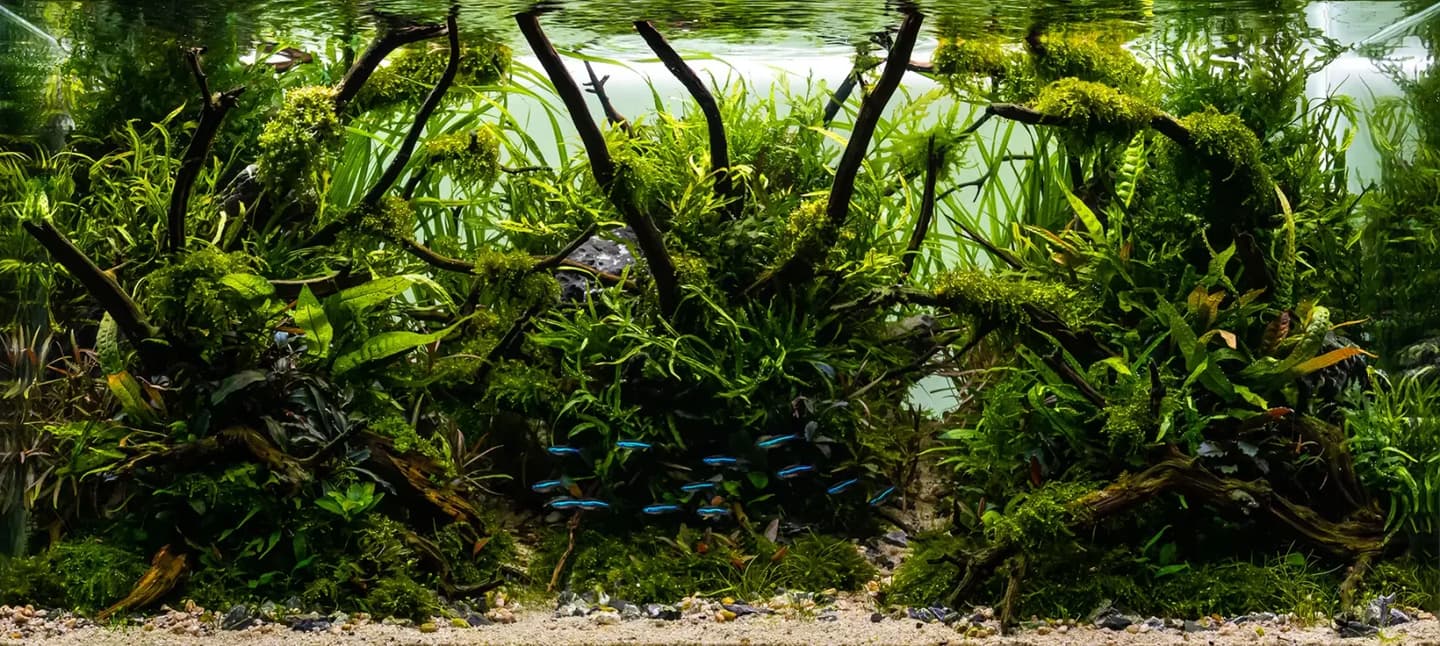
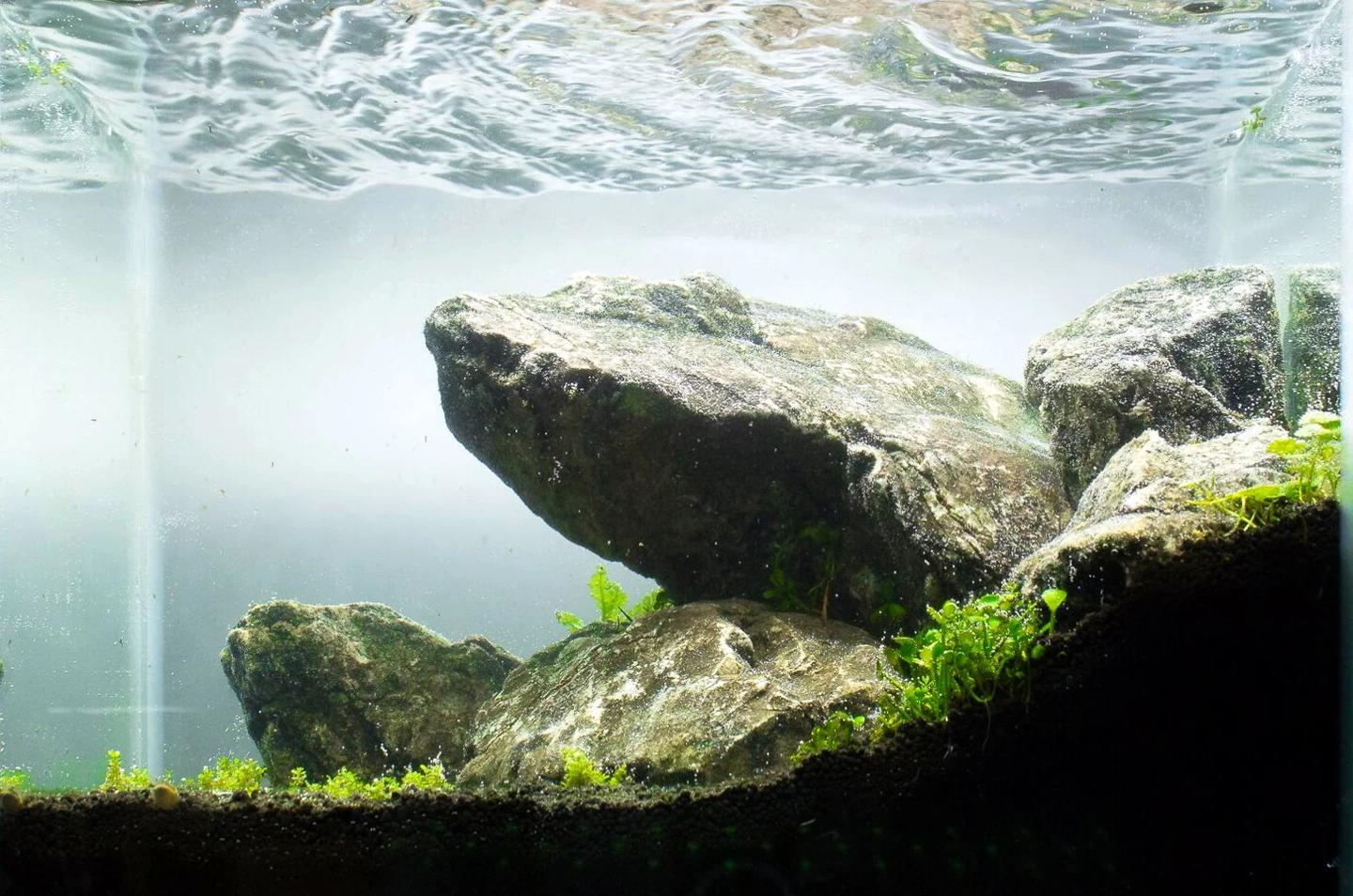
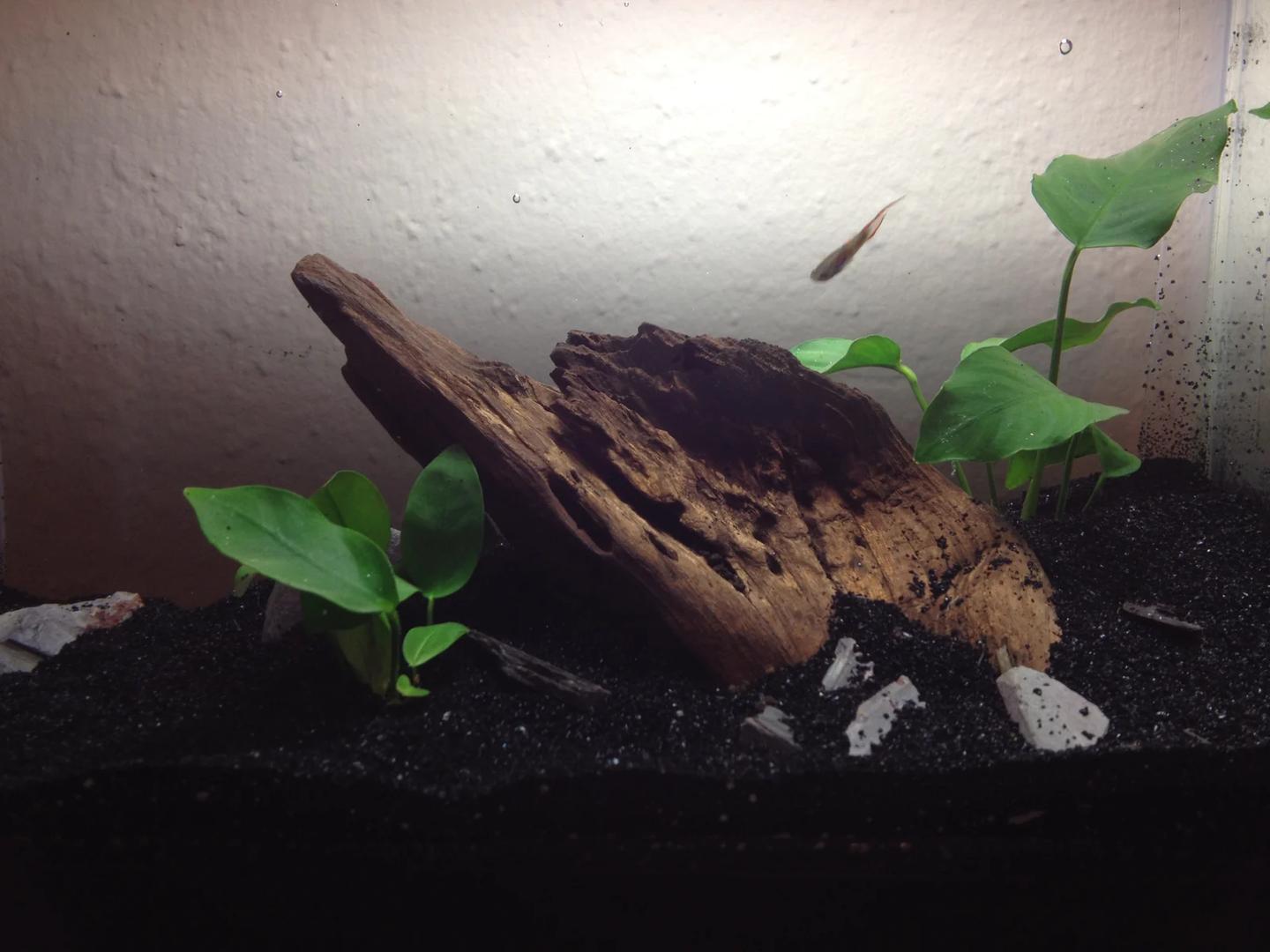
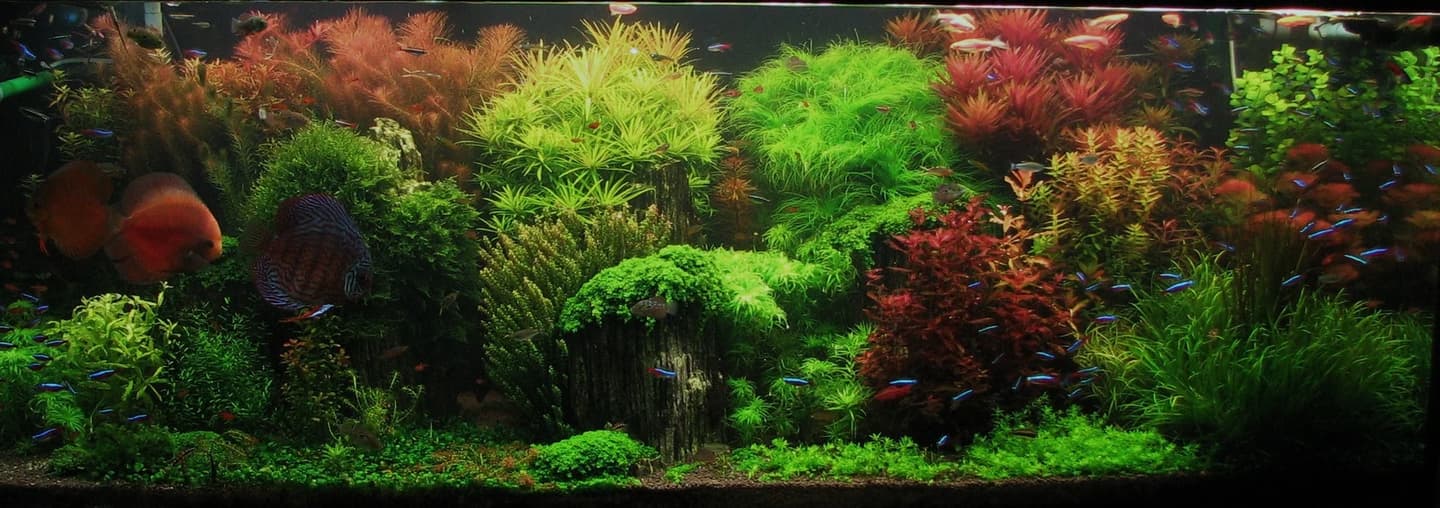
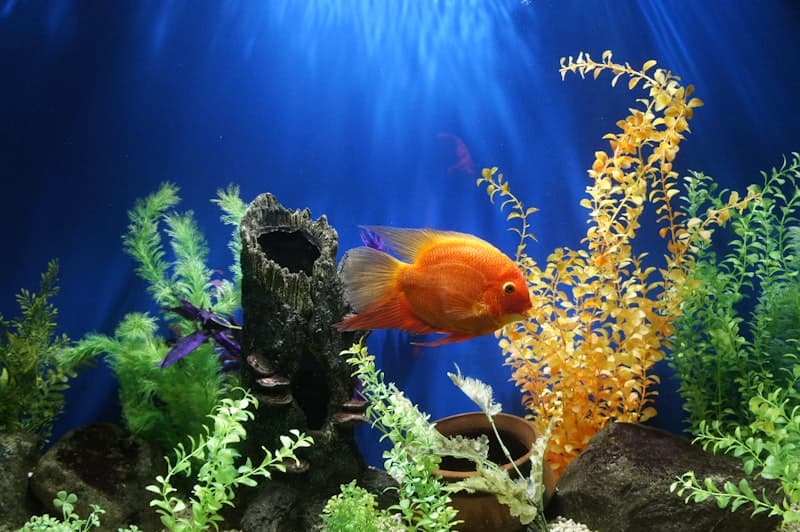
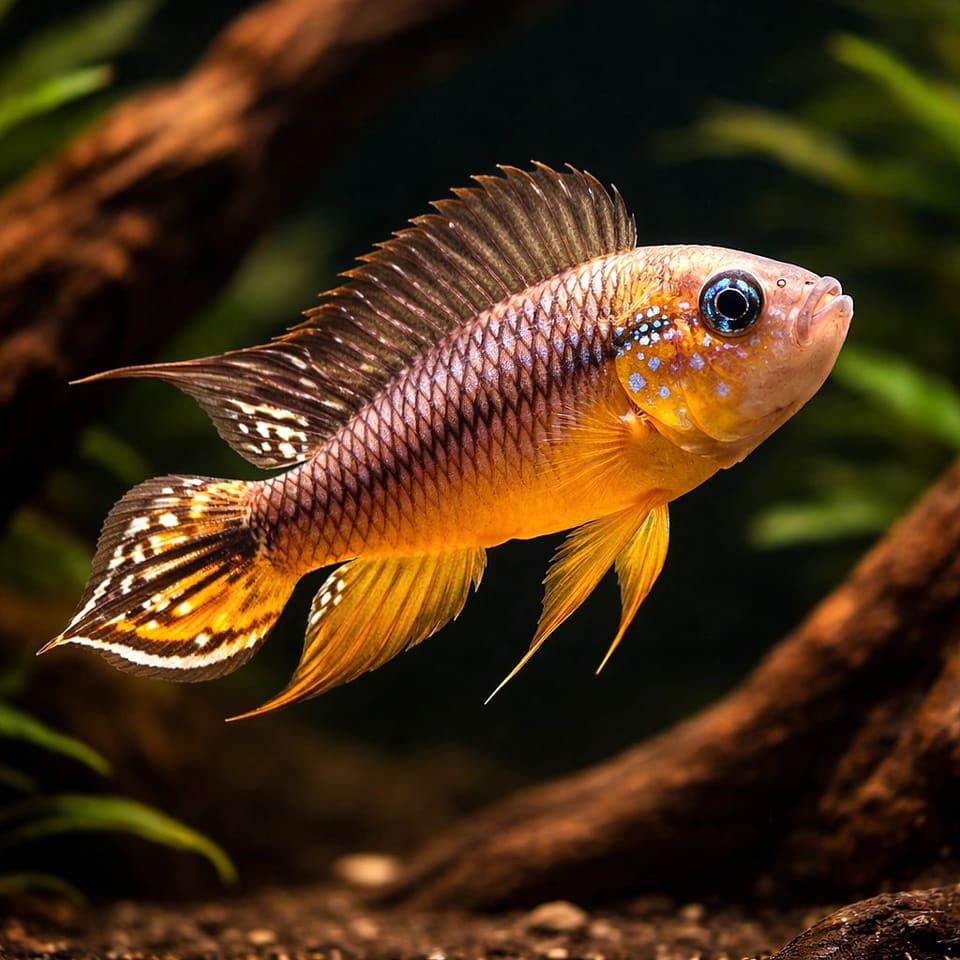
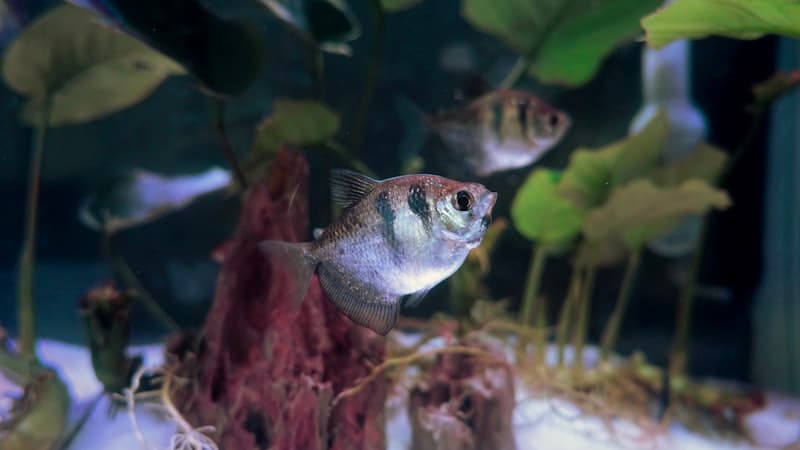
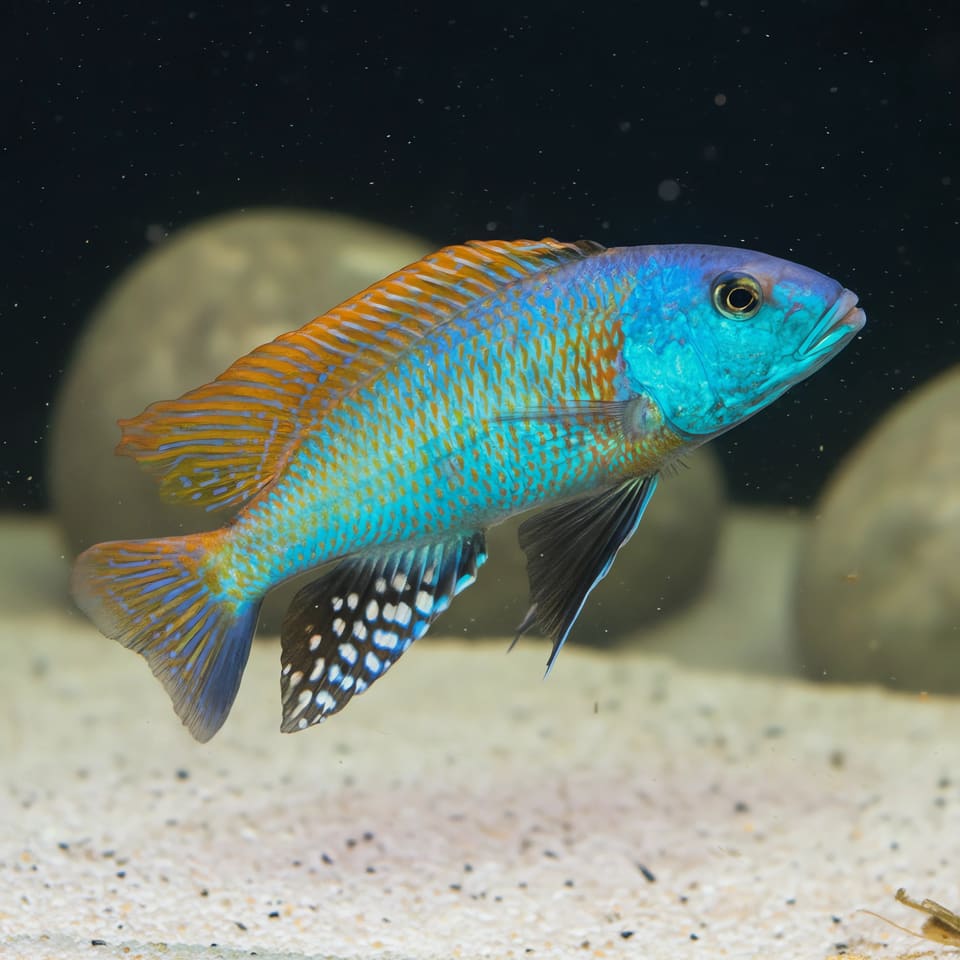
All four photographs are different, rights-complete aquarium images with creator, licence, source revision, complete-frame derivative and literal caption records. They show possible layouts, not Tropical Fish Co stock or proof that the pictured husbandry is suitable. If a source or recommendation appears wrong, use Suggest an edit. Feedback forms and email are not leads or ecommerce conversions; add-to-cart, checkout, purchase and revenue remain separate outcomes.
Different aquarium layouts and the decisions behind them
Frequently asked questions
Shop everything in this guide
Neon Green Rasbora (Microdevario kubotai)
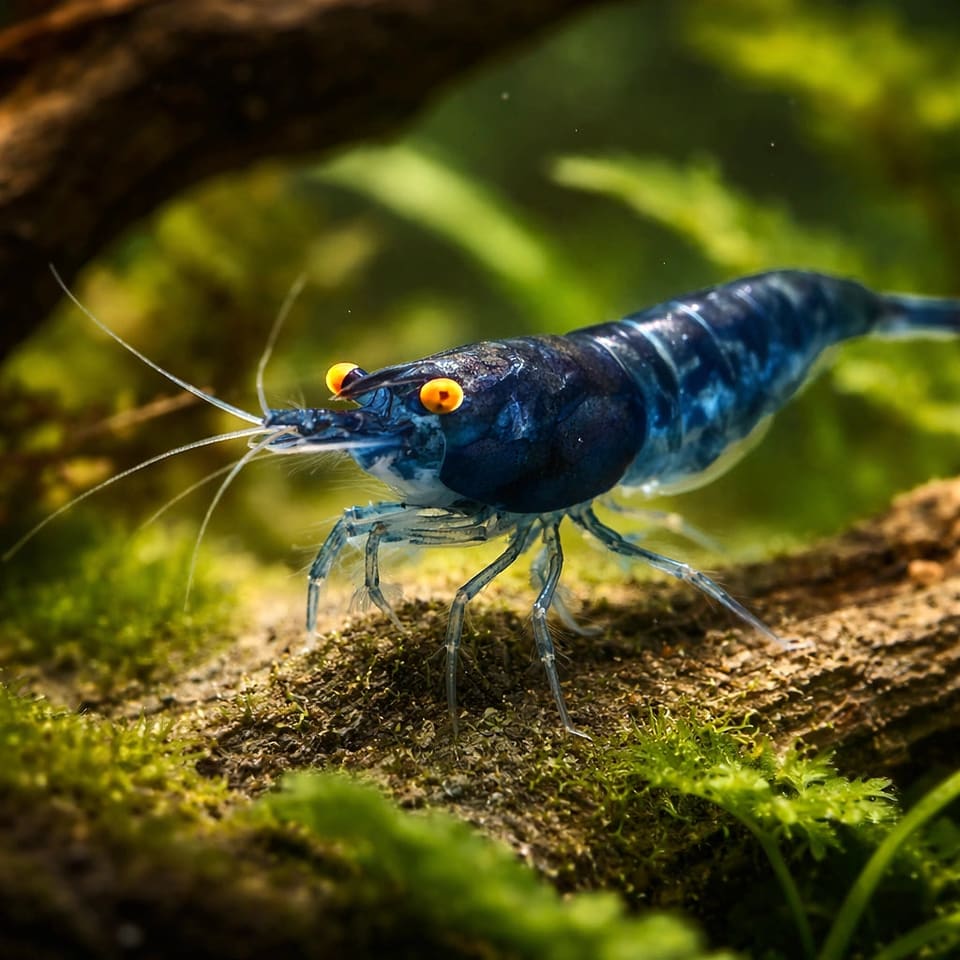
Topaz Blue Shrimp (Neocaridina davidi)
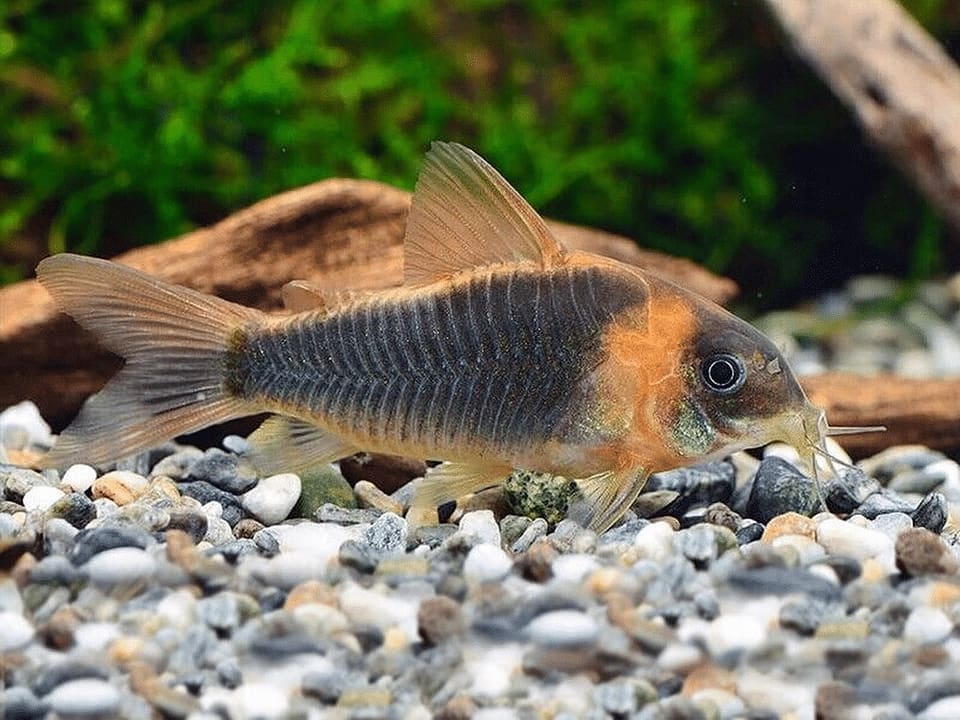
Horseman Cory (Corydoras eques)
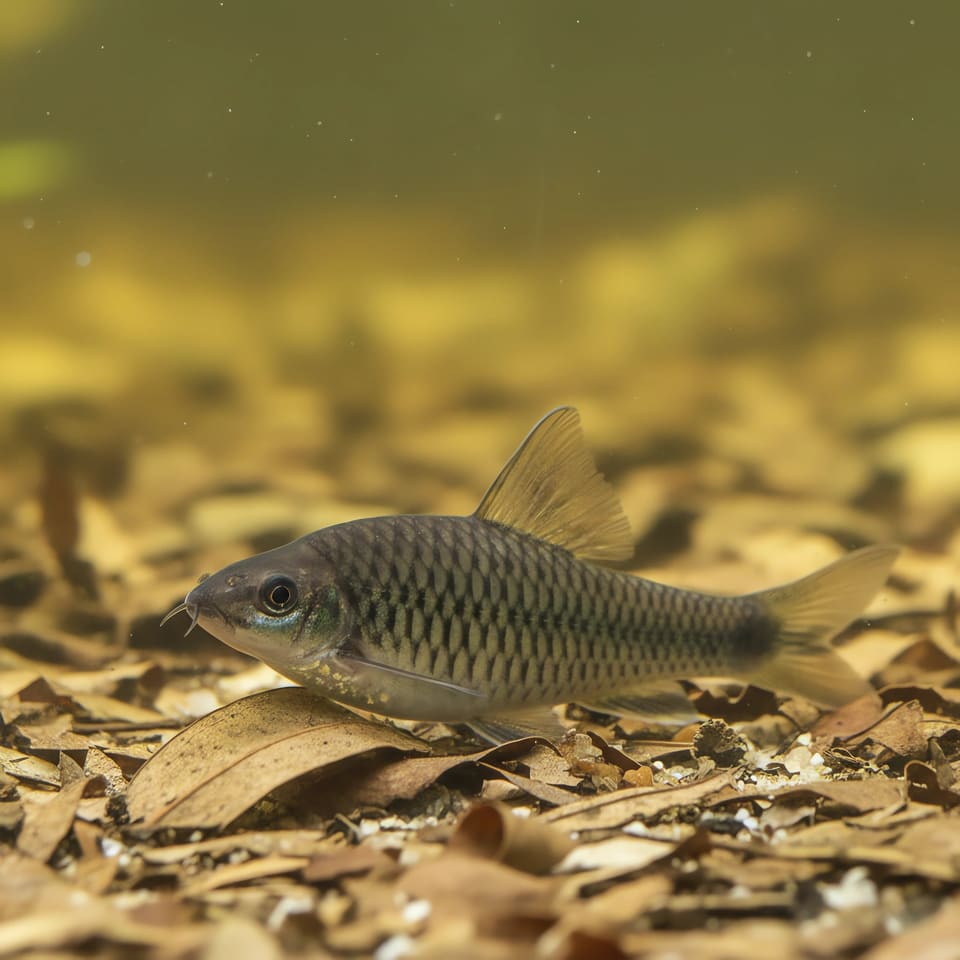
Silver Flying Fox (Crossocheilus reticulatus)
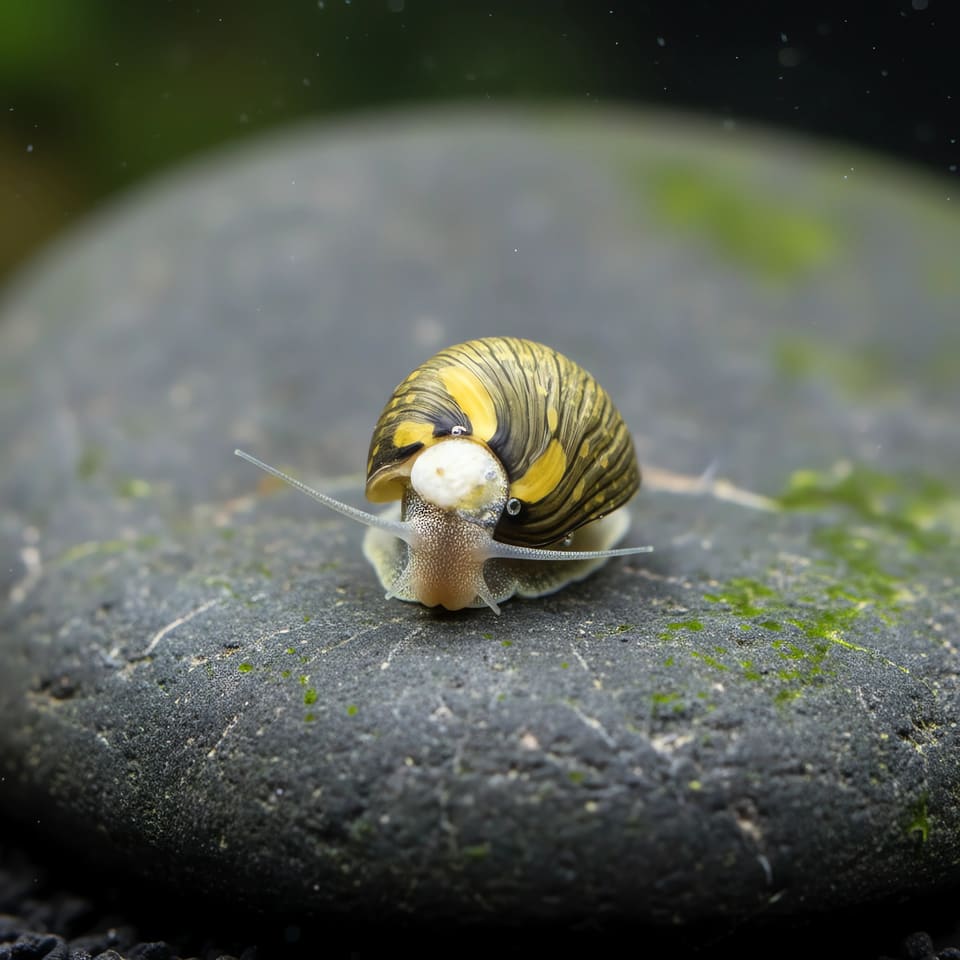
Sun Nerite Snail (Neritina sp.)
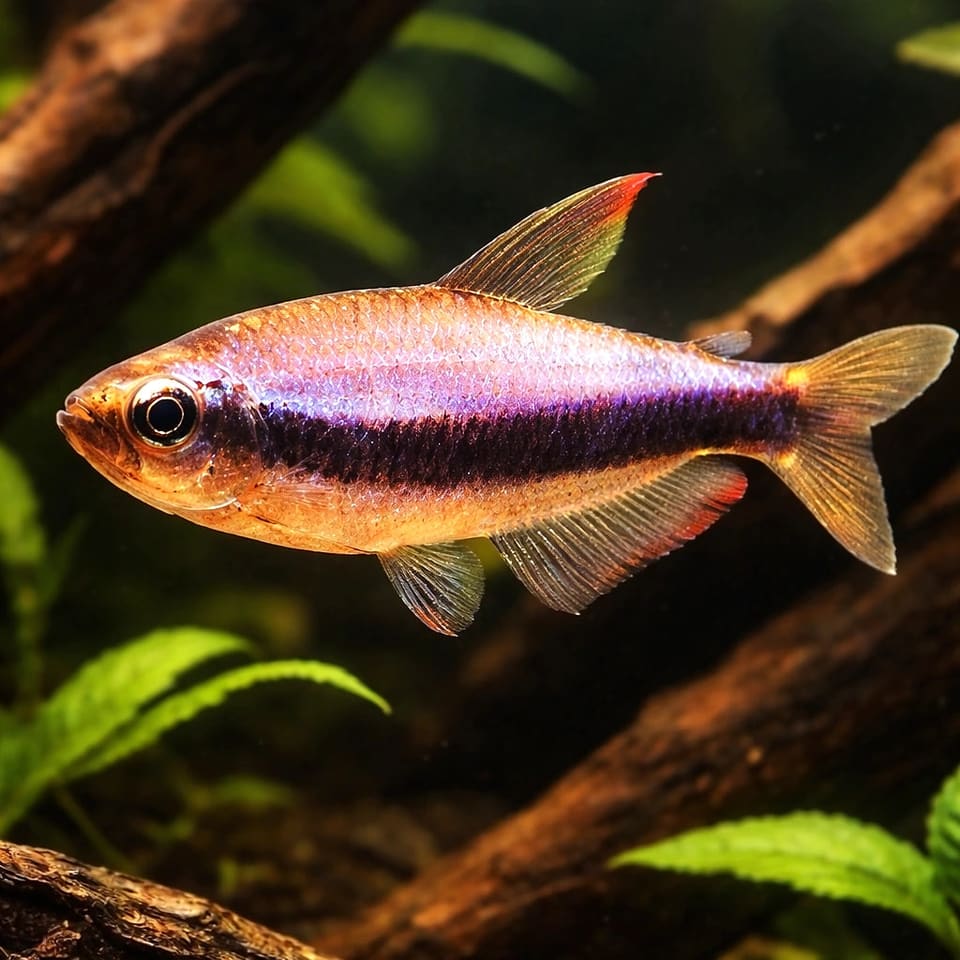
Royal Tetra (Inpaichthys kerri)
Shop Beginner Fish & related
From this care guide straight into our UK live-fish catalogue.
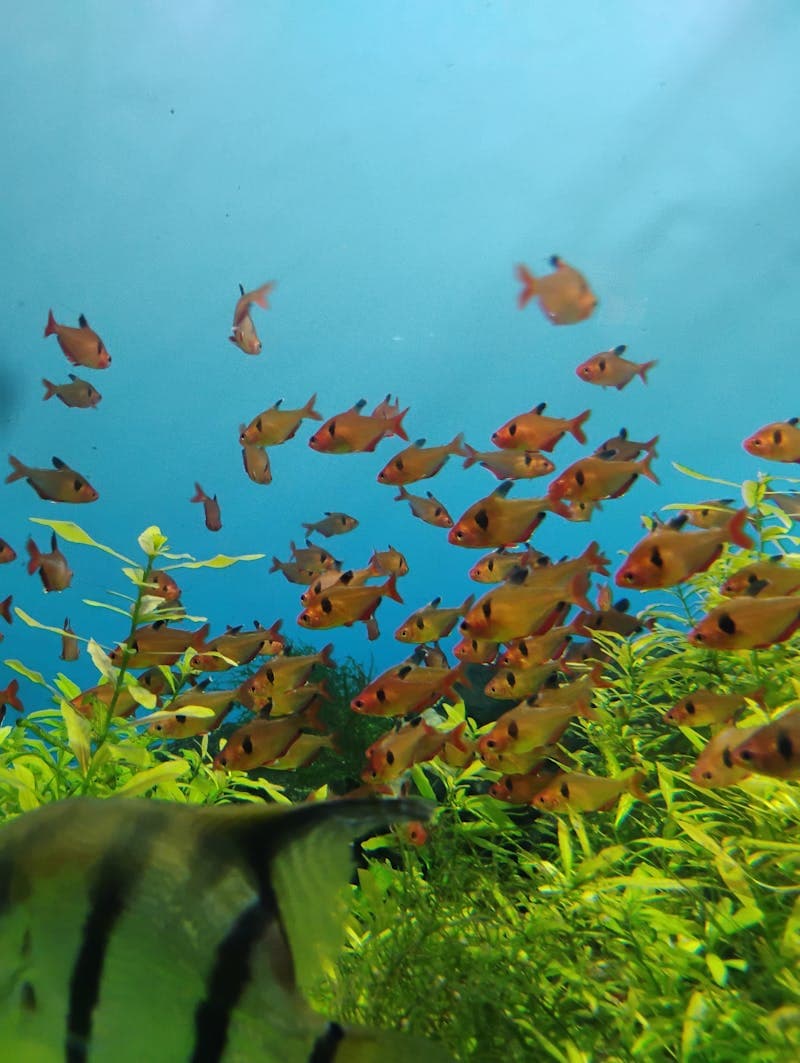
Nano Tank Fish
Best nano tank fish for UK aquariums — species that thrive in tanks under 40 litres. Micro schoolers, dwarf species, shrimps.
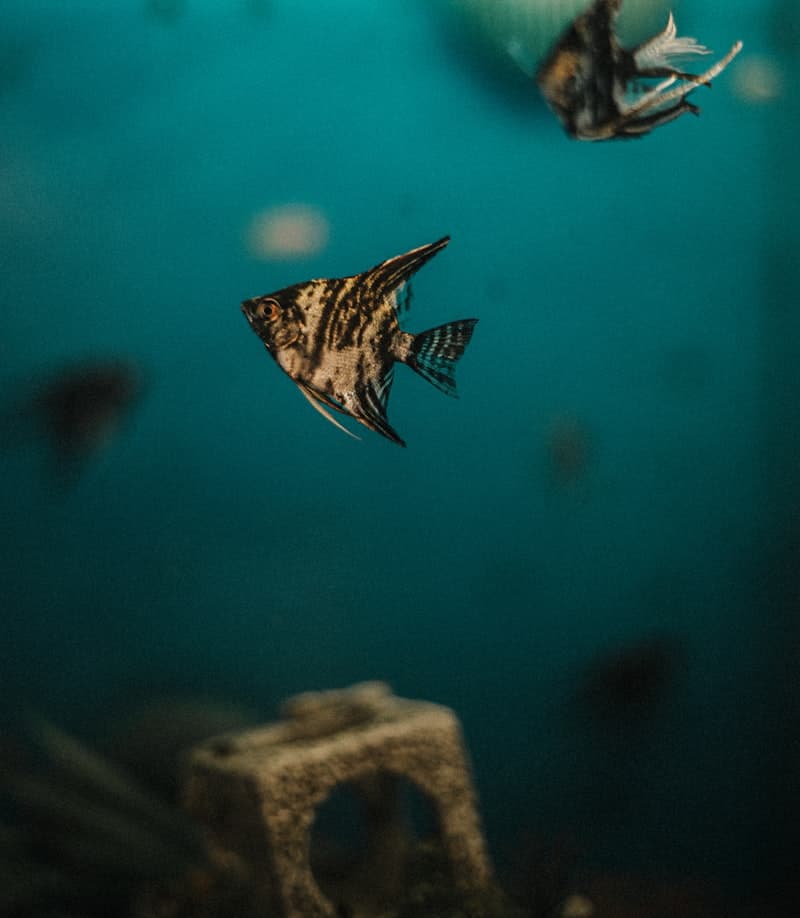
Community Tank Fish
Peaceful tetras, rasboras, corydoras, platies and gouramis chosen to live together — temperament, adult size and water range per listing so the mix works.
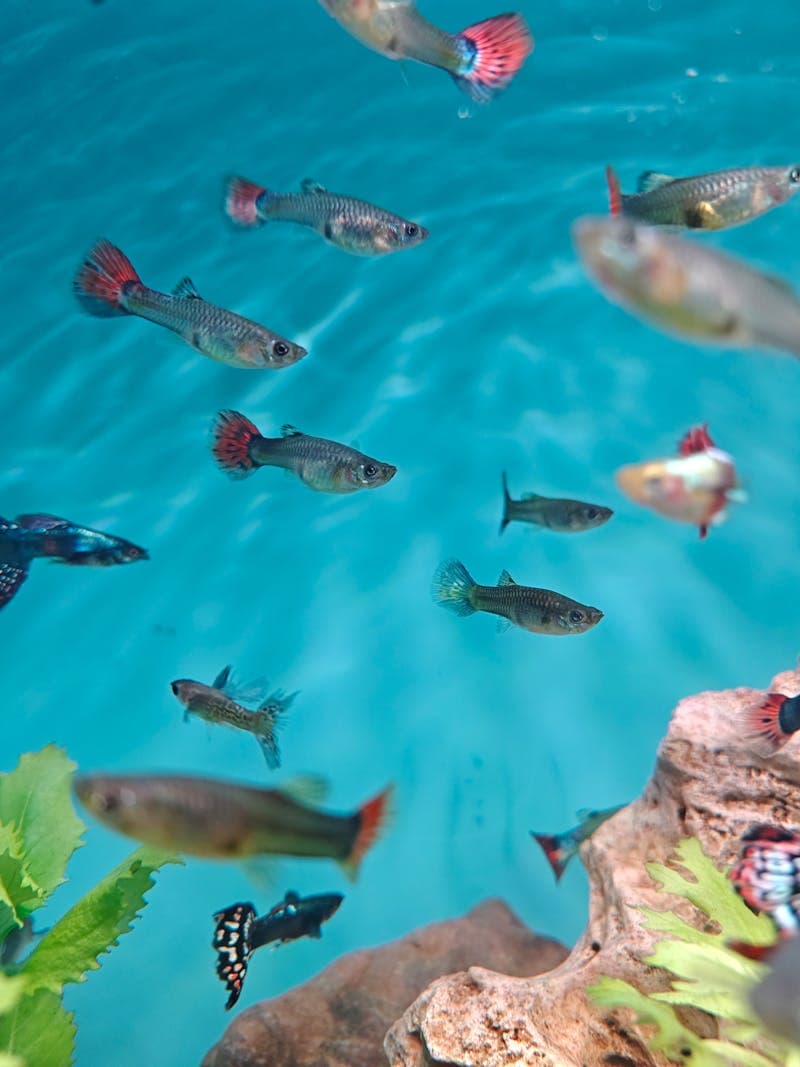
Planted Tank Fish
Planted-tank fish for sale UK — peaceful, plant-safe species that showcase aquascaped layouts. Tetras, rasboras, dwarf cichlids, shrimps.
Algae Eaters
Best algae eaters for sale UK — Bristlenose Plecos, Otocinclus, Siamese Algae Eaters, Nerite Snails, Amano Shrimp.
Bottom Dwellers
Bottom dweller fish for sale UK — Corydoras, Loaches, Plecos, Synodontis. Cleanup crew for the aquarium substrate.
Schooling Fish
Tetras, rasboras, barbs, danios and rainbowfish in shoal-friendly quantities — these species only settle in groups of six or more. Group prices per listing.
Centerpiece Fish
Centerpiece fish for sale UK — large, attention-grabbing species that anchor a display tank. Oscars, Discus, Angelfish, Arowanas, Severums.
Sources & further reading
Material factual claims cite the sources below; store policy and cautious inference are labelled in the article. Sources are grouped by type so you can judge their weight at a glance.
Veterinary reference (2)
- [4]Royal Veterinary College (2024). Aquarium health: nitrogen cycle. Royal Veterinary College. View source
Veterinary overview of biological filtration, ammonia, nitrite, nitrate and partial water changes.
- [8]Petty, B. D., Francis-Floyd, R. & Yanong, R. P. E. (2026). Management of Aquarium Fish. Merck Veterinary Manual. View source
Veterinary guidance for fishless cycling, new-tank water-quality risk, quarantine and home-aquarium biosecurity.
Animal-welfare charity (1)
- [1]Royal Society for the Prevention of Cruelty to Animals. Choosing an aquarium for pet fish. RSPCA. View source
UK welfare guidance for aquarium size, placement, filtration, fishless cycling, water tests, heating, maintenance and settling fish.
Trade-body guidance (2)
- [2]Ornamental Aquatic Trade Association. How to set up and look after a freshwater tank / aquarium. OATA. View source
UK aquarium setup, fishless maturation, equipment, testing, gradual stocking and maintenance guidance.
- [3]Ornamental Aquatic Trade Association. Water Quality. OATA. View source
Supports regular water testing and record keeping; it does not set one universal home-aquarium nitrate limit.
Government / regulatory (3)
- [5]Drinking Water Inspectorate. Water Hardness / Hard Water. Drinking Water Inspectorate. View source
Official explanation of hardness variation and why the keeper should use the local water company's current information.
- [6]Drinking Water Inspectorate. Chlorine. Drinking Water Inspectorate. View source
Official drinking-water context for residual free or combined chlorine and local water-quality reports.
- [7]Department for Environment, Food & Rural Affairs (2026). Selling animals as pets licensing: statutory guidance for local authorities. GOV.UK. View source
Current licensed-seller context for stable species-appropriate temperature, water quality, acclimatisation, customer information and biosecurity.
Spotted something that needs a fix?
Fishkeeping moves fast and we want every guide spot-on. If you think something here is wrong, out of date, or could be clearer, tell us — our team reads every message and updates the page.
Suggest an edit
Tropical Fish Co Editorial Team
Evidence-led aquarium editorial team
The Tropical Fish Co editorial team compiles care guidance from the sources cited on each page, separates published evidence from practical husbandry policy, and checks retail links against the current catalogue. First-hand experience is included only when a named contributor and the observation have been verified.
Keep exploring
Shop related
- Nano Tank Fish
Best nano tank fish for UK aquariums — species that thrive in tanks under 40 litres. Micro schoolers, dwarf species, shrimps.
- Community Tank Fish
Peaceful tetras, rasboras, corydoras, platies and gouramis chosen to live together — temperament, adult size and water range per listing so the mix works.
- Planted Tank Fish
Planted-tank fish for sale UK — peaceful, plant-safe species that showcase aquascaped layouts. Tetras, rasboras, dwarf cichlids, shrimps.
- Algae Eaters
Best algae eaters for sale UK — Bristlenose Plecos, Otocinclus, Siamese Algae Eaters, Nerite Snails, Amano Shrimp.
Care guides
- Aquarium Water Parameters: What to Test and Why
Learn which freshwater aquarium water parameters to test, how to read ammonia, nitrite, nitrate, pH, GH and KH, and when a result needs action.
- Live Aquarium Plants for Beginners: 7 Easy Picks
Choose live aquarium plants for beginners with this UK guide to easy species, planting rhizomes, lighting, CO2, plant melt, algae and safe disposal.
Related care guides
Aquarium Water Parameters: What to Test and Why
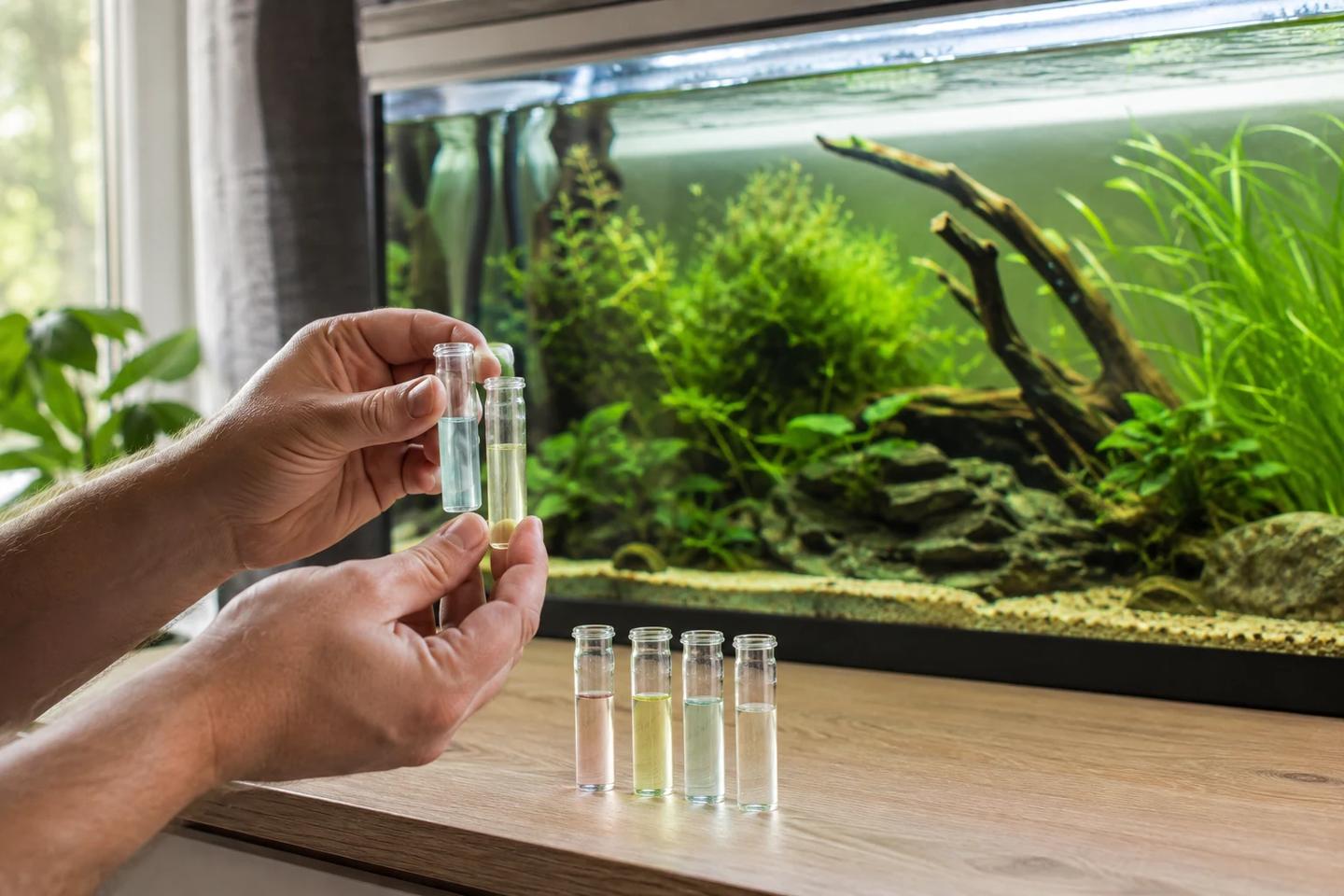
There is no universal set of perfect freshwater aquarium parameters. Identify the animals, learn what the test and unit actually report, establish your local source-water baseline, and compare repeat measurements. In an established aquarium, a confirmed ammonia or nitrite detection needs investigation; pH, GH, KH, temperature and nitrate decisions depend on the species, life stage and whole system.
Live Aquarium Plants for Beginners: 7 Easy Picks
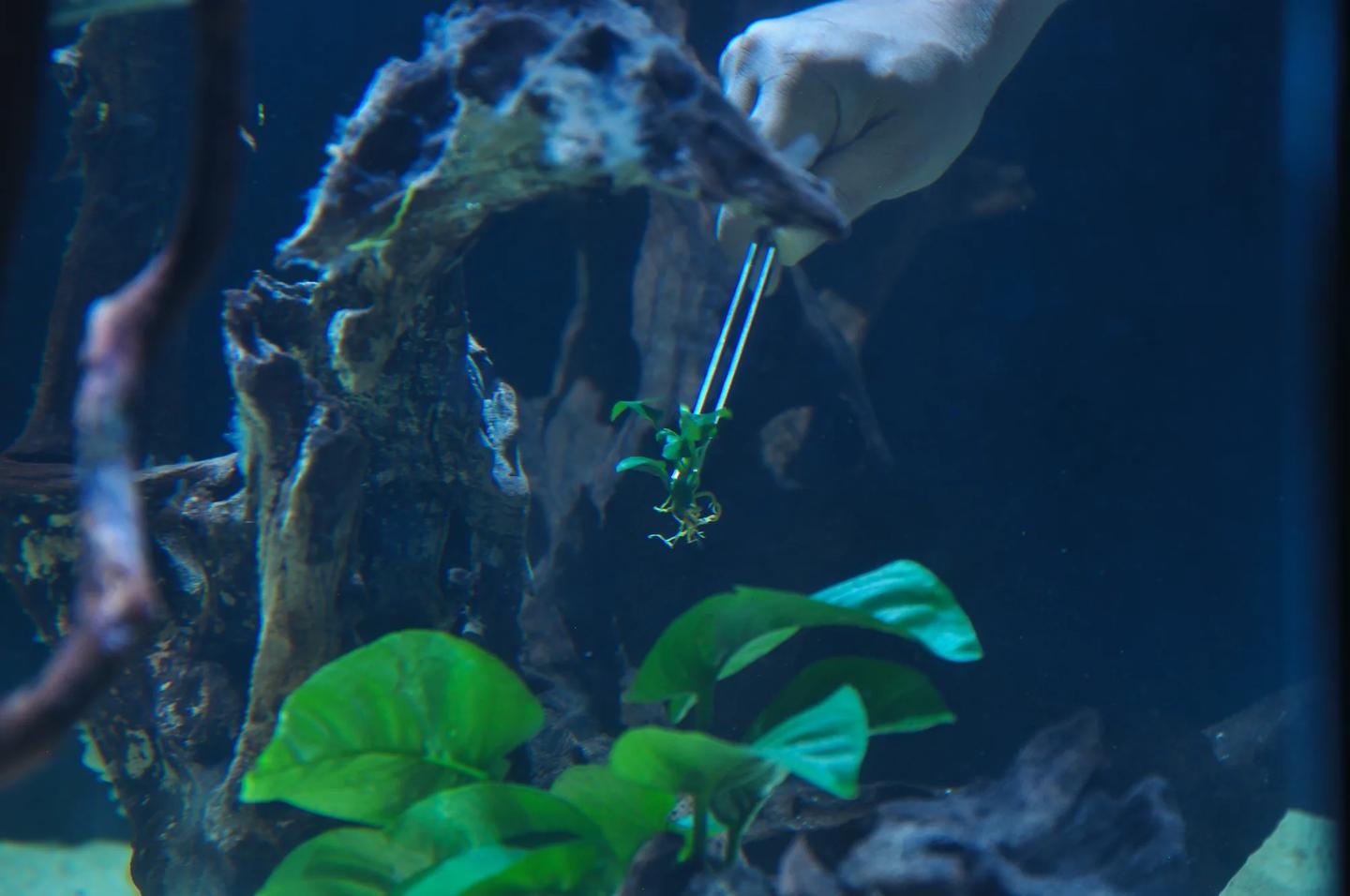
For a first low-tech planted aquarium, start with one or two correctly labelled lower-demand species, match their mature size to the tank, keep the rhizomes of Java fern and Anubias above the substrate, and change only one lighting or feeding variable at a time.