
White Spot on Fish: Identify Ich & Treat It Safely in the UK

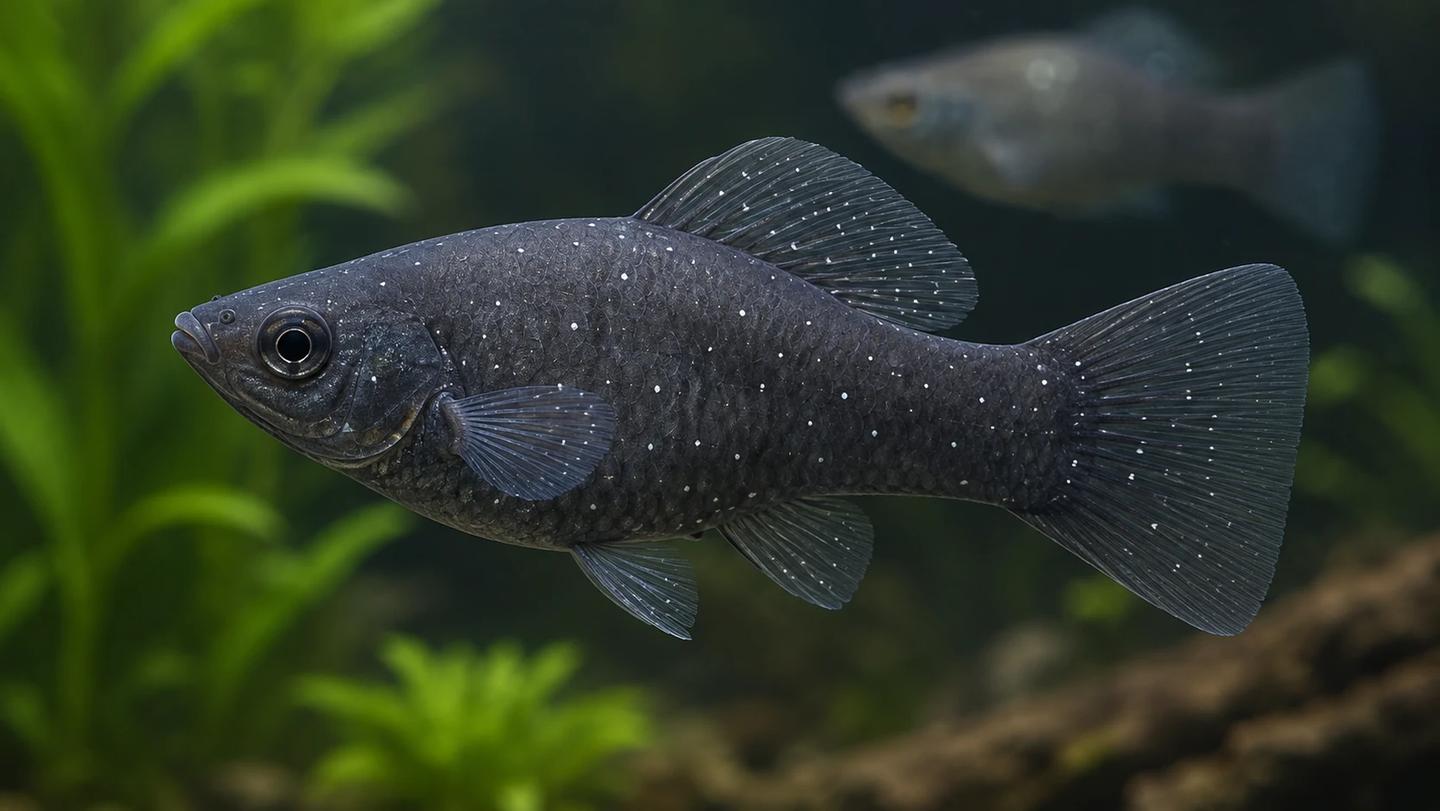
Direct answer: tiny grain-like white spots plus flashing can fit freshwater Ich—Ichthyophthirius multifiliis—but the appearance is not a diagnosis. First check breathing and water, photograph the fish, stop transfers between aquariums and list every fish, invertebrate, plant and medicine already present. If you use a treatment, it must be the exact current UK label for that aquarium and its actual water volume.
Do not automatically raise the temperature, add salt, mix medicines, guess a half dose or promise that one brand will cure every fish. Do not stop only because the spots disappear: the parasite may simply have left the fish to reproduce off-host.
If a fish is gasping, breathing rapidly, collapsing, gathering at the surface or filter return, or if several fish deteriorate together, check water and equipment immediately, improve gas exchange where appropriate, and contact an aquatics-capable vet. Ich can affect the gills without an obvious coating of body spots, while toxins and low oxygen can produce similar emergencies.
Commercial disclosure: Tropical Fish Co sells livestock and aquarium treatments. This page owns the identification-and-safety decision. It does not diagnose a fish from a photograph, recommend a product because it is stocked, or imply that a treatment is suitable without its current label.
If you see white spots now: a measured first response
Use this sequence before reaching for a bottle:
- Record the fish. Photograph both sides and the gill area without prolonged chasing. Note species, number affected, appetite, breathing, activity, rubbing, mucus, wounds and any deaths.
- Test the system. Measure ammonia, nitrite, temperature and pH; review oxygen, flow and recent filter disruption. Clear-looking water is not proof that it is safe. Our water chemistry guide explains the core readings.
- Freeze transfers. Do not buy or move livestock, plants, wet décor, water, nets or hoses between systems until the cause and exposure boundary are clearer.
- Write the history. Record new fish, shared equipment, transport, power cuts, temperature changes, water changes and every recent treatment. Veterinary investigation starts with the aquarium as a system, not one symptom[2].
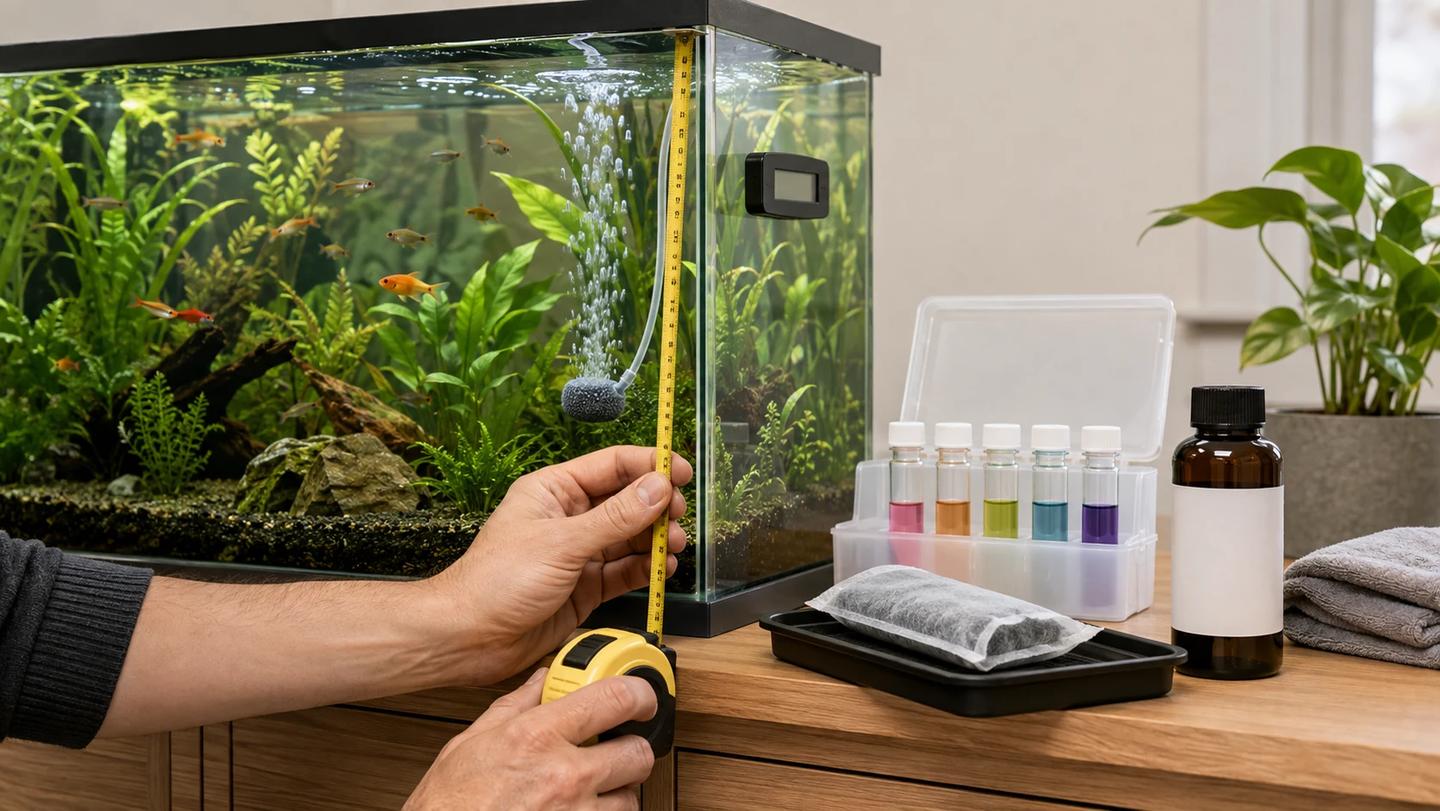
- Calculate actual water volume. Nominal tank size includes space occupied by substrate, décor, head space and sometimes external plumbing. A medicine label cannot be followed accurately from a guessed volume.
- Read the entire current label. Check target animals, contraindications, interactions, dose, interval, course, filter or UV instructions, withdrawal or disposal directions and what to do after a missed dose.
- Escalate uncertainty. A trained wet mount can distinguish parasites that a phone photograph cannot. Use a fish vet promptly when the fish is unwell, the gills may be involved or the treatment fit is unclear.
Correct a measured water or oxygen hazard safely while arranging advice; do not wait for a diagnosis before responding to ammonia, nitrite, equipment failure or distress. Avoid a huge unmatched water change that replaces one hazard with chlorine, temperature or pH shock.
What freshwater Ich can look like—and what it cannot prove
The classic description is small, separate white spots resembling grains on the skin or fins. Fish may rub or “flash”, produce extra mucus, clamp fins, eat less, hide or become less active. With gill involvement, breathing can become rapid even when few spots are visible[3].
Those clues raise suspicion; they do not identify the organism. University veterinary guidance states that white spots alone are not diagnostic and describes microscopic examination of a wet mount from skin, fin or gill tissue by a trained handler or veterinarian[1].
| Observation | Why it matters | Safer decision |
|---|---|---|
| Small discrete spots plus flashing | Compatible with Ich, but not unique to it | Photograph, test water, stop transfers and seek confirmation if the fish is unwell or the pattern is unclear |
| Rapid breathing with few body spots | Gills may be involved; oxygen or water problems can also mimic distress | Treat as urgent and investigate water, oxygen and gills—not only the skin |
| Cotton-like or raised fluffy material | Water mould or another lesion may be involved | Do not call it Ich from colour alone; obtain a diagnostic opinion |
| Flat colour patches, excess slime or dusty coating | Other parasites, irritation or disease can overlap | Avoid mixing products to “cover everything” |
| A single wound, cyst or persistent large lump | The shape and time course do not match a simple salt-grain pattern | Isolate the observation, not the diagnosis; seek qualified help |
| Several fish change after a shared event | Water, toxin, oxygen, temperature or infectious exposure may affect the group | Review the system history and test immediately |
Freshwater Ich is also not marine white spot. I. multifiliis affects freshwater fish, while marine white spot is commonly associated with Cryptocaryon irritans. MSD treats them as separate diseases; a freshwater instruction should not be carried into a marine or reef system[3].
The life cycle explains why spots can disappear and return
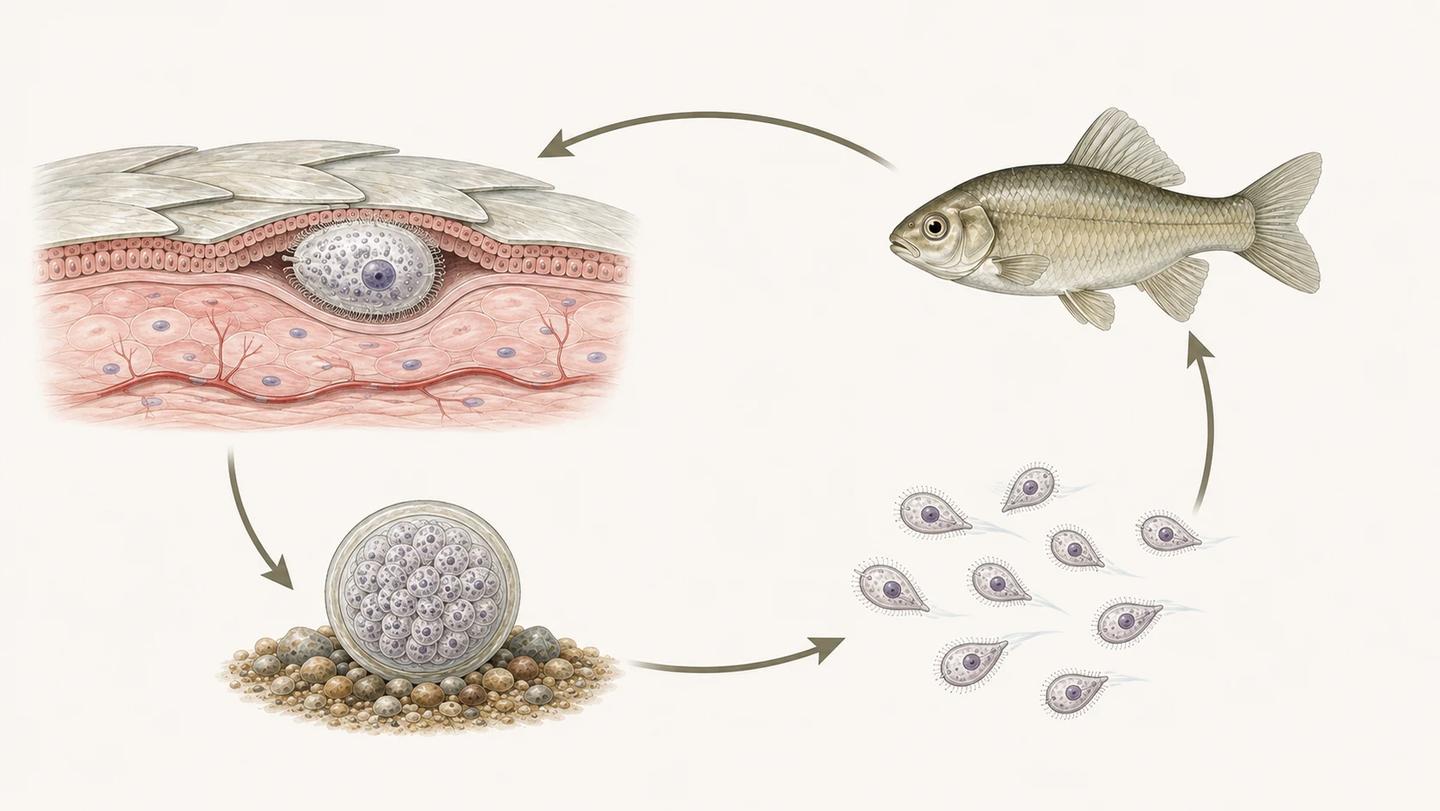
Ich has a direct life cycle: it does not need a second animal species to complete it. The names matter because each stage presents a different treatment problem[11].
- Trophont — feeding on the fish. The visible white spot contains a feeding stage within the surface tissues and mucus. That position can protect it from treatment in the surrounding water.
- Tomont — reproducing off the fish. A mature trophont leaves, settles on a surface and forms a cyst. The cyst is another protected stage and can produce many daughter cells.
- Theront — free-swimming and infective. Theronts leave the cyst and search for a fish. This exposed waterborne stage is the practical treatment target described by veterinary sources.
This is why one application may not meet every parasite at a susceptible moment, and why spots falling off is not the same as eradication. It can mark progression from the fish to the reproductive stage. Correct repeat timing must come from the product label or veterinary plan, not from a generic internet calendar[1].
Temperature affects the pace of development, but it does not turn the life cycle into one universal seven-, ten- or fourteen-day promise. Fish species, parasite isolates, systems and products differ. A 2015 primary study found that an Australian isolate still completed development and produced theronts at 30°C, directly contradicting the old page's claim that the parasite cannot reproduce above that temperature[4].
How white spot reaches an aquarium
Stress can worsen susceptibility and outcome, but stress does not create a parasite. Exposure must occur. New or exposed fish are an obvious route; transferred water and wet nets, siphons, hands, containers or décor can also move infectious material between systems. Veterinary sources describe direct exposure and contaminated equipment as important routes[3].
When tracing an outbreak, make a dated list of:
- every fish or wet item added and the source system;
- any net, hose, bucket or tool shared with another aquarium;
- the quarantine period and whether equipment was genuinely separate;
- transport, crowding, aggression, power or heater incidents;
- water-test results before and after the first signs; and
- treatments already used, including exact product, lot if available, dose and time.
This history helps separate an introduced parasite from a shared water or husbandry crisis. It also protects other aquariums: do not move apparently healthy animals out of an exposed system just because they have no spots yet.
Choosing a UK white-spot treatment safely
The “best” treatment is not the bottle with the strongest promise. It is a lawful, current, compatible plan for the likely organism, exact animals and actual system.
In Great Britain, some aquarium medicines for ornamental fish can be marketed under the small-pet Schedule 6 exemption. The Veterinary Medicines Directorate requires the label to state matters including the active substance, target species, contraindications, interactions, dosage and disposal. Antibiotics are not included in that exemption[6]. The VMD Product Information Database is the official route for checking authorised veterinary medicines; Schedule 6 products follow a different regulatory path[7].
Before treating, write a one-page compatibility sheet:
| Check | What to record before dosing |
|---|---|
| Diagnosis | Freshwater Ich suspected or confirmed; what alternatives remain? |
| Livestock | Every fish species and life stage, plus shrimp, snails and other invertebrates |
| Plants and system | Planted, display, breeding, hospital, bare or substrate-heavy; connected filters or sumps |
| Actual volume | Water present after displacement, head space and connected equipment |
| Water and oxygen | Ammonia, nitrite, pH, temperature, flow, aeration and current distress signs |
| Existing chemicals | Dechlorinator, fertiliser, salt and every medicine already used |
| Exact label | Target, warnings, dose, interval, full course, retreatment, filtration, UV and disposal instructions |
| Failure plan | When to stop improvising and contact the manufacturer or fish vet |
Follow one coherent current-label plan. Do not combine products unless the exact labels or veterinarian explicitly permit it. Different products can share ingredients or interact even when their brand names sound unrelated.
Heat, salt, carbon and “sensitive fish” shortcuts
Heat is a variable, not a cure button
Higher temperature can accelerate parasite development, but it also changes fish metabolism and reduces the amount of dissolved oxygen water can hold. Species and life stages have different safe ranges. Correct a failing or out-of-range heater gradually, but do not raise every aquarium to 28–30°C because an old checklist said so. The parasite-control literature describes protected stages and system-dependent limitations, not one safe home recipe[5]. See the aquarium temperature guide for measurement principles.
Salt is not a universal home remedy
Salt exposure depends on concentration, duration, water and the animals present. Fish, plants, shrimp and snails do not share one tolerance. Aquaculture evidence cannot be converted into “teaspoons per litre” for every community aquarium. Use salt only when the exact labelled treatment or an aquatic veterinarian covers the whole system; do not keep adding it after evaporation, because salt does not evaporate.
Carbon and UV instructions belong to the product
Some labels require activated carbon to be removed or UV equipment changed during treatment; other instructions differ. Read the exact label. Preserve oxygen and mature biological filtration, and never discard established filter media simply because a generic article said “remove the filter”. When the course is complete, follow that same label for water changes, carbon, waste and disposal.
A guessed half dose is not “gentle”
The old article advised arbitrary half doses for loaches, catfish, tetras and other “sensitive” fish. That is unsafe: an unapproved lower dose may be ineffective, while the normal product may be incompatible in the first place. If a target species or invertebrate is not clearly covered, ask the manufacturer or an aquatics-capable vet before exposure. Do not solve a contraindication by inventing a number.
Treat the aquarium as an exposed system
Because trophonts leave fish and tomonts settle on surfaces, moving only the most spotted fish may leave the life cycle behind and may contaminate the destination. A separate treatment tank is useful only when it is mature, appropriately equipped, biosecure and part of a plan that also addresses the original exposed system.
Safe system management can include:
- dedicated nets, hoses, buckets and towels;
- careful removal of organic debris when compatible with the treatment plan;
- continued biological filtration and appropriate aeration;
- accurate redosing only after water changes when the label instructs it;
- no new fish or wet transfers during the exposure period; and
- dated observations of every fish, not only the first one spotted.
Do not deep-clean the aquarium into biological-filter failure. Removing all mature media or washing it in untreated tap water can create an ammonia or nitrite emergency on top of disease. If a hospital system is needed, plan its water quality and oxygen as carefully as the display.
How long treatment takes—and when to stop
There is no evidence-backed universal answer such as “seven days”, “fourteen days” or “continue for exactly a week after the last spot”. Duration depends on diagnosis, product, water temperature, parasite development, dose accuracy and response.
Use four separate checkpoints:
- Label completion: every scheduled application and interval was followed for the actual volume, including instructions after water changes.
- Clinical response: breathing, appetite, activity and new spots are improving, not merely the old spots falling away.
- System stability: ammonia and nitrite remain controlled, oxygen and temperature are suitable, and the filter is functioning.
- Failure trigger: new signs, worsening gills, repeated cycles, adverse effects or deaths prompt reassessment rather than extra unlabelled doses.
Never double a missed dose unless the exact product instructions say to. Never extend, repeat or switch products just because a search result supplies a number. If the fish worsen during a correctly followed course, revisit the diagnosis and seek qualified help.
No honest source can promise that 95% of fish recover. Outcome depends especially on gill damage, parasite burden, water and oxygen, species, other disease and whether treatment fits the true problem.
Prevention after an outbreak
Prevention is a biosecurity system, not a promise that healthy fish cannot become infected.
- Quarantine new fish in a genuinely separate system. UF/IFAS veterinary-extension guidance recommends a conservative minimum 30-day quarantine for incoming fish; a suitable protocol may be longer or diagnostic-led for the source and species[1].
- Separate wet equipment. Label nets, buckets and siphons, and disinfect or dry equipment using a method appropriate to the material and organism.
- Observe before combining. Record appetite, respiration, swimming, skin, fins and faeces; investigate abnormalities rather than prophylactically mixing medicines.
- Protect stable water. Mature filtration, testing, suitable temperature and oxygen improve resilience but do not block parasite entry.
- Trace movements. Keep dates and source systems for fish and wet items so an exposure can be contained quickly.
OATA's UK biosecurity guidance treats quarantine, water quality and separation as connected controls[10]. A 14–21 day shortcut from the former page was removed because it was shorter than the conservative veterinary baseline reviewed for this guide.
When and how to find a UK fish vet
Contact an aquatics-capable practice promptly for:
- gasping, rapid breathing, severe gill signs or collapse;
- several fish affected quickly or any unexplained deaths;
- ulcers, bleeding, swelling, cotton-like lesions or abnormal swimming;
- uncertainty between a parasite, water problem, toxin, injury or other disease;
- a mixed aquarium whose animals are not all covered by the label;
- adverse effects, a failed correctly followed course or repeated recurrence; or
- microscopy, sample collection or a prescription-only decision.
The Fish Veterinary Society directory offers one UK route[8], and OATA's fish-vet directory offers another[9]. Phone first to confirm the practice can assess the species and problem, what samples or water they want, and how the fish should be transported.
If professional microscopy is arranged, follow the practice's sampling instructions. FAO diagnostic training material reinforces that parasite identification relies on proper examination, not on matching a picture online[12].
Unsafe advice removed from the former guide
This revision deliberately removes:
- “cure fast” and 95% recovery promises;
- automatic 28–30°C or 30°C heat-only treatment;
- the false statement that Ich cannot reproduce above 30°C;
- teaspoons, tablespoons or grams-per-litre salt recipes;
- one-brand recommendations and generic daily dosing;
- arbitrary half doses for loaches, catfish, tetras or Bettas;
- a fixed fourteen-day rule and fixed recovery calendar;
- moving shrimp away or treating their aquarium with heat alone;
- universal carbon-removal and water-change instructions;
- the claim that Ich “only attacks stressed fish”; and
- the claim that surviving fish gain dependable protection.
The replacement is intentionally less dramatic and more useful: observe, measure, identify the freshwater system, understand the life cycle, follow one exact current UK label, preserve water and oxygen, and escalate early when diagnosis or compatibility is uncertain.
Related aquarium health guides
- Fin rot: distinguish progressive tissue loss from injury
- Fish swimming sideways: urgent checks and differentials
- Aquarium temperature: measure and change it safely
- Fish-tank nitrogen cycle and biological filtration
- Water chemistry care guide
Purchase and revenue are the final ecommerce outcomes for this page. Add-to-cart and checkout are diagnostic ecommerce progression. Forms, feedback, email, newsletters and generic interactions are not leads or ecommerce conversions.
Recognise suspected white spot, understand the life cycle and prepare safely
Frequently asked questions
Sources & further reading
Material factual claims cite the sources below; store policy and cautious inference are labelled in the article. Sources are grouped by type so you can judge their weight at a glance.
Veterinary reference (2)
- [2]Petty, B. D., Francis-Floyd, R. & Yanong, R. P. E. (2026). Management of Aquarium Fish. MSD Veterinary Manual. View source
Veterinary guidance for history, water assessment, wet mounts, targeted treatment, actual bath volume, quarantine and equipment separation. It is not a remote diagnosis or UK product label.
- [3]Petty, B. D., Francis-Floyd, R. & Yanong, R. P. E. (2026). Parasitic Diseases of Fish. MSD Veterinary Manual. View source
Veterinary evidence separating freshwater Ich from marine Cryptocaryon and describing exposure, gill-only disease, clinical signs and wet-mount diagnosis. Professional treatment details are not reproduced as a domestic dose.
Reference source (1)
- [1]Francis-Floyd, R., Yanong, R. P. E. & Pouder, D. B. (2024). Ichthyophthirius multifiliis (White Spot) Infections in Fish. University of Florida IFAS Extension. DOI: 10.32473/EDIS-FA006-1991. View source
Veterinary extension evidence for freshwater Ich identity, direct life cycle, non-diagnostic white spots, wet-mount confirmation, treatment timing and biosecurity. Aquaculture chemical examples and concentrations are not transplanted into this UK home-aquarium guide.
Reference source (2)
- [4]Forwood, J. M., Harris, J. O., Landos, M. & Deveney, M. R. (2015). Life cycle and settlement of an Australian isolate of Ichthyophthirius multifiliis Fouquet, 1876 from rainbow trout. Folia Parasitologica. DOI: 10.14411/fp.2015.013. View source
Primary evidence that development is temperature-dependent and that one isolate still completed development and produced theronts at 30°C. It does not set a safe aquarium temperature or treatment.
- [11]Coyne, R. S. et al. (2011). Comparative genomics of the pathogenic ciliate Ichthyophthirius multifiliis, its free-living relatives and a host species provide insights into adoption of a parasitic lifestyle and prospects for disease control. Genome Biology. DOI: 10.1186/gb-2011-12-10-r100. View source
Primary research supporting the named organism and life-cycle terminology. Its genomics and laboratory material are not a treatment protocol.
Reference source (1)
- [5]Buchmann, K. (2022). Control of Parasitic Diseases in Aquaculture. Parasitology. DOI: 10.1017/S0031182022001093. View source
Peer-reviewed context for protected parasite stages and the complexity and evidence limitations of control methods. Aquaculture protocols are not a universal home-aquarium recipe.
Reference source (1)
- [6]Veterinary Medicines Directorate (2026). Exemption from authorisation for medicines for small pet animals. GOV.UK. View source
Current Great Britain Schedule 6 context and mandatory label particulars, including target species, contraindications, interactions, dosage and disposal. It does not endorse one product.
Reference source (1)
- [7]Veterinary Medicines Directorate (2026). Product Information Database. Veterinary Medicines Directorate. View source
Official lookup for authorised UK veterinary medicines and current product information. Schedule 6 exempt aquarium products follow a different route.
Reference source (1)
- [8]Fish Veterinary Society (2026). Find a Fish Vet. Fish Veterinary Society. View source
Professional directory for locating fish-veterinary help in the UK. Confirm that the practice can assess the species and problem before travelling.
Reference source (2)
- [9]Ornamental Aquatic Trade Association (2026). Find a Fish Vet. OATA. View source
Alternative UK fish-vet directory route; it is not a diagnosis or medicine recommendation.
- [10]Ornamental Aquatic Trade Association (2023). Biosecurity and the ornamental aquatic industry. OATA. View source
UK guidance supporting quarantine, equipment separation and water-quality biosecurity. It does not establish one domestic treatment duration.
Reference source (1)
- [12]Food and Agriculture Organization of the United Nations. Parasites, infections and diseases of fishes in Africa: an update. FAO. View source
Diagnostic and microscopy context for fish parasites. Training images cannot diagnose a reader's fish and older aquaculture treatments are not used as current UK doses.
Spotted something that needs a fix?
Fishkeeping moves fast and we want every guide spot-on. If you think something here is wrong, out of date, or could be clearer, tell us — our team reads every message and updates the page.
Suggest an editRelated care guides
Aquarium Water Parameters: What to Test and Why
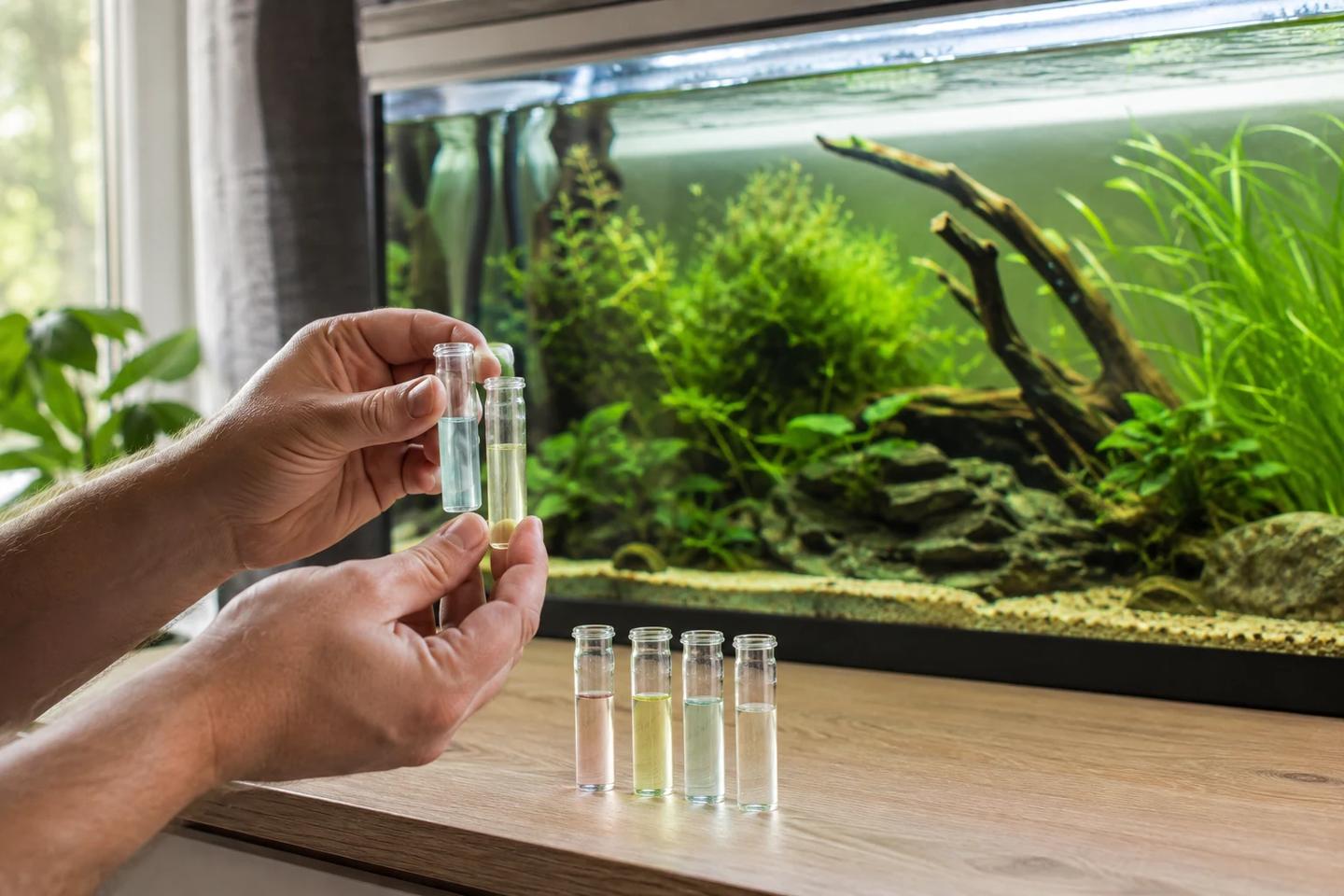
There is no universal set of perfect freshwater aquarium parameters. Identify the animals, learn what the test and unit actually report, establish your local source-water baseline, and compare repeat measurements. In an established aquarium, a confirmed ammonia or nitrite detection needs investigation; pH, GH, KH, temperature and nitrate decisions depend on the species, life stage and whole system.
How to Set Up a Tropical Fish Tank: 10 Safe Steps
Choose the intended fish before the aquarium, place the tank on a suitable level support, install a filter and thermostatic heater, condition and test the water, then complete a fishless cycle. Add fish only after the chosen maturation process reaches its defined endpoint and repeated tests show zero ammonia and zero nitrite; elapsed days alone do not prove readiness.
Betta Fish Care Guide: Siamese Fighting Fish
For one typical domestic Betta splendens, start with at least 20 litres, a mature filter, thermostatic heater, separate thermometer, gentle flow, a secure lid with surface access, and plants or refuges. Keep one male per aquarium.