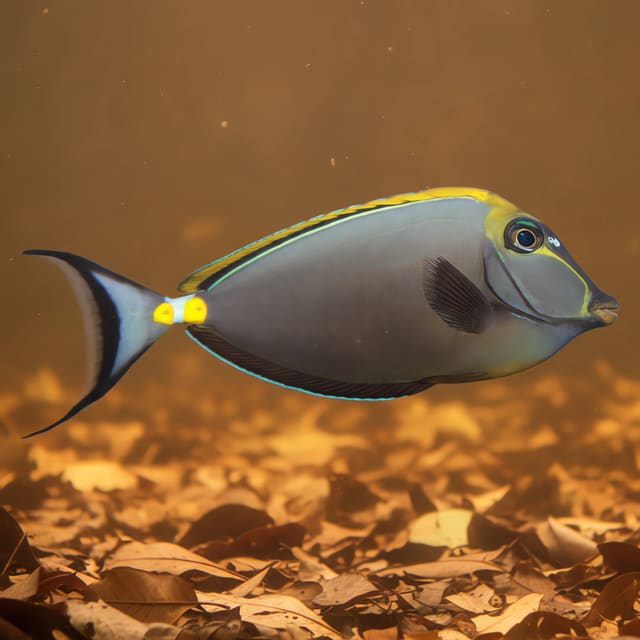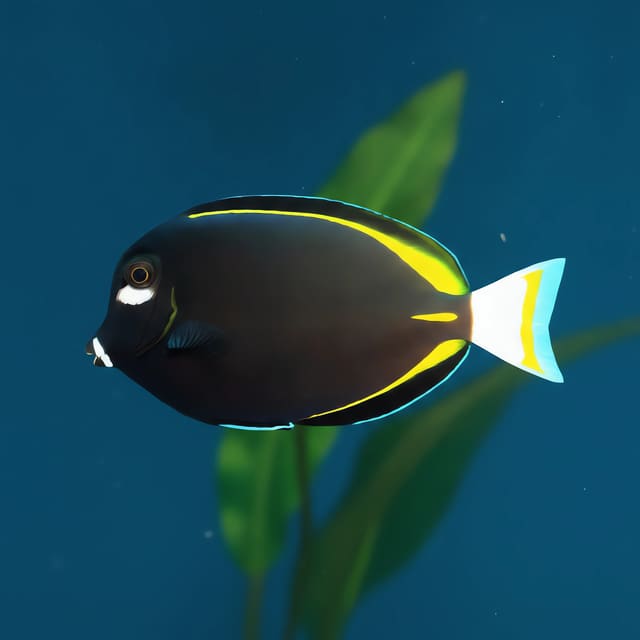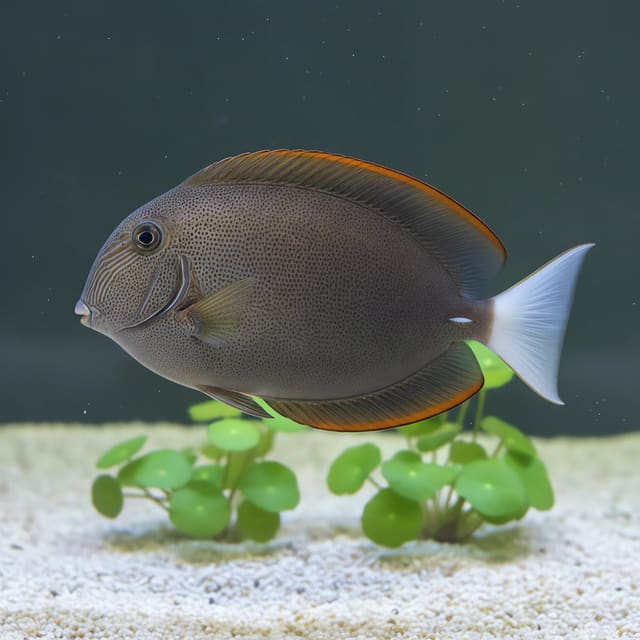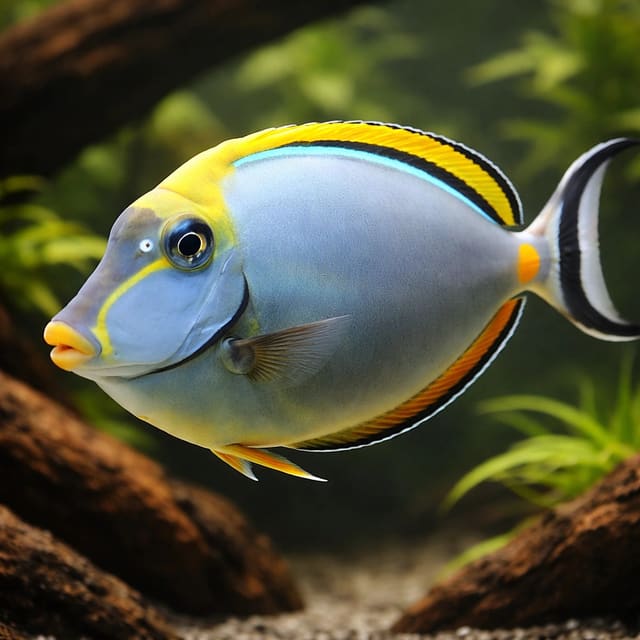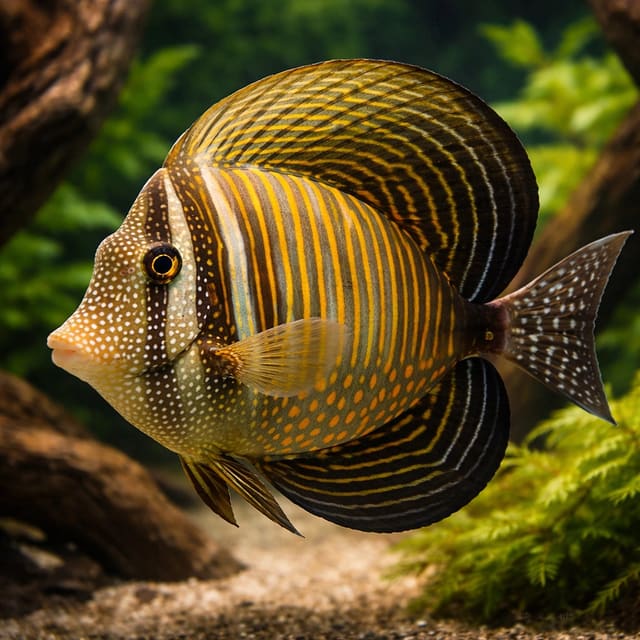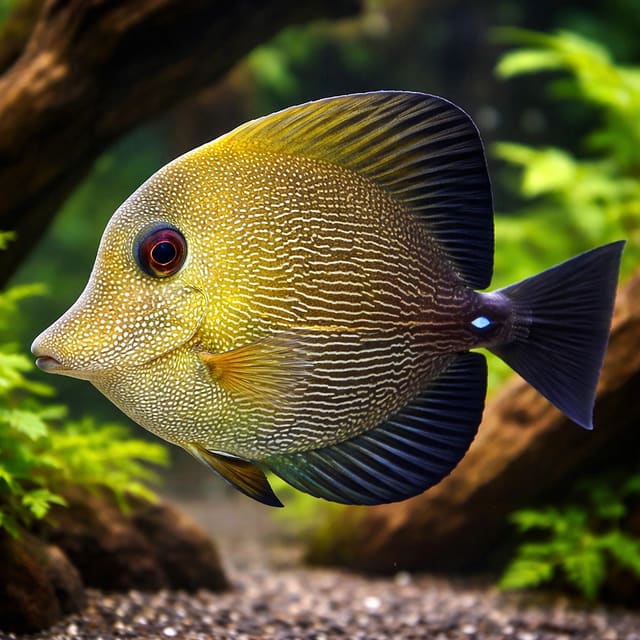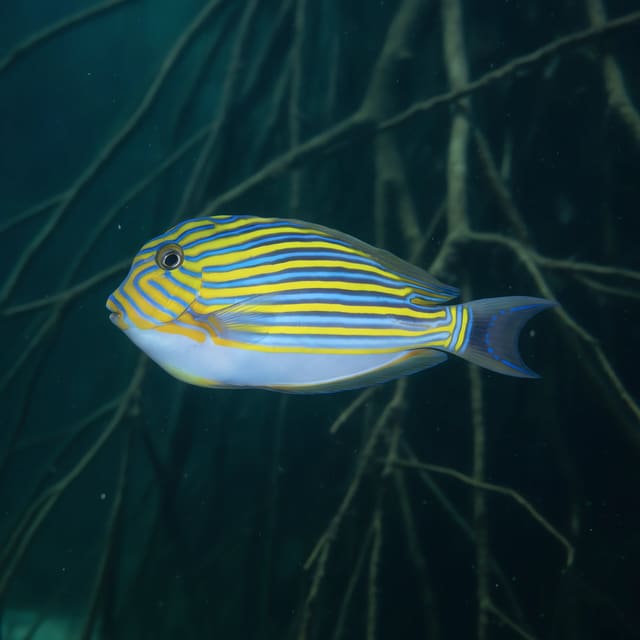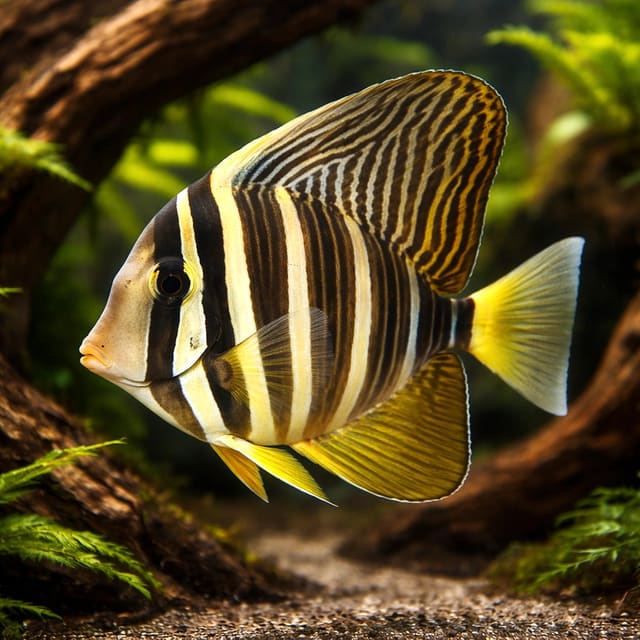
Sailfin Tang (Zebrasoma veliferum)
24–26°C · pH 7.9–8.3
£84.99
One unsexed Foxface Rabbitfish (Siganus vulpinus), supplier M grade without an exact centimetre band. Marine Siganidae with venomous spines; plan a spacious mature saltwater system, varied algae-rich feeding and careful compatibility. No pair, coral-safety or algae-removal guarantee.
Siganus vulpinus
Save when buying multiple fish. Each quantity is one fish; sex and pair formation are not guaranteed unless the selected variant explicitly states them.
One unsexed Foxface Rabbitfish (Siganus vulpinus), supplier M grade without an exact centimetre band. Marine Siganidae with venomous spines; plan a spacious mature saltwater system, varied algae-rich feeding and careful compatibility. No pair, coral-safety or algae-removal guarantee.
Maintain these water conditions for optimal health and vibrant colors
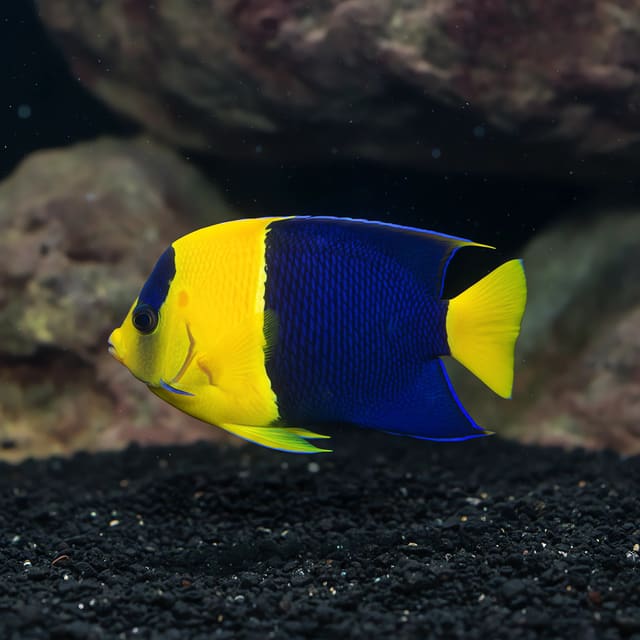
Foxface Rabbitfish (Siganus vulpinus) is a marine rabbitfish in the family Siganidae, not the surgeonfish family Acanthuridae. Its yellow body and contrasting face are characteristic, but colour can change with condition and settling. Algae browsing is useful behaviour, not a promise to remove a particular nuisance growth; provide a proper varied diet and mature filtration.
This species is often chosen by aquarists who want a fish with both visual appeal and useful behaviour. It is generally considered more approachable than many other marine species, but it is still a specialist fish and should not be treated as a beginner freshwater equivalent. Verify your local water and ensure your marine system is mature, stable and fully cycled before buying. The Foxface is also a venomous species, so it should be handled with care and respect at all times.
Each selected quantity is one unsexed Foxface, not a sexed or bonded pair. The supplied size is graded M, without an exact centimetre band; that grade does not prove age, maturity or individual measurements. The current default retail option offers no size or sex selection. FishBase lists a published species maximum of 25 cm standard length, excluding the tail; the supplier also lists 25 cm without a length convention. These are adult planning context, not a dispatch grade or guaranteed stock maximum.
Foxface Rabbitfish need a spacious, stable marine aquarium with excellent filtration and plenty of live rock for grazing and shelter. They are active swimmers and benefit from open swimming areas as well as natural hiding places. A mature system is strongly recommended, and any new aquarium should be fully cycled and biologically stable before the fish is introduced.
Plan a large marine aquarium with room for long-term swimming and grazing. OATA’s tang and rabbitfish guidance recommends at least 300 litres for a single fish under 20 cm; a larger fish, active companions or restricted footprint need more space. Given the published 25 cm SL species record, treat 300 L as a starting planning reference rather than permanent proof of suitability. Check swimming length, open space, rockwork and the adult community before ordering.
Provide strong but not chaotic circulation, efficient protein skimming where possible, and good oxygenation. Live rock is useful for grazing and security, but leave open sand or rockwork channels so the fish can move freely. Lighting should suit the rest of the marine system; the Foxface itself is adaptable, though good reef lighting and daylight rhythm support overall health.
OATA gives general tang/rabbitfish guidance of 24–26°C, pH 7.9–8.3 and specific gravity 1.020–1.025. Specific gravity is not parts per thousand; verify the instrument and measurement convention. These are general group recommendations, not current holding measurements or a guarantee for every reef system; corals and other sensitive livestock may require different conditions. Ask about holding water and follow the parcel’s transfer instructions, matching temperature and salinity gradually without leaving opened transport water standing unnecessarily.
Foxface Rabbitfish are primarily herbivorous, with a strong appetite for algae and plant-based matter. In the aquarium they should be offered a varied marine diet rather than relying only on natural grazing. Good quality marine algae sheets, spirulina-based foods, vegetable-rich frozen preparations and suitable pellets are all useful additions. A varied feeding regime helps support colour, body condition and long-term health.
Although algae forms an important part of their diet, it is not enough on its own in a closed aquarium. Supplement grazing with prepared foods that are specifically designed for marine herbivores and omnivores. Small, regular feedings are usually better than one large daily meal. Remove uneaten food to preserve water quality.
If the fish is newly arrived and reluctant to feed, keep the environment calm and provide a range of suitable foods. As with all saltwater species, appetite is often one of the first indicators of health, so monitor feeding closely and verify any concerns with a marine specialist if needed.
Foxface Rabbitfish are usually peaceful to semi-peaceful, though their temperament can become more assertive if they feel cramped or threatened. They are generally compatible with many community marine fish of a similar size, but care is needed with highly territorial species and with tank mates that may nip fins or constantly harass them. Like many marine fish, they can become less tolerant in confined spaces.
Assess compatibility with the individual, aquarium dimensions and exact tank mates. Some reef systems may be suitable, but the species label is not a coral-safety guarantee. Avoid persistent aggression and keep an isolation option ready. Venomous spines make careless handling dangerous; use an appropriate transfer container and avoid direct contact or trapping the fish against hard surfaces.
As a general rule, the bigger and more established the aquarium, the easier it is to manage compatibility. Always add marine livestock thoughtfully and avoid overcrowding.
Breeding Foxface Rabbitfish in the home aquarium is not commonly attempted and is not typically part of standard retail ownership. While many marine fish can spawn under the right conditions, successful breeding of Siganus vulpinus requires specialist knowledge, controlled conditions and often very large, mature systems. For most hobbyists, the focus is on long-term maintenance, feeding and stable marine husbandry rather than breeding.
If breeding behaviour is observed, do not make assumptions about sexing, pair formation or fry rearing without specialist verification. Marine breeding can be complex, and in many cases the eggs and larvae require dedicated facilities.
Poor water quality, unsuitable social pressure, feeding failure and transport stress are important possibilities when behaviour changes. Do not diagnose a particular parasite or assume a saltwater-versus-freshwater resilience ranking from those signs. Check measured conditions, oxygenation and recent changes, then seek marine-experienced advice when signs persist.
Look out for reduced appetite, rapid breathing, clamped fins, faded colour, or hiding for prolonged periods. These symptoms can indicate stress, water quality issues or the early stages of disease. As with any saltwater fish, early action is important, but diagnosis should be based on observation and verified water testing rather than guesswork.
Because Foxface Rabbitfish have venomous spines, they should never be netted carelessly or pressed against hard surfaces. Use suitable fish bags, containers and transfer methods. If any health issue arises, verify your water parameters first and seek marine-experienced advice promptly.
Before ordering, confirm the adult housing plan, established filter, feeding arrangements and safe handling equipment. Read the current delivery and live-arrival conditions, including receiving and evidence requirements; the guide does not promise a delivery speed or unconditional arrival outcome.
This fish belongs in a prepared saltwater system, not freshwater tap water with an improvised salt dose. Check salinity with suitable calibrated equipment, control evaporation and confirm that proposed companions fit the same long-term system. If uncertain, ask for advice before buying. Browse the current marine shopping group; that catalogue route does not make Siganidae a surgeonfish family.
Foxface Rabbitfish are rewarding, beautiful and useful fish when kept correctly. With space, stability and the right diet, they can become a standout feature in a well-planned marine aquarium.
No reviews for this item yet. Bought one? Honest reviews only, good or bad.
What customers say about ordering from us
Easy website plenty of info on fish your buying great to pick a time slot
TRACEY DURRANT · 7 Oct 2026
Got some lovely fish thank you
Kevin Mackie · 7 Oct 2026
Reviews of our shop, collected by Judge.me, an independent third-party review collector. Newest first.