Azure demoiselle (Chrysiptera hemicyanea) - Marine Aquarium Livestock UK
24–26°C · pH 7.9–8.3
£29.99
The Blue Green Damsel (Chromis viridis) is a Pomacentridae damselfish from the Indo-Pacific that grows to a recorded maximum of 10 cm. It suits a keeper with a mature marine aquarium; OATA advises a chromis group in at least 200 litres at 24–26°C and pH 7.9–8.3. Sold individually as one live fish per purchase.
Adult size is the maximum length this species reaches at full maturity (scientific sources). The livestock you receive will be younger and smaller. Product-photo provenance and any image-specific limitations are stated on the listing.
Chromis viridis
The Blue Green Damsel (Chromis viridis) is a Pomacentridae damselfish from the Indo-Pacific that grows to a recorded maximum of 10 cm. It suits a keeper with a mature marine aquarium; OATA advises a chromis group in at least 200 litres at 24–26°C and pH 7.9–8.3. Sold individually as one live fish per purchase.
Adult size is the maximum length this species reaches at full maturity (scientific sources). The livestock you receive will be younger and smaller. Product-photo provenance and any image-specific limitations are stated on the listing.
Maintain these water conditions for optimal health and vibrant colors
The Blue Green Damsel (Chromis viridis) is a marine damselfish in the family Pomacentridae from the Indo-Pacific, and FishBase records a maximum length of 10 cm. It suits a keeper who can prepare a mature, filtered marine aquarium with enough room for a chromis group and who is ready to assess every proposed companion rather than relying on a generic community label.
Adults occur in large aggregations above branching Acropora coral thickets in sheltered subtidal reef flats and lagoons. That combination of open-water activity and nearby cover gives a practical layout cue: leave room for the fish to move above and around the structure while providing branching shelter into which it can retreat.
Keep the aquarium at 24–26°C and pH 7.9–8.3. OATA’s chromis and damselfish guidance gives those broad figures for the group rather than a species-specific optimum. It also recommends that chromis are not kept alone and gives at least 200 litres for a group.
| Suits | Not suited to |
|---|---|
| A mature, filtered marine aquarium | An unfiltered aquarium or one with an immature filter |
| A chromis group in at least 200 litres | A plan to keep this chromis alone |
| Water held at 24–26°C and pH 7.9–8.3 | Water outside the stated chromis and damselfish range |
| Other relatively peaceful fish after assessment | A mixed community assembled without compatibility screening |
This page supplies one live Blue Green Damsel per purchase. Each purchase supplies one fish, and OATA recommends that chromis are not kept alone, so plan the aquarium for a chromis group rather than a single fish. The 10 cm figure is the recorded adult maximum, not a statement about the fish’s length when dispatched.
Sex is guaranteed only when the selected option explicitly states male or female. This Blue Green Damsel listing has no sex-guaranteed option.
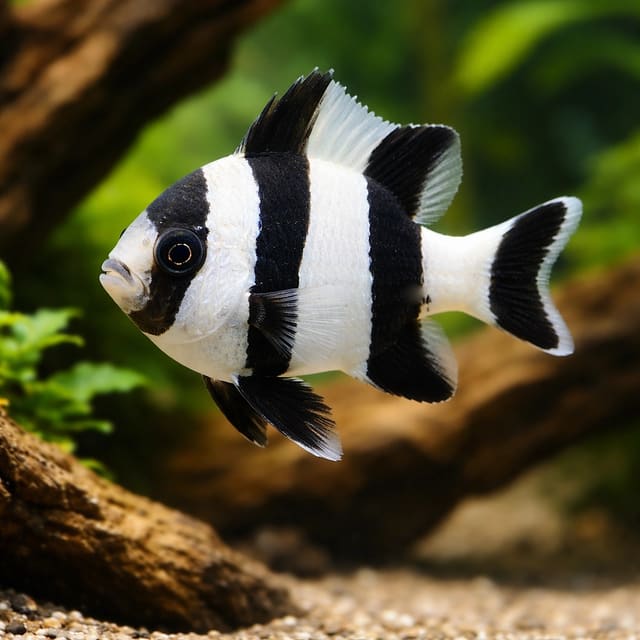
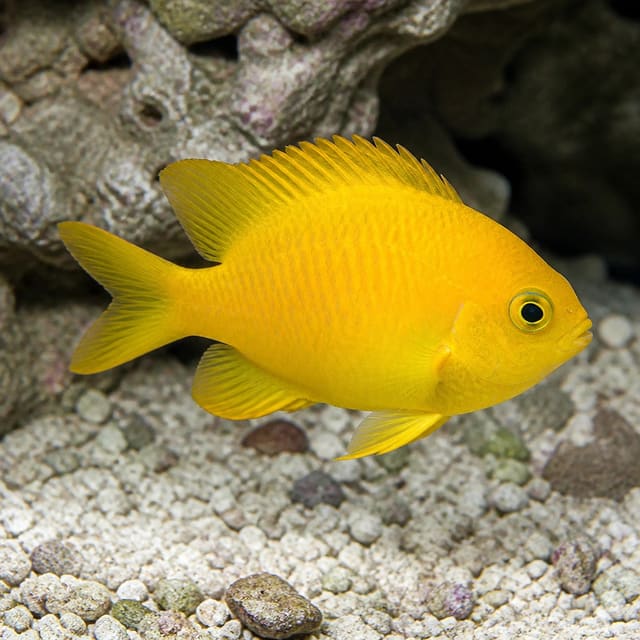
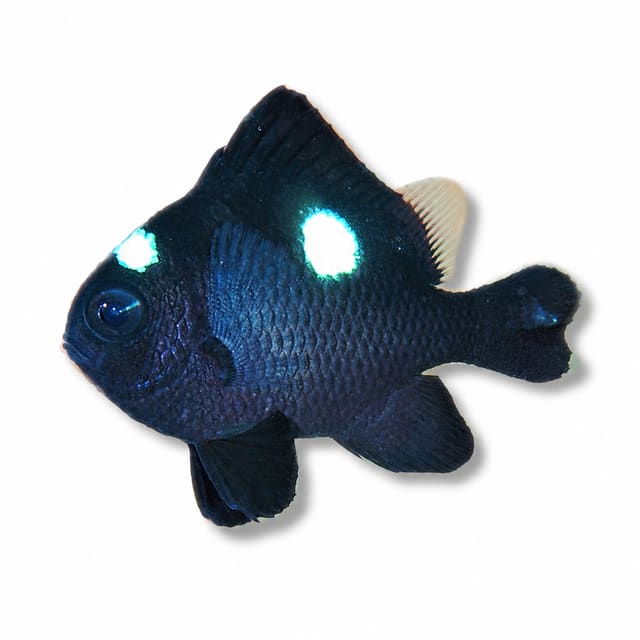
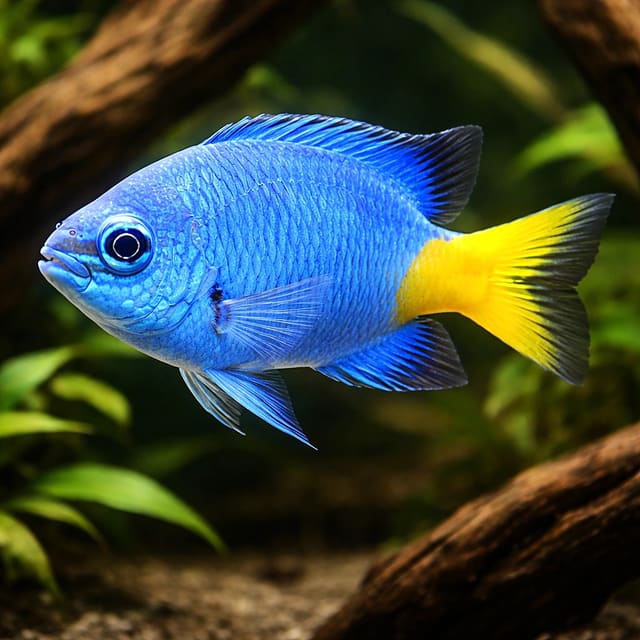
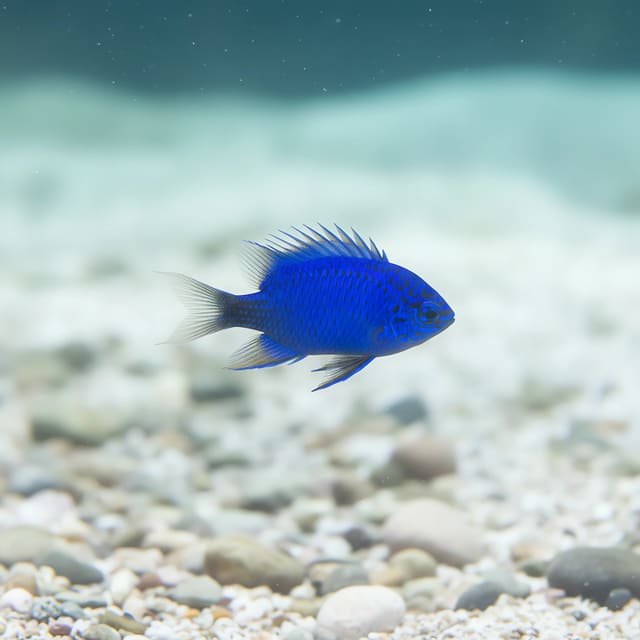
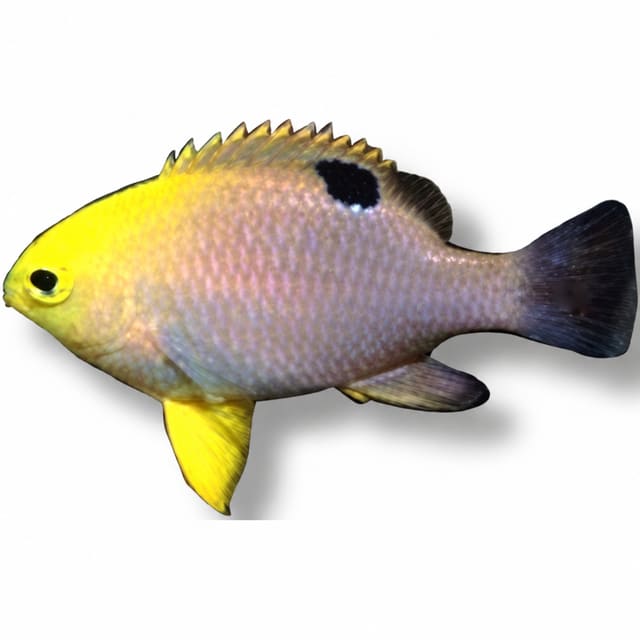
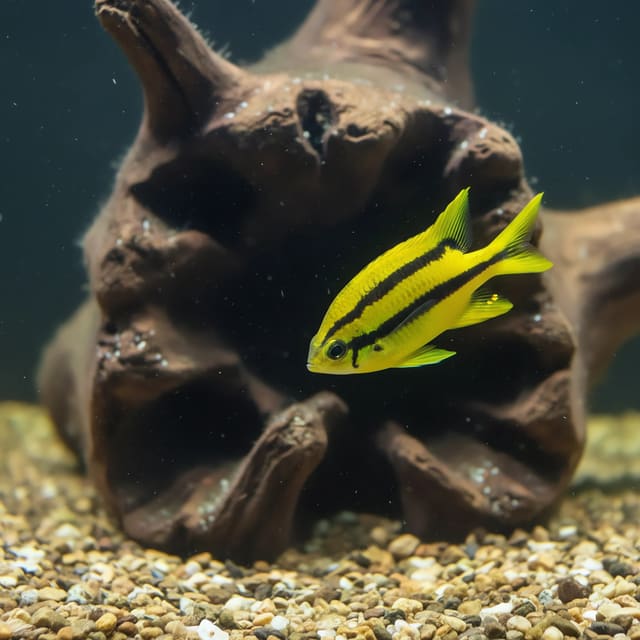
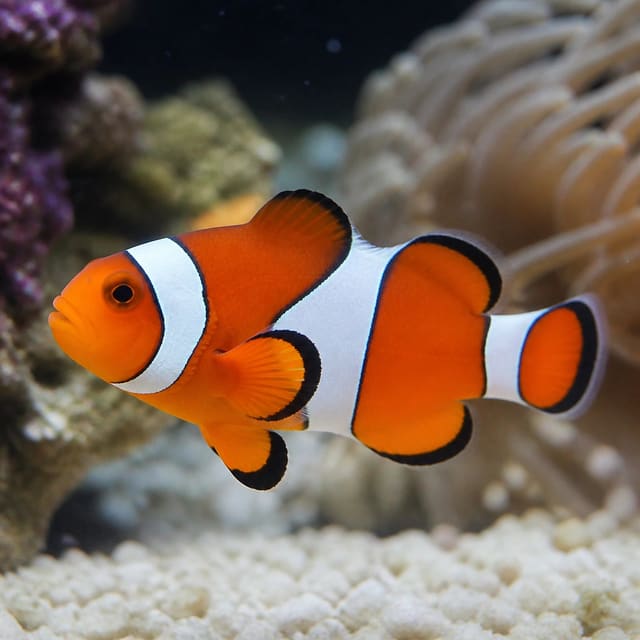
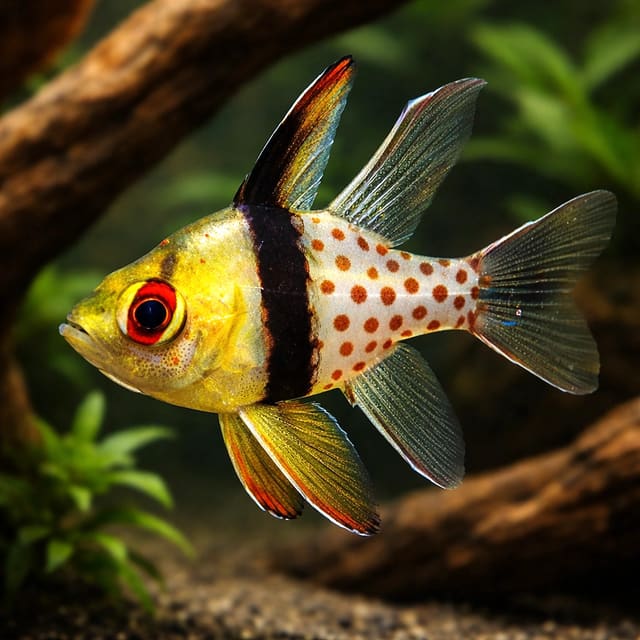
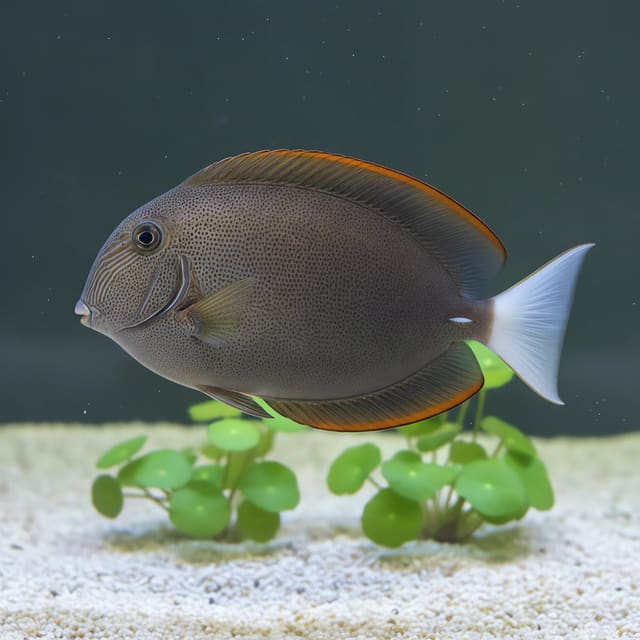
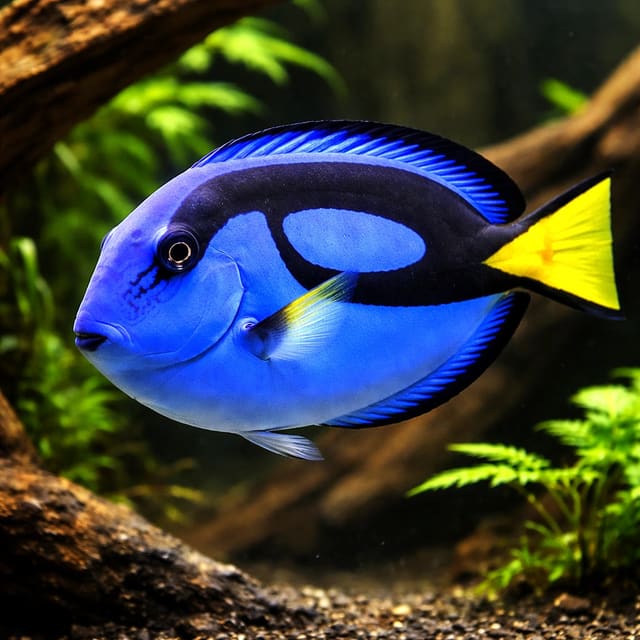
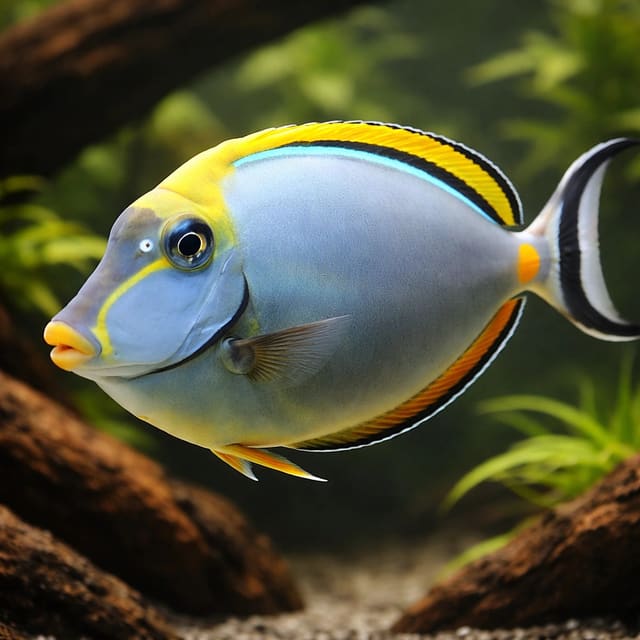
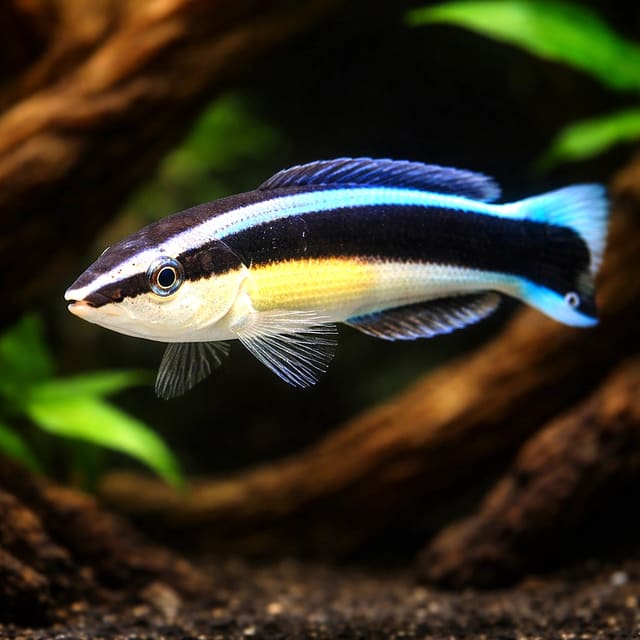
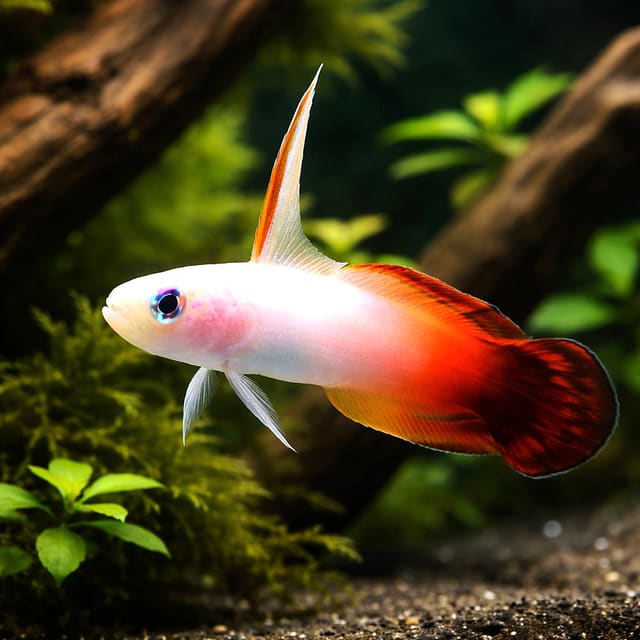
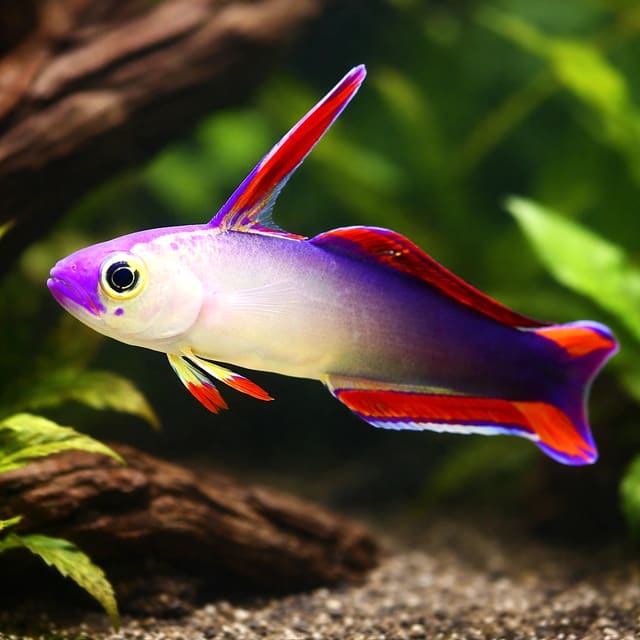
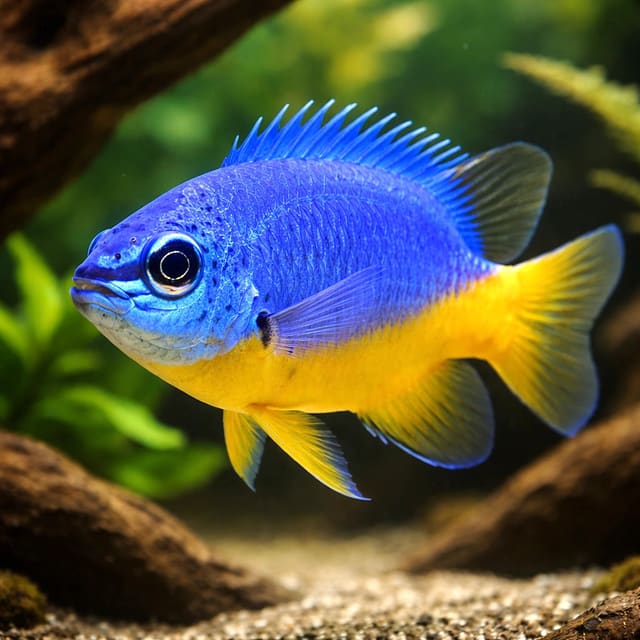
The gallery images are representative of this type of animal rather than photographs of the exact animal supplied, so colours can look slightly different from the live animal.
Use the identity and adult size to plan first, then check aquarium volume, biological filtration, water chemistry and existing occupants before adding the fish. If you are still comparing suitable livestock for the same system, browse the current marine fish collection without treating category placement as proof that two animals belong together.
Plan around an adult maximum of 10 cm. FishBase gives that figure as total length for male or unsexed fish, and the offer does not guarantee sex. The same 10 cm maximum also appears in the Wikipedia summary of Chromis viridis, which describes individuals as tending towards iridescent apple-green and light blue.
FishBase places the species across the Indo-Pacific, from the east coast of Africa to the Line Islands and Tuamotu Archipelago, north to the Ryukyu Islands and south to the Great Barrier Reef and New Caledonia. It records a reef-associated fish occurring at depths of 1–20 m. These are natural-history details, not aquarium water targets; use the OATA figures for routine aquarium decisions.
Adults gather above branching coral thickets in sheltered reef flats and lagoons, while juveniles are closely associated with individual coral heads. The fish is active by day and feeds on phytoplankton in nature. Translate that biology into three connected choices: preserve an open movement zone, place shelter close to that zone and use suitably small foods that remain easy for a water-column fish to take.
Use an aquarium of at least 200 litres for a chromis group. OATA recommends at least 60 litres for a single damselfish but also recommends that chromis are not kept alone, so the relevant planning figure for this fish is the group recommendation of at least 200 litres. Treat that volume as a floor, not as a promise that every proposed stocking plan will work.
A simple comparison prevents an easy planning error: a 180-litre aquarium remains below the stated group figure, whereas a 220-litre aquarium clears it. The larger choice also follows OATA’s reason for recommending generous aquarium volume: a larger body of water provides greater stability in temperature and water quality.
Arrange the interior around the species’ recorded behaviour. Adults aggregate above branching coral thickets, and OATA notes that wild chromis and damselfish quickly take shelter in hard coral growth if they notice a threat. Preserve a clear area above and around the structure instead of filling every part of the water column, while keeping branching shelter close enough for retreat. This creates a layout based on the places the fish uses in nature without assuming that aquarium décor alone settles compatibility.
Do not use the fish’s arrival length to justify a smaller temporary aquarium. The same mature, filtered system should support the group plan, the adult maximum of 10 cm and the waste produced as livestock and feeding increase.
Volume is the first gate, not the last calculation. A 200-litre aquarium meets OATA’s stated floor for the chromis group, but every additional occupant also uses swimming room and adds waste for the filter to process. Write down the fish already present and every proposed addition before deciding that the system is large enough.
Compare two otherwise similar plans by looking beyond nominal capacity. Choose the one that preserves more uninterrupted open water near branching shelter and leaves the filter with capacity for gradual stocking. If the planned structure fills the movement zone or the complete community cannot share stable marine conditions, revise the layout or stocking plan before the fish is introduced.
Keep salinity at 1.020–1.025, temperature at 24–26°C and pH at 7.9–8.3. Maintain carbonate hardness at 8–12°dKH, calcium at 380–450 ppm and magnesium at 1250–1350 ppm. These OATA figures apply to chromis and damselfish as a group and form the routine aquarium range used throughout this care plan.
Ammonia and nitrite must both remain at 0 mg per litre, while nitrate must not exceed 50 mg per litre. Read those limits literally: any measurable ammonia or nitrite needs attention, and 50 mg per litre is a maximum for nitrate rather than a target. Stable temperature, salinity and pH should be checked alongside the nitrogen compounds because a result in one range does not compensate for a result outside another.
| Check | Required result |
|---|---|
| Salinity | 1.020–1.025 |
| Temperature | 24–26°C |
| pH | 7.9–8.3 |
| Carbonate hardness | 8–12°dKH |
| Calcium | 380–450 ppm |
| Magnesium | 1250–1350 ppm |
| Ammonia and nitrite | 0 mg per litre |
| Nitrate | Up to 50 mg per litre |
Use the complete table when making a decision. For example, 25°C passes the temperature check, but the aquarium is not ready if nitrite is measurable. A pH of 8.2 sits within the range, but it does not make a salinity result of 1.019 suitable. Correct the outlying value and retest rather than judging readiness from a single favourable number.
If you keep chromis in a reef aquarium, OATA notes that some parameters will need to be altered to accommodate more sensitive species. Build one compatible water plan for the whole system before mixing livestock.
Use a repeatable order for each readiness check: temperature and salinity first, pH and carbonate hardness next, then ammonia, nitrite and nitrate. Add calcium and magnesium when reviewing the complete marine chemistry. This sequence keeps every required result visible and reduces the chance that one acceptable reading distracts from another value that needs correction.
A reading of 24°C, pH 7.9 and salinity 1.020 is within the stated ranges, but measurable ammonia still makes the aquarium unsuitable for introduction. Likewise, ammonia and nitrite at 0 mg per litre do not cancel a temperature of 27°C. Bring each result into range, allow the system to remain stable and test again before proceeding.
Run a well-established biological filter and confirm ammonia and nitrite are both 0 mg per litre before adding the fish. The RSPCA’s aquarium welfare guidance explains why filtration is vital: fish release toxic ammonia, and a working biological filter lets beneficial bacteria break it down to nitrite, which is also toxic, and then to nitrate, which is safer. A filter must therefore be mature as well as switched on.
OATA describes several workable forms of marine filtration: live rock with sufficient water flow, an internal or external filter, or a sump-based filter. A protein skimmer can also help maintain water quality by removing dissolved organic waste before it breaks down into more harmful substances. Choose a method that can be checked and maintained without disrupting the biological media.
Increase the number of fish slowly. Every increase in fish and feeding increases the waste that the filter bacteria must process, and the beneficial bacterial population needs time to grow. Stocking too quickly can produce new tank syndrome, with ammonia or nitrite rising to harmful levels.
A clear-looking aquarium is not a substitute for test results. Waste conversion happens through the biological filter, and OATA notes that chromis and damselfish can be stressed by even the smallest amounts of ammonia and nitrite. Use measured values to catch the problem earlier.
Treat every added fish and every rise in feeding as a new demand on the filter. Keep the next addition on hold while checking that ammonia and nitrite remain at 0 mg per litre and nitrate stays no higher than 50 mg per litre. This gives the bacterial population time to respond before another increase in waste is introduced.
If either ammonia or nitrite becomes measurable, stop increasing the livestock load. Review uneaten food, check the filter for blockage and test the wider marine values. Resume the gradual stocking plan only after both compounds return to 0 mg per litre and the system is stable.
FishBase records Chromis viridis as a phytoplankton feeder in nature, and OATA describes chromis and damselfish as omnivores that need a wide range of foods. In the aquarium, OATA advises that a good-quality flake or pellet will fulfil most of their nutritional needs, supplemented with frozen foods such as mysis shrimp, enriched brine shrimp or red plankton.
Offer food twice a day and give only what the fish can consume within a few minutes. Keep each item suitably small for the fish to take in the water column and rotate the permitted foods instead of relying on one item at every meal.
Overfeeding is a water-quality problem as well as a feeding mistake. Uneaten food breaks down and releases waste, increasing the demand placed on the biological filter. The correct portion is therefore defined by what the fish eats within a few minutes, not by a fixed scoop or an attempt to leave food in the aquarium for later.
Chromis and damselfish may also graze algae offered to herbivorous fish or growing in the aquarium. Treat algae grazing as a supplement to the flake or pellet and frozen foods, not a replacement for them.
Use the same short assessment at every meal. Food should be small enough to take readily in the water column and should disappear within a few minutes. If pieces repeatedly remain after that period, reduce the quantity at the next feed rather than allowing leftovers to accumulate.
A reduced interest in food is also a health observation. Compare it with swimming, breathing, colour and hiding behaviour, then test ammonia, nitrite, nitrate, temperature, pH and salinity. Keep the feeding schedule at twice daily while adjusting the quantity to what the fish actually consumes.
At least once every week, change 25% of the aquarium water. A siphon can remove solid waste from the substrate during the change, while fresh marine water supports the wider programme of stable salinity and chemistry.
Check filters regularly and clean them before blockages impair their operation. When filter media needs cleaning, do not run it under the tap. Rinse it lightly in aquarium water removed during the partial water change so fewer beneficial bacteria are lost. Clean a protein skimmer regularly as well, because accumulated waste can reduce its performance.
Use the two daily feeds as short observation points. Watch for hanging at the surface, sitting on the bottom, erratic swimming, a darker or paler appearance, increased aggression, unusual hiding, faster or slower gill-cover movement, white spots, fluffy growths, fin or scale loss, body-condition changes or reduced interest in food.
If any of these changes appears, test water quality promptly and seek suitable livestock-health guidance. Start with ammonia, nitrite, nitrate, temperature, pH and salinity because even small amounts of ammonia or nitrite can stress chromis and damselfish.
Keep observations tied to action. Erratic swimming, altered breathing or reduced feeding calls for prompt water testing; damaged fins or increased hiding also calls for a review of group and companion interactions. Recording what changed and when makes it easier to compare the fish’s present behaviour with its usual pattern.
Prepare the mature aquarium before the parcel arrives. Confirm that the chromis group has at least 200 litres, the filter is functioning and ammonia and nitrite are both 0 mg per litre. Check temperature, pH and salinity against the stated marine ranges so the receiving aquarium is ready before the sealed bag is opened.
Follow the Tropical Fish Co delivery and Live Arrival Guarantee policy in this order:
The fish is hand-bagged in pure oxygen and placed in an insulated poly box, with a heat pack added when the weather calls for it. These packing steps protect the journey, but they do not replace the need for a prepared aquarium and the measured checks made before release.
Keep the continuous unboxing video and order number. If there is a live-arrival problem, send both on the day the fish arrives so the policy process can be followed. The video must show the sealed parcel, the uninterrupted opening and the fish inside the sealed bag before release.
Use the same health observations applied during routine care: swimming position, breathing rate, colour, fins, scales, body condition, hiding and interest in food. Test the water promptly if behaviour or appearance changes, beginning with ammonia and nitrite because both must remain at 0 mg per litre.
Keep this chromis as part of a group rather than alone and provide at least 200 litres for the group. FishBase records adults in large aggregations above branching coral thickets, while OATA specifically recommends that chromis are not kept alone. Plan the social group around the supported aquarium volume and the complete stocking plan.
Chromis species are generally quite peaceful, but OATA notes that they may squabble with one another. Treat both parts of that description as important: peaceful general behaviour does not remove the need to watch interactions among members of the group. Aquarium volume does not remove the need to watch how the group interacts.
Judge the group by the interactions you actually see.
Review the layout if the fish cannot move above the structure and reach nearby branching shelter. That arrangement reflects the species’ wild association with open water over coral thickets, but it remains one part of the plan. Filtration, water quality, aquarium volume and observation still need separate attention.
Use the fish’s usual pattern as the comparison point. A member that begins hiding more, feeds less or develops fin or scale damage needs prompt observation of the complete group. Check whether the change occurs only during interactions or continues when the fish are moving and feeding.
Test ammonia and nitrite at the same time and require 0 mg per litre for both. Water-quality stress and social friction can produce overlapping warning signs, so assess measured chemistry and observed interactions together. Review available movement space and nearby shelter before changing the group plan.
Limit the companion shortlist to other relatively peaceful fish, then assess the whole aquarium before mixing species. OATA describes chromis as generally peaceful and says they mix well with other relatively peaceful species, while also directing keepers to check every proposed combination. This is a starting point for a shortlist, not a list of guaranteed tank mates.
| Proposed companion | Decision |
|---|---|
| Another relatively peaceful fish | Candidate for a full compatibility assessment |
| Another chromis | Allow for possible squabbling within the group |
| A species outside the relatively peaceful description | Consult your retailer first; OATA describes chromis as mixing well with relatively peaceful species |
| Any animal with different water needs | Build one compatible water plan before mixing |
OATA advises consulting your retailer before mixing chromis with any other species. In practice, consider relatively peaceful fish after screening, allow for squabbling between chromis and watch every mixed aquarium.
If aggression, hiding or feeding changes, test the water as well as reviewing interactions. A behaviour change can coincide with water-quality stress, so ammonia and nitrite must still read 0 mg per litre before compatibility alone is blamed.
For example, begin by checking whether the proposed fish is described as relatively peaceful. Next, compare its temperature, pH and salinity requirements with 24–26°C, pH 7.9–8.3 and salinity 1.020–1.025. Then include the existing chromis group and every other occupant when judging the 200-litre floor, swimming room and filtration demand.
A match on temperament is not enough if the water requirements conflict. Matching water alone is also insufficient if the proposed animal falls outside the supported peaceful-companion category. Proceed only when one stable marine plan serves the full community, then monitor actual swimming, hiding, feeding and aggression after introduction.
Possible squabbling among chromis calls for observation, not an automatic conclusion that every group will fight. OATA says chromis will mix well with other relatively peaceful species, and advises consulting your retailer before mixing them with any other species. Watch every new combination after introduction.
It reaches a recorded maximum of 10 cm total length according to FishBase, so use 10 cm as the adult planning figure.
OATA recommends an aquarium of at least 200 litres for a chromis group and advises that chromis are not kept alone.
Keep them as a group rather than alone; OATA ties that social plan to an aquarium of at least 200 litres.
OATA describes chromis and damselfish as hardy and usually undemanding of water chemistry, but any keeper still needs a mature, filtered marine aquarium, stable chemistry and at least 200 litres for the group.
FishBase records phytoplankton feeding in nature; in the aquarium, OATA advises a good-quality flake or pellet supplemented with frozen mysis shrimp, enriched brine shrimp or red plankton, fed twice a day and only as much as is eaten within a few minutes.
OATA’s chromis and damselfish guidance gives 24–26°C, pH 7.9–8.3, salinity 1.020–1.025 and carbonate hardness of 8–12°dKH.
OATA describes chromis as generally quite peaceful, although they may squabble with one another; watch aggression, hiding, fin condition and feeding.
OATA supports considering other relatively peaceful fish after a full compatibility assessment of aquarium size, water requirements, current occupants and individual behaviour.
Tropical Fish Co hand-packs the fish in pure oxygen inside an insulated poly box, adding a heat pack when the weather calls for it. Receive it in person, film continuously from the sealed parcel and float the bag for 20–30 minutes before release.
No reviews for this item yet. Bought one? Honest reviews only, good or bad.
What customers say about ordering from us
Easy website plenty of info on fish your buying great to pick a time slot
TRACEY DURRANT · 7 Oct 2026
Got some lovely fish thank you
Kevin Mackie · 7 Oct 2026
Reviews of our shop, collected by Judge.me, an independent third-party review collector. Newest first.