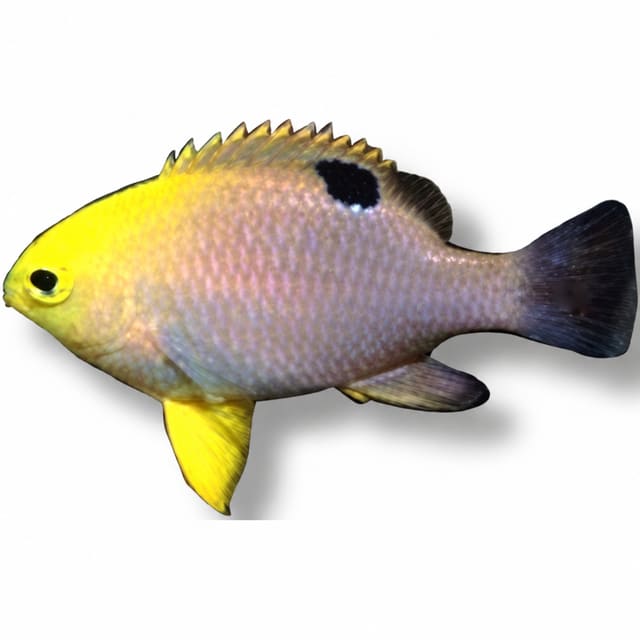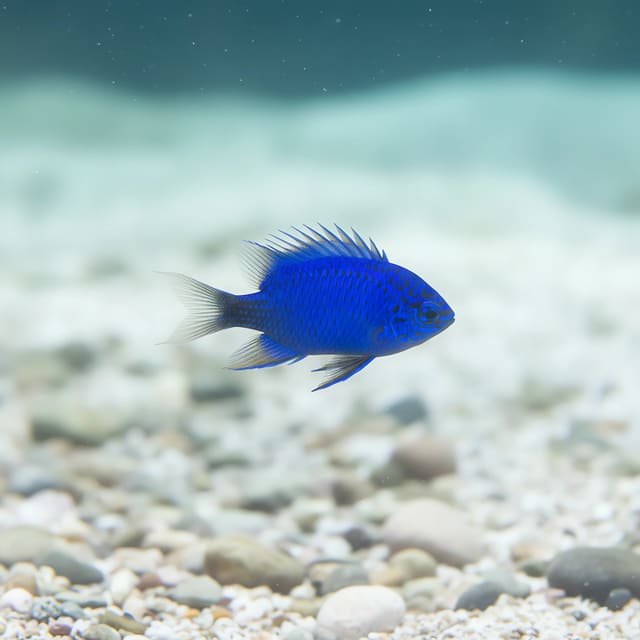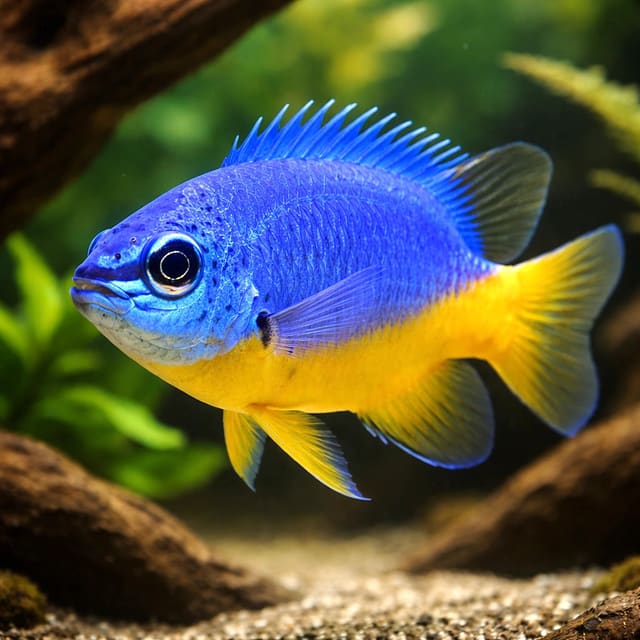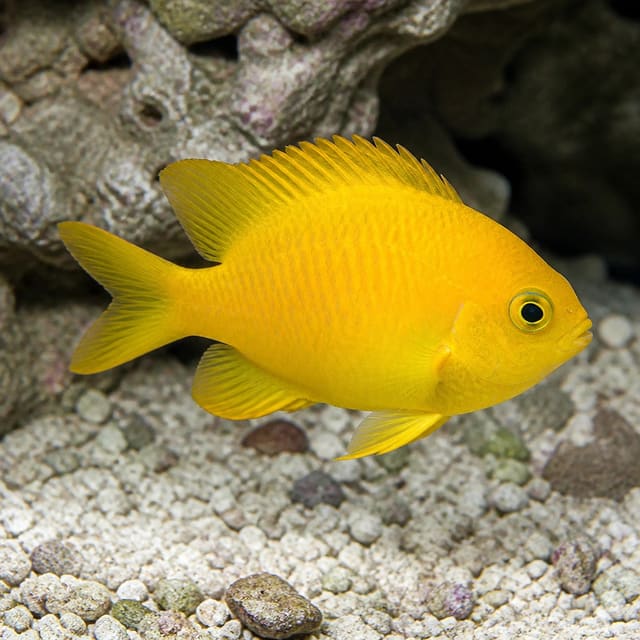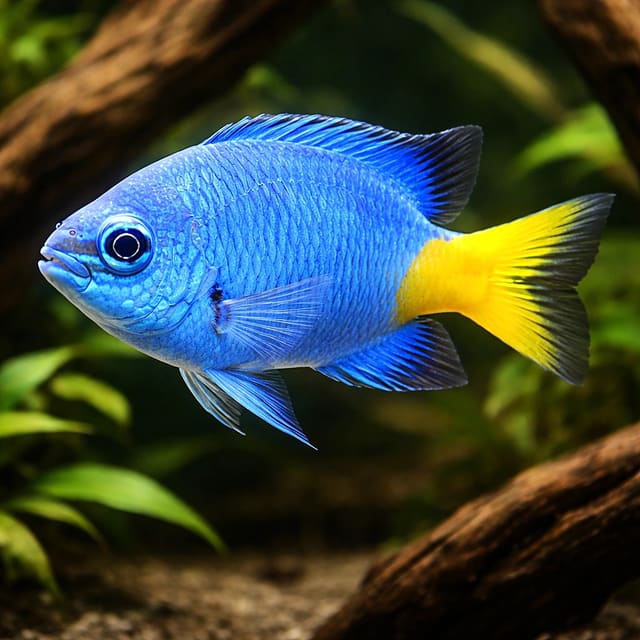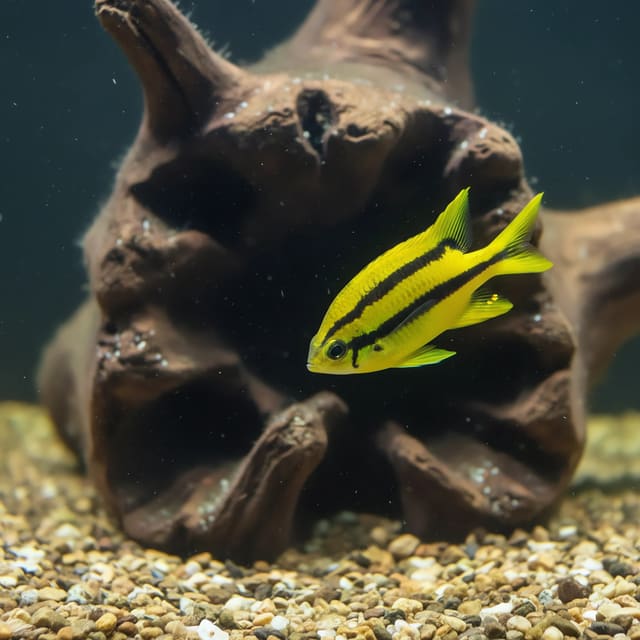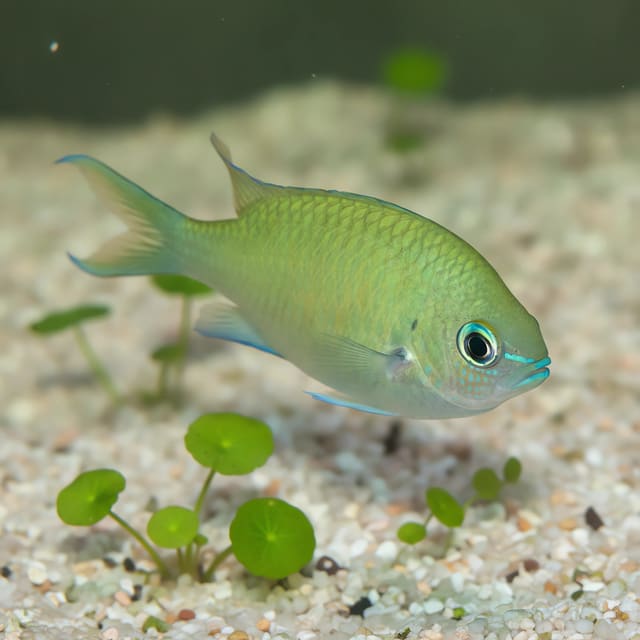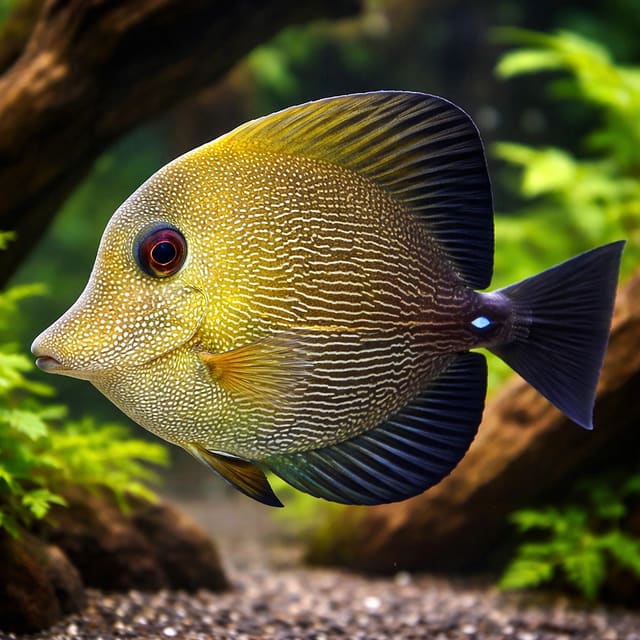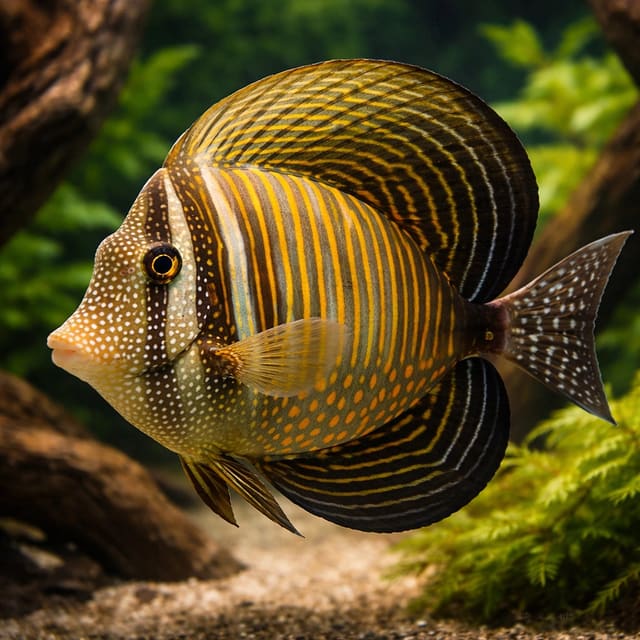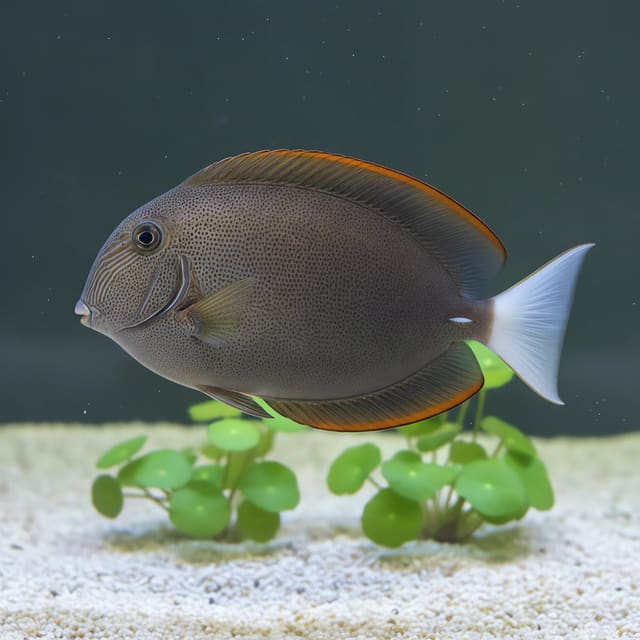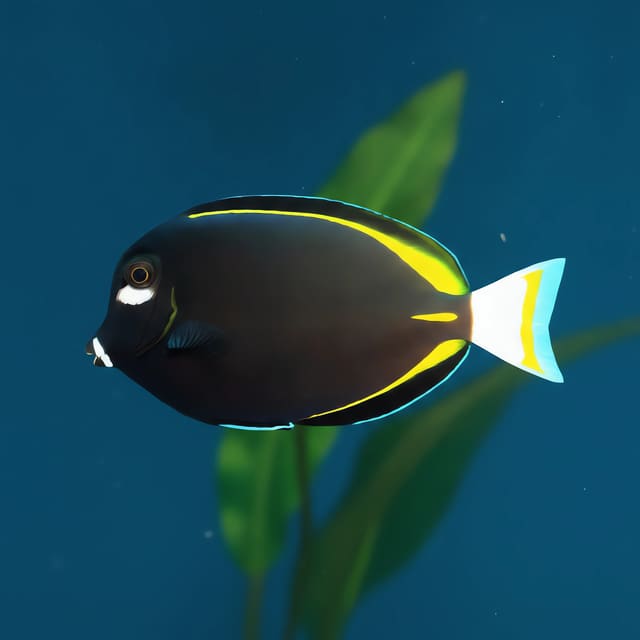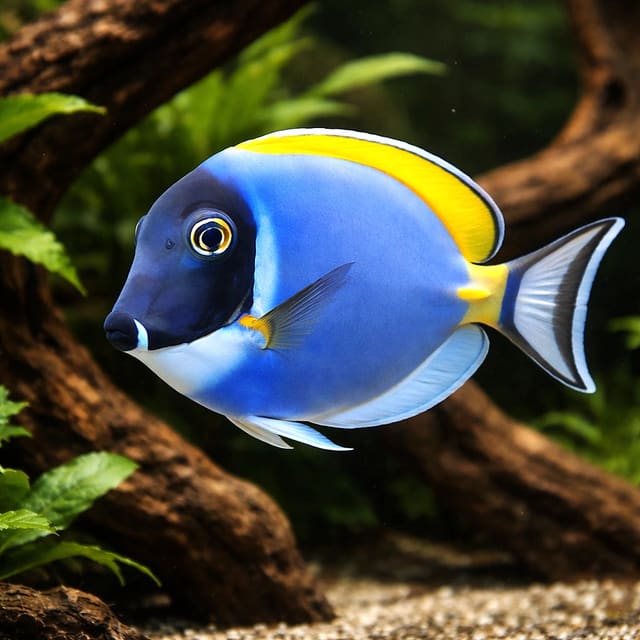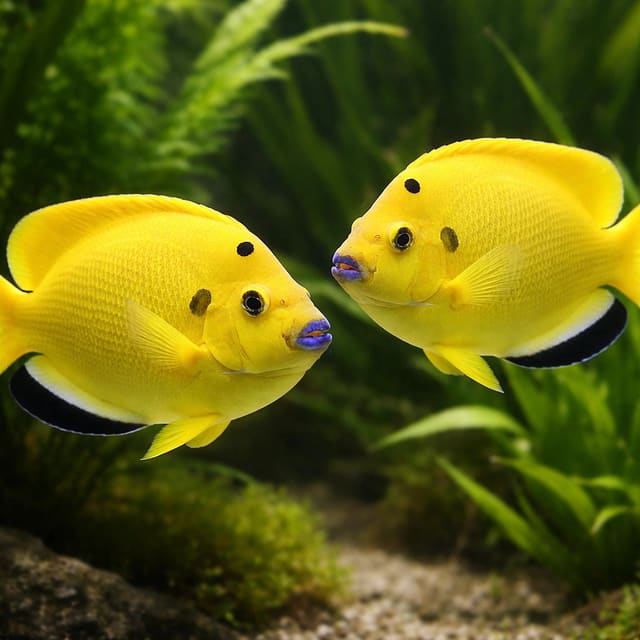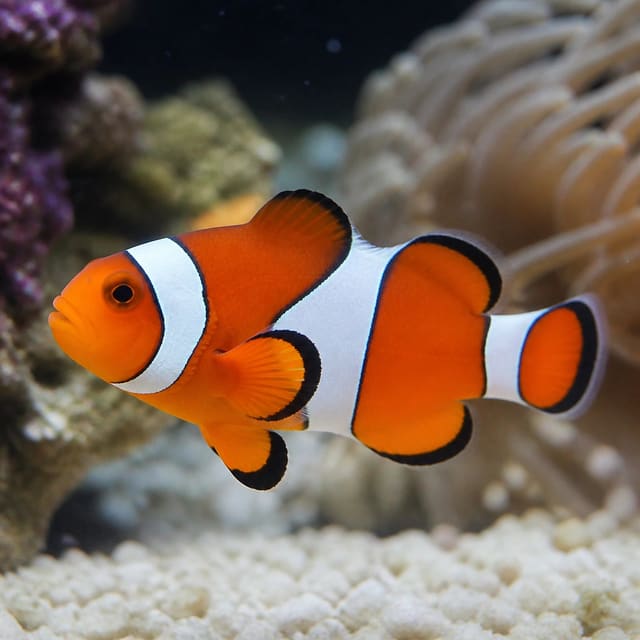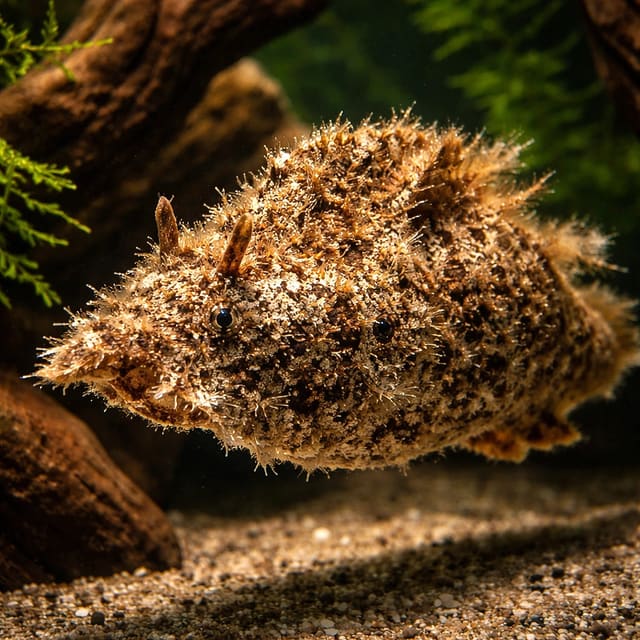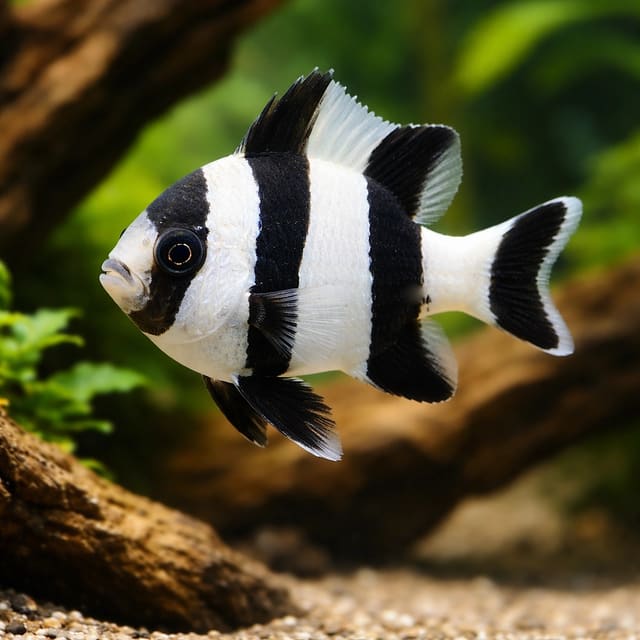
Blacktail Humbug (Dascyllus melanurus)
24–26°C · pH 7.9–8.3
£20.99
One Threespot Dascyllus (Dascyllus trimaculatus), a spotted marine damsel. Plan a mature, well-structured saltwater aquarium around its adult size and territorial behaviour; sex and dispatch centimetres are not specified.
Adult size is the maximum length this species reaches at full maturity (scientific sources). The livestock you receive will be younger and smaller. Product-photo provenance and any image-specific limitations are stated on the listing.
Dascyllus trimaculatus
One Threespot Dascyllus (Dascyllus trimaculatus), a spotted marine damsel. Plan a mature, well-structured saltwater aquarium around its adult size and territorial behaviour; sex and dispatch centimetres are not specified.
Adult size is the maximum length this species reaches at full maturity (scientific sources). The livestock you receive will be younger and smaller. Product-photo provenance and any image-specific limitations are stated on the listing.
Maintain these water conditions for optimal health and vibrant colors
Threespot dascyllus (Dascyllus trimaculatus), often called the domino damsel, is a marine damselfish from the Indo-Pacific. Young fish are known for bright white spots against a dark body; markings can change as an individual matures. FishBase places the species on coral and rocky reefs and records adults reaching 14 cm total length for male or unsexed fish. That recorded species maximum is the planning size, not the length of the individual sent. One purchase supplies one live fish. No male or female selection is offered, and the page does not promise a measured dispatch size or an exact pictured specimen.
Sex is guaranteed only when the selected option explicitly states male or female. This Threespot dascyllus listing has no sex-guaranteed option.
| This fish may suit you when | Pause before choosing it when |
|---|---|
| You keep a mature marine aquarium with stable salinity, strong biological filtration and substantial rock structure. | Your aquarium is newly filled, lightly filtered or has no way to separate territorial fish. |
| You can plan around an adult damsel that may defend a chosen area. | You want a timid, slow-feeding community or assume a juvenile will remain small and placid. |
| You can watch feeding access and provide several refuges and clear swimming space. | You need a guaranteed sex, fixed spot pattern or exact centimetre dispatch size. |
The attraction is the contrast and lively use of reef structure, but the long-term decision is temperament. OATA’s UK damselfish guidance names dominoes among the tougher species to mix, and recommends choosing companions with experienced advice. A juvenile’s sociable appearance does not mean that an adult will share a small patch of rock peacefully. FishBase reports wild aggregations, while an aquarium confines fish to a much smaller space; those observations should not be converted into a group-size promise. Begin with a single fish unless the entire system and social plan have been designed for more.
The bright spots on a youngster make identification attractive, yet the decision is about the adult relationship with space. Use the dark-and-white appearance as a clue to the trade name, not as proof of sex or a permanent pattern. A juvenile that darts between rock faces may later defend one of them. Imagine maintenance, feeding and introductions with that territory already occupied. If a current resident is shy or easily displaced, work out where it will eat and shelter before adding this fish. The right marine aquarium gives both animals routes to move without being forced into constant contact.
For scale, FishBase’s 14 cm total-length record is considerably larger than the old care-card figure of 10 cm. It is not a guarantee that every domestic individual reaches exactly 14 cm, and it cannot be used to infer the age or present size of the fish offered here. A reef-associated animal also needs more than a litre label: build rock refuges without filling all swimming routes, leave access for maintenance and consider the full adult community. OATA’s broad minimums of 60 litres for a single damselfish and 200 litres for a group are group-level starting points, not a species-specific optimum for this territorial dascyllus. A larger, well-structured aquarium is the safer plan.
This species can be considered for a fish-only marine system or a carefully planned reef aquarium, but a coral setting does not settle fish compatibility. Other residents may need different movement, space or water conditions. The fish will spend its life within the limits of your actual system, so assess the adult plan before being won over by a small spotted juvenile. If you want to compare marine species for a different social role, browse the marine fish range and check each animal’s full requirements before choosing.
In the Indo-Pacific, adults occupy coral and rocky reefs; juveniles often shelter near large anemones, sea urchins or small coral heads. An aquarium cannot reproduce an entire reef, but it can offer the useful features behind that behaviour: firm, stable rockwork, several retreat spaces, broken sightlines and water open enough to swim through. Make a shelter that does not collapse when an animal burrows nearby or when you clean the glass. Leave routes behind and around the rock, rather than one narrow doorway that a territorial fish can control. A fish should be able to retreat without being trapped by a stronger resident.
OATA’s group guidance starts at 60 litres for one damselfish and 200 litres for a group, while advising as large an aquarium as practical. These are broad thresholds for chromis and damsels, not a species-specific promise that a 60-litre tank is right for an adult threespot dascyllus. FishBase records a maximum of 14 cm total length, and OATA specifically treats domino damsels as assertive community members. For a purchase, measure the actual tank footprint and usable volume, inspect how much rock displaces water and consider the space needed by every adult resident. If another fish cannot leave this damsel’s defended area, adding water volume alone may not solve the social problem.
A reef tank may include anemones or corals, but a juvenile’s wild association with them is not a requirement to purchase or add one. These animals have their own demanding care and compatibility needs. A well-built rock environment is the foundation; add other organisms only when the whole system supports them. Avoid treating a decorative cave as proof that several territorial damsels will coexist. Watch the fish’s actual territory after settling, especially at feeding time and when new animals are added. A confident fish that chases all newcomers across the entire tank needs a changed stocking plan, not simply more food.
OATA gives broad UK guidance for chromis and damselfish: specific gravity 1.020–1.025, temperature 24–26°C and pH 7.9–8.3. Those figures describe a group, not the proven optimum for every threespot dascyllus or every coral in a reef aquarium. Sensitive invertebrates may call for a narrower reef plan. Test the water in the aquarium and compare it with the established conditions of the fish and other residents. Stability matters, but it is not an excuse to ignore a value outside a suitable range. Correct an unsuitable system in a controlled way before introducing livestock rather than trying to force a rapid change while a fish is in transit.
OATA also gives carbonate hardness of 8–12 dKH, calcium 380–450 ppm and magnesium 1250–1350 ppm as broad marine group guidance. Carbonate hardness is not the same measure as general hardness in dGH; do not copy 8–12 into a freshwater-style hardness field. For a fish-only system, the central tasks are dependable salinity, temperature, pH, filtration and waste control. For a reef system, the needs of the invertebrates and the salt mix also affect how calcium, magnesium and alkalinity are maintained. Measure with appropriate marine test methods and follow the aquarium’s established husbandry plan.
| Routine check | How to interpret it |
|---|---|
| Specific gravity 1.020–1.025 | OATA group range; keep measured salinity steady and account for evaporation. |
| Temperature 24–26°C | OATA group range; verify with a separate thermometer rather than the heater setting alone. |
| pH 7.9–8.3 | OATA group range; compare with the needs of all marine residents. |
| Ammonia and nitrite zero | Confirm the mature biological filter can process current waste. |
The RSPCA explains why a mature filter matters: toxic ammonia is converted to nitrite and then to less harmful nitrate by the biological system. Clear water can still contain toxic waste. OATA’s group sheet says ammonia and nitrite should be zero, with nitrate monitored and not exceeding 50 mg per litre under its broad guidance. A more sensitive reef may need a stricter nutrient plan. Test regularly, record results and investigate a rising trend rather than waiting for a fish to show distress. Top up evaporation with appropriate freshwater under your marine routine; evaporation leaves salt behind, so adding saltwater as a top-up can gradually raise salinity.
A marine aquarium needs a working biological filter, oxygen exchange and a flow pattern that lets the damsel move naturally. OATA describes live rock, internal or external filters and sump-based systems as possible components, and notes that a protein skimmer can help remove dissolved waste before it breaks down. No single piece of equipment excuses poor maintenance or overstocking. Rockwork should not create stagnant pockets full of trapped food, but direct flow should not force the fish to remain under one hard jet. Adjust outlets to circulate water through the system and watch how the animal uses shelter and open water.
Before introducing any fish, verify that the tank has cycled and that ammonia and nitrite read zero under a realistic biological load. Increase stocking slowly. OATA warns that adding animals too quickly can outpace the bacteria that process their waste, creating a new-tank problem even if the first water test looked good. Feed the system you have, not the capacity you hope it will gain. Check filter flow, pump operation, temperature and salinity each day while a new marine fish settles. A quiet fish after a pump failure may look like a behaviour issue when the real cause is deteriorating water.
OATA recommends a partial water change of around 25% weekly for its broad damselfish group, together with testing and filter care. Fit that routine to the actual marine system and its livestock rather than allowing large neglected intervals followed by abrupt correction. Do not rinse filter media under the tap; rinse it gently in removed aquarium water so chlorine or chloramine does not harm the useful bacteria. Clean a skimmer cup and inspect pumps according to their design. Check the stability of rock after every maintenance task. The purpose of a routine is to make change visible: if salinity, nitrate, flow or the fish’s appetite shifts, a log shows when it started.
FishBase records algae, copepods and other planktonic crustaceans in the species’ stomach contents. That natural history explains why a varied aquarium diet makes sense, but it does not prescribe one packaged food or an exact daily portion. OATA’s broad chromis and damselfish sheet recommends a good-quality flake or pellet as the main feed, supplemented with frozen foods such as mysis shrimp, enriched brine shrimp or red plankton. Algal material can be part of the variety. Choose marine foods of a size this fish can take, and check the composition rather than assuming a colourful tub is complete nutrition.
OATA advises feeding what the fish consumes within a few minutes, twice daily as a broad group routine. Observe this individual and the other tank residents while feeding. A bold damsel may reach the food first; a quieter fish hiding behind a rock may receive very little. Place food so all intended residents have access without scattering an excessive amount across the system. If one fish dominates, rethink the social arrangement instead of simply adding more. Remove leftovers before they rot behind rockwork, and relate any rise in nitrate to feeding as well as filtration.
Frozen food should be handled according to the product instructions and offered in small amounts. Vary items over time without turning every meal into a large mixed feast. Be cautious with finely chopped seafood as an occasional item: a broad old list is not a balanced diet by itself. A fish’s visible appetite is useful information, but an animal that takes each offering is not automatically underfed. Body condition, activity, faeces and water tests give a fuller picture. Sudden refusal, repeated spitting or difficulty competing at the feeding station deserves attention to food size, water quality and interactions with neighbours.
Before leaving the aquarium in someone else’s care, write down the food type and measured amount. Ask the carer to check the pumps, temperature and salinity as well as feeding. An accidental double ration can cause waste and confuse the normal record of this fish’s condition. Good nutrition is a steady, observable practice. No one food guarantees brighter spots or prevents disease.
The time to prepare for arrival is before the parcel is dispatched. Confirm that the marine aquarium is mature, its pumps and heater are working, salinity and temperature have been measured, and ammonia and nitrite are zero. Leave refuge in the rock and a clear route through the tank. If there are resident fish, have a separation plan ready before this damsel enters their territory. OATA advises checking tank suitability and water quality before adding a damselfish, then increasing livestock slowly. A newly bought fish should not be asked to complete the cycling of a new aquarium.
Arrange for someone to receive the live parcel and inspect it promptly. Tropical Fish Co’s delivery and Live Arrival Guarantee policy sets out current packing, courier, arrival and claim conditions. Its continuous unboxing video requirement is claim evidence, while the immediate welfare task is to handle the fish calmly and acclimatise it according to the current instructions. Follow the policy for the exact shipment rather than relying on a fixed delivery-day statement in this care article. Do not pour transport water into the aquarium. Marine salinity differences merit particular care during introduction; compare the established water and ask for guidance if they differ substantially.
Once released, let the fish find cover and observe whether it can swim normally, breathe steadily and avoid immediate harassment. A bold species may still pause after transport. Do not force it out of rock to prove it is active. Keep an eye on the other residents as well: chasing and blocking food access may show a compatibility problem before fin damage appears. Offer an appropriate small feed after settling, remove leftovers and monitor water tests because the biological load has changed. If persistent distress, injury or abnormal breathing appears, check the aquarium’s measurements and seek experienced aquatic help quickly.
Keep arrival and the next few days simple. Resist adding another animal, moving all the rock or changing several water values at the same time. Each simultaneous change makes it harder to know what helped or harmed the fish. A record of salinity, temperature, waste tests, feeding and behaviour offers a clear basis for action. The strongest introduction is the one backed by a stable system and a ready alternative if a resident fish or this damsel claims too much territory.
Learn the fish’s normal routes, appetite and relationship with the rockwork. OATA suggests watching swimming, colour, breathing, body condition, fins and interest in food. An animal that hides more than usual, breathes faster, stops feeding or develops spots may have several possible causes. The useful first response is to test the water and inspect equipment, not to guess a diagnosis from one image. Check salinity, temperature, ammonia, nitrite and nitrate, then review recent maintenance, foods and new tank residents. A pump obstruction or deteriorating biofilter can affect several fish at once.
Look for patterns. Does the fish emerge only when a dominant tank mate is elsewhere? Does it feed at one end but retreat from another? Are marks confined to a fin after repeated chasing, or are several animals showing signs? These observations can help an experienced retailer or aquatic vet distinguish environment, injury and disease risks. They are not a substitute for examination. If signs are severe, persistent or spreading, seek qualified help promptly and avoid combining treatments without knowing what is being treated. Some marine medications also have implications for invertebrates and filtration.
A mature system can still deteriorate if feeding rises, a filter stalls or maintenance is missed. Conversely, a single unusual movement after arrival is not proof of a named illness. The purpose of observation is to act on a credible pattern while avoiding unnecessary stress. Keep nets and containers clean, minimise rough handling and give a recovering animal a suitable place to rest. Good water management and thoughtful stocking are the everyday health measures for this species; no permanent lifespan or disease-free outcome can be promised for one fish.
Threespot dascyllus is a marine damsel with a reputation for claiming space. OATA’s UK group guidance explicitly places dominoes among the tougher damsels to mix, and says their companions may need to be correspondingly robust. It names large angelfish, triggerfish and pufferfish as examples of tougher fish in a suitable system; that is a warning about temperament, not a universal shopping list. Those animals can have substantial space, diet and compatibility needs of their own. Never add one merely to withstand this damsel. Review the adult requirements of every species in the exact aquarium.
A fish-only marine display with generous rock structure can make territory easier to manage. A reef setting adds further obligations to corals and other invertebrates. FishBase notes that wild juveniles shelter around anemones, urchins and coral heads, but that association does not prove an aquarium fish will be harmless to every ornamental animal. The available care guidance supports caution and observation, not an unconditional reef-safe label. If the reef contains timid fish or delicate invertebrates, weigh their welfare before making a vigorous damsel the dominant resident.
| Before mixing | Practical question |
|---|---|
| Adult size and space | Can every animal retreat and feed outside a defended patch? |
| Temperament | Will a timid or sedentary fish be repeatedly chased? |
| Water and diet | Do temperature, salinity and food needs overlap for all residents? |
| Backup | Is a suitable separate marine home available if the plan fails? |
FishBase reports wild threespot dascyllus in small to large aggregations. That ecological observation is not a prescription for an aquarium group. OATA’s broad damselfish sheet suggests at least 200 litres for a group, but this is not a species-specific assurance that several adult domino damsels will coexist there. Space, rock layout, existing territories and individual behaviour still matter. A single fish can be a simpler starting plan; if more than one is contemplated, take experienced species-specific advice and plan separation before purchase.
Watch actual interactions after introduction. A brief display or chase is different from repeated pursuit that prevents another fish from using shelter or food. Repeated fin damage, hiding or missed meals means the combination needs action. Rearranging rock can sometimes reset a territory, but it cannot turn fundamentally unsuitable residents into compatible fish. Do not rely on an old list of clownfish, chromis, blennies or wrasses as guaranteed companions. The decisive question is how the fully grown animals behave together in the real tank, with enough room and a humane way to separate them.
FishBase records Dascyllus trimaculatus to 14 cm total length for male or unsexed fish. This is a species maximum for adult planning, not the measured length of the individual dispatched. The old 10 cm card is too narrow as a maximum. Provide space for adult growth and do not infer the fish’s age or eventual exact size from its present appearance.
OATA’s broad chromis and damselfish sheet starts at 60 litres for one damselfish and 200 litres for a group. Those are group-level minimum screens, not a proven species-specific optimum for a territorial threespot dascyllus. Choose a larger, mature and well-structured marine aquarium with refuges, open swimming room and capacity for every adult resident.
A single fish is the simpler aquarium plan. FishBase describes wild aggregations, but that does not set a safe captive group number. Several adults may compete for territory, and OATA’s 200-litre group figure is broad guidance rather than a guarantee. Seek experienced species-specific advice and prepare a separation option before attempting a group.
A keeper who can maintain a mature marine system and manage territorial stocking may find Dascyllus trimaculatus manageable. Its ability to take prepared foods does not make an uncycled tank or a timid community safe. You need reliable salinity and temperature measurements, zero ammonia and nitrite, structured rockwork and an adult-size social plan before purchase.
FishBase records algae, copepods and planktonic crustaceans in the species’ diet. OATA recommends a good-quality marine flake or pellet for chromis and damselfish, with small frozen foods such as mysis or enriched brine shrimp as variety. Feed measured portions, check that quieter residents eat and remove leftovers before they affect water quality.
OATA’s broad chromis and damselfish guidance gives 24–26°C, pH 7.9–8.3 and specific gravity 1.020–1.025. These are group ranges, not a precisely proven optimum for every Dascyllus trimaculatus or a sensitive reef. Test the aquarium, keep conditions stable and confirm the needs of all marine residents.
It can be territorial. OATA explicitly describes domino damsels as needing tougher companions than peaceful damselfish. A small fish can become more assertive as it settles and grows. Provide broken sightlines, more than one route to shelter and a way to separate animals if repeated chasing, fin damage or missed meals develops.
OATA names large angelfish, triggerfish and pufferfish as examples of tougher fish that may be considered with domino damsels in an appropriate system. This is not a universal compatibility guarantee; those fish need substantial care in their own right. Avoid assuming timid, slow-feeding or small fish will thrive beside a territorial damsel, and review the exact adult community.
Tropical Fish Co’s current delivery policy describes hand-packed, insulated live-fish transport by a licensed live-animal courier, with arrival and Live Arrival Guarantee conditions. Arrange for someone to receive and inspect the parcel, and follow the current acclimation and claim instructions for the exact shipment. The policy page governs delivery dates and evidence requirements.
FishBase, Dascyllus trimaculatus, provides accepted species identity, Indo-Pacific distribution, wild reef ecology, feeding observations and the recorded maximum total length. OATA’s How to look after chromis & damselfish provides UK group-level aquarium and water guidance, including its caution about domino temperament. The RSPCA’s aquarium environment guidance explains biological filtration and waste control. Tropical Fish Co’s delivery page governs live-animal arrival and guarantee conditions. Group ranges are planning context, and a marine aquarium must also meet the needs of its other residents.
No reviews for this item yet. Bought one? Honest reviews only, good or bad.
What customers say about ordering from us
Easy website plenty of info on fish your buying great to pick a time slot
TRACEY DURRANT · 7 Oct 2026
Got some lovely fish thank you
Kevin Mackie · 7 Oct 2026
Reviews of our shop, collected by Judge.me, an independent third-party review collector. Newest first.