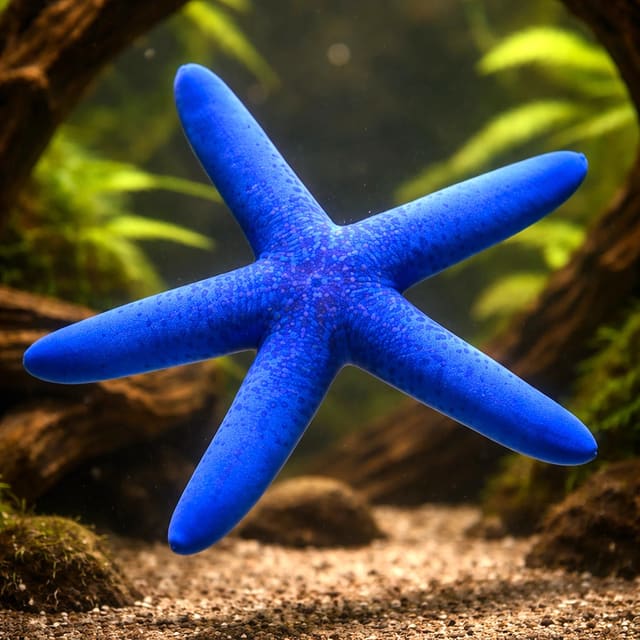
Blue Starfish (Linckia laevigata)
24–26°C · pH 7.9–8.3
£74.99
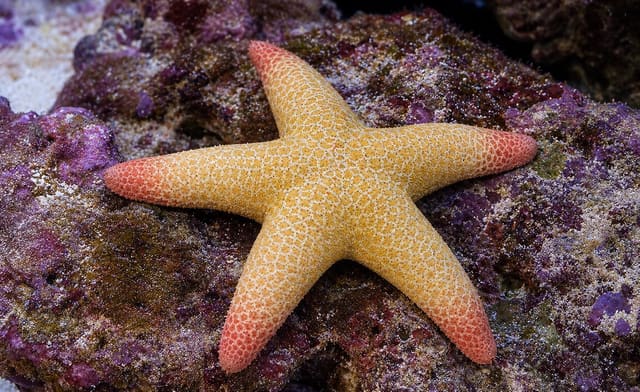
Striking red/orange Linckia starfish for mature marine reefs. Peaceful, eye-catching and best kept in stable, established aquariums.
Adult size is the maximum length this species reaches at full maturity (scientific sources). The livestock you receive will be younger and smaller. Product-photo provenance and any image-specific limitations are stated on the listing.
Linckia laevigata
Confirm your email, then we’ll send an availability message for this exact item if it returns within 180 days.
This request is only for this product—no newsletter or other promotions. A mail-provider retry may very rarely duplicate the same availability message. Unconfirmed addresses are removed after 48 hours. See our privacy policy.
Striking red/orange Linckia starfish for mature marine reefs. Peaceful, eye-catching and best kept in stable, established aquariums.
Adult size is the maximum length this species reaches at full maturity (scientific sources). The livestock you receive will be younger and smaller. Product-photo provenance and any image-specific limitations are stated on the listing.
Maintain these water conditions for optimal health and vibrant colors
The Red/Orange Linckia laevigata is a stunning marine starfish prized for its unusual colouration and graceful movement across live rock and sand. This M/L specimen is best suited to experienced marine keepers with a mature, stable aquarium and a well-established natural food supply. As with all Linckia starfish, it is a delicate echinoderm that should be acclimated slowly and handled with great care.
Linckia laevigata is a reef-associated species known for its smooth, rounded arms and slow, deliberate grazing behaviour. While the classic form is blue, red and orange colour variants are highly sought after and make a remarkable display animal in suitable systems. This is not a beginner species and should only be added to aquariums that have been running for several months with abundant live rock and excellent water quality.
At Tropical Fish Co, we supply healthy marine livestock with a live arrival guarantee and fast UK delivery, helping your new addition arrive in the best possible condition. Please note that starfish are sensitive to sudden changes in salinity, temperature and pH, so careful acclimation is essential.
| Care Factor | Recommendation |
|---|---|
| Scientific Name | Linckia laevigata |
| Common Name | Red/Orange Linckia Starfish |
| Care Level | Expert |
| Temperament | Peaceful |
| Adult Size | Up to 30 cm across |
| Minimum Tank Size | 300 litres |
| Temperature | 24–28°C |
| pH | 8.1–8.4 |
| Salinity | 1.023–1.026 SG |
| Diet | Microalgae, biofilm, detritus and natural sponge material |
| Lifespan | 5–10 years in ideal conditions |
| Tank Region | Bottom |
Linckia laevigata is found across the tropical Indo-Pacific, including reef flats, lagoons and outer reef slopes. It typically inhabits areas with abundant hard substrate, where it can move slowly over rock, coral rubble and sand in search of biofilm and organic matter. In nature, it is often observed in stable, warm, well-oxygenated waters with minimal pollution and consistent salinity.
This species is adapted to life on mature reef systems rather than newly established environments. It relies on a rich natural ecosystem rather than frequent direct feeding, which is why it performs best in aquariums with plenty of live rock, established microbial life and low nutrient instability. The red/orange colour morph retains the same husbandry requirements as other Linckia laevigata variants.
A mature marine aquarium is essential for long-term success. We recommend a tank of at least 300 litres, though larger systems are preferable because they provide more stable water chemistry and a greater surface area for natural grazing. The aquarium should be fully cycled and ideally running for 6 months or more before introduction.
Provide plenty of porous live rock and open areas for movement. Avoid sharp rockwork or unstable structures that could damage the starfish’s delicate tube feet and body. Strong, direct powerhead flow should be avoided; instead, aim for moderate, varied circulation and excellent oxygenation. A sand bed is beneficial but not essential, provided there are ample rock surfaces and mature biofilm.
Water quality must remain exceptionally stable. Keep temperature between 24 and 28°C, salinity at 1.023–1.026 specific gravity, pH between 8.1 and 8.4, and maintain low nitrate and phosphate levels. Sudden swings in salinity or temperature can be fatal. Drip acclimation over an extended period is strongly recommended, and any copper-based treatments must never be used in the display tank.
Because starfish absorb substances through their body surface, avoid exposing them to air for prolonged periods and never handle them with dry hands. If moving the animal, support it gently in water whenever possible. A secure lid is not usually required, but a calm, stable environment is vital.
Linckia laevigata is primarily a micrograzer and scavenger. In the wild it feeds on biofilm, detritus, microbial growth and small organic particles found on reef surfaces. In captivity, success depends on providing an aquarium rich in natural food sources rather than relying on target feeding alone.
Established live rock is the most important part of its diet. Some individuals may accept supplementary foods such as finely blended marine foods, powdered invertebrate diets or small amounts of sponge-based preparations, but many specimens feed slowly and may not recognise prepared foods immediately. For this reason, it should only be purchased by aquarists who understand that this species may need a very mature system to thrive.
Do not overfeed the tank in an attempt to feed the starfish, as excess waste can rapidly degrade water quality. Instead, focus on maintaining a healthy reef ecosystem with natural grazing opportunities. A well-fed, stable aquarium is far more important than frequent direct feeding.
The Red/Orange Linckia Starfish is peaceful and should be housed with calm, reef-safe tank mates. Suitable companions include small reef fish, gobies, clownfish, blennies, chromis, cleaner shrimp, peppermint shrimp and other non-aggressive invertebrates. It is best kept with species that will not nip, harass or outcompete it for food.
Avoid predatory or inquisitive fish that may damage the starfish, including triggers, puffers, large wrasses, some angelfish and butterflyfish known to pick at invertebrates. Crabs and large hermit crabs can also be problematic if they disturb or climb over the starfish. Keep only with peaceful reef livestock in a stable, mature marine setup.
Compatibility also depends on aquarium maturity. Even peaceful tank mates can be unsuitable if the system is too young or too clean to support the natural biofilm and detritus this species requires. For best results, introduce the starfish only after the tank has been established and the aquascape is secure.
At Tropical Fish Co, we understand that sensitive marine invertebrates require careful handling, expert packing and reliable delivery. That is why we offer a live arrival guarantee and fast UK delivery on eligible livestock orders, giving you confidence when buying delicate species such as starfish online.
We select stock with health and presentation in mind, and we aim to provide clear care guidance so you can prepare the right environment before your new arrival reaches your tank. Whether you are building a reef display or adding a standout invertebrate to an established marine system, our team is here to help you choose responsibly and keep your aquarium thriving.
Please remember that Linckia laevigata is an expert-level species. Success comes from patience, stability and a mature marine ecosystem. If you can provide the right conditions, this remarkable red/orange starfish can become one of the most distinctive animals in your reef aquarium.
No reviews for this item yet. Bought one? Honest reviews only, good or bad.
What customers say about ordering from us
Easy website plenty of info on fish your buying great to pick a time slot
TRACEY DURRANT · 7 Oct 2026
Got some lovely fish thank you
Kevin Mackie · 7 Oct 2026
Reviews of our shop, collected by Judge.me, an independent third-party review collector. Newest first.