Sally Lightfoot Crab (Percnon gibbesi)
24–26°C · pH 7.9–8.3
£40.99
Hardy red hermit crab for marine clean-up crews; active algae grazer and detritus scavenger for reef and fish-only tanks.
Adult size is the maximum length this species reaches at full maturity (scientific sources). The livestock you receive will be younger and smaller. Product-photo provenance and any image-specific limitations are stated on the listing.
Clibanarius rutilus
Save when buying more. Each quantity is one shrimp; sex is not guaranteed unless the listing explicitly states it.
Confirm your email, then we’ll send an availability message for this exact item if it returns within 180 days.
This request is only for this product—no newsletter or other promotions. A mail-provider retry may very rarely duplicate the same availability message. Unconfirmed addresses are removed after 48 hours. See our privacy policy.
Hardy red hermit crab for marine clean-up crews; active algae grazer and detritus scavenger for reef and fish-only tanks.
Adult size is the maximum length this species reaches at full maturity (scientific sources). The livestock you receive will be younger and smaller. Product-photo provenance and any image-specific limitations are stated on the listing.
Maintain these water conditions for optimal health and vibrant colors
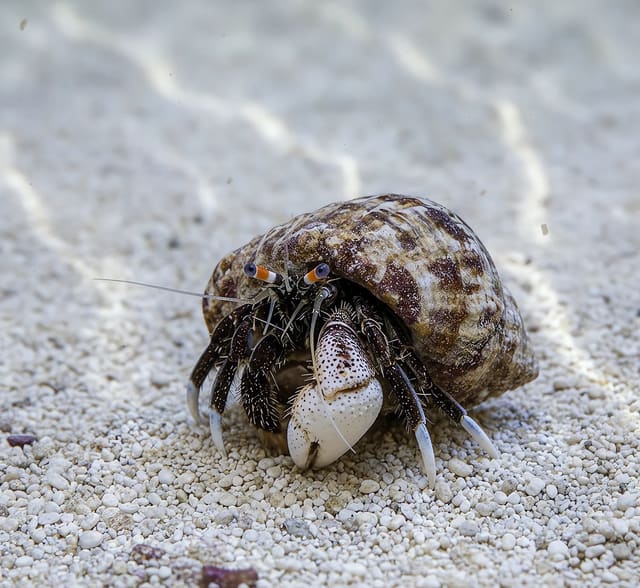
Clibanarius rutilus, commonly sold as the Red Hermit Crab, is a hardy marine invertebrate prized by aquarists for its algae-grazing and detritus-scavenging habits. Small, active and full of character, this species makes an excellent addition to a saltwater clean-up crew, helping to keep rockwork, sand and hard surfaces tidy while adding natural movement to the aquarium.
These hermit crabs are generally peaceful and reef-safe, although like all hermits they can become opportunistic if underfed or if shell resources are limited. Providing a selection of spare shells is essential, as they will periodically upgrade as they grow. With stable marine conditions, good water quality and a varied diet, Clibanarius rutilus is a rewarding and low-maintenance invertebrate for both beginner and experienced marine keepers.
At Tropical Fish Co, we supply healthy livestock with a live arrival guarantee and fast UK delivery, so your new hermit crab arrives in the best possible condition for acclimation to your reef or marine setup.
| Care factor | Details |
|---|---|
| Scientific name | Clibanarius rutilus |
| Common name | Red Hermit Crab |
| Care level | Easy |
| Temperament | Peaceful |
| Adult size | Approx. 2.5–4 cm body length, larger with legs and claws |
| Minimum tank size | 60 litres |
| Temperature | 22–27°C |
| pH | 8.1–8.4 |
| Diet | Algae, detritus, leftover meaty foods, sinking marine foods |
| Lifespan | 2–5 years |
| Tank region | Bottom |
Clibanarius rutilus is a marine hermit crab found in warm coastal waters of the Indo-Pacific region, where it inhabits shallow reef flats, lagoons and rocky shorelines. In nature, it lives among rubble, sand and coral fragments, constantly foraging for organic matter, algae and small food particles. Like other hermit crabs, it relies on empty gastropod shells for protection and will move between shells as it grows.
This natural scavenging behaviour is what makes the species so useful in the aquarium. In the wild it plays an important role in recycling waste and cleaning surfaces, and in captivity it performs a similar function by helping to reduce uneaten food and soft algae growth. Its active foraging also gives the tank a more natural, lively feel.
Red Hermit Crabs are best kept in a mature marine aquarium with stable salinity and excellent filtration. They are suitable for fish-only systems and many reef aquariums, provided tank mates are compatible and enough shell options are available. A minimum of 60 litres is recommended for a small group, though larger tanks are always more stable and provide more grazing area.
Use live rock, caves, crevices and open substrate areas so the crab can explore and forage naturally. Fine sand or mixed marine substrate is ideal, and rockwork should be securely stacked to prevent collapses if the crab climbs. Strong water movement is not essential, but good circulation and oxygenation are important. As with all marine invertebrates, avoid copper-based medications and sudden changes in salinity or temperature.
Provide several empty shells in a range of sizes, ideally with openings suitable for hermit crab use. Shell shortages can lead to stress, shell fights and opportunistic behaviour. A stable marine environment with regular maintenance will keep this species active and healthy.
Clibanarius rutilus is an omnivorous scavenger with a strong preference for natural grazing. In the aquarium it will feed on film algae, biofilm, detritus and leftover meaty foods. It should not be relied upon as a sole algae solution, but it is an excellent helper in a balanced clean-up crew.
Offer a varied diet that includes marine herbivore pellets, sinking invertebrate foods, algae wafers, dried seaweed and occasional protein-rich foods such as mysis or finely chopped seafood. Feed sparingly, as overfeeding can reduce their scavenging behaviour and degrade water quality. A well-fed hermit crab is generally less likely to bother snails or other tank inhabitants.
Supplemental calcium is important for shell and exoskeleton health, so maintaining proper marine parameters and offering a mineral-rich diet will support successful moulting. As with all crustaceans, moulting is a vulnerable period; avoid handling and ensure the crab has hiding places and stable conditions.
Red Hermit Crabs are usually peaceful and do well with a wide range of marine fish and invertebrates. They are best suited to calm community marine setups where they can graze without being harassed. Suitable companions include small reef fish, gobies, blennies, clownfish, cardinalfish, cleaner shrimp and other non-aggressive clean-up crew species.
Compatibility issues can arise with predatory fish, aggressive wrasses, puffers, triggers and large crabs that may attack or eat hermits. They may also be picked on by territorial fish if introduced into an established tank without enough hiding places. Snails can sometimes be targeted if shells are scarce, so always provide spare shells and sufficient food.
As a general rule, keep them with peaceful marine livestock and avoid mixing with known shell-cracking predators. In reef tanks, they are usually considered safe with corals and most sessile invertebrates.
When you order from Tropical Fish Co, you can buy with confidence knowing your livestock is packed and dispatched with care. We prioritise animal welfare, careful acclimation advice and reliable service, backed by our live arrival guarantee and fast UK delivery. That means your new Clibanarius rutilus arrives ready for a smooth transition into your aquarium.
We understand that marine invertebrates need stable conditions and careful handling, so we aim to provide healthy stock and clear guidance for successful keeping. Whether you are building a reef-safe clean-up crew or adding a bit of natural activity to a fish-only marine tank, this hardy hermit crab is a practical and engaging choice. Shop with confidence and bring home a useful little scavenger that helps keep your aquarium looking its best.
No reviews for this item yet. Bought one? Honest reviews only, good or bad.
What customers say about ordering from us
Easy website plenty of info on fish your buying great to pick a time slot
TRACEY DURRANT · 7 Oct 2026
Got some lovely fish thank you
Kevin Mackie · 7 Oct 2026
Reviews of our shop, collected by Judge.me, an independent third-party review collector. Newest first.