Lysmata kuekenthali - Marine Aquarium Livestock UK
24–26°C · pH 7.9–8.3
£38.99
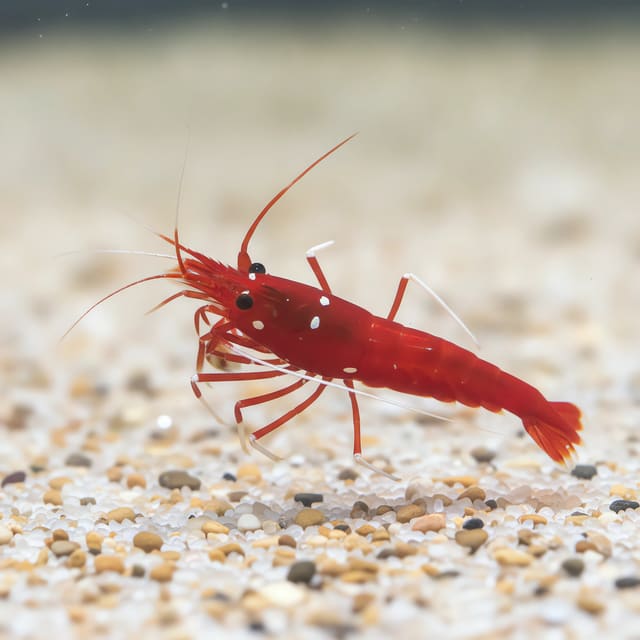
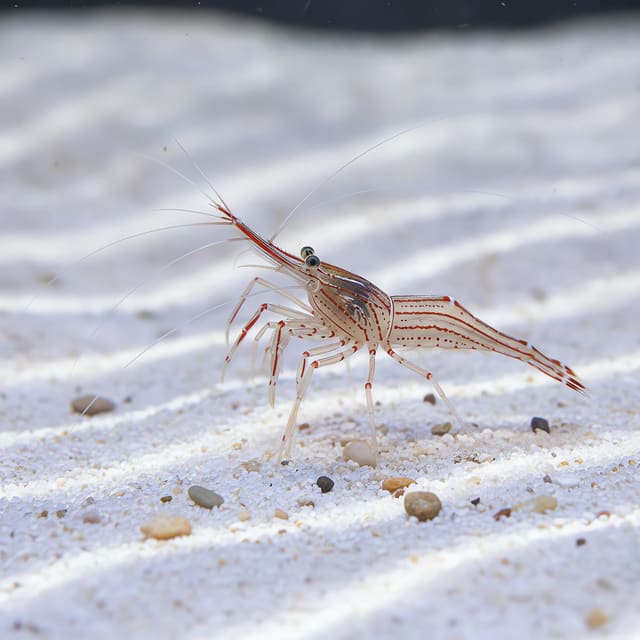
The Sexy Shrimp (Thor amboinensis) is a marine shrimp from the Indo-West Pacific and parts of the Atlantic that reaches 2 cm. It suits keepers who can maintain OATA’s marine-crustacean guidance of 24–26°C, pH 7.9–8.3 and an aquarium of at least 40 litres. Sold individually as one live shrimp per purchase.
Adult size is the maximum length this species reaches at full maturity (scientific sources). The livestock you receive will be younger and smaller. Product-photo provenance and any image-specific limitations are stated on the listing.
Thor amboinensis
Save when buying more. Each quantity is one shrimp; sex is not guaranteed unless the listing explicitly states it.
The Sexy Shrimp (Thor amboinensis) is a marine shrimp from the Indo-West Pacific and parts of the Atlantic that reaches 2 cm. It suits keepers who can maintain OATA’s marine-crustacean guidance of 24–26°C, pH 7.9–8.3 and an aquarium of at least 40 litres. Sold individually as one live shrimp per purchase.
Adult size is the maximum length this species reaches at full maturity (scientific sources). The livestock you receive will be younger and smaller. Product-photo provenance and any image-specific limitations are stated on the listing.
Maintain these water conditions for optimal health and vibrant colors
The Sexy Shrimp (Thor amboinensis), also called the squat anemone shrimp, is a marine shrimp in the family Thoridae. It occurs across the Indo-West Pacific and in parts of the Atlantic Ocean, and OATA records an adult length of 2 cm. It suits a keeper prepared to maintain a filtered marine aquarium, monitor marine water chemistry and screen every tank mate for predation risk.
WoRMS lists Thor amboinensis as an accepted species in the order Decapoda. Its small adult length should shape the whole aquarium plan: filtration must remain effective, food must be offered in manageable portions and fish must be selected with a shrimp of only 2 cm in mind.
Wikipedia describes the species’ natural history across shallow reef communities. In the wild it lives symbiotically on corals, sea anemones and other marine invertebrates. That association explains why structured surroundings and careful selection of reef inhabitants are more useful than treating this shrimp as decoration for an otherwise unsuitable aquarium.
Use the natural association as context rather than assuming that every coral, anemone or marine invertebrate will make an appropriate aquarium companion. The exact inhabitants still need individual assessment, while live or artificial rock gives the shrimp grazing surfaces and places to withdraw around moulting.
This shrimp is a sensible candidate for an established marine plan when you can keep temperature, salinity and pH within the recommended ranges, test nitrogen waste and complete regular partial water changes. It is not a match for an unfiltered container, a newly overloaded aquarium or a community containing fish that are not considered reef-safe.
Its 2 cm adult length does not remove the need for adequate water volume. OATA recommends at least 40 litres for smaller crabs and shrimp, and water quality, filtration and stocking pressure still matter when the animal itself is tiny. Plan around the complete biological load and the needs of every other inhabitant, not around the shrimp’s footprint alone.
Sold individually, one purchase supplies one live Sexy Shrimp. The 2 cm figure is the recorded adult length rather than a dispatch measurement.
Sex is guaranteed only when the selected option explicitly states male or female. This Sexy Shrimp listing has no sex-guaranteed option.
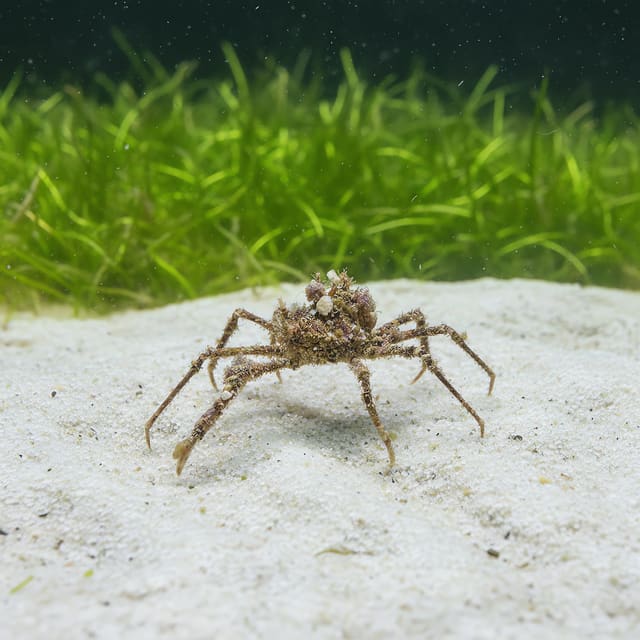
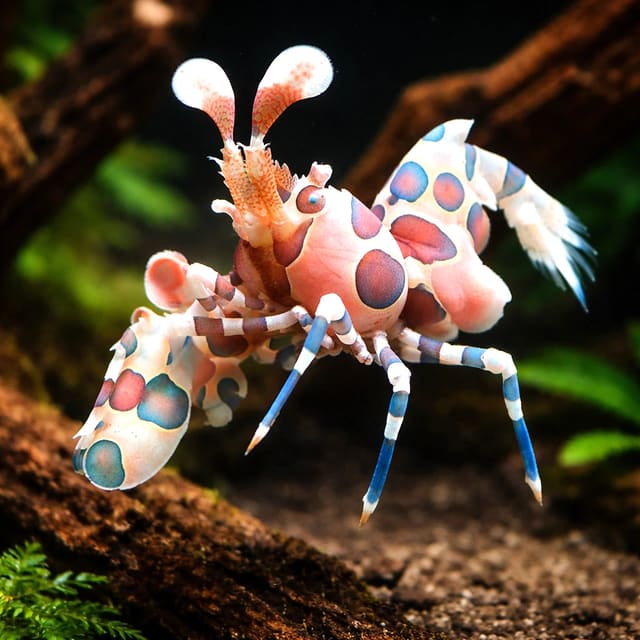
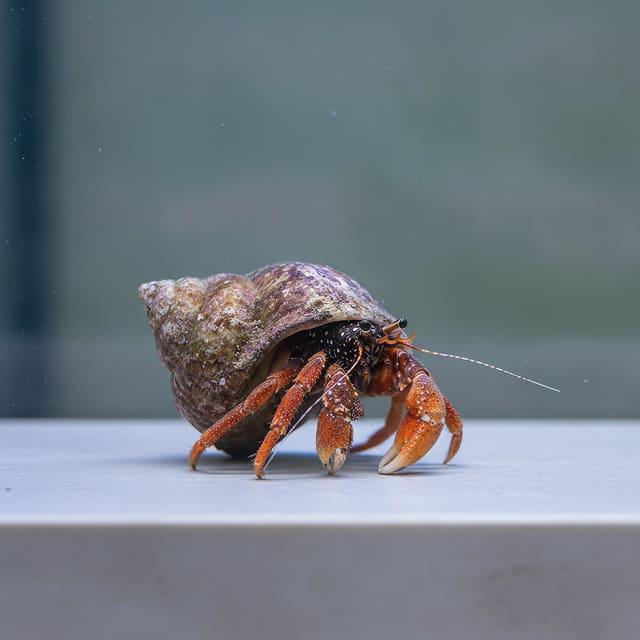
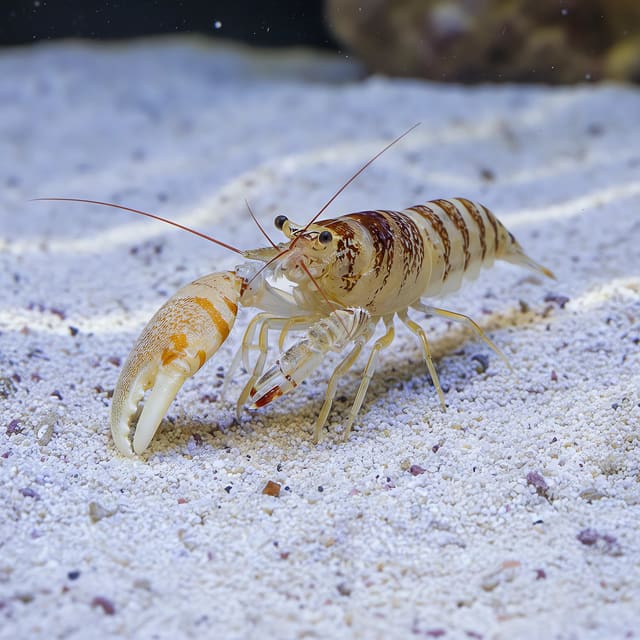
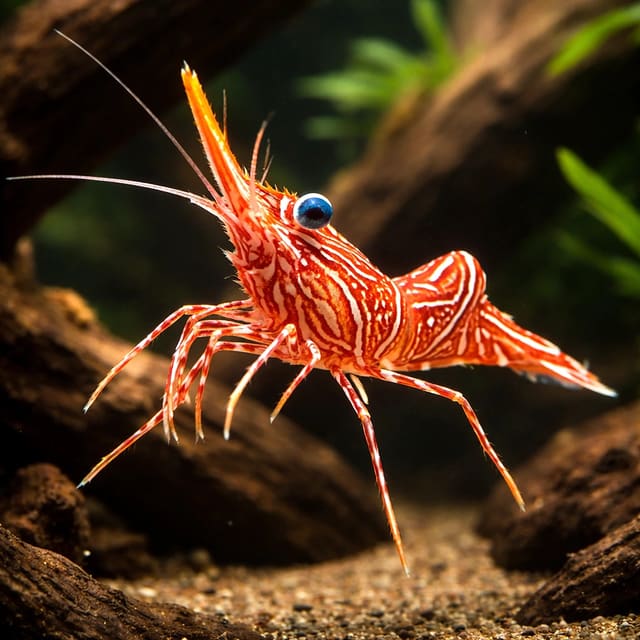
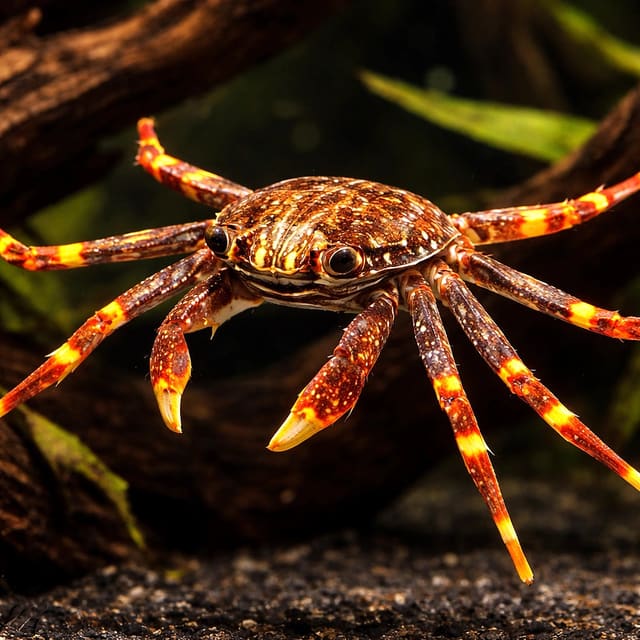
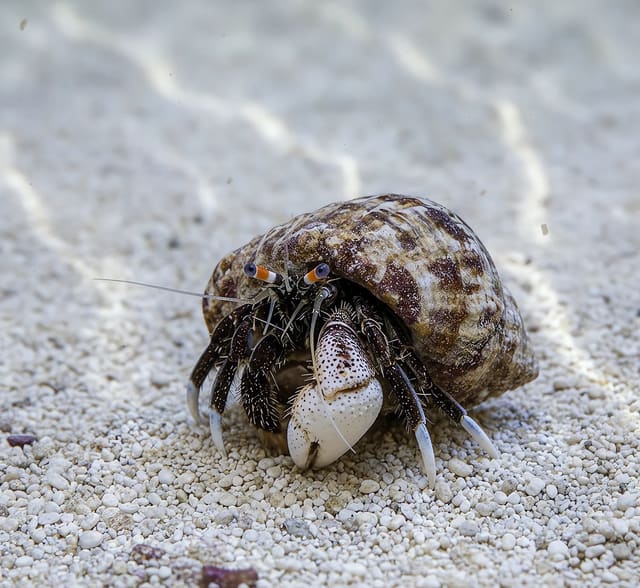
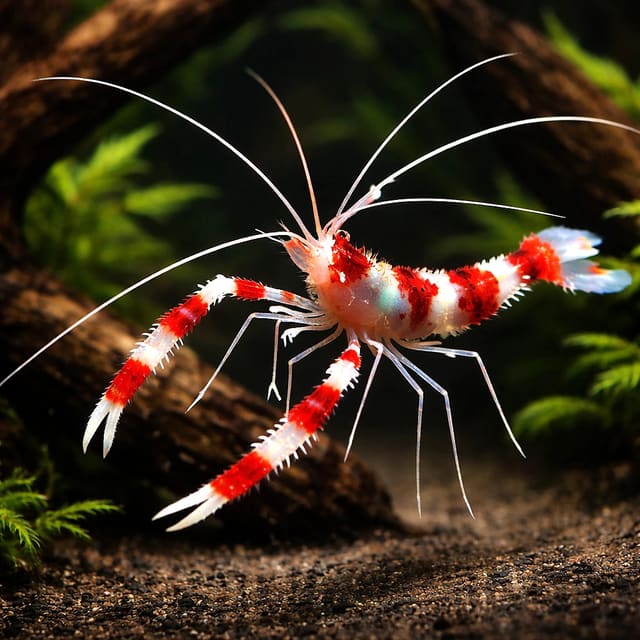
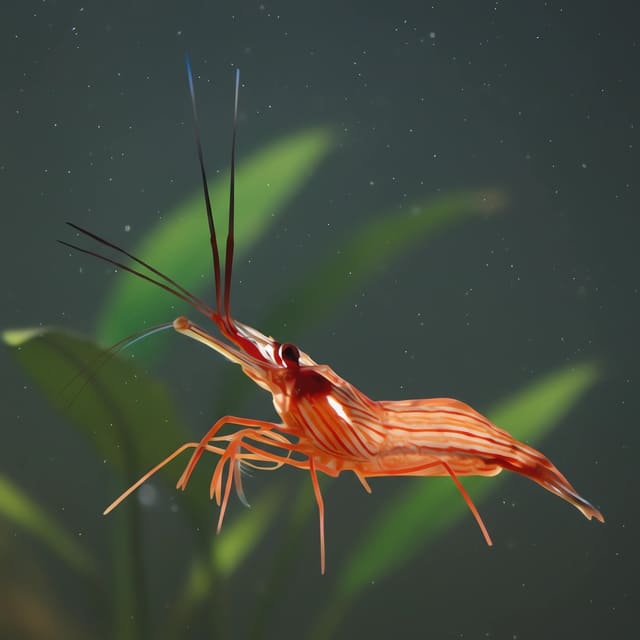
Some gallery images are representative, based on reference photographs of this species, and none shows the exact animal supplied, so colours can look slightly different from the live animal.
| Suits | Not suited to |
|---|---|
| A filtered marine aquarium of at least 40 litres under OATA’s smaller-crustacean guidance | An unfiltered container or an aquarium below that group planning minimum |
| Water maintained at 24–26°C, pH 7.9–8.3 and salinity 1.023–1.026 | Water not held to the planned marine ranges, including any values altered for more sensitive reef inhabitants |
| Fish considered reef-safe after individual compatibility screening | Fish not considered reef-safe and therefore likely to prey on marine crustaceans |
| A keeper able to test water and change 25% of the water at least once a week | A setup where ammonia or nitrite is detectable or routine maintenance cannot be completed |
The table is a starting filter, not permission to combine animals automatically. OATA notes that marine crustaceans have varied requirements and compatibility. Consider the needs of corals, anemones, fish and other invertebrates together before deciding how many animals the aquarium can support.
If you are comparing this shrimp with other livestock, browse the marine inverts collection and judge each animal on its own adult size, feeding needs and compatibility rule. Do not use a shared collection category as evidence that two animals can live together.
Plan for an adult length of 2 cm. OATA names Sexy Shrimp specifically when comparing marine-crustacean sizes and says that Thor amboinensis grows to 2 cm. Use that one figure for long-term planning rather than the apparent size of an animal on arrival or its scale within a gallery scene.
OATA recommends an aquarium of at least 40 litres for smaller species of crabs and shrimp. This is broad marine-crustacean guidance, so assess the final aquarium around its total livestock, filtration and more sensitive reef inhabitants. Forty litres is a minimum planning point; size the final aquarium for every fish, coral and invertebrate it will hold.
Within reason, buy an aquarium as large as possible; the extra volume gives more room for rock, grazing surfaces and separate refuges and spreads waste through more water. The practical decision is still based on the complete system: a large but poorly filtered aquarium does not replace biological filtration, and a 40-litre aquarium cannot be stocked quickly simply because each shrimp is small.
Include live or artificial rock. OATA treats rock as essential for marine crustaceans because it creates grazing opportunities and hiding areas for freshly moulted animals. Arrange it so that the filter can continue moving water and so that routine cleaning can remove settled waste without dismantling the shrimp’s entire refuge.
Judge each proposed structure by function. It should give the shrimp somewhere to withdraw, leave enough access for observation and avoid turning uneaten food into hidden waste. Corals and anemones may be part of a reef design, but select them according to their own requirements and assess the exact pairing rather than relying on the shrimp’s wild associations.
Add livestock slowly. Every extra animal and every increase in feeding requires the biological filter’s bacterial population to process more waste. OATA warns that stocking too quickly can lead to new tank syndrome, with ammonia and nitrite rising when nitrifying bacteria cannot cope.
Set the number of Sexy Shrimp only after accounting for the aquarium’s other inhabitants and filtration. Begin with the sold unit of one animal, monitor water quality and reassess capacity before adding further livestock.
Keep the aquarium at 24–26°C, pH 7.9–8.3 and salinity 1.023–1.026. OATA’s marine-crustacean guidance gives these ranges for the wider group; use them as the routine plan for this shrimp while accommodating any more sensitive reef inhabitants.
| Measure | Planned value |
|---|---|
| Temperature | 24–26°C |
| pH | 7.9–8.3 |
| Salinity | 1.023–1.026 |
| Ammonia | 0 mg/l |
| Nitrite | 0 mg/l |
| Nitrate | Up to 50 mg/l |
| Carbonate hardness | 8–12°dKH |
| Calcium | 380–450 ppm |
| Magnesium | 1,250–1,350 ppm |
Maintain ammonia and nitrite at zero. Marine crustaceans can be stressed by even small amounts of either compound, so a detectable result is a reason to stop adding livestock, review recent feeding and check whether filtration or maintenance has fallen behind. Do not treat nitrate as permission to neglect waste: OATA’s ceiling is that it must not exceed 50 mg/l.
Test water as part of routine maintenance and whenever behaviour, feeding, colour or moulting changes. A result has value only when it leads to a decision. Compare it with the table, check the filter for blockage and review whether food is remaining uneaten.
In a reef aquarium, some of these values will need to be altered to suit the more sensitive corals, anemones or other reef inhabitants, so set the final plan around the most sensitive animal. Do not move one value in isolation without considering the rest of the system. Temperature, pH, salinity, carbonate hardness, calcium and magnesium together describe the marine environment being maintained.
Record results consistently so that a developing change can be noticed before it becomes a large correction. The objective is not to chase a single test reading but to keep every measured value inside the planned range while filtration and maintenance continue to control waste.
Use an established, well-maintained filter. OATA says filtration is essential for marine crustaceans and identifies live rock with sufficient water flow, an internal or external filter, or a sump-based filter as workable forms of marine filtration. Choose a method that suits the aquarium volume and total livestock rather than relying on the shrimp’s small body size.
The RSPCA explains the biological filter’s role: beneficial bacteria convert toxic ammonia to nitrite and then to the safer nitrate. That process is why a filter must be established before livestock is added and why stocking and feeding need to increase gradually.
A protein skimmer can also help maintain marine water quality by removing dissolved organic waste before it breaks down into more harmful substances. Clean the skimmer regularly so that it can continue working effectively, but do not treat it as a replacement for biological filtration, testing or water changes.
Live rock can contribute to filtration while also creating grazing and hiding areas. Arrange rock so that water movement reaches the system and solid waste can be removed during maintenance. A refuge that traps every food fragment may undermine the water quality it was intended to support.
Before adding the shrimp, confirm that ammonia and nitrite both read zero. Continue to monitor them after any change in stocking or feeding. If either appears, prioritise the aquarium’s waste-processing problem before considering more livestock.
Offer a varied marine-crustacean diet in portions the shrimp can consume without leaving waste. OATA’s wider feeding guidance says most marine crustaceans consume algae, detritus and small meaty items, with examples including nori algae sheets, small frozen foods such as brine shrimp, and pellets.
Rotate suitable small foods rather than depending on one item. A practical selection can include a small piece of nori, a small frozen brine-shrimp portion or an appropriately sized pellet. Match the amount and particle size to a shrimp that reaches only 2 cm, then watch whether the food is reached and eaten.
Rock gives grazing opportunities, and natural food within the aquarium affects how much extra feeding is needed. Let observed consumption guide supplementary feeding frequency. Many marine crustaceans graze throughout the day, so a rigid number of feeds cannot account for the amount of natural material in every aquarium.
Remove or reduce food when portions remain uneaten. Excess food breaks down and releases waste, creating additional pressure on the biological filter and making it harder to keep ammonia and nitrite at zero. The aim is to maintain the shrimp’s feeding opportunity without turning each meal into a water-quality problem.
| If you see | Do this |
|---|---|
| Food remains after the shrimp has had access | Reduce the next portion and remove accessible leftovers |
| The shrimp does not approach the food | Check behaviour and water values before adding more |
| Ammonia or nitrite above zero | Stop increasing food or livestock and examine filtration and waste |
| Food vanishes into inaccessible rock gaps | Change the placement so consumption can be observed |
Do not use feeding enthusiasm alone as a reason to increase portions. Judge the feeding plan through consumption, body condition, normal movement and the water tests that show whether the aquarium can process the resulting waste.
Expect a crustacean to shed its hard exoskeleton as it grows. OATA explains that an empty shell in the aquarium can be the cast exoskeleton rather than a dead shrimp. After shedding, the new exterior takes a couple of days to harden, and the animal will often hide during that period.
Maintain rock-based hiding areas and avoid dismantling them merely because the shrimp becomes less visible around a moult. Observe without assuming that every period of concealment is a problem. Check the aquarium methodically: confirm the animal if possible, look for a complete cast shell and compare water values with the planned ranges.
A moult explains some temporary hiding, but it should not be used to dismiss every change. OATA recommends watching movement, colour, temperament, physical condition, moulting and feeding because changes can identify a developing health problem.
When a concerning change appears, test ammonia, nitrite, nitrate, temperature, pH and salinity, inspect filtration and review recent feeding or livestock additions. Correct husbandry problems that the measurements reveal. Contact us about significant health changes rather than applying an unselected treatment to the whole aquarium.
Continue to protect the biological filter while investigating. Washing established media under the tap or making an unplanned stocking change can add a second problem when the first task is to restore suitable water conditions.
Change 25% of the aquarium water at least once every week. OATA strongly recommends this schedule for marine crustaceans and suggests using a siphon to remove solid waste from the substrate. Combine the water change with filter and skimmer checks so that maintenance addresses dissolved and solid waste together.
For a 40-litre aquarium, a 25% water change equals 10 litres. For an 80-litre aquarium, it equals 20 litres. Calculate the change from the aquarium’s actual working water volume where possible, then prepare the replacement marine water to preserve the planned temperature, salinity and pH.
The weekly change is a minimum routine, not a substitute for responding to a failed test. Ammonia and nitrite should remain at zero, while nitrate must not exceed 50 mg/l under OATA’s guidance. A result outside those limits calls for immediate attention to feeding, stocking, filtration and accumulated waste.
This method reduces the loss of beneficial bacteria caused by chlorine or chloramine. It also connects the visible task of cleaning with the biological task of preserving the population that converts ammonia and nitrite.
Compare test results with feeding, moulting and any recent livestock additions. If more food was introduced, check whether waste accumulated in the rockwork. If an animal was added, verify that the filter is still maintaining ammonia and nitrite at zero. If flow has fallen, inspect the equipment before treating the water reading as an isolated event.
Regular maintenance works because it creates repeated opportunities to remove waste and notice change. Keep the routine consistent, record the principal water values and make adjustments from measurements and observation rather than waiting for the shrimp to show severe distress.
Before the parcel arrives, confirm that the aquarium is suitable for a marine crustacean and that ammonia and nitrite are both zero. Add livestock slowly so the established filter can respond as feeding and waste increase. This preparation follows OATA’s introduction guidance and should be completed before the transport bag is opened.
These are the arrival and acclimatisation steps in the Tropical Fish Co delivery and Live Arrival Guarantee policy. Film every delivery from the sealed parcel onward so the required record is ready if you need to make a claim.
The team hand-packs live animals in pure oxygen inside an insulated poly box and adds a heat pack when the weather calls for one. Transport is handled through a licensed live-animal courier, with tracking and the confirmed arrival date communicated by email. Arrange for someone to be home on the confirmed delivery date.
Once the shrimp has been released, keep the aquarium within 24–26°C, pH 7.9–8.3 and salinity 1.023–1.026. Observe movement, colour, physical condition and feeding, and test the water if behaviour changes. Do not respond to a quiet or hidden shrimp by adding food repeatedly; check whether it has recently moulted and whether the aquarium remains within range.
One new animal still adds waste and feeding demand. Resist adding several further inhabitants immediately after this shrimp. Monitor ammonia and nitrite, keep both at zero and continue changing 25% of the water at least once a week while the biological filter adjusts to the changed load.
Avoid keeping Sexy Shrimp with fish that are not considered reef-safe. OATA says marine crustaceans generally mix with fish considered reef-safe, while fish outside that category are likely to prey on them and should not be kept with them.
“Reef-safe” is the first screening question, not a universal promise. Confirm the exact fish and crustacean combination before introduction because compatibility varies across marine animals. A shrimp that reaches only 2 cm needs the predation assessment applied carefully even in an aquarium that otherwise carries a reef label.
| Proposed inhabitant | Decision |
|---|---|
| Fish not considered reef-safe | Avoid the combination because OATA identifies likely predation |
| Fish considered reef-safe | Continue to individual screening before introduction |
| Another marine crustacean | Assess the exact species and its feeding behaviour |
| Coral, anemone or other invertebrate | Match both animals’ care needs and assess the precise pairing |
Do not turn the shrimp’s natural association with reef invertebrates into a general tank-mate list. In shallow reef communities, it lives symbiotically on corals, sea anemones and other marine invertebrates. Aquarium compatibility still depends on the exact inhabitants and on water conditions that meet the needs of the most sensitive animal.
List every existing fish and invertebrate, identify whether each fish is considered reef-safe and review any crustacean’s feeding behaviour. Then check that the aquarium has rock-based hiding areas and enough filtration for the additional feeding and waste. Contact us with the complete stocking list when you need a compatibility assessment.
Complete the assessment before purchase rather than using close observation as a substitute for a safe plan. Hiding places support the shrimp around moulting, but they do not turn a likely predator into a suitable companion.
Treat every marine crustacean as an individual compatibility decision. OATA notes that the group is highly diverse: some crabs and lobsters are opportunistic scavengers that may prey on slow-moving aquarium inhabitants, while other crustaceans perform grazing or cleaning roles. A shared invertebrate label therefore cannot decide the pairing.
Sexy Shrimp live symbiotically on corals, sea anemones and other marine invertebrates in the wild. In an aquarium, assess the exact coral, anemone or invertebrate before pairing it with the shrimp. Check the other animal’s water, feeding and space requirements and plan the combined aquarium around whichever need is tighter.
Rock remains part of the basic setup even when a reef host is included. It gives grazing opportunities and shelter for a freshly moulted shrimp. Do not make the whole refuge depend on one living animal when stable physical structure can serve that practical purpose.
Base the stocking number on aquarium volume, filtration, existing livestock and compatibility. OATA’s group guidance starts smaller crabs and shrimp at an aquarium of at least 40 litres, but the final number also depends on the waste and feeding demands already present.
One purchase supplies one shrimp. If considering more than one, assess the aquarium after accounting for every other inhabitant, confirm that ammonia and nitrite remain zero and avoid adding animals faster than the biological filter can accommodate them.
Observe movement, hiding, feeding, physical damage and changes in aggression after livestock is introduced. If a new combination produces injury, repeated disturbance or abnormal behaviour, separate the compatibility issue from routine moulting by checking for a cast exoskeleton and testing the water.
Do not solve conflict by feeding heavily. Uneaten food can increase toxic waste, and opportunistic crabs and lobsters still need to be mixed carefully. Use the pre-introduction assessment as the main safeguard and observation as the continuing check.
It reaches 2 cm as an adult according to OATA’s marine-crustacean guidance, so plan the aquarium and tank mates around that adult length.
Use an aquarium of at least 40 litres. OATA recommends this minimum for smaller crabs and shrimp, with the final space and stocking plan based on filtration and all other inhabitants.
Set the number from the aquarium’s volume, filtration, existing livestock and individual compatibility assessment. One animal is the starting sold unit, and further livestock should be added slowly while ammonia and nitrite remain at zero.
It suits a keeper who can maintain a filtered marine aquarium, test water, change 25% of the water at least once a week and screen every fish for predation risk.
Provide a varied diet such as nori, small frozen foods like brine shrimp, and pellets, following OATA’s marine-crustacean guidance. Offer small portions and reduce them when food remains uneaten.
Keep it at 24–26°C and pH 7.9–8.3. OATA gives these as group guidance for marine crustaceans, alongside salinity of 1.023–1.026.
Use individual compatibility screening rather than assuming a fixed temperament. OATA advises avoiding fish not considered reef-safe because they are likely to prey on marine crustaceans.
Fish considered reef-safe may be candidates after individual screening. Assess other crustaceans, corals, sea anemones and marine invertebrates separately because compatibility and care needs vary.
Tropical Fish Co hand-packs it in pure oxygen inside an insulated poly box, adds a heat pack when the weather calls for one, and uses a licensed live-animal courier. Be home to receive the parcel, film one continuous take from the sealed parcel to the shrimp still inside its bag, then float the bag for 20–30 minutes before releasing the shrimp.
No reviews for this item yet. Bought one? Honest reviews only, good or bad.
What customers say about ordering from us
Easy website plenty of info on fish your buying great to pick a time slot
TRACEY DURRANT · 7 Oct 2026
Got some lovely fish thank you
Kevin Mackie · 7 Oct 2026
Reviews of our shop, collected by Judge.me, an independent third-party review collector. Newest first.