−10%
Easy
Astraea (Astrea) Snail
22–26°C · pH 8.1–8.4 · 60L
£10.79£11.99
Nassarius sp. is a genus-level marine snail offer for a scavenging member of Nassariidae. One purchase supplies one animal. Plan around a filtered aquarium of at least 40 litres under OATA marine-mollusc group guidance, and screen tank mates for mollusc predation and shared-food competition.
Nassarius sp.
Nassarius sp. is a genus-level marine snail offer for a scavenging member of Nassariidae. One purchase supplies one animal. Plan around a filtered aquarium of at least 40 litres under OATA marine-mollusc group guidance, and screen tank mates for mollusc predation and shared-food competition.
Maintain these water conditions for optimal health and vibrant colors
Nassarius sp. identifies a marine snail within the genus Nassarius, rather than naming one particular species. The World Register of Marine Species places Nassarius in the family Nassariidae and accepts the genus within Neogastropoda. The exact species has not been identified, so the care advice here follows the genus Nassarius and its care group.
A Wikipedia genus summary describes Nassarius as minute to medium-sized marine gastropod molluscs commonly called nassa mud snails in the USA or dog whelks in the UK. It identifies members of the genus as scavengers. That feeding role is the most useful starting point for aquarium planning: provide access to suitable scavenged food while protecting water quality from uneaten material.
| Suits | Not suited to |
|---|---|
| A filtered marine aquarium with suitable food for a scavenger and tank mates screened for mollusc predation. | Aquariums with non-reef-safe fish likely to prey on molluscs or plans that rely on the snail as an algae grazer. |
Use “Nassarius snail” as a practical aquarium name, but do not attach the behaviour, adult dimensions or geographic range of one named species to every member of the genus. This distinction matters when choosing space, food and companions because different marine molluscs can have different needs even when their general body form looks similar.
Choose this snail for its scavenging biology, not as a substitute for filtration, water changes or manual cleaning. A scavenger may consume accessible food material, but adding one does not remove the dissolved waste already produced when uneaten food breaks down. Keep feeding controlled and use test results to judge the aquarium’s condition.
Do not count on algae control, sand aeration or a particular burrowing routine when planning the aquarium. Instead, make three concrete decisions: whether suitable scavenged food will reach the animal, whether the biological filter can process the added waste, and whether every tank mate has been screened for predation on molluscs.
OATA’s marine-mollusc guidance recommends an aquarium of at least 40 litres for smaller snails and nudibranchs. It gives 24–26°C, pH 7.9–8.3 and salinity 1.023–1.026 for the broad group; these are group guidance rather than a species-specific optimum.
| Decision | Planning point |
|---|---|
| Aquarium volume | Use at least 40 litres for a smaller marine snail; choose more water volume when the wider stocking plan needs greater stability. |
| Filtration | A working filter is essential. |
| Water | Keep ammonia and nitrite at 0 mg/l and nitrate no higher than 50 mg/l. |
| Feeding | Plan for a scavenger and prevent uneaten supplementary food accumulating. |
| Compatibility | Use reef-safe status as the first predation screen, then assess food competition. |
This offer suits a keeper prepared to monitor marine water chemistry and food capacity rather than relying on a “clean-up crew” label. You can compare it with other animals in the marine invertebrates collection, but evaluate every animal’s care and compatibility separately.
One purchase supplies one animal. If you want several animals, increase the purchase quantity only after checking that the aquarium can support the combined feeding and waste load.
Sex is guaranteed only when the selected option explicitly states male or female. This Nassarius sp. listing has no sex-guaranteed option.
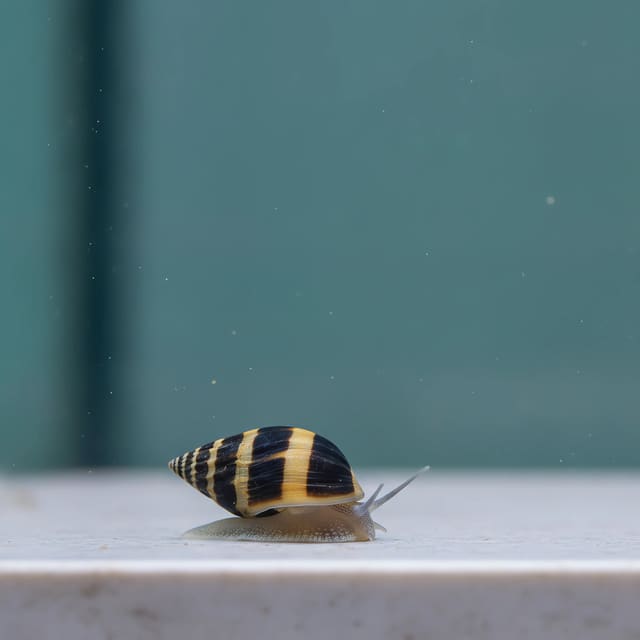
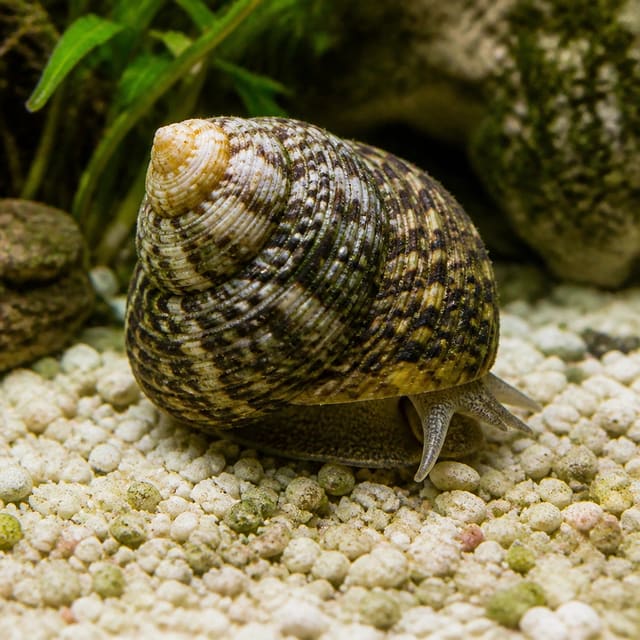
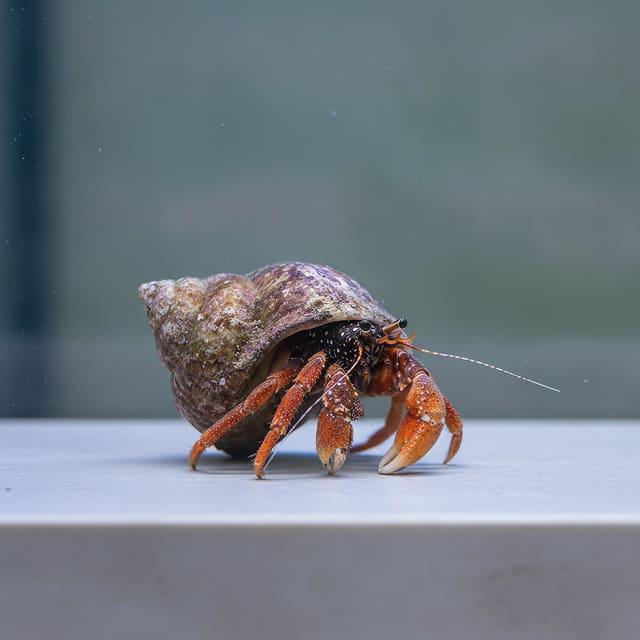
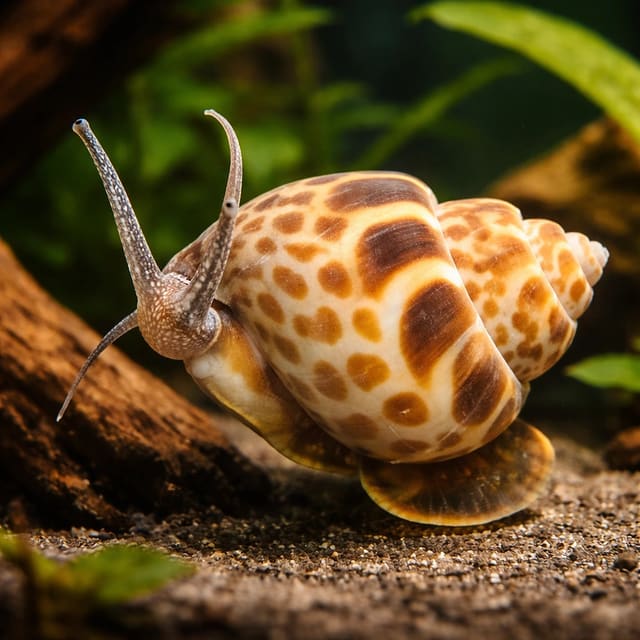
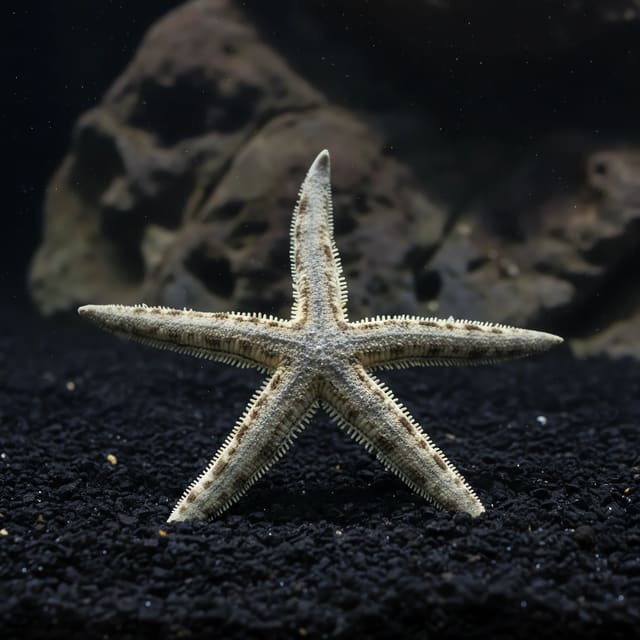
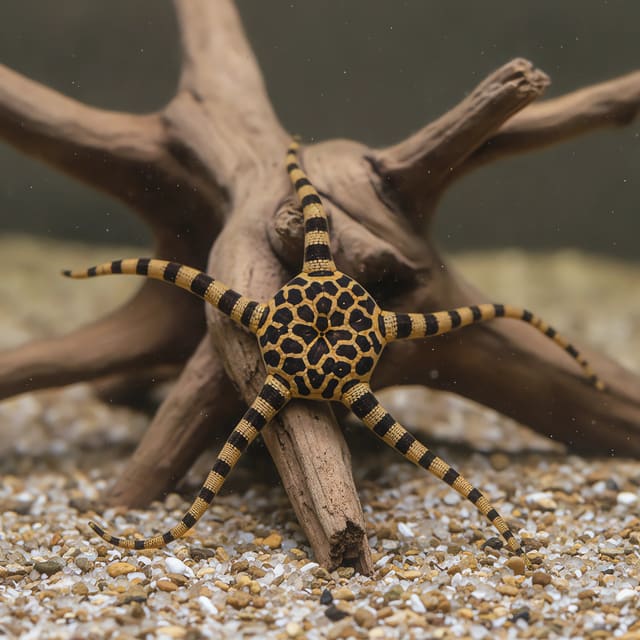
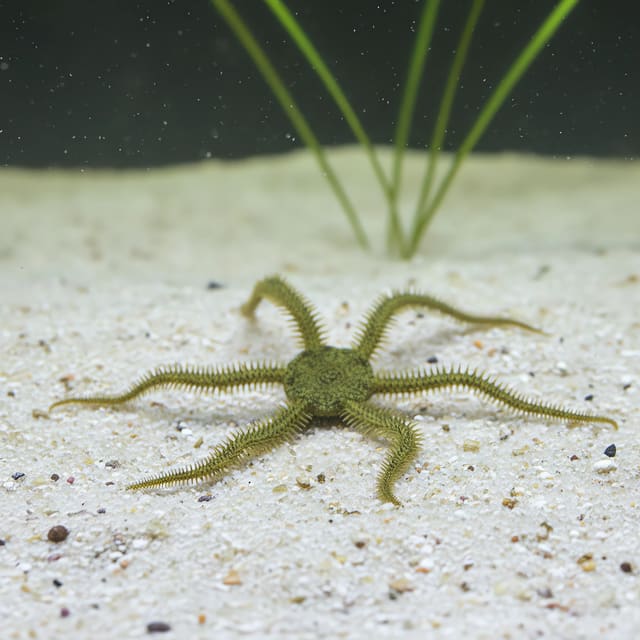
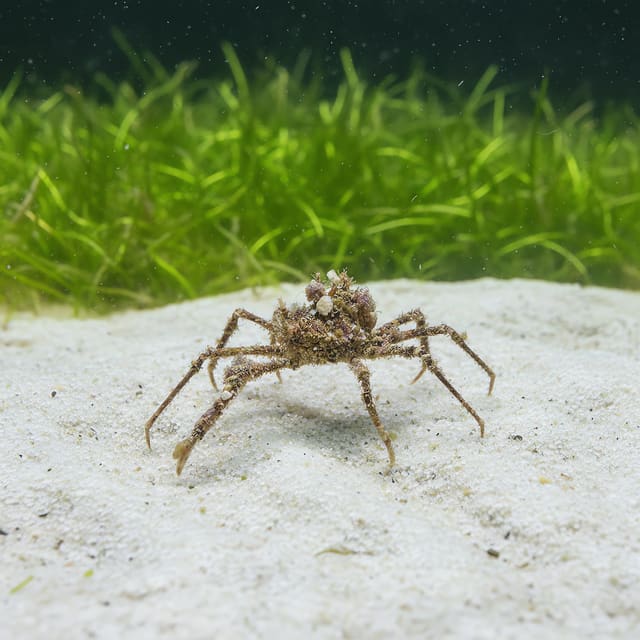
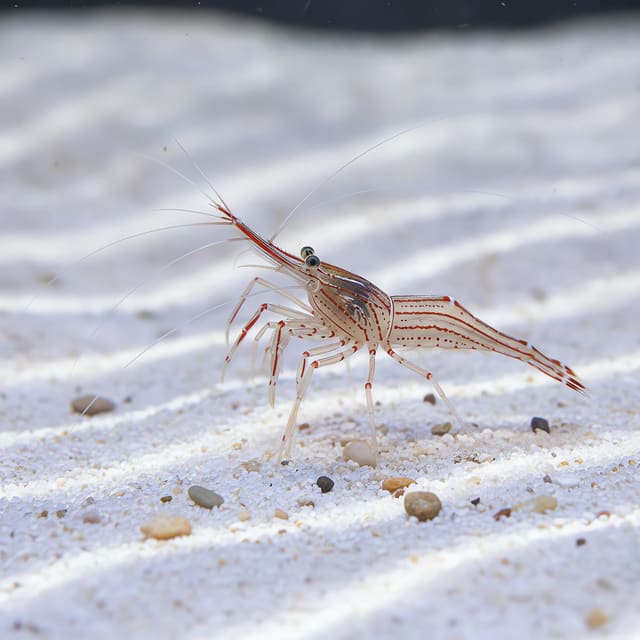
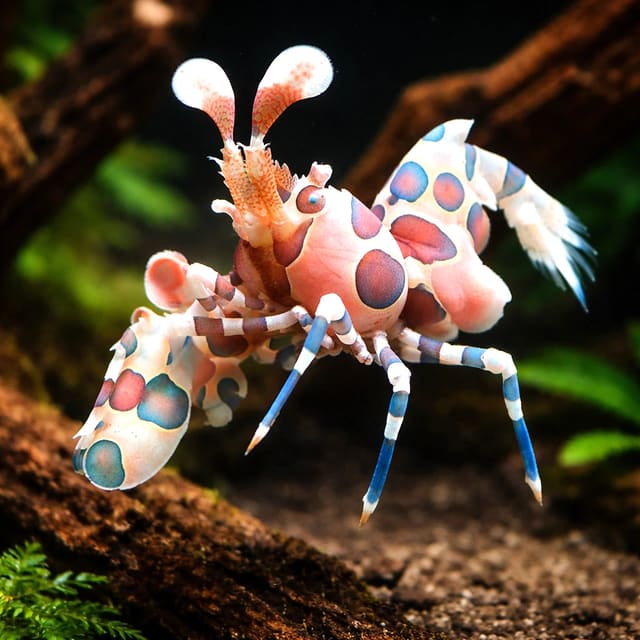
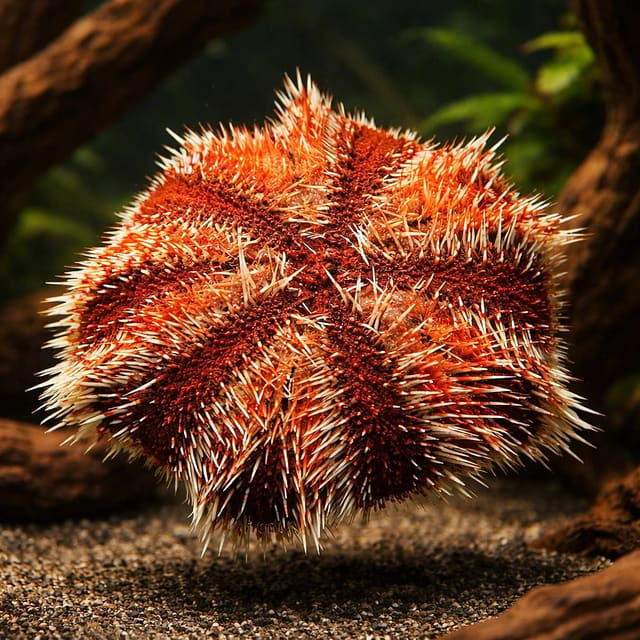
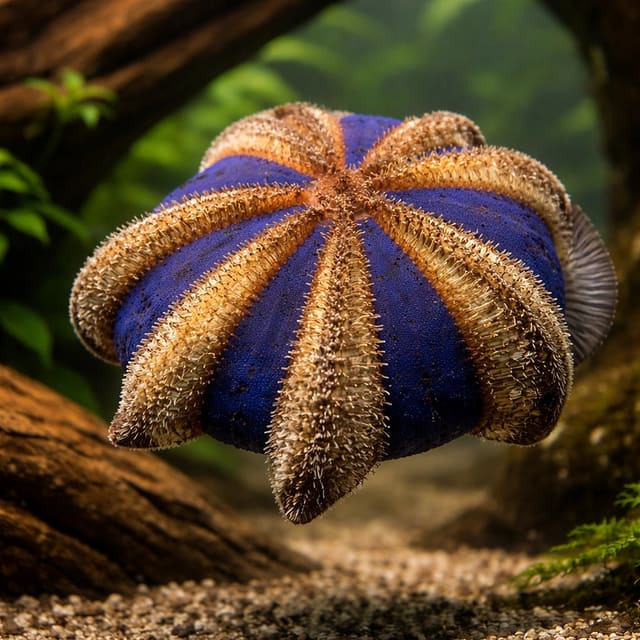
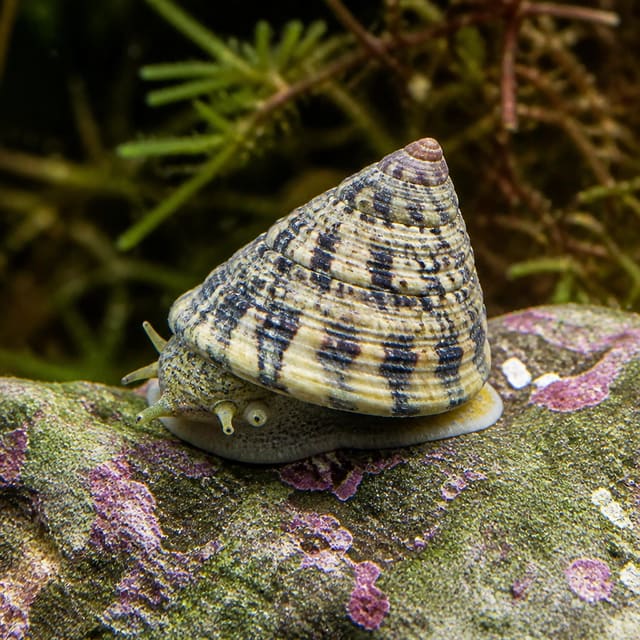
The gallery images are representative of this type of animal rather than photographs of the exact animal supplied, so colours can look slightly different from the live animal.
The gallery image does not establish the animal’s adult dimensions. Plan conservatively around the genus-level identity and the at-least-40-litre marine-mollusc baseline instead of building a stocking calculation around a guessed 2–3 cm adult size.
Prepare the aquarium before arranging livestock delivery. The delivery and Live Arrival Guarantee policy explains the shop’s dispatch days, delivery arrangements and claim process. Keep that practical preparation separate from the biological decision about whether this snail suits the aquarium.
Set the aquarium within the marine-mollusc planning range before introducing the snail, then keep changes controlled. Stability does not replace testing: it means measuring the relevant values, identifying movement early and making measured husbandry changes rather than reacting to a single reading without context.
| Water value | Working range |
|---|---|
| Temperature | 24–26°C |
| Salinity | 1.023–1.026 |
| pH | 7.9–8.3 |
| Ammonia | 0 mg/l |
| Nitrite | 0 mg/l |
| Nitrate | Up to 50 mg/l |
| Carbonate hardness | Hard, 8–12°dKH |
| Calcium | 380–450 ppm |
| Magnesium | 1250–1350 ppm |
Ammonia and nitrite are zero targets, not acceptable background ranges. If either becomes detectable, pause further livestock additions and feeding increases, test again to establish the direction of change, and address the aquarium’s waste-processing capacity. Nitrate should not exceed 50 mg/l under this guidance, while a reef containing more sensitive animals may need tighter limits determined by those animals.
Use a water chemistry guide to understand what each test measures, then compare the measured values with this range. Record results consistently so gradual movement is easier to recognise than it would be from isolated tests.
A filter is essential in a marine aquarium containing this snail. It provides the waste-processing foundation that converts toxic ammonia through nitrite towards the safer end product nitrate. The RSPCA’s aquarium filtration guidance explains the role of beneficial bacteria in that biological process.
Marine filtration can be based on live rock with sufficient water flow, an internal or external filter, or a sump system. A protein skimmer may also help by removing dissolved organic waste before it breaks down into more harmful substances. A skimmer supports water quality but does not replace the biological filter, testing or water changes.
Follow a clear aquarium preparation and maturation sequence when establishing the biological filter. Apply the filtration principles within the marine water ranges on this page.
Avoid turning one livestock addition into several simultaneous changes. For example, adding several animals while also increasing food makes it harder to identify why ammonia or nitrite has moved. Add the planned increment, observe the aquarium’s response and proceed only when testing shows that waste processing remains stable. This measured approach reduces the risk of new tank syndrome, in which the bacterial population cannot yet cope with the increased load.
Use an aquarium of at least 40 litres as the starting point for a smaller marine snail. More water volume generally gives temperature and water quality greater stability, so the minimum should not be treated as an instruction to crowd several animals into the same small system.
The genus Nassarius includes minute to medium-sized snails. Plan the aquarium without assigning the animal a guessed adult length. The at-least-40-litre figure is a husbandry baseline for smaller marine molluscs, not a statement that every member of this genus reaches the same dimensions.
| Situation | Decision |
|---|---|
| One animal in a lightly stocked system | Confirm food access, zero ammonia and nitrite, and compatible residents before introduction. |
| Several scavengers | Check that each can obtain food without requiring portions that leave excess waste. |
| Heavily stocked aquarium | Allow more capacity for waste processing instead of treating 40 litres as an automatic approval. |
| Sensitive reef residents | Use the tighter environmental requirements of the most sensitive established animal. |
Marine molluscs need little décor as a broad group. Live or artificial rock can provide structure within the aquarium, but it must not compromise water flow or filter access. Arrange the system so the animal can be observed and so solid waste can be removed during routine maintenance.
Do not treat decorative substrate as filtration. Whatever substrate and rockwork you choose, keep the biological filter working, remove accumulated solid waste and retain enough open access for maintenance. This makes the system easier to manage without attaching an unproven sand-stirring function to the snail.
Complete the aquarium checks before the animal arrives. A last-minute attempt to change temperature, salinity or pH can replace one mismatch with an abrupt swing, so bring the aquarium into range through normal preparation and confirm the result with tests.
Treat the snail as one deliberate livestock increment. Do not combine its introduction with several other animals and a large rise in feeding unless the mature filter has been planned for that combined load. Beneficial bacteria respond to increased waste, but the population needs time to grow; adding too much too quickly can allow ammonia and nitrite to rise.
| What you observe | What to do |
|---|---|
| Normal movement and responsiveness | Continue the established routine and keep food portions controlled. |
| Prolonged inactivity or difficulty moving | Test ammonia, nitrite, nitrate, pH, salinity and temperature, then compare with the working range. |
| Uneaten supplementary food | Reduce the next portion and remove accessible leftovers during maintenance. |
| Harassment or attempted predation | Separate the incompatible animals rather than waiting for shell or tissue damage. |
Observation during the first week should establish the animal’s normal pattern in this aquarium. Use that baseline to recognise later changes, but keep water testing central because behaviour alone cannot identify the cause of a problem.
Feed this snail according to its scavenging biology. Make sure suitable food reaches an area the animal can access, but do not assume that adding more food always improves its care. Excess food breaks down and adds toxic waste, so the useful portion is the amount consumed without persistent leftovers.
Do not buy it as an algae-control animal. Marine molluscs have highly varied diets: some graze algae, others consume particular prey, and some filter material from the water column. The genus-level natural history identifies Nassarius as scavengers, so algae alone should not be treated as its feeding plan.
A fixed number of feeds cannot be separated from the aquarium’s natural food and existing feeding routine. In a system where accessible scraps regularly reach the animal, additional feeding may need to be smaller. In a system where fast tank mates intercept everything, simply adding a large portion can pollute the water while still failing to feed the snail effectively.
Use water quality and food access together as the decision test. If nitrate trends upward or uneaten material accumulates, reduce excess input and improve removal rather than relying on the snail to process all waste. If the animal is repeatedly excluded by competitors, change the stocking or feeding arrangement without allowing persistent leftovers to build up.
Carry out a partial water change of 25% at least once each week. Use the change to remove solid waste from accessible areas and to inspect filtration equipment for restricted flow or blockages. Regular maintenance prevents waste from accumulating while preserving the biological processes that keep ammonia and nitrite at zero.
When filter media needs cleaning, rinse it lightly in aquarium water removed during the water change. Do not wash established biological media under the tap because chlorine or chloramine may kill beneficial bacteria.
| Task | Decision standard |
|---|---|
| Test water | Ammonia 0 mg/l, nitrite 0 mg/l and nitrate no higher than 50 mg/l; also monitor pH and the relevant marine chemistry. |
| Change water | Replace 25% at least weekly with prepared marine water that avoids an abrupt shift. |
| Remove solids | Siphon accessible waste rather than expecting scavengers to eliminate it. |
| Check the filter | Clear blockages and maintain normal operation without stripping out beneficial bacteria. |
| Clean the skimmer | Remove accumulated waste regularly so performance is maintained. |
| Observe the snail | Compare activity, movement, colour, shell and exposed tissue with its normal appearance. |
After maintenance, verify that equipment has restarted correctly. A completed water change is not enough if a pump, filter or skimmer has been left obstructed or switched off. Check flow, temperature and the condition of the system before leaving it unattended.
Use trends to refine the routine. If nitrate approaches the upper limit between weekly changes, review feeding, stocking and waste removal rather than waiting for it to exceed 50 mg/l. If ammonia or nitrite appears, treat that as a biological-filtration problem requiring immediate attention and pause further livestock additions.
Learn the snail’s normal movement, responsiveness, colour and appearance after introduction. Marine molluscs naturally vary, so a change from the individual animal’s established pattern is more useful than comparing every movement with another snail.
| Change | Immediate response |
|---|---|
| Reduced or prolonged inactivity | Test the complete working water range and check for harassment or obstruction. |
| Difficulty moving or abnormal movement | Inspect the surrounding area, confirm water values and screen nearby animals for predatory behaviour. |
| Failure to emerge or reduced responsiveness | Compare with its normal pattern, test water and review whether food remains accessible. |
| Darker or paler colour | Check water chemistry and look for other changes in exposed tissue or behaviour. |
| Shell erosion or shell damage | Inspect for physical aggression and review pH, carbonate hardness, calcium and magnesium. |
| Lesions, abnormal growths or excess mucus | Protect the animal from harassment and contact us about the observed change. |
Do not respond to an unidentified health problem by adding a treatment at random. First establish the measured water conditions, check equipment operation and separate active predation from a water-quality issue. Record the signs, when they began and the associated test results so the next decision is based on a clear sequence.
Small amounts of ammonia or nitrite can stress marine molluscs, so a non-zero result needs action even when the animal still appears active. Restore effective waste processing and stop increasing the biological load. If several animals change at the same time, prioritise shared environmental factors such as filtration, temperature, salinity and recent maintenance.
Use reef-safe status as the first compatibility screen. Marine molluscs generally mix with fish considered reef-safe, while fish that are not reef-safe are likely to prey on them and should be avoided. This is a screening rule rather than a promise that every individual fish labelled reef-safe will ignore every snail.
| Compatibility category | Rule |
|---|---|
| Avoid | Fish not considered reef-safe where predation on marine molluscs is likely. |
| Proceed conditionally | Fish assessed as reef-safe and unlikely to prey on molluscs, with observation after introduction. |
| Reassess immediately | Any resident that attempts to bite, consume, overturn or persistently harass the snail. |
Do not substitute a generic species list for this process. Compatibility depends on the actual residents, their feeding behaviour and the aquarium layout. A name that appears in a community or reef category is not enough when the individual animal has already shown predatory behaviour.
Ask us for one stocking and compatibility assessment if you provide the aquarium volume, measured water values and the exact animals already present. That check should happen before introduction, not after predation has begun. Continue observing once the snail is added because behaviour in the shared aquarium remains the decisive test.
Compatibility also depends on food capacity. Marine molluscs can often be mixed, but avoid combining species that depend on the same food source unless the aquarium can provide enough for all of them. A peaceful interaction does not make the combination sustainable if one animal repeatedly takes the food needed by another.
There is no useful fixed group count for this genus-level offer. One purchase supplies one animal, and further animals should be planned as additional biological load rather than as a required social group. The practical limit is reached when the aquarium cannot provide accessible food to each animal while maintaining the stated water targets.
Use the same reasoning when mixing different marine molluscs. Animals with clearly different feeding routes may place less direct pressure on one food source, but every addition still increases the maintenance and waste-processing load. Recheck the entire plan instead of assuming different common names guarantee different diets.
For a worked decision, consider an aquarium where food is consumed immediately by existing fish. Adding several scavengers and increasing the portion until scraps remain may raise waste without feeding each snail reliably. The better response is to add cautiously, observe access and stop increasing the number when clean feeding cannot be achieved.
It is a genus-level marine snail identity within the family Nassariidae. Members of the genus are scavengers, but the open “sp.” label means care should not be based on the adult size, distribution or specialised behaviour of one named species.
One purchase supplies one Nassarius sp. animal. Increase the purchase quantity only after checking that the aquarium has enough filtration and accessible food for every additional scavenger.
Plan conservatively around the genus-level identity rather than treating the gallery animal as an adult-size measurement. OATA recommends an aquarium of at least 40 litres for a smaller marine mollusc; choose more space when the wider stocking plan needs greater stability.
Plan Nassarius sp. in a filtered marine aquarium of at least 40 litres, as recommended by OATA for smaller marine molluscs. Keep ammonia and nitrite at 0 mg/l and choose more volume when the wider stocking plan needs greater stability.
Plan numbers around food capacity rather than an assumed social minimum. One purchase supplies one animal; add further snails only when each can obtain accessible scavenged food without excess feeding or loss of water quality.
OATA’s marine-mollusc guidance uses 24–26°C, salinity 1.023–1.026 and pH 7.9–8.3. Keep ammonia and nitrite at 0 mg/l, nitrate no higher than 50 mg/l, carbonate hardness 8–12°dKH, calcium 380–450 ppm and magnesium 1250–1350 ppm.
Feed it as a scavenger and make sure suitable food reaches an area it can access. Do not rely on algae alone, and reduce supplementary portions whenever uneaten material remains because decomposing food adds waste to the aquarium.
Following OATA’s advice for marine molluscs, confirm ammonia and nitrite are 0 mg/l, temperature is 24–26°C, salinity is 1.023–1.026 and pH is 7.9–8.3 before acclimating it. Treat the animal as one planned livestock increment so the mature biological filter can adjust to the extra load.
Avoid fish not considered reef-safe when they are likely to prey on marine molluscs. Also avoid combining molluscs that rely on the same food source unless the aquarium can feed all of them without persistent leftovers or declining water quality.
No reviews for this item yet. Bought one? Honest reviews only, good or bad.
What customers say about ordering from us
Easy website plenty of info on fish your buying great to pick a time slot
TRACEY DURRANT · 7 Oct 2026
Got some lovely fish thank you
Kevin Mackie · 7 Oct 2026
Reviews of our shop, collected by Judge.me, an independent third-party review collector. Newest first.