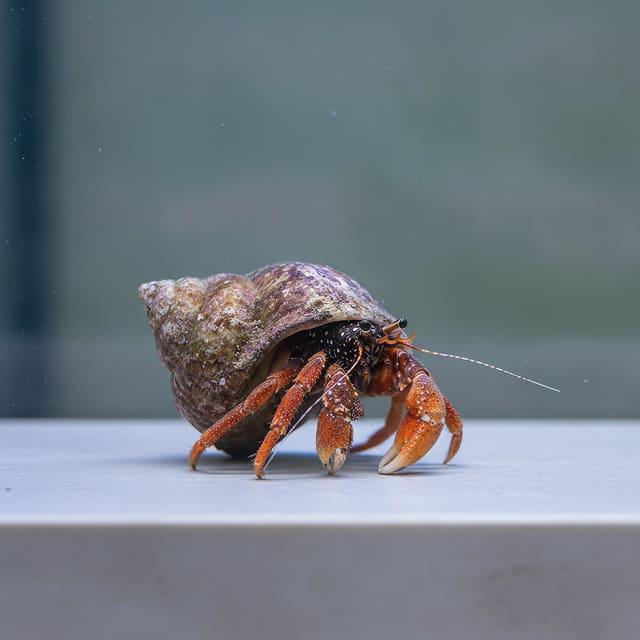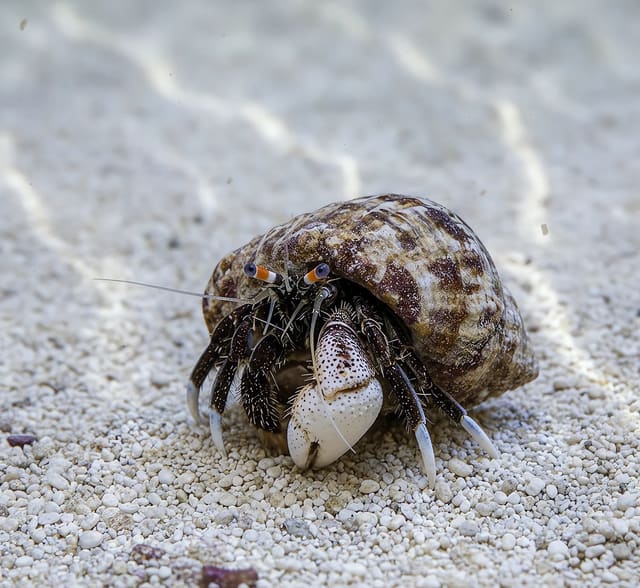
Red Hermit Crab (Clibanarius rutilus) – Small Marine Cleaner
22–27°C · pH 8.1–8.4 · 60L
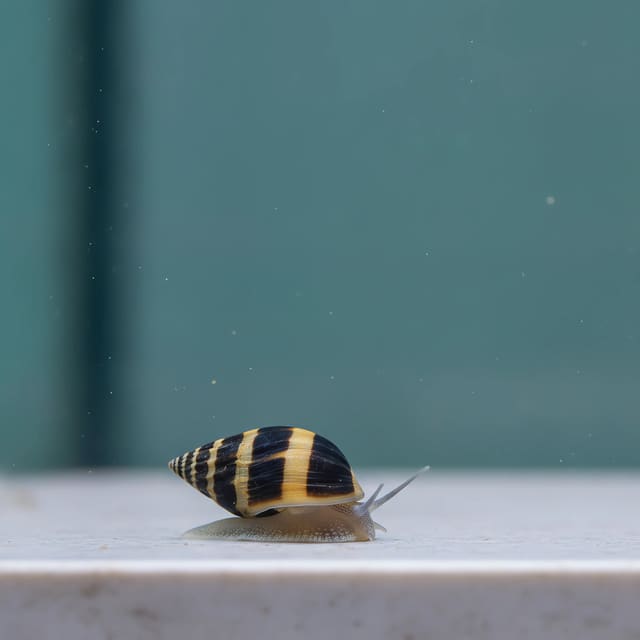
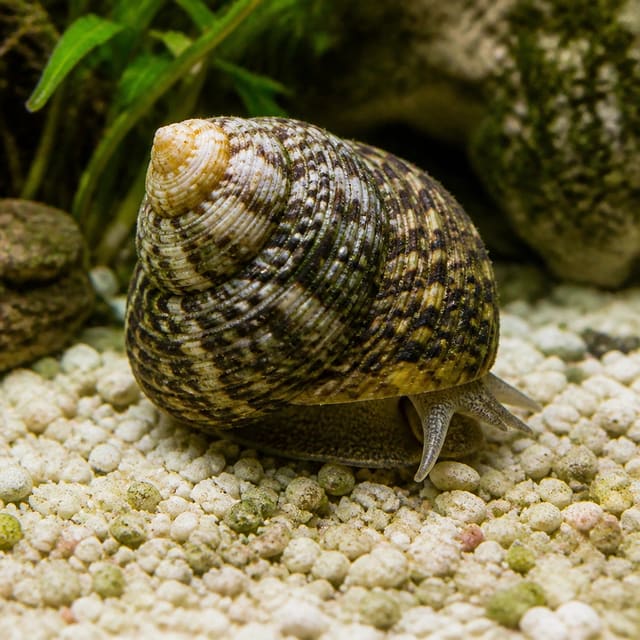
Astraea sp.
Hardy marine algae grazer for reef tanks and clean-up crews. Great for controlling film and green algae in established saltwater aquariums.
Maintain these water conditions for optimal health and vibrant colors
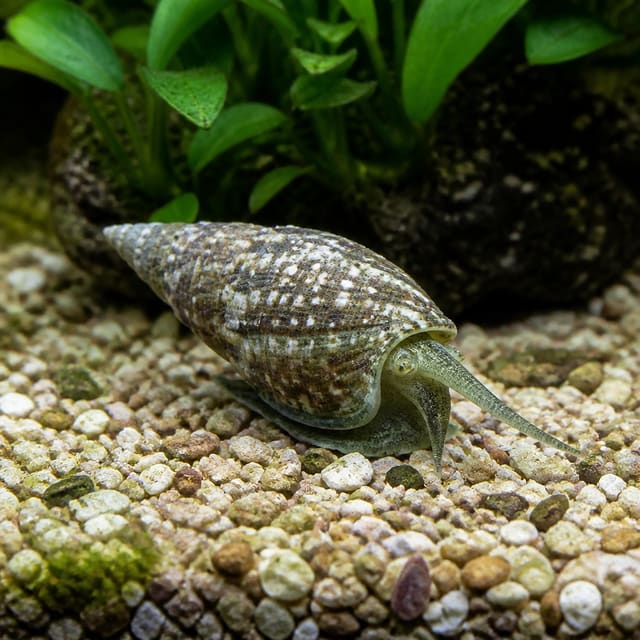
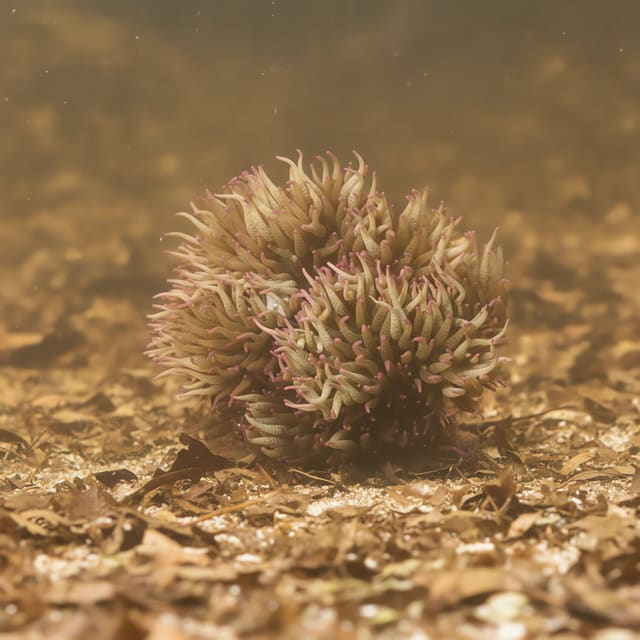
The Astrea snail is a popular marine clean-up crew in reef and fish-only saltwater aquariums, valued for its appetite for film algae, green algae and diatoms. Often sold simply as Astrea, these snails are generally hardy, active grazers that spend much of their time moving across rockwork and glass in search of food. They are an excellent choice for established marine systems where natural algae growth is present.
Astrea snails are best kept in mature aquariums with stable salinity and good water quality. They are peaceful, reef-safe and suitable for most community marine setups. As with many snails, they can struggle to right themselves if they fall onto soft substrate or unstable rockwork, so aquascaping should allow safe surfaces and easy access to algae-rich areas.
At Tropical Fish Co, we supply healthy marine livestock with fast UK delivery and a live arrival guarantee for peace of mind. If you are building a reef clean-up crew, Astrea snails are a practical and attractive addition.
| Care Aspect | Details |
|---|---|
| Scientific Name | Astraea sp. |
| Common Name | Astrea Snail |
| Care Level | Easy to Moderate |
| Temperament | Peaceful |
| Adult Size | 2.5-4 cm |
| Minimum Tank Size | 60 litres |
| Temperature | 22-26°C |
| pH | 8.1-8.4 |
| Diet | Algae grazer; film algae, diatoms, green algae, biofilm |
| Lifespan | 2-5 years |
| Tank Region | Bottom / glass / rockwork |
Astrea snails are marine gastropods found in tropical and subtropical coastal waters, typically living on rocky reefs, coral rubble and algae-covered hard surfaces. In nature they browse continuously on microalgae and biofilm, using their rasping mouthparts to scrape food from rock, shells and other hard surfaces. Their natural habitat is oxygen-rich, well-circulated seawater with stable salinity and abundant surfaces for grazing.
Because they are adapted to life on hard reef structures, Astrea snails do best in aquariums that offer live rock, mature glass surfaces and plenty of algae growth. They are not burrowers and are not suited to tanks with deep, shifting sand where they may struggle to move or right themselves.
Astrea snails should be introduced to a stable marine aquarium that has completed cycling and ideally has some visible algae growth. A minimum tank size of around 60 litres is suitable for a small clean-up crew, though larger systems are always better for long-term stability. They thrive in reef-style aquariums with live rock, moderate water movement and strong filtration.
Keep salinity stable at standard marine levels and avoid sudden changes during acclimation. Drip acclimation is strongly recommended, as snails are sensitive to rapid shifts in salinity, temperature and pH. Good oxygenation and consistent water chemistry are essential for healthy shell growth and activity.
Ideal water parameters are:
Astrea snails may benefit from supplementary feeding in very clean aquariums where algae is scarce. They also appreciate calcium and alkalinity stability, which supports shell health over time. If a snail falls onto its back, gently right it if needed, especially if it is on sand or in an area where it cannot recover easily.
Astrea snails are primarily herbivorous grazers. Their main diet consists of film algae, green algae, diatoms and biofilm found on glass, rock and equipment. In a mature aquarium they often feed naturally throughout the day and night, helping to keep surfaces clean.
If algae levels are low, you can supplement their diet with marine algae sheets or small amounts of suitable herbivore foods. They are not predatory and do not require meaty foods. Overfeeding the aquarium is not recommended, as excess nutrients can cause water quality issues and reduce the need for natural grazing.
For best results, provide a well-established tank with a steady supply of natural grazing surfaces. This allows the snail to behave naturally and remain active.
Astrea snails are peaceful and reef-safe, making them compatible with most non-aggressive marine fish and invertebrates. They are excellent additions to community reef tanks where they can help with algae control without disturbing corals or other livestock.
Good tank mates include clownfish, gobies, blennies, wrasses that are not snail-eaters, chromis, tangs, cleaner shrimp and most corals. They also coexist well with other peaceful clean-up crew members such as trochus snails, nassarius snails and hermit crabs, provided there is enough food and space.
Avoid housing them with known snail predators or highly destructive species such as puffers, large triggerfish, some wrasses with a taste for molluscs, and crabs that may attack or dislodge them. Large hermit crabs can also bother snails by stealing shells or knocking them over. In mixed invertebrate systems, stable rockwork and plenty of hiding places help reduce stress.
When you order from Tropical Fish Co, you are choosing a specialist UK aquatic retailer that understands the needs of marine livestock. We carefully pack and dispatch your order with fast UK delivery to help ensure your animals arrive in excellent condition. Our live arrival guarantee gives you added confidence when buying online.
Astrea snails are a practical, reef-safe choice for keeping algae under control in established saltwater aquariums. Whether you are starting a new clean-up crew or topping up an existing reef tank, these hardworking grazers are a reliable and low-maintenance option. Add them to a stable marine system and they will quickly become useful members of your aquarium team.
Dispatched Tuesday, delivered Wednesday — every order tracked and insured.
22–27°C · pH 8.1–8.4 · 60L
24–27°C · pH 8.1–8.4 · 800L
22–26°C · pH 8.1–8.4 · 75L
23–27°C · pH 8.1–8.4 · 200L
22–27°C · pH 8.1–8.4 · 60L
24–28°C · pH 8–8.4 · 200L
24–27°C · pH 8.1–8.4 · 150L
24–28°C · pH 8.1–8.4 · 300L

24–28°C · pH 7.5–8.5 · 500L

22–26°C · pH 6–7.5 · 30L

22–28°C · pH 6–7.5 · 60L

24–28°C · pH 7.5–8.5 · 150L

24–28°C · pH 6.5–7.5 · 2000L

24–28°C · pH 7.5–8.5 · 200L

26–30°C · pH 6–7.5 · 80L

24–28°C · pH 5.5–7 · 60L