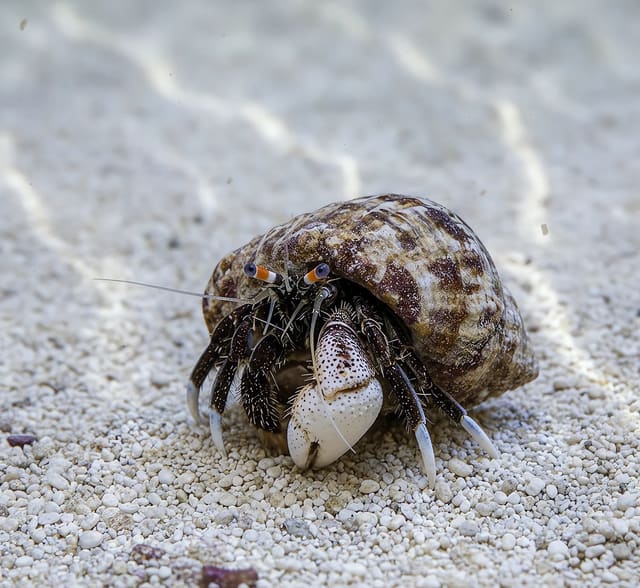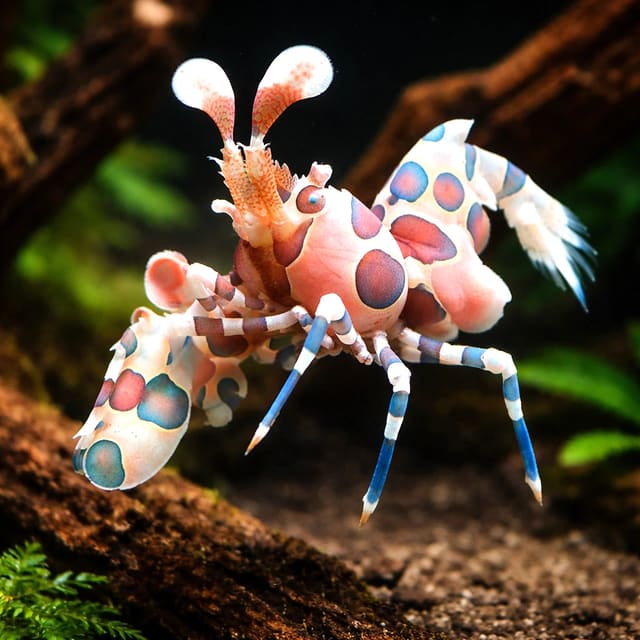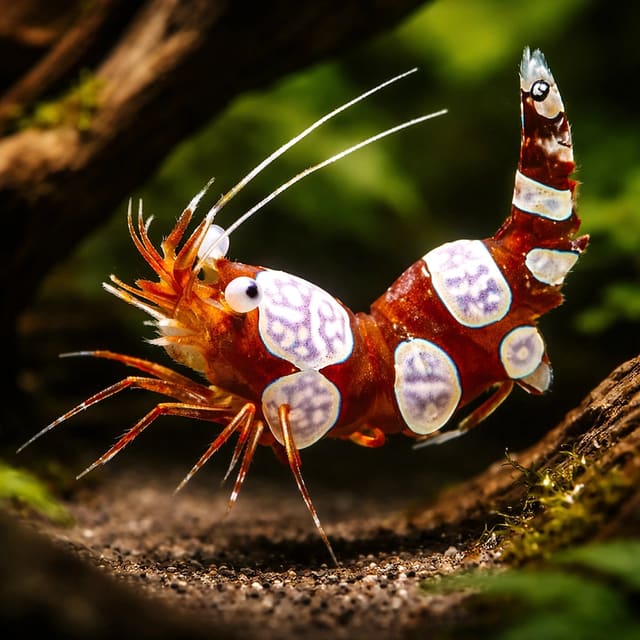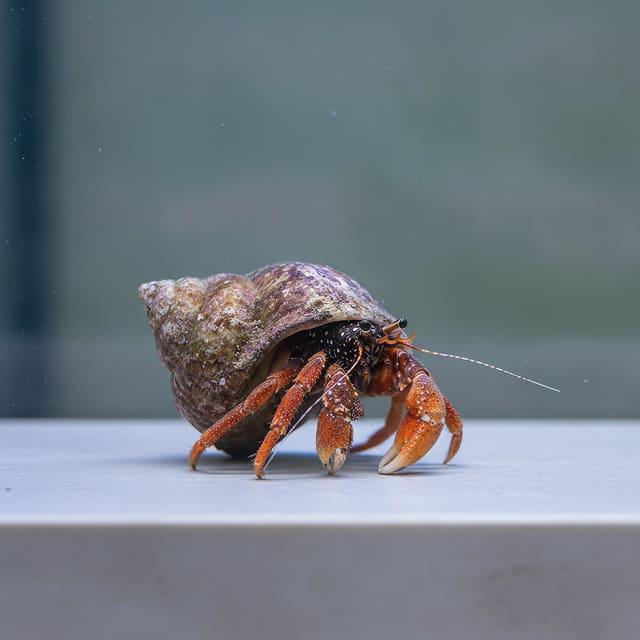
Orangeclaw Hermit Crab (Calcinus tibicen)
24–26°C · pH 7.9–8.3
£8.99
A colourful reef-safe hermit crab that helps tidy algae and detritus in marine aquariums.
Adult size is the maximum length this species reaches at full maturity (scientific sources). The livestock you receive will be younger and smaller. Product-photo provenance and any image-specific limitations are stated on the listing.
Calcinus elegans
Save when buying more. Each quantity is one shrimp; sex is not guaranteed unless the listing explicitly states it.
Confirm your email, then we’ll send an availability message for this exact item if it returns within 180 days.
This request is only for this product—no newsletter or other promotions. A mail-provider retry may very rarely duplicate the same availability message. Unconfirmed addresses are removed after 48 hours. See our privacy policy.
A colourful reef-safe hermit crab that helps tidy algae and detritus in marine aquariums.
Adult size is the maximum length this species reaches at full maturity (scientific sources). The livestock you receive will be younger and smaller. Product-photo provenance and any image-specific limitations are stated on the listing.
Maintain these water conditions for optimal health and vibrant colors
Hermit Crab (Calcinus elegans), often sold simply as a Hermit Crab, is a striking marine invertebrate prized for its bold colours, busy personality and practical role as part of a saltwater clean-up crew. This species is a true scavenger and algae grazer, constantly exploring rockwork and substrate in search of food. In a well-maintained marine aquarium, it can be an engaging addition that brings movement and interest to the tank while helping to reduce leftover food and detritus.
Calcinus elegans is generally considered reef-safe with caution, although like many hermit crabs it may occasionally pick at very small snails or compete with other invertebrates for shells and food. Providing a selection of empty shells is strongly recommended to reduce shell theft and stress. With stable marine conditions, plenty of hiding places and a varied diet, this species can thrive and become a long-lived part of your aquarium community.
At Tropical Fish Co, we supply healthy marine livestock with a live arrival guarantee and fast UK delivery, so your new hermit crab arrives ready to settle into its new home.
| Care Level | Easy to moderate |
|---|---|
| Temperament | Peaceful to semi-aggressive with other invertebrates |
| Adult Size | Up to 6 cm |
| Minimum Tank Size | 60 litres |
| Temperature | 22–27°C |
| pH | 8.1–8.4 |
| Diet | Omnivore / scavenger |
| Lifespan | 3–5 years, sometimes longer with excellent care |
| Tank Region | Bottom |
Calcinus elegans is found across the tropical Indo-Pacific, including reef flats, lagoons and shallow coastal areas where it lives among coral rubble, rocks and sandy patches. In nature, it spends much of its time foraging over the reef surface, feeding on algae, biofilm, detritus and small organic particles. Its natural environment is warm, well-oxygenated and highly stable, with strong water movement and abundant hiding places.
This species is adapted to a dynamic reef habitat where shells are a limited but essential resource. As it grows, it must move into larger shells, so access to a range of suitable empty shells is a key part of keeping it healthy in captivity. Its active, opportunistic lifestyle makes it a useful and entertaining aquarium inhabitant.
A mature marine aquarium is best for this species. While it is not demanding, it does require stable salinity, good filtration and a well-established biological filter. A minimum tank size of around 60 litres is suitable for a single specimen, though larger systems are always better, especially if you plan to keep a small group as part of a clean-up crew.
Provide plenty of live rock, crevices and shaded areas so the crab can retreat when moulting or resting. Fine sand or mixed substrate is ideal, and the tank should have secure rockwork to prevent collapses caused by climbing or burrowing activity. Moderate water movement and strong oxygenation are beneficial, as with most marine invertebrates.
Stable water quality is essential. Aim for a temperature of 22–27°C, salinity around natural reef levels, and a pH between 8.1 and 8.4. Avoid sudden swings in temperature or salinity, as hermit crabs are sensitive to rapid changes. As with all marine livestock, acclimation should be slow and careful, ideally by drip acclimation, to reduce shock.
Because hermit crabs regularly change shells, always keep a small collection of empty shells in different sizes available. This helps prevent fighting and allows the crab to grow comfortably. A varied shell selection is one of the simplest ways to improve long-term success with this species.
Calcinus elegans is an omnivorous scavenger and will happily consume a wide range of aquarium foods. In the tank it will graze on algae, detritus and leftover meaty foods, but it should not be relied upon to survive on leftovers alone. Offer a balanced diet that includes marine pellets, algae wafers, frozen foods such as mysis or chopped seafood, and occasional vegetable matter or dried seaweed.
Feed small amounts once daily or every other day depending on the stocking level of the aquarium and how much natural grazing is available. Remove uneaten food if necessary to maintain water quality. A well-fed hermit crab is less likely to become overly opportunistic with tank mates and more likely to remain active and visible.
Supplementing with calcium-rich foods and maintaining proper marine water chemistry supports healthy moulting and shell growth. As with all crustaceans, moulting is a vulnerable period, so avoid disturbing the crab if it hides for extended periods.
This hermit crab is generally compatible with peaceful marine fish and many reef-safe invertebrates, especially in suitably sized aquariums. Good tank mates include clownfish, gobies, blennies, wrasses that are not overly predatory, cleaner shrimp, peppermint shrimp and other non-aggressive reef inhabitants. It can also work well with other small hermit crabs when the tank is large enough and there are plenty of shells and food sources.
However, caution is advised with very small snails, delicate ornamental shrimp, and other slow-moving invertebrates that may be outcompeted for food or shells. Larger predatory fish may view the hermit crab as prey. Avoid housing it with triggerfish, puffers, large wrasses, hawkfish and other species known to nip crustaceans. In cramped tanks, hermit crabs may become territorial, especially if shell options are limited.
For best results, keep this species in a mature reef or fish-only marine system with stable parameters, plenty of hiding places and a sensible stocking plan. When kept appropriately, it is a useful and attractive member of the clean-up crew.
At Tropical Fish Co, we understand that marine invertebrates need careful handling and reliable shipping. That is why we pack and dispatch livestock with care, backed by our live arrival guarantee and fast UK delivery. We aim to provide healthy, well-conditioned animals that are ready to acclimate into your aquarium.
Whether you are building a reef-safe clean-up crew or adding a splash of colour and personality to your marine tank, Calcinus elegans is a rewarding choice. Order with confidence and enjoy expert support, quality livestock and a smooth online shopping experience from a trusted UK aquatic specialist.
No reviews for this item yet. Bought one? Honest reviews only, good or bad.
What customers say about ordering from us
Easy website plenty of info on fish your buying great to pick a time slot
TRACEY DURRANT · 7 Oct 2026
Got some lovely fish thank you
Kevin Mackie · 7 Oct 2026
Reviews of our shop, collected by Judge.me, an independent third-party review collector. Newest first.