Moderate
Ophiolepis superba - Marine Aquarium Livestock UK
24–26°C · pH 7.9–8.3
£58.99
A bold, reef-tank scavenger with vivid green arms and a fascinating nocturnal nature.
Adult size is the maximum length this species reaches at full maturity (scientific sources). The livestock you receive will be younger and smaller. Product-photo provenance and any image-specific limitations are stated on the listing.
Ophiarachna incrassata
A bold, reef-tank scavenger with vivid green arms and a fascinating nocturnal nature.
Adult size is the maximum length this species reaches at full maturity (scientific sources). The livestock you receive will be younger and smaller. Product-photo provenance and any image-specific limitations are stated on the listing.
Maintain these water conditions for optimal health and vibrant colors
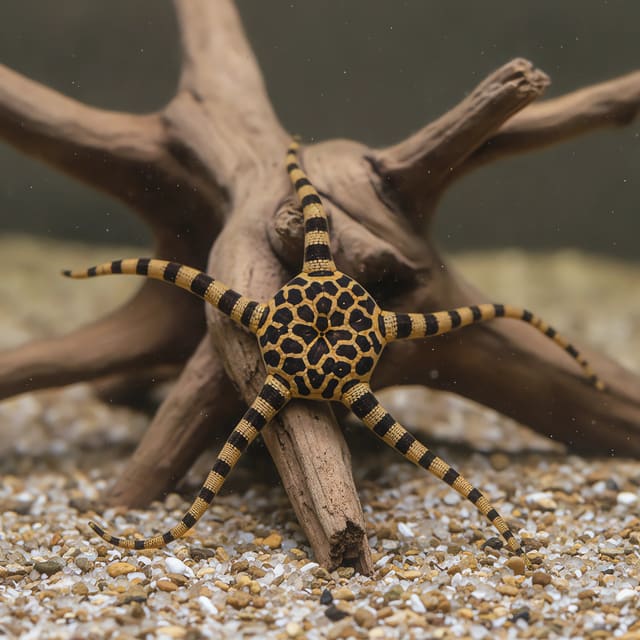
The Green Brittle Star (Ophiarachna incrassata) is a striking marine echinoderm prized for its vivid green, banded arms and highly active, nocturnal behaviour. This large-sized specimen makes an eye-catching addition to mature saltwater aquariums, where it spends much of the day tucked beneath rockwork and emerges at night to forage. Brittle stars are fascinating to watch and play a useful role in the aquarium by helping to process leftover food and detritus.
Although hardy once established, the Green Brittle Star is best suited to aquarists with some marine experience. It requires a stable, well-maintained system with plenty of live rock, hiding places, and a mature biological filter. In the right environment, it can live for many years and become a long-term resident of your reef or marine fish setup. As with all live livestock, we offer a live arrival guarantee and fast UK delivery for peace of mind.
Please note: this species is a predator/scavenger rather than a true reef-cleaner. While many individuals coexist peacefully in fish-only or mixed marine systems, larger specimens may opportunistically take very small fish, shrimp, worms, or other tiny invertebrates if hungry. Careful placement and sensible stocking are important.
| Care Level | Moderate |
|---|---|
| Temperament | Peaceful to opportunistic |
| Adult Size | Up to around 30 cm arm span or more |
| Minimum Tank Size | 200 litres+ |
| Temperature | 22–26°C |
| pH | 8.1–8.4 |
| Diet | Omnivorous scavenger; meaty marine foods, leftover food, detritus |
| Tank Region | Bottom |
Ophiarachna incrassata is found in tropical Indo-Pacific waters, where it inhabits coral reefs, rubble zones, lagoons, and sheltered rocky areas. In nature it hides deep within crevices during the day and extends its long arms to capture food at night. Its body plan is perfectly adapted for life among rocks and coral, with flexible arms that allow it to move quickly and efficiently across uneven surfaces.
This species is often associated with reef slopes and sheltered habitats where there is plenty of cover and a steady supply of organic material. Understanding this natural behaviour is key to successful aquarium care: it needs secure hiding places, subdued lighting in some areas, and a calm environment where it can forage without stress.
A mature marine aquarium is essential. Green Brittle Stars do best in systems with stable salinity, excellent filtration, and plenty of live rock to create caves and overhangs. A sand bed is beneficial but not essential; what matters most is rockwork with gaps and shaded areas where the star can retreat. Avoid sharp or unstable decorations that could trap or damage its arms.
Because brittle stars are sensitive to sudden changes in water chemistry, acclimation should be slow and careful. Drip acclimation is strongly recommended. Once introduced, keep water quality consistent and avoid large swings in temperature, salinity, or pH. Regular testing and routine maintenance are important, especially in reef tanks where calcium, alkalinity, and magnesium levels may also fluctuate.
Ideal conditions include a temperature of 22–26°C, pH 8.1–8.4, and a specific gravity typical of marine reef systems (around 1.023–1.026). Strong, direct flow is not necessary, but good circulation helps prevent detritus build-up and supports overall tank health. Provide dim areas and plenty of shelter so the brittle star can remain hidden during the day if it chooses.
As a bottom-dwelling scavenger, this species should not be kept in very small aquariums or newly set-up tanks. A minimum of 200 litres is recommended, with larger systems preferred for long-term stability and compatibility with other livestock.
Green Brittle Stars are opportunistic omnivores and will scavenge a wide range of marine foods. In the aquarium they will often feed on leftover meaty foods, sinking pellets designed for marine invertebrates, chopped prawns, mysis shrimp, krill, mussel, clam, and similar seafood-based items. They also consume detritus and organic waste, which makes them useful members of the clean-up crew.
Do not rely on scraps alone if the tank is sparsely stocked. Offer targeted feeding 1–3 times per week, especially in cleaner systems. Use feeding tongs or place food near the star’s arms after lights out, when it is most active. A well-fed brittle star is less likely to investigate tank mates, so regular feeding is important for compatibility.
Remove uneaten food if necessary to maintain water quality. As with all marine invertebrates, avoid copper-based medications and ensure any foods are marine-safe.
This species is generally peaceful towards fish and larger, robust tank mates, but it should be treated with caution around very small or delicate livestock. It is best kept with medium to large marine fish that are not easily swallowed or harassed. Suitable companions include clownfish, tangs, wrasses of appropriate size, gobies that are not tiny, blennies, dwarf angels, and many reef-safe fish species.
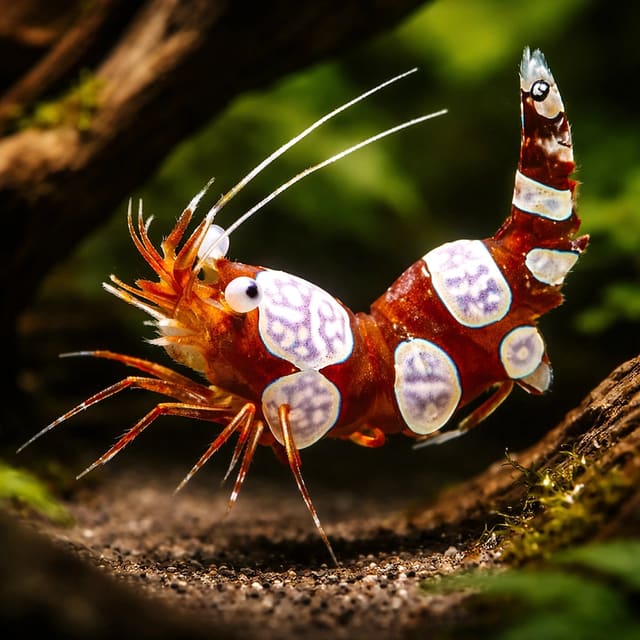
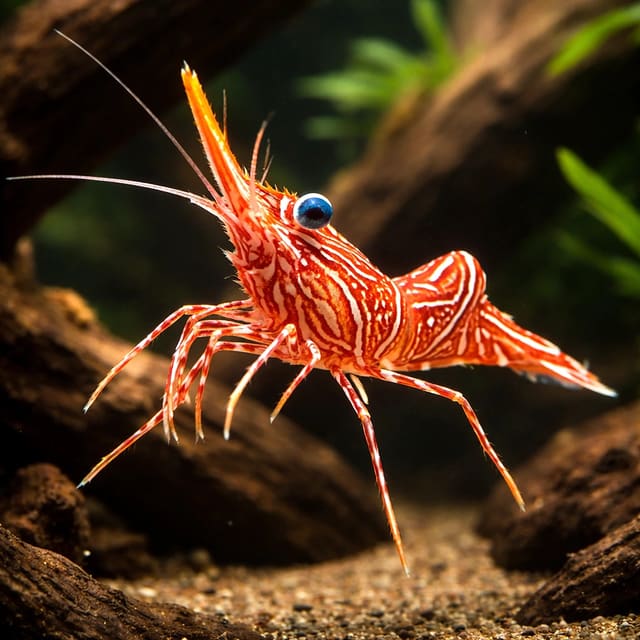
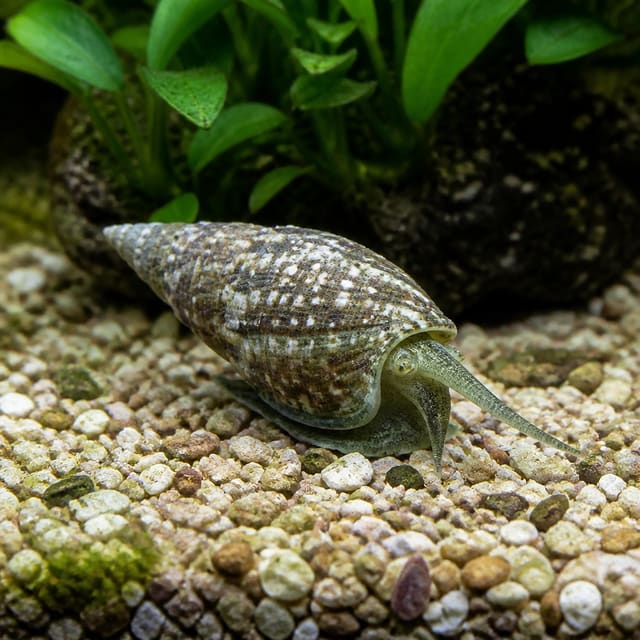
Be careful with ornamental shrimp, tiny gobies, small snails, feather dusters, baby fish, and other miniature invertebrates, as a hungry Green Brittle Star may opportunistically prey on them. It is also wise to avoid keeping it with highly prized microfauna or very small crustaceans in a nano reef. In a well-fed, mature aquarium it can be a fascinating and mostly non-disruptive resident, but it is not the best choice for systems focused on very small invertebrates.
For best results, house it in a stable community marine tank with plenty of rockwork and regular feeding. If you are unsure whether your current livestock is suitable, choose tank mates that are larger than the star’s mouth disc and unlikely to rest within its reach.
At Tropical Fish Co, we take pride in supplying healthy, responsibly sourced marine livestock with expert care from our holding systems to your home. Your Green Brittle Star is packed and dispatched with care, backed by our live arrival guarantee and fast UK delivery, so you can order with confidence.
We understand the needs of marine aquarists and aim to provide livestock that is accurately identified, well-conditioned, and ready for acclimation. Whether you are building a reef-safe clean-up crew or adding a captivating nocturnal invertebrate to a mature marine display, our team is here to help you choose the right animals for your setup.
With careful husbandry, stable water conditions, and thoughtful tank mate selection, the Green Brittle Star can become a long-lived and rewarding addition to your saltwater aquarium.
No reviews for this item yet. Bought one? Honest reviews only, good or bad.
What customers say about ordering from us
Easy website plenty of info on fish your buying great to pick a time slot
TRACEY DURRANT · 7 Oct 2026
Got some lovely fish thank you
Kevin Mackie · 7 Oct 2026
Reviews of our shop, collected by Judge.me, an independent third-party review collector. Newest first.