Moderate
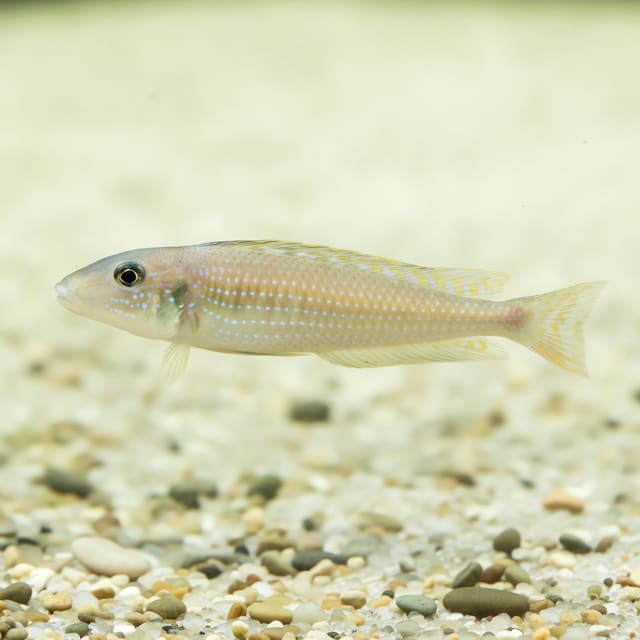
Xenotilapia spilopterus kipille
23–27°C · pH 8–8.6
£40.99
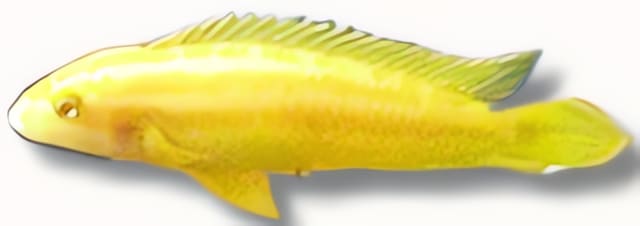
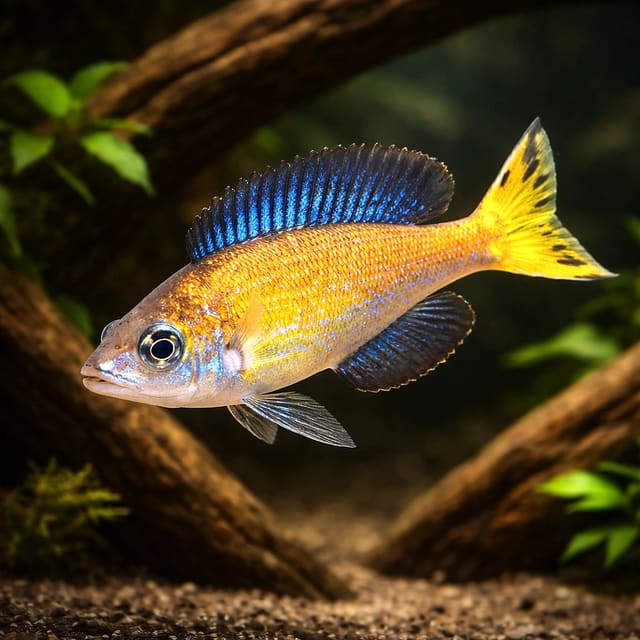
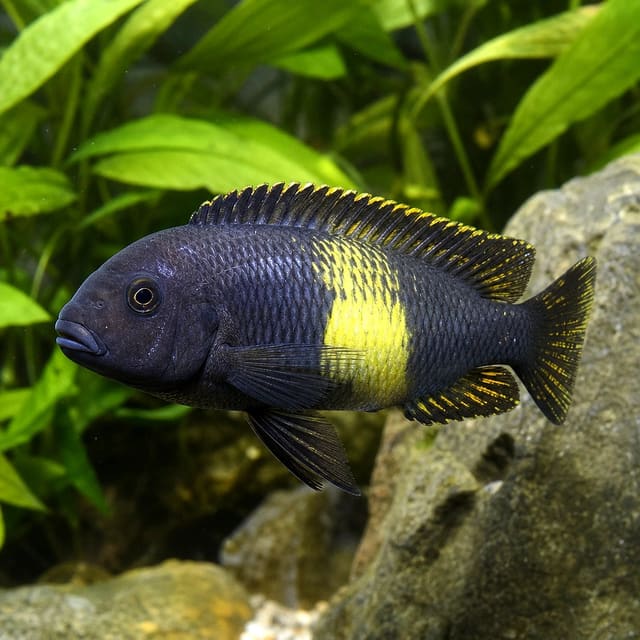
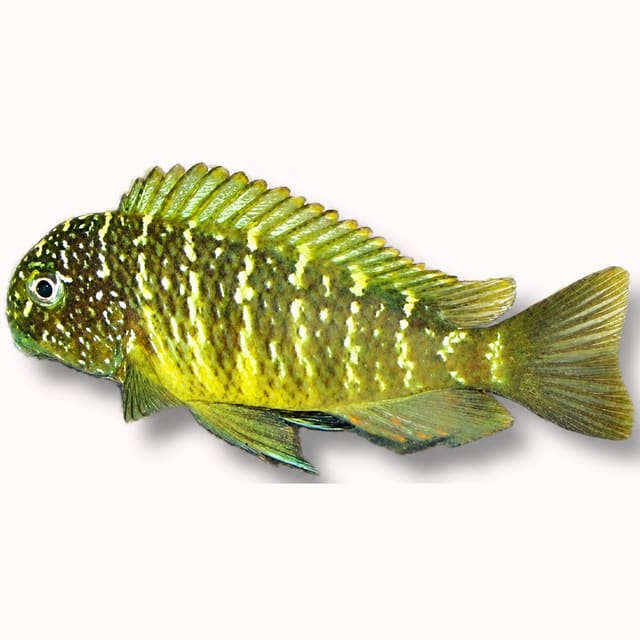
Moshi Yellow Petrochromis (Petrochromis sp.) is a yellow Lake Tanganyika cichlid, sold as one live fish supplied at 4–5 cm. It needs a large, fully matured aquarium, hard alkaline water within OATA’s group guidance of 23–27°C and pH 8.0–8.6, and companions from the same lake rather than Malawi cichlids.
Petrochromis sp.
Save when buying multiple fish. Each quantity is one fish; sex and pair formation are not guaranteed unless the selected variant explicitly states them.
Moshi Yellow Petrochromis (Petrochromis sp.) is a yellow Lake Tanganyika cichlid, sold as one live fish supplied at 4–5 cm. It needs a large, fully matured aquarium, hard alkaline water within OATA’s group guidance of 23–27°C and pH 8.0–8.6, and companions from the same lake rather than Malawi cichlids.
Cichlids are a family of roughly 1,800 accepted species, not one care type. Before buying, identify the exact species and source, then compare adult measurement, usable tank dimensions, social system, territory, tested water, diet and an exit plan. No family-wide minimum tank, water range or tank-mate list is safe.
Maintain these water conditions for optimal health and vibrant colors
Moshi Yellow Petrochromis (Petrochromis sp.) is a yellow trade form of a Lake Tanganyika cichlid, and one purchase brings you one live fish supplied at 4–5 cm. It belongs in a large, fully matured aquarium with hard, alkaline water and companions drawn from the same lake. If your plans involve a mixed tropical community, soft water or a Malawi cichlid tank, this is the wrong fish for that setup.
The name pairs the genus with a trade name rather than a scientific species name. The exact species has not been identified, so the care advice here follows the genus Petrochromis and its care group. FishBase’s list of Petrochromis species records eight described species in the genus, and this yellow form has not been matched to any one of them. That is why the scientific label on this page reads Petrochromis sp., with “moshi yellow” kept outside it as the trade name.
You receive one live fish per purchase. The 4–5 cm figure is its size at dispatch, and it is not a guide to the length the fish will reach. Because the species is unconfirmed, we can’t promise an adult length, so buy the aquarium for the fish it will become rather than the fish that comes out of the bag.
Sex is guaranteed only when the selected option explicitly states male or female. This Petrochromis moshi yellow listing has no sex-guaranteed option. Plan your stocking around individual fish rather than an expected pair.
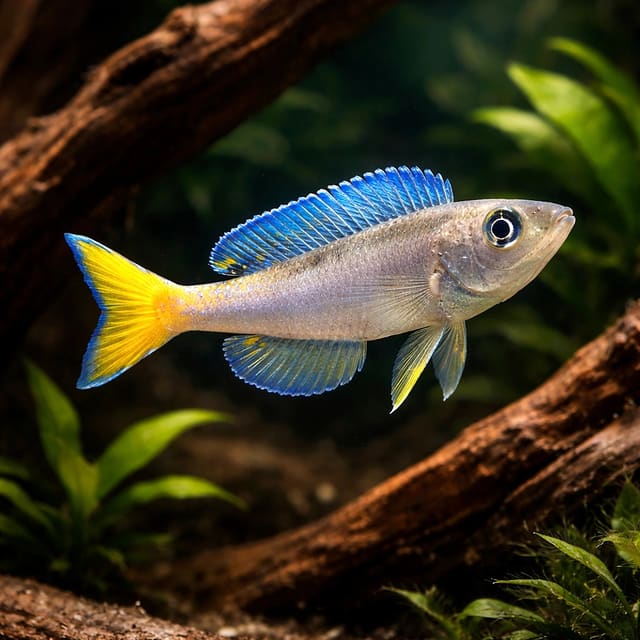
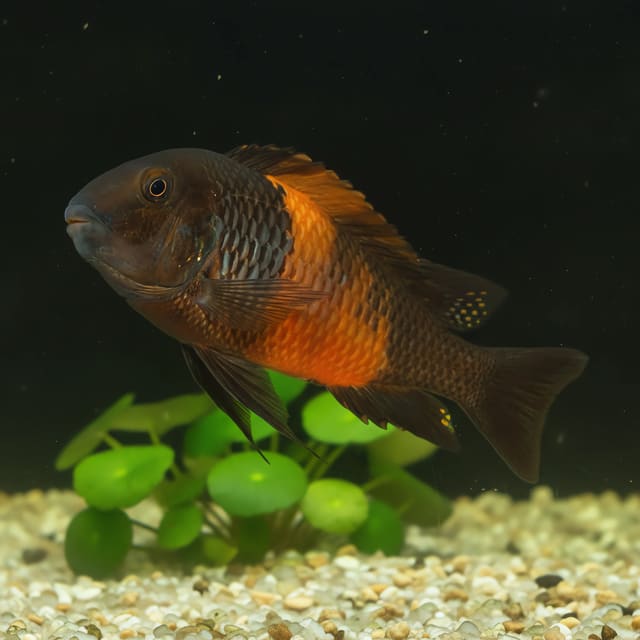
Gallery images have been digitally enhanced to improve image quality. Natural colour, pattern, size and maturity can vary between live animals.
| Suits | Keepers with a large, mature Lake Tanganyika aquarium, or the space and patience to build one |
|---|---|
| Water | Hard and alkaline: OATA’s African lake cichlid range is 23–27°C, pH 8.0–8.6 and 12–18°dH general hardness |
| Companions | Species from Lake Tanganyika only; OATA advises against mixing Malawi and Tanganyikan cichlids |
| Numbers | Plan it into a group or community, because very few African lake cichlids do well kept singly |
| Not suited to | New, unmatured tanks, soft-water community aquariums and Malawi cichlid setups |
| Scientific label | Petrochromis sp., identified to genus |
|---|---|
| Family | Cichlidae |
| Lake group | Lake Tanganyika cichlids |
| Supplied at | 4–5 cm |
| Adult length | Unconfirmed for this trade form, so allow generous space |
| Carbonate hardness | 10–15°dKH in OATA’s African lake cichlid range |
| Ammonia and nitrite | Zero |
| Nitrate | No more than 20 mg per litre above your tap water |
Some parts of Lake Tanganyika cichlid care hold across the whole group, and some depend on the species. The hard, alkaline water, the mature and well-filtered aquarium and the rule of keeping fish from one lake together apply here in full. The parts that depend on the species include adult size, diet and how many fish to keep together, and those are the decisions to make cautiously with this fish: more space than you think you need, a diet agreed with us before you buy food, and a stocking plan settled before you add a second fish.
None of that makes the fish harder to look after day to day. It simply means doing more of the planning before the order rather than after it arrives. If you already keep Lake Tanganyika cichlids, have your tank size and a list of your current fish ready when you talk to us; that is the quickest way to judge whether this Petrochromis will fit.
The OATA care sheet on how to look after African lake cichlids gives one general rule for tank size: within reason, buy an aquarium as large as possible. Its own examples show how far the needs spread across these lakes. A pair of the smallest shell-dwelling cichlids needs an aquarium at least 45 cm long, while frontosa need one of about 180 cm, and may need more space again as they grow, to accommodate their territories.
For this Petrochromis, read those two examples as the ends of a scale rather than as targets. With the adult length unconfirmed, planning from the small end risks having to rehouse the fish later, and moving an established fish into a new tank is a disruption in itself. A bigger aquarium also brings stability: OATA points out that the larger the aquarium, the more stable temperature and water quality will be.
OATA gives its examples as aquarium length, so compare tanks by their length and footprint first and by their height second. A long tank gives you more floor for décor, more water for the filter to work with and more room to add companions over time.
OATA recommends a fine coral sand or a similar substrate to buffer the water. It supports the hard, alkaline conditions set out in the water section below, but it doesn’t replace testing: you still need to measure pH and hardness every week and act on what the readings tell you.
OATA’s advice on aggression doubles as a design brief. Re-arranging the aquarium décor can help to reduce aggression as fish find new territories, so build the layout from pieces you can lift out and reposition without dismantling the whole tank. Keep a clear idea of how the layout could change before the first fish goes in; that makes it far easier to act quickly if one fish starts to bully another.
OATA’s temperature range for African lake cichlids is 23–27°C. In most UK homes that means running a reliable aquarium heater, with a thermometer you can read at a glance, so a fault is spotted before the water drifts outside that range.
Set the aquarium up and mature the filter well before you order. Our guide to setting up and maturing a tropical tank walks through the process step by step. OATA’s check before any fish is added is straightforward: ammonia and nitrite must both read zero, and the tank must be the right size for the number of African lake cichlids you plan to keep.
OATA describes African lake cichlids as specialised fish that need particular water parameters. The table gives the figures from its care sheet. They are a general guide for African lake cichlids as a group rather than measured requirements for this unidentified Petrochromis, so treat them as the envelope your water should stay inside.
| Measure | OATA African lake cichlid range |
|---|---|
| Temperature | 23–27°C |
| pH | 8.0–8.6 |
| General hardness (GH) | 12–18°dH, which is hard |
| Carbonate hardness (KH) | 10–15°dKH, which is hard |
| Ammonia | Zero mg per litre |
| Nitrite | Zero mg per litre |
| Nitrate | No more than 20 mg per litre above normal tap water levels |
If any of these terms are new to you, our guide to which aquarium water values to test and why explains each one in more depth.
Test the tap water you will use for water changes before you commit to this fish. Then enter your readings in our water parameter matcher to see how they compare with the range above. If the tap is already hard and alkaline, a buffering substrate and steady routine may be most of the work. If it is soft or acidic, decide how you will raise and hold pH and hardness before the fish is ordered, and prepare every batch of change water in the same way so the aquarium does not swing from week to week.
OATA stresses that good husbandry is essential, because African lake cichlids can be stressed by even the smallest amounts of ammonia. Ammonia comes from the fish themselves and from food that is left to rot, and it builds quickly in a tank that is overstocked, overfed or stocked too fast. Testing at least once a week is OATA’s minimum, and it is worth testing more often in the weeks after any new fish goes in.
The RSPCA puts it plainly: no fish should be kept in a tank without a well set up and maintained filter. Its guidance on the aquarium environment explains why. Fish release ammonia into the water, which is toxic; a working biological filter grows beneficial bacteria that convert ammonia to nitrite, which is also toxic, and then to nitrate, which is safer.
OATA goes further for African lake cichlids. Because some of their communities are kept crowded, it recommends installing an oversized filter, together with vigorous aeration so there is enough dissolved oxygen in the water. For a Petrochromis whose final size is unknown, size the filter for the finished community rather than the first few fish.
| When | What to do |
|---|---|
| Every feed | Look over each fish and check the thermometer |
| Every week | Test the water, change 25% and check the filter for blockages |
| When the filter needs cleaning | Rinse the media lightly in removed tank water |
| After adding fish | Test more often while the filter catches up |
| If aggression flares | Re-arrange the décor so territories are re-drawn |
When the filter does need cleaning, don’t run the media under the tap. Any chlorine or chloramine present may kill the beneficial bacteria that have established in it. Rinse the media lightly in the tank water you have just removed during a water change; this reduces the number of bacteria that are lost and keeps the filter working.
OATA advises increasing the number of fish slowly, because the bacteria established when the filter was matured need to increase every time more fish are added and feeding goes up. Overstocking, or stocking too quickly, can lead to “new tank syndrome”: there are not enough nitrifying bacteria to cope with the extra waste, ammonia and nitrite rise to unhealthy levels, and fish may become ill or die.
That sits alongside OATA’s note that some African lake cichlid communities are deliberately stocked a little more heavily to spread aggression. The two fit together only when the filter is oversized, the aeration is strong and new fish are added in stages, with a test after each addition.
Diet varies a great deal between Lake Tanganyika cichlids, and OATA’s care sheet shows the spread. Herbivorous species such as tropheus appreciate specialised cichlid feeds with a high algae content, together with fresh vegetables. Some of the larger, more predatory species are carnivorous, and they need pellets with a higher animal content plus frozen foods such as brine shrimp, prawns or cockles.
Those are two very different ways to feed a cichlid. OATA’s advice is to ask your retailer for feeding advice matched to the species, and with this fish that step matters more than usual: because it has not been matched to a named species, its label alone can’t tell you which way to go. Talk to us about its diet before you buy a staple food, and build its menu from that conversation rather than from a general-purpose cichlid mix.
OATA’s guidance for African lake cichlids is to feed only what the fish can eat within a few minutes, twice a day. Take care not to overfeed: uneaten food breaks down and releases toxic waste into the water, which works directly against the stable, clean conditions these fish depend on.
Feeding is the best moment of the day to look at every fish in the tank. OATA lists a change in feeding, whether reduced intake or a lack of interest in food, among the early signs that something is wrong. In a cichlid community, also watch that the newest or smallest fish is getting its share and is not being pushed away from the food.
OATA describes healthy fish as having clear, bright eyes, undamaged fins, intact scales and no ulcerations or bumps. Use that description as your baseline on arrival day, and compare against it every time you feed.
All fish vary slightly in behaviour and appearance, but OATA’s watch list covers the changes that tend to come before a real health problem:
If you are concerned about any fish, OATA’s first step is to test your water quality. Ammonia, nitrite, nitrate, pH and hardness readings tell you whether the environment has shifted, and OATA is clear that these cichlids can be stressed by even the smallest amounts of ammonia. Then get in touch with us with your readings and a description of what you have seen.
Most of what keeps a Lake Tanganyika cichlid healthy has already been covered: a matured, oversized filter, strong aeration, weekly testing and water changes, careful feeding and slow, planned stocking. Keep a simple log of your weekly readings. A slow trend, such as pH creeping down or nitrate creeping up, is far easier to correct than a sudden crisis.
Your fish is hand-bagged in pure oxygen and packed in an insulated poly box, with a heat pack when the weather calls for it, then carried on a tracked service by a licensed live-animal courier. We email you the tracking number and the confirmed delivery date, so you know when to be at home. The full terms are on our delivery and Live Arrival Guarantee page.
The Live Arrival Guarantee depends on those conditions: someone at the address to receive the parcel, the parcel opened and inspected the same day it arrives, and a continuous unboxing video that begins with the parcel still sealed.
Once the fish is in, OATA’s advice on introductions takes over. Build the community up slowly, because the filter’s bacteria need to catch up each time fish are added and feeding increases. If this Petrochromis is joining fish that are already settled, re-arranging the décor as it goes in can help, since OATA notes that doing so reduces aggression as fish find new territories.
OATA’s general rule for African lake cichlids is that they should only be stocked with other species from the same location, such as a Lake Tanganyika community. It does not generally recommend mixing Malawi and Tanganyikan cichlids, because of differences in their temperaments and behaviours. For this fish, that rules out Malawi cichlids and any fish from outside Lake Tanganyika.
Coming from one lake doesn’t make fish interchangeable. OATA’s examples of popular Tanganyikan cichlids include julies, fairy cichlids, tropheus and frontosa, and its size examples run from small shell-dwellers that grow to 6 cm up to frontosa that can grow to over 30 cm. These fish vary in size and temperament, so research each species’ compatibility before it goes on your list.
Our African cichlid collection brings together fish from more than one lake, so check which lake each species comes from before you shortlist it as a companion for this Petrochromis.
OATA notes that very few, if any, African lake cichlids do well when kept singly, and a fish on its own is likely to become stressed. How many you keep, though, depends on the species. With this Petrochromis unmatched to a named species, agree the numbers with us before you order more than one, and size the aquarium for the whole group you intend to keep rather than the single fish you start with.
OATA sets out several practical ways to keep aggression in check within an African lake cichlid community:
The peaceful-first rule above raises a practical question for this fish. Where this Petrochromis fits in that order depends on how its temperament compares with the fish you already keep or plan to keep. Tell us what is in the tank, or on your list, before you order, and we can talk through where it fits.
Slight overstocking only works with the filtration and water-change routine in the care section behind it, so treat the two as one plan.
We can’t promise an adult length, because this trade form has not been matched to one of the named Petrochromis species. Allow for growth and choose an aquarium with plenty of room to spare rather than one sized for the fish in the bag.
OATA’s advice for African lake cichlids is to buy the largest aquarium you reasonably can. Its examples run from at least 45 cm long for a pair of the smallest shell-dwellers to about 180 cm for frontosa, so with the adult length unknown, plan from the generous end of that scale.
OATA notes that very few, if any, African lake cichlids do well when kept singly, and a lone fish is likely to become stressed. The right number depends on the species, so agree a stocking plan with us before ordering more than one.
OATA describes African lake cichlids as usually undemanding once their water needs are met. The challenge here is the setup: a large, fully matured aquarium, hard alkaline water and a planned Lake Tanganyika community, all in place before the fish arrives.
Diets differ widely between Lake Tanganyika cichlids, from algae-rich herbivore foods to meatier pellets and frozen foods for predatory species. Talk to us about this fish’s diet before choosing a staple, then feed only what it eats within a few minutes, twice a day.
OATA’s group guidance for African lake cichlids is 23–27°C, pH 8.0–8.6, general hardness of 12–18°dH and carbonate hardness of 10–15°dKH, with ammonia and nitrite at zero and nitrate no more than 20 mg per litre above your tap water.
Temperament varies between African lake cichlids, so manage the community with OATA’s methods: add more peaceful species first and more aggressive ones later, stock some species slightly more heavily so no weaker fish is singled out, and rearrange the décor if trouble starts.
Keep it only with species from Lake Tanganyika, and research each one’s adult size and temperament first. OATA does not generally recommend mixing Malawi and Tanganyikan cichlids, because their temperaments and behaviours differ.
It is hand-bagged in pure oxygen inside an insulated poly box, with a heat pack when the weather calls for it, and carried by a tracked, licensed live-animal courier. Be at home to receive it, film a continuous unboxing video from the sealed parcel onwards, then float the bag for 20–30 minutes and never pour the bag water into your tank.
No reviews for this item yet. Bought one? Honest reviews only, good or bad.
What customers say about ordering from us
Easy website plenty of info on fish your buying great to pick a time slot
TRACEY DURRANT · 7 Oct 2026
Got some lovely fish thank you
Kevin Mackie · 7 Oct 2026
Reviews of our shop, collected by Judge.me, an independent third-party review collector. Newest first.