Advanced
Xenotilapia melanogenys — Kigoma
24–27°C · pH 7.5–9 · 137L
£40.99
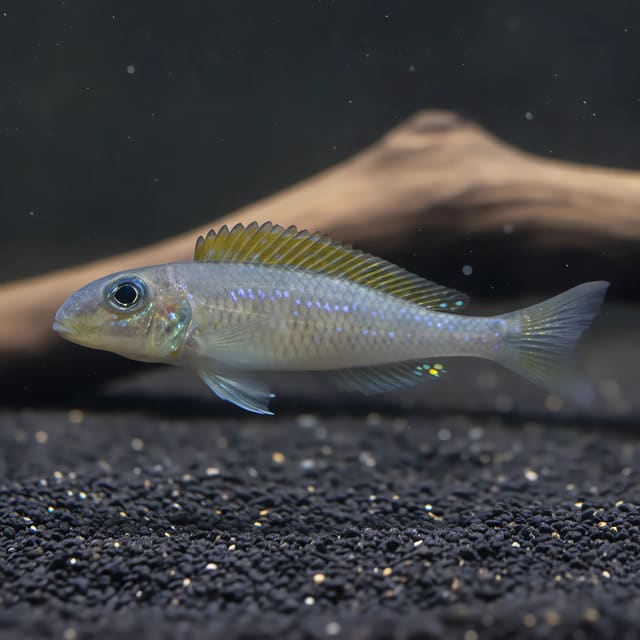
The Xenotilapia spilopterus kipille (Xenotilapia spilopterus) is a Lake Tanganyika cichlid from the southern part of the lake that reaches 9.6 cm. It suits an intermediate keeper planning a social Tanganyikan aquarium at 23–27°C, pH 8.0–8.6 and 12–18°dH, using OATA’s African lake cichlid guidance. Sold individually at a dispatch size of 4–5 cm.
Adult size is the maximum length this species reaches at full maturity (scientific sources). The livestock you receive will be younger and smaller. Product-photo provenance and any image-specific limitations are stated on the listing.
Xenotilapia spilopterus
Save when buying multiple fish. Each quantity is one fish; sex and pair formation are not guaranteed unless the selected variant explicitly states them.
The Xenotilapia spilopterus kipille (Xenotilapia spilopterus) is a Lake Tanganyika cichlid from the southern part of the lake that reaches 9.6 cm. It suits an intermediate keeper planning a social Tanganyikan aquarium at 23–27°C, pH 8.0–8.6 and 12–18°dH, using OATA’s African lake cichlid guidance. Sold individually at a dispatch size of 4–5 cm.
Adult size is the maximum length this species reaches at full maturity (scientific sources). The livestock you receive will be younger and smaller. Product-photo provenance and any image-specific limitations are stated on the listing.
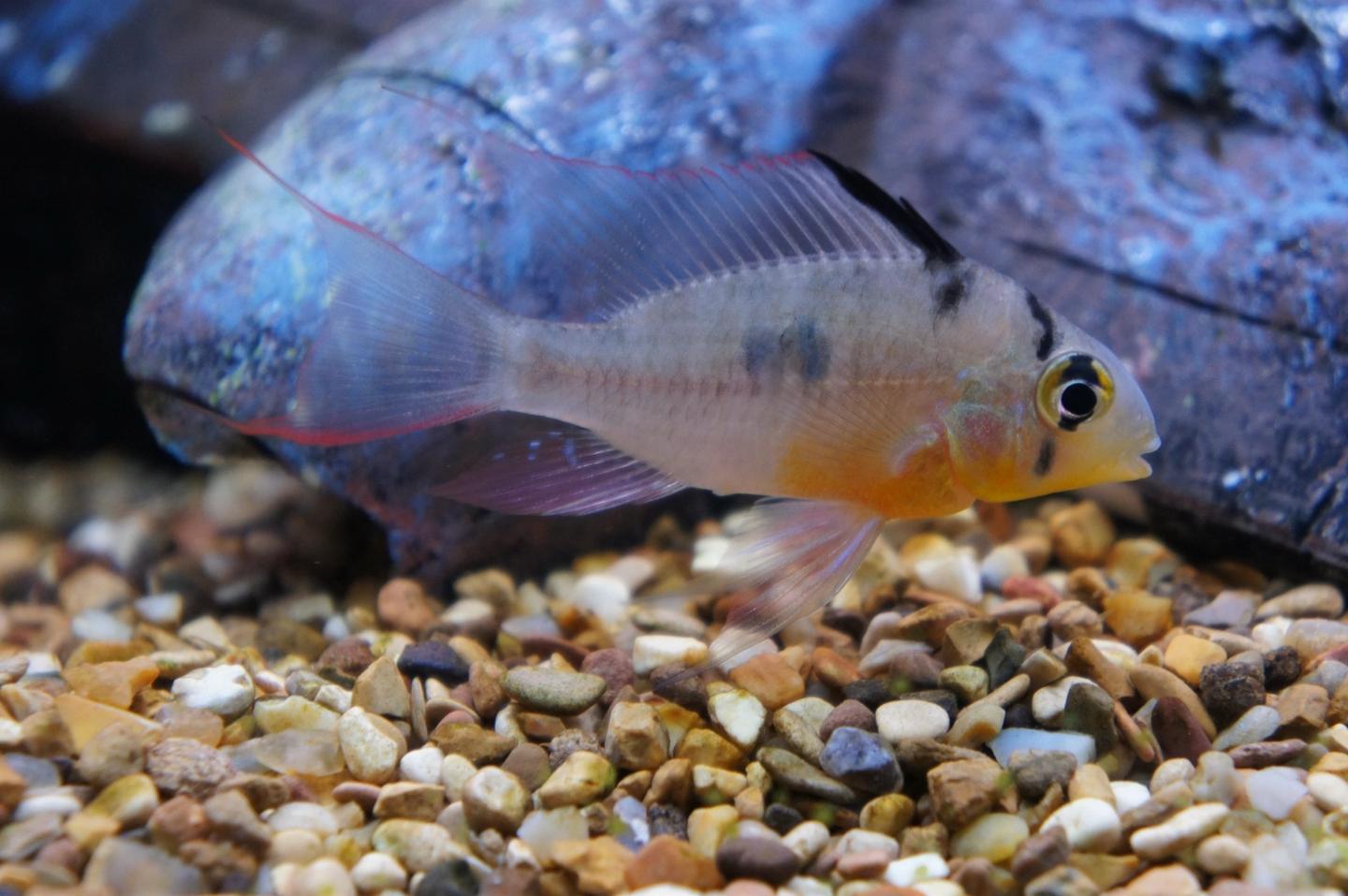
Cichlids are a family of roughly 1,800 accepted species, not one care type. Before buying, identify the exact species and source, then compare adult measurement, usable tank dimensions, social system, territory, tested water, diet and an exit plan. No family-wide minimum tank, water range or tank-mate list is safe.
Maintain these water conditions for optimal health and vibrant colors
Xenotilapia spilopterus kipille (Xenotilapia spilopterus) is a freshwater cichlid from Lake Tanganyika in Africa. FishBase places it in the family Cichlidae and describes it as endemic to the lake, with a wide distribution through its southern part. It reaches a recorded maximum of 9.6 cm total length. This is a suitable choice for an intermediate keeper who can maintain hard, alkaline water and plan a social Tanganyikan community around the fish’s adult needs.
In nature, it lives over sand in intermediate habitat. It lives in groups, sometimes in large schools, and feeds by taking sandy substrate or sediment into its mouth and sifting it through the gills. Its main recorded food is insect larvae, and large schools are only rarely found feeding on zooplankton in mid-water. That combination makes open sand, suitable animal-based food and careful social planning central aquarium decisions rather than decorative extras.
Keep the aquarium at 23–27°C, pH 8.0–8.6 and 12–18°dH. OATA’s broad African lake cichlid guidance gives these figures, together with carbonate hardness of 10–15°dKH. Use a mature, filtered aquarium with zero ammonia and zero nitrite. FishBase lists the species as Least Concern.
| Suits | Not suited to |
|---|---|
| Social Tanganyikan aquarium planning | Being treated as a solitary default |
| Hard, alkaline water | Soft, acidic aquarium conditions |
| An open sandy feeding area | A layout that removes access to sand |
| A mature, well-filtered aquarium | An aquarium without an established filter |
| Carefully screened Tanganyikan companions | Mixing Malawi and Tanganyikan cichlids |
You can also browse our African cichlid collection when comparing different aquarium plans. Treat every species as a separate husbandry and compatibility decision rather than assuming that all African cichlids can share one setup.
Plan for an adult length of 9.6 cm total length. Both FishBase and Wikipedia give that figure for the species. Total length includes the tail, so use the full 9.6 cm when judging swimming space, feeding access and the room required by the social group.
Choose as large an aquarium as practical for those combined requirements. A larger water volume also gives more stability in temperature and water quality. Do not plan a temporary smaller aquarium around the dispatch size; establish the adult arrangement before the fish arrives.
FishBase also describes this species as a biparental mouthbrooder. Do not buy two fish expecting a breeding pair, because no option guarantees a male or a female. Build the aquarium around a social group and compatible community assessment rather than relying on an assumed sex or pair bond.
One purchase supplies one live fish. The dispatch size is 4–5 cm, while the recorded adult maximum is 9.6 cm. The dispatch measurement describes the fish at the point of supply; it is not an adult-size estimate and should not be used to reduce the permanent aquarium plan.
Sex is guaranteed only when the selected option explicitly states male or female. This Xenotilapia spilopterus kipille listing has no sex-guaranteed option. Do not use colour, size or an image to assign sex. Social and space planning must work without relying on a particular sex ratio or a presumed breeding pair.
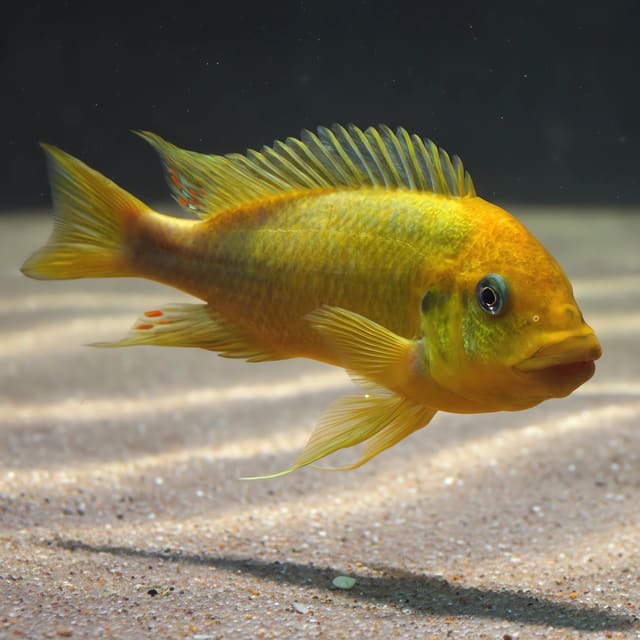
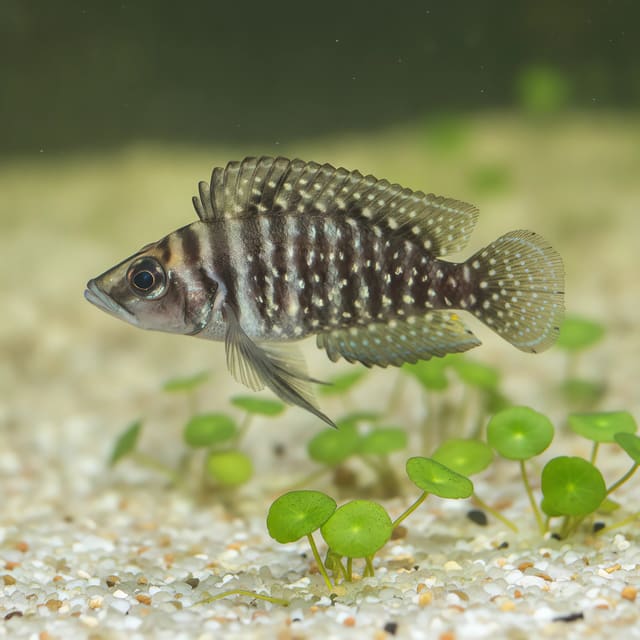
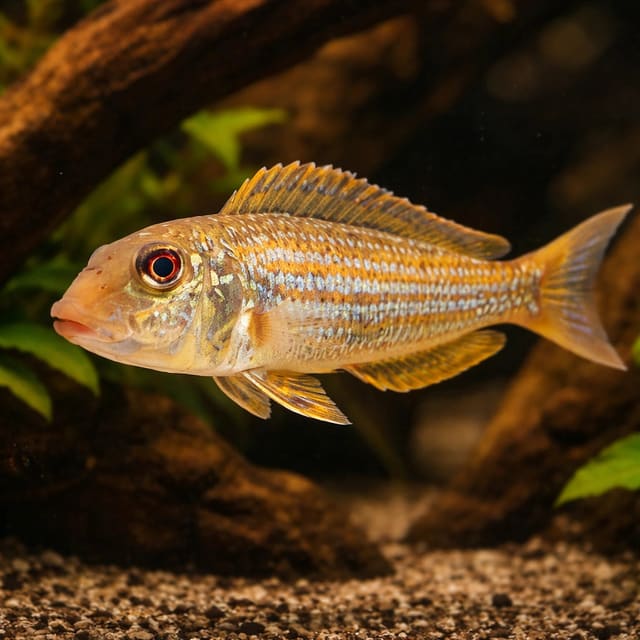
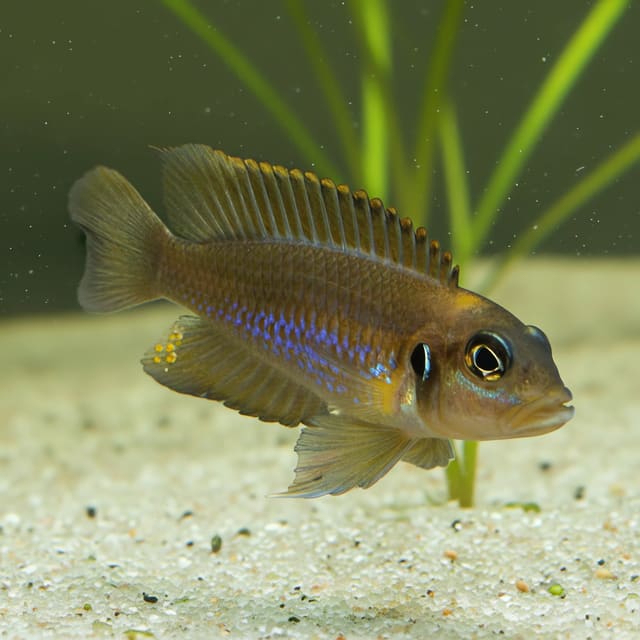
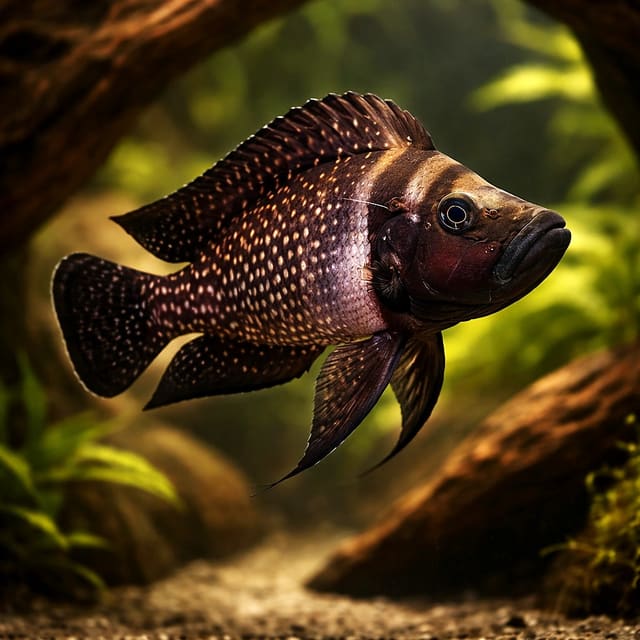
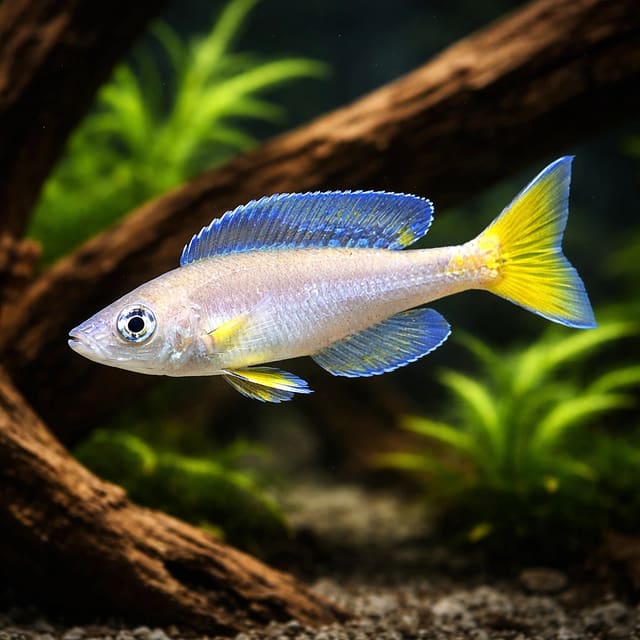
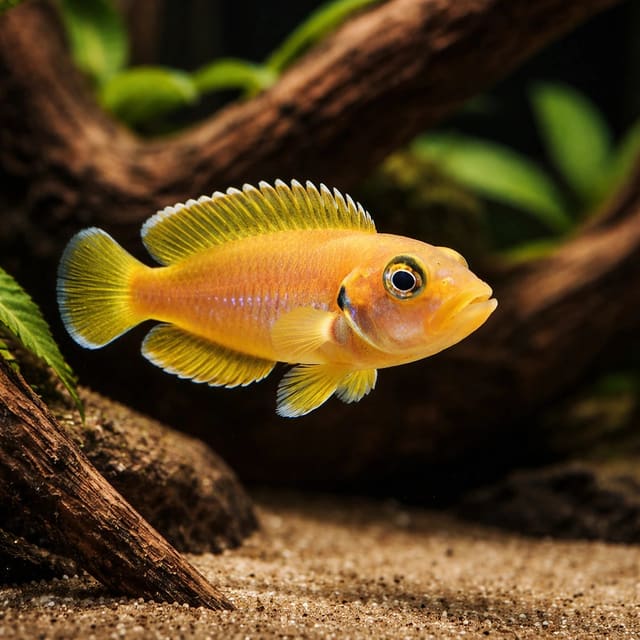
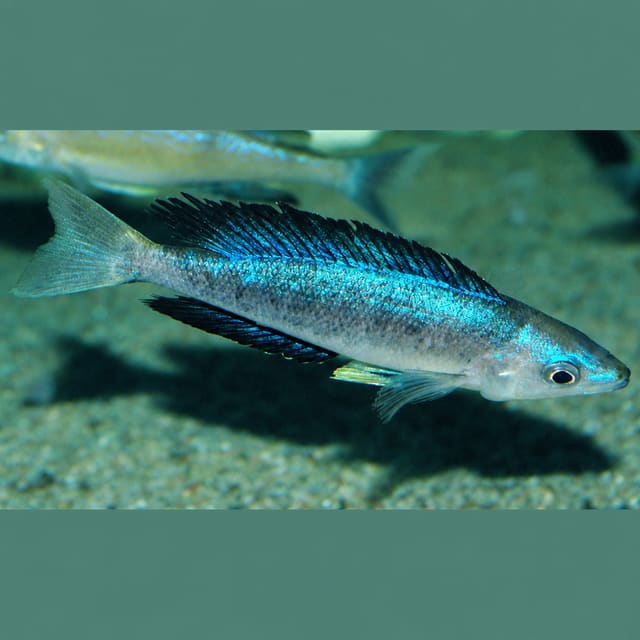
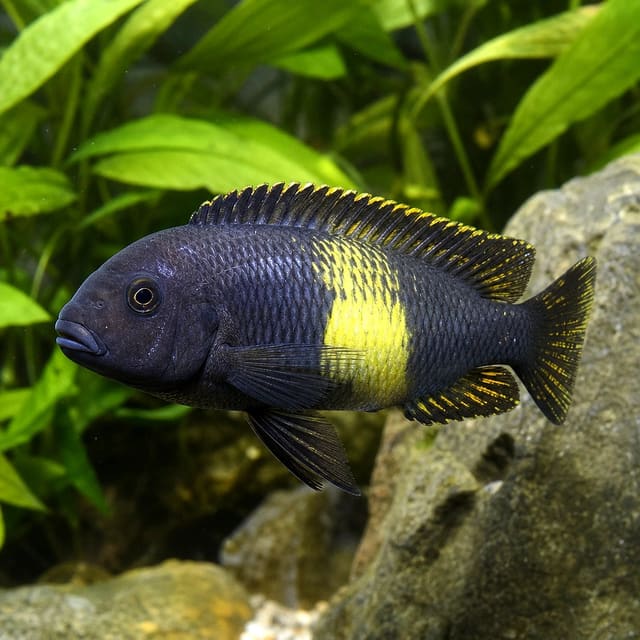
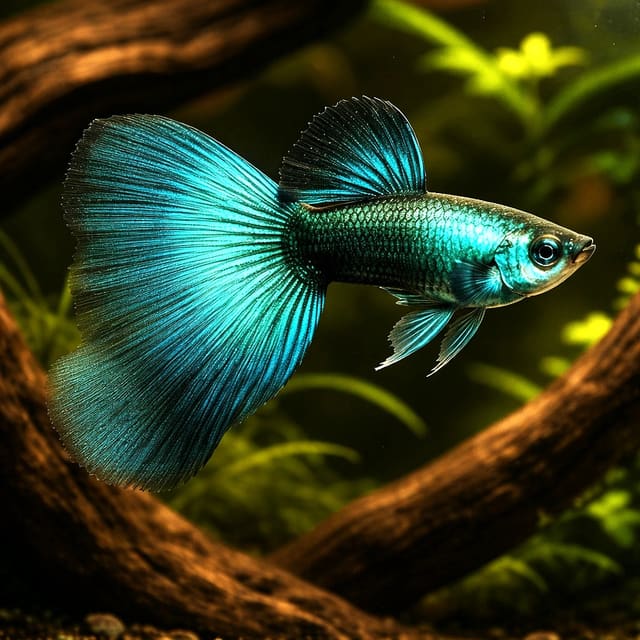
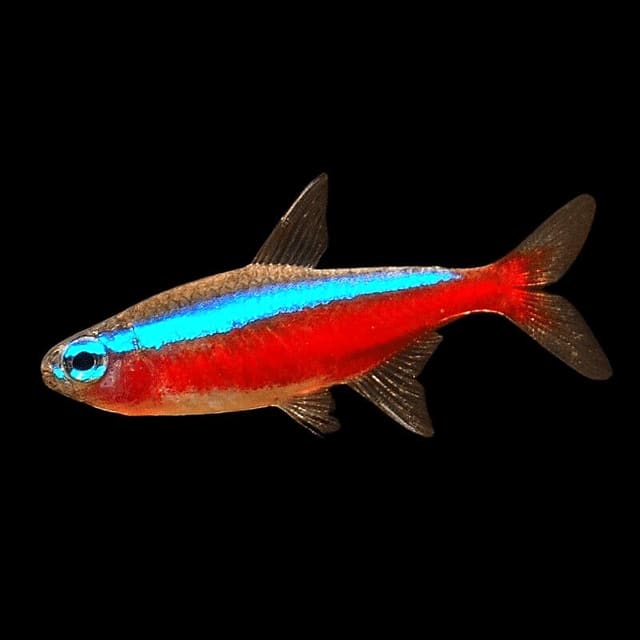
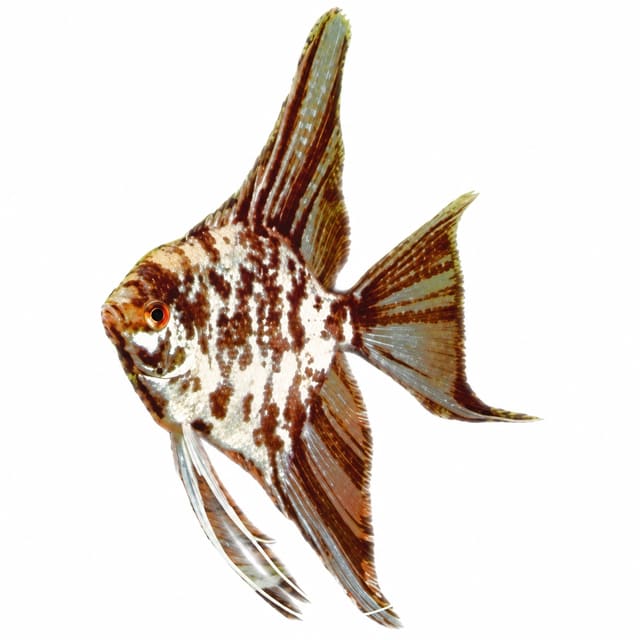
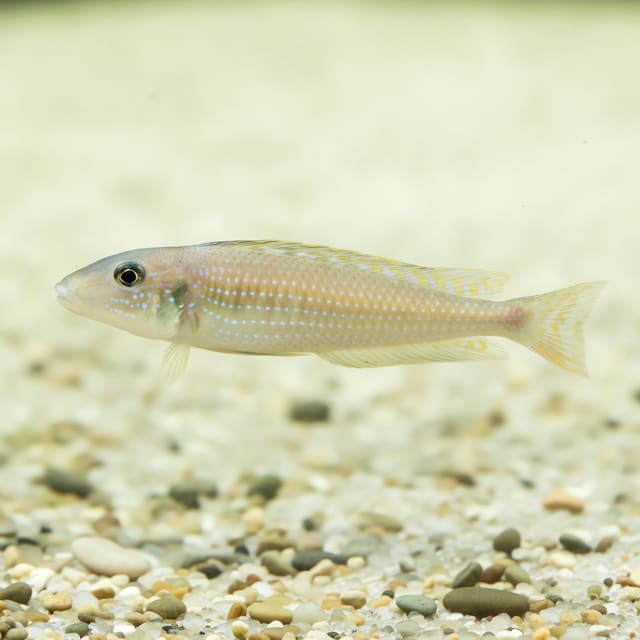
The gallery images are representative of this type of animal rather than photographs of the exact animal supplied, so colours can look slightly different from the live animal.
We class this fish as intermediate because success depends on several linked decisions: maintaining hard alkaline water, preserving the sandy feeding area, planning social stocking without a fixed universal number and screening companions by origin and temperament. A keeper who can measure water chemistry, maintain a mature filter and respond to changes in behaviour has the practical foundation needed for this fish.
Use fine sand as the working part of the habitat, not simply as decoration. FishBase describes Xenotilapia spilopterus living over sand and feeding by scooping substrate or sediment into its mouth before sifting it through the gills. Wikipedia also identifies sandy areas as its preferred habitat. Coarse or inaccessible substrate would remove the surface on which this feeding behaviour depends.
The fish’s modest body length does not turn aquarium planning into a simple centimetres-per-fish calculation. FishBase describes a social sand-dweller, while OATA explains that African lake cichlid group numbers depend on the particular species. The aquarium therefore needs to account for adult size, the intended number of fish, open sand, territories, filtration capacity and the behaviour of every companion.
| Area | Purpose |
|---|---|
| Open fine sand | Allows natural substrate sifting and unobstructed foraging |
| Territory boundaries | Give fish alternatives when settling into the community |
| Clear swimming room | Supports a fish recorded in groups and occasional schools |
| Accessible filter flow | Moves waste towards filtration without replacing maintenance |
Retain a meaningful open section instead of covering every part of the base with décor. Place any territorial features so that they break up the aquarium without enclosing the whole sandy feeding area. The goal is a layout in which several fish can reach food and move away from one another rather than a single narrow route through the aquarium.
OATA recommends fine coral sand or a similar substrate for African lake cichlids. Whichever fine coral sand or similar substrate you choose, maintain the required water values through measurement rather than assuming that substrate alone will hold them. Test the water itself and use the readings to guide preparation and maintenance.
Choose the aquarium after considering the adult length, intended social arrangement and other inhabitants together. OATA advises buying as large an aquarium as practical and notes that larger aquariums provide greater environmental stability. When the final group or companions are still undecided, choose the larger aquarium from the start.
Before adding the fish, inspect the open sand for trapped waste and make sure every intended territory still leaves access to the feeding area. If one fish begins controlling the only usable patch, the layout is not performing its function. Adjust the distribution of décor and reassess stocking rather than simply adding more food to another corner.
Keep the aquarium at 23–27°C, pH 8.0–8.6, general hardness 12–18°dH and carbonate hardness 10–15°dKH. These are OATA’s African lake cichlid planning values. Measure the aquarium rather than judging suitability from clear water or fish behaviour alone.
| Reading | Action |
|---|---|
| Temperature | Keep it within 23–27°C |
| pH | Keep it within 8.0–8.6 |
| General hardness | Keep it within 12–18°dH |
| Carbonate hardness | Keep it within 10–15°dKH |
| Ammonia | Maintain zero mg/l |
| Nitrite | Maintain zero mg/l |
| Nitrate | Do not let it exceed 20 mg/l above the normal tap-water level |
Test the source water and the aquarium because the two readings answer different questions. The source-water result shows what must be prepared before a water change. The aquarium result shows how stocking, feeding, biological filtration and maintenance are affecting conditions. Our water chemistry guide explains what the common aquarium readings mean, while the water matcher helps compare measured values with this range.
Ammonia and nitrite must both be zero before introduction. A reading above zero means the biological system is not safely processing the present waste load. Do not solve that problem by adding the fish and expecting the filter to catch up. Restore safe readings first and review filter maturity, stocking and feeding.
Prepare replacement water with tap-water conditioner before it enters the aquarium so chlorine or chloramine does not damage the fish or biological filter. Match the established aquarium conditions as part of routine preparation. Record the results at each weekly test; a sequence of readings shows whether the system is stable more clearly than one isolated result.
Use a well-set-up and maintained biological filter from the beginning. The RSPCA’s aquarium welfare guidance explains that fish release toxic ammonia and that beneficial bacteria in the filter convert it first to nitrite and then to the safer nitrate. Clear-looking water does not replace that biological process.
Prepare and mature the aquarium before livestock arrives. Our first tropical aquarium guide sets out the preparation sequence. Test the completed system and confirm zero ammonia and zero nitrite before introduction.
Stocking too quickly can produce new tank syndrome when the bacterial population cannot process the increased waste. The resulting ammonia and nitrite can make fish ill or cause death. Add livestock gradually and use test results, rather than elapsed time alone, to judge whether the aquarium remains stable.
Install an oversized filter, as OATA recommends for African lake cichlids because some of their communities need crowded conditions. An oversized filter does not remove the need for water changes or settle compatibility problems. It gives the biological system more capacity, while the keeper must still maintain territories, oxygen, water quality and appropriate social conditions.
If flow falls, check for a blockage before assuming that the entire filter needs aggressive cleaning. Preserve useful bacteria by cleaning only as required and by using removed aquarium water for a light rinse. Restore normal operation promptly and test ammonia and nitrite after any disruption.
Carry out a partial water change of 25% at least once every week. Use a siphon to remove solid waste, paying particular attention to waste resting on or within the open sandy area.
Do not rinse filter media under the tap. Chlorine or chloramine may kill the beneficial bacterial population established in the media. Cleaning in removed aquarium water reduces bacterial loss while allowing accumulated debris to be lifted away.
Test ammonia and nitrite at least once per week and keep both at zero mg/l. Do not let nitrate exceed 20 mg/l above the normal tap-water level. Compare the nitrate result with the source water, because the OATA limit is expressed relative to that normal tap-water reading.
Use the test results to adjust the routine. If waste accumulates before the next planned change, review the amount fed, the total stocking load and the effectiveness of siphoning and filtration. If ammonia or nitrite appears, treat it as a biological filtration warning rather than waiting for visible illness.
Check the sand while siphoning rather than replacing or deeply disrupting the whole base at one time. Preserve the open foraging surface, remove solid waste and ensure décor has not shifted into the main feeding area. This keeps habitat care and water-quality care within one repeatable task.
Make an appropriately sized, animal-rich cichlid food the staple. FishBase records insect larvae as the main natural food of Xenotilapia spilopterus, while large schools are only rarely found feeding on zooplankton in mid-water. Choose food that fits that animal-based diet and can be taken without leaving large pieces across the sand.
OATA advises feeding African lake cichlids twice a day, offering only what they can eat within a few minutes. Apply that portion rule at each meal. The correct portion is set by what the fish finish promptly, not by filling the aquarium with enough food to remain visible after feeding.
Distribute food so socially subordinate fish can reach it without every portion falling into one defended location. Keep the open sand usable for foraging, but do not scatter more food than the group can consume. Uneaten food breaks down and contributes toxic waste, creating a direct link between overfeeding, ammonia risk and filter workload.
| Observation | Next decision |
|---|---|
| Food remains after a few minutes | Reduce the next portion and remove accessible leftovers |
| One fish controls the whole feeding area | Review food distribution, layout and social compatibility |
| Interest in food drops | Test the water and inspect the fish for other changes |
| Body condition rises or falls | Review portions, access to food and health indicators |
Do not use extra food to compensate for a fish that is being excluded by aggression. More leftovers increase waste without resolving the social problem. Restore fair feeding access by reviewing territories, stocking and companion behaviour.
Receive the parcel in person and begin a continuous unboxing video while it is still sealed, before opening it. The Tropical Fish Co delivery and Live Arrival Guarantee policy requires the sealed parcel, the continuous opening and the fish still inside the sealed bag to be visible for a claim.
The parcel must not be left unattended, so arrange for someone to receive it. The fish is hand-bagged in pure oxygen and packed in an insulated poly box, with a heat pack when the weather calls for it. A licensed live-animal courier carries the parcel.
For a Live Arrival Guarantee claim, send the order number and continuous unboxing video on the same day. The recording must begin with the parcel sealed and continue through opening to the fish still in the sealed bag. Complete that record before releasing the fish.
Before the delivery day, use OATA’s care instructions to confirm 23–27°C, pH 8.0–8.6, zero ammonia and zero nitrite. Complete these checks before the fish arrives, then follow the arrival order on delivery day.
After release, observe swimming, breathing, colour and feeding response. Do not add further livestock at the same time merely because the initial readings are safe. OATA advises increasing fish numbers slowly so the established filter bacteria can respond to each increase in waste and feeding.
Watch for changes in swimming, breathing, colour, temperament, appearance, body condition and feeding. OATA identifies these as practical warning categories for African lake cichlids. The useful comparison is the fish’s normal pattern in your aquarium, so make brief observations during routine feeding and maintenance.
Test the water immediately when a change appears. Check temperature, pH, ammonia, nitrite and nitrate, then compare them with the established readings. Water testing is the first practical step because even small amounts of ammonia can stress African lake cichlids, while ammonia and nitrite should both remain at zero.
If a reading is wrong, review recent feeding, stocking, filter cleaning, flow and maintenance. Correct the husbandry cause without adding more livestock. If the readings remain within range but the fish continues to deteriorate, contact us for guidance and describe the behaviour, appearance, water values and when the change began.
Do not select a treatment from one symptom alone. Similar outward changes can sit alongside different husbandry problems. Start with measured water values and a complete description so the next action addresses the actual pattern rather than masking a warning sign.
Treat Xenotilapia spilopterus as a social fish. FishBase describes it living in groups, sometimes forming large schools. OATA adds that very few, if any, African lake cichlids do well when kept singly and that they are likely to become stressed, while the appropriate number depends on the species.
Set the group size from your aquarium, sand area and companions rather than from a fixed count. The group must be planned alongside adult size, aquarium dimensions, open sand, territories, filtration and every companion. The correct decision is a complete stocking plan rather than purchasing one fish by default or choosing a number detached from the aquarium.
| Need | Planning question |
|---|---|
| Feeding access | Can every fish reach suitable food without one individual controlling the sand? |
| Movement | Can fish move between open sand and other areas without a single blocked route? |
| Territories | Can an individual retreat without being trapped or continually pursued? |
| Water quality | Can the mature filter keep ammonia and nitrite at zero under the full load? |
FishBase describes the species as a biparental mouthbrooder, but this offer has no sex guarantee. Do not assume that two fish will form a compatible male-and-female pair or that size and colour identify their sexes. Build a social arrangement that remains workable without a presumed pair.
Add livestock slowly. OATA explains that beneficial bacteria need to increase when fish numbers and feeding increase. A completed social plan therefore gives the intended destination, while gradual introduction protects the filter during the route to that destination.
Before buying, check the aquarium dimensions, measured water values, present livestock and intended final group together as one plan. That lets the social plan be judged as a whole rather than treating the species name as a universal stocking formula.
Plan this fish for a Lake Tanganyikan community and avoid mixing it with Malawi cichlids. OATA advises that African lake species should only be stocked with other species from the same location, and says that mixing Malawi and Tanganyikan cichlids is not generally recommended because their temperaments and behaviours differ.
Lake origin is the first screen, not a complete compatibility guarantee. African lake cichlids vary in size and temperament, so assess each intended Tanganyikan companion individually. Compare its adult size, social behaviour, territorial requirements, feeding access, water needs and likely use of the aquarium before introduction.
OATA recommends adding more peaceful species first and more aggressive species later. It also notes that some African lake cichlids may be best added in groups so one individual does not receive unnecessary aggression while settling. Apply either tactic only after the species and whole-community plan have been assessed.
If aggression develops, rearranging décor can help to reduce it as fish find new territories. Continue watching for persistent chasing, increased hiding, damaged fins, changed colour, altered breathing or reduced feeding. Rearrangement is not a reason to leave an injured or excluded fish in an arrangement that continues to fail.
Stock only Lake Tanganyikan species with this fish, and keep fish and invertebrates from other waters out even when their water values look similar. Choose companions only from Lake Tanganyikan species, and check each one individually before introduction.
FishBase gives Xenotilapia spilopterus a maximum length of 9.6 cm total length. Plan the aquarium around 9.6 cm from the start.
Choose as large an aquarium as practical and base it on the 9.6 cm adult size, a social stocking plan, open sand and enough room for territories. Settle the final group and companions before committing to the aquarium.
FishBase describes the fish living in groups, while OATA says the correct number depends on the African lake cichlid species. Plan the social group before purchase and do not keep this fish on its own, because very few, if any, African lake cichlids do well when kept singly.
We rate it intermediate because it needs hard alkaline water, mature filtration, open sand, social planning and careful companion screening. It suits a keeper comfortable testing and maintaining those conditions.
FishBase records mainly insect larvae, with large schools only rarely feeding on zooplankton in mid-water. Feed appropriately sized animal-rich cichlid food, with suitable frozen variety such as brine shrimp, twice daily in portions eaten within a few minutes.
OATA’s African lake cichlid guidance gives 23–27°C, pH 8.0–8.6 and general hardness of 12–18°dH. Keep ammonia and nitrite at zero mg/l.
African lake cichlids vary in temperament, so treat aggression as a stocking risk. Screen each companion and watch for persistent chasing, hiding, damaged fins, colour changes or reduced feeding.
Use carefully screened Lake Tanganyikan species and avoid mixing Malawi and Tanganyikan cichlids. Check every intended companion for temperament, behaviour, space, social needs and matching water conditions.
Tropical Fish Co’s policy says it is hand-bagged in pure oxygen, placed in an insulated poly box with a heat pack when weather calls for it, and carried by a licensed live-animal courier. Someone must receive the parcel, film it from sealed onward and float the bag for 20–30 minutes before release.
No reviews for this item yet. Bought one? Honest reviews only, good or bad.
What customers say about ordering from us
Easy website plenty of info on fish your buying great to pick a time slot
TRACEY DURRANT · 7 Oct 2026
Got some lovely fish thank you
Kevin Mackie · 7 Oct 2026
Reviews of our shop, collected by Judge.me, an independent third-party review collector. Newest first.