Silver flying fox — Flying Fox - Moderate Care Tropical Fish | UK
22–26°C · pH 6–7.5 · 150L
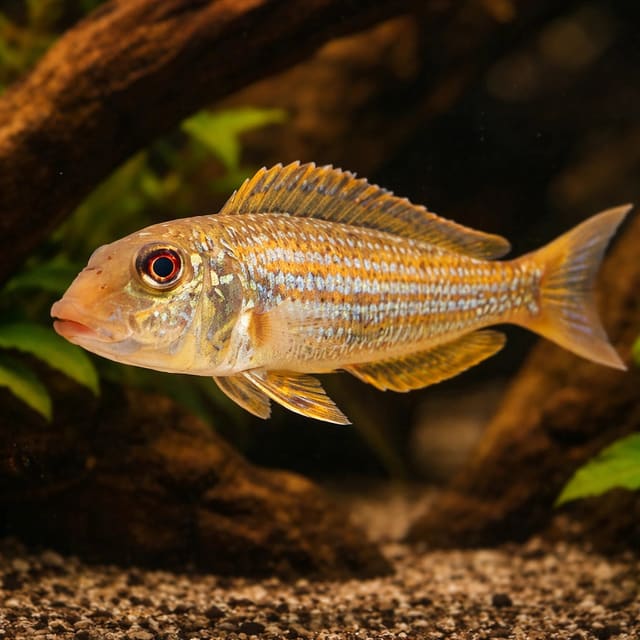
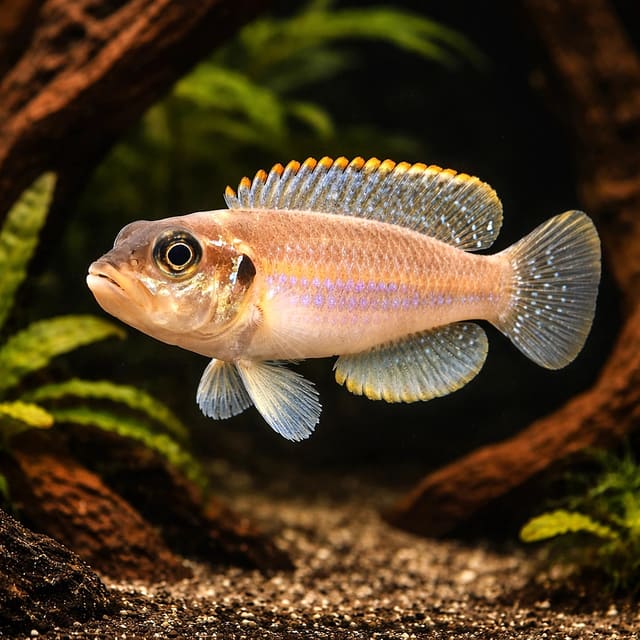
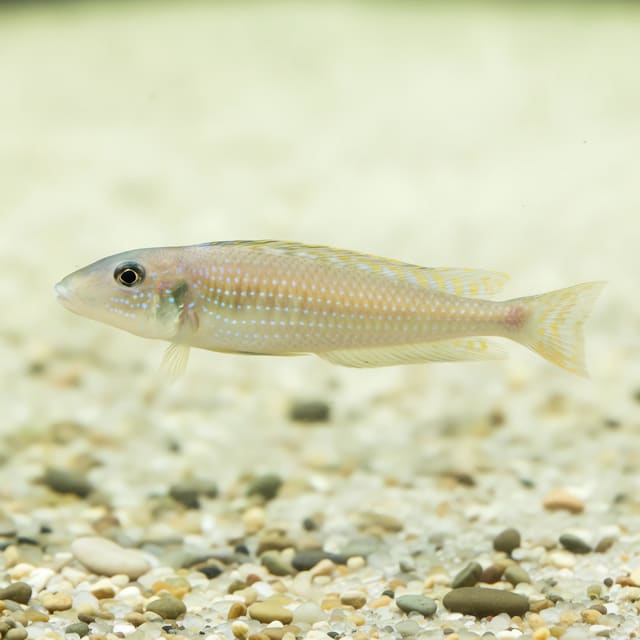
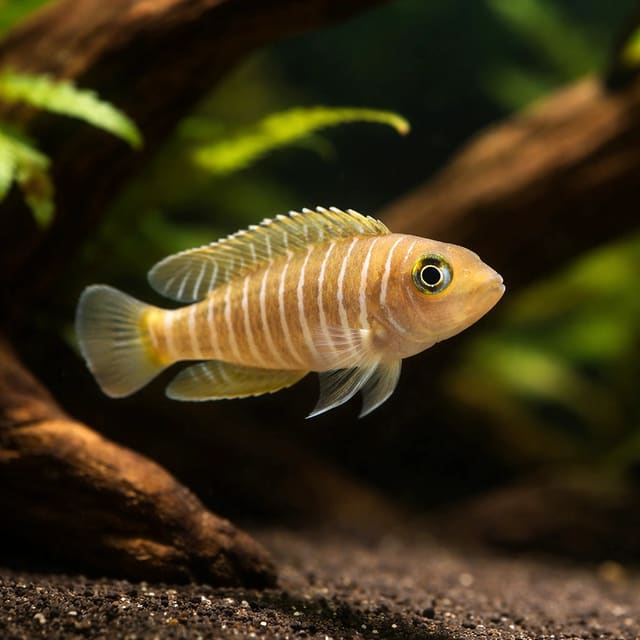
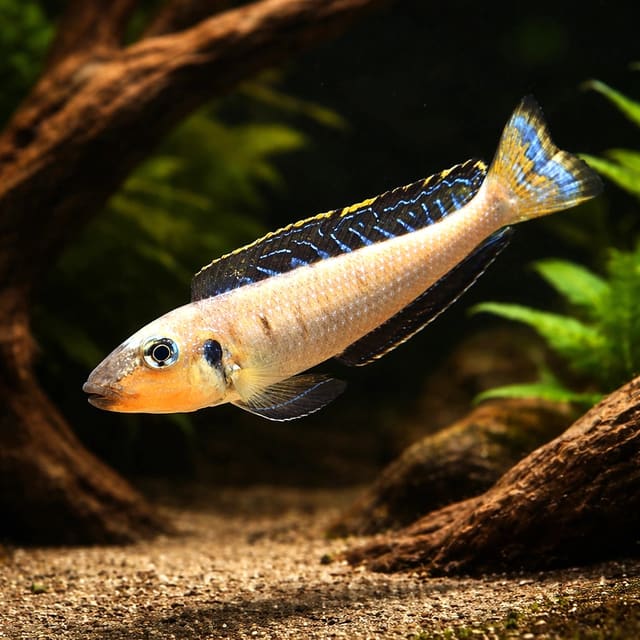
Xenotilapia flavipinnis
Elegant Tanganyikan sand cichlid with yellow fins, ideal for specialist Lake Tanganyika aquariums.
Maintain these water conditions for optimal health and vibrant colors
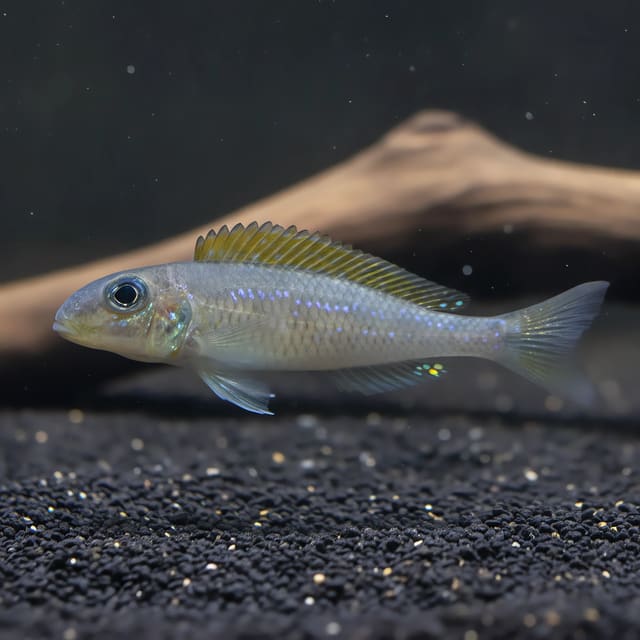
Xenotilapia flavipinnis from Nyanza Lac is a beautiful, specialist cichlid from Lake Tanganyika, prized for its graceful shape, subtle patterning and delicate yellow fin highlights. At 4-5 cm, these juveniles are still developing their full adult colour and behaviour, making them an exciting choice for aquarists who enjoy observing natural cichlid social dynamics. This species is best suited to experienced keepers or confident hobbyists building a dedicated Tanganyikan aquarium.
Unlike many boisterous cichlids, Xenotilapia are sand-dwelling fish that spend much of their time hovering close to the substrate, sifting and picking through fine sand for tiny food items. They are peaceful by cichlid standards, but they do have specific environmental needs and do best in a calm, species-appropriate setup with stable water chemistry, open swimming space and a fine sandy base. If you are looking for a refined, naturalistic fish with genuine character, this is a superb choice.
At Tropical Fish Co, we supply healthy, carefully acclimatised livestock with a live arrival guarantee and fast UK delivery, helping you add this striking Tanganyikan species with confidence.
| Attribute | Recommendation |
|---|---|
| Scientific name | Xenotilapia flavipinnis |
| Common name | Yellow-fin Xenotilapia |
| Origin | Lake Tanganyika, Africa |
| Temperament | Peaceful |
| Adult size | Approx. 10-12 cm |
| Minimum tank size | 200 litres for a small group |
| Temperature | 24-27°C |
| pH | 8.0-9.0 |
| Diet | Small meaty foods, quality cichlid foods, fine frozen/live foods |
| Tank region | Bottom / lower-middle |
Xenotilapia flavipinnis is native to Lake Tanganyika, one of the world’s oldest and most biologically diverse lakes. The species is associated with sandy and transitional habitats where it can forage close to the bottom, often in groups. In the wild, Tanganyikan sand cichlids live in highly mineralised, alkaline water with exceptional clarity and very stable conditions throughout the year.
Nyanza Lac refers to a specific collection locality, which is often of interest to serious cichlid keepers and breeders. Locality-based Tanganyikan fish can show subtle differences in colour, body shape and behaviour, and they are especially valued by aquarists who appreciate maintaining pure lines and natural populations. As with all Lake Tanganyika species, water quality and stability are far more important than decorative extras.
For best results, keep Xenotilapia flavipinnis in a dedicated Tanganyikan aquarium with a fine sand substrate. Sand is essential because these fish naturally sift and mouth the substrate while foraging. Coarse gravel can damage their mouths and prevent natural behaviour. Provide plenty of open floor space, a few rock piles or caves around the edges, and avoid overcrowding the centre of the tank.
A group setup is usually preferable, as these fish are more confident when kept with conspecifics or other compatible Tanganyikan species. Strong filtration, excellent oxygenation and regular maintenance are vital. Lake Tanganyika fish dislike fluctuating conditions, so aim for consistent temperature and pH, and avoid sudden changes during water changes.
Recommended parameters:
Decor should be functional rather than crowded. Use smooth rocks, slate and open sand areas, leaving plenty of swimming room. A dark substrate and subdued lighting can help reduce stress and bring out natural colours. Because these fish are relatively peaceful, avoid aggressive tank layouts that force them to compete for territory.
In the aquarium, Xenotilapia flavipinnis should be fed a varied diet of small, high-quality foods. In nature they feed on tiny invertebrates and organic matter picked from the substrate, so they do best with fine frozen foods such as cyclops, daphnia, baby brine shrimp and finely chopped mysis. Good quality sinking cichlid pellets or granules can also be offered, provided they are small enough for the fish to take comfortably.
Feed little and often rather than large meals. Overfeeding can quickly pollute the water and is best avoided, especially in a Tanganyikan setup where pristine conditions are essential. A varied diet will support colour, condition and breeding readiness. As juveniles, they may appreciate more frequent small feeds to encourage healthy growth.
Xenotilapia flavipinnis is generally peaceful, but it should only be housed with fish that share its water requirements and temperament. Ideal companions are other calm Tanganyikan species that will not outcompete them for food or bully them away from the substrate. Because they are sand-dwelling and relatively shy, avoid hyperactive or aggressive cichlids.
Good tank mates include other peaceful Tanganyikan cichlids of similar size and temperament, such as selected Cyprichromis, some shell dwellers in larger setups, and non-aggressive rock-dwellers where the aquascape provides clear zones. Always consider adult size and feeding behaviour, as faster fish may dominate meals.
Do not mix with large predatory cichlids, highly territorial Mbuna, or species that prefer soft, acidic water. These fish are not suitable for community tanks with typical tropical fish, as the water chemistry requirements are too different. When kept correctly, they are fascinating to watch and can show subtle social interactions, pairing behaviour and group foraging patterns.
At Tropical Fish Co, we understand that specialist species need specialist care from the moment they arrive. Our fish are sourced with attention to health, quality and accurate identification, so you can buy with confidence. We pack carefully for transit and offer fast UK delivery alongside our live arrival guarantee, giving your livestock the best possible start in your aquarium.
We also aim to provide clear, practical care information so you can set up the right environment before your fish arrive. Whether you are building a dedicated Lake Tanganyika display or adding to an established cichlid collection, Xenotilapia flavipinnis is a rewarding species for aquarists who appreciate natural behaviour, locality fish and elegant, understated beauty.
If you are ready for a distinctive Tanganyikan sand cichlid with real character, this Nyanza Lac form is an excellent addition to a well-planned aquarium.
Dispatched Tuesday, delivered Wednesday — every order tracked and insured.

22–26°C · pH 6–7.5 · 150L


24–28°C · pH 6–7.5 · 60L

22–28°C · pH 6.8–8.5 · 40L

26–30°C · pH 5.5–7 · 60L

24–28°C · pH 7.5–8.5 · 250L

24–30°C · pH 6–7.5 · 20L

22–28°C · pH 6–7.5 · 60L

24–28°C · pH 7.5–8.5 · 500L

22–26°C · pH 6–7.5 · 30L

22–28°C · pH 6–7.5 · 60L

24–28°C · pH 7.5–8.5 · 150L

24–28°C · pH 6.5–7.5 · 2000L

24–28°C · pH 7.5–8.5 · 200L

26–30°C · pH 6–7.5 · 80L

24–28°C · pH 5.5–7 · 60L