
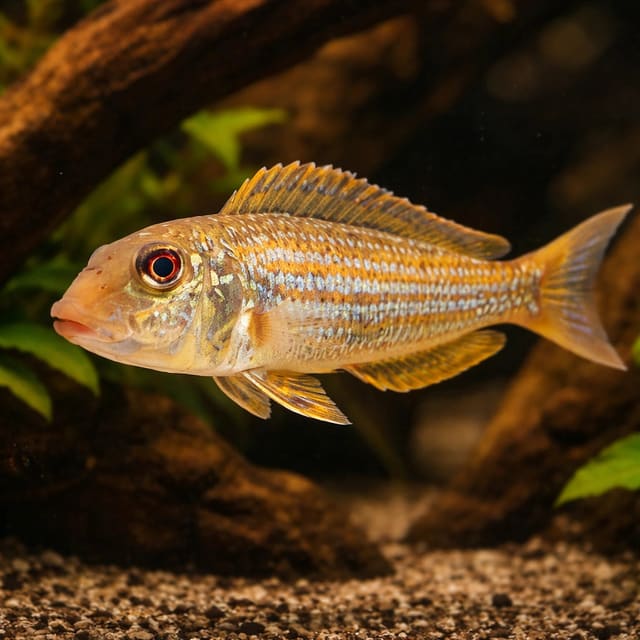
Ndole Ochrogenys Sand Sifter (Xenotilapia ochrogenys 'Ndole')
24–26°C · pH 8–8.6
£47.99
12 products
Make room for sand, feeding and retreat space before choosing a Xenotilapia. Compare named forms and related Enantiopus offers without assuming one care plan fits all.
12 products
24–26°C · pH 8–8.6
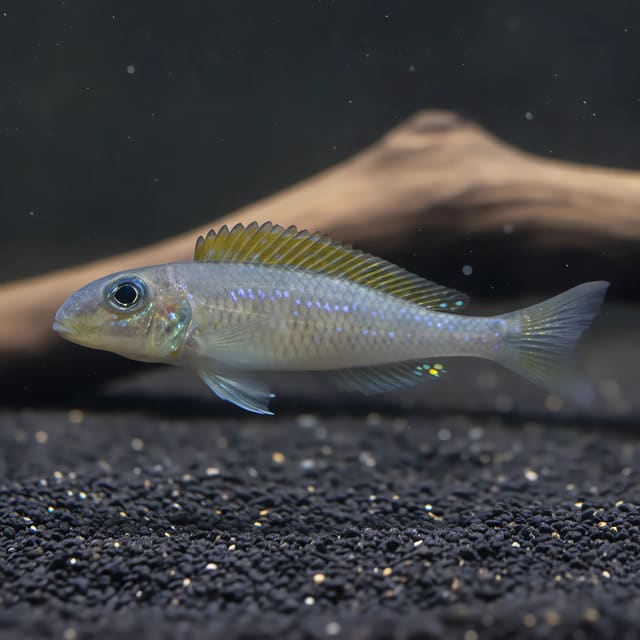
23–27°C · pH 8–9.5 · 68L

24–27°C · pH 8–9 · 200L
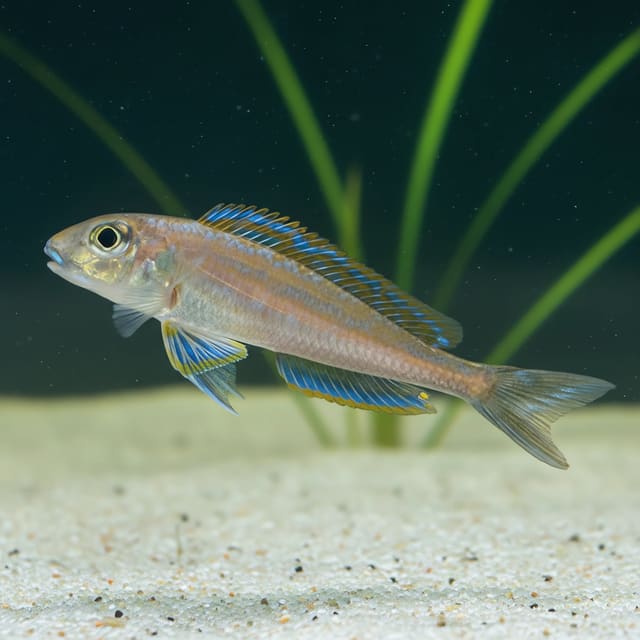
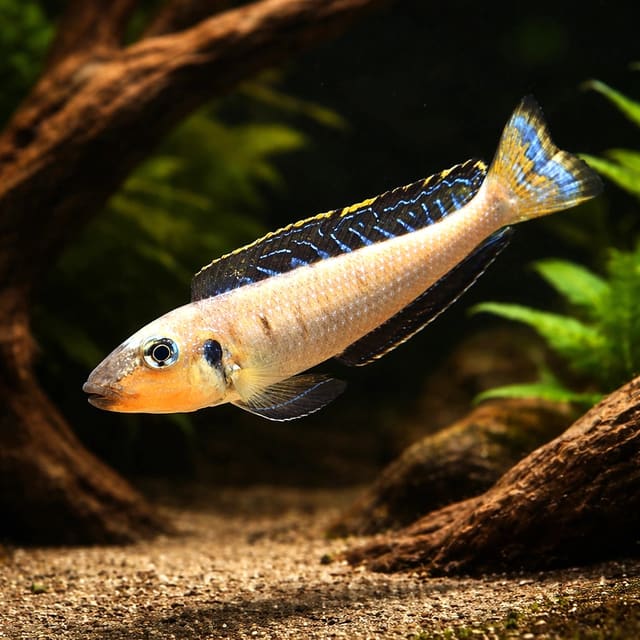
24–27°C · pH 7.5–9 · 137L
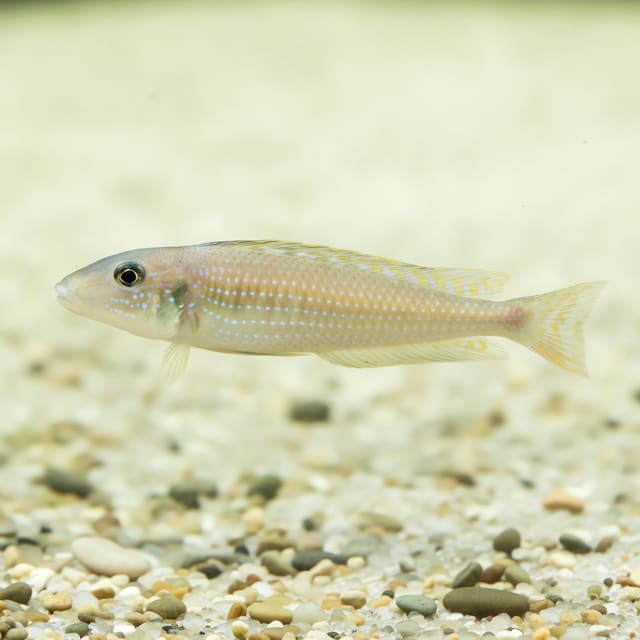
24–27°C · pH 7.5–9 · 137L
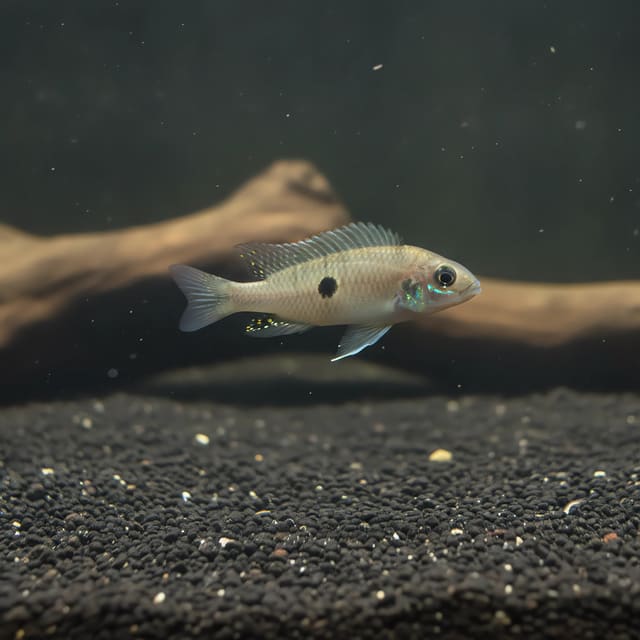
23–27°C · pH 8–8.6
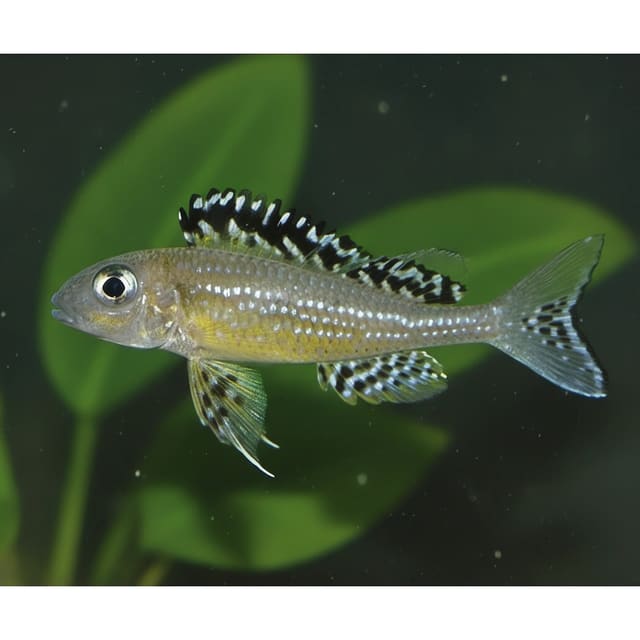
24–27°C · pH 7.8–9 · 150L
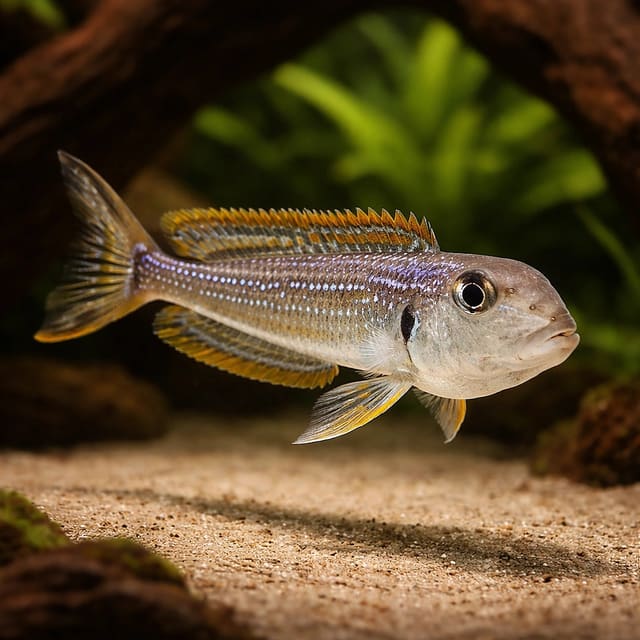
24–26°C · pH 7.8–9 · 300L
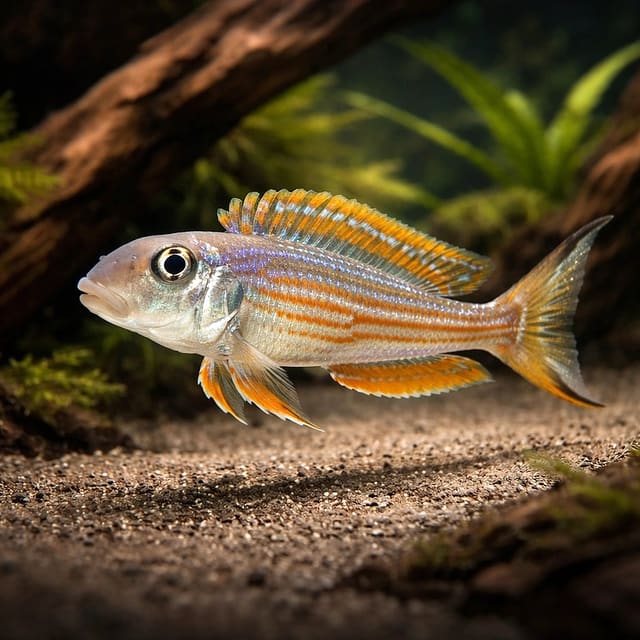
24–27°C · pH 7.8–9 · 200L
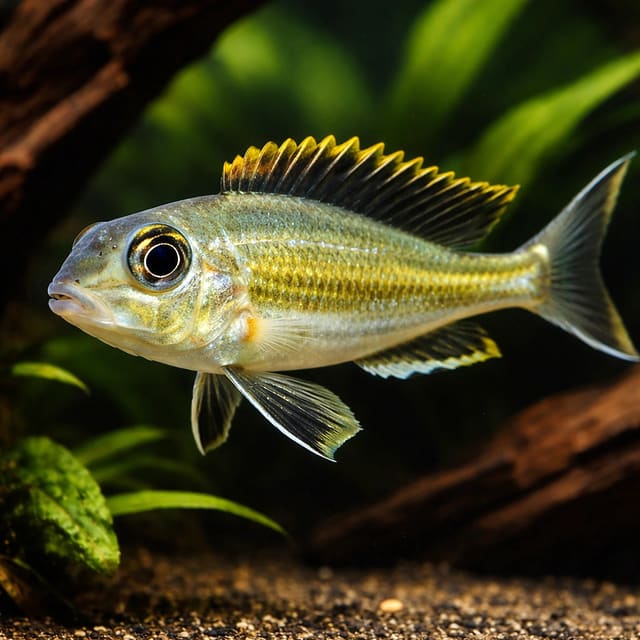
24–28°C · pH 7.8–9 · 300L

24–27°C · pH 7.5–9 · 200L
Sand-sifting fish need suitable fine substrate and clear floor space to feed naturally. For Yellow Sand Cichlid, Xenotilapia flavipinnis, coarse gravel can injure the mouth or gills. Provide secure retreats without filling the entire floor with rockwork, and keep water quality stable. Follow the named species’ group and territory guidance.
Discuss a sand-dweller setupPapilio, Spilopterus, Ochrogenys and Flavipinnis are different offers; a locality or dispatch grade does not make them interchangeable. This established range also includes fish traded as Xenotilapia melanogenys and listed as Enantiopus melanogenys. Keep that identity visible when checking feeding, social requirements and a breeding plan.
Compare open-water cichlids