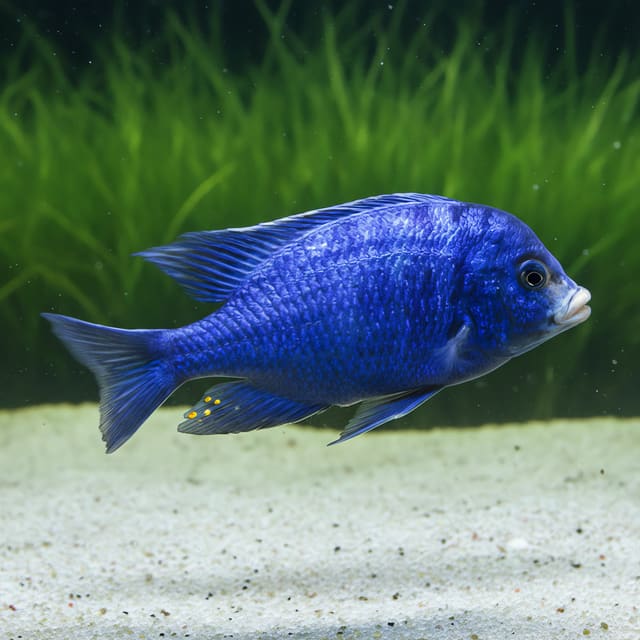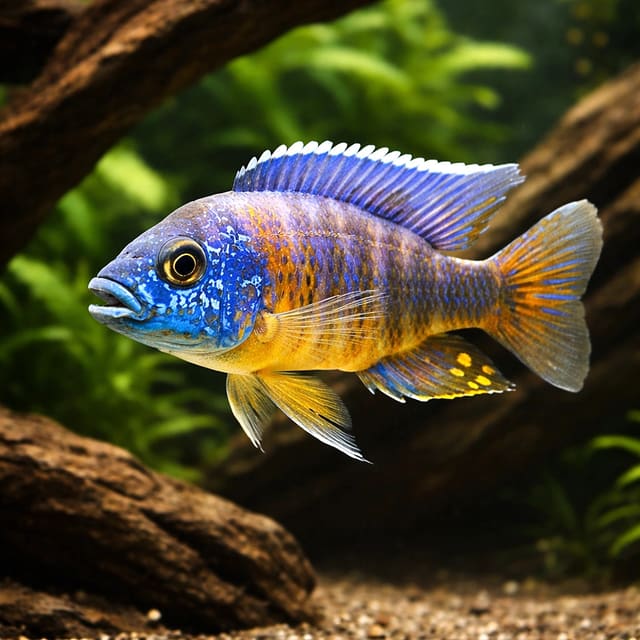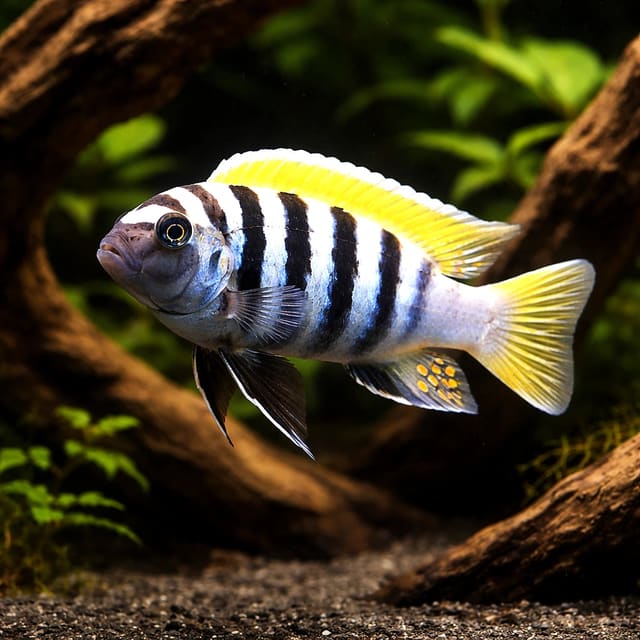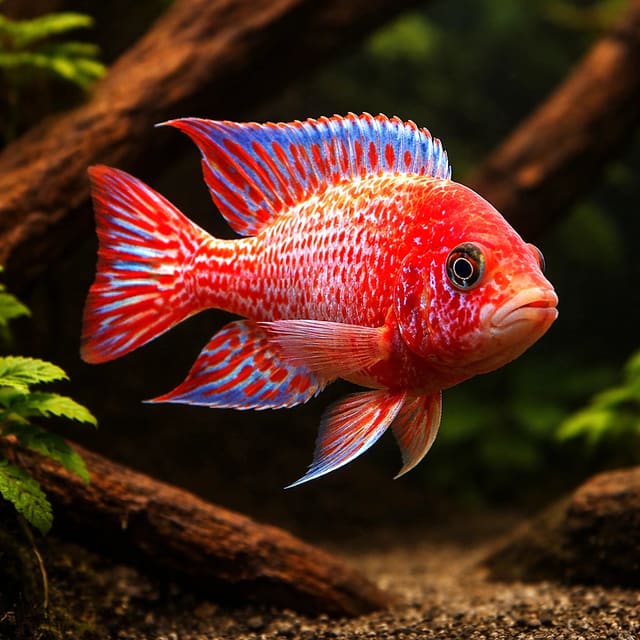
Red Dragon Peacock Cichlid (Aulonocara Hybrid)
23–27°C · pH 8–8.6
From £12.09Some sizes on sale

Add the Yellow Sand Cichlid to your aquarium for bold colour and active behaviour. A striking moderate-care fish with UK delivery available.
Xenotilapia flavipinnis
Save when buying more.
Confirm your email, then we’ll send an availability message for this exact item if it returns within 180 days.
This request is only for this product—no newsletter or other promotions. A mail-provider retry may very rarely duplicate the same availability message. Unconfirmed addresses are removed after 48 hours. See our privacy policy.
Add the Yellow Sand Cichlid to your aquarium for bold colour and active behaviour. A striking moderate-care fish with UK delivery available.
Maintain these water conditions for optimal health and vibrant colors
The Yellow Sand Cichlid, Xenotilapia flavipinnis, is one of the most elegant Lake Tanganyika cichlid UK keepers can add to a hard-water aquarium. If you are searching for tropical fish for sale UK and want something more refined than a standard community species, this peaceful sand-sifter stands out for its soft yellow finnage, constant foraging behaviour, and graceful group dynamics. In the right setup, the Yellow Sand Cichlid Fish reaches around 9 cm, lives up to 6 years, and shows a fascinating natural routine of taking mouthfuls of sand, filtering edible particles, and expelling the rest. That behaviour alone makes it a favourite among aquarists who enjoy species with purpose rather than just colour.
This is not a fish for a cramped tank or random mixed stocking. Good yellow sand cichlid care guide advice starts with understanding its need for open sandy areas, stable alkaline water, and calm companions. Its yellow sand cichlid ideal temperature sits within a narrow tropical range, and its yellow sand cichlid hard water care needs are very different from soft-water tetras or bettas. See our detailed photos showing body shape, fin colour, and the subtle sheen that develops when fish are settled properly. For aquarists looking to buy yellow sand cichlid UK stock with confidence, this species offers unusual behaviour, peaceful temperament, and genuine Tanganyika character in one manageable size.
Xenotilapia flavipinnis belongs to the diverse cichlid family, a group famous for complex social behaviour and specialised feeding strategies. Within the aquarium hobby, Xenotilapia species are especially valued by keepers of lake tanganyika cichlids for sale because they combine delicate appearance with highly interesting sand-sifting habits. They are distinct from rock-dwelling mbuna and from many larger, more forceful African species.
The Yellow Sand Cichlid comes from Africa (Lake Tanganyika), one of the oldest and deepest freshwater lakes in the world. In the wild, these fish are found over sandy substrates where they move in loose groups, searching constantly for tiny invertebrates and edible particles trapped in the sand. This natural setting explains almost every part of successful aquarium care. If you want a realistic yellow sand cichlid Tanganyika setup, think open floor space, clean mineral-rich water, and companions that do not bully them away from feeding areas.
Lake Tanganyika has very stable chemistry, which is why sudden swings in pH or hardness often stress this species. A healthy tropical fish tank ecosystem for Xenotilapia should imitate that consistency more than it imitates a planted Amazon tank. This is why many aquarists researching a lake tanganyika cichlids list end up choosing this species after realising they prefer peaceful sand-dwellers over aggressive rock defenders. Among the best lake tanganyika cichlids for behaviour, Yellow Sand Cichlids are high on the list.
Because they are often compared with Malawi species, it helps to note the difference. People browsing lake malawi cichlids for sale uk may expect brighter aggression and rock-based territories, while Tanganyika species like this one offer subtler colour and more specialised behaviour. For aquarists building a themed African cichlid UK aquarium, that distinction matters. If your tank is based around sand plains rather than caves, this is a far better match than many Malawi fish.
Customers sometimes ask whether these fish belong in a pond or an outdoor setup after seeing searches like tropical fish pond uk or tropical fish pond royal oak. They do not. This species needs warm, stable indoor conditions year-round. It is also common for beginners to ask why is my tropical fish tank cloudy or why does my tropical fish tank smell after setting up a Tanganyika tank too quickly. In most cases, the answer is immature filtration, overfeeding, or disturbed substrate rather than anything specific to the fish.
Mimicking the natural habitat improves health and brings out natural behaviour. A broad sandy foreground with gentle water movement encourages constant sifting, calmer social interaction, and better feeding response than a tank packed with rocks from front to back.
A proper setup is the foundation of good tropical fish tank care. If you are wondering what do you need for a tropical fish tank for this species, the answer is simple: space, sand, stable heat, strong filtration, and hard alkaline water. This is not a species for a small tropical fish tank with heater or a casual desktop aquarium. The yellow sand cichlid minimum tank size is 200 litres, but a longer tank is better than a taller one because these fish use floor area far more than vertical space.
The best starting point is a 200-litre aquarium for a group, though many keepers prefer a 100cm tropical fish tank or larger for better social spacing. If you are asking what size tank for tropical fish, what size tropical fish tank, or what tank do you need for tropical fish when keeping Tanganyika species, always think about adult behaviour rather than juvenile size. Yellow Sand Cichlids should be kept in a yellow sand cichlid school size of at least 6, which spreads attention and reduces stress.
The correct yellow sand cichlid temperature is 24-27°C. That is the safe tropical fish temperature band for this species and should be maintained with a reliable tropical fish tank heater. If you are asking what temp is tropical fish tank, what temp tropical fish tank, or what temperature should a tropical fish tank be kept at, remember that the answer depends on species. For Yellow Sand Cichlids, the tropical fish tank ideal temperature is usually around 25-26°C. The temperature of tropical fish tank should stay stable, not swing between day and night.
Use a heater with a clear dial and check the tropical fish tank heater setting with a separate thermometer. The tropical fish tank heater temperature should hold steady within the recommended range, because a tropical fish tank temperature too hot can reduce oxygen and increase stress. If you are building a stocking plan with several species, a simple tropical fish tank temperature chart helps compare needs. Avoid relying on advice meant for soft-water fish such as tropical fish tank temperature for tetras or tropical fish tank temperature guppies, as those searches do not reflect Tanganyika conditions.
For chemistry, aim for pH 7.5-9.0 and hardness 10-20 dGH. If you are asking what ph for tropical fish tank, what should tropical fish tank ph be, what should my tropical fish tank levels be, or what should tropical fish tank levels be, this species needs alkaline, mineral-rich water. The tropical fish tank water temperature, pH, and hardness should all be stable together. Stability matters more than chasing exact decimal points.
A strong tropical fish tank filter and heater combination is essential because these fish appreciate clean, oxygen-rich water. Choose a filter that turns the tank volume over 5-8 times per hour. Many keepers use a canister filter or a robust internal unit. When planning a tropical fish tank complete setup, think about mechanical filtration for fine waste and biological media for ammonia conversion. A good tropical fish tank heater and filter arrangement keeps conditions stable and helps prevent cloudy water.
Fine sand is non-negotiable. Gravel can damage mouths and prevents natural feeding. The fish constantly sift substrate, so a pale silica or cichlid sand layer 3-5 cm deep works well. This is one reason a thoughtful yellow sand cichlid for planted aquarium setup is possible only if plants are chosen carefully and anchored securely.
If you are asking what plants for tropical fish tank, choose hardy species that tolerate alkaline water, such as Anubias, Java fern, or Vallisneria attached to rocks or placed at the rear. Leave the front open. For related cichlid options in a Tanganyika-themed display, browse our Lake Tanganyika cichlid collection and compare species such as Kiriza Yellow Cichlid - Tropheus Moorii or Orange I Blunthead Cichlid - Tropheus.
Moderate lighting is enough. Too much light can encourage tropical fish tank green algae, tropical fish tank brown algae, or even tropical fish tank black hair algae. If you are wondering why is my tropical fish tank going green, long photoperiods and excess nutrients are usually to blame. Keep lighting to 7-9 hours daily unless plant growth demands more.
Always cycle the aquarium for 4-6 weeks before adding fish. If you are learning tropical fish tank how to set up or following a tropical fish tank beginner's guide, remember that mature biological filtration matters more than decoration.
The yellow sand cichlid diet is best described as omnivorous with a strong preference for tiny meaty foods gathered by sand-sifting. In the wild, they pick out micro-crustaceans, insect larvae, and organic particles. In captivity, the best yellow sand cichlid feeding plan combines quality sinking cichlid pellets with frozen foods such as cyclops, daphnia, and finely chopped brine shrimp. Because they feed near the bottom, surface flakes are often wasted.
Use a small sinking pellet as the staple diet. Feed once or twice daily in portions the group can finish within 1-2 minutes. This keeps the substrate cleaner and reduces excess waste. A stable feeding routine also helps avoid issues often blamed on tropical fish tank water treatment when the real cause is simply overfeeding.
Frozen cyclops, mysis, krill fragments, and daphnia add variety. These foods support condition and bring out stronger fin colour. If you keep plants, remember that overfeeding can drive tropical fish tank algae growth and make people search for tropical fish tank algae treatment when a feeding correction would solve the problem faster.
During conditioning for yellow sand cichlid breeding, offer slightly richer frozen foods 3-4 times per week, but keep portions small. Avoid mammal meats and very fatty foods. These fish do not need large predator pellets.
| Time | Food | Amount |
|---|---|---|
| Morning | Sinking cichlid pellets | Small portion, eaten in 1 minute |
| Evening | Frozen cyclops or daphnia | Light feed, no leftovers |
Many aquarists ask what tropical aquarium fish eat snails, what tropical fish clean the tank, or what tropical fish keep the tank clean. Yellow Sand Cichlids are not a clean-up crew species. They may investigate tiny organisms in the substrate, but they are not a substitute for maintenance, and they should not be bought as tropical fish tank algae eaters or tropical fish tank bottom feeders in the usual sense.
For a balanced cichlid menu, pair this species with a well-maintained tropical fish tank heater position and good filtration so food stays in the feeding zone without decomposing. If you are using rooted plants, dose tropical fish tank plant food carefully and avoid overdoing nutrients in a sparsely planted Tanganyika setup.
Overfeeding causes ammonia spikes, cloudy water, and rising nitrate. Many cases of poor appetite, bad smell, or algae are traced back to excess food rather than disease. Feed lightly and remove leftovers quickly.
The Yellow Sand Cichlid is a slender, elegant species with a streamlined body built for life over open sand. Adults reach about 9 cm, making them a medium-small Tanganyika cichlid rather than a bulky show fish. The body is usually silver-beige to pale cream with a soft reflective sheen, while the fins show yellow tones that become more obvious when the fish are settled, well fed, and kept over a light sandy base.
A good yellow sand cichlid care guide should mention that colour in this species is subtle rather than exaggerated. If you want the best display, focus on correct yellow sand cichlid ideal temperature, low stress, and social grouping instead of expecting instant shop-floor brightness. The best photos, including our product image tropical-fish-for-sale-uk.webp, show the clean body line and yellow finnage that make this fish so attractive in motion.
Sexual dimorphism is modest. Males may show slightly stronger finnage and more confident display behaviour, but venting or observing breeding behaviour is often more reliable than colour alone. This species is sometimes discussed as a yellow sand cichlid for beginners, but that is only partly true. It is peaceful and manageable, yet it still needs a specialised hard-water setup.
Because they are sand-dwellers, they look best in groups against pale substrate with open sightlines. A cramped rock pile hides their natural profile. If you are considering a yellow sand cichlid for large tank display, a long aquarium with a school moving together is far more impressive than a single specimen. That is where the real beauty of the Yellow Sand Cichlid appears.
The best yellow sand cichlid compatible fish are peaceful or moderately assertive Tanganyika species that share similar water chemistry and do not dominate the substrate. This is not a true yellow sand cichlid community tank fish in the same sense as standard community tropical fish uk species, but it can work in a carefully planned cichlid community. If you are asking whether this is a yellow sand cichlid for community tank, the answer is yes with the right companions and enough space.
The best tank mates for yellow sand cichlid are other peaceful Tanganyika cichlids with different niches. Good examples include carefully chosen Tropheus in larger systems, shell dwellers in separate zones, or open-water species that do not harass the sand-sifters. For aquarists comparing options, consider Yellow Elongatus Cichlid - Chindongo Elongatus, Aulonocara kandeense, Rubin Red Peacock Cichlid - Aulonocara, Kiriza Yellow Cichlid - Tropheus Moorii, and Orange I Blunthead Cichlid - Tropheus. These are not all direct mix recommendations, but they are useful comparison species when building an African cichlid collection.
Avoid highly aggressive mbuna, large predators, and hyper-territorial bottom fish. These will outcompete or stress Yellow Sand Cichlids. Also avoid random soft-water mixes based on searches like tetras for sale uk or tetra fish for sale uk. Their water chemistry needs are very different. Likewise, this species is unsuitable for novelty stocking such as home aquarium sharks uk.
In a 200-250 litre aquarium, keep a group of 6-8 Yellow Sand Cichlids as the focus species. In larger tanks, they can be combined with one or two complementary Tanganyika groups if territories are clearly separated. Use a tropical fish tank mates chart as a starting point, but always judge by behaviour. The safest tropical fish tank mates are species with similar pH and temperature needs and a different feeding zone.
Small shrimp are not recommended. Snails may survive, but these fish may disturb them while foraging. If you are asking which tropical fish clean the tank, do not expect tank mates to replace maintenance. Instead, learn how to maintain tropical fish tank, how to keep tropical fish tank clean, and how to keep tropical fish tank water clear through filtration and regular water changes.
| Species | Compatible? | Notes |
|---|---|---|
| Kiriza Yellow Cichlid - Tropheus Moorii | ⚠️ Caution | Possible in large Tanganyika setups, but Tropheus can be more forceful at feeding time. |
| Orange I Blunthead Cichlid - Tropheus | ⚠️ Caution | Only for experienced keepers with enough space and careful stocking. |
| Guianacara Dacrya - South American Cichlid | ❌ Avoid | Different water chemistry and biotope needs. |
| Thorichthys Maculipinnis - Elliot'S Cichlid - | ❌ Avoid | Different temperament and water preference make it a poor match. |
Routine care matters as much as stocking. Learn how to test tropical fish tank water, how to change tropical fish tank water, how to clean tropical fish tank, and even how to clean small tropical fish tank if you are practising on another setup first. Also review what chemicals do i need for a tropical fish tank and what chemicals do you need for a tropical fish tank carefully; for Tanganyika fish, water conditioners and mineral support are usually more useful than random additives.
Always use a tropical fish quarantine tank for new arrivals for 2-4 weeks. This is one of the simplest ways to prevent disease introduction and to observe temperament before fish enter the main display.
Yellow sand cichlid breeding is moderate in difficulty and especially rewarding for aquarists who enjoy natural cichlid behaviour. This species is a biparental mouthbrooder, meaning eggs and early fry are protected in the mouths of the parents. If you are trying to form a yellow sand cichlid breeding pair, it is usually best to start with a group and allow pairs to form naturally rather than buying two random fish.
A dedicated breeding aquarium should be at least 200 litres with fine sand, stable pH above 7.5, and a yellow sand cichlid ideal temperature around 25-26°C. Strong water quality is essential. If you are asking what should tropical fish tank levels be during breeding, ammonia and nitrite must be zero, nitrate should stay low, and oxygen should be high.
Condition the group with varied frozen foods and quality pellets. Courtship often includes circling, displaying, and repeated visits to a chosen patch of sand. Like many cichlids, they may lay tropical fish tank eggs in a brief sequence before collecting them for mouthbrooding. Aquarists sometimes panic after seeing yellow eggs in tropical fish tank, but in this species eggs are usually gathered quickly rather than left exposed for long.
Once mouthbrooding begins, the holding parent may eat less or stop feeding for a period. Avoid stress, netting, or major rescapes. Keep tank mates calm and water pristine. A separate rearing tank can be useful if the main aquarium is busy, but moving the fish too soon can cause spitting.
After release, feed fry with freshly hatched brine shrimp, powdered fry foods, and very fine crushed pellets. Frequent small water changes help growth. If you are exploring yellow sand cichlid breeding pair projects seriously, keep notes on parent behaviour, holding duration, and fry numbers so you can improve each spawn.
The biggest problems are stress, poor water quality, and over-aggressive tank mates. Many keepers who ask what is tropical fish tank or what tropical fish can live in a small tank are still too early in the hobby for this project. Breeding Tanganyika fish is much easier once you already understand stable chemistry and species-specific social structure.
When a pair forms, keep the surrounding group well fed but not crowded. In many cases, breeding success improves when the pair remains in a calm social setting rather than being moved immediately, because relocation can interrupt courtship and mouthbrooding.
Comparison matters because many aquarists searching tanganyika cichlids for sale uk, tanganyika cichlids for sale near me, or lake tanganyika cichlids for sale are deciding between behaviour-focused species and colour-focused species. The Yellow Sand Cichlid is ideal for keepers who value movement, group behaviour, and a natural sand biotope. If you want heavier body shape or more aggressive display, another species may suit you better.
| Feature | Yellow Sand Cichlid | Kiriza Yellow Cichlid |
|---|---|---|
| Max Size | 9 cm | Typically larger and deeper-bodied |
| Care Level | Moderate | Moderate to advanced |
| Temperature | 24-27°C | 24-27°C |
| Price | £50.32 | Varies |
| Best For | Peaceful sandy biotope | Rock-and-grazer Tanganyika setup |
| Feature | Yellow Sand Cichlid | Aulonocara kandeense |
|---|---|---|
| Lake Type | Tanganyika | Malawi |
| Behaviour | Peaceful sand-sifter | More display-oriented peacock |
| Substrate Need | Essential fine sand | Sand preferred but not as specialised |
| Group Keeping | Best in groups of 6+ | Often kept in harem-style groups |
| Best For | Natural behaviour enthusiasts | Colour-focused Malawi displays |
If you are deciding between yellow sand cichlid or alternative species, choose Yellow Sand Cichlids when you want a peaceful, refined species that rewards patient aquascaping. Choose peacocks or mbuna if your priority is intense colour and stronger territorial behaviour. For comparison shopping, see Aulonocara Sp Neon Red Calico Peacock, Aulonocara kandeense, and Yellow Elongatus Cichlid - Chindongo Elongatus.
A healthy Yellow Sand Cichlid is alert, active over the substrate, feeding eagerly, and holding its fins well. The body should look smooth, not pinched, and the fish should sift sand regularly. When these behaviours stop, check water quality first. Most tropical fish tank diseases in this species are linked to stress, poor acclimation, or unstable chemistry rather than bad luck.
Good colour, steady respiration, social movement within the group, and active foraging are all positive signs. Newly imported or recently moved fish may be shy at first, but they should settle quickly in a calm, mature setup.
Watch for white spot, bacterial fin damage, wasting from internal parasites, and stress-related bloat. Tanganyika cichlids can react badly to poor diet and deteriorating water. If a fish isolates itself, spits food, or breathes heavily, test the water immediately. Many people who search tropical fish shop near me or even unrelated terms like tropical fish shop near me richmond va are really looking for urgent help with symptoms that began with water quality problems.
Use a separate tropical fish quarantine tank for treatment whenever possible. Improve aeration, perform measured water changes, and identify the disease before medicating. For many cichlid problems, better water and reduced stress solve the issue faster than random medication.
Prevention starts before purchase. Choose settled stock, acclimate carefully, and avoid mixing incompatible fish. Keep up with testing, maintenance, and sensible feeding. If you are wondering whether this is a rare cichlid UK purchase worth extra preparation, the answer is yes: specialised fish deserve specialised care. This is also why aquarists looking for a freshwater cichlid UK species with character often choose Tanganyika fish only after gaining some experience.
Never medicate blindly. Incorrect treatment can worsen stress and damage biological filtration. Also, never use copper-based medications in tanks with invertebrates, as copper is lethal to shrimp and many snails.
The most distinctive behaviour of this species is sand-sifting. Fish pick up mouthfuls of substrate, filter out edible particles, and release the sand in soft puffs. In a proper group, this becomes a constant, calming display of natural behaviour. That is why a spacious sandy layout matters so much more than decorative clutter.
Yellow Sand Cichlids are peaceful compared with many cichlids, but they are still social fish with subtle hierarchy. They do best in groups of 6 or more, where minor sparring is spread out and individuals feel secure. A lone fish often becomes nervous and hides more.
They are active during the day and usually occupy the lower half of the aquarium, especially the bottom. During breeding, pairs may become more focused on a chosen patch of sand, but they are rarely as destructive as more aggressive cichlids. If you want a species that shows authentic Tanganyika behaviour without turning the tank into a war zone, this is an excellent choice.
When customers search for tropical fish for sale near me, tropical fish for sale online, or the best place to buy tropical fish online, they are usually trying to balance convenience with confidence. With a specialised species like the Yellow Sand Cichlid, that confidence matters. These fish are selected for active behaviour, clean finnage, and good body condition, not just colour on arrival day. Before dispatch, stock is observed for feeding response and normal sand-oriented behaviour so buyers receive fish ready to settle into a proper Tanganyika setup.
Each live yellow sand cichlid UK order is prepared for transport with insulated packaging, secure fish bags, and seasonal heat packs when needed. Tracked delivery reduces transit uncertainty, and acclimation guidance is included because Tanganyika fish do best when temperature and pH changes are gradual. This matters whether you usually buy live fish online uk, buy tropical fish UK, or are trying a specialist order for the first time.
The difference is species-specific preparation. Yellow Sand Cichlids are not packed like generic mixed tropicals. They are handled as a hard-water cichlid that needs stable warmth and careful acclimation. That makes a real difference to settling success.
If you have been searching best place to buy tropical fish uk, aquarium fish shop near me home delivery, or simply tropical fish for sale UK, this is a strong option for a well-planned Tanganyika aquarium. It is not a substitute for cold water fish for sale, cold water fish for sale uk, or buy cold water fish online uk searches, because this species is strictly tropical and hard-water adapted. Order your Yellow Sand Cichlid today with confidence if you want a peaceful, behaviour-rich Tanganyika fish with genuine long-term appeal.
Building a Tanganyika or wider African setup? Compare this species with Yellow Elongatus Cichlid - Chindongo Elongatus for a more assertive look, or Aulonocara Sp Neon Red Calico Peacock if you prefer Malawi-style display colour. For Tanganyika enthusiasts, Kiriza Yellow Cichlid - Tropheus Moorii and Orange I Blunthead Cichlid - Tropheus offer very different behaviour and stocking challenges. If you are comparing beyond Africa, Thorichthys Maculipinnis - Elliot'S Cichlid - and Guianacara Dacrya - South American Cichlid show how cichlid care changes across regions. For more specialist choices, browse our wider lake tanganyika cichlids for sale range.
No reviews for this item yet. Bought one? Honest reviews only, good or bad.
What customers say about ordering from us
I have a small group of long finned mountain minnows. So was delighted to be able to order ten of this variety to increase the genetics in my tank . The ones I recieved are healthy but it’s to early to give a verdict on wether they are of a long finned type since they are small currently.
Gordon Walker · 23 Sept 2026
100% success travel and "installation". Pleased with quality of purchase. The Siamese fighter a bit "shy" so have not yet seen him at his best yet but looking good. Happy customer. GG
George E Garratt · 21 Sept 2026
Reviews of our shop, collected by Judge.me, an independent third-party review collector. Newest first.