
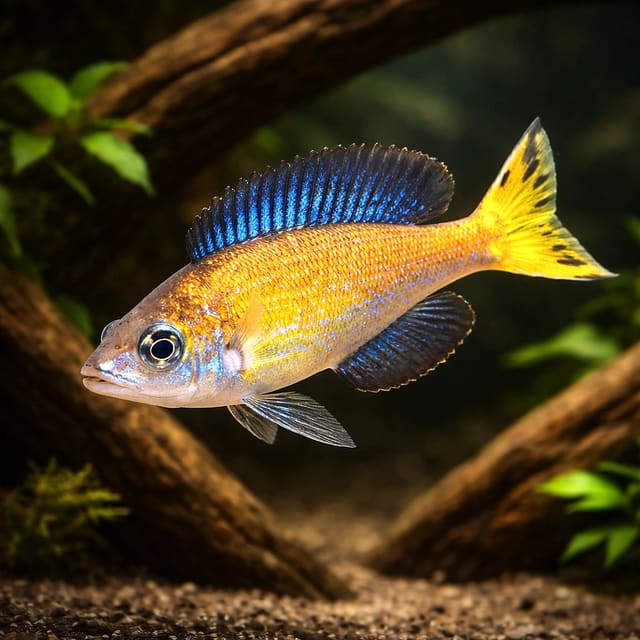
Moderate
Kasai Smallscale Cyprichromis (Cyprichromis microlepidotus)
23–27°C · pH 7.5–8.5 · 350L
£42.99
21 products
Open swimming room and a settled shoal matter as much as colour. Compare leptosoma, microlepidotus, Jumbo and related Paracyprichromis offers.
21 products
23–27°C · pH 7.5–8.5 · 350L

24–27°C · pH 7.5–8.5 · 300L

24–27°C · pH 7.8–9 · 240L
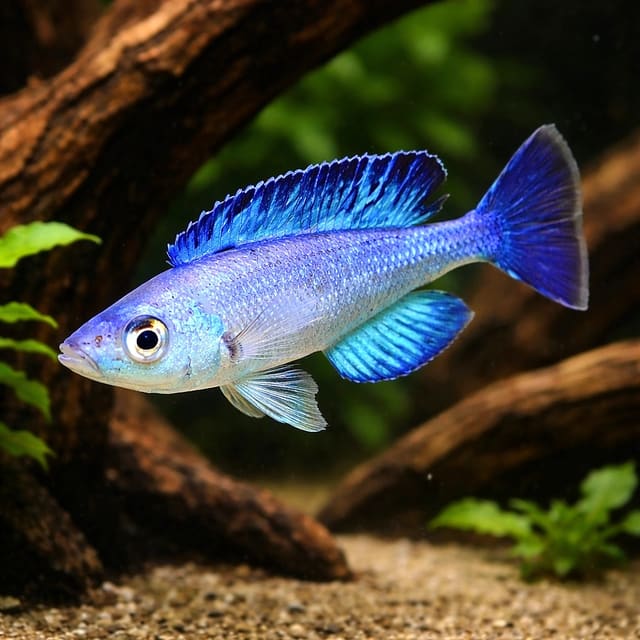
23–27°C · pH 8–8.6
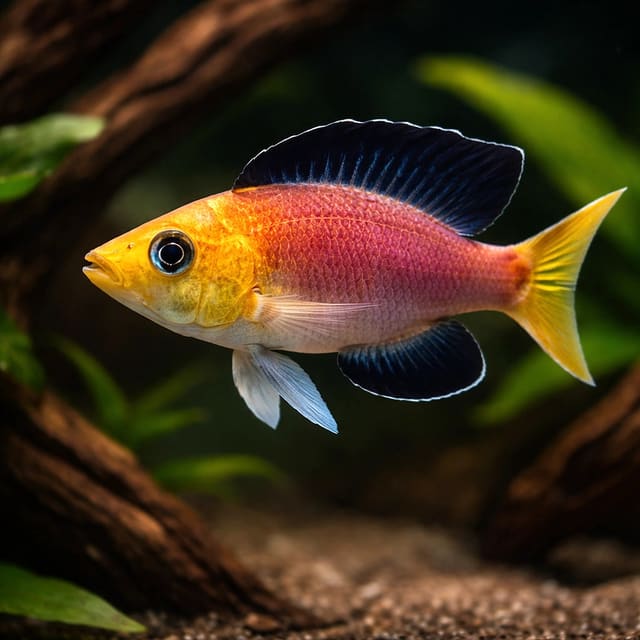
24–27°C · pH 7.8–9
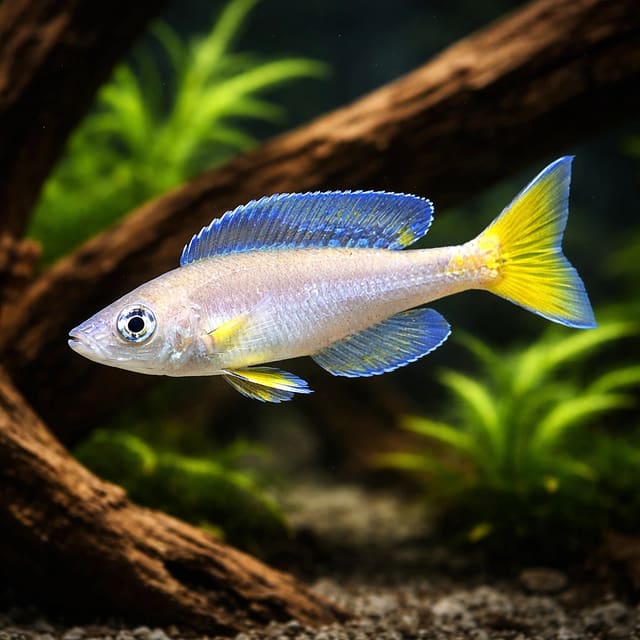
24–27°C · pH 7.8–9 · 243L
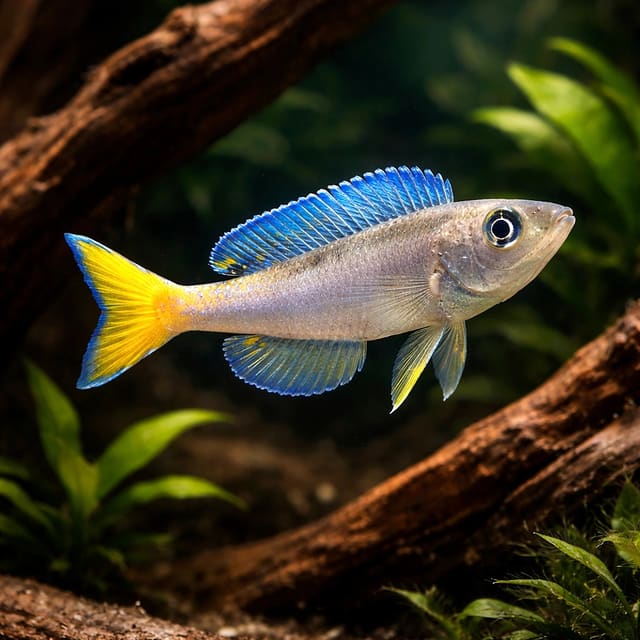
24–27°C · pH 7.8–9 · 243L
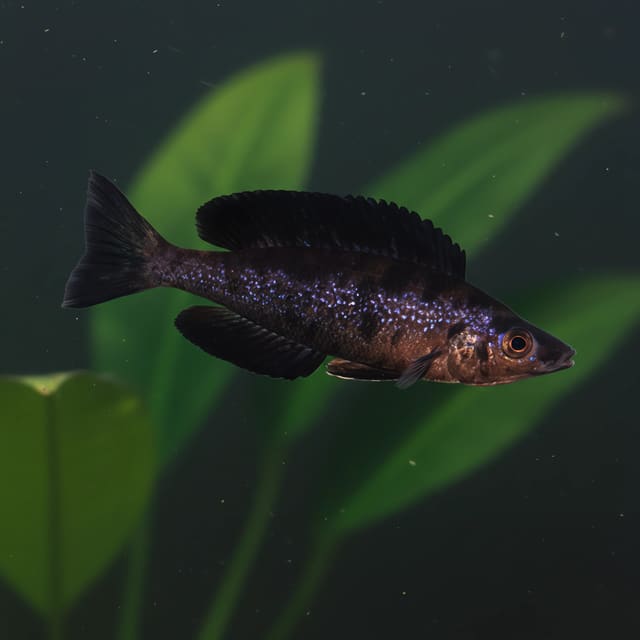
24–27°C · pH 7.8–9 · 243L

24–27°C · pH 7.8–9 · 243L
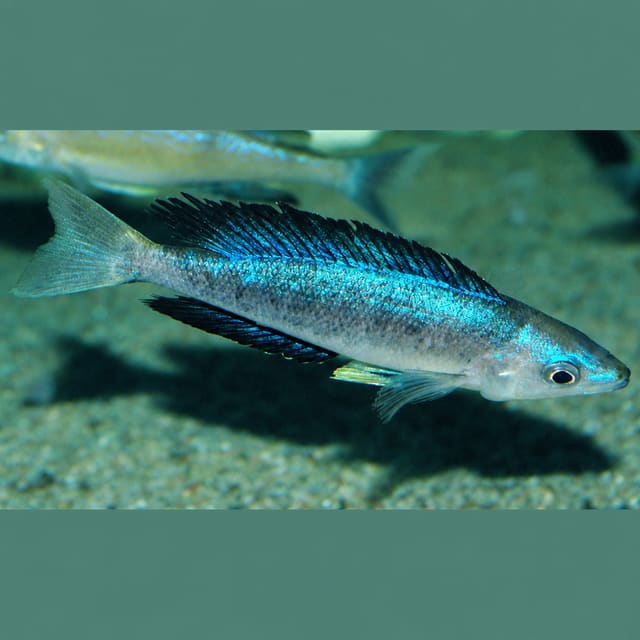
24–27°C · pH 7.8–9 · 200L
24–25°C · pH 8–8.6 · 205L
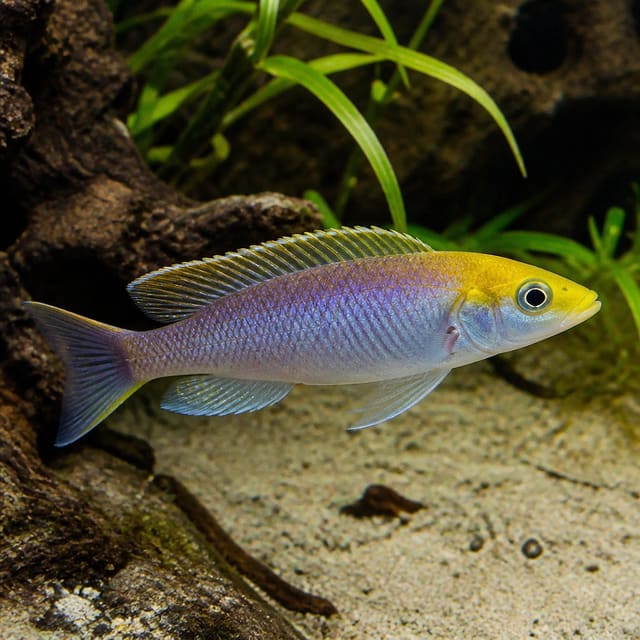
24–27°C · pH 7.8–9 · 200L
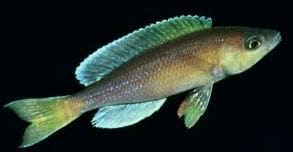
24–27°C · pH 7.8–9 · 300L
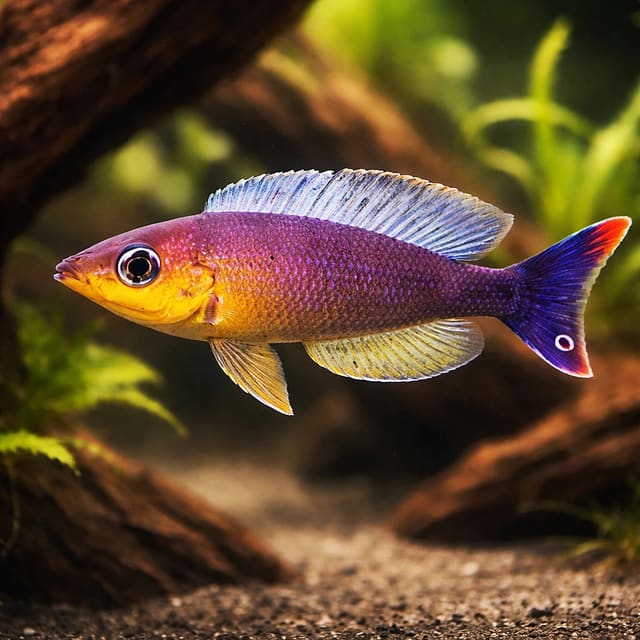
24–27°C · pH 7.5–8.5 · 250L
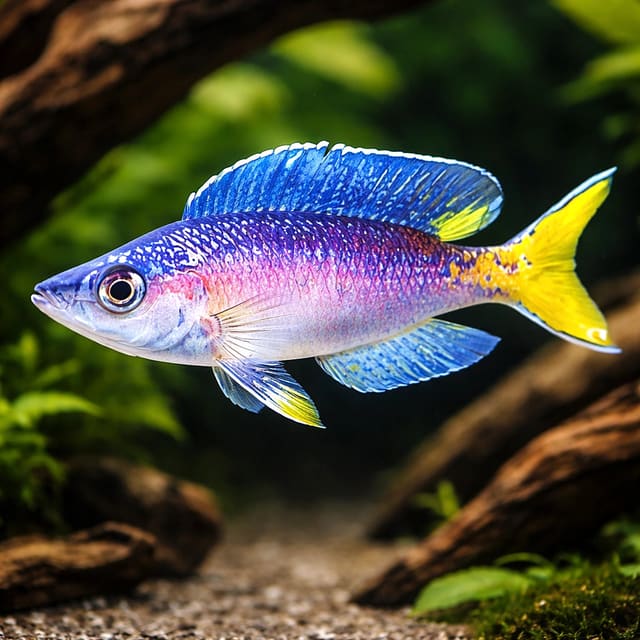
24–27°C · pH 7.5–8.5 · 300L

24–27°C · pH 7.5–8.5 · 250L
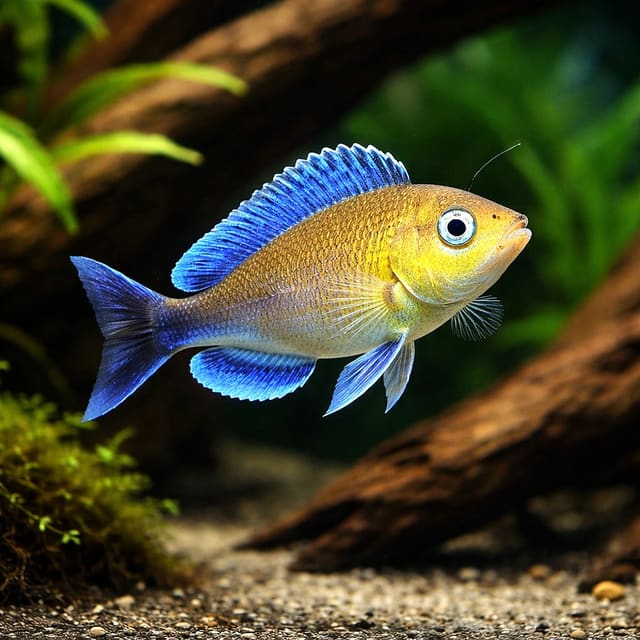
24–27°C · pH 7.8–9 · 200L
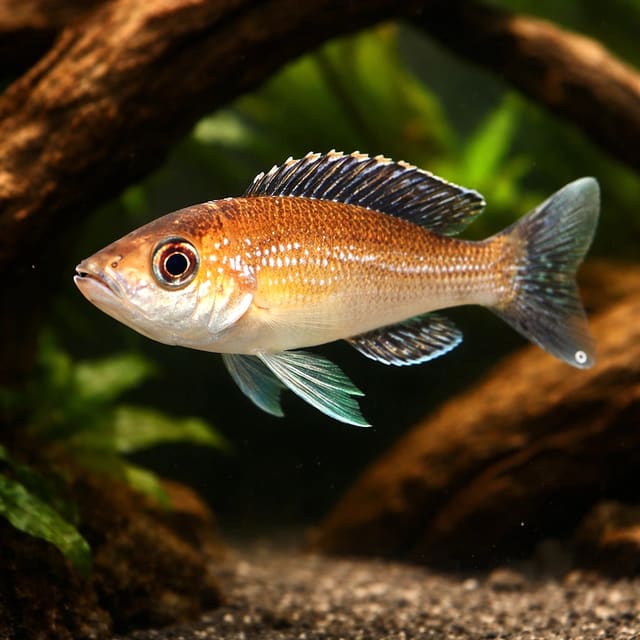
24–27°C · pH 7.8–9 · 200L

24–27°C · pH 7.5–8.5 · 300L
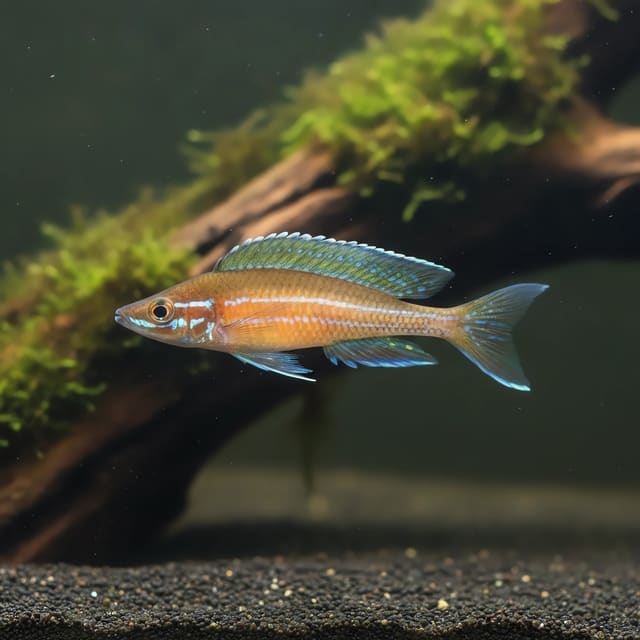
23–27°C · pH 7.8–8.8 · 250L
24–27°C · pH 7.8–9 · 200L
Cyprichromis use open water above the substrate. Leave unobstructed swimming room and assess the full adult shoal, filtration and feeding access. Boisterous or predatory neighbours can defeat an otherwise suitable water match. Watch new fish feed rather than assuming every member of the group is getting enough.
Discuss a Cyprichromis groupJumbo is a trade qualifier to keep when comparing an offer, not a reason to transfer a smaller form’s housing plan. This established category also retains Blue Neon, Albino Blue Neon and Dull Slender Paracyprichromis. Their rock-cover and lighting requirements deserve a separate look; they are not simply more Cyprichromis colours.
Compare Paracyprichromis