Advanced
Jumbo Yellow Sardine Cichlid (Cyprichromis sp.)
24–27°C · pH 7.8–9
£39.99
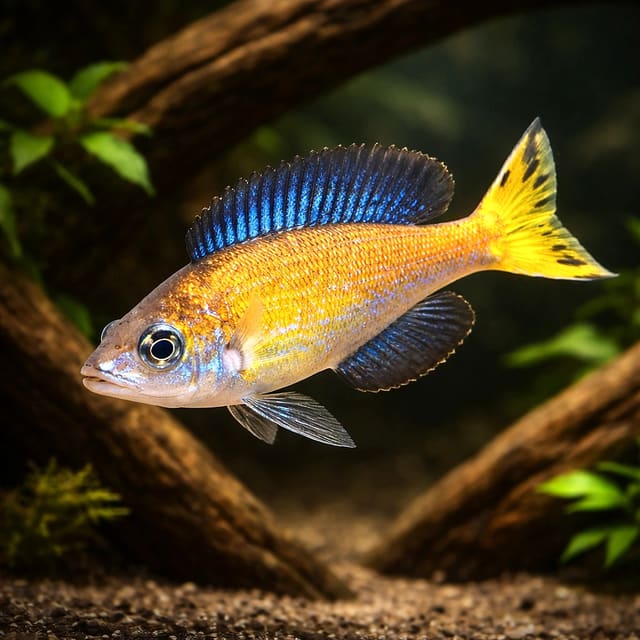
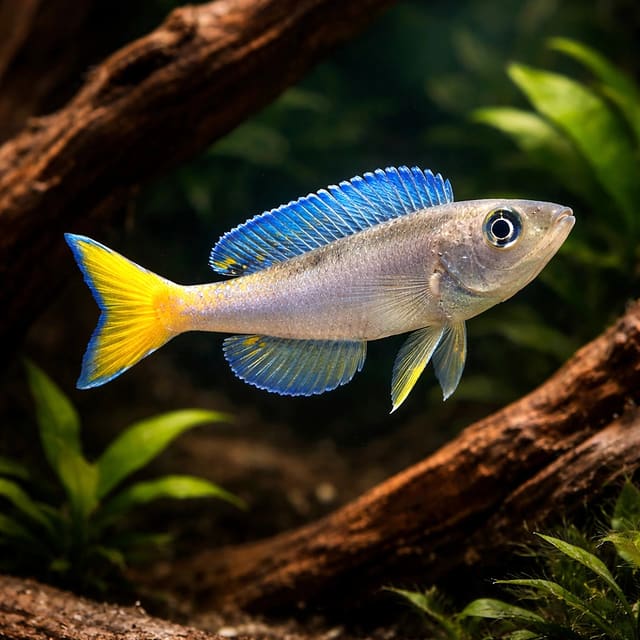
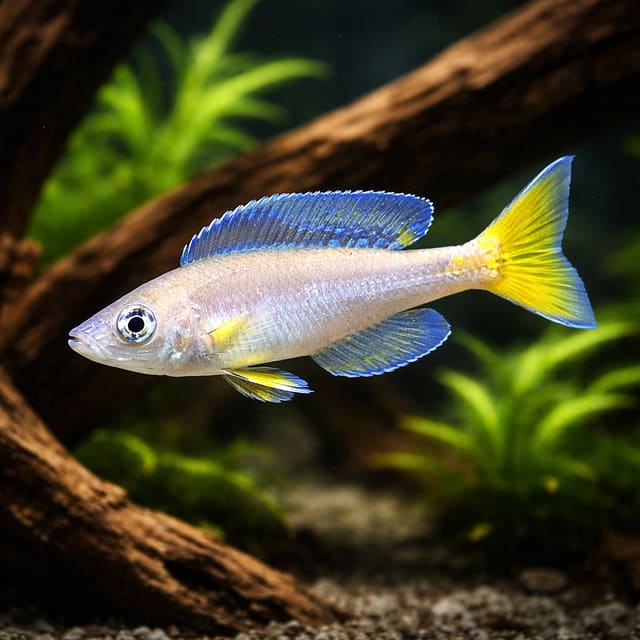
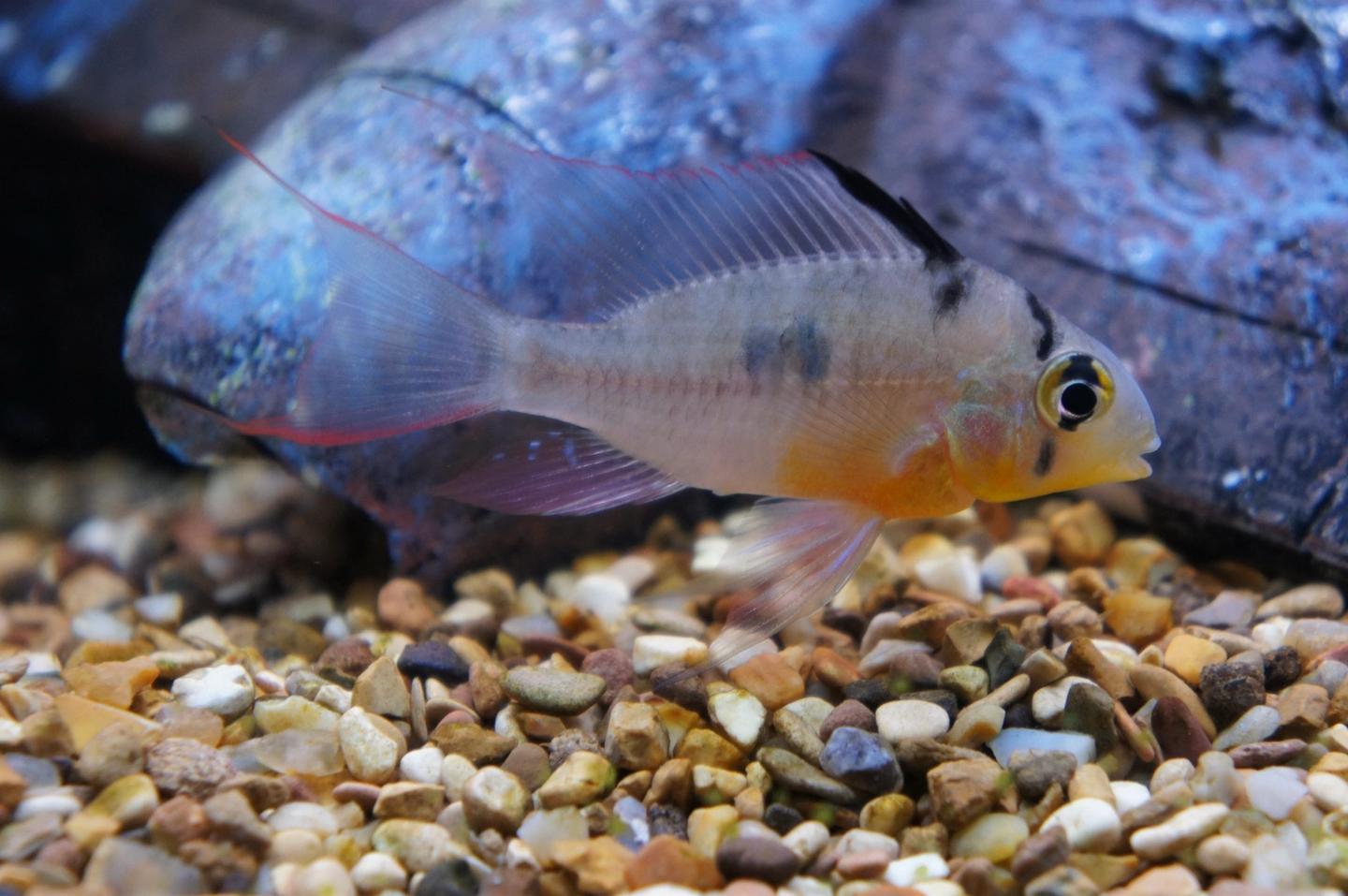
Bulu Point locality Cyprichromis leptosoma — a peaceful, surface-orientated Tanganyika cichlid (~12 cm) that fills the top layer of hard-water tanks.
Adult size is the maximum length this species reaches at full maturity (scientific sources). The livestock you receive will be younger and smaller. Product-photo provenance and any image-specific limitations are stated on the listing.
Cyprichromis leptosoma
Shoaling fish: kept in a group they feel safer, stay calmer and show their best colour.
Confirm your email, then we’ll send an availability message for this exact item if it returns within 180 days.
This request is only for this product—no newsletter or other promotions. A mail-provider retry may very rarely duplicate the same availability message. Unconfirmed addresses are removed after 48 hours. See our privacy policy.
Bulu Point locality Cyprichromis leptosoma — a peaceful, surface-orientated Tanganyika cichlid (~12 cm) that fills the top layer of hard-water tanks.
Adult size is the maximum length this species reaches at full maturity (scientific sources). The livestock you receive will be younger and smaller. Product-photo provenance and any image-specific limitations are stated on the listing.
Cichlids are a family of roughly 1,800 accepted species, not one care type. Before buying, identify the exact species and source, then compare adult measurement, usable tank dimensions, social system, territory, tested water, diet and an exit plan. No family-wide minimum tank, water range or tank-mate list is safe.
Maintain these water conditions for optimal health and vibrant colors
Glance at the surface of most Tanganyika aquariums and you will find empty water. The Bulu Point form of Cyprichromis leptosoma is the fix: its record places it in the top region of the tank, cruising the band of water that rock-dwellers, shell-dwellers and catfish all ignore. Add a fish like this and the display suddenly works from substrate to surface.
This locality form grows to around 12 cm, lives roughly eight years, and carries the peaceful temperament the genus is valued for. The record lists it as a carnivore, so feed meaty foods it can take high in the water column before the bottom crew hoovers them up. Like every Tanganyikan we sell, it wants hard, alkaline, stable water — 24 to 27 °C, pH 7.5 to 8.5, hardness between 12 and 30 dGH — and its moderate care rating mostly reflects that chemistry commitment rather than any fragility in the fish itself. A 250-litre aquarium is the workable minimum on record.
Where Bulu Point really earns its place is in a layered Tanganyika community. Because it claims the upper water, it slots in above an existing rockwork or shell-bed population without competing for an inch of anyone's territory. It simplifies feeding logistics too: food offered at the surface reaches it first by default, so you can feed the upper layer and the rockwork residents separately and confirm that everyone is actually eating. With about eight years of recorded lifespan, it will anchor that upper layer for a long time to come.
The compatibility list here is unusually generous: peaceful Lake Tanganyika cichlids, Julidochromis, non-aggressive Neolamprologus, Altolamprologus, Tanganyikan shell dwellers and Synodontis catfish all make sound neighbours. Steer clear of large predatory cichlids, highly aggressive mbuna, fin-nippers, very boisterous or territorial species, and fast competitive feeders that would beat it to food at the surface. Your order travels with a licensed live-animal courier and carries our live arrival guarantee.
No reviews for this item yet. Bought one? Honest reviews only, good or bad.
What customers say about ordering from us
Easy website plenty of info on fish your buying great to pick a time slot
TRACEY DURRANT · 7 Oct 2026
Got some lovely fish thank you
Kevin Mackie · 7 Oct 2026
Reviews of our shop, collected by Judge.me, an independent third-party review collector. Newest first.