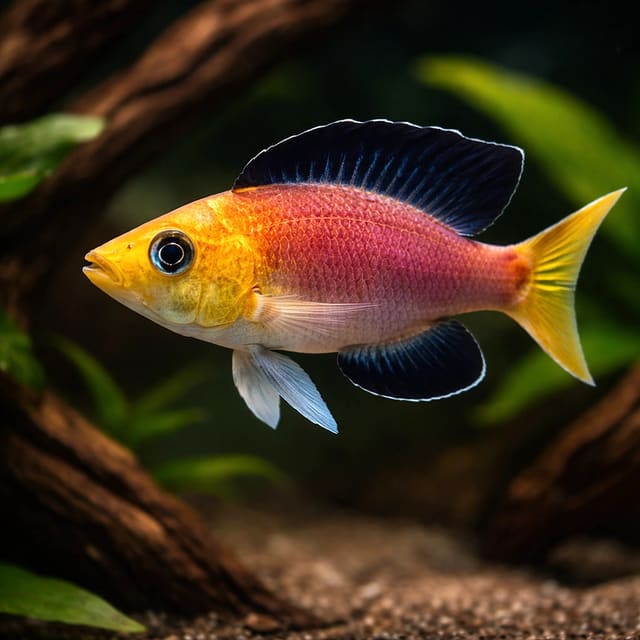
Dull Slender Cichlid — tropical fish for sale UK — AI hero driftwood view

Paracyprichromis brieni

Dull Slender Cichlid (Paracyprichromis brieni) — 4,5-6cm

Moderate Care
Peaceful
£30.99In Stock

A graceful, peaceful Tanganyikan cichlid that shines in a spacious hard-water aquarium with calm companions. Moderate care, peaceful. 24-27C, pH 7.8-9.0.

care:moderatediet:carnivorefamily:cichlidaeorigin:africasite:tropical-fish-cosize:mediumtemperament:peacefultype:freshwater-fish

Care at a Glance

Scientific Name
Paracyprichromis brieni
Adult Size
11 cm
Lifespan
8 years
Care Level
Moderate
Temperament
Peaceful
Temperature
24–27°C
pH Range
7.8–9
Hardness
10–20 dGH
Minimum Tank
200L
Diet
Carnivore

Water Parameters

Maintain these water conditions for optimal health and vibrant colors

Temperature
24–27°C
24°CIdeal Range27°C
pH Level
7.8–9
7.8Ideal Range9
Water Hardness
10–20 dGH
10 dGHIdeal Range20 dGH

Overview

The Dull Slender Cichlid (Paracyprichromis brieni) is a graceful and peaceful Tanganyikan cichlid endemic to the northern portions of Lake Tanganyika in East Africa. This elegant species is prized by African cichlid enthusiasts for its sleek appearance, calm temperament, and fascinating schooling behaviour in spacious hard-water aquariums. Available as african cichlids for sale UK from specialist retailers like Tropical Fish Co, this tanganyika cichlids for sale species brings authentic East African Rift Lake character to appropriately planned setups.

Growing to approximately 11cm in adult size, Paracyprichromis brieni requires spacious accommodation of at least 200 litres with excellent filtration and extremely hard, highly alkaline water typical of Lake Tanganyika. This slender cichlid occupies open water zones, displaying elegant swimming behaviour in schools and creating impressive visual displays when kept in appropriately sized groups. This freshwater aquarium fish UK is best suited to keepers with experience maintaining the challenging water chemistry Lake Tanganyika species require.

Appearance

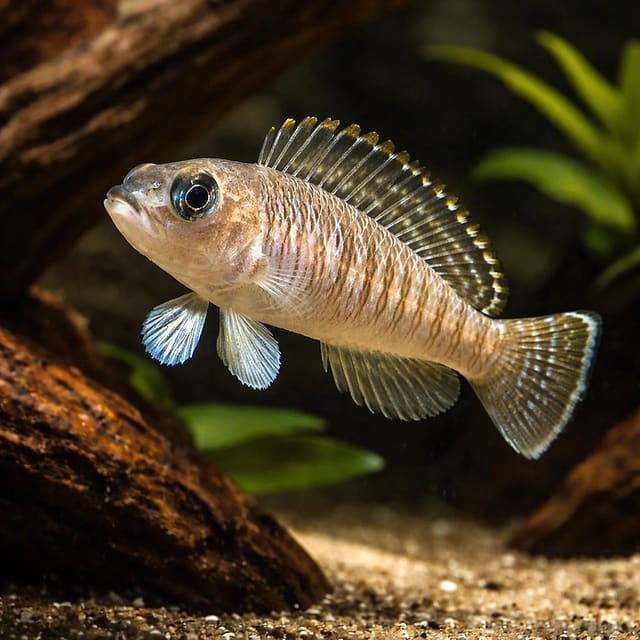
Paracyprichromis brieni displays an elegantly elongated, streamlined body profile perfectly adapted for sustained swimming in open water. The species name "slender cichlid" aptly describes their graceful proportions—these are trim, torpedo-shaped fish built for efficiency rather than the deep-bodied profiles of many other African cichlids. The common name "Dull" refers to the relatively subdued coloration compared to more vividly coloured Tanganyika species, though healthy specimens display attractive subtle beauty.

Base coloration typically ranges from silvery-blue to grey-blue with metallic highlights that shimmer under quality lighting. Males develop slightly more intense coloration than females, particularly during breeding periods, showing enhanced blue tones and more defined finnage. The fins are proportionally large, particularly the pectoral fins, which aid in precise maneuvering and sustained swimming.

Eyes are proportionally large and positioned for excellent forward and lateral vision—critical for schooling fish that must maintain awareness of neighbours while scanning for food and potential threats. At 11cm maximum size, these are moderately sized cichlids that don't dominate tanks but create beautiful visual impact when kept in groups as they naturally prefer. The understated elegance and graceful movement patterns make them appealing additions to peaceful Tanganyika community aquariums.

Natural Habitat

Paracyprichromis brieni is endemic to Lake Tanganyika, specifically the northernmost portions of this massive East African Rift Lake. These fish inhabit open water zones well above rocky substrates, typically at intermediate depths where they form schools that move throughout the water column feeding on zooplankton, small invertebrates, and suspended food particles.

Lake Tanganyika is characterized by extremely hard, highly alkaline water with stable pH typically between 8.0-9.0, very high mineral content including substantial calcium and magnesium, and excellent clarity allowing deep light penetration. Water temperatures remain stable year-round around 24-27°C with minimal seasonal variation. Dissolved oxygen levels are consistently high throughout their depth range due to the lake's size and circulation patterns.

In their natural habitat, these fish form loose schools that provide protection through numbers while facilitating efficient feeding on dispersed plankton. They're constantly on the move, swimming gracefully throughout midwater and upper zones. Males establish temporary breeding territories when spawning but otherwise remain integrated with the school. Understanding their schooling nature and open-water lifestyle is essential for providing appropriate aquarium conditions that allow natural behaviours.

Water Parameters

  • Temperature: 24-27°C
  • pH: 7.8-9.0
  • Minimum Tank Size: 200 litres
  • Water Hardness: Very hard (15-30 dGH)

Aquarium Setup

A minimum 200-litre aquarium is essential for a school of Paracyprichromis brieni, with larger tanks of 300+ litres strongly recommended for providing the extensive open swimming space these active fish absolutely require. Unlike rock-dwelling Tanganyika cichlids that need maximum rockwork, these open-water species need precisely the opposite—vast unobstructed areas for swimming and schooling.

Use coral sand, aragonite, crushed coral, or similar calcareous substrates to naturally buffer pH and maintain the extremely hard, highly alkaline water these fish require. Create rocky structures around the back and sides using ocean rock, tufa rock, or similar materials to provide territorial boundaries and visual interest, but critically leave the centre and front areas completely open and unobstructed. The tank layout should prioritize open space over complex structure.

Plants are optional and generally unnecessary for this species, though extremely hardy species adapted to very hard water like Vallisneria may be included if desired. Lighting should be moderate to subdued, as these fish prefer dimmer conditions and may become nervous under excessively bright lighting. Floating plants can help diffuse lighting while creating the dappled conditions they appreciate.

Filtration must be extremely strong and efficient, maintaining the absolutely pristine water quality Lake Tanganyika species demand. Canister filters or sump systems with substantial biological and mechanical capacity work excellently. Create moderate water movement throughout the tank to simulate lake conditions and ensure excellent oxygenation. Perform regular water changes of 30-40% weekly using hard, alkaline water to maintain stable parameters—consistency is critical for tanganyika cichlids UK health.

Feeding

Paracyprichromis brieni is a carnivore feeding primarily on small meaty foods including zooplankton, small crustaceans, and tiny invertebrates in the wild. In the aquarium, provide a varied diet of quality frozen and live foods including mysis shrimp, brine shrimp, daphnia, cyclops, and finely chopped crustaceans. These small meaty foods match their natural diet and support optimal health and coloration.

High-quality cichlid pellets or flakes formulated for African cichlids can be offered as a dietary component, particularly micro-pellets or crushed pellets appropriately sized for their relatively small mouths. Foods should be varied regularly to ensure complete nutrition and maintain feeding interest. Frozen foods should be thoroughly thawed and rinsed before feeding to remove preservatives.

Feed 2-3 times daily in small portions that can be consumed within 2-3 minutes. These are active fish with good metabolisms but overfeeding rapidly degrades water quality. During breeding periods, increase protein content with more frequent meaty foods to support energy demands of courtship and spawning. Monitor body condition—healthy specimens should appear sleek and well-proportioned rather than thin or bloated.

Avoid mammalian foods like beef heart, which contain excessive fats inappropriate for Lake Tanganyika cichlids. Stick to fish-appropriate protein sources and maintain varied feeding regimes for best results. Group feeding dynamics are interesting to observe as the school competes for food while maintaining social cohesion.

Behaviour and Temperament

Paracyprichromis brieni is genuinely peaceful with behaviour that makes it suitable for community Tanganyika aquariums housing similarly peaceful species. These fish are naturally schooling species that should always be kept in groups—minimum 6 individuals, ideally 8-12 or more in larger tanks. Solitary specimens or very small groups become stressed, hide excessively, and fail to display natural behaviours.

When kept in appropriate schools, these fish display fascinating social dynamics including synchronized swimming patterns, loose hierarchies, and coordinated movements throughout the aquarium. They spend virtually all time actively swimming in midwater and upper zones, creating constant movement and visual interest. Unlike territorial cichlids that defend specific areas, these fish roam freely throughout open water.

Males may display toward females during breeding, showing slightly enhanced coloration and courtship behaviours, but aggression remains minimal and rarely results in injury. The peaceful nature combined with active schooling behaviour makes them ideal for adding movement and life to Tanganyika community setups without introducing aggression concerns common with many other cichlid species.

These fish are alert and somewhat skittish, particularly in smaller groups or brightly lit tanks. Sudden movements near the aquarium may cause the school to dart nervously, though they quickly settle once they perceive no threat. Patient, calm fishkeeping approach helps them feel secure and display confident behaviours.

Top Tip: Keep Paracyprichromis brieni in schools of at least 8-12 individuals in tanks of 300+ litres to observe their most natural and impressive behaviours. Large schools swimming in synchronized patterns throughout open water create spectacular displays that showcase the graceful beauty of these elegant Tanganyikan cichlids.

Tank Mates

Paracyprichromis brieni is compatible with other peaceful Tanganyikan cichlids of similar size and temperament including other Paracyprichromis species, Cyprichromis species (similar open-water schooling cichlids), and non-aggressive Julidochromis species. Non-aggressive Synodontis catfish adapted to Tanganyika conditions (like S. petricola or S. multipunctatus) make excellent bottom-dwelling companions. Open-water Tanganyikan species that don't compete aggressively for space work well in larger community setups.

Avoid mixing with highly territorial rock-dwelling species that may harass them, large aggressive cichlids that create constant stress, fin-nipping species, and highly boisterous or predatory tankmates. Also incompatible are soft-water community fish with completely incompatible parameter requirements and very small fish that might be eaten (though predation risk is low given their small mouths and plankton-feeding nature).

The key to successful tanganyika cichlids for sale UK communities is matching temperaments and activity levels—peaceful species with peaceful species, avoiding mixing highly aggressive territorial fish with peaceful open-water schoolers like Paracyprichromis brieni. Always research specific species requirements before combining in african cichlid care guide setups.

Breeding

Paracyprichromis brieni is a maternal mouthbrooder following typical Lake Tanganyika patterns for open-water schooling species. Breeding is best accomplished in species tanks or with very calm tankmates that won't harass brooding females. Condition the school on high-quality varied foods for several weeks, ensuring excellent water quality with pH 8.0-8.5 and temperature around 25-26°C.

Males display enhanced coloration and court females in open water rather than establishing fixed territories. When a female is receptive, spawning occurs with the female immediately collecting eggs in her mouth. The male displays egg-spots on his anal fin, which the female pecks at, receiving sperm to fertilize the collected eggs—typical mouthbrooder behaviour.

Females incubate eggs in the mouth for approximately 3-4 weeks without eating, remaining with the school but in more protected positions away from active feeding areas. After incubation, she releases fully formed free-swimming fry capable of feeding on newly hatched brine shrimp, micro worms, and finely powdered foods immediately. Fry can be raised in the main tank with adequate cover among rocks, though predation from tankmates means many will be lost. For maximum survival, carefully remove brooding females to separate rearing tanks with identical water parameters, returning them after fry release. Maintain pristine water quality with frequent small water changes for optimal fry growth.

Why Buy from Tropical Fish Co

When you buy african cichlids for sale UK from Tropical Fish Co, you're choosing specialists in hard water fish for aquarium setups with comprehensive expertise in Lake Tanganyika species. Our Paracyprichromis brieni specimens are quarantined, feeding confidently, and fully acclimatised to UK water before dispatch. Each slender cichlid is inspected for health, proper body condition, and quality.

We provide expert guidance on tanganyika cichlids for sale UK including detailed african cichlid care guide information, water parameter management for extremely hard alkaline water, compatible tankmate selection, and schooling group size recommendations. Our team offers honest advice about the challenges of maintaining Lake Tanganyika chemistry and whether these species match your setup. Fast delivery throughout the UK ensures your freshwater aquarium fish UK arrives safely with professional packaging. Our support team remains available for questions about water chemistry, feeding, and long-term care. All livestock is backed by our health guarantee, giving confidence when purchasing from Tropical Fish Co.

Premium Quality

Healthy, vibrant fish from trusted suppliers

Expert Care

Detailed care guides and support

Live Arrival Guarantee

Your fish arrives healthy or we'll replace it

Acclimated

Properly quarantined and ready for your tank