−12%
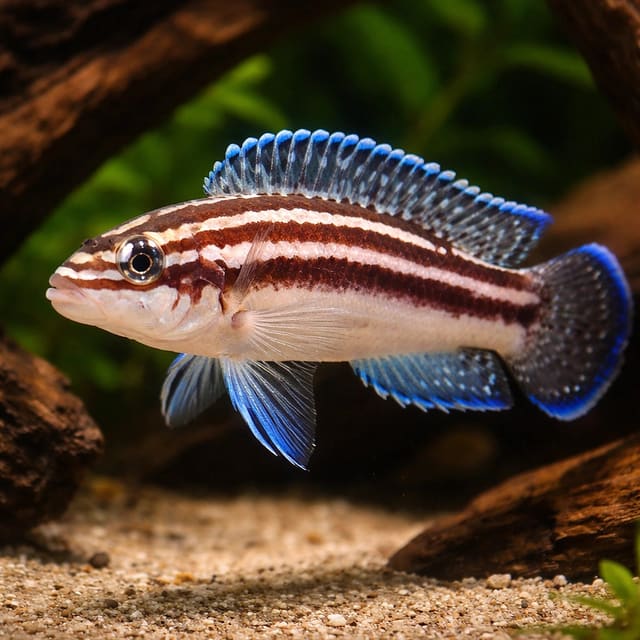
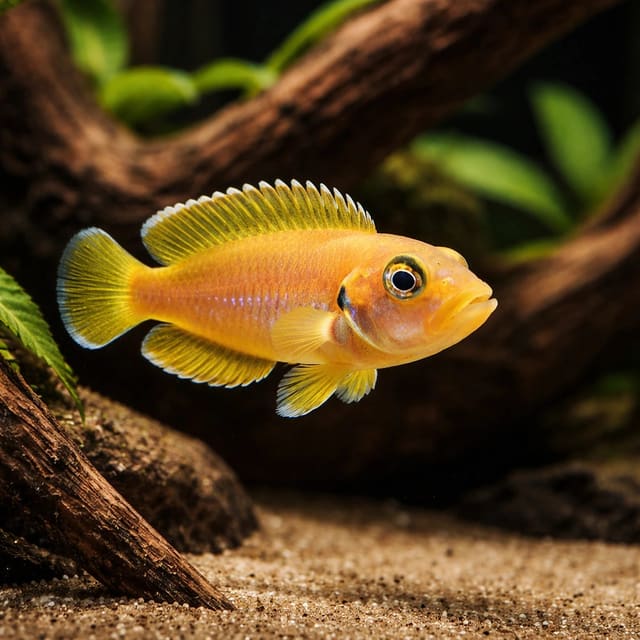
Meleagris Shell-Dweller (Neolamprologus stappersi)
24–27°C · pH 8–8.6
£16.71£18.99

Add Xenotilapia Ochrogenys Kigoma to your tank for a rare Tanganyika look and active behaviour. Buy online with UK delivery today.
Xenotilapia ochrogenys
Save when buying more.
Confirm your email, then we’ll send an availability message for this exact item if it returns within 180 days.
This request is only for this product—no newsletter or other promotions. A mail-provider retry may very rarely duplicate the same availability message. Unconfirmed addresses are removed after 48 hours. See our privacy policy.
Add Xenotilapia Ochrogenys Kigoma to your tank for a rare Tanganyika look and active behaviour. Buy online with UK delivery today.
Maintain these water conditions for optimal health and vibrant colors
Xenotilapia ochrogenys «Kigoma» is one of the most elegant tropical fish for sale UK hobbyists can add to a true Lake Tanganyika display. This peaceful, sand-sifting cichlid from East Africa is known for its subtle golden face markings, refined body shape, and calm bottom-level behaviour. In the right setup, Xenotilapia ochrogenys becomes a fascinating focal fish: active without being aggressive, unusual without being difficult, and ideal for aquarists who want something more distinctive than standard community fish. Adults reach around 12 cm, live up to 8 years, and are best kept in groups of 6+ in a properly matured aquarium. Because they need hard, alkaline water and stable conditions, they suit keepers who are ready to move beyond basic tropical fish tank requirements and into a more specialist Lake Tanganyika cichlid UK setup. See our detailed photos showing the fine body profile, sandy habitat styling, and the subtle colour that makes this species so rewarding under natural lighting. If you are searching for buy tropical fish UK options that are both striking and manageable, this is a superb choice for a serious aquarist looking for a peaceful, rare cichlid with real character.
Xenotilapia ochrogenys belongs to a highly specialised group of Tanganyikan cichlids that are adapted to life over open sand. In the aquarium hobby, they are admired for their calm nature, graceful movement, and unusual feeding style. If you enjoy African cichlid UK fish but want something less boisterous than many Malawi species, this fish offers a refined alternative. It is also a strong fit for aquarists comparing freshwater cichlid UK options or looking for a rare cichlid UK specimen with a more peaceful personality.
This species originates from Lake Tanganyika, East Africa, specifically the Kigoma region on the lake’s eastern shore. In the wild, these fish live over fine sand in clear, mineral-rich water with a high pH, stable temperature, and very little organic waste. That environment is why xenotilapia ochrogenys «kigoma» Tanganyika setup planning matters so much: the species is not adapted to soft, acidic, or unstable conditions. In nature, they sift through sand for tiny invertebrates, insect larvae, and micro-foods, which is why their mouth structure and feeding style are so distinctive.
The lake itself is a huge, ancient ecosystem, and that stability explains the species’ preference for consistent water chemistry. A proper tropical fish tank ecosystem for this fish should focus on open sand, scattered rockwork, and strong filtration rather than dense planting. Many keepers researching what is tropical fish tank or what do you need for a tropical fish tank are surprised to learn that Tanganyika species often need more precise water management than standard community fish. The good news is that once the tank is mature, the routine is straightforward.
In the hobby, this fish is often recommended for aquarists who already understand how to maintain tropical fish tank conditions, or who are ready to learn. It is not a fish for soft-water community tanks, and it should not be mixed with species from very different habitats. If you are comparing xenotilapia ochrogenys «kigoma» or alternative species, the Kigoma form is especially appealing because of its subtle golden face tones and elegant profile. It is a natural fit for a Tanganyika collection alongside other peaceful sand-dwellers and shell-free cichlid companions.
Mimicking the fish’s natural habitat improves health and brings out natural behaviour. Use a deep sandy substrate, keep décor open, and maintain strong oxygenation. A stable tropical fish temperature and clean water matter more here than flashy decoration.
The xenotilapia ochrogenys «kigoma» minimum tank size is 200 litres, but a larger aquarium is strongly recommended, especially for a group of 6 or more. A 100cm tropical fish tank can work for a small group if the aquascape is open and the filtration is excellent, but a 120cm or larger footprint is far better for natural movement. This fish is a bottom-dweller, so floor space matters more than height. If you are asking what size tank for tropical fish or what tank do you need for tropical fish, think in terms of base area and stability, not just litres.
For a single pair or young group, a 90cm tropical fish tank may be a temporary option, but it is not the best long-term plan. A 60cm tropical fish tank or 80cm tropical fish tank is too small for adult Xenotilapia. This is a species for aquarists who want a proper xenotilapia ochrogenys «kigoma» tank size and the room to build a mature Tanganyika layout.
The correct xenotilapia ochrogenys «kigoma» ideal temperature is 24-27°C, with 25-26°C being a comfortable everyday target. If you are wondering what temperature should a tropical fish tank be kept at or what should tropical fish tank temperature be, remember that Tanganyika cichlids need stability more than variation. The tropical fish tank ideal temperature for this species is not the same as for guppies or tetras. In fact, the tropical fish tank temperature range should be kept tight, and the tropical fish tank heater setting should be checked regularly.
Target pH is 7.8-9.0, with hard water at 10-25 dGH. If you are testing what ph for tropical fish tank or what should my tropical fish tank levels be, this species needs alkaline, mineral-rich water. The xenotilapia ochrogenys «kigoma» water hardness requirement is one of the main reasons this fish does best in a specialist setup rather than a generic community tank. For UK aquarists, tropical fish tank temperature uk celsius is usually best kept around 25°C for this species.
Use a strong tropical fish tank filter and heater combination, ideally with a canister filter or high-capacity external filter that provides excellent mechanical and biological filtration. Tanganyika fish appreciate clean, oxygen-rich water, so a tropical fish tank heater and filter setup should be sized for the tank, not the bare minimum. If you are building a tropical fish tank complete setup or a tropical fish tank starter kit with heater, choose equipment that can handle hard-water cichlids. The tropical fish tank heater position should allow even heat distribution, and the tropical fish tank heater temperature should be checked with a reliable thermometer.
A fine sand substrate is essential because these fish sift and probe the bottom. Avoid sharp gravel. Add smooth rock piles, caves, and open sand lanes so the fish can forage naturally. Plants are optional rather than essential; if you want greenery, choose hardy species that tolerate alkaline conditions. If you are asking what plants for tropical fish tank, consider tough options like Anubias or Vallisneria attached to rockwork, rather than delicate stem plants. A tropical fish tank blue light is not necessary; natural white lighting is better for colour and behaviour.
Cycle the aquarium for 4-6 weeks before adding fish, and test ammonia, nitrite, nitrate, pH, and hardness weekly during the first month. A mature tank is the best defence against stress, cloudy water, and disease.
For equipment, pair this species with a reliable tropical fish tank heater, a high-flow tropical fish tank filter, and a quality aquarium substrate. If you are building a broader hard-water display, our Tanganyika cichlid collection is a useful place to compare species and plan stocking.
This species is an omnivore with a strong preference for small, meaty foods. In the wild, the fish picks tiny invertebrates from sand, so the best xenotilapia ochrogenys «kigoma» diet in captivity includes frozen brine shrimp, cyclops, and fine pellets. For keepers searching pet fish food shop near me or comparing tropical fish tank plant food with fish diets, remember that this is not a plant-eating species. It needs a protein-rich but digestible menu.
Staple foods should be small and easy to swallow. Fine cichlid pellets, micro pellets, and quality frozen foods are ideal. Supplemental foods such as daphnia and mysis can add variety, while occasional enriched brine shrimp help condition adults for spawning. If you are wondering what tropical aquarium fish eat snails, Xenotilapia are not snail specialists; they are sand sifters that prefer tiny prey items. They also are not suitable for tropical fish tank algae eaters or tropical fish tank bottom feeders in the usual sense, because they are not clean-up crew fish.
Feed small portions 2 times daily, only what the fish can consume in 30-45 seconds. Overfeeding is the fastest way to create waste in a Tanganyika tank, especially if you are using a small tropical fish tank with heater or a heavily stocked aquarium. If you are asking how to keep tropical fish tank water clear, the answer starts with measured feeding and strong filtration. A good tropical fish tank algae treatment will not solve the root cause if excess food is the issue.
| Time | Food | Amount |
|---|---|---|
| Morning | Fine pellets or micro pellets | Small pinch per group |
| Evening | Frozen brine shrimp or cyclops | Small portion only |
Overfeeding causes ammonia spikes, dirty substrate, and water quality issues. Remove uneaten food promptly and avoid rich foods in large amounts. A stable Tanganyika tank depends on clean feeding habits as much as filtration.
For food support, pair this fish with Tanganyika cichlid pellets and frozen brine shrimp packs. If you are building a mixed African setup, our freshwater fish bundle options can help you plan compatible feeding across species.
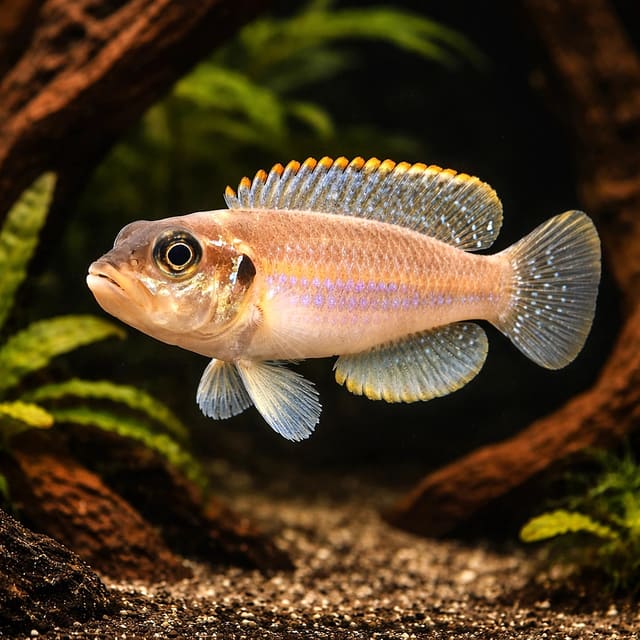
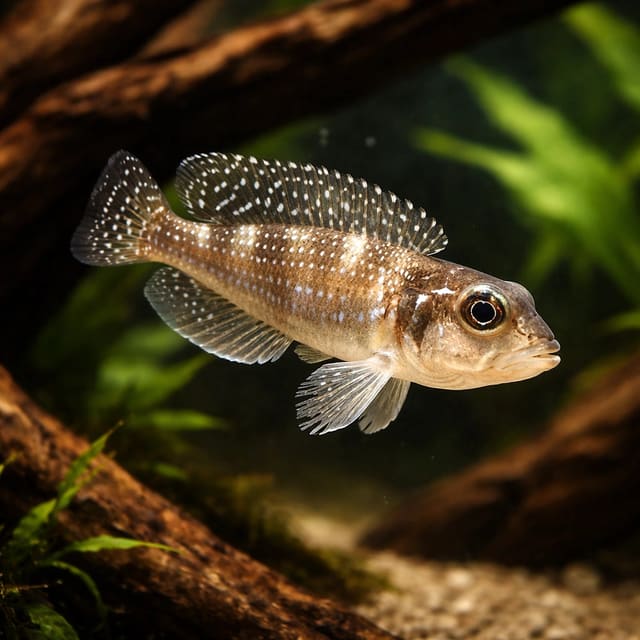
Adult fish typically reach around 12 cm and have a slender, sand-dwelling body built for hovering and sifting. The most recognisable feature is the subtle golden wash on the face and head, which is more noticeable under clean water and natural light. The body is generally understated rather than flashy, but that is part of the appeal: this is a fish that rewards close observation. In the right aquascape, the colour contrast between pale sand, dark rock, and the fish’s delicate markings is striking.
Sexual dimorphism is subtle. Mature males often look slightly more robust and may show stronger colour during breeding, while females remain a little smaller and more streamlined. Unlike some cichlids, this species is not about dramatic fin extensions or neon colours. If you are comparing 100cm tropical fish tank displays with smaller tanks, a larger footprint shows the fish at its best because it can glide naturally across the substrate.
Our photos show how the species’ soft golden tones become more visible when stress is low and water quality is excellent. A light sand base, clean rockwork, and a steady tropical fish tank water temperature help the fish show its best colour. Keep the lighting moderate; too much harsh intensity can make the fish retreat, while balanced white light enhances its refined look. If you are browsing tropical fish tank light options, choose a natural spectrum rather than a blue-heavy display.
This species is peaceful, but it is still a cichlid, so tank mates must match its water chemistry, size, and temperament. The best xenotilapia ochrogenys «kigoma» tank mates are other Tanganyika fish of similar size that will not outcompete it for food. In a well-planned xenotilapia ochrogenys «kigoma» community tank, the focus should be on calm species that prefer hard, alkaline water and open swimming space. If you are exploring community tropical fish uk options, this is not a classic community fish, but it can work in a specialist African setup.
Good companions include other peaceful Tanganyika cichlids and selected Synodontis catfish. For example, Yellow Elongatus Cichlid - Chindongo Elongatus is not a direct chemistry match for Tanganyika, so it is not recommended here, but Aulonocara Sp Neon Red Calico Peacock and Rubin Red Peacock Cichlid - Aulonocara are useful comparison species if you are deciding between Malawi and Tanganyika styles. For this fish, better choices are Tanganyika neighbours such as Aulonocara kandeense only if you are building a separate Malawi tank, not a mixed one. The safest rule is to keep the biotope consistent.
When people ask tropical fish tank mates or search a tropical fish tank mates chart, they often want simple community answers. With this species, the answer is more specialised. Avoid small fish, shrimp, and delicate species that may be stressed or eaten. Also avoid Malawi cichlids, which prefer different behaviour patterns and can cause conflict. If you want a true best tank mates for xenotilapia ochrogenys «kigoma» list, think similar-sized Tanganyika cichlids, not generic community fish.
| Species | Compatible? | Notes |
|---|---|---|
| Synodontis petricola | ✅ Yes | Excellent Tanganyika companion; peaceful and hard-water tolerant. |
| Kiriza Yellow Cichlid - Tropheus Moorii | ⚠️ Caution | Same lake, but Tropheus can be more assertive and feed differently. |
| Small tetras | ❌ Avoid | Too small, wrong water chemistry, and likely to be stressed. |
Always quarantine new arrivals for 2-4 weeks in a separate tropical fish quarantine tank. This reduces the risk of parasites, helps the fish settle, and protects your main Tanganyika display.
For compatible stocking inspiration, compare this species with Thorichthys Maculipinnis - Elliot'S Cichlid for temperament ideas, or browse Guianacara Dacrya - South American Cichlid if you are planning a different peaceful cichlid aquarium. These links are useful for aquarists comparing xenotilapia ochrogenys «kigoma» compatible fish and broader tropical fish tank mates choices.
Breeding difficulty is moderate, so this species is suitable for experienced hobbyists who can maintain stable water chemistry and observe subtle behaviour changes. A good xenotilapia ochrogenys «kigoma» breeding pair will usually form in a peaceful group, especially when kept with enough space and a balanced ratio of males to females. If you are researching xenotilapia ochrogenys «kigoma» breeding, the key is to condition the group well, keep the water pristine, and avoid aggressive tank mates.
Set up a separate breeding aquarium of at least 200 litres with fine sand, flat stones, and very calm surroundings. Raise temperature slightly to 26-27°C and keep pH stable above 7.8. The fish may spawn on or near the substrate, and the female often takes a more involved role in mouthbrooding behaviour typical of Tanganyika cichlids. If you notice tropical fish tank eggs or even yellow eggs in tropical fish tank, do not disturb the pair. Stress is the biggest reason breeding attempts fail.
Condition adults with small live or frozen foods for 2-3 weeks before spawning. Good conditioning foods include brine shrimp and cyclops, which are ideal for xenotilapia ochrogenys «kigoma» diet support during breeding. Fry should be started on very fine foods, including newly hatched brine shrimp and micro foods. Growth is steady rather than rapid, and clean water is essential for survival. If you are asking what should tropical fish tank levels be during breeding, think stable, oxygen-rich, and low in waste.
Use a lightly stocked breeding tank with a bare or very shallow sand bed so you can monitor spawning behaviour and remove excess food easily. Keep the pair in a calm room with minimal movement around the glass, as this species can abandon breeding if disturbed too often.
Comparing species helps you decide whether this Tanganyikan sand-dweller is the right fit for your aquarium. If you want a peaceful, bottom-oriented cichlid with subtle colour and specialised water needs, this fish stands out. If you prefer brighter colours or a more active rock-dweller, another species may suit you better. Many customers searching tropical fish for beginners eventually move toward specialist fish once they understand filtration, water chemistry, and stocking balance.
| Feature | Xenotilapia ochrogenys «Kigoma» | Kiriza Yellow Cichlid - Tropheus Moorii |
|---|---|---|
| Max Size | 12 cm | 13-15 cm |
| Care Level | Moderate | Moderate to advanced |
| Temperature | 24-27°C | 24-26°C |
| Price | £41.61 | Varies |
| Best For | Peaceful Tanganyika sand aquariums | Active rockwork displays |
Choose this species if you want a calmer fish with a refined look and a more natural sand-sifting lifestyle. Choose Tropheus if you want more activity and are prepared for a more assertive social structure. For aquarists comparing xenotilapia ochrogenys «kigoma» for large tank options with other African cichlids, this species is one of the most rewarding when the tank is built specifically for it.
A healthy fish will swim steadily, feed eagerly, and keep its fins intact without clamping. The eyes should be clear, the body full but not bloated, and the colour clean rather than washed out. Common issues include stress from poor water chemistry, internal parasites, and digestive problems caused by rich or inappropriate foods. If you are asking how to test tropical fish tank water, use a liquid test kit and check pH, ammonia, nitrite, nitrate, and hardness regularly.
Because this species is sensitive to poor conditions, tropical fish tank diseases are often linked to stress rather than the fish itself. A tropical fish tank water treatment routine should focus on water changes, gravel cleaning, and stable filtration rather than reactive medication. If the tank becomes cloudy, ask why is my tropical fish tank cloudy, why my tropical fish tank is cloudy, or why is tropical fish tank cloudy and look first at overfeeding, filter maintenance, and new-tank instability. If the tank is turning green, investigate light exposure and nutrient build-up; why is my tropical fish tank going green is usually a sign of excess light or waste.
Use a tropical fish quarantine tank for all new fish, and watch for flashing, stringy waste, loss of appetite, or rapid breathing. If treatment is needed, identify the disease before dosing. This is especially important in Tanganyika aquariums because some medications can upset biological filtration or harm tank mates. Never use copper-based medications with invertebrates if you keep any other species in the system.
NEVER use copper-based medications with invertebrates - lethal to shrimp! Even in fish-only tanks, dose carefully and remove activated carbon only when treatment is truly needed.
This is a calm, active-bottom fish that spends much of its time sifting sand, exploring open areas, and staying close to the substrate. It is not a boisterous swimmer, and it does not usually dominate the tank. In a proper group, you will see subtle social interactions, gentle chasing during breeding, and occasional colour intensification when the fish is comfortable. Many keepers who ask what tropical fish keep the tank clean are really looking for fish that stay active without causing chaos; this species fits that description visually, but it is not a cleanup crew fish.
Keep at least 6 together so the fish can spread out social pressure. A lone specimen may become shy, while a group behaves more naturally. If you are comparing xenotilapia ochrogenys «kigoma» for beginners with other Tanganyika fish, this species is moderate rather than easy, but it is very manageable in a mature aquarium. A stable tropical fish tank ecosystem and low-stress tank mates help bring out the best behaviour.
Our Xenotilapia ochrogenys «Kigoma» are selected for healthy body shape, clear eyes, and strong feeding response before they are offered for sale. Each fish is observed during quarantine, acclimated carefully to UK water conditions, and packed with insulated materials for safe transit. In winter, heat packs are used when needed, and all live fish are dispatched using professional packing methods designed to reduce stress. If you are searching for tropical fish for sale near me, tropical fish for sale UK, or tropical fish for sale online, ordering online gives you access to specialist species that are not always available in a local tropical fish shop near me.
We also support aquarists who want to buy live fish online uk with confidence. Your fish comes with care guidance suited to Tanganyika cichlids, and we can help you plan stocking, feeding, and tank setup before purchase. If you are comparing the best place to buy tropical fish online with a general aquarium fish shop near me for sale, specialist sourcing makes a real difference for rare species like this. This is especially helpful for customers who have searched live fish for sale uk, buy tropical fish UK, or even best place to buy tropical fish uk and want a fish that arrives healthy and ready to settle.
Complete your Tanganyika or African cichlid setup with compatible species and the right foods. If you are building a broader display, consider Synodontis petricola for the bottom zone, Kiriza Yellow Cichlid - Tropheus Moorii for a harder-edged Tanganyika project, or Orange I Blunthead Cichlid - Tropheus for another lake-specific option. For other cichlid styles, Thorichthys Maculipinnis - Elliot'S Cichlid and Guianacara Dacrya - South American Cichlid are useful comparisons. Finish the setup with Tanganyika cichlid pellets or frozen brine shrimp for balanced nutrition.
No reviews for this item yet. Bought one? Honest reviews only, good or bad.
What customers say about ordering from us
I have a small group of long finned mountain minnows. So was delighted to be able to order ten of this variety to increase the genetics in my tank . The ones I recieved are healthy but it’s to early to give a verdict on wether they are of a long finned type since they are small currently.
Gordon Walker · 23 Sept 2026
100% success travel and "installation". Pleased with quality of purchase. The Siamese fighter a bit "shy" so have not yet seen him at his best yet but looking good. Happy customer. GG
George E Garratt · 21 Sept 2026
Reviews of our shop, collected by Judge.me, an independent third-party review collector. Newest first.