Moderate
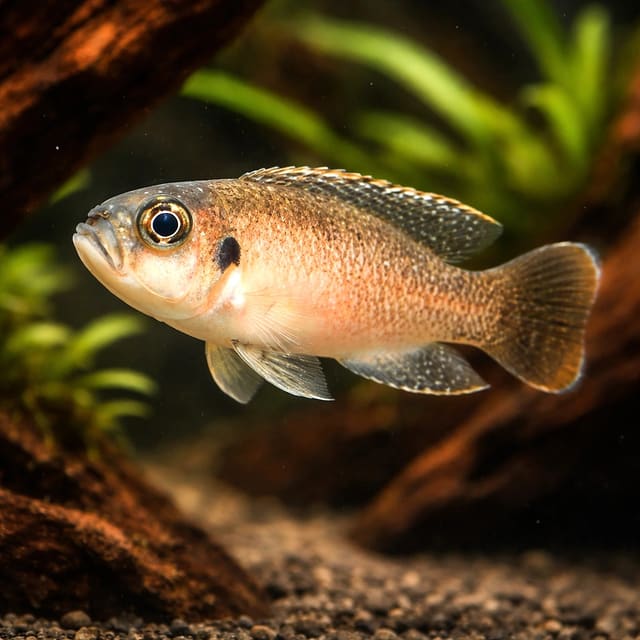
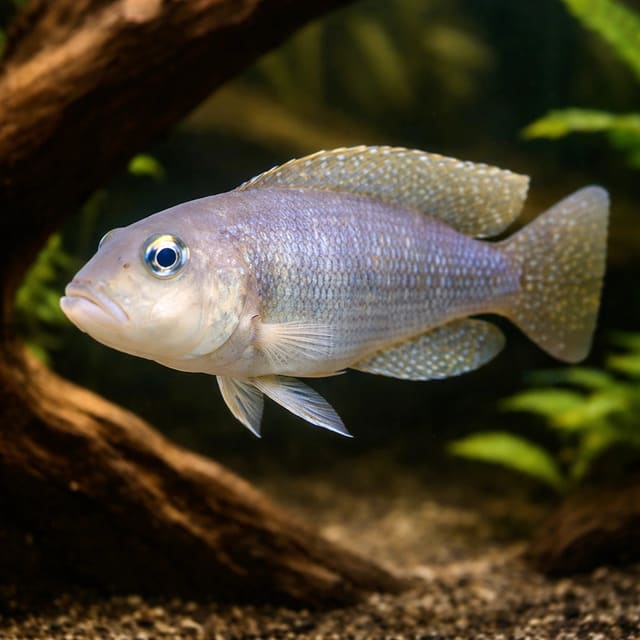
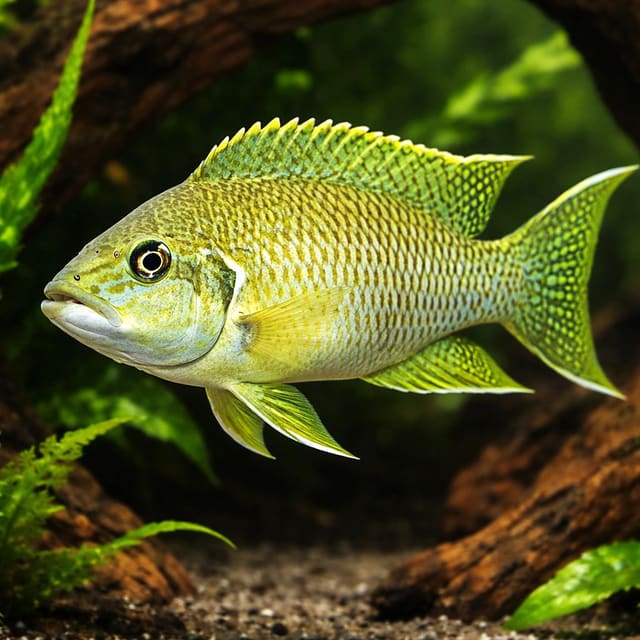
Caudopunk Shell-Dweller (Neolamprologus caudopunctatus)
23–25°C · pH 7.5–8.5
£11.49

The orange colour form of this compact Tanganyikan cichlid - bold, bottom-dwelling and best in a hard-water African setup.
Adult size is the maximum length this species reaches at full maturity (scientific sources). The livestock you receive will be younger and smaller. Product-photo provenance and any image-specific limitations are stated on the listing.
Lamprologus caudopunctatus
Save when buying multiple fish. Each quantity is one fish; sex and pair formation are not guaranteed unless the selected variant explicitly states them.
Confirm your email, then we’ll send an availability message for this exact item if it returns within 180 days.
This request is only for this product—no newsletter or other promotions. A mail-provider retry may very rarely duplicate the same availability message. Unconfirmed addresses are removed after 48 hours. See our privacy policy.
The orange colour form of this compact Tanganyikan cichlid - bold, bottom-dwelling and best in a hard-water African setup.
Adult size is the maximum length this species reaches at full maturity (scientific sources). The livestock you receive will be younger and smaller. Product-photo provenance and any image-specific limitations are stated on the listing.

Cichlids are a family of roughly 1,800 accepted species, not one care type. Before buying, identify the exact species and source, then compare adult measurement, usable tank dimensions, social system, territory, tested water, diet and an exit plan. No family-wide minimum tank, water range or tank-mate list is safe.
Maintain these water conditions for optimal health and vibrant colors
Warm orange tones and an outsized personality make the Lamprologus caudopunkt. orange a standout in a Lake Tanganyika aquarium. This is the orange colour form of a compact, ground-dwelling cichlid that stays small at around 4.5cm yet behaves like a far larger fish, patrolling the substrate and asserting itself with confident displays.
Keep it in a dedicated Tanganyikan setup with hard, alkaline water and plenty of structure low down in the tank. As a bottom-region carnivore it spends its time scouting the lower reaches, so the floor of the aquarium matters more than open swimming space. Its temperament is semi-aggressive and it can become territorial, which means each fish needs room to claim and hold its own patch without constant conflict.
Although small, it is a rewarding fish for keepers who enjoy watching natural Rift-lake behaviour rather than open-water shoaling. Stable, well-buffered water and a mature filter help this species settle and show its best colour.
Setting the tank up for success means leaning into its preferences rather than fighting them. Keep the water firmly in the hard, alkaline band it favours - around 24 to 27°C and a pH between 7.5 and 8.5 - and let the lower third of the tank carry the visual interest, since this is where it spends almost all of its time. With a minimum of 80 litres it does not need a vast aquarium, but it does need that volume kept clean and consistent.
Feeding is straightforward for a carnivore of this size: a varied menu of quality meaty prepared and frozen foods, offered in modest amounts it can clear quickly. Watching it stake out and patrol a small territory is much of the appeal, and a stable routine helps it show that confident behaviour day to day.
House it with other Tanganyikan cichlids only where the tank is large and territories are properly planned, and consider Synodontis catfish as companions. Avoid small community fish, very timid species, large aggressive cichlids, fin-nipping species and anything needing soft, acidic water. Every order travels with a licensed live-animal courier and is covered by our live arrival guarantee.
No reviews for this item yet. Bought one? Honest reviews only, good or bad.
What customers say about ordering from us
I have a small group of long finned mountain minnows. So was delighted to be able to order ten of this variety to increase the genetics in my tank . The ones I recieved are healthy but it’s to early to give a verdict on wether they are of a long finned type since they are small currently.
Gordon Walker · 23 Sept 2026
100% success travel and "installation". Pleased with quality of purchase. The Siamese fighter a bit "shy" so have not yet seen him at his best yet but looking good. Happy customer. GG
George E Garratt · 21 Sept 2026
Reviews of our shop, collected by Judge.me, an independent third-party review collector. Newest first.