Moderate
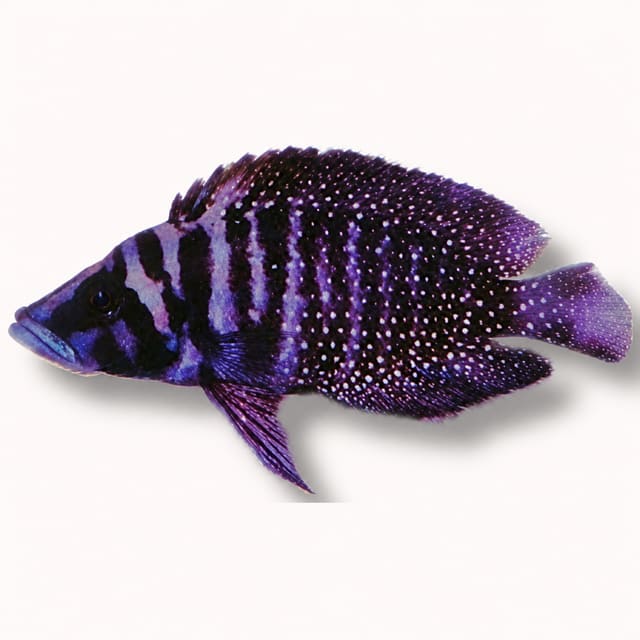
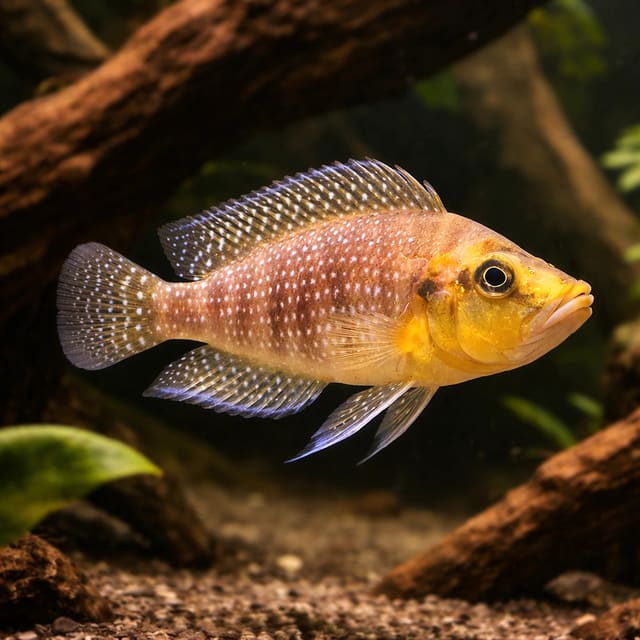
Mutondwe Compressiceps (Altolamprologus compressiceps), 3-4cm
24–27°C · pH 8–8.6 · 243L
£18.99

Lamprologus compressiceps, the slim-bodied Compressed Cichlid: a 4cm Tanganyikan carnivore for 80L+ hard-water tanks. Moderate care.
Adult size is the maximum length this species reaches at full maturity (scientific sources). The livestock you receive will be younger and smaller — pick a size above for the actual shipping size. Product-photo provenance and any image-specific limitations are stated on the listing.
Lamprologus compressiceps
Save when buying multiple fish. Each quantity is one fish; sex and pair formation are not guaranteed unless the selected variant explicitly states them.
Confirm your email, then we’ll send an availability message for this exact item if it returns within 180 days.
This request is only for this product—no newsletter or other promotions. A mail-provider retry may very rarely duplicate the same availability message. Unconfirmed addresses are removed after 48 hours. See our privacy policy.
Lamprologus compressiceps, the slim-bodied Compressed Cichlid: a 4cm Tanganyikan carnivore for 80L+ hard-water tanks. Moderate care.
Adult size is the maximum length this species reaches at full maturity (scientific sources). The livestock you receive will be younger and smaller — pick a size above for the actual shipping size. Product-photo provenance and any image-specific limitations are stated on the listing.
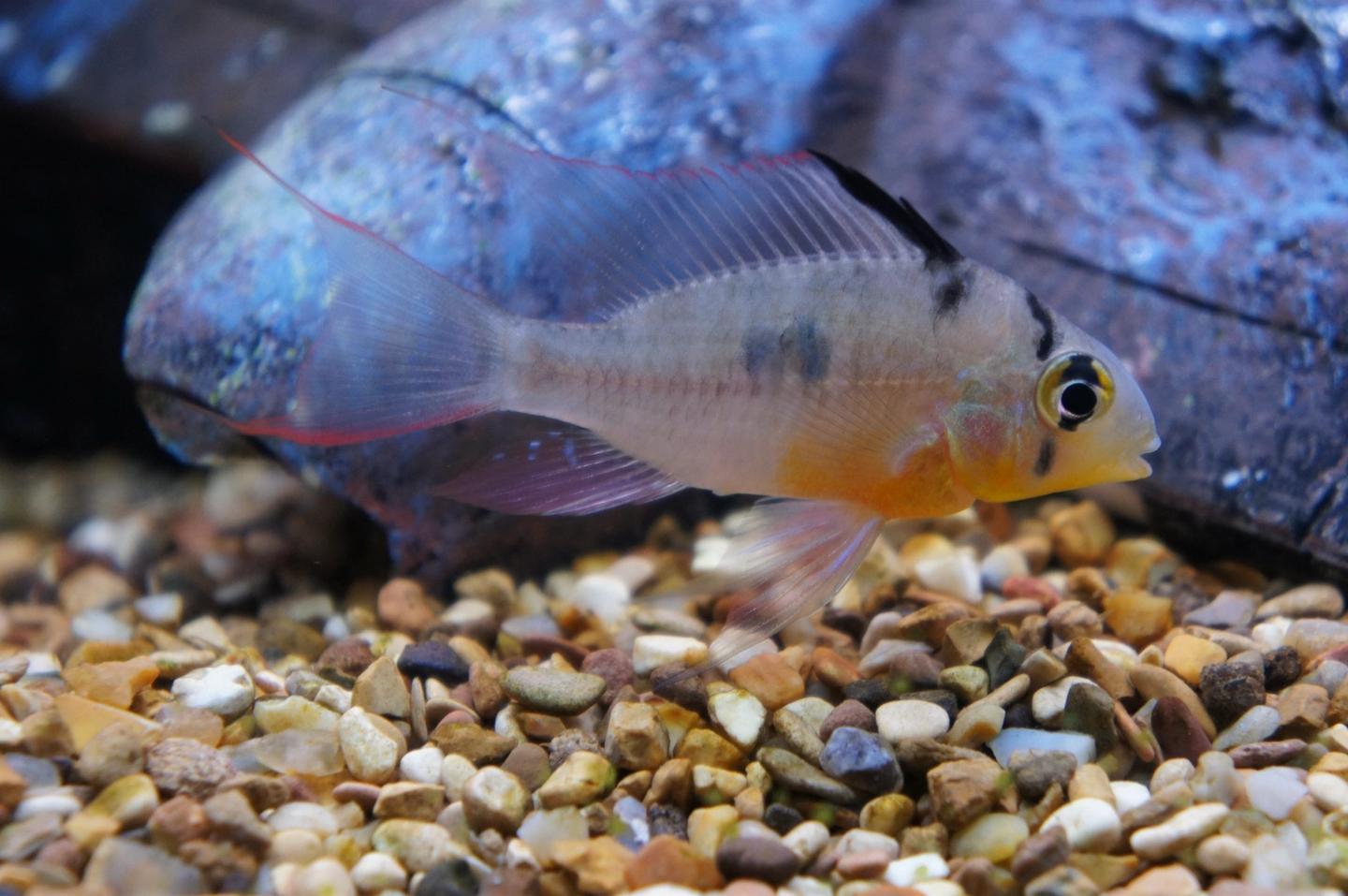
Cichlids are a family of roughly 1,800 accepted species, not one care type. Before buying, identify the exact species and source, then compare adult measurement, usable tank dimensions, social system, territory, tested water, diet and an exit plan. No family-wide minimum tank, water range or tank-mate list is safe.
Maintain these water conditions for optimal health and vibrant colors
Compressed by name and by build, the Compressed Cichlid (Lamprologus compressiceps) is one of Lake Tanganyika's most distinctive small fish. The slim, narrow profile its name describes lets it work tight spaces along the rockwork, and at a recorded 4 cm adult size it ranks among the most compact cichlids we list from the lake — a lot of character in very little water.
Don't let the size tempt you into general-community thinking, though. This is a carnivore with a semi-aggressive streak that can turn territorial, and it wants proper Rift Lake water: 24–27 °C, pH 7.8–9.0 and hardness of 10–20 dGH. An 80-litre aquarium is the recorded minimum, and it spends its time low in the tank, so build the interest — rock piles, caves, crevices — at that level rather than up in the water column. Care is moderate, and the recorded lifespan is a generous eight years.
Reading the record closely, the hardness floor of 10 dGH is as binding as the pH: this is not a fish to trial in soft municipal water and correct later. Prepare the mineral content first, confirm 24–27 °C stability, and only then shortlist tankmates. The order of operations matters with a territorial bottom-dweller, because rearranging an occupied tank means renegotiating boundaries the fish considers settled. An 80-litre system handled this way will hold the species comfortably for its full recorded lifespan.
Match it with other Lake Tanganyika cichlids of similar size and temperament, or non-aggressive Tanganyikan species that share its water requirements. Keep away small peaceful fish that could be bullied or eaten, slow-moving long-finned fish, overly aggressive large cichlids, and community species that need soft, acidic water.
For a nano-scale slice of the lake, few fish offer more character per centimetre than this one. Order today and your Compressed Cichlid ships by licensed live-animal courier under our live arrival guarantee.
No reviews for this item yet. Bought one? Honest reviews only, good or bad.
What customers say about ordering from us
I have a small group of long finned mountain minnows. So was delighted to be able to order ten of this variety to increase the genetics in my tank . The ones I recieved are healthy but it’s to early to give a verdict on wether they are of a long finned type since they are small currently.
Gordon Walker · 23 Sept 2026
100% success travel and "installation". Pleased with quality of purchase. The Siamese fighter a bit "shy" so have not yet seen him at his best yet but looking good. Happy customer. GG
George E Garratt · 21 Sept 2026
Reviews of our shop, collected by Judge.me, an independent third-party review collector. Newest first.