Moderate
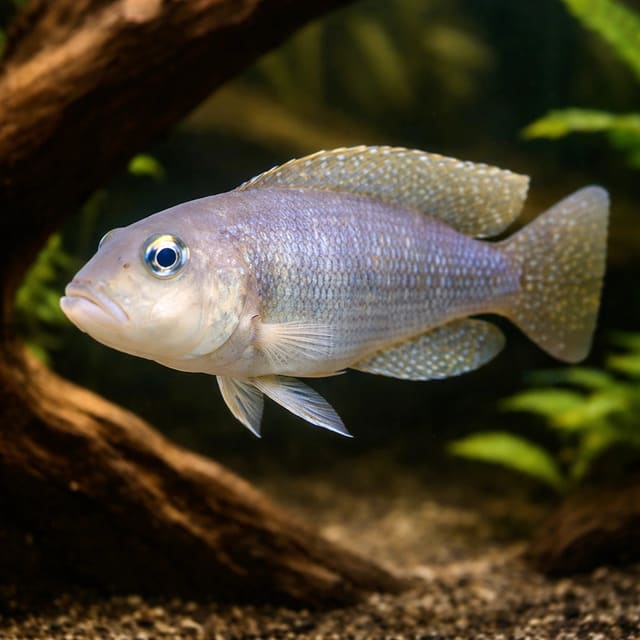
Caudopunk Shell-Dweller (Neolamprologus caudopunctatus)
23–25°C · pH 7.5–8.5
£11.49
A striking, territorial Congo River cichlid that thrives in a well-structured aquarium with caves, clean water, and a protein-rich diet. Moderate care, semi-aggressive. 23-27C, pH 6.5-7.8.
Adult size is the maximum length this species reaches at full maturity (scientific sources). The livestock you receive will be younger and smaller — pick a size above for the actual shipping size. Product-photo provenance and any image-specific limitations are stated on the listing.
Lamprologus congoensis
Save when buying multiple fish. Each quantity is one fish; sex and pair formation are not guaranteed unless the selected variant explicitly states them.
Confirm your email, then we’ll send an availability message for this exact item if it returns within 180 days.
This request is only for this product—no newsletter or other promotions. A mail-provider retry may very rarely duplicate the same availability message. Unconfirmed addresses are removed after 48 hours. See our privacy policy.
A striking, territorial Congo River cichlid that thrives in a well-structured aquarium with caves, clean water, and a protein-rich diet. Moderate care, semi-aggressive. 23-27C, pH 6.5-7.8.
Adult size is the maximum length this species reaches at full maturity (scientific sources). The livestock you receive will be younger and smaller — pick a size above for the actual shipping size. Product-photo provenance and any image-specific limitations are stated on the listing.
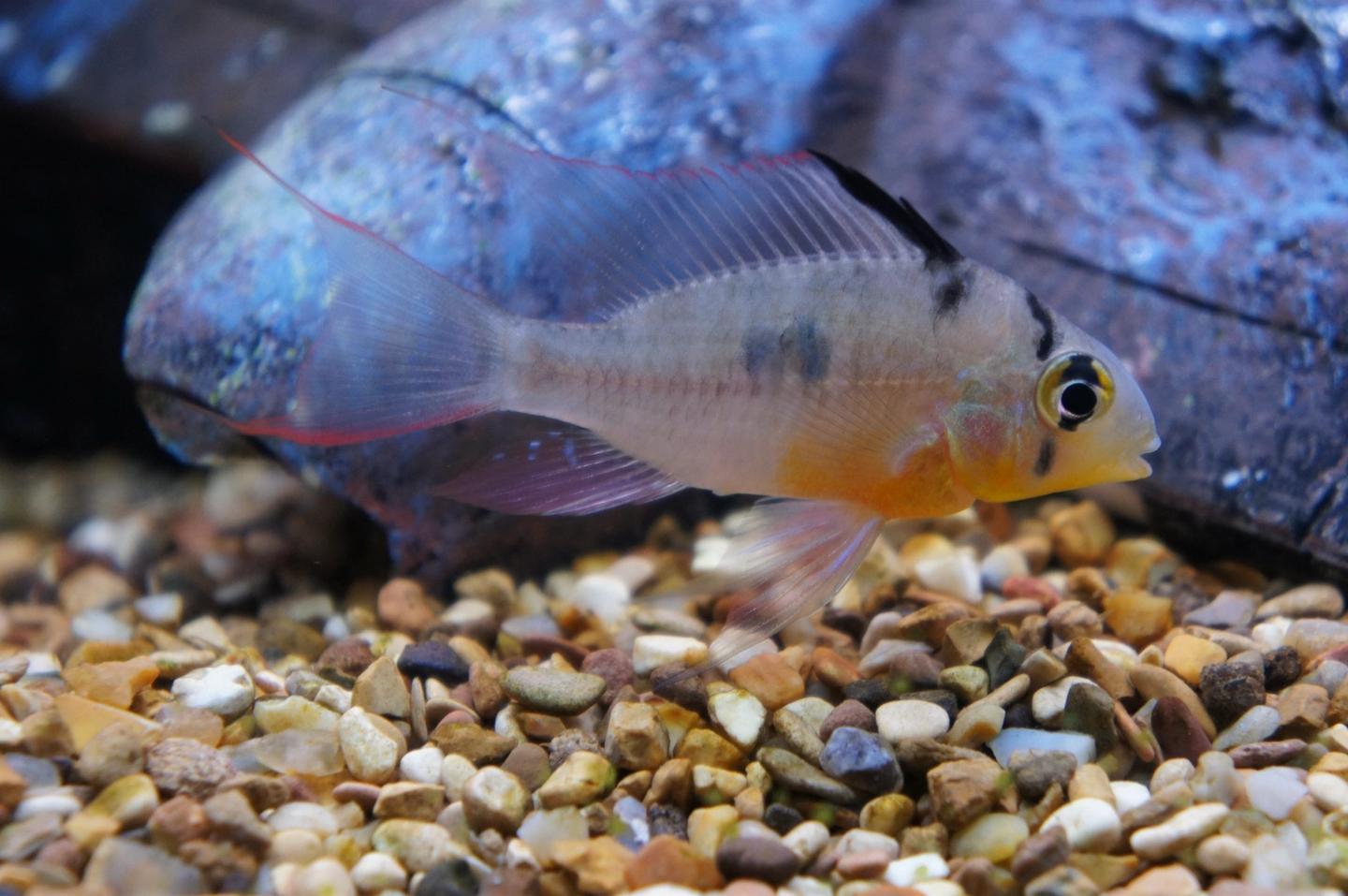
Cichlids are a family of roughly 1,800 accepted species, not one care type. Before buying, identify the exact species and source, then compare adult measurement, usable tank dimensions, social system, territory, tested water, diet and an exit plan. No family-wide minimum tank, water range or tank-mate list is safe.
Maintain these water conditions for optimal health and vibrant colors
The Congo Lionhead Cichlid (Lamprologus congoensis) is a rare, territorial Congo River cichlid with striking personality, best suited to aquarists who can provide a carefully structured African river setup. Despite the common name referencing Tanganyika shell-dwelling species, L. congoensis is actually native to the Congo River basin in Central Africa, where it inhabits rocky areas and cave structures in flowing water. Reaching approximately 12cm in adulthood, this carnivorous cichlid requires moderate care and thrives in neutral to slightly alkaline water with excellent filtration. Available for sale UK from Tropical Fish Co, this fascinating species rewards dedicated keepers with engaging territorial behavior and specialist appeal.
Adult Congo Lionhead Cichlids reach approximately 12cm in length, displaying a robust, elongated body typical of predatory river cichlids. The species exhibits an attractive pattern with bold markings and a prominent head profile that gives rise to the "lionhead" common name. Males typically show more intense coloration and larger size than females. The species' alert expression and confident demeanor make it an eye-catching presence in appropriately sized aquariums. Coloration intensifies during territorial displays and breeding.
This species is widespread throughout the Congo River system in Central Africa, where it inhabits rocky areas, caves, and crevices in flowing water. In the wild, Congo Lionhead Cichlids are predatory, feeding on small invertebrates, insect larvae, and small fish. The water in these habitats is typically warm (24-28°C), neutral to slightly alkaline (pH 6.8-8.0), and well-oxygenated due to current flow. The Congo River's unique chemistry and high oxygen content must be replicated in captivity for optimal health.
A minimum tank size of 100 litres is suitable for a pair of Congo Lionhead Cichlids, though larger aquariums allow for better territorial spacing or additional tankmates. Structure the aquarium with rocks, caves, and shells or PVC tubes to create sheltered spawning sites and territories. Provide a sandy or fine substrate that allows fish to dig and rearrange their environment. Ensure strong water circulation to replicate the flowing conditions of the Congo River, and invest in powerful filtration to maintain pristine water quality. Leave some open swimming areas and create broken line-of-sight using décor placement to reduce territorial conflict.
This species tolerates a relatively broad pH range from 6.8 to 8.0, making it more adaptable than specialist lake cichlids. Maintain stable temperatures between 24-28°C and moderate to moderately hard water (8-15 dGH). Invest in powerful filtration rated for at least double your aquarium volume, with strong circulation to ensure high oxygen levels throughout the tank. Perform weekly water changes of 30-40% to maintain stable chemistry and remove accumulated waste. Test parameters regularly using liquid test kits, and avoid sudden fluctuations. The species is sensitive to poor water quality—ammonia and nitrite must always be zero.
Lamprologus congoensis is a carnivore that feeds on small invertebrates, insect larvae, and small fish in the wild. In captivity, offer a varied diet of high-quality cichlid pellets as a staple, supplemented regularly with frozen or live small invertebrates such as brine shrimp, daphnia, bloodworms, and mysis shrimp. Occasional finely chopped meaty foods such as prawn or white fish can be offered. Feed small portions once or twice daily, and avoid overfeeding to maintain water quality and prevent obesity. Quality varied nutrition supports health, coloration, and breeding condition.
This species displays semi-aggressive to aggressive territorial behavior, particularly during breeding. Pairs form strong bonds and establish territories centered around preferred caves or shells, which they defend vigorously against intruders. The species is alert, active, and constantly patrols its territory, displaying assertively to rivals. Aggression intensifies significantly during spawning and fry-rearing, with the pair attacking tankmates that venture too close to the breeding site. Proper aquarium structure with ample hiding places and broken line-of-sight helps reduce conflict, though this species is best kept in a species tank or with carefully chosen tankmates.
Compatible tank mates are limited to other robust Congo River fish of similar size that do not compete for the same territory, such as fast, non-territorial midwater species that are too large to be eaten. Species that tolerate neutral to slightly alkaline water and warm temperatures work best. Avoid housing with small fish that can be bullied or eaten, highly aggressive cichlids, large territorial bottom-dwellers, or species that require very soft, acidic blackwater conditions. Due to the species' territorial nature during breeding, a species tank is often the safest option.
Lamprologus congoensis is typically a cave or shell spawner that forms monogamous pairs. The pair selects a sheltered site such as a cave, shell, or rock crevice, and the female lays adhesive eggs inside. Both parents guard the eggs and fry closely, displaying intense aggression toward any fish that approaches the breeding site. Provide stable water conditions and multiple suitable spawning sites. The pair will vigorously defend their territory during breeding—be prepared to remove other tankmates if aggression becomes severe. Fry can be raised on newly hatched brine shrimp and microworms once free-swimming.
At Tropical Fish Co, we specialize in rare and specialist African cichlids, including Congo River species like Lamprologus congoensis. Our fish are carefully sourced, quarantined, and conditioned to ensure they arrive in excellent health, ready to thrive in your carefully structured aquarium. We provide expert guidance on water chemistry, aquarium setup, and tankmate selection to help you succeed with these fascinating and challenging cichlids. With reliable UK delivery and a commitment to quality, we're your trusted source for rare freshwater fish uk and specialist lake tanganyika cichlid.
No reviews for this item yet. Bought one? Honest reviews only, good or bad.
What customers say about ordering from us
Easy website plenty of info on fish your buying great to pick a time slot
TRACEY DURRANT · 7 Oct 2026
Got some lovely fish thank you
Kevin Mackie · 7 Oct 2026
Reviews of our shop, collected by Judge.me, an independent third-party review collector. Newest first.