
−13%
Moderate
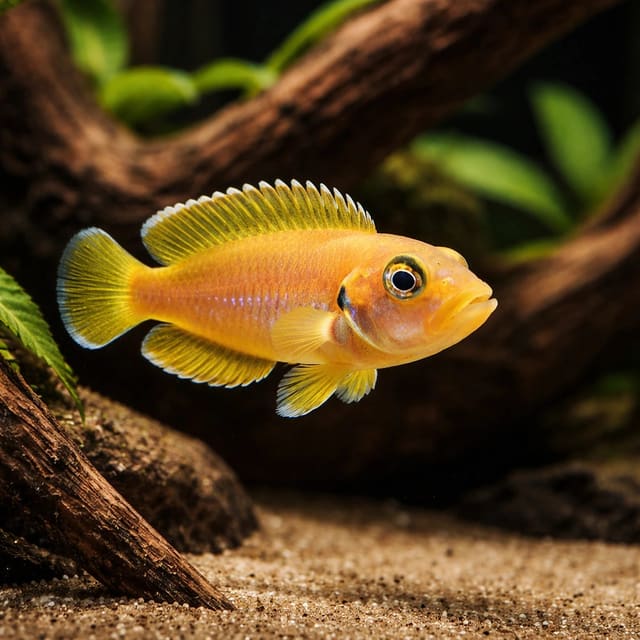
Gold Ocellatus Shell-Dweller (Neolamprologus ocellatus)
23–25°C · pH 8–9
£17.39£19.99

Meeli Shelldweller is a small Lake Tanganyika cichlid sold under the supplier name Lamprologus meeli. It needs a mature, filtered aquarium planned around hard, alkaline African-lake conditions, fine substrate, shelter and carefully chosen companions. This listing offers two dispatch sizes, and each purchase supplies one fish.
Adult size is the maximum length this species reaches at full maturity (scientific sources). The livestock you receive will be younger and smaller — pick a size variant above for the actual shipping size. Product-photo provenance and any image-specific limitations are stated on the listing.
Lamprologus meeli
Save when buying multiple fish. Each quantity is one fish; sex and pair formation are not guaranteed unless the selected variant explicitly states them.
Meeli Shelldweller is a small Lake Tanganyika cichlid sold under the supplier name Lamprologus meeli. It needs a mature, filtered aquarium planned around hard, alkaline African-lake conditions, fine substrate, shelter and carefully chosen companions. This listing offers two dispatch sizes, and each purchase supplies one fish.
Adult size is the maximum length this species reaches at full maturity (scientific sources). The livestock you receive will be younger and smaller — pick a size variant above for the actual shipping size. Product-photo provenance and any image-specific limitations are stated on the listing.

Cichlids are a family of roughly 1,800 accepted species, not one care type. Before buying, identify the exact species and source, then compare adult measurement, usable tank dimensions, social system, territory, tested water, diet and an exit plan. No family-wide minimum tank, water range or tank-mate list is safe.
Maintain these water conditions for optimal health and vibrant colors
Meeli Shelldweller is a small Lake Tanganyika cichlid for aquarists who want to build the aquarium around the fish rather than add it casually to a mixed community. The supplier and long-standing trade identity is Lamprologus meeli. FishBase now lists the accepted name as Lepidiolamprologus meeli and treats Lamprologus meeli as a synonym. Keeping both names together is useful: the supplier name tells you which animal this offer refers to, while the accepted-name bridge helps you recognise current reference material.
One purchase supplies one fish in the size chosen. The listed dispatch sizes are 3.5–4 cm and 4.5–5 cm. They are genuine size choices on the same product, and current availability is shown on the product page. The size you select is the size supplied, not the adult size. FishBase records a maximum length of 7.0 cm total length under a male/unsexed record. Total length includes the tail, keep this number labelled as total length. It cannot be converted into standard length or used to claim that females are a particular size.
Sex is guaranteed only when the selected option explicitly states male or female. This Meeli Shelldweller listing has no sex-guaranteed option. Appearance is not a reliable promise of sex, pair formation or breeding compatibility. If more than one fish is planned, provide several separated refuge areas and have a safe way to divide or rehome fish if individuals do not settle together.
This is a freshwater, bottom-associated cichlid from Lake Tanganyika. FishBase gives a tropical environmental record of 23–25 °C and a narrow recorded occurrence at Katibili Bay. OATA's broader African lake cichlid guidance gives 23–27 °C, pH 8.0–8.6, general hardness 12–18 °dH and carbonate hardness 10–15 °dKH, while clearly warning that these are group-level figures rather than a species-specific optimum. The practical message is to prepare stable, clean, well-oxygenated, hard alkaline water and to avoid presenting any broad range as a precise biological target for this species.
Meeli Shelldweller suits a keeper who can mature the filter before arrival, test water regularly, provide fine substrate and shelter, and make conservative compatibility decisions. It is a poor choice for a newly filled aquarium, soft acidic community water, or a tank in which the keeper cannot separate fish if territorial pressure develops. If this is your first livestock aquarium, work through the first tropical tank guide before choosing fish; the filter and water must be ready before the animal arrives.
| Customer name | Meeli Shelldweller |
|---|---|
| Supplier identity | Lamprologus meeli |
| Accepted-name bridge | FishBase lists Lepidiolamprologus meeli and treats Lamprologus meeli as a synonym |
| Sold unit | One live fish per purchase |
| Dispatch-size choices | 3.5–4 cm and 4.5–5 cm |
| Recorded adult length | 7.0 cm TL, male/unsexed record; TL includes the tail |
| Water context | Freshwater Lake Tanganyika cichlid; hard alkaline African-lake guidance requires careful species-level judgement |
| Keeper fit | Intermediate: a mature aquarium, stable mineral-rich water and thoughtful social planning are essential |
| Suits | A mature filtered aquarium; naturally hard alkaline water or a measured mineral plan; a keeper willing to test regularly; a layout with fine substrate and several separated refuges; and a household with a backup separation plan. |
|---|---|
| Not suited to | A newly filled tank; soft acidic community conditions; an aquarium selected only from the fish's dispatch size; a mix chosen only because every fish comes from Africa; or a setup with no way to respond if social pressure develops. |
Before ordering, check the aquarium's measured water against the intended range, make sure the filter has processed waste reliably, and place shelters where each fish can leave another's direct route. Decide who will maintain the aquarium during holidays and where a fish could be moved if the group changes. These practical answers matter more than a decorative tank label.
Gallery images have been digitally enhanced to improve image quality. Natural colour, pattern, size and maturity can vary between live animals.
A successful setup begins with the difference between a number in a reference and a target you can use responsibly. FishBase's 23–25 °C figure is an environmental record for the identified species. OATA gives 23–27 °C for African lake cichlids as a broad aquarium guide, together with pH 8.0–8.6, general hardness 12–18 °dH and carbonate hardness 10–15 °dKH. These ranges overlap on temperature, but they do not have the same scope. Use 23–25 °C as the recorded species environmental range and use the OATA chemistry figures only as a broad Tanganyika-care starting point, rather than one exact optimum.
Test the water you actually have rather than choosing values from a label. Measure temperature, pH, ammonia, nitrite and nitrate; when hardness matters to your plan, measure both general hardness and carbonate hardness. The aquarium water-chemistry guide explains what these readings mean, and the water parameter matcher can help you compare measured water with the published guidance. A single pH reading is not enough. Carbonate hardness affects how resistant the pH is to sudden change, while general hardness describes dissolved calcium and magnesium rather than alkalinity itself.
OATA's African lake guidance says ammonia and nitrite should be zero. It advises keeping nitrate no more than 20 mg/l above the normal tap-water level. That wording matters in the UK because source water differs between areas. Record a tap-water baseline, then compare aquarium readings on the same reliable test method. If ammonia or nitrite is detectable, pause further stocking, reduce feeding, check the filter and water quality, and restore biological stability.
The RSPCA describes a working biological filter as essential because fish release toxic ammonia. Beneficial bacteria convert ammonia to nitrite and then to the less harmful nitrate that is controlled through husbandry and water changes. A new filter needs time and an ammonia source to establish those bacterial populations. Clear-looking water is not proof that the aquarium is mature, and a mature filter can still be damaged by chlorine, prolonged power loss, drying out or heavy cleaning.
Set a stable temperature within the 23–25 °C species environmental record rather than allowing the heater to swing across a broad range every day. Check the reading with a separate thermometer and position it where it reflects the aquarium rather than the heater's immediate output. When pH and hardness are being adjusted, make changes in prepared replacement water so each water change remains predictable.
Hardness and pH are related but not interchangeable. Water can have a high general-hardness reading without enough carbonate buffer, or a high pH that falls as biological acids build. Testing both GH and KH is more informative than repeatedly adding a product labelled for pH. If your tap water changes seasonally, compare it before preparing a large water change. Consistency protects the fish and makes unusual readings easier to diagnose.
Choose aquarium size by adult behaviour and bottom footprint rather than a fixed litre claim. OATA gives a broad example that a pair of the smallest shell-dwelling cichlids needs at least a 45 cm long aquarium, but it does not assign that example to L. meeli. Treat that figure as an illustration of why footprint matters, not as permission to buy the smallest possible tank. More floor area gives you room to separate refuge zones and makes water conditions more stable.
Plan the aquarium from the bottom upwards. Use a fish-safe fine substrate that can be cleaned without compacting into dirty pockets. OATA mentions fine coral sand or a similar buffering substrate for African lake cichlids. Whether that is appropriate depends on your source water: in already hard alkaline water it may be unnecessary, while in softer water any mineral adjustment should be deliberate and measured. Add mineral material only as part of a measured plan so that pH remains stable.
The common name indicates why shell-style refuges are relevant. Provide several clean, appropriately sized shelters and arrange them in separated zones. Stable rockwork can create boundaries, but rocks must sit securely and must not be able to collapse if substrate is moved. Leave open routes between structures so a fish can retreat without being trapped in a dead end.
Plants are optional rather than a substitute for shelter. Choose species able to tolerate the intended hard alkaline water, protect their roots from disturbance, and avoid planting so densely that the bottom becomes impossible to inspect. The aquarium should remain easy to siphon. Keep all equipment and decorations free of sharp edges, narrow traps and unstable stacks.
A dry layout sketch is surprisingly useful. Mark the filter intake, outlet, heater and each shelter. Check that no refuge sits directly against the intake and that every likely resting place receives fresh water without being blasted by the outlet. View the arrangement from the fish's level: a structure that looks separate from above may still leave a straight route from one end to the other.
Build rockwork on a secure base before adding loose substrate around it. Test each piece by hand, then imagine substrate being moved from beneath an edge. Leave enough access for a siphon and for safely retrieving a fish if separation becomes necessary. A beautiful wall that cannot be cleaned or opened during an emergency is less useful than several simple stable structures.
OATA recommends an oversized filter and vigorous aeration for crowded African lake cichlid communities. For this product, the useful principle is generous biological capacity and dependable gas exchange, rather than a guessed turnover number. Aim the outlet so that the surface moves without turning every refuge into a high-flow channel. If the fish must constantly fight the current or cannot rest, redirect the outlet rather than simply reducing filtration.
Good oxygenation becomes especially important when water is warm, stocking is increased or waste accumulates. Surface movement, an unobstructed filter and sensible feeding all help. Watch the fish rather than assuming a bubbling ornament proves adequate oxygen. Rapid gill movement, repeated surface visits or an abrupt change in position can indicate a water-quality or oxygen problem and should trigger testing.
Allow room in the filter for both mechanical and biological media. Mechanical media traps solid waste and should be accessible for cleaning; biological media needs steady oxygen-rich flow. Protect the intake where necessary, keep the outlet clear, and check the equipment after every maintenance session. A second source of surface movement can provide useful resilience if one device slows, but it does not replace regular checks.
OATA warns that adding livestock faster than the established bacterial population can cope with may cause new tank syndrome. Add fish only to a mature aquarium and increase the biological load gradually. If more than one Meeli Shelldweller is planned, avoid increasing numbers simply because broad African-cichlid advice sometimes discusses overstocking to spread aggression. That technique is species- and system-dependent and increases waste.
Before arrival, set the temperature, confirm stable test results, place all shelters and check that the lid and equipment are secure. Avoid a major redesign immediately after introduction. Keep the first period calm and make sure the fish can find a refuge without being driven away from every option. Record the first day's breathing, position and interest in food so later changes can be compared with something concrete.
African lake cichlids do not all eat the same foods. OATA contrasts algae-focused species with more predatory species and advises seeking species-specific feeding guidance. Choose the feed for Meeli Shelldweller with an experienced aquatic retailer or breeder rather than copying another Tanganyikan cichlid simply because it lives in the same lake.
Use a complete, correctly sized food recommended for the identified fish by a knowledgeable aquatic retailer or breeder, then watch body condition and feeding response. OATA's broad guidance is to offer only what the fish can eat within a few minutes, up to twice a day, and to avoid overfeeding. Begin with small portions. Remove food that settles unseen in shelters, because decomposing leftovers raise the load on the filter even when the aquarium looks tidy from the front.
Variety can be useful only when each item is appropriate to the species. Avoid feeder fish and wild-collected live food of uncertain safety. Avoid changing several foods at once when a new arrival is not eating; first check water quality, stress and whether food reaches the fish's preferred level. Appetite is a useful daily observation, not a reason to keep adding more food.
As broad group-level OATA guidance for African lake cichlids, at least once every week, a partial water change of 25% is strongly recommended alongside regular testing. Adjust the routine to actual nitrate, stocking and waste. Match replacement water for temperature and chemistry, and always use conditioner when tap water contains chlorine or chloramine. Large unplanned changes in mineral balance or temperature can be as stressful as dirty water.
Siphon accessible waste from the substrate while leaving refuge structures stable. Check the filter for reduced flow and clean mechanical media as required. OATA advises rinsing biological media lightly in removed aquarium water rather than under the tap, which helps protect the bacterial population from disinfectants. Stagger deeper maintenance so the aquarium retains biological stability.
Keep a simple log of temperature, pH, ammonia, nitrite, nitrate and maintenance. Trends reveal a slowly blocked filter or rising waste before the fish show severe distress. If the aquarium is being mineralised, record hardness too. Test after any major change and after an unexpected behavioural change; the value of a log is comparison, not collecting isolated numbers.
Have the aquarium ready before dispatch. Tropical Fish Co's current policy says fish are hand-bagged in pure oxygen, placed in an insulated box and supplied with a heat pack when weather calls for one. The customer must be present to receive live fish. Follow the instructions delivered with the order rather than improvising a long acclimation in cooling transport water.
The policy advises floating the sealed bag for 20–30 minutes before release and says not to pour transport water into the aquarium. Watch the fish after release without repeatedly disturbing the refuge area. If the fish shows distress, test the aquarium water first and seek suitable advice before using treatment.
OATA recommends watching for changes in swimming, colour, temperament, breathing, appearance, body condition and feeding. Learn the individual's normal pattern after it settles. A change from that baseline is more informative than expecting constant display. Hiding immediately after arrival can reflect stress, whereas ongoing rapid breathing, loss of condition, damaged fins, white spots, unusual growths or refusal to eat needs prompt attention.
Begin with objective checks: temperature, ammonia, nitrite, nitrate, pH and filter operation. Look for social pressure and blocked refuges. If the problem persists, contact an experienced aquatic retailer or aquatic veterinary professional with test results, photographs and a clear timeline. A symptom can have more than one cause, so diagnosis should come before treatment.
Compatibility starts with water and space. OATA advises that African lake cichlids are generally best stocked with species from the same location and specifically warns against casually mixing Malawi and Tanganyika cichlids because behaviour and temperament differ. That is a starting rule, not a list of guaranteed companions. Even two fish from Lake Tanganyika may compete if they want the same bottom shelter.
Separate bottom refuges from open swimming space. If another Tanganyikan species is considered, it should share the prepared water conditions while using a different area of the aquarium. The aquarium needs enough footprint for each fish to retreat without crossing the central territory. Add more peaceful fish before more assertive fish only when the full stocking plan and biological capacity are already suitable.
Buying two Meeli Shelldwellers does not create a compatible pair. The offer is unsexed and no pair bond is guaranteed. Broad OATA guidance says very few African lake cichlids do well entirely alone, but also says the correct number depends on species. For this listing, group size must be planned around the exact aquarium and observed behaviour. Have a divider, spare mature aquarium or agreed rehoming route available before testing a social group.
Rearranging décor can sometimes reset boundaries, as OATA notes, but it cannot fix an unsuitable stocking plan. Watch access to food and shelter, fin condition, breathing and whether one fish remains pinned in a corner. Repeated chasing, blocked access to refuge, injury or refusal to feed means action is needed. Separate fish early rather than waiting for a weak individual to recover while still under pressure.
Before adding a companion, compare the candidate at adult size, not at the size seen in a shop. Check whether both fish need the same mineral conditions, whether their feeding can be managed without one taking everything, and whether each can reach a refuge. Make the decision on the smallest realistic adult aquarium, not on an ideal future upgrade. If any answer is uncertain, keep the stocking plan simpler until suitable space and a separation route are ready.
For further browsing, the African cichlid collection shows current animals, but a shared collection does not prove compatibility. Compare adult size, lake of origin, water requirements, zone use and temperament before selecting any companion.
FishBase records Meeli Shelldweller at a maximum 7.0 cm total length under a male/unsexed record. Total length includes the tail. The 3.5–4 cm and 4.5–5 cm choices are dispatch sizes, not adult-size claims.
Plan aquarium size by bottom footprint and adult behaviour rather than a fixed litre claim. OATA's 45 cm example is for a pair of the smallest shell-dwelling cichlids generally, not specifically this species. Choose a mature aquarium with generous floor area, separated shelters and enough water volume for stable conditions.
A fixed number would be misleading because OATA says African lake cichlid group size depends on the species. Plan each extra fish around footprint, refuge separation and a safe backup if individuals do not settle together; two unsexed fish are not a guaranteed pair.
It is best treated as an intermediate fish. A keeper must mature the filter, maintain stable hard alkaline water, interpret broad African-lake guidance cautiously and respond to social pressure. A prepared beginner with reliable tests and specialist advice may succeed, but it is not suitable for an uncycled first tank.
African lake cichlids have varied feeding needs, so choose an appropriate complete food for Meeli Shelldweller with a knowledgeable aquatic retailer or breeder rather than copying another cichlid's diet. Offer small portions and remove leftovers before they decay around shelters.
FishBase records a 23–25 °C tropical environmental range. OATA's broader African lake guidance gives 23–27 °C and pH 8.0–8.6 with hard water. Keep those scopes separate, test your aquarium and prioritise stable, clean, well-oxygenated conditions.
A universal fin-nipping label would be misleading. It is a cichlid requiring species-aware social planning, and African lake cichlid temperament varies. Provide separated refuges, watch access to food and shelter, and separate fish if chasing causes injury, hiding or loss of condition.
OATA's broad rule is to consider other Lake Tanganyika species rather than mixing Tanganyika and Malawi cichlids. A shared lake is not a guarantee: companions must match the water, use different space and have room to retreat. Avoid soft-water community animals and unplanned bottom-territory competition.
Tropical Fish Co hand-bags live fish in pure oxygen, uses an insulated box and adds a heat pack when weather calls for one. A licensed live-animal courier carries the parcel. Be present, inspect it on arrival and record one continuous video from the sealed parcel to the fish still in its bag for any Live Arrival Guarantee claim.
These references serve different purposes. FishBase supports the accepted-name bridge, distribution, environment and the scoped 7.0 cm total-length record. OATA provides broad UK trade-body guidance for African lake cichlids, not a species-specific optimum. The RSPCA explains the role of biological filtration in general aquarium welfare. The store policy governs packing, arrival and claim evidence.
Max adult size is the length this species reaches at full maturity (from scientific sources). The livestock you receive will be younger and smaller — pick a size variant on the buy box for the actual shipping size. Product-photo provenance and any image-specific limitations are stated on the listing.
Always research specific species before adding them to your tank. Consider:
No reviews for this item yet. Bought one? Honest reviews only, good or bad.
What customers say about ordering from us
I have a small group of long finned mountain minnows. So was delighted to be able to order ten of this variety to increase the genetics in my tank . The ones I recieved are healthy but it’s to early to give a verdict on wether they are of a long finned type since they are small currently.
Gordon Walker · 23 Sept 2026
100% success travel and "installation". Pleased with quality of purchase. The Siamese fighter a bit "shy" so have not yet seen him at his best yet but looking good. Happy customer. GG
George E Garratt · 21 Sept 2026
Reviews of our shop, collected by Judge.me, an independent third-party review collector. Newest first.
23–25°C · pH 8–9
23–27°C · pH 7.5–9 · 40L

24–25°C · pH 8–8.6
24–28°C · pH 7.5–9

24–26°C · pH 8–8 · 108L
23–25°C · pH 8–9 · 75L
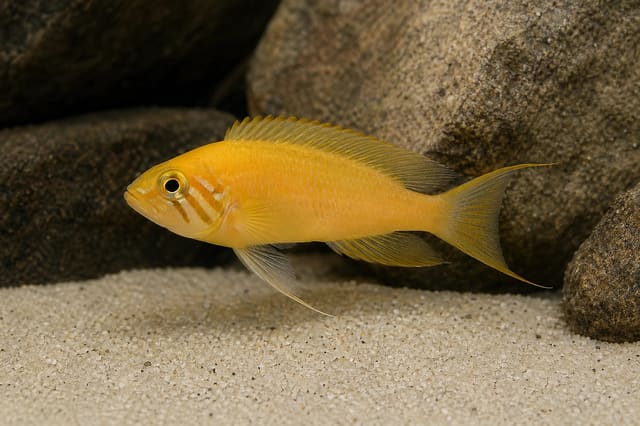
23–27°C · pH 8–8.5

23–27°C · pH 7.5–9 · 40L
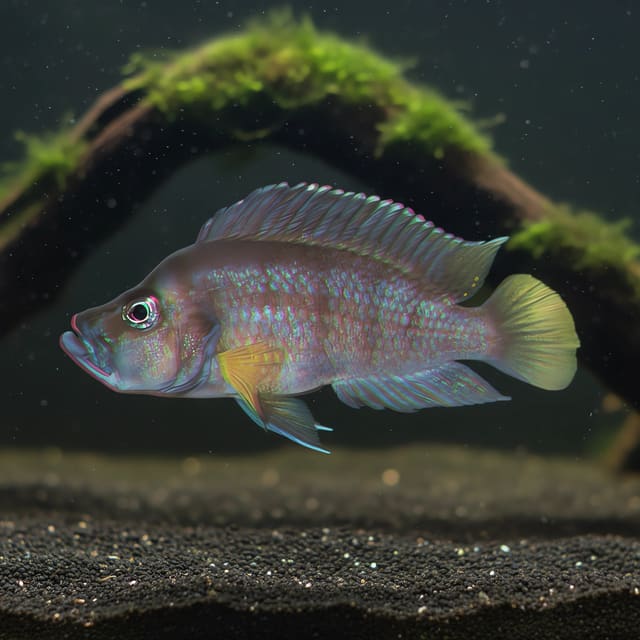
23–27°C · pH 8–8.6
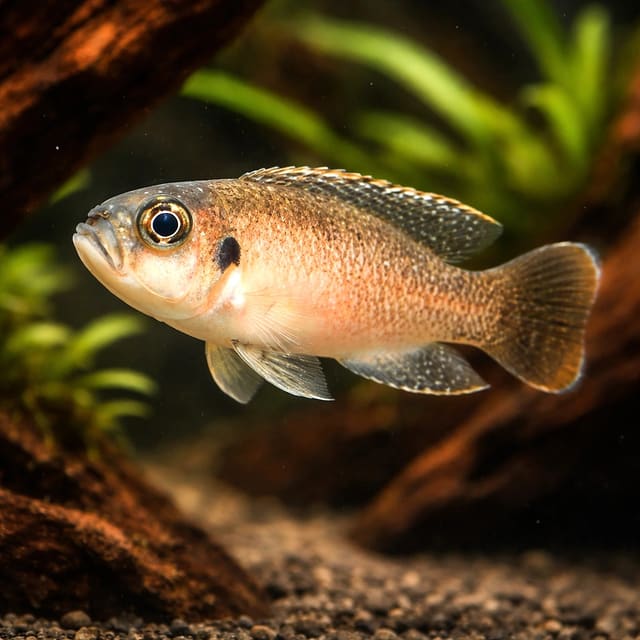
23–25°C · pH 8–8.6 · 40L

24–26°C · pH 8–8 · 70L
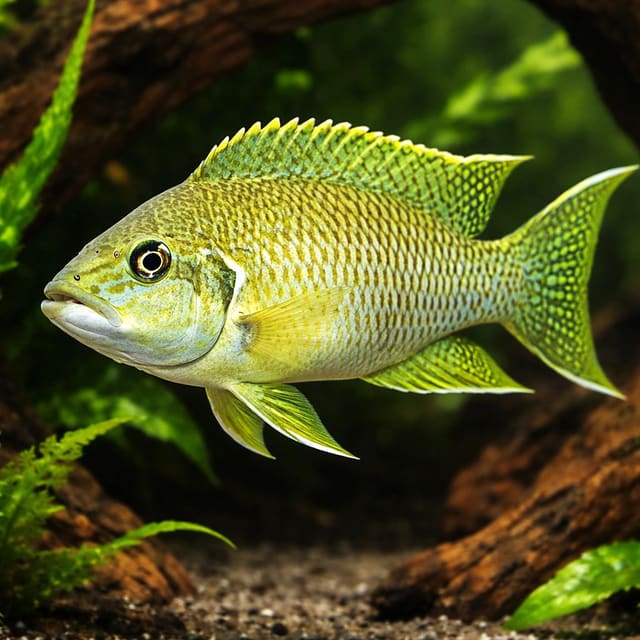
23–27°C · pH 8–8.6
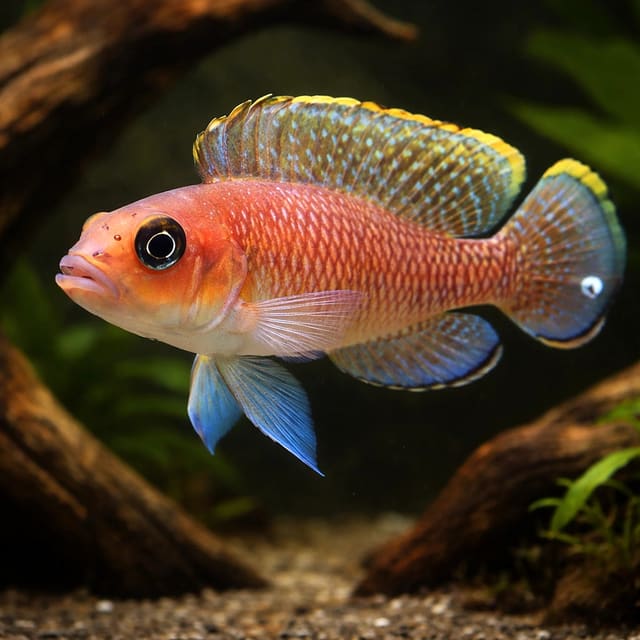
23–27°C · pH 8–8.6
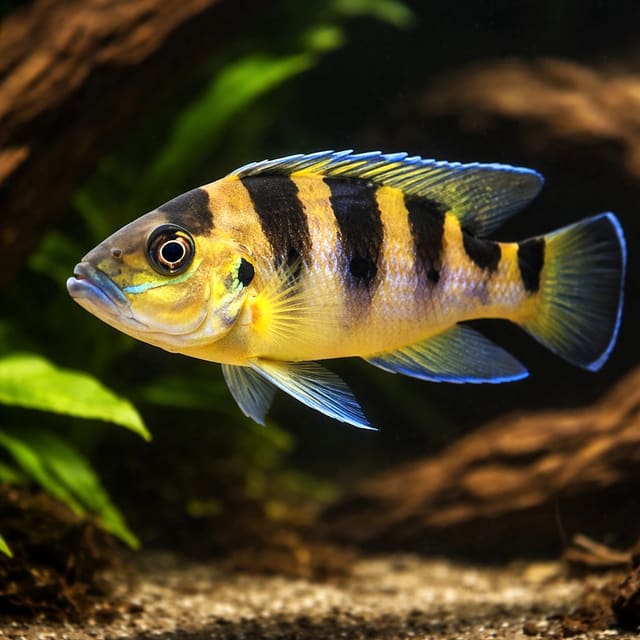
23–27°C · pH 7.5–9 · 110L
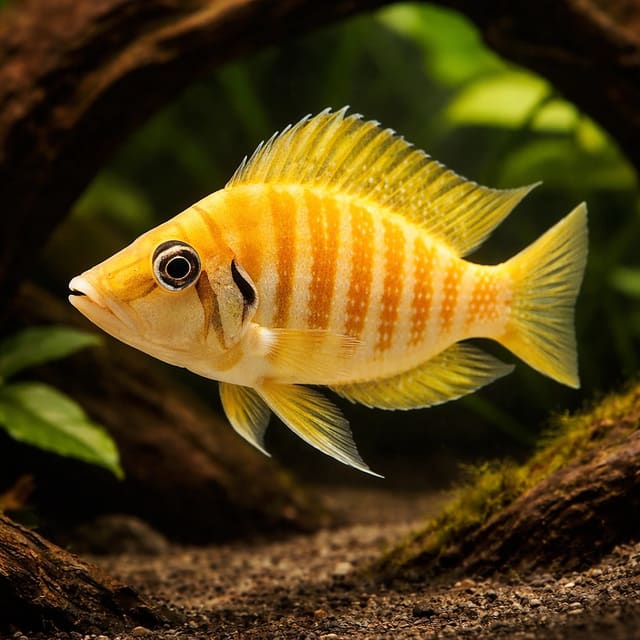
24–27°C · pH 8–8.6
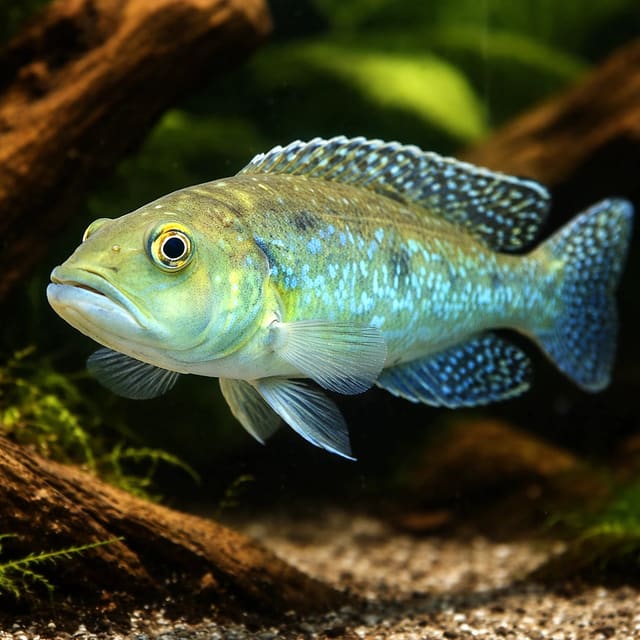
23–27°C · pH 8–8.4

22–28°C · pH 7–8 · 41L

21–25°C · pH 5–7

24–27°C · pH 6.5–6.5
24–29°C

22–27°C · pH 6–8 · 72L
24–27°C · pH 6.5–8 · 200L

23–27°C · pH 5.5–7 · 60L

22–27°C · pH 6–8