Advanced
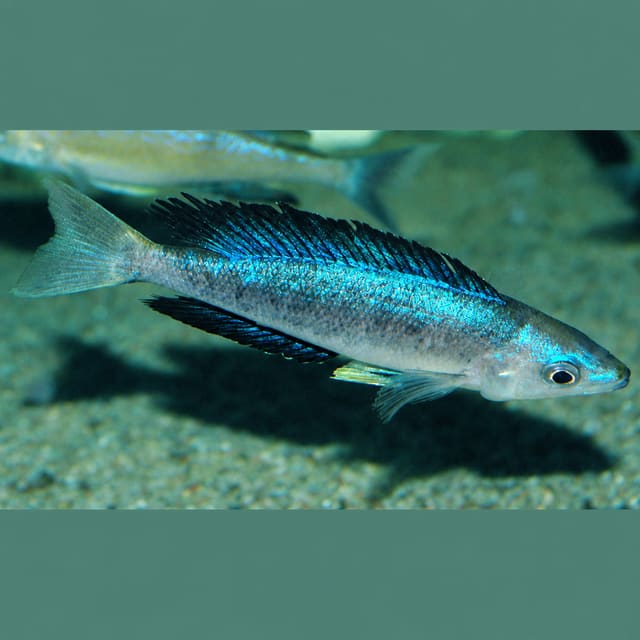
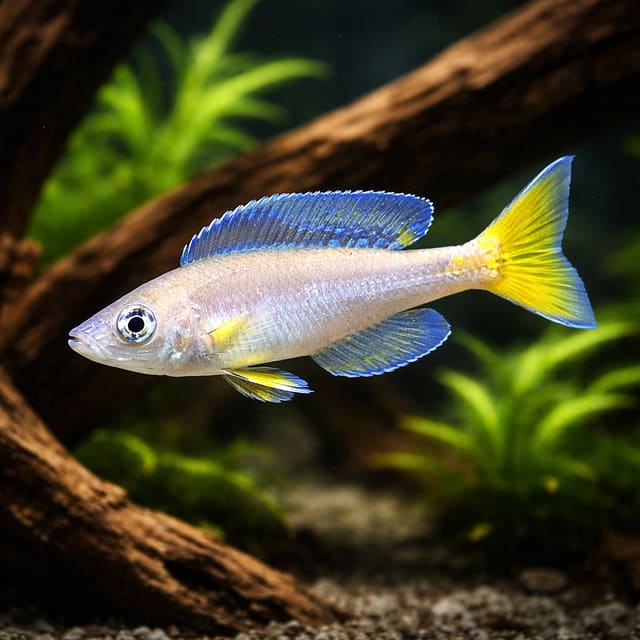
Jumbo Yellow Sardine Cichlid (Cyprichromis sp.)
24–27°C · pH 7.8–9
£39.99
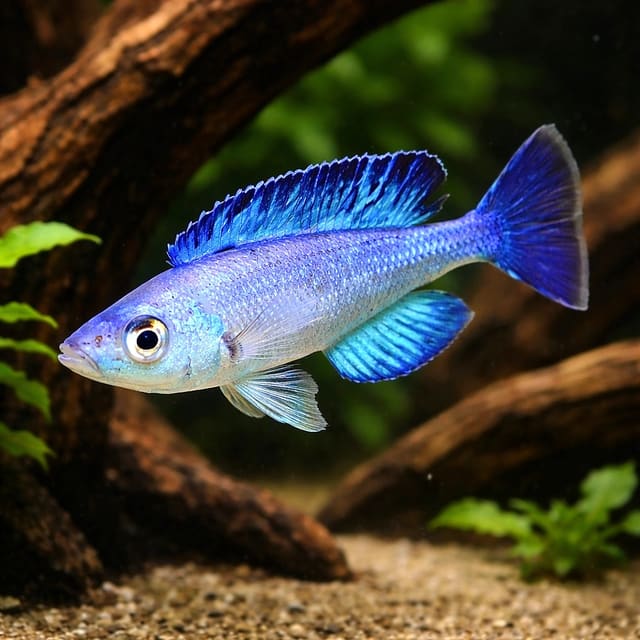
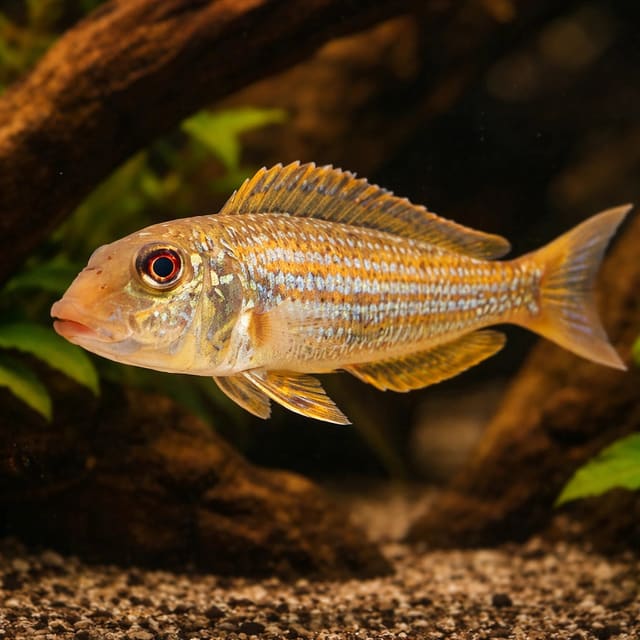
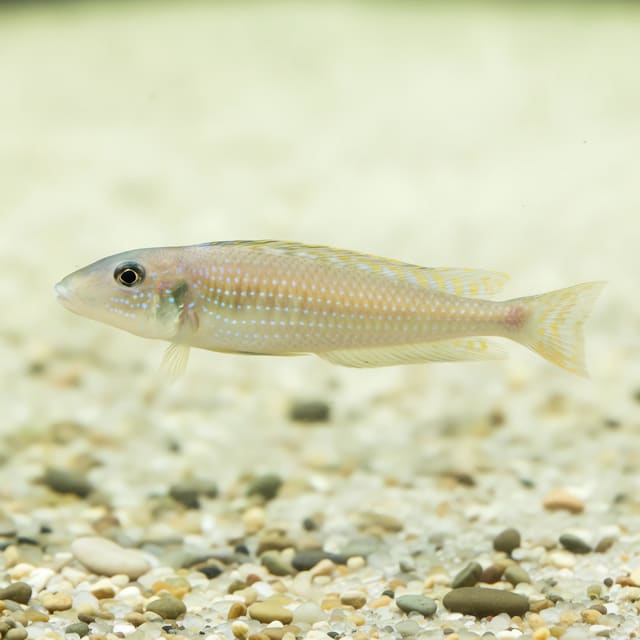
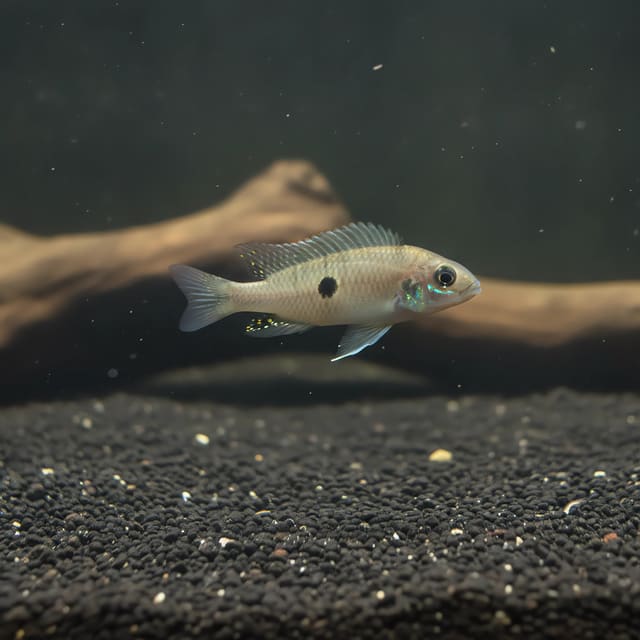
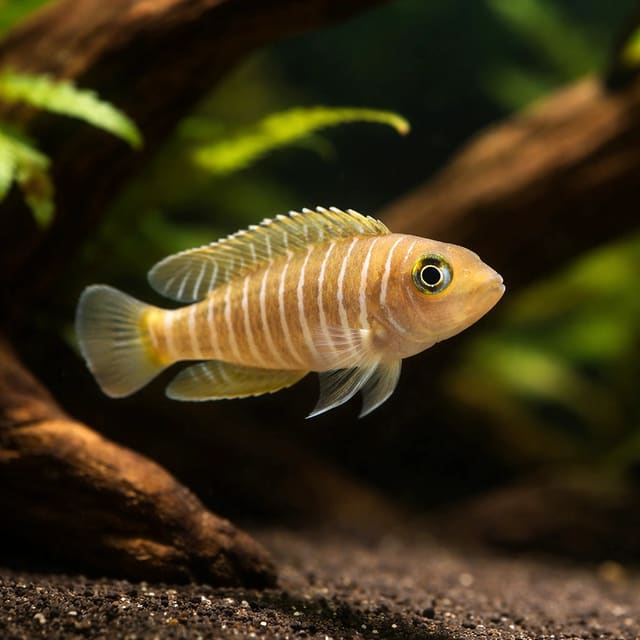
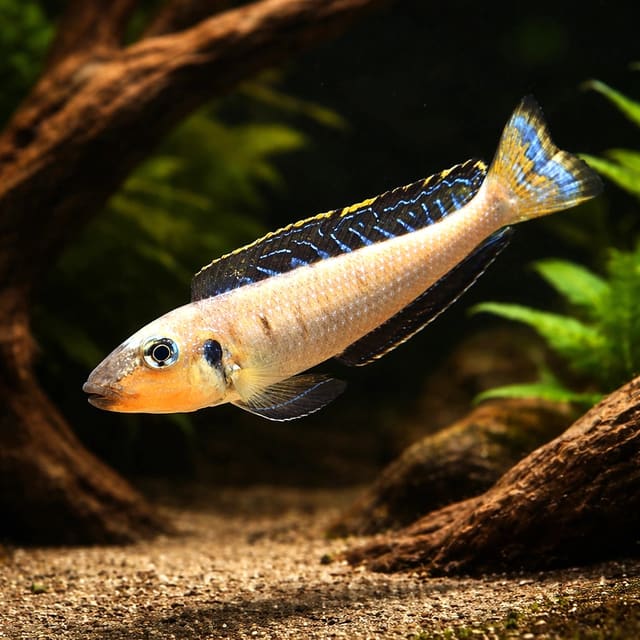
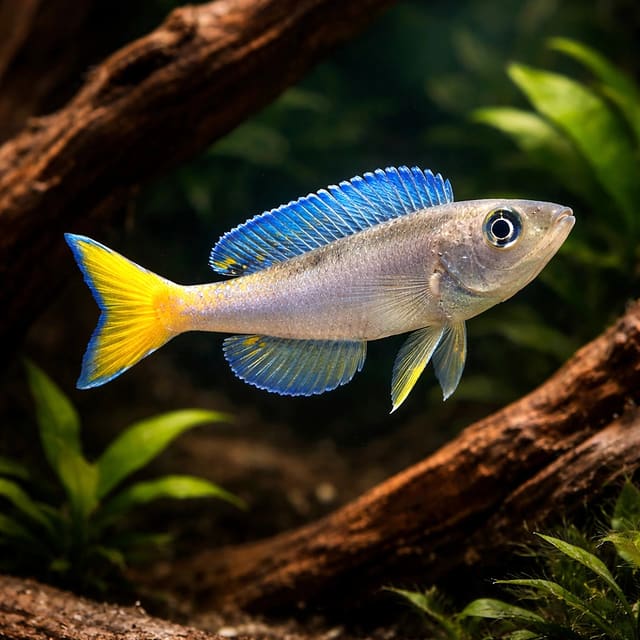
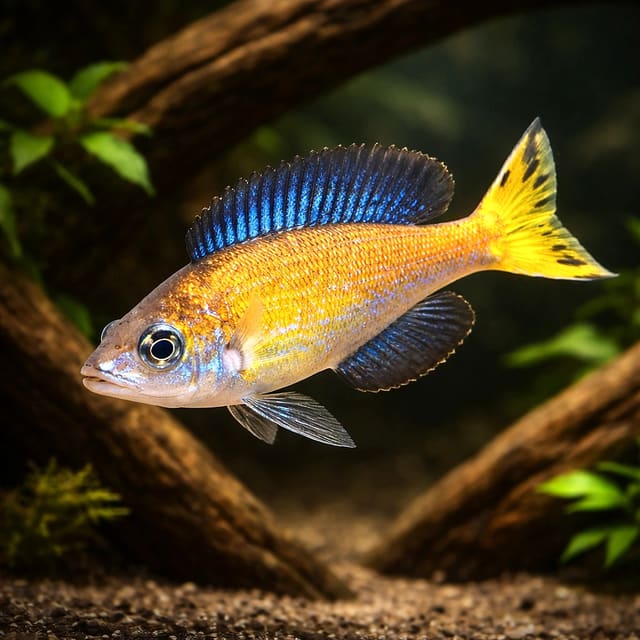
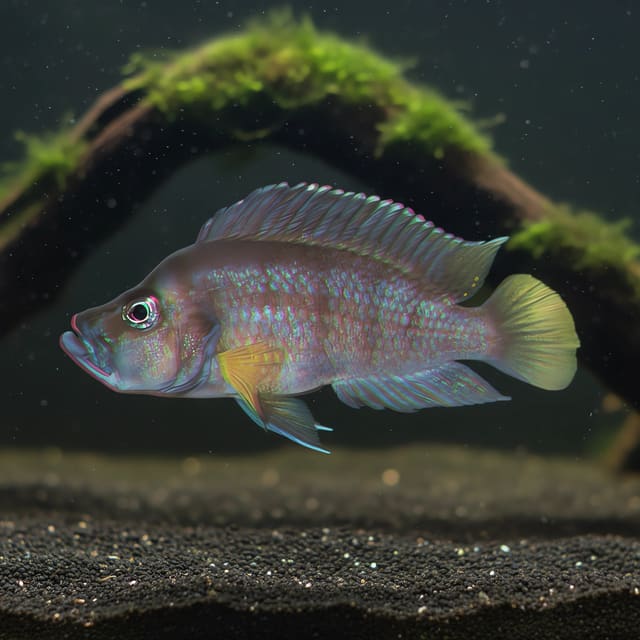
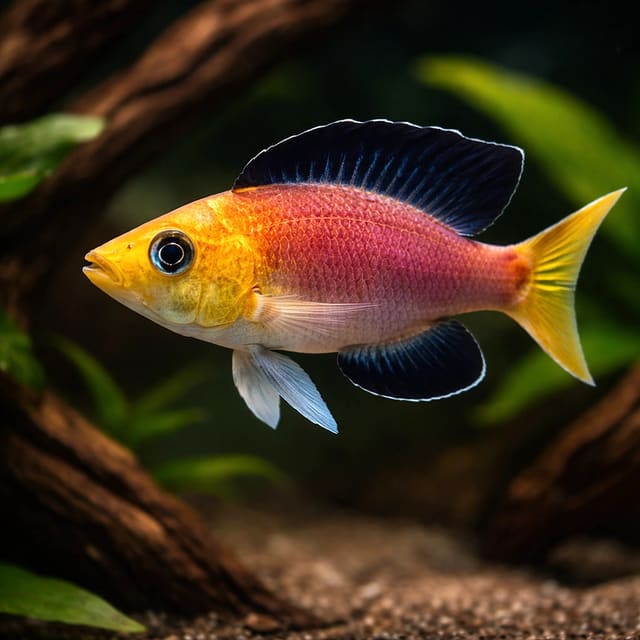
Yellow Sand Cichlid (Xenotilapia flavipinnis) is a gentle Lake Tanganyika sand-sifter for an established hard-water aquarium with fine sand, excellent filtration and a carefully planned group. One purchase supplies one live fish at a dispatch size of 4-5 cm; sex is not guaranteed.
Xenotilapia flavipinnis
Save when buying more.
Yellow Sand Cichlid (Xenotilapia flavipinnis) is a gentle Lake Tanganyika sand-sifter for an established hard-water aquarium with fine sand, excellent filtration and a carefully planned group. One purchase supplies one live fish at a dispatch size of 4-5 cm; sex is not guaranteed.
Maintain these water conditions for optimal health and vibrant colors
The Yellow Sand Cichlid, Xenotilapia flavipinnis, is a slender, bottom-oriented cichlid found only in Lake Tanganyika. It is very different in manner from the stocky, forceful African cichlids many keepers picture first: this species spends much of its time travelling over open sand, taking mouthfuls of substrate and searching for small invertebrate food. Its appeal lies in that quiet, purposeful behaviour, in the subtle yellow shown through the fins, and in the way a settled group moves together across a carefully arranged lake aquarium.
One purchase supplies one live fish. The supplier's recurring dispatch grade for this listing is 4-5 cm; that is the size sent, not the adult length. FishBase records a maximum of 9.2 cm total length, while the specialist aquarium profile reports 90 mm standard length. These measurements use different endpoints, so they should not be treated as contradictory or combined into a larger number. Sex is guaranteed only when the selected option explicitly states male or female. This Yellow Sand Cichlid listing has no sex-guaranteed option. Young fish are also not a sound basis for making confident sex claims.
This is an intermediate keeper's fish rather than a general mixed-community choice. It needs stable, hard, alkaline water, clean and well oxygenated conditions, a mature biological filter and genuine open sand. It is social when not spawning and the species profile recommends a group of 6-10. A buyer planning for that group should prioritise usable floor area and calm feeding conditions, not merely a headline litre figure. The published species minimum is a 75 x 30 cm base, approximately 68 litres, but a larger footprint gives a group more foraging space and more room when pairs form territories.
| Planning point | What to provide |
|---|---|
| Adult size | Up to 9.2 cm total length recorded by FishBase |
| Social plan | A group of 6-10, with more floor area than the bare minimum for a full group |
| Substrate | Fine sand across a generous open area; avoid gravel |
| Aquarium water | 23-27°C, pH 8.0-9.5 and 8-25 dGH in the species aquarium profile |
| Feeding style | Small foods delivered where gentle bottom feeders can reach them |
| Community style | Calm Lake Tanganyika fish; never mbuna or forceful feeding competitors |
Choose this species if you enjoy watching natural substrate-foraging behaviour and are willing to build the aquarium around the fish. A suitable keeper can test and maintain alkaline water, prevent waste accumulating in the sand, judge whether every member of the group is feeding, and act early if a spawning pair begins defending too much floor space. The fish is a poor match for a newly filled tank, a sharp-gravel layout, a soft-water community, or an aquarium dominated by quick and aggressive feeders.
A Lake Tanganyika display does not have to be visually harsh. Open pale sand, carefully secured rock piles at the edges and clear midwater space make an elegant setting while keeping the functional needs obvious. Browse the African cichlid collection to understand the wider range, but compare every candidate's temperament and lake requirements individually before making a stocking decision.
Gallery images have been digitally enhanced to improve image quality. Natural colour, pattern, size and maturity can vary between live animals.
The most important physical feature is a proper sand bed. Xenotilapia flavipinnis occurs over sandy bottoms and feeds as a substrate sifter. The specialist profile warns that gravel may lodge in the throat or damage the gills. Use fine aquarium sand deep enough to present a continuous foraging surface but not so deep that neglected pockets accumulate debris. Leave a substantial area unobstructed. Rockwork is useful as shelter and as a visual boundary, yet it belongs mainly around the margins rather than covering the very habitat the fish needs.
Secure rocks before livestock enters the aquarium and make sure no structure can shift when sand is moved. A few separated rock piles allow a nervous fish to withdraw and help break direct lines of sight when social tension rises. They also let a keeper alter boundaries without dismantling the whole layout. Avoid sharp décor in the normal feeding route. Plants are optional rather than central: any chosen species must tolerate hard, alkaline conditions and must not turn the open sand into a congested planted bed.
The published species profile gives a minimum base of 75 x 30 cm and approximately 68 litres. Treat that as a basic species reference, not a one-size-fits-all prescription. A group of 6-10 occupies the sand together and spawning pairs may defend a patch, so more length and width are valuable. Filter displacement, rocks and the actual open footprint matter more than the number printed on an empty tank. Start with the intended adult group and community, then choose a footprint that leaves several distinct routes across the bottom.
The species aquarium profile recommends 23-27°C, pH 8.0-9.5 and 8-25 dGH. FishBase separately reports wild environmental records of 24-27°C, pH 8.0-9.0 and 9-19 dH. For day-to-day aquarium planning, use the specialist aquarium range and hold the fish at a stable point within it rather than trying to make the water visit every value. Measure the source water before purchase, because ordinary tap water differs markedly around the UK and a high pH alone does not prove adequate mineral buffering.
The water chemistry guide explains the key tests, and the water matcher can help compare measured aquarium values with the stated guidance. Make adjustments gradually and by a repeatable method. Sudden changes in temperature, pH or dissolved minerals create a bigger immediate risk than a sensible stable value within the recommended range. If water must be prepared, test the replacement before it reaches the fish and keep a written routine so that successive water changes do not drift in different directions.
OATA's African lake cichlid sheet gives broad group targets of zero measurable ammonia, zero nitrite and nitrate no more than 20 mg per litre above the normal tap-water level. Those are group welfare markers, not proof of a special optimum for this species. They reinforce the practical point that a Tanganyika aquarium needs mature biological filtration, regular testing and controlled feeding. If ammonia or nitrite is detectable, stop adding fish, identify the cause and restore safe water rather than masking the problem with more food or arbitrary additives.
Excellent filtration is essential. The species profile describes this fish as sensitive to deteriorating water and calls for regular water changes. A filter must handle the biological load without creating a relentless jet across the whole sand bed. Aim for strong turnover and good surface movement, then diffuse the outlet so the group has both oxygenated water and calmer feeding areas. The profile's example for a 68-litre aquarium is about four to five turnovers per hour, or roughly 270-340 litres per hour; a real installation must also account for media, lift height and flow lost as the filter becomes dirty.
The RSPCA explains the general reason for maturation: fish release toxic ammonia; established filter bacteria convert it first to toxic nitrite and then to safer nitrate. A filter running for a few days is not automatically mature. If this is a first aquarium, follow the first tropical tank guide, establish the biological cycle and confirm with tests before choosing an arrival date. Moving old water alone does not transfer the useful bacterial population in the way mature biological media can.
Inspect the aquarium every day for temperature, flow, unusual breathing, isolated fish and uneaten food. Each week, test the water and carry out a partial water change suited to the measured nitrate load. The OATA group sheet recommends 25% weekly as a broad starting routine. Condition replacement tap water for chlorine or chloramine and bring it close to the aquarium's temperature and chemistry. Siphon visible waste from accessible sand without stripping every part of the substrate or washing all filter media at once.
When filter media needs cleaning, never rinse it under the tap; rinse it gently in removed aquarium water. Stagger major cleaning jobs so the aquarium does not lose filtration capacity and habitat stability on the same day. Check intakes for sand and reduced flow; a pre-filter sponge can help where a sifting fish repeatedly moves substrate near the inlet. Leave enough clearance around the heater and outlet for water to circulate safely.
In nature this species is described as a micropredator that sifts sand for small invertebrates. In the aquarium it accepts a range of foods, with small live and frozen items offered regularly. Build the diet around appropriately sized, good-quality foods rather than a single large pellet. Small frozen or live invertebrate foods can encourage natural searching; suitable fine prepared foods add consistency. Thaw frozen food as directed and portion it before it reaches the tank so that it does not arrive as a dense lump one fish can monopolise.
Distribution is as important as ingredients. Release small portions across more than one part of the sand and watch them reach the lower level. If midwater fish take everything first, change the delivery method or community rather than simply adding more. Several small placements give timid group members a fair chance and make it easier to see who is not feeding. Remove obvious leftovers and reduce the next portion. Excess food entering the filter or sitting between rocks undermines the water quality on which this species depends.
Judge intake by body condition and behaviour, not by a rigid clock. A healthy fish should approach food and resume normal foraging afterwards. A fish that repeatedly hangs back, spits food or loses condition needs investigation: check competition, group dynamics and water first. Do not jump straight to medication, because this listing does not provide a diagnosis or treatment protocol.
A settled group should use the open sand, forage and move without one fish controlling every route. Learn the normal pace and colour of your own fish so that a change stands out. OATA's general welfare checklist suggests watching swimming position, breathing rate, colour, fin and scale condition, body condition and interest in food. None of those signs identifies a disease by itself. They are prompts to test water, review recent changes and seek informed help where necessary.
Observe at several times rather than only during feeding. A subordinate fish may appear with the group when food enters but spend the rest of the day excluded behind a filter. Check both sides of rock structures and count all group members. Compare breathing between fish under the same conditions. If every fish breathes heavily, test oxygenation, temperature, ammonia and nitrite promptly. If only one fish changes, inspect it closely while still checking the shared environment.
Record water results and maintenance rather than relying on memory. A simple log shows whether nitrate is rising faster, whether pH is drifting between changes, or whether filter flow declined after a cleaning. It also helps distinguish a one-off unusual reading from a repeated trend. Re-test an implausible result with clean equipment before making a large correction, and change only one controllable factor at a time where welfare allows.
Plan additions slowly. OATA's broad African-lake guidance explains that adding fish increases waste and the bacterial population must adjust. Confirm zero ammonia and nitrite before increasing the stock. Do not use a large purchase to solve aggression automatically: this gentle species has a documented group recommendation, but crowding is not its compatibility strategy. The aquarium must have the filtration, sand area and retreat routes for the actual adult plan.
Reassess the layout before arrival. An established pair may regard an old sand patch as its territory, while a newly placed rock boundary can create a second route without taking away too much foraging area. Make structural changes before the parcel arrives so the new fish enters a stable aquarium. Then monitor access to food over several days. A newcomer that eats once is not necessarily integrated; it needs repeated, safe access to the group and the substrate.
The full conditions, receiving requirements and contact route are on the delivery and Live Arrival Guarantee page. The video is claim evidence; temperature equalisation and clean transfer are the animal-care steps. Do not open the bag first and attempt to recreate the evidence later.
Measure the aquarium rather than estimating it from a model name. Record the clear base length and width, subtract the space occupied by permanent rockwork, and look at how much connected sand remains. The species reference minimum of 75 x 30 cm is a starting point; a group needs routes around spawning territories and feeding stations that remain accessible. Check that all rocks are stable, that no sharp gravel is mixed into the sifting area and that the filter intake will not ingest sand every time the fish feeds.
Test the established aquarium on more than one day. Temperature, pH and hardness should sit within the species aquarium guidance, while ammonia and nitrite remain at zero. A single suitable reading taken after a large water change does not show whether the aquarium is stable. Compare tap or prepared replacement water as well, because a routine that causes a marked swing every week is not a sound routine for a fish noted as sensitive to deterioration.
| Check | Ready when |
|---|---|
| Biological filter | The mature filter is operating normally and repeated tests show zero ammonia and nitrite |
| Sand habitat | Fine sand provides a broad, unobstructed sifting area with rock cover around the edges |
| Water | Temperature, pH and hardness are stable within the species aquarium guidance |
| Group plan | The aquarium has room for 6-10 fish and for temporary pair territories |
| Food access | Small food can reach several bottom areas without a faster species taking all of it |
| Maintenance | Water changes can be prepared consistently without abrupt chemical or temperature shifts |
Keep suitable water tests, conditioner for the local supply, a fish-only bucket and siphon, a way to measure temperature, and several correctly sized foods. None of these replaces observation: the useful habit is to check a result, relate it to the fish's behaviour and respond proportionately. Prepare a safe temporary separation option before it is urgently needed, especially in a community where a pair may begin defending sand. Separation must still provide heat, oxygenation and mature filtration; an uncycled spare container is not a welfare solution.
Finally, agree who will receive the parcel and where the continuous unboxing video will be recorded. The receiver needs enough time to inspect the sealed bag, equalise temperature and make a careful transfer without transport water. Treat that arrival window as part of acquiring a live animal, not as an ordinary parcel drop. With the aquarium, group and receiving plan settled in advance, the fish can enter a stable environment and the keeper can concentrate on quiet observation rather than last-minute equipment changes.
Xenotilapia flavipinnis is described by the species profile as gentle and peace-loving. That does not mean it can enter any peaceful-labelled community. Its hard, alkaline Tanganyika water, bottom-feeding style and limited ability to compete with vigorous fish narrow the sensible choices. The safest design begins with its group and then adds only animals that share the water requirements, occupy the available space without crowding the sand, and feed without overwhelming it.
The profile names peaceful Tanganyikan Cyprichromis and Paracyprichromis, together with some Lamprologus and Neolamprologus, as possible companions. These are examples of kinds to investigate, not automatic approvals for every species or every tank. Check adult size, aggression, feeding level and preferred territory for the exact candidate. A rock- or shell-territorial fish can still conflict with a sand forager if the aquarium is too small or the boundaries overlap.
| Decision | Practical rule |
|---|---|
| Suitable to investigate | Peaceful Lake Tanganyika species such as selected Cyprichromis, Paracyprichromis, Lamprologus and Neolamprologus |
| Use caution | Fish that share the bottom, guard shells or rocks, or feed rapidly; success depends on footprint and layout |
| Avoid | Mbuna and other boisterous, vigorous fish that intimidate or outcompete gentle sand-sifters |
| Never assume | Similar water chemistry or an African-cichlid label does not by itself establish compatibility |
Keep 6-10 rather than treating the species as a solitary ornament or buying a lone pair. The group offers the normal social setting outside spawning, and young fish can form pairs naturally. Monitor the entire group: social advice is not permission to squeeze many fish into the published minimum footprint. Look for an individual pushed to a corner, prevented from reaching food, or repeatedly driven above the sand.
Pairs become more territorial when they spawn and may defend a patch of substrate. Provide multiple sight breaks and enough open area for the rest of the group to route around that patch. If one pair controls almost all usable sand, the layout or aquarium is inadequate even when no injury has yet occurred. A lasting solution may require more space or separation; continually moving one rock rarely fixes a fundamentally crowded floor plan.
Watch the first several meals after any new introduction. A technically non-aggressive fish can still be unsuitable if it consumes every small food before the Yellow Sand Cichlids reach it. Spread food, observe each group member and change the stock plan if gentle fish lose condition. Conversely, do not overfeed the whole aquarium to compensate for one poor match. That raises the waste load and makes a sensitive species less secure.
Fin-nipping is not described as the defining behaviour of this species. Its main social concern is temporary spawning territoriality and vulnerability to forceful companions. Normal displays and short chases should end with space for the other fish to withdraw. Repeated contact, damaged fins, rapid breathing or a fish excluded from the group calls for prompt action.
FishBase records a maximum of 9.2 cm total length. The fish supplied here is a 4-5 cm dispatch grade, so allow for growth and plan the aquarium around the adult group rather than the arrival size.
The species profile gives a 75 x 30 cm base and approximately 68 litres as a minimum. Because the species is kept in a group of 6-10 and spawning pairs defend sand, choose more floor area for a full group or community rather than treating 68 litres as an ideal target.
Keep a group of 6-10. They are gregarious outside spawning, while pairs may leave the group and become more territorial when breeding, so the layout needs open sand and room for other fish to withdraw.
It is best for an intermediate keeper who can maintain stable hard, alkaline water, mature filtration and low feeding competition. A first-time keeper can succeed after learning the nitrogen cycle and preparing the aquarium fully, but this is not a fish for an uncycled new tank.
It is a micropredator that searches sand for small invertebrates. Offer appropriately sized prepared foods plus small live and frozen foods regularly, distributing small portions near the bottom so every fish can feed without waste building up.
The species aquarium profile recommends 23-27°C and pH 8.0-9.5, with hardness of 8-25 dGH. Keep a stable value within those ranges and test replacement water before changes rather than chasing the endpoints.
It is generally gentle and peace-loving, not a typical fin-nipper. Spawning pairs become more territorial around their chosen sand area, so provide sight breaks, sufficient floor space and an escape route for the rest of the group.
Consider peaceful Lake Tanganyika fish such as selected Cyprichromis, Paracyprichromis, Lamprologus and Neolamprologus that share its water needs and do not dominate feeding. Avoid mbuna and other boisterous or vigorous competitors.
Tropical Fish Co hand-bags live fish in oxygen and uses an insulated box, with a heat pack when conditions call for one, then sends the parcel with a licensed live-animal courier. Be present to receive it and start a continuous video before opening the sealed parcel; inspect the fish in the sealed bag on arrival, then float the bag for 20-30 minutes and transfer the fish without adding transport water to the aquarium.
Delivery and arrival instructions come from Tropical Fish Co's current policy linked in the care section.
No reviews for this item yet. Bought one? Honest reviews only, good or bad.
What customers say about ordering from us
Easy website plenty of info on fish your buying great to pick a time slot
TRACEY DURRANT · 7 Oct 2026
Got some lovely fish thank you
Kevin Mackie · 7 Oct 2026
Reviews of our shop, collected by Judge.me, an independent third-party review collector. Newest first.